Renaissance Monumental Ensembles of Baeza - Renaissance Monumental Ensembles of Úbeda and Baeza
Baeza, Spain
04.05.2016

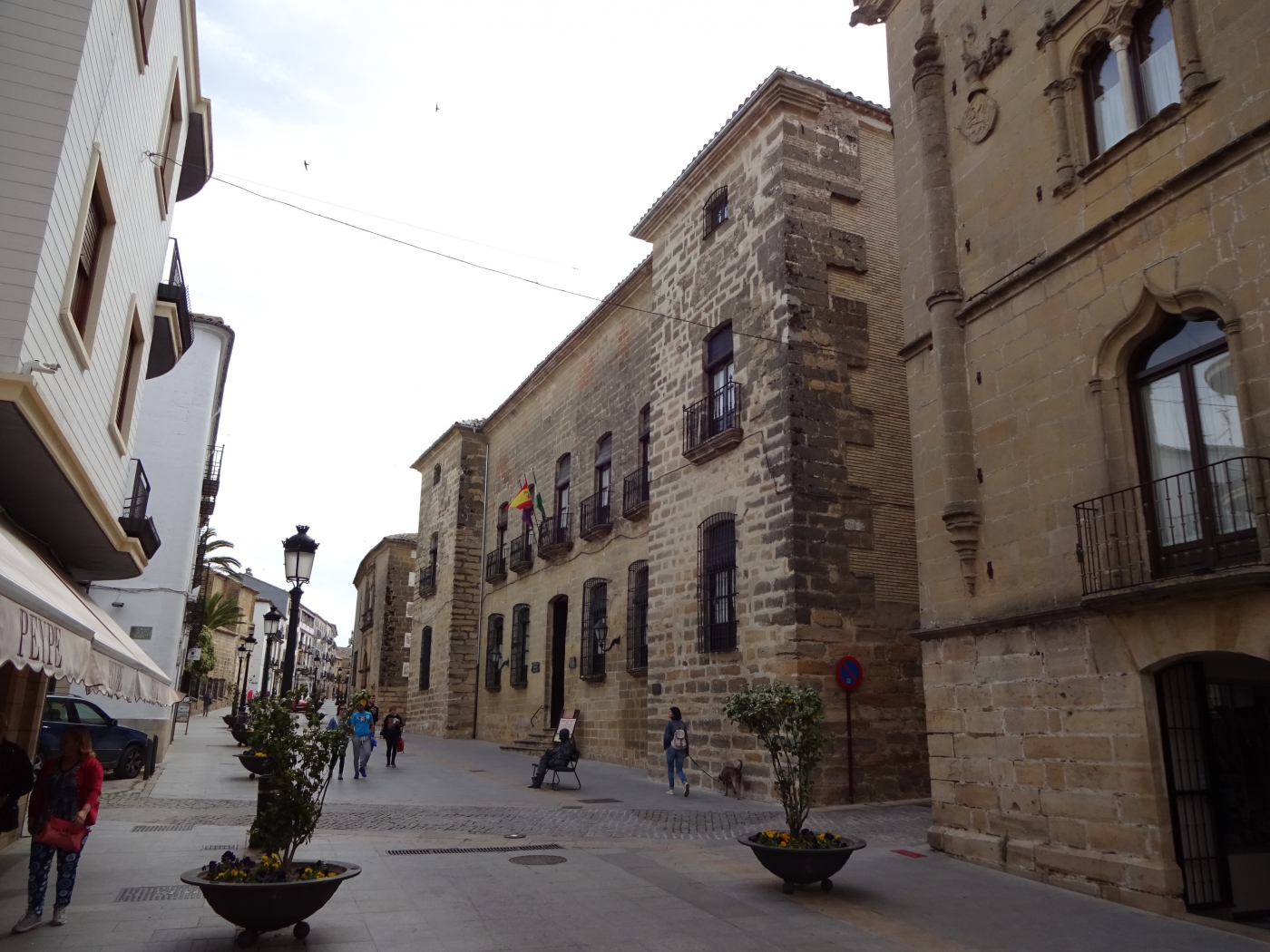
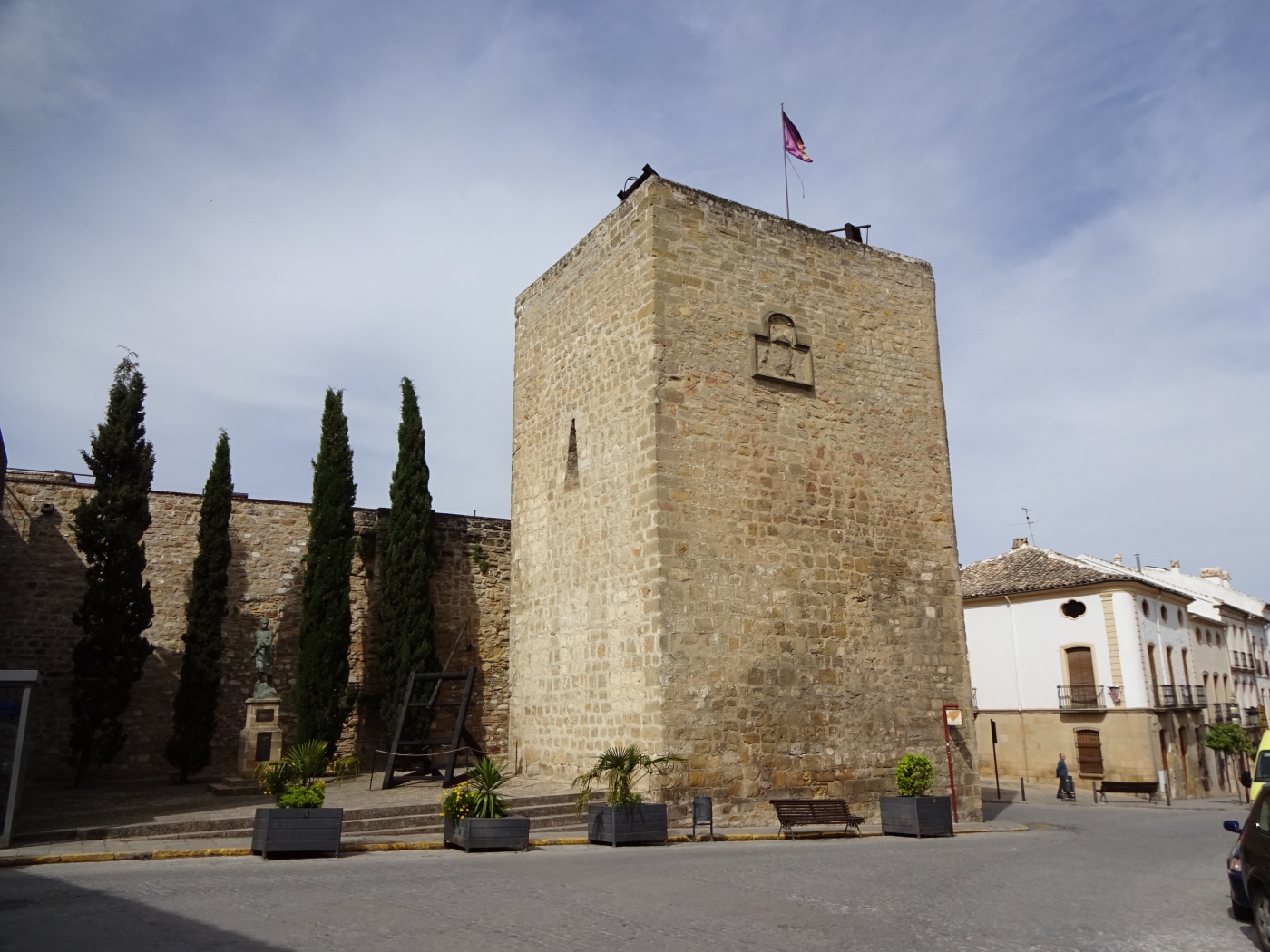
Nestled in the heart of Andalusia, the city of Baeza stands as a magnificent testament to the Spanish Renaissance, its historic core designated a UNESCO World Heritage site. This urban gem offers an unparalleled journey back to a golden age, showcasing an architectural harmony born from a period of profound cultural and economic flourishing.
A Golden Age of Transformation
Baeza's prosperity peaked in the 16th century, following the Christian Reconquista. Its strategic location and status as an important administrative and ecclesiastical center attracted wealthy noble families and ambitious clergy. These patrons, influenced by the burgeoning Renaissance ideals from Italy, commissioned a series of splendid public and religious buildings that transformed the city's medieval fabric into a coherent and elegant Renaissance ensemble. This era saw a significant intellectual and artistic boom, with architects and artists interpreting classical forms with distinctive Spanish flair.
Architectural Masterpieces
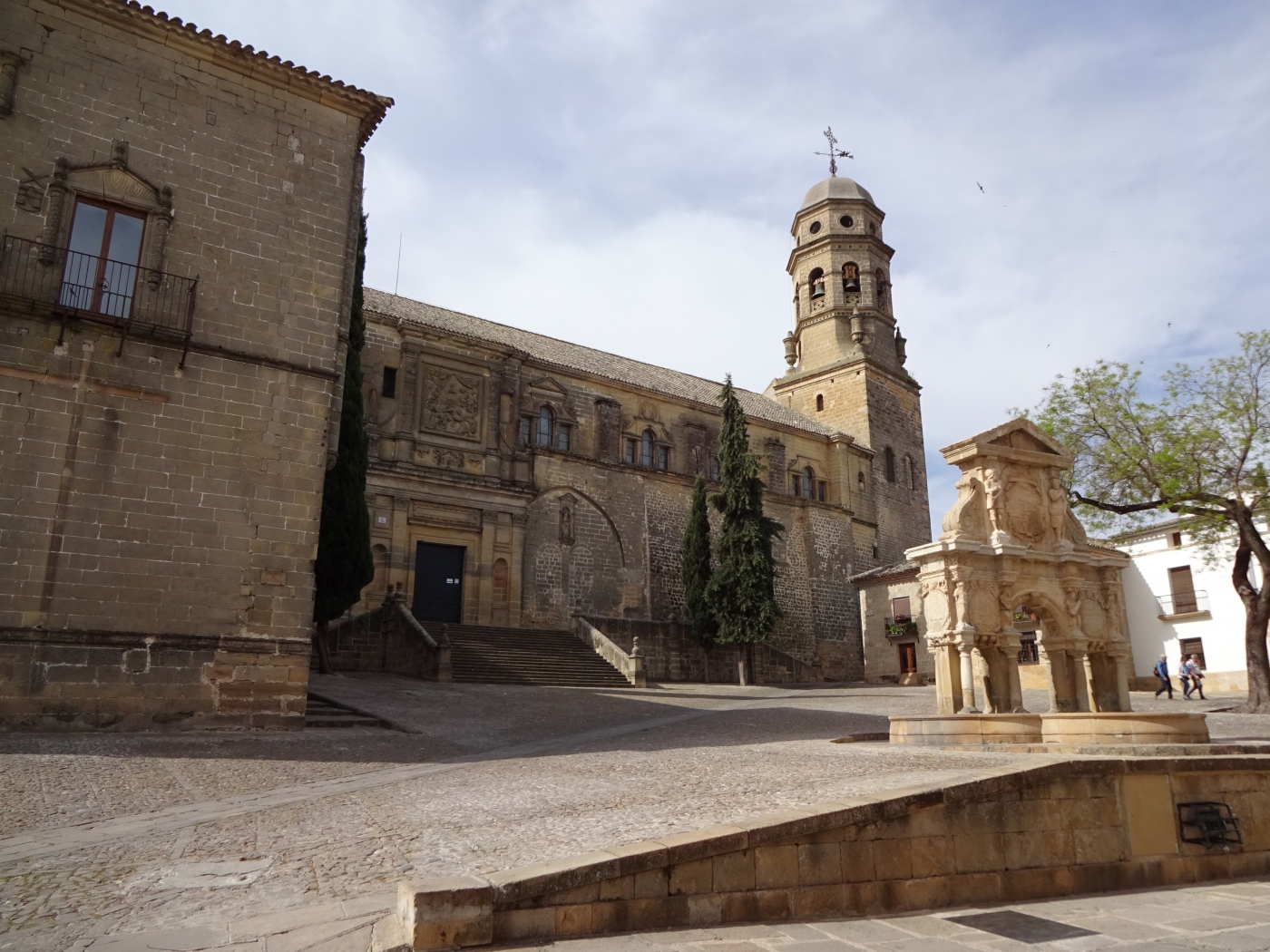
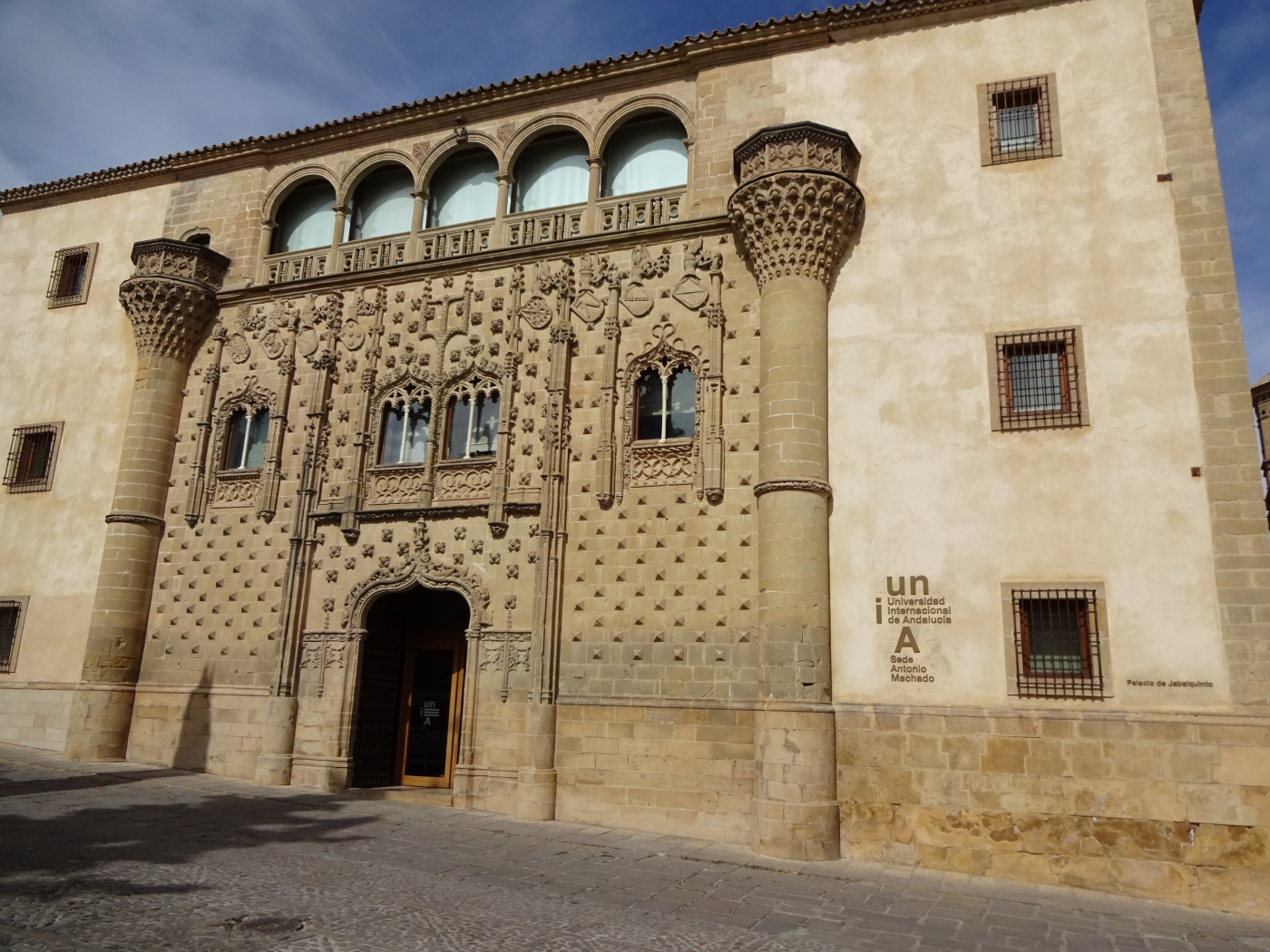
The crown jewel of Baeza's architectural heritage is undoubtedly the impressive Baeza Cathedral, officially the Cathedral of the Assumption of Baeza. Originally a mosque and later a Gothic church, it was masterfully re-envisioned in the Renaissance style by architects like Andrés de Vandelvira, transforming its interior with classical grandeur while retaining elements of its past. Adjacent, the exquisite Palacio de Jabalquinto showcases a remarkable Isabelline Gothic façade adorned with intricate Renaissance details, a testament to the transitional styles of the period. The former Antigua Universidad (Old University) and the Seminario de San Felipe Neri further exemplify the city's intellectual and spiritual vibrancy.
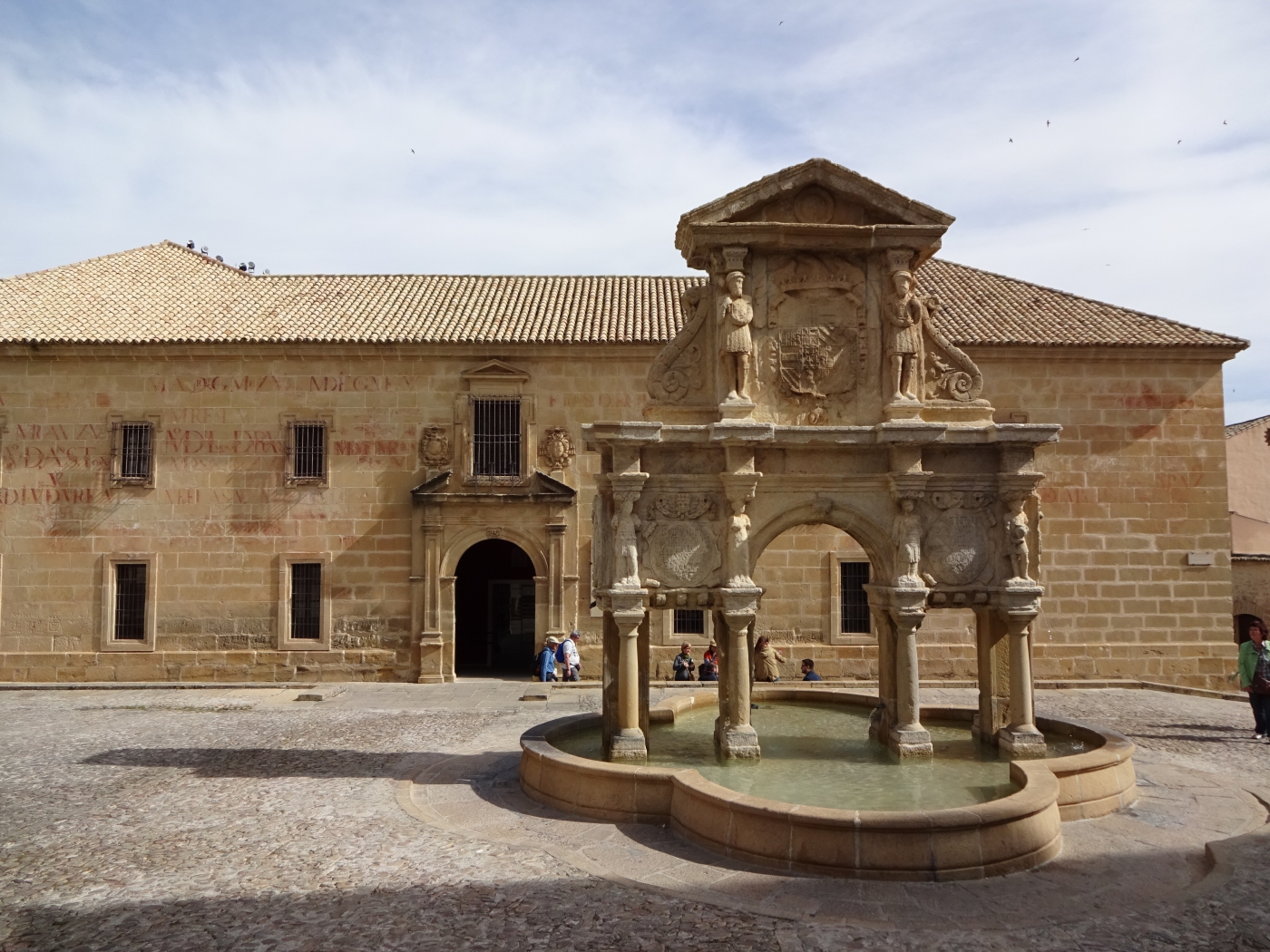
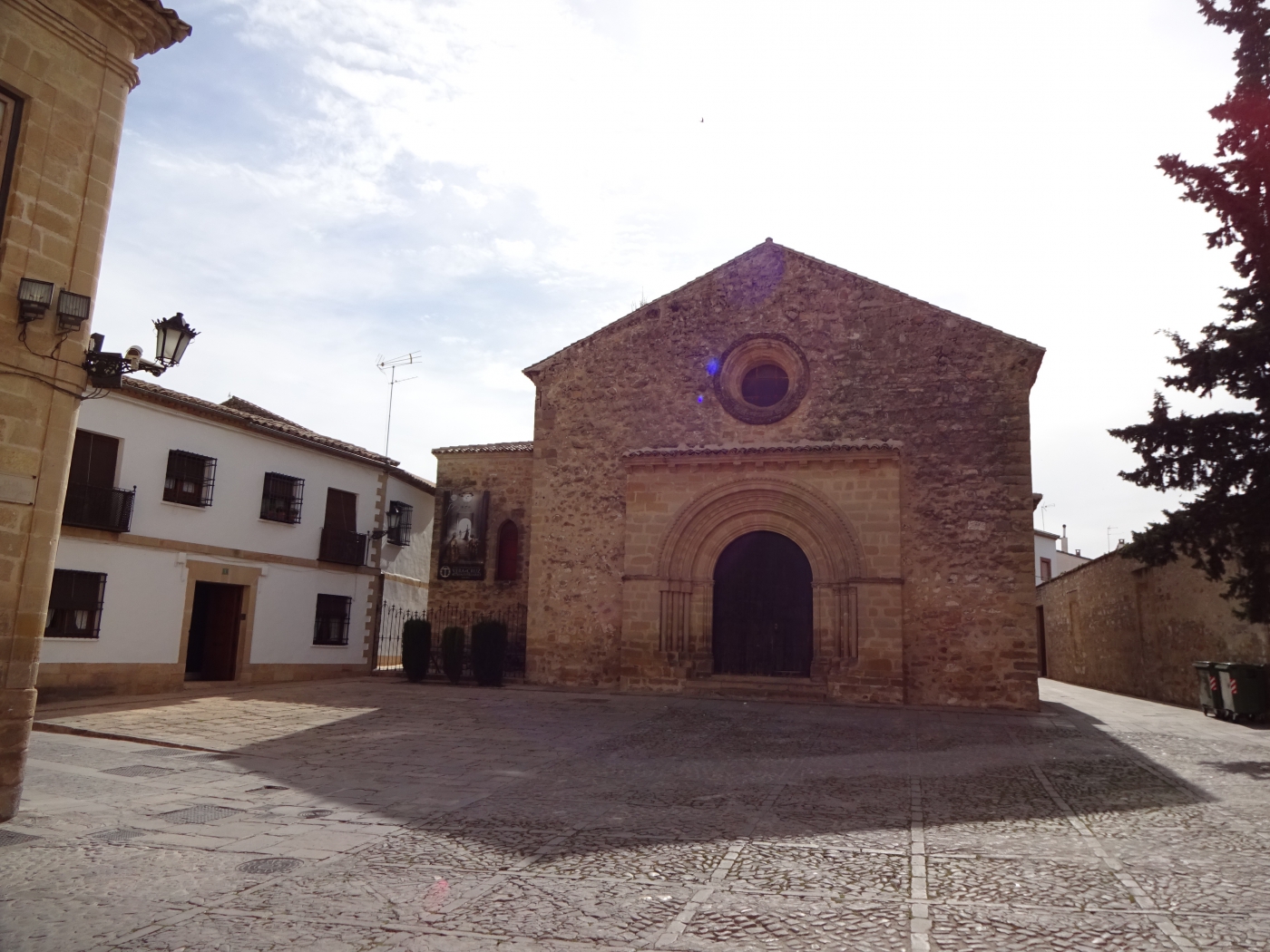
The majestic Plaza de Santa María forms the nucleus of this ensemble, flanked by the cathedral, the stunning Santa María Fountain, and the former town council building, the Casas Consistoriales Bajas. Nearby, the Santa Cruz Church, one of Andalusia's oldest Visigothic churches, provides a fascinating contrast to the dominant Renaissance aesthetic, hinting at the city's deep historical layers. The interplay of these magnificent structures creates a unique urban landscape, where every corner reveals the rich artistic and historical legacy of the Renaissance.
Weiterführende Links
The urban morphology of the two small cities of Úbeda and Baeza in southern Spain dates back to the Moorish 9th century and to the Reconquista in the 13th century. An important development took place in the 16th century, when the cities were subject to renovation along the lines of the emerging Renaissance. This planning intervention was part of the introduction into Spain of new humanistic ideas from Italy, which went on to have a great influence on the architecture of Latin America.