Classical Weimar
Weimar, Germany
19.06.2018

A Cradle of German Classicism
The city of Weimar, nestled in Thuringia, Germany, became a beacon of intellectual and artistic endeavor during a remarkable period often referred to as Weimar Classicism. This era, roughly from 1772 to 1805, saw an unparalleled flourishing of literature, philosophy, and art, largely due to the patronage of Duchess Anna Amalia of Saxe-Weimar-Eisenach and her son, Duke Carl August. They attracted some of the most prominent minds of the age, transforming the small ducal seat into a cultural capital of Europe.
The Golden Age of Literature
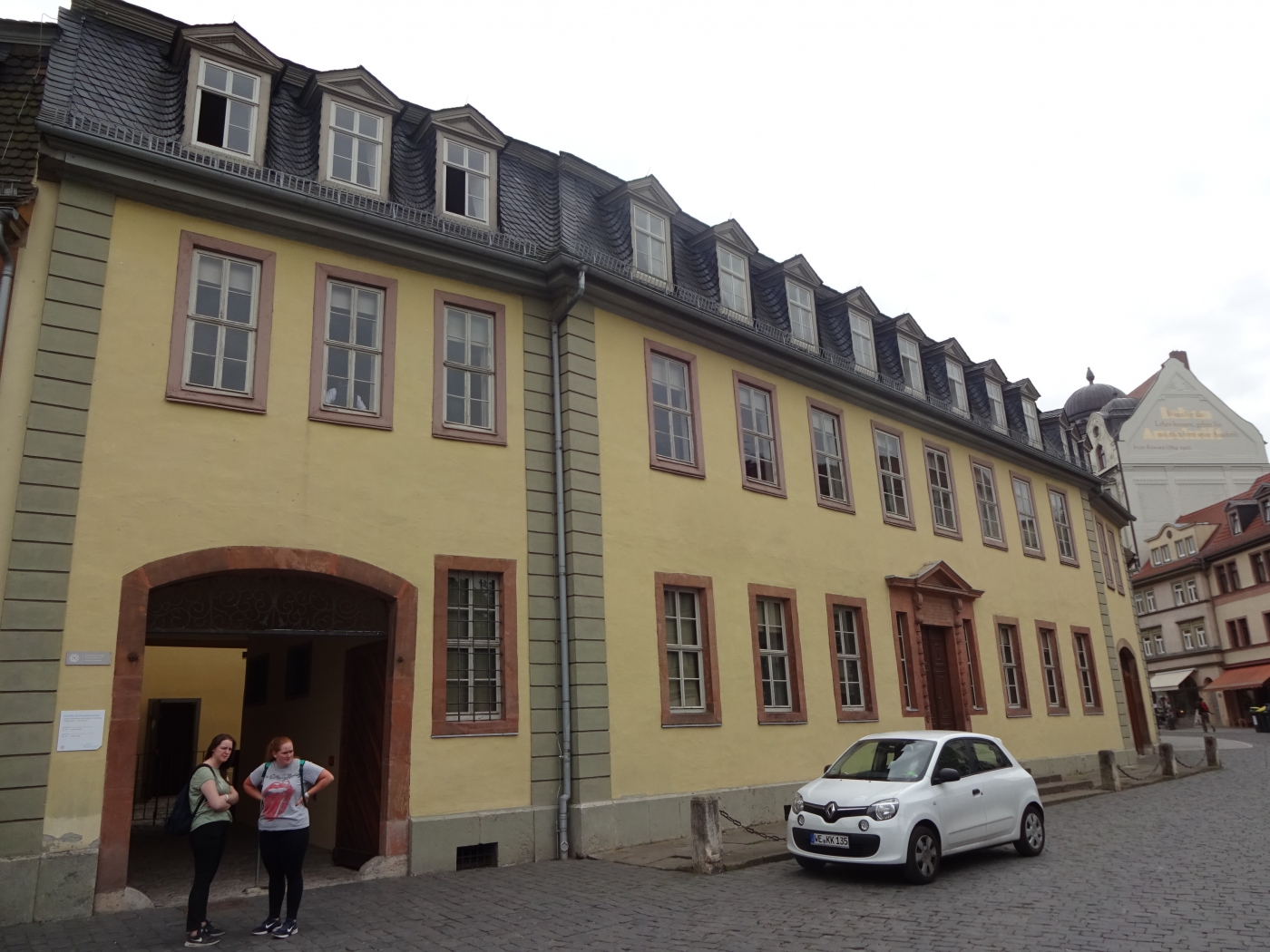
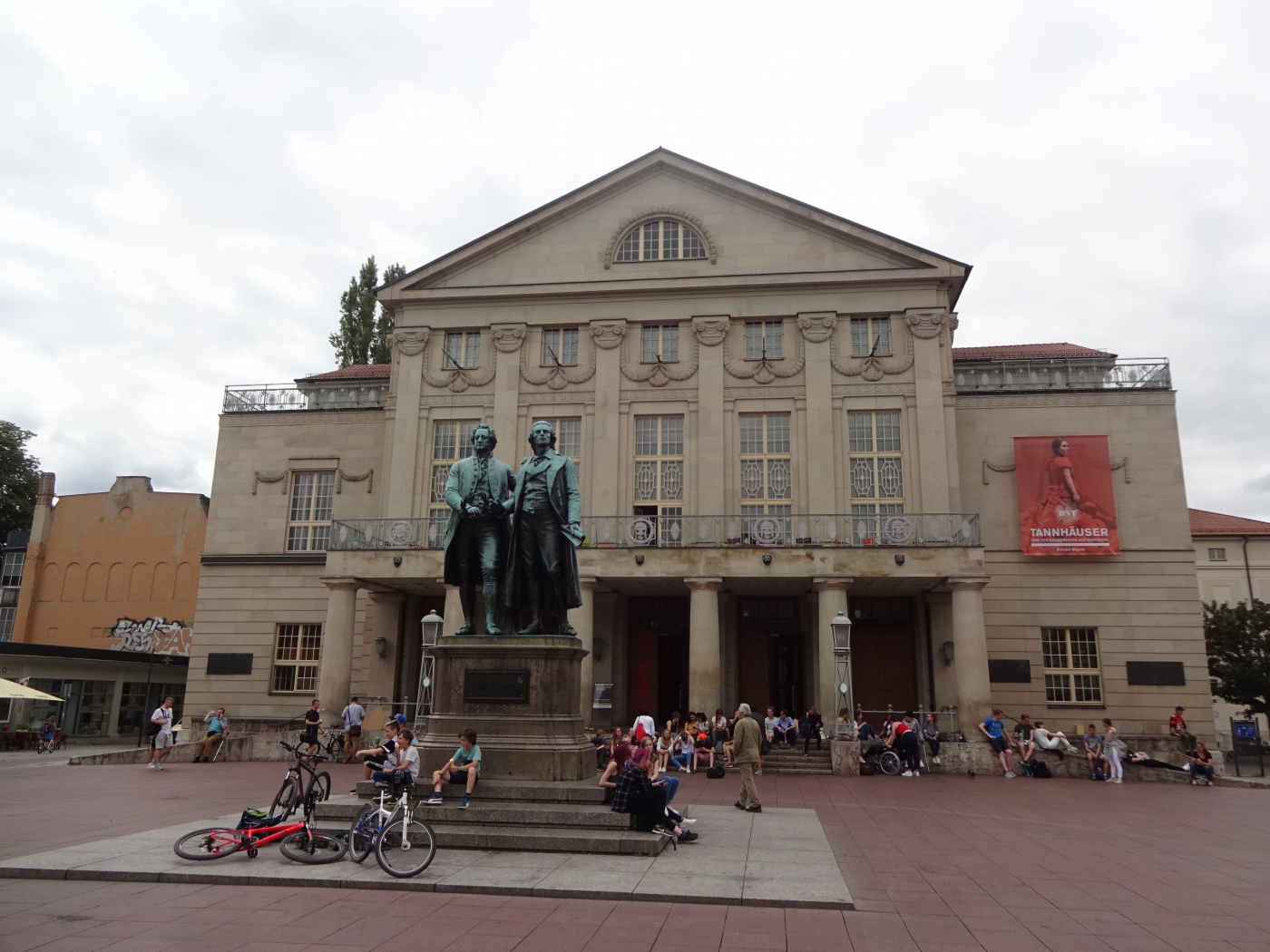
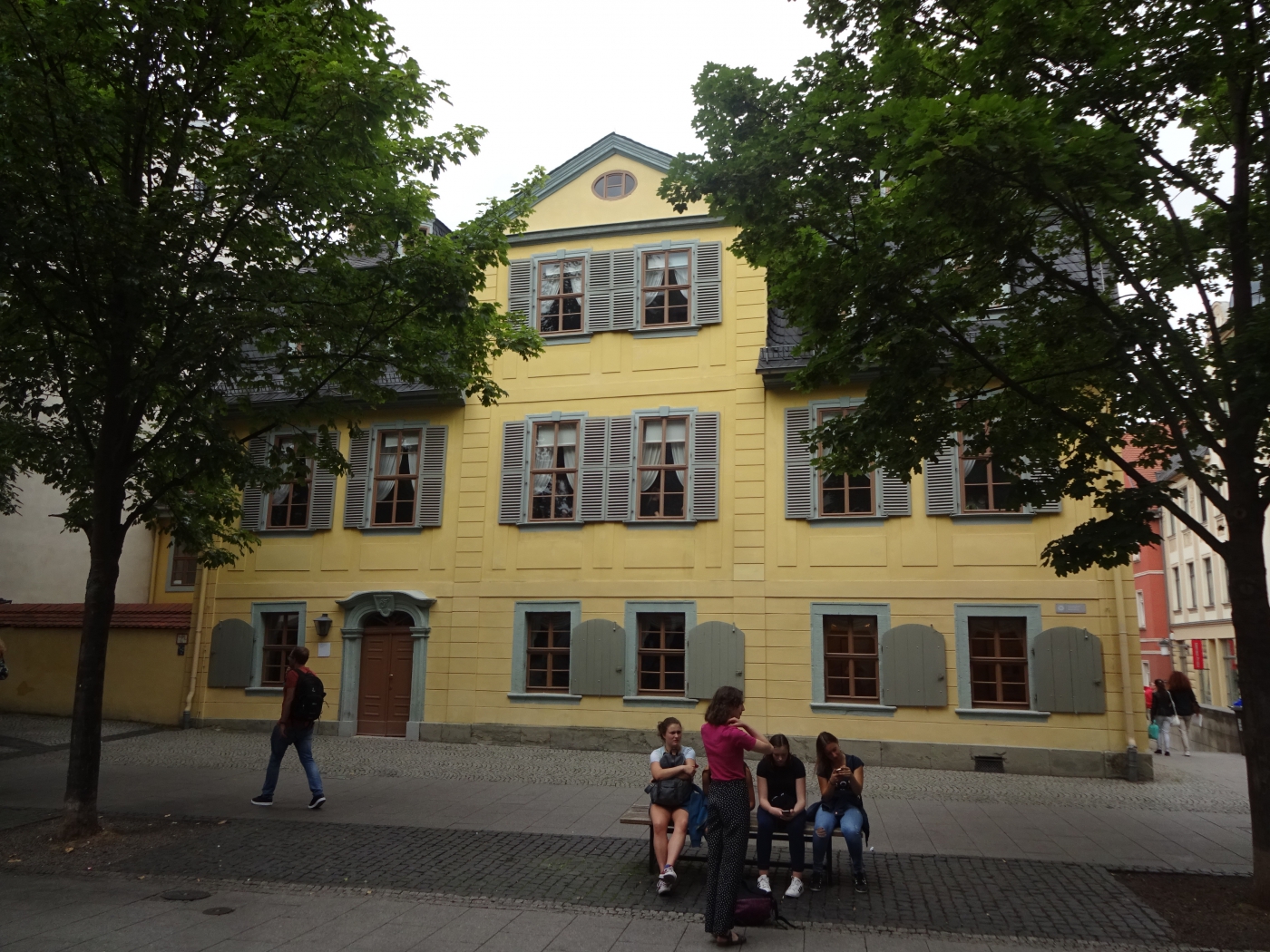
At the heart of this intellectual ferment were giants like Johann Wolfgang von Goethe and Friedrich Schiller. Goethe, who arrived in Weimar in 1775 at the invitation of Duke Carl August, spent the majority of his life here, shaping not only literature but also science and politics. His residence, the Goethe's House at Frauenplan, is a testament to his multifaceted genius, preserving his private rooms, collections, and study. Nearby stands Schiller's House on Esplanade, where Friedrich Schiller resided from 1802 until his death in 1805, completing some of his most significant dramas like "Wilhelm Tell." The close friendship and intense intellectual exchange between Goethe and Schiller profoundly influenced their respective works and defined the ethos of Weimar Classicism.
Architectural and Natural Splendor
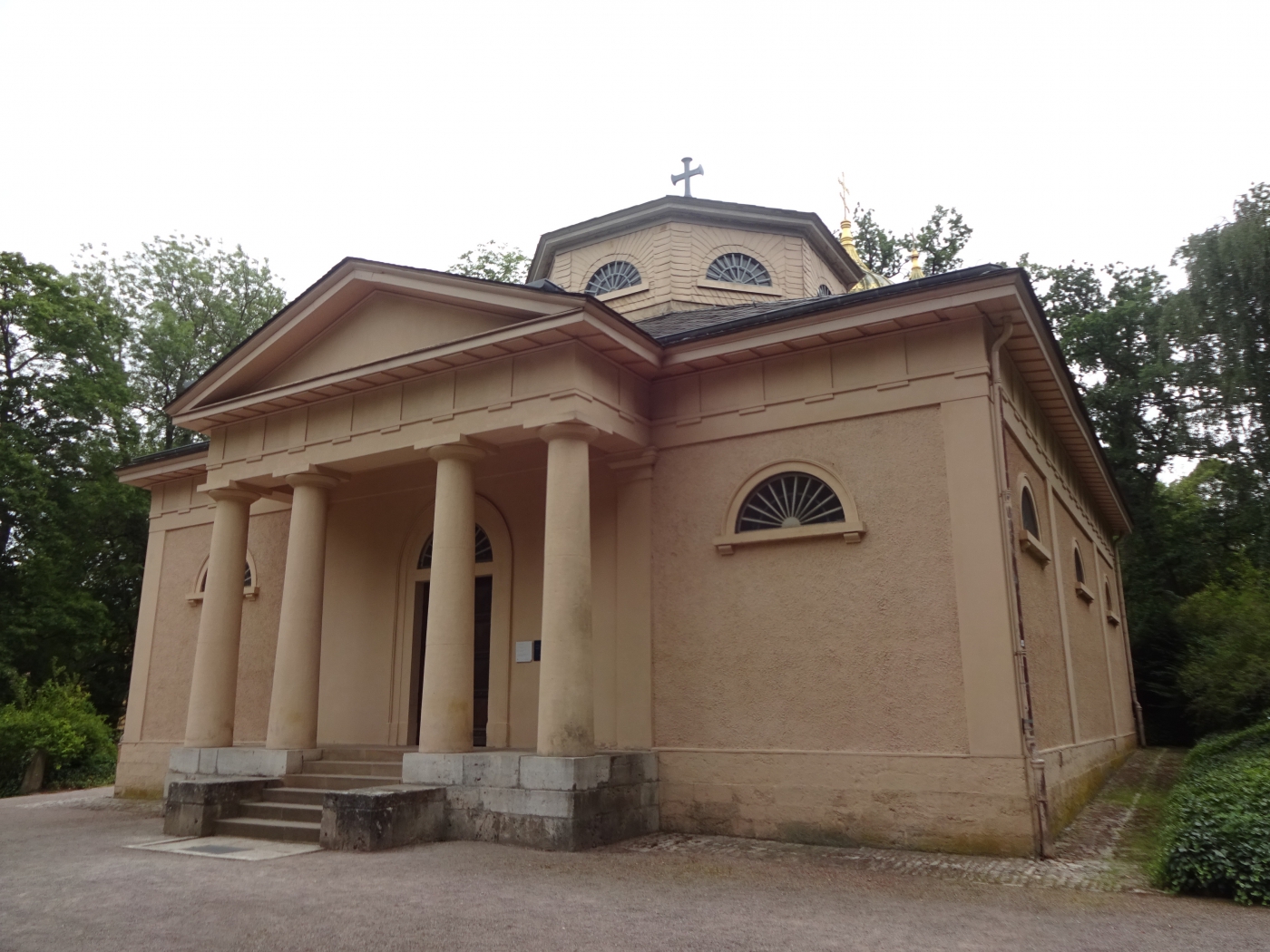
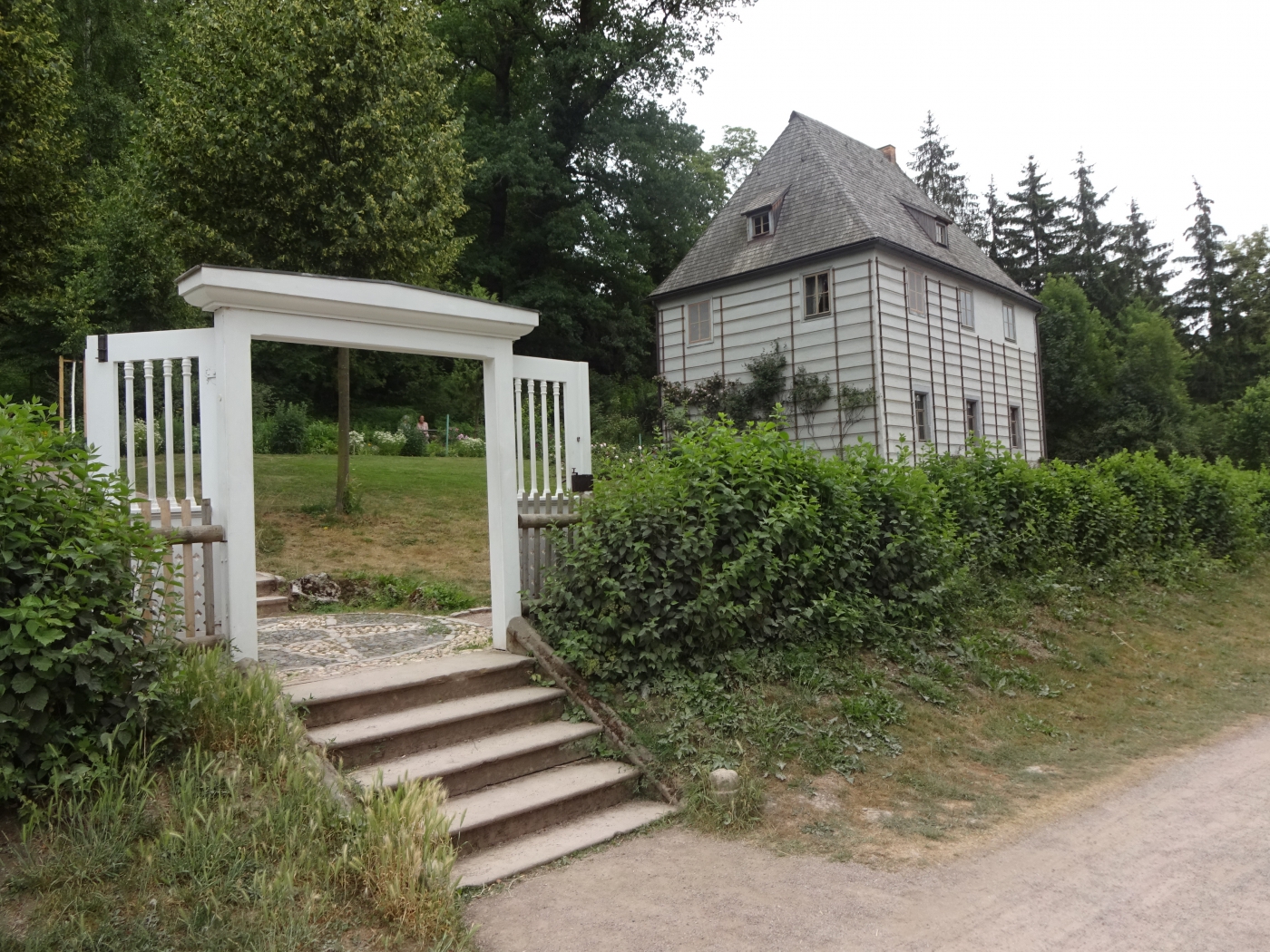
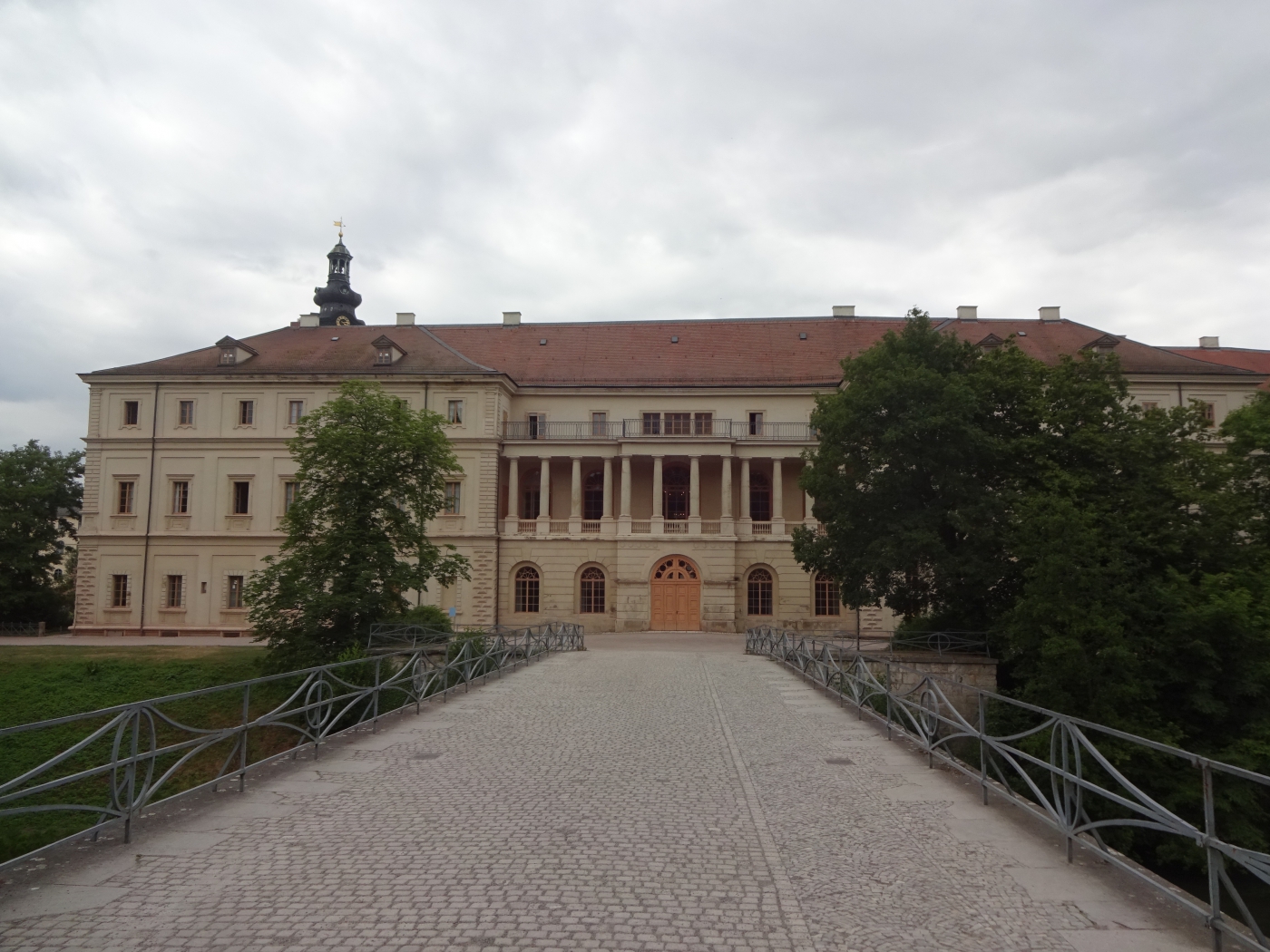
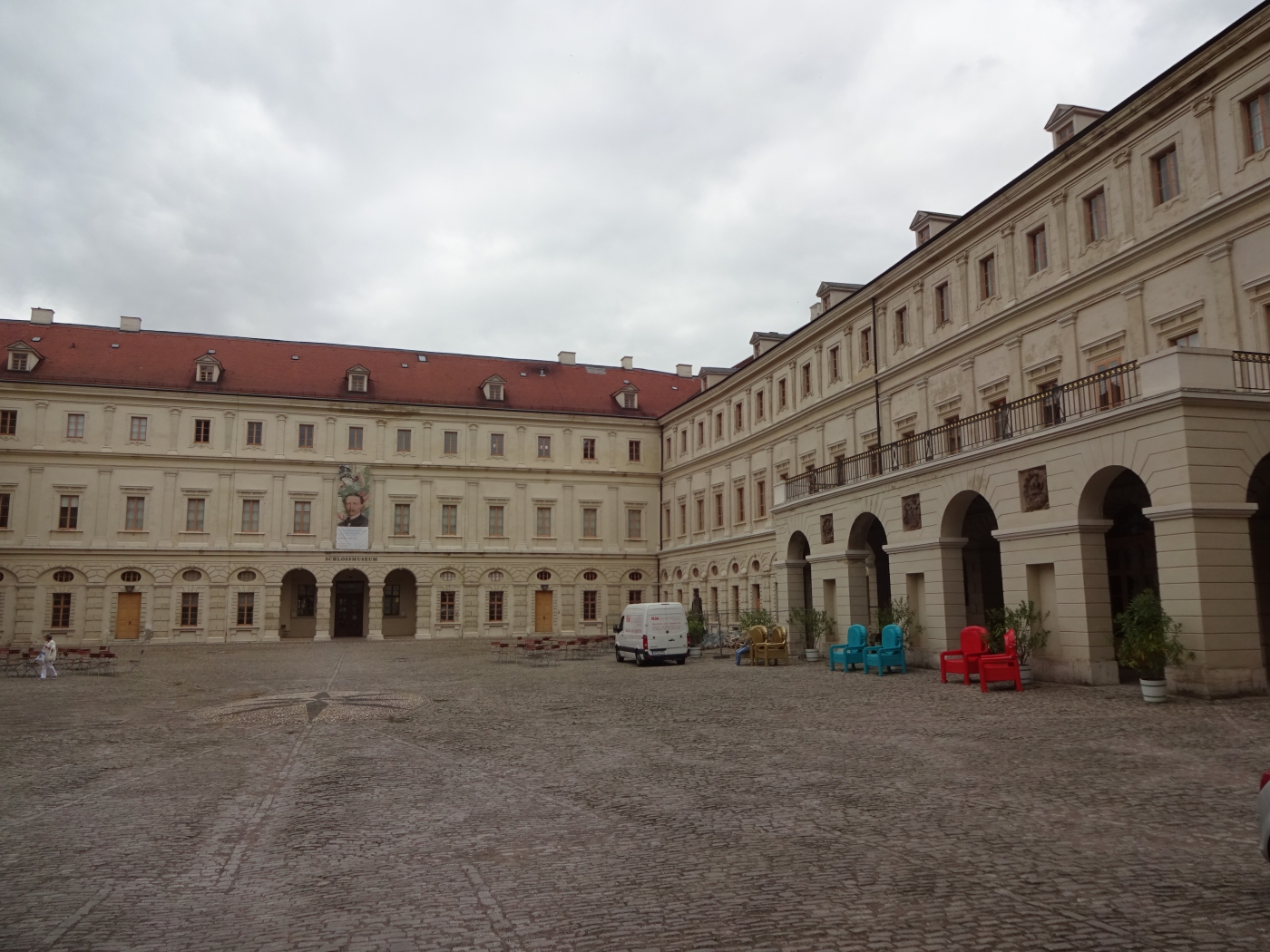
Beyond the personal residences, the cultural landscape of Weimar encompasses several other sites crucial to its UNESCO status. The magnificent Duchess Anna Amalia Library, housed in the Green Castle, stands as a symbol of Enlightenment ideals, holding an extraordinary collection of literary and scientific works. It served as a vital intellectual hub for the city's luminaries. The serene Park an der Ilm, a masterpiece of landscape gardening designed in part by Goethe himself, provides a picturesque backdrop. Within the park, Goethe's Garden House, his first residence in Weimar, offers a glimpse into his early years in the city and his connection with nature. The Weimar City Palace, though rebuilt multiple times, served as the ducal residence and a center for courtly life and artistic performances. Finally, the Cemetery of the Princes (Fürstengruft) at the Historic Cemetery is the solemn resting place of Goethe and Schiller, whose sarcophagi lie beside those of the ducal family, symbolizing their enduring legacy.
Enduring Legacy
The "Classical Weimar" World Heritage site is recognized for its outstanding universal value as a testimony to the cultural efflorescence of the Weimar Classicism period. It embodies a unique concentration of artistic and architectural achievements, reflecting the values of humanism and enlightenment that shaped European intellectual life. The preserved buildings, parks, and institutions offer an immersive journey into a pivotal era that profoundly influenced German and European culture.
Further Reading
In the late 18th and early 19th centuries the small Thuringian town of Weimar witnessed a remarkable cultural flowering, attracting many writers and scholars, notably Goethe and Schiller. This development is reflected in the high quality of many of the buildings and of the parks in the surrounding area.
Classical Weimar (German: Klassisches Weimar) is a UNESCO World Heritage Site consisting of 11 sites located in and around the city of Weimar, Germany. The site was inscribed on 2 December 1998. The properties all bear testimony to the influence of Weimar as a cultural centre of the Enlightenment during the eighteenth and early nineteenth centuries. A number of notable writers and philosophers lived in Weimar between 1772 and 1805, including Johann Wolfgang von Goethe, Johann Gottfried Herder, Friedrich Schiller, and Christoph Martin Wieland. These figures ushered in and participated in the Weimar Classicism movement, and the architecture of the sites across the city reflects the rapid cultural development of the Classical Weimar era.