Carolingian Westwork and Civitas Corvey
Höxter, Germany
23.06.2018

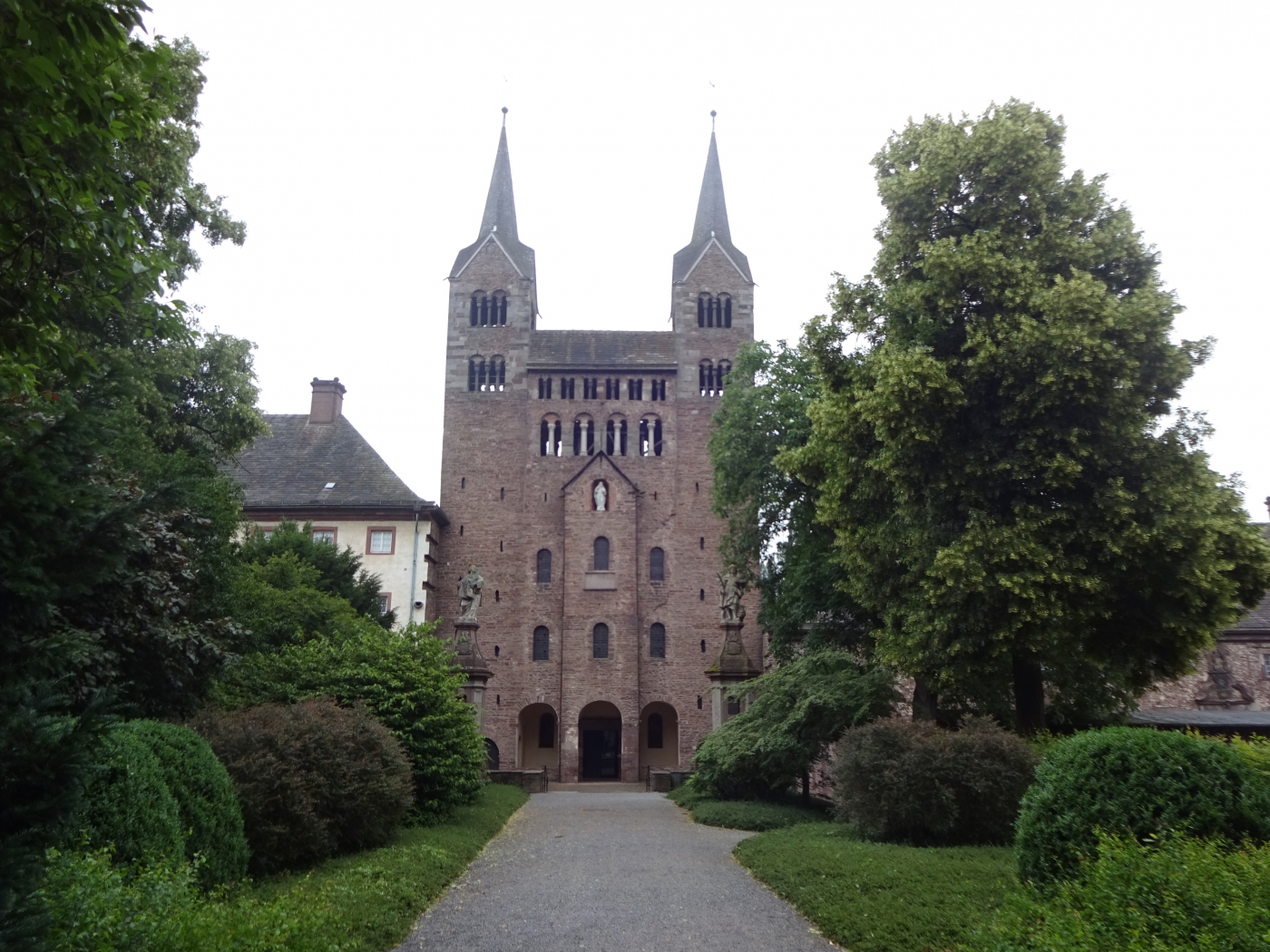
Near **Höxter**, Germany, the **Carolingian Westwork and Civitas Corvey** is an exceptional UNESCO World Heritage site. It embodies the profound cultural and political significance of the Carolingian Empire, representing a best-preserved example of Carolingian monastic architecture and culture.
A Carolingian Powerhouse
Founded in 822 AD by **Emperor Louis the Pious**, son of **Charlemagne**, **Corvey** quickly became vital. It was crucial for spreading Christianity and education across northern Europe, evangelizing Scandinavia and Eastern Europe, and becoming an intellectual and spiritual beacon with imperial patronage.
The Iconic Westwork
Corvey's most striking feature is its monumental **Westwork**, built 873-885 AD. This unique, multi-story entrance is the only nearly complete Carolingian example. It functioned as an imperial reception hall and for public ceremonies, symbolizing imperial authority. Its upper story preserves some of the oldest wall paintings north of the Alps, depicting scenes from the **Odyssey**, highlighting sophisticated cultural context.
Legacy of Learning
**Corvey** was celebrated for its scriptorium and vast library. Here, the only surviving manuscript of the first six books of **Tacitus's** *Annales* was rediscovered, underscoring its pivotal role in preserving classical knowledge. Scholars flocked here, making **Corvey** a preeminent intellectual hub. The surrounding **Civitas** demonstrated the abbey's extensive social and economic influence.
Enduring Significance
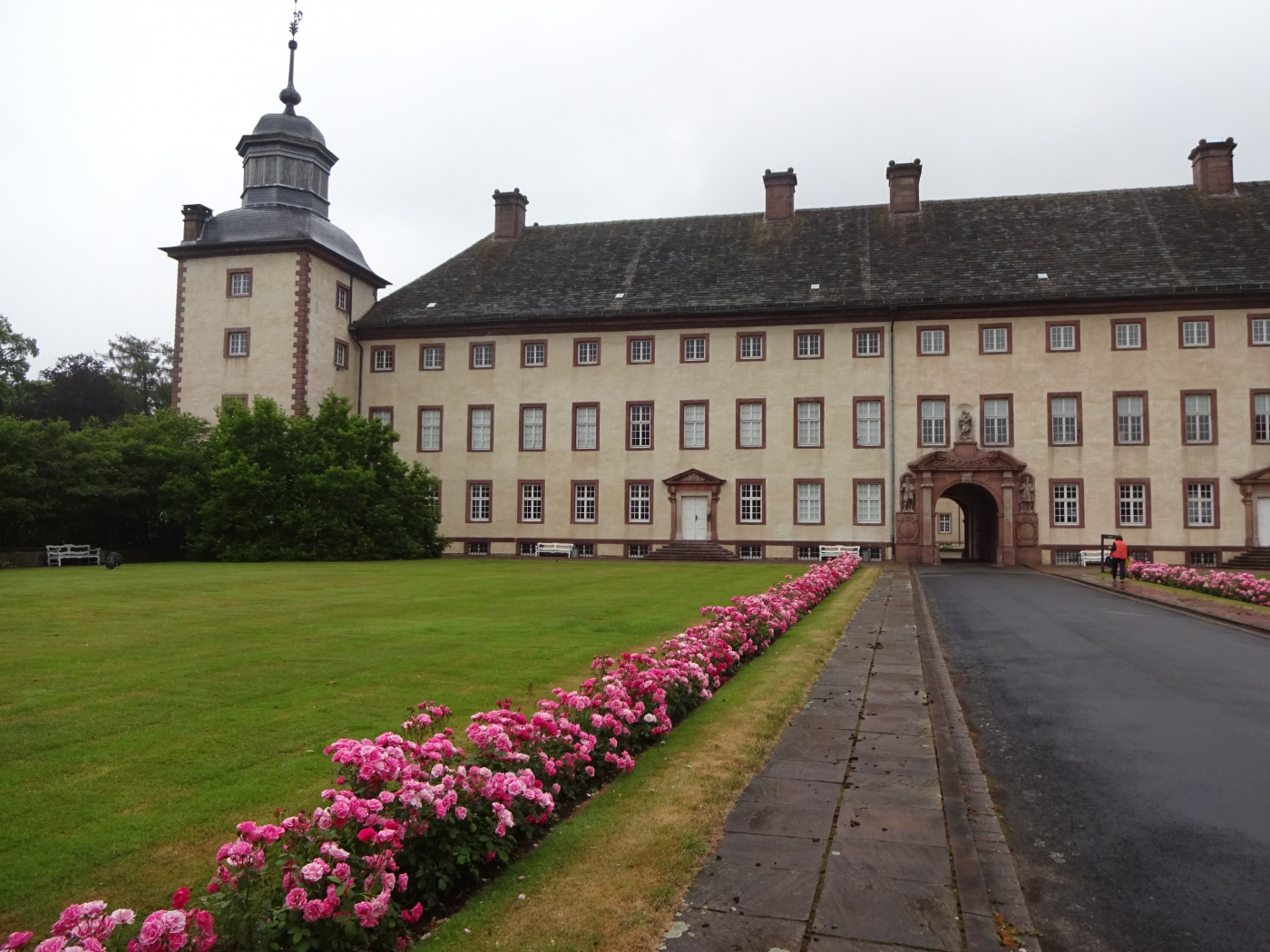
Despite alterations and secularization in 1803, the **Westwork** remains an authentic witness to the Carolingian age. Today, the complex, owned by the **House of Ratibor**, offers a direct link to a formative European historical period and its rich cultural landscape, globally recognized by UNESCO.
Weiterführende Links
The site is located along the Weser River on the outskirts of Höxter where the Carolingian Westwork and Civitas Corvey were erected between AD 822 and 885 in a largely preserved rural setting. The Westwork is the only standing structure that dates back to the Carolingian era, while the original imperial abbey complex is preserved as archaeological remains that are only partially excavated. The Westwork of Corvey uniquely illustrates one of the most important Carolingian architectural expressions. It is a genuine creation of this period, and its architectural articulation and decoration clearly illustrate the role played within the Frankish empire by imperial monasteries in securing territorial control and administration, as well as the propagation of Christianity and the Carolingian cultural and political order throughout Europe.
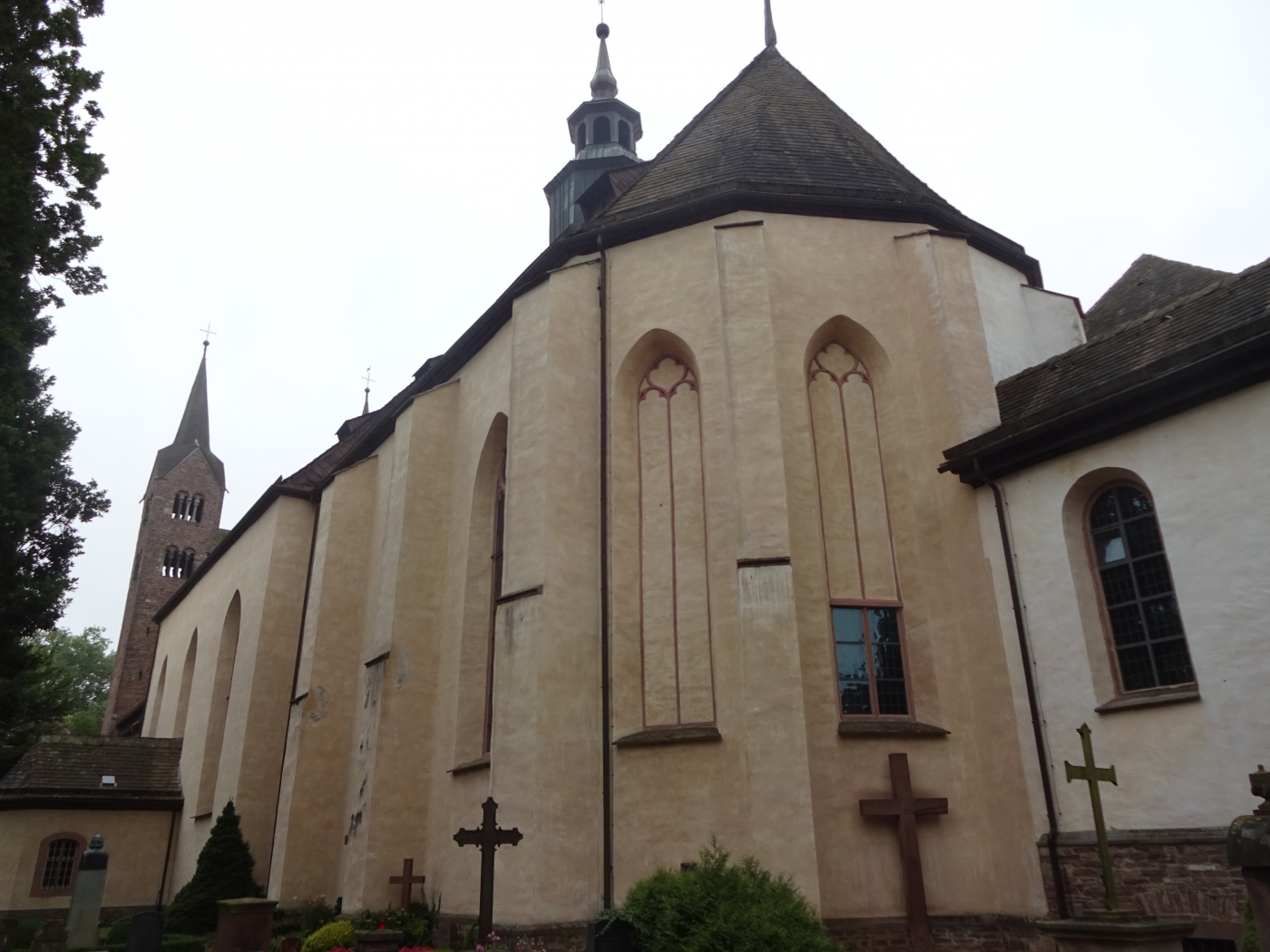
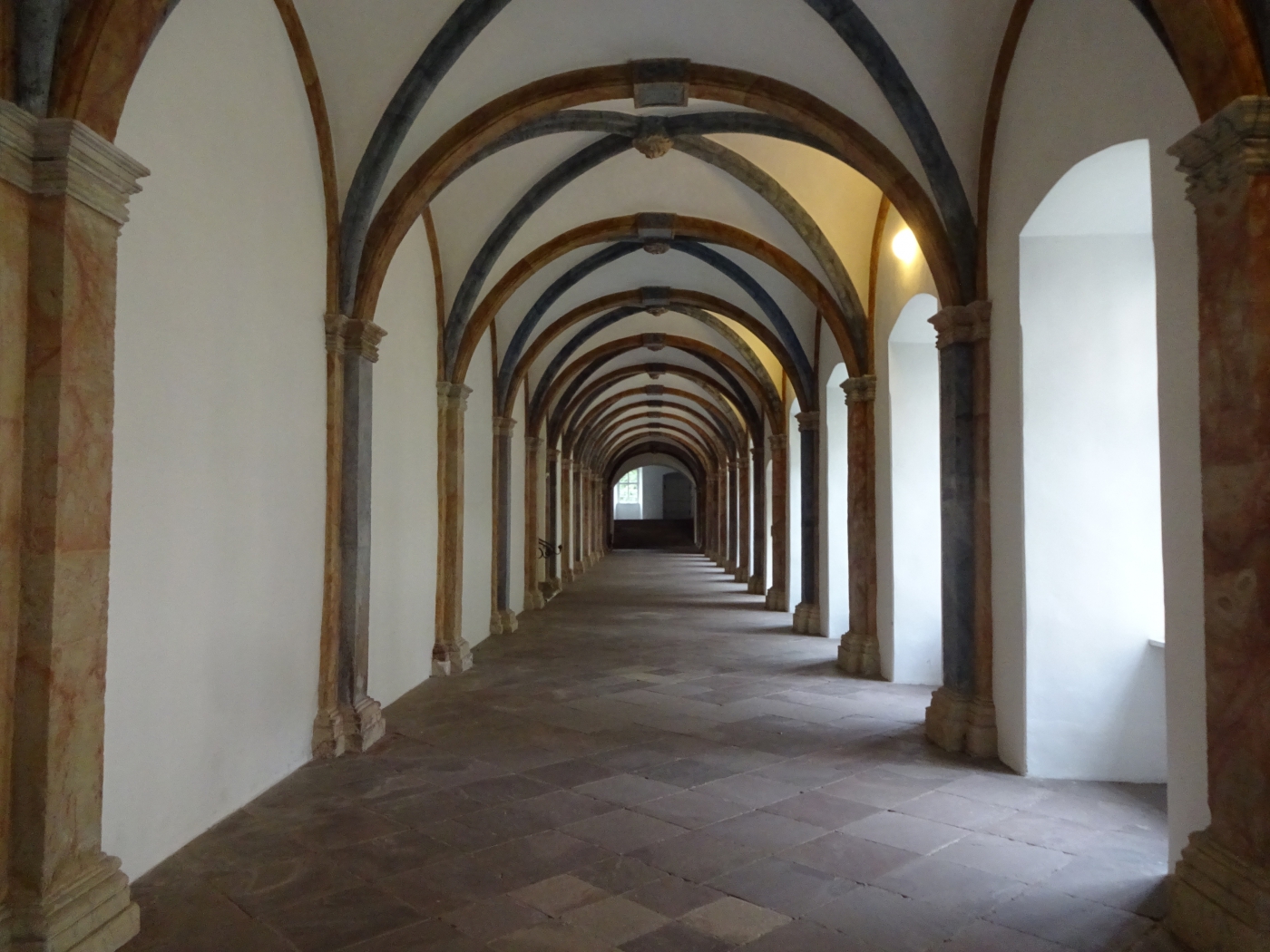
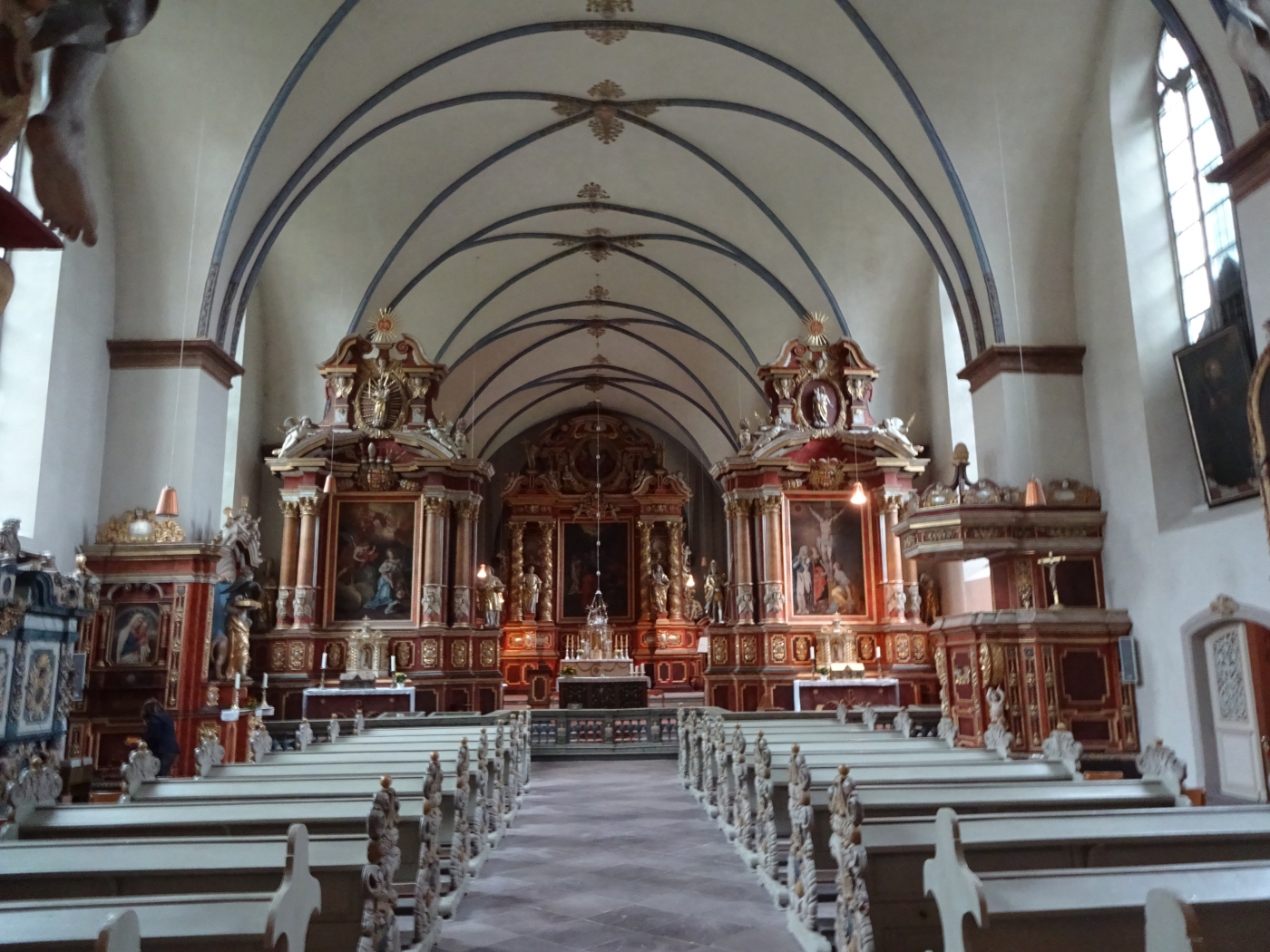
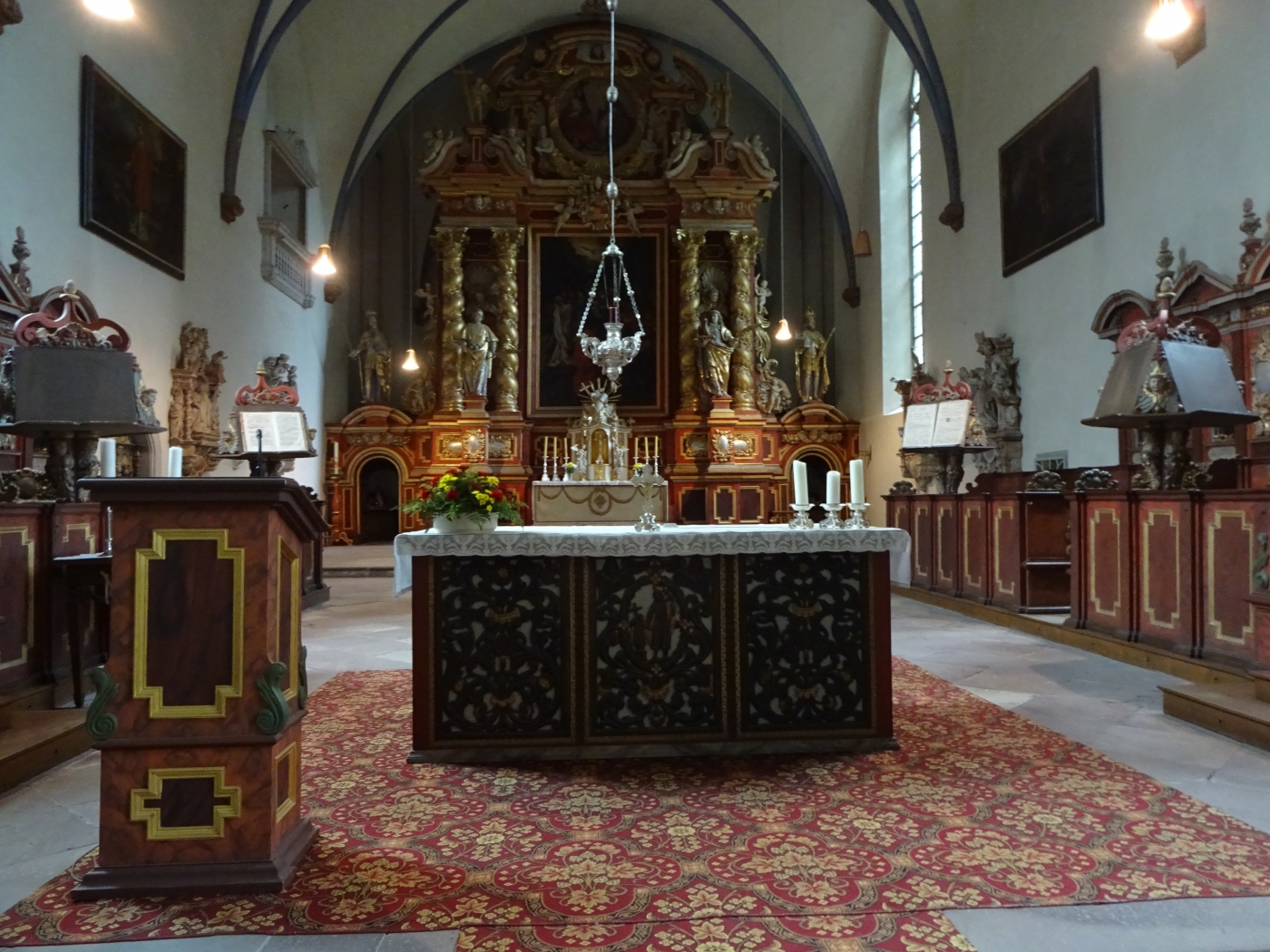
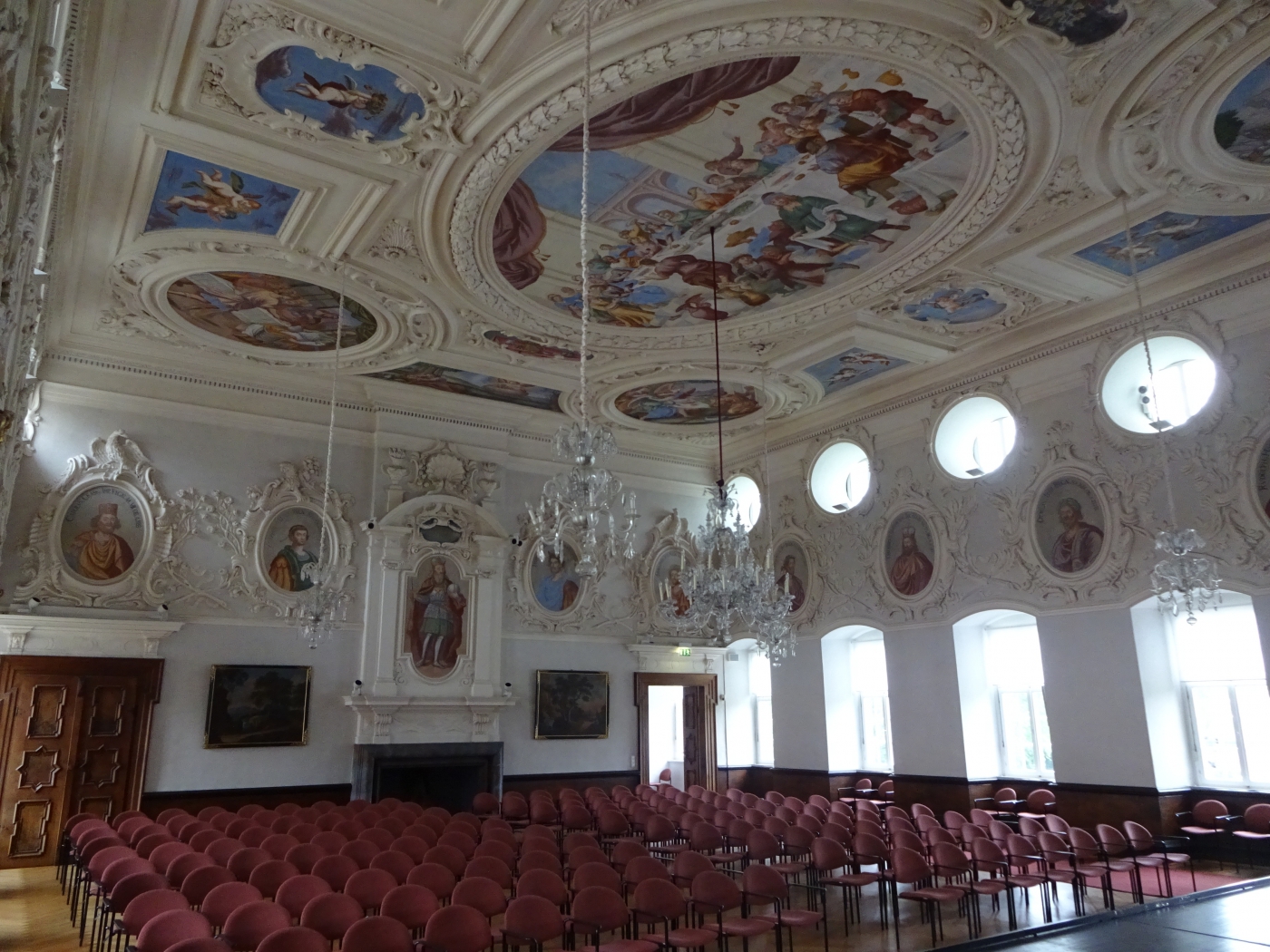
The Princely Abbey of Corvey (German: Fürststift Corvey or German: Fürstabtei Corvey) is a former Benedictine abbey and ecclesiastical principality now in North Rhine-Westphalia, Germany. It was one of the half-dozen self-ruling princely abbeys of the Holy Roman Empire from the Late Middle Ages until 1792 when Corvey was elevated to a prince-bishopric. Corvey, whose territory extended over a vast area, was in turn secularized in 1803 in the course of the German mediatisation and absorbed into the newly created Principality of Nassau-Orange-Fulda. Originally built in 822 and 885 and remodeled in the Baroque period, the abbey is an exceptional example of Carolingian architecture, the oldest surviving example of a westwork, and the oldest standing medieval structure in Westphalia. The original architecture of the abbey, with its vaulted hall and galleries encircling the main room, heavily influenced later western Romanesque and Gothic architecture. The inside of the westwork contains the only known wall paintings of ancient mythology with Christian interpretation in Carolingian times. The former abbey church was listed as a UNESCO World Heritage Site in 2014.