Bergpark Wilhelmshöhe
Kassel, Germany
23.06.2018

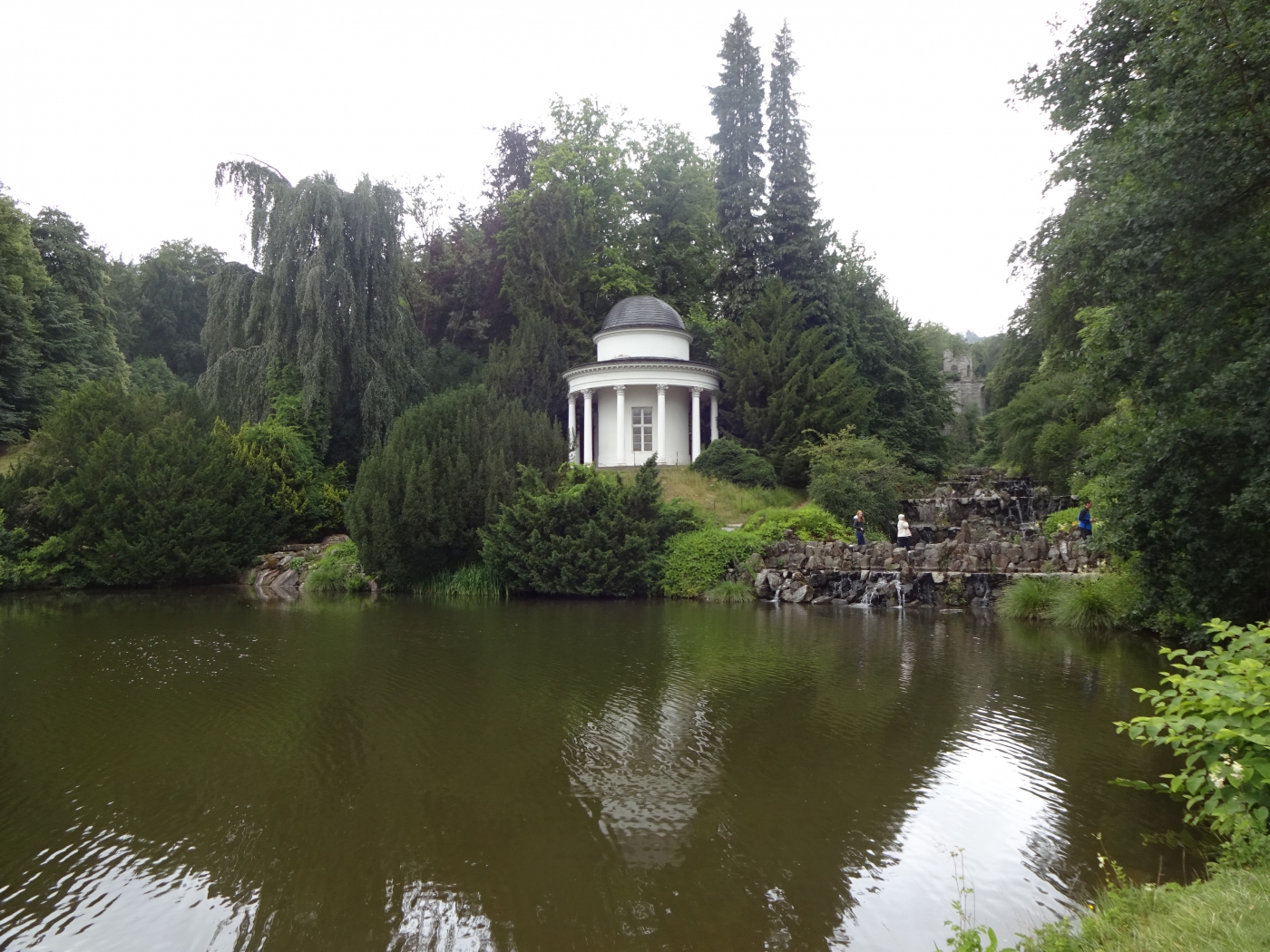
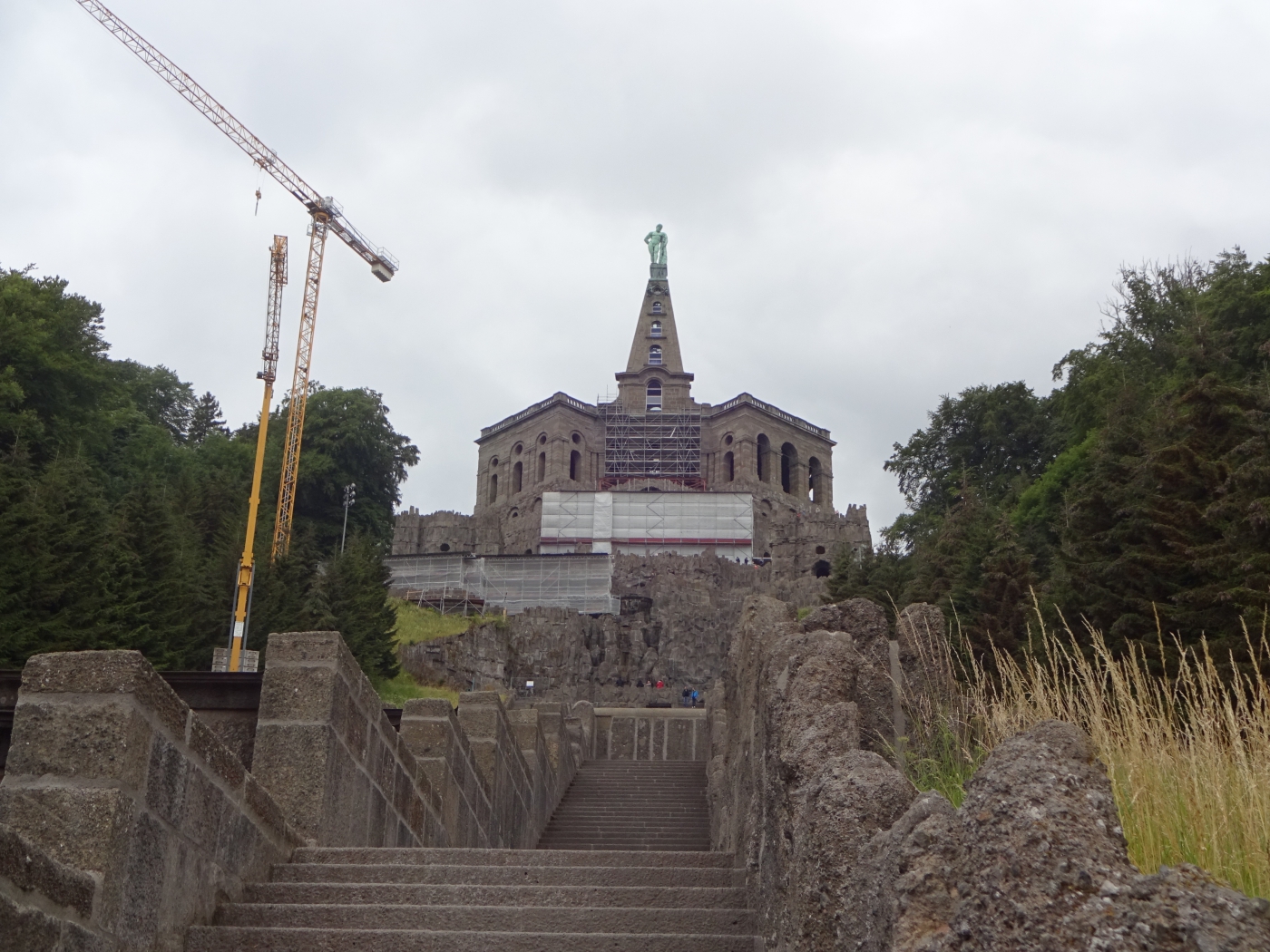
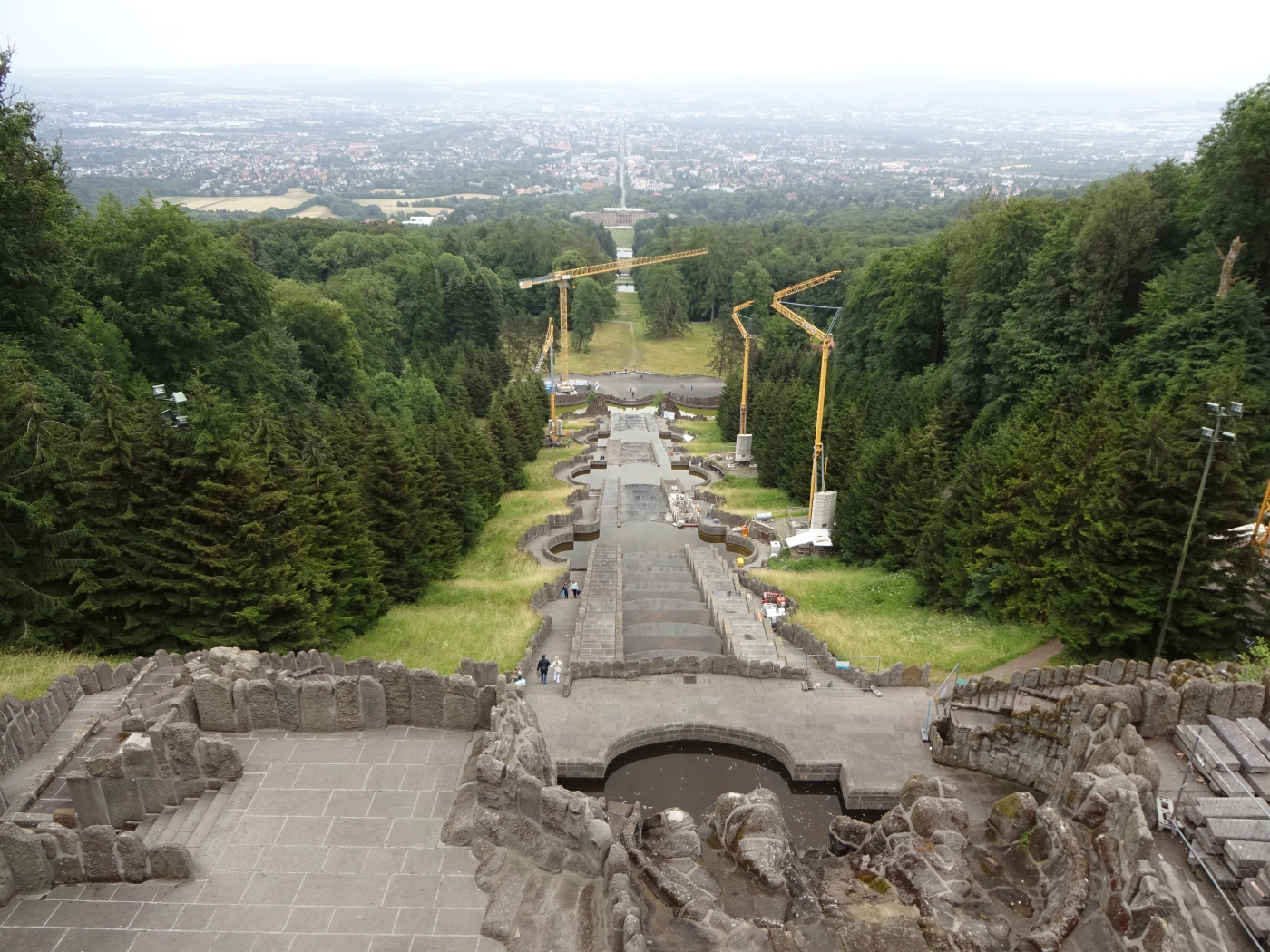
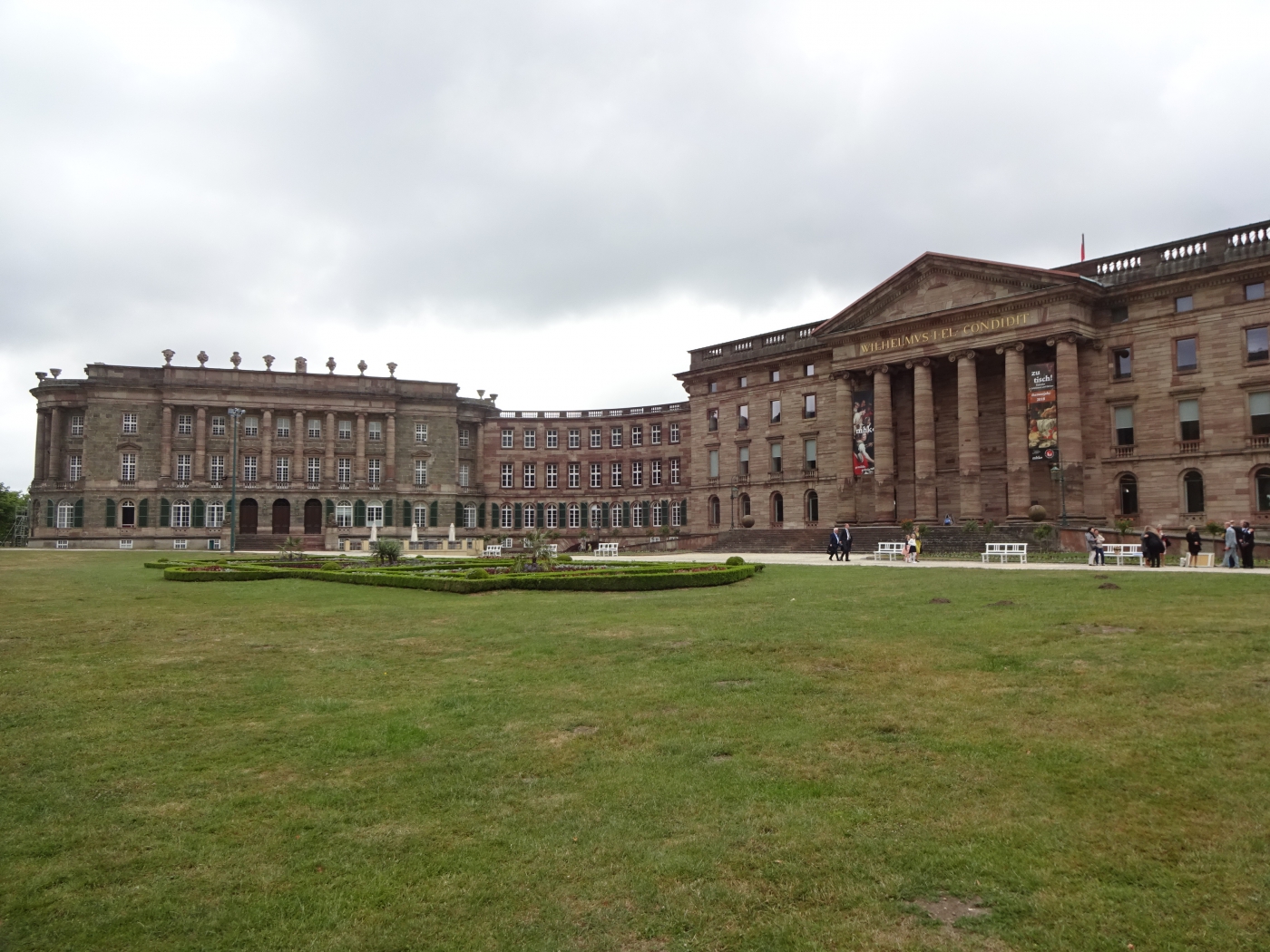
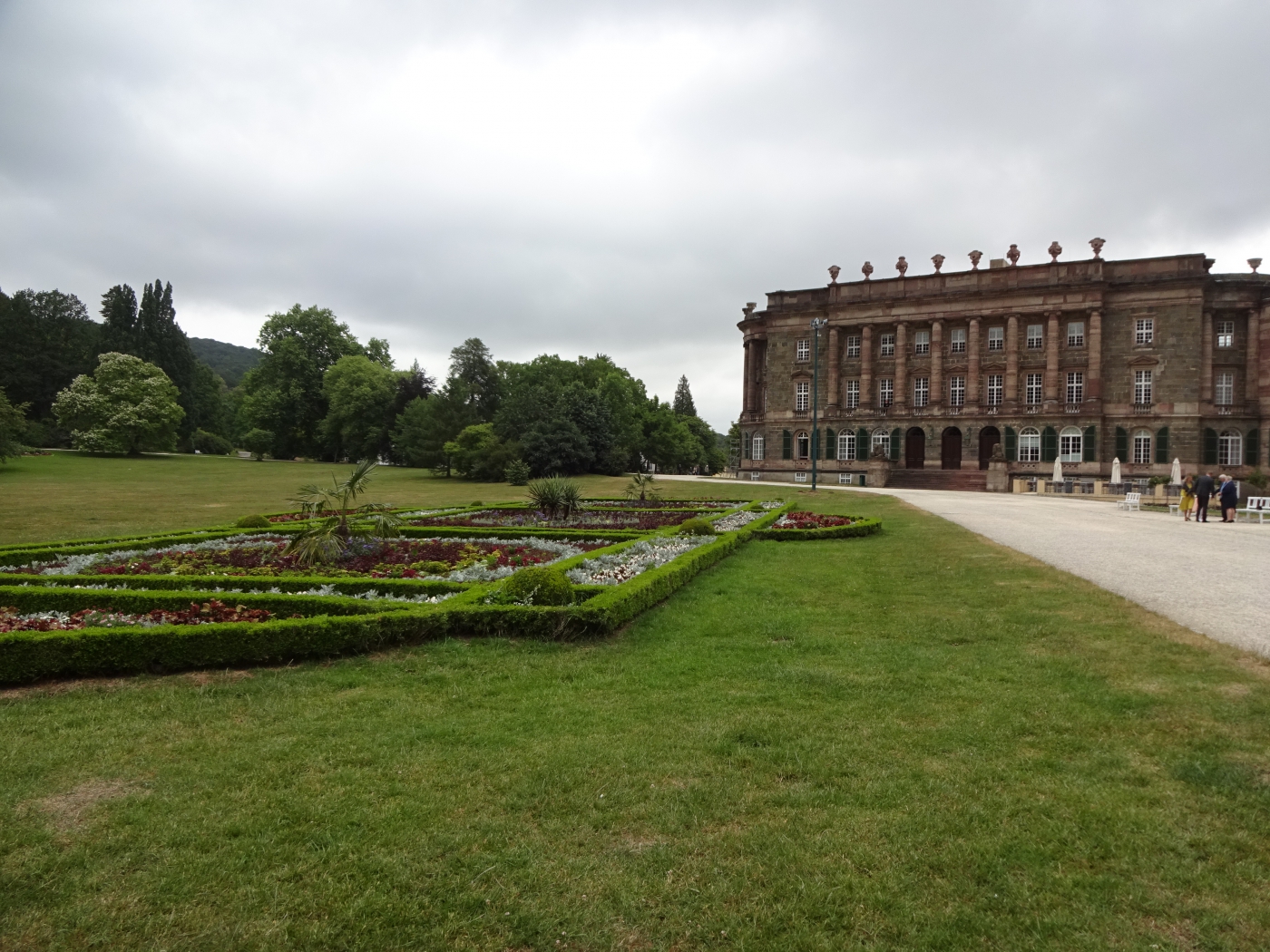
The Bergpark Wilhelmshöhe in Kassel, Germany, a UNESCO World Heritage site since 2013, is a monumental example of European landscape architecture. It's celebrated for its unique blend of monumental Baroque and Romantic garden design, centered around an elaborate system of water features that flow from the colossal Hercules monument down to the Wilhelmshöhe Palace.
A Vision of Water and Art
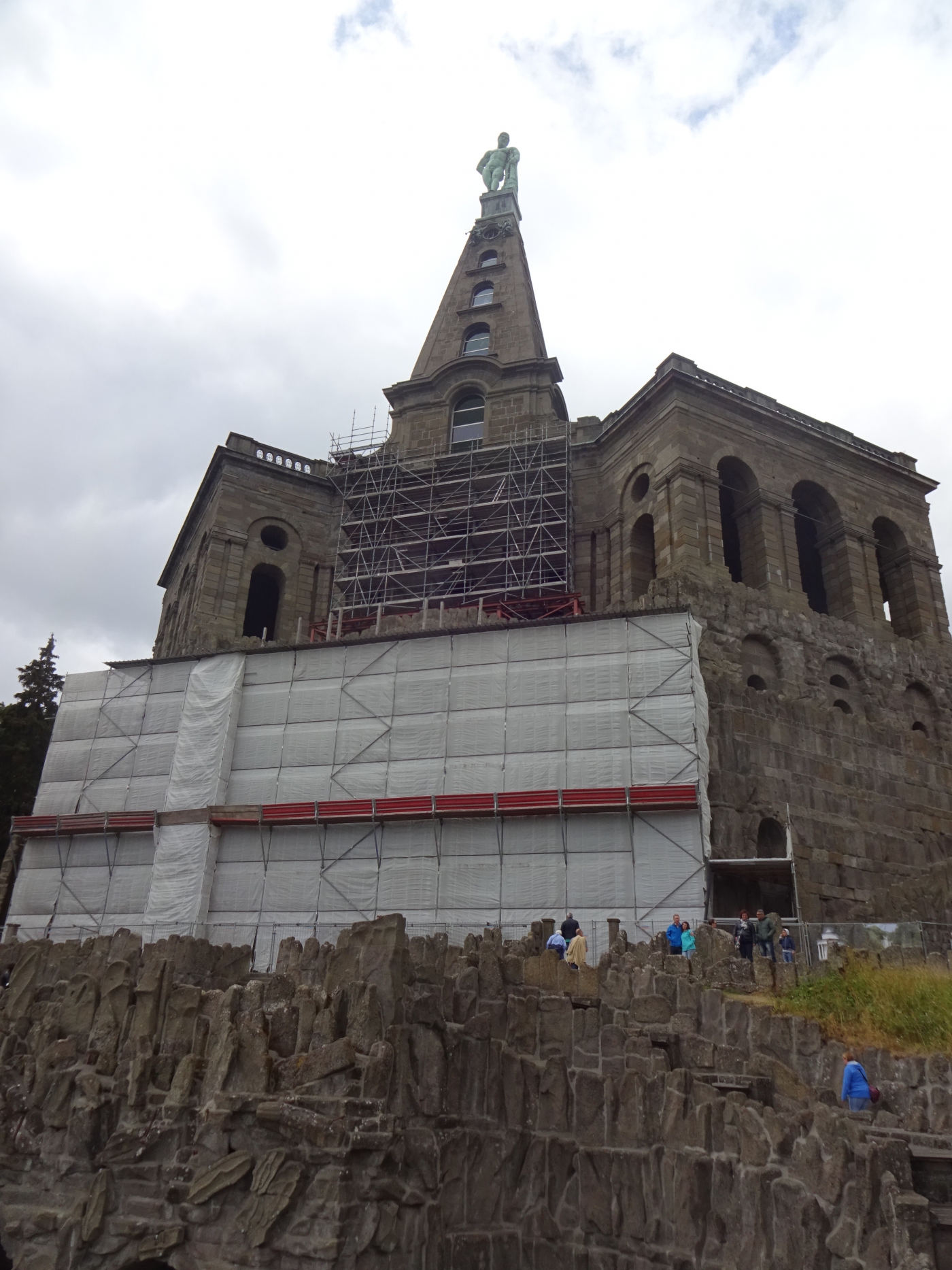
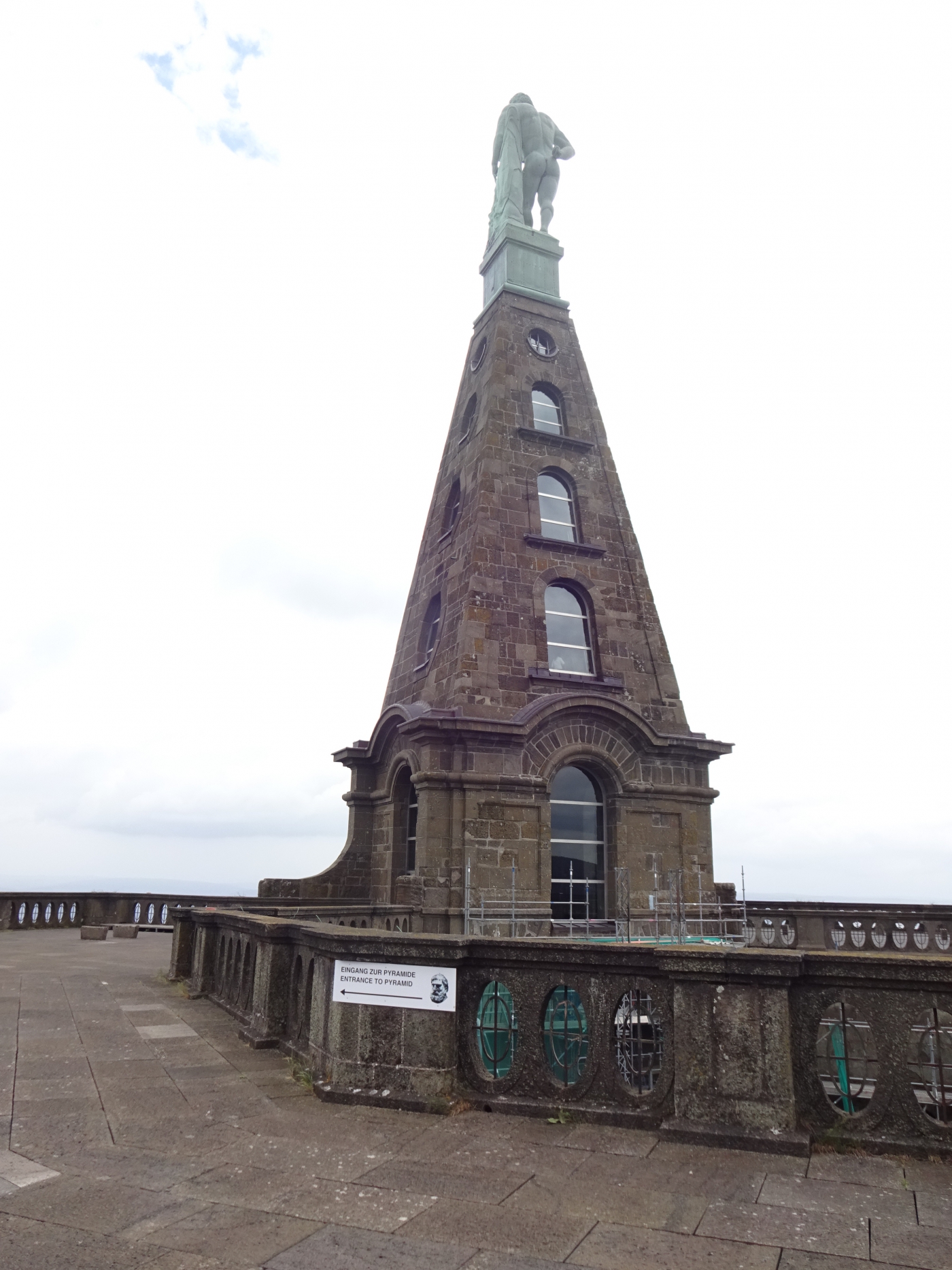
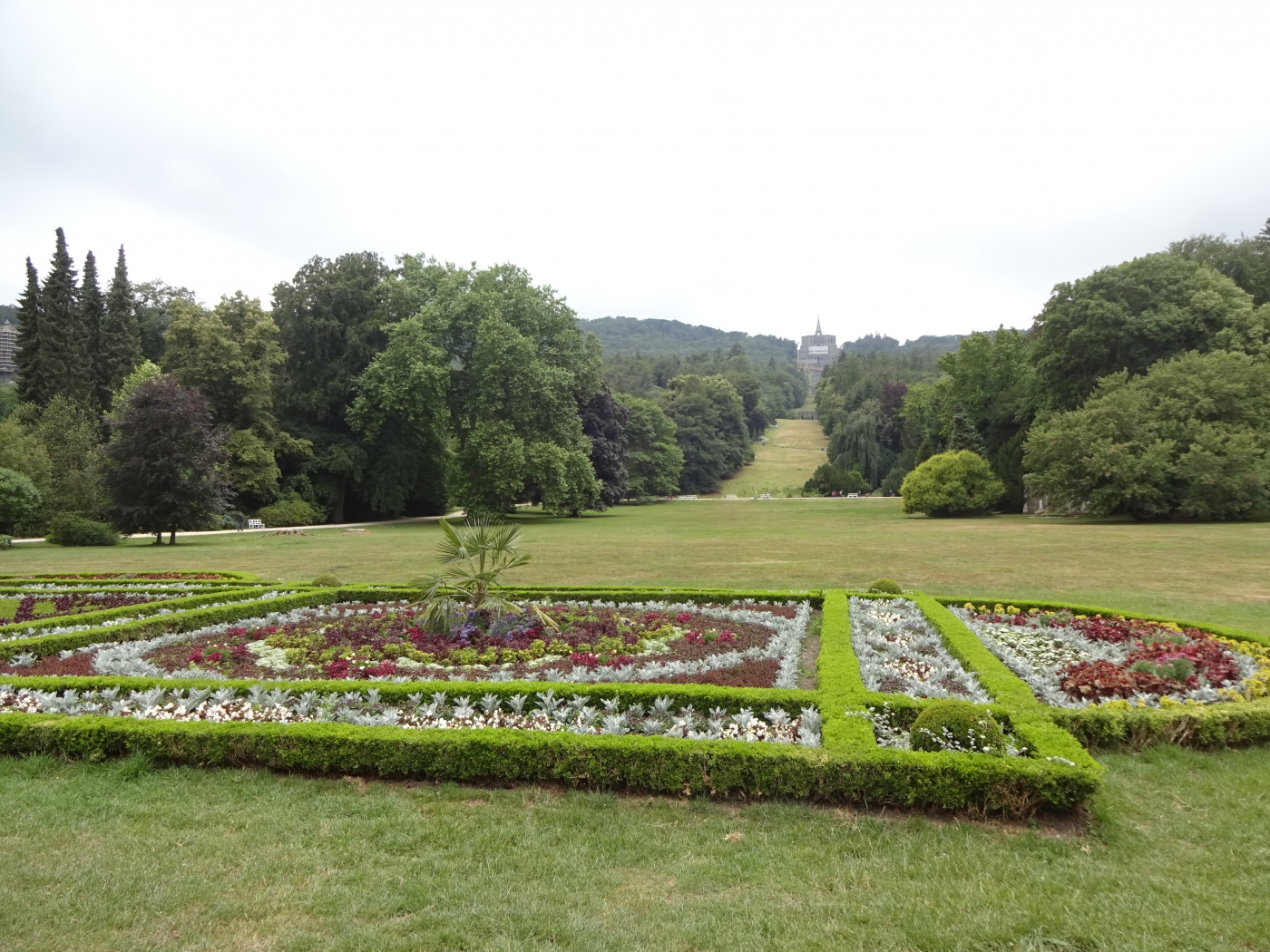
Its creation began in 1696 under Landgrave Karl von Hessen-Kassel, who envisioned a grandiose Baroque garden. Expanded by Landgrave Frederick II and completed by Elector William I, the park seamlessly integrates Baroque and English landscape styles. The iconic Hercules monument crowns the park, a colossal copper statue atop an octagonal pyramid. From its base, spectacular water arts cascade down the hillside, a mesmerizing sight for centuries.
Architectural Masterpieces within the Park
Beyond the water features, the park holds significant architectural gems. Löwenburg Castle, an artificial medieval ruin built 1793-1801, is one of Germany’s earliest neo-Gothic buildings, serving as a romantic hideaway and burial place for Elector William I. At the hill's foot, Wilhelmshöhe Palace, a grand classicist building, was once a summer residence and later an imperial palace. Today, it houses the Gemäldegalerie Alte Meister.
The Enchanting Water Arts
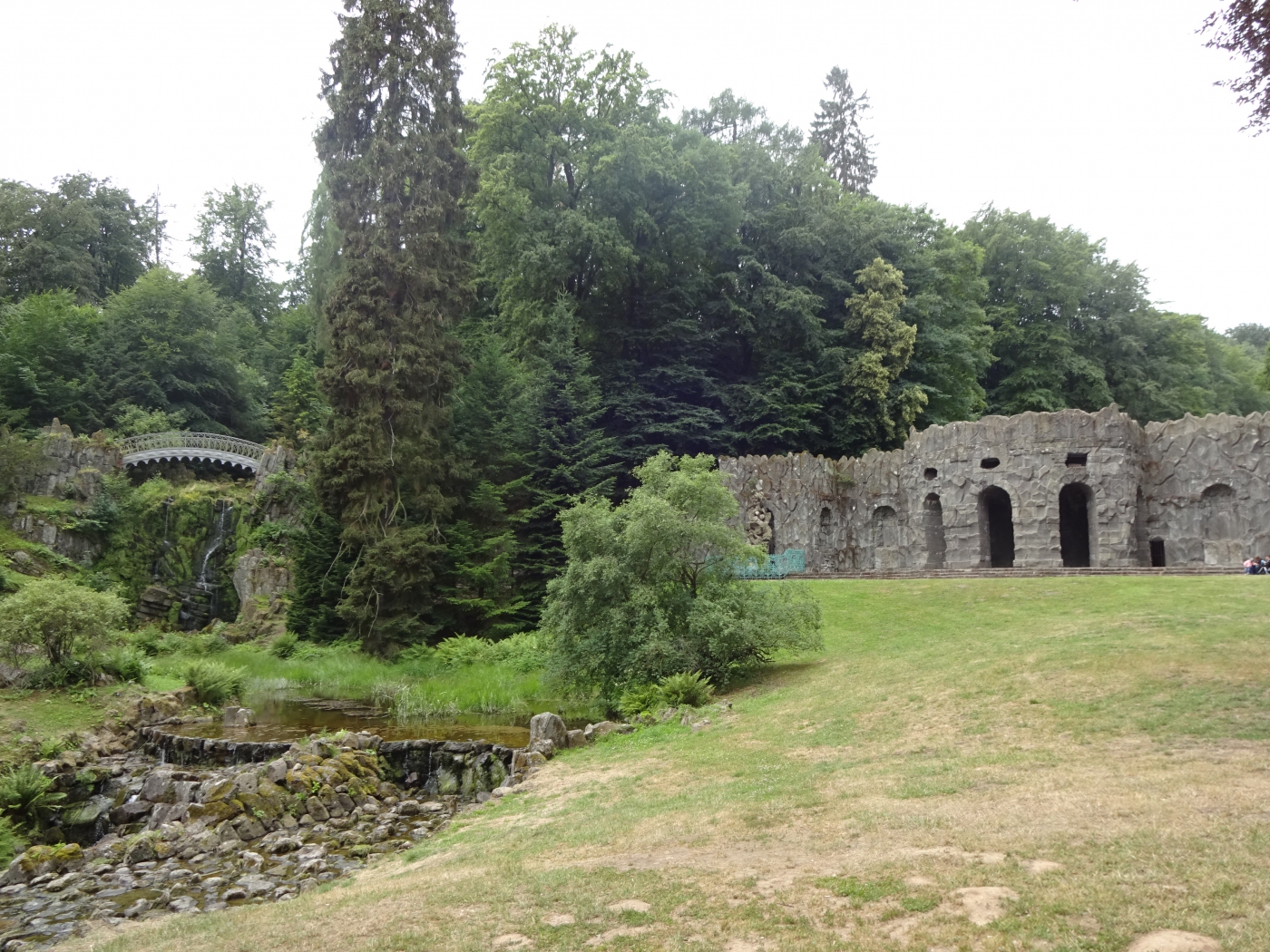
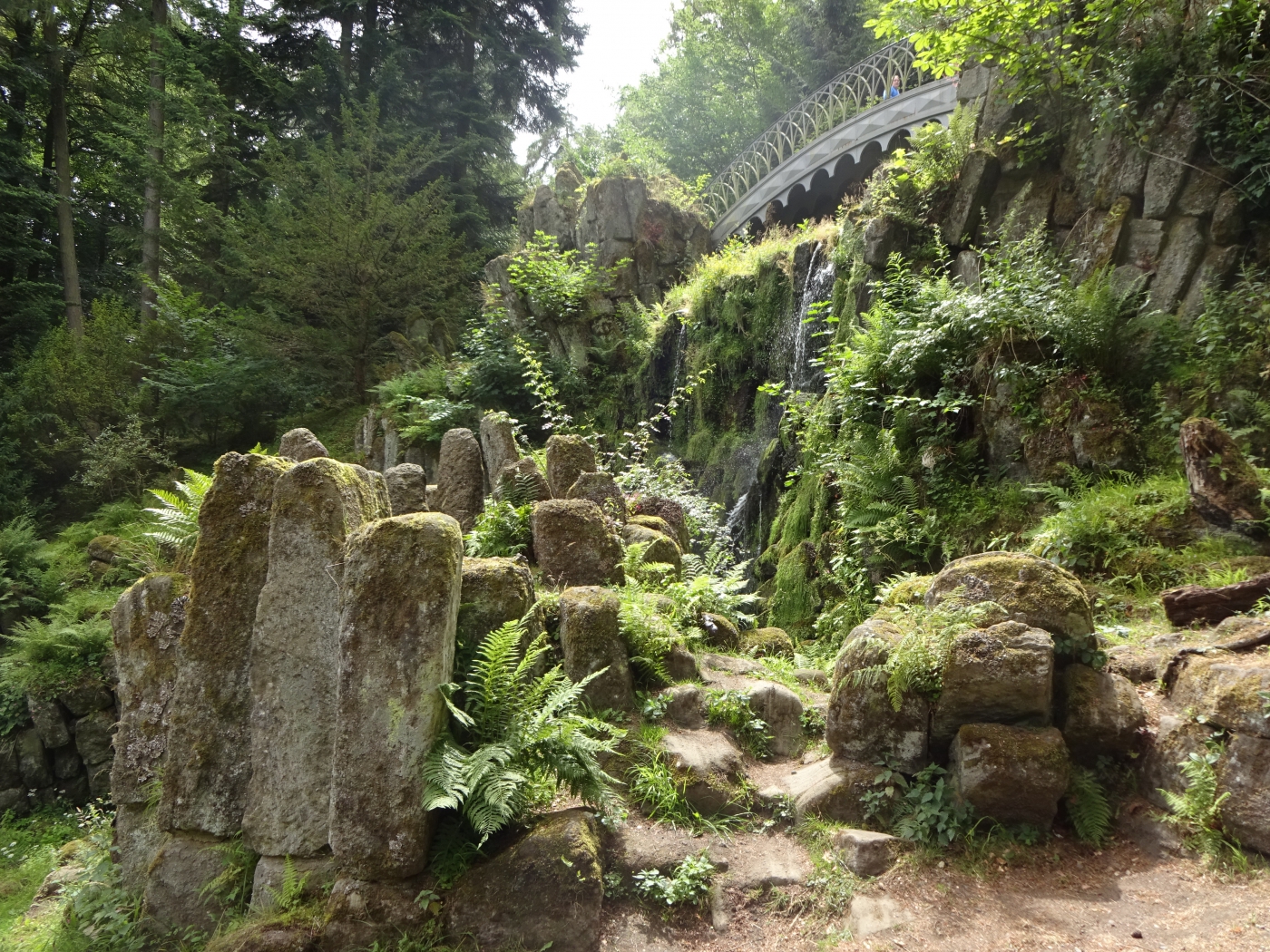
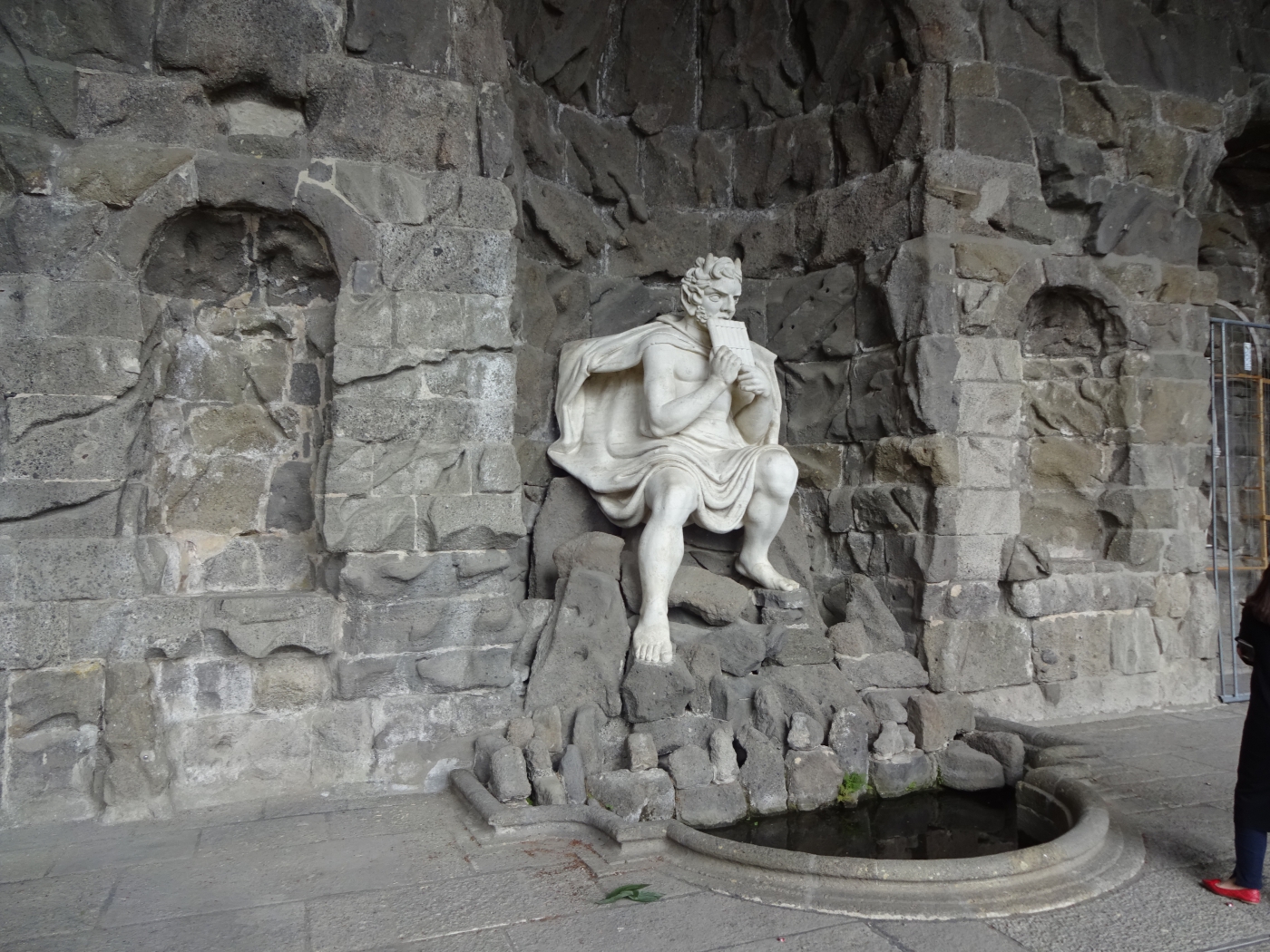
The elaborate water arts, engineered with remarkable precision, are the park's heart. Starting at the Hercules monument, they plunge through stunning cascades, over the Steinhöfer Waterfall, past the Devil's Bridge with its grottoes, and through the Fountain Pond, culminating in a spectacular fountain shooting water up to 50 meters high. This intricate system, relying solely on natural pressure and gravity, is a marvel of early hydraulic engineering and a defining characteristic of this extraordinary cultural landscape.
Further Links
Descending a long hill dominated by a giant statue of Hercules, the monumental water displays of Wilhelmshöhe were begun by Landgrave Carl of Hesse-Kassel in 1689 around an east-west axis and were developed further into the 19th century. Reservoirs and channels behind the Hercules Monument supply water to a complex system of hydro-pneumatic devices that supply the site’s large Baroque water theatre, grotto, fountains and 350-metre long Grand Cascade. Beyond this, channels and waterways wind across the axis, feeding a series of dramatic waterfalls and wild rapids, the geyser-like Grand Fountain which leaps 50m high, the lake and secluded ponds that enliven the Romantic garden created in the 18th century by Carl’s great-grandson, Elector Wilhelm I. The great size of the park and its waterworks along with the towering Hercules statue constitute an expression of the ideals of absolutist Monarchy while the ensemble is a remarkable testimony to the aesthetics of the Baroque and Romantic periods.
Bergpark Wilhelmshöhe is a landscape park in Kassel, Germany. The area of the park is 2.4 square kilometres (590 acres), making it the largest European hillside park, and second largest park on a hill slope in the world. Construction of the Bergpark, or "mountain park", began in 1689 at the behest of the Landgraves of Hesse-Kassel and took about 150 years. The park is open to the public today. Since 2013, it has been a UNESCO World Heritage Site because of its monumental Baroque architecture and its unique fountains and water features.