St Mary's Cathedral and St Michael's Church at Hildesheim
Hildesheim, Germany
22.06.2018

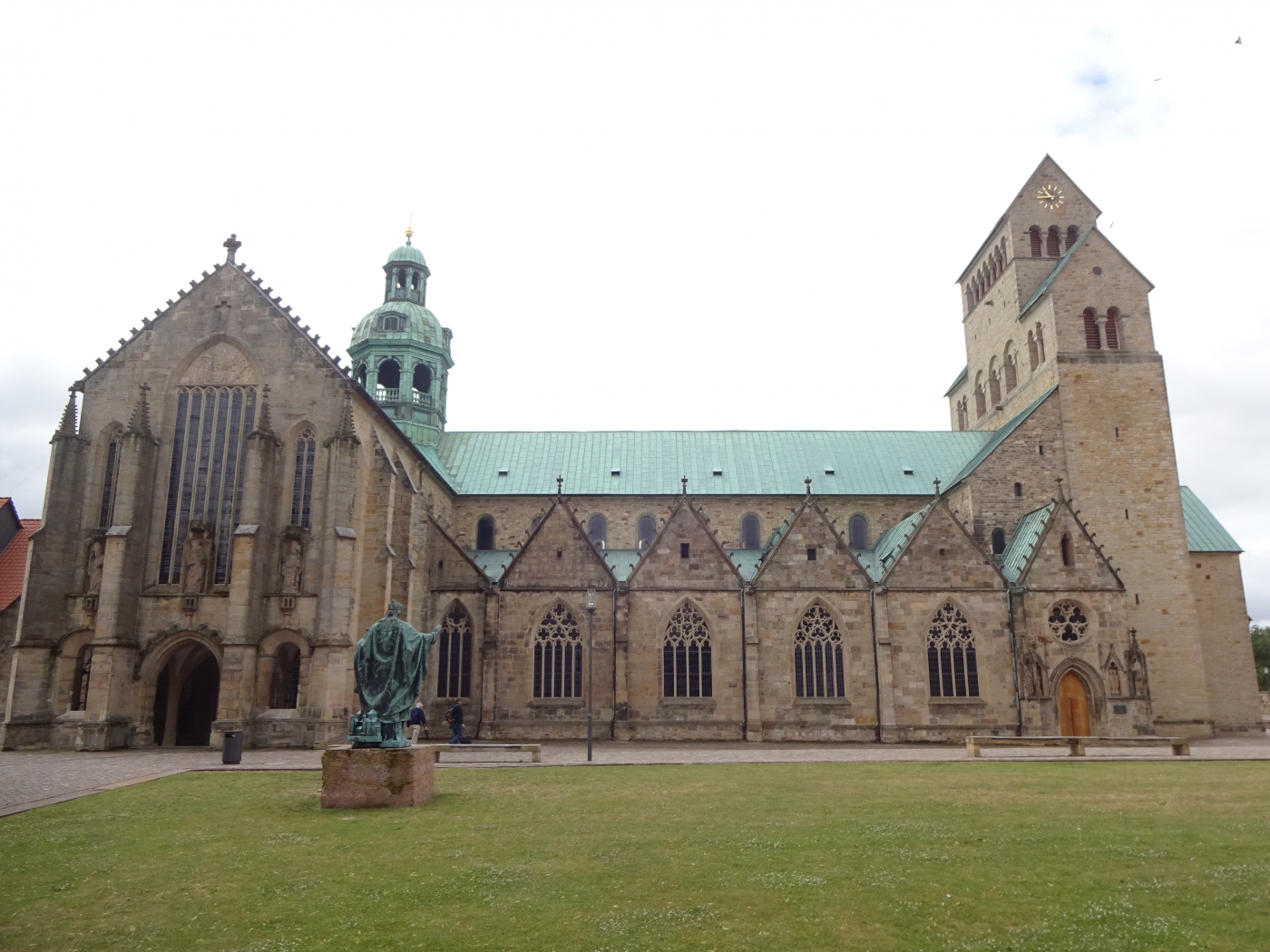
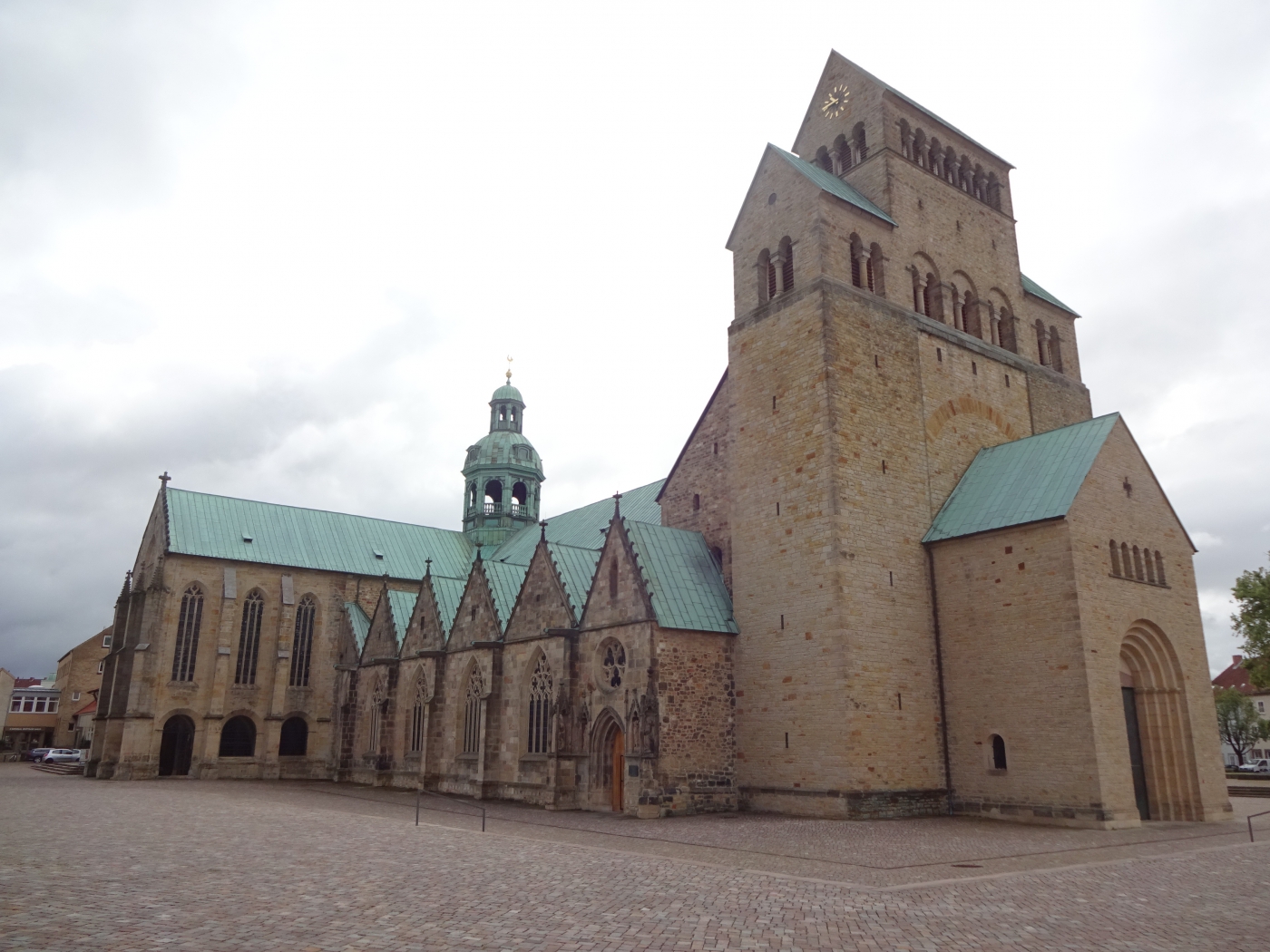
Hildesheim, a city steeped in history, is home to a magnificent UNESCO World Heritage site comprising two exceptional examples of Romanesque and Ottonian art and architecture: the Hildesheim Cathedral and the St. Michael's Church. These twin masterpieces offer a profound glimpse into the spiritual and cultural landscape of the Holy Roman Empire around the turn of the first millennium.
The Legacy of Bishop Bernward
Much of Hildesheim’s architectural and artistic flourishing can be attributed to Bishop Bernward (c. 960–1022), a towering figure of the Ottonian period. A scholar, artist, and statesman, Bernward served as tutor to the future Emperor Otto III and was instrumental in shaping the artistic output of his diocese. His vision led to the construction and embellishment of both the Hildesheim Cathedral and St. Michael's Church, making Hildesheim a significant center of medieval art.
Hildesheim Cathedral (St. Mary's Cathedral)
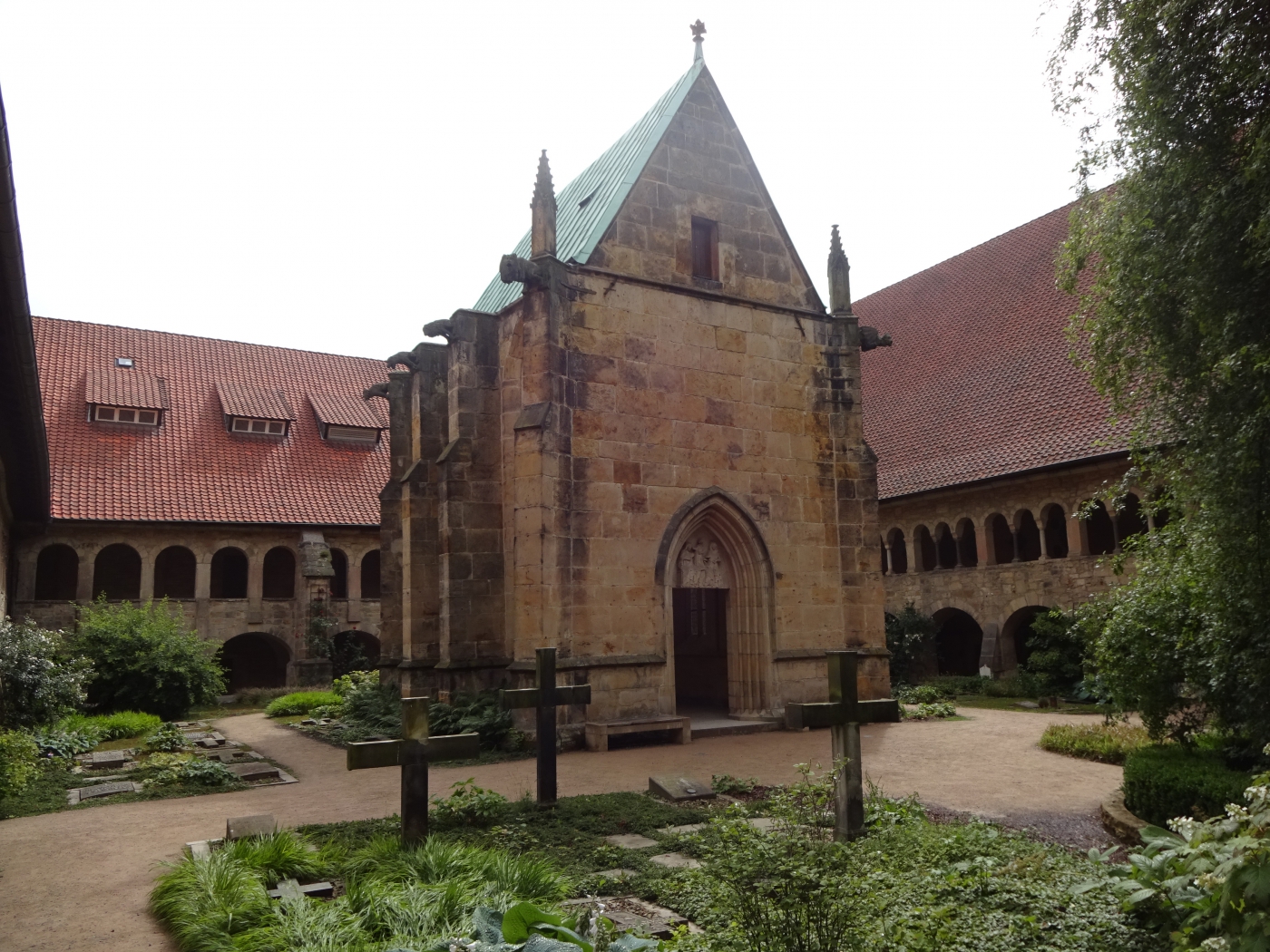
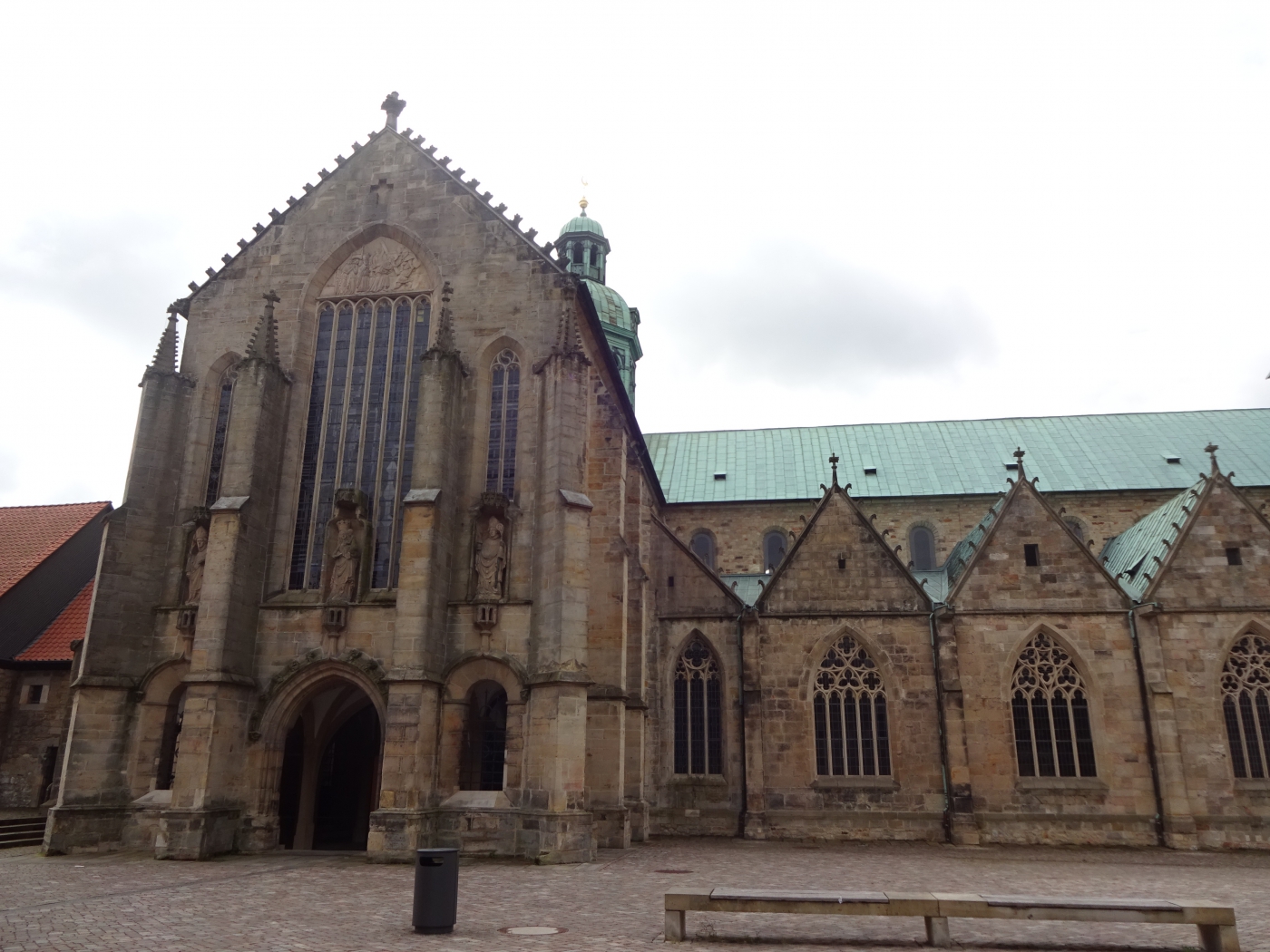
The Hildesheim Cathedral, dedicated to St. Mary, dates back to the 9th century, though its current form largely reflects the Romanesque reconstruction following a devastating fire in 1046 under Bishop Godehard. Despite severe damage during World War II, it was meticulously restored. Its most famous treasures, commissioned by Bishop Bernward, include the monumental bronze Bernward Doors, depicting scenes from the Bible, and Christ's Column, a bronze column illustrating the life of Christ. Outside, an ancient Thousand-year Rose Bush, said to be a symbol of Hildesheim, graces the apse, its legend intertwining with the city's very foundation.
St. Michael's Church
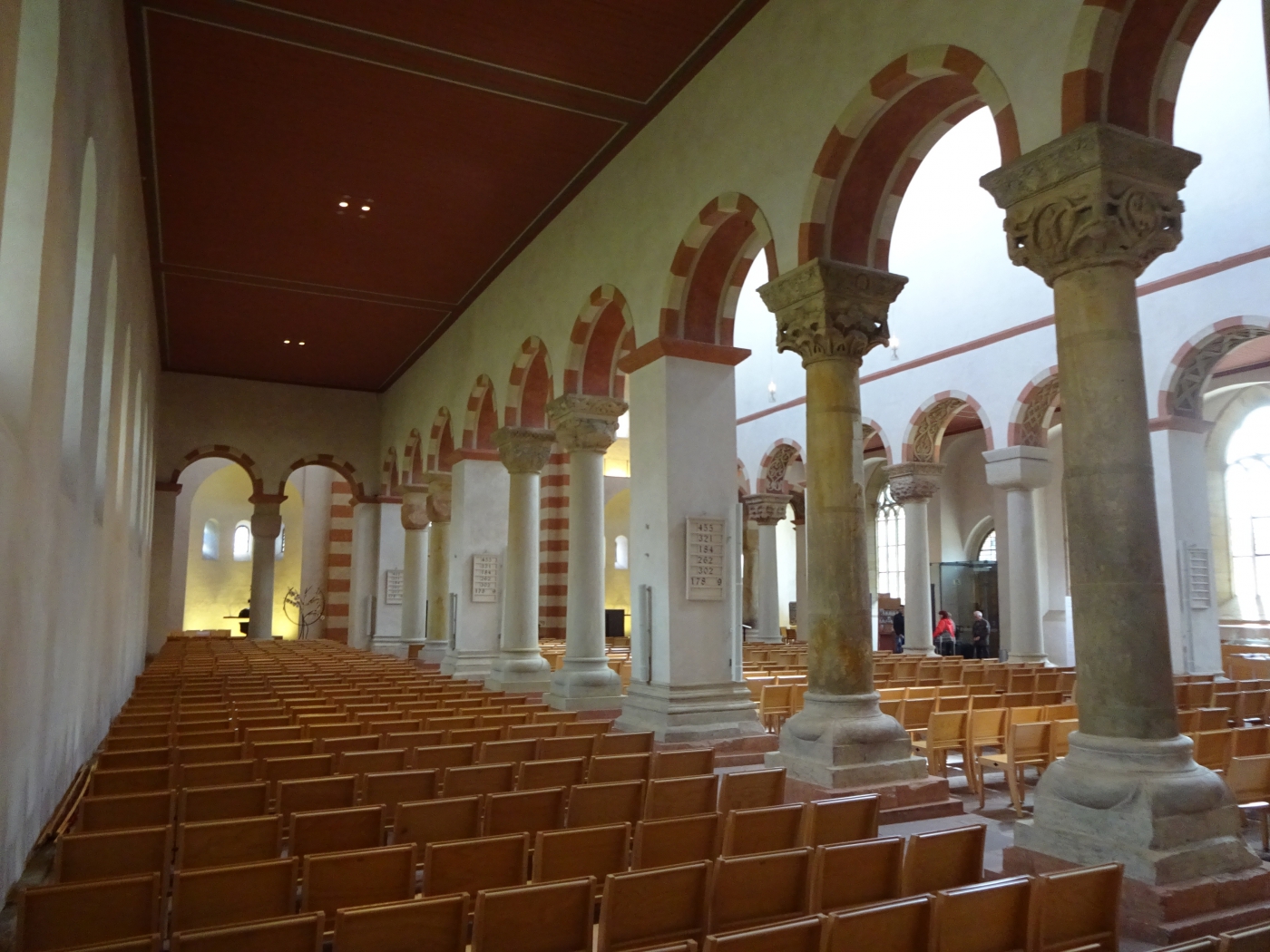
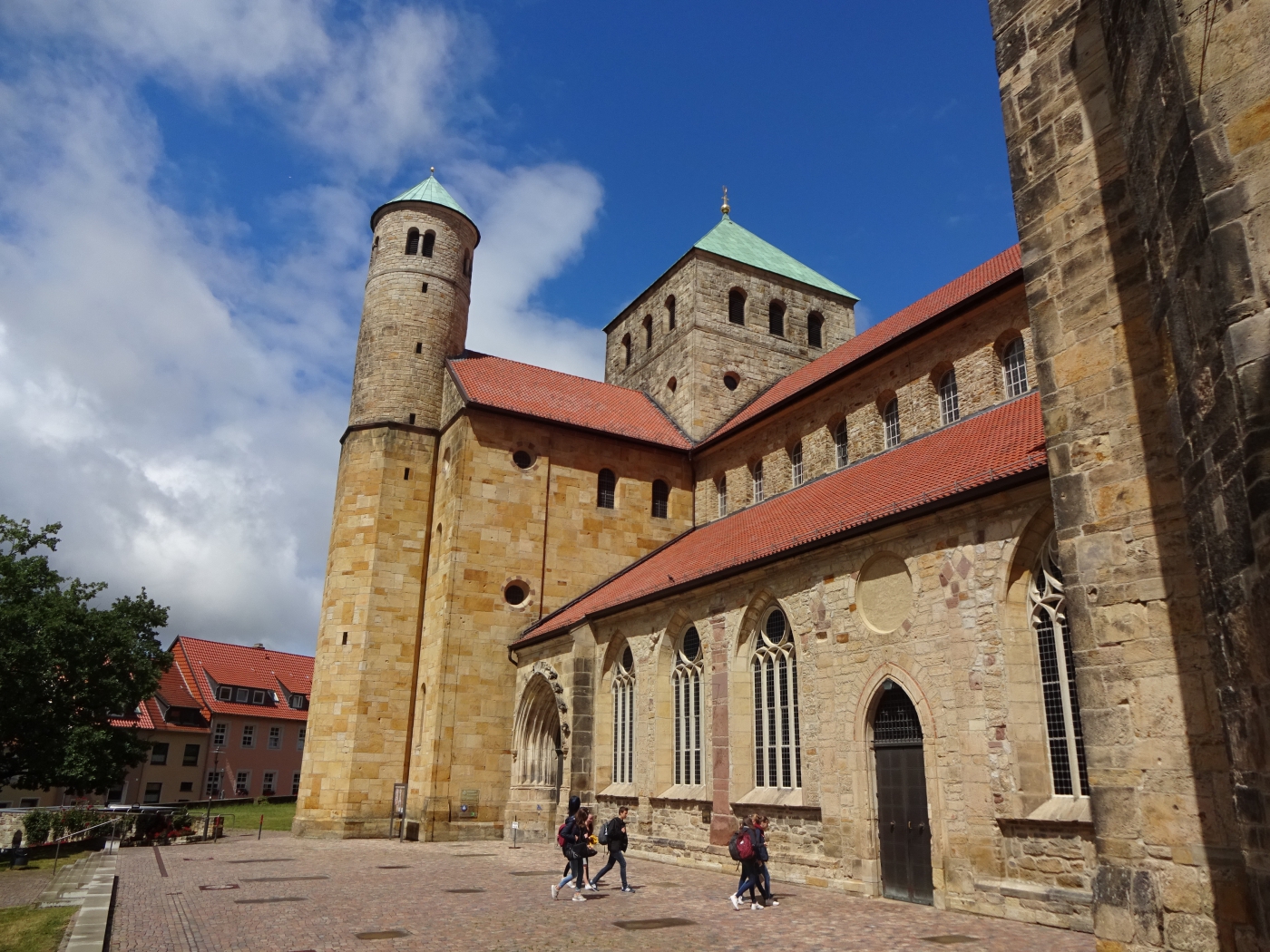
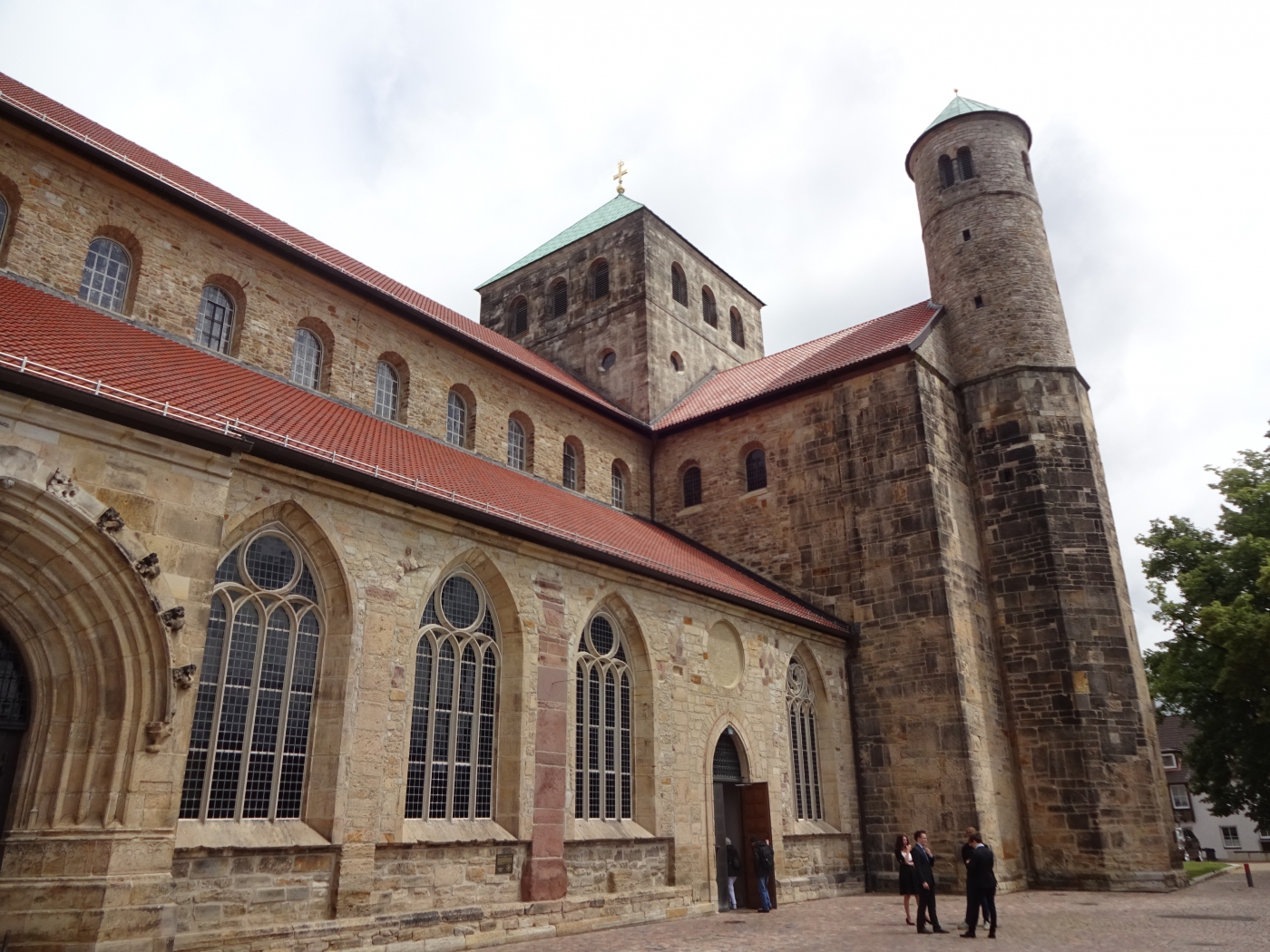
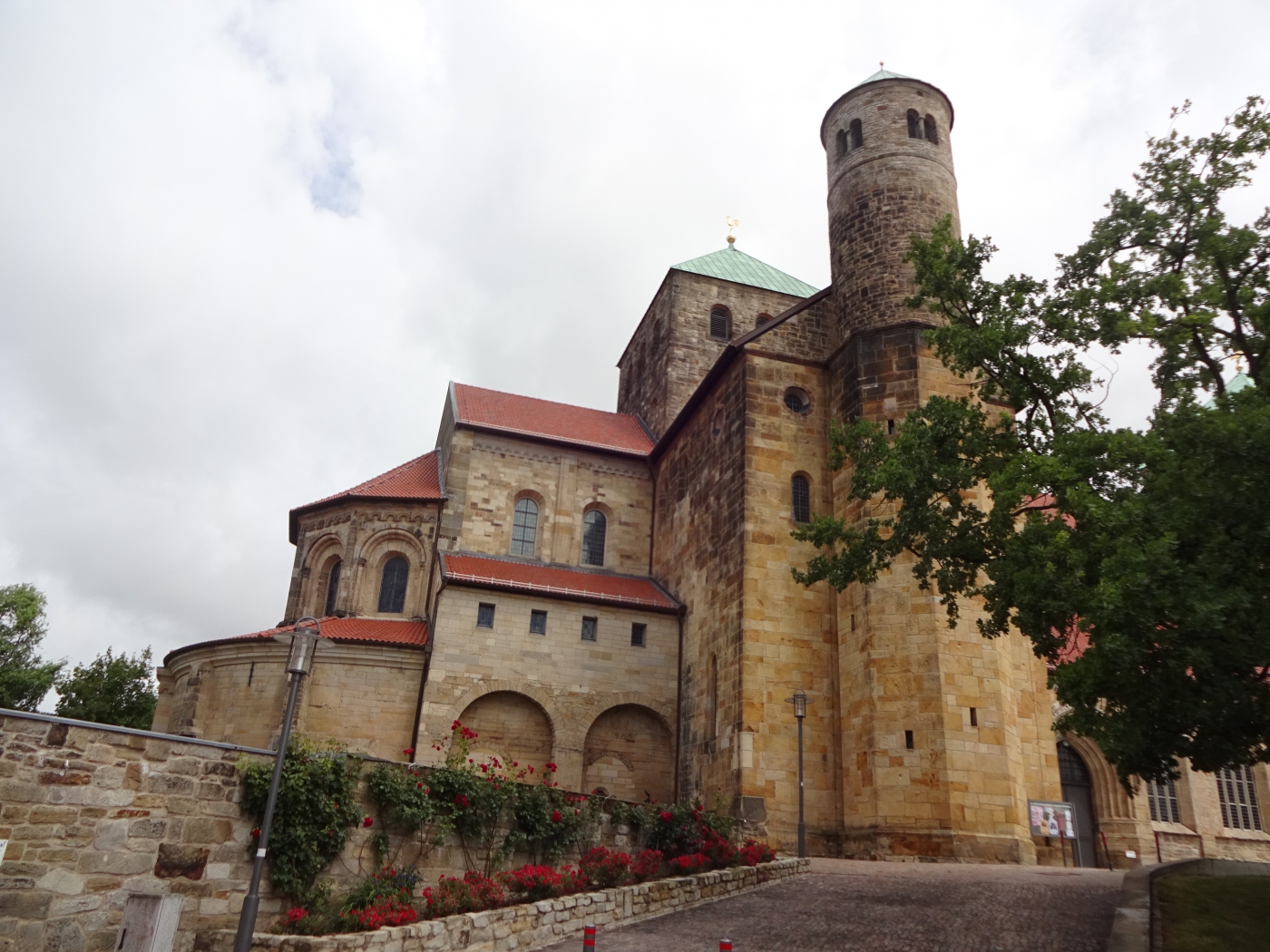
Commissioned by Bishop Bernward around 1001 and intended as his burial place, the St. Michael's Church stands as one of the most important Ottonian churches in Germany. It exemplifies the early Romanesque style with its distinctive double-ended choir and alternating support system of columns and piers. The church's interior is renowned for its monumental painted wooden ceiling, depicting the Tree of Jesse, a genealogical tree of Christ, which is an outstanding example of Ottonian painting. Bishop Bernward's crypt lies beneath the west choir, further emphasizing his deep connection to this sacred place.
A UNESCO Recognition
The exceptional universal value of both structures lies in their status as outstanding examples of Ottonian architecture and art, representing a golden age of intellectual and artistic achievement in the Holy Roman Empire. They are testimonies to the spiritual and creative power of their time, preserving masterpieces that profoundly influenced subsequent Romanesque art.
Weiterführende Links
St Michael's Church was built between 1010 and 1020 on a symmetrical plan with two apses that was characteristic of Ottonian Romanesque art in Old Saxony. Its interior, in particular the wooden ceiling and painted stucco-work, its famous bronze doors and the Bernward bronze column, are – together with the treasures of St Mary's Cathedral – of exceptional interest as examples of the Romanesque churches of the Holy Roman Empire.
The Church of St. Michael (German: Michaeliskirche) is an early-Romanesque church located in Hildesheim, Germany. It has been on the UNESCO World Cultural Heritage list since 1985 due to the before mentioned early-Romanesque architecture and art found within such as the Tree of Jesse and the now relocated Bernward Doors.
Following the Protestant reformation, St. Michael's became a shared church, with the majority of the structure being Lutheran and the crypt Roman Catholic.