Historic Centre of the City of Salzburg
Salzburg, Austria
17.09.2018

The Historic Centre of the City of Salzburg, Austria, is a UNESCO World Heritage site, celebrated for its preservation and architectural grandeur. Birthplace of Wolfgang Amadeus Mozart, it merges medieval and Baroque splendour, shaped by its powerful Prince-Archbishops.
Salzburg's strategic location fostered early development. While Roman settlement existed, its golden age began under ecclesiastical rule. Wealth from salt mining empowered Prince-Archbishops to transform the medieval town into a Baroque masterpiece, influenced by Italian city planning.
A Baroque Masterpiece Unveiled
The "Rome of the North" transformation commenced in the late 16th century, largely under Prince-Archbishop Wolf Dietrich von Raitenau. He initiated redesign, employing architects like Vincenzo Scamozzi and later Santino Solari. Successors, including Markus Sittikus von Hohenems and Paris Lodron, continued this vision, commissioning many iconic buildings.
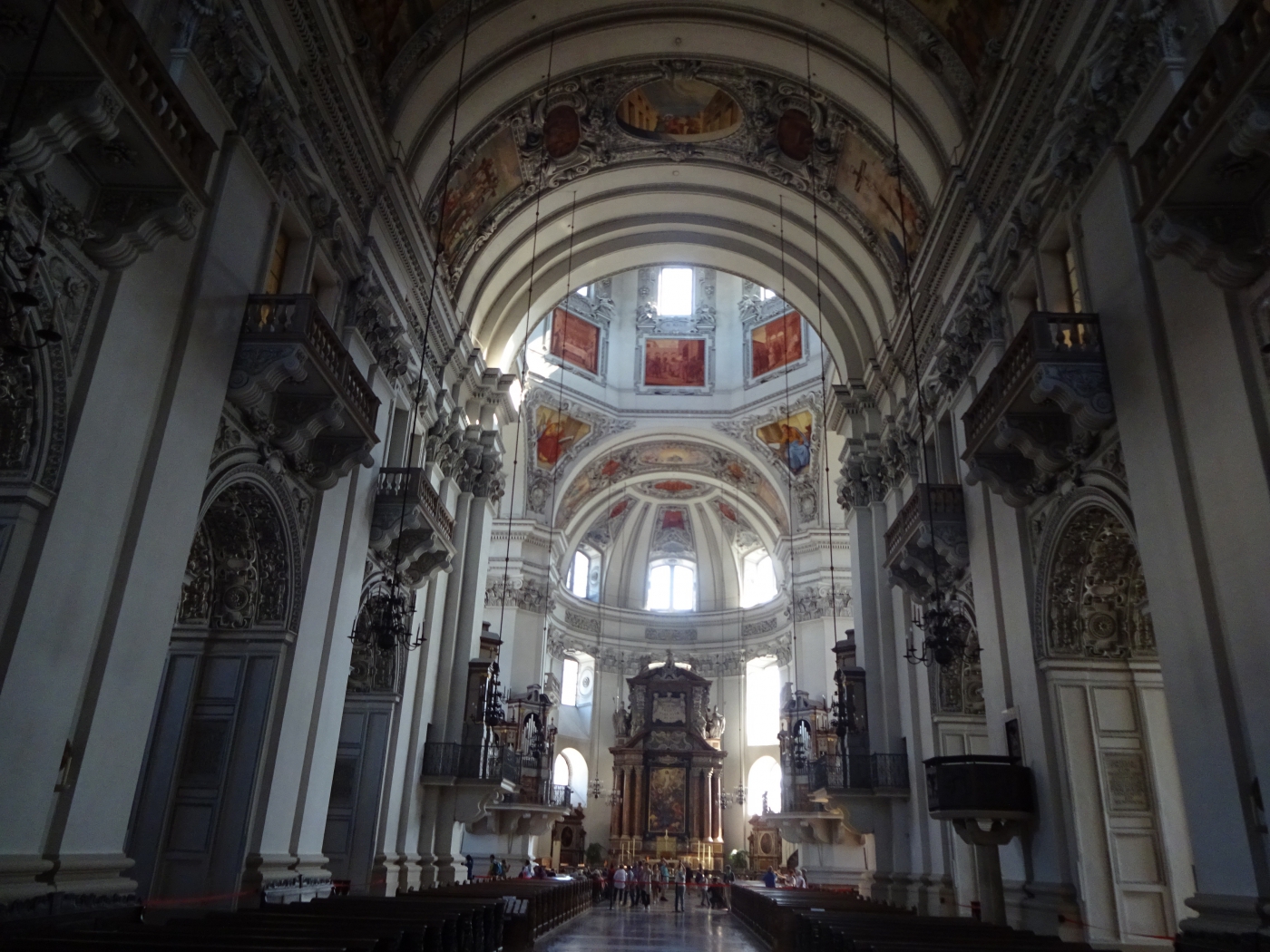
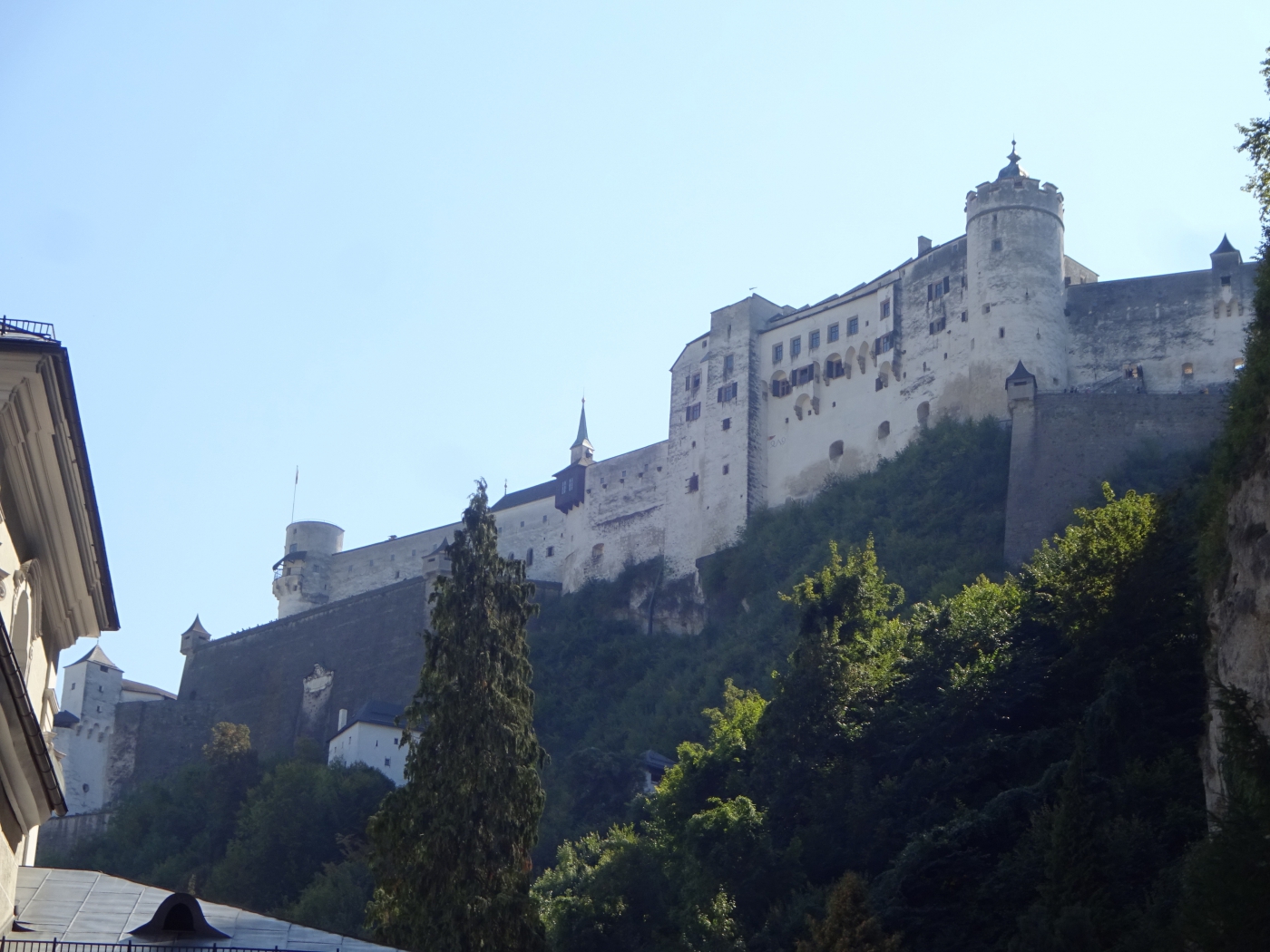
Dominating the skyline is Hohensalzburg Fortress, one of Europe's largest preserved medieval castles, offering breathtaking views. Below, the magnificent Salzburg Cathedral, an early Baroque masterpiece, impresses with its monumental facade. The Residenzplatz and Mozartplatz showcase elegant Baroque palaces.
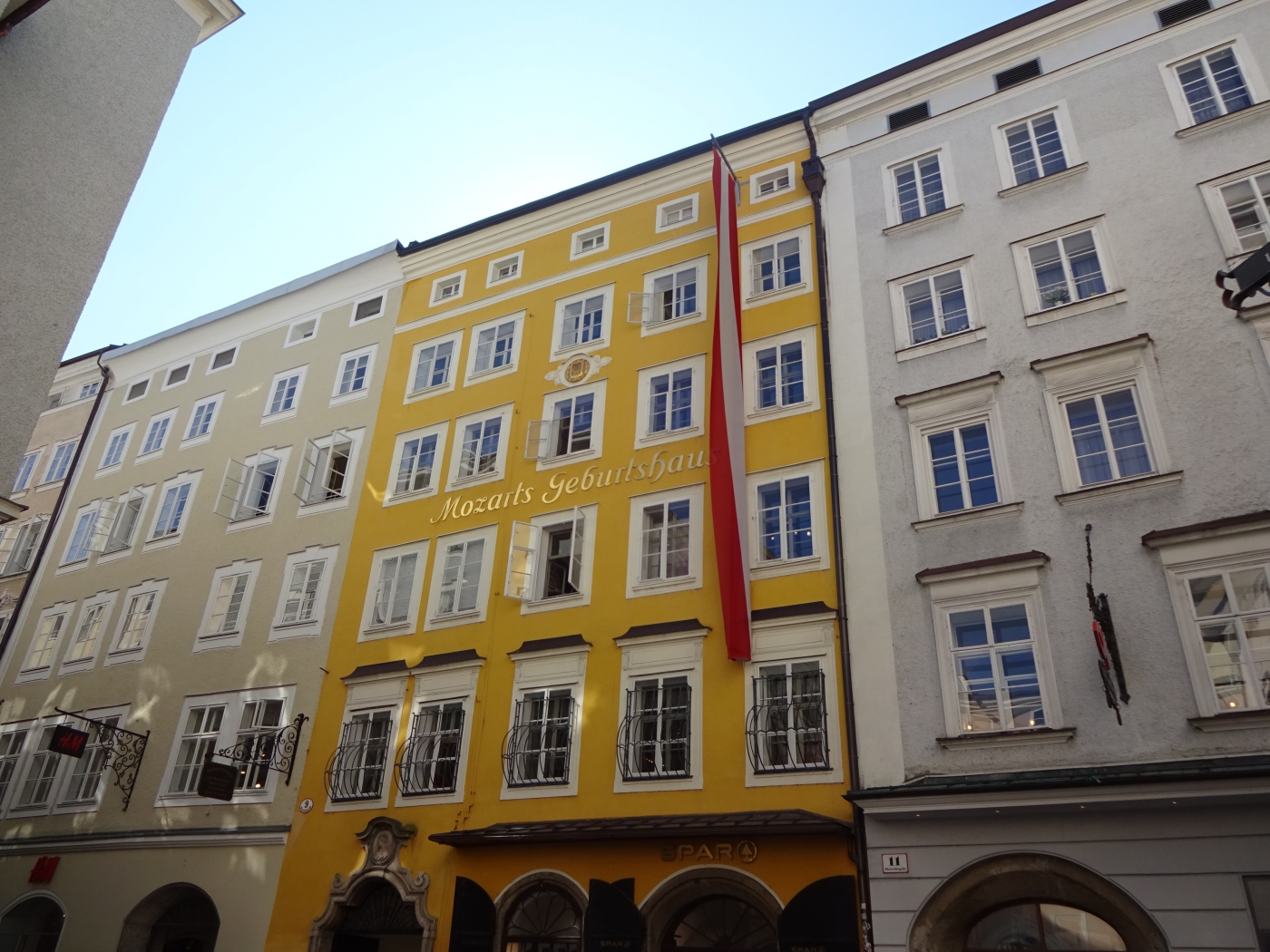
Other landmarks include Mirabell Palace with its stunning gardens, and the bustling Getreidegasse, famous for its wrought-iron signs and Mozart's Birthplace at No. 9. This harmonious urban ensemble, with its coherent and preserved Baroque plan, holds outstanding universal value.
Salzburg's Historic Centre is a living museum, encapsulating the power, artistry, and cultural influence of its rulers and residents, offering an unparalleled journey through European history and architectural achievement.
Weiterführende Links
Salzburg has managed to preserve an extraordinarily rich urban fabric, developed over the period from the Middle Ages to the 19th century when it was a city-state ruled by a prince-archbishop. Its Flamboyant Gothic art attracted many craftsmen and artists before the city became even better known through the work of the Italian architects Vincenzo Scamozzi and Santini Solari, to whom the centre of Salzburg owes much of its Baroque appearance. This meeting-point of northern and southern Europe perhaps sparked the genius of Salzburg’s most famous son, Wolfgang Amadeus Mozart, whose name has been associated with the city ever since.
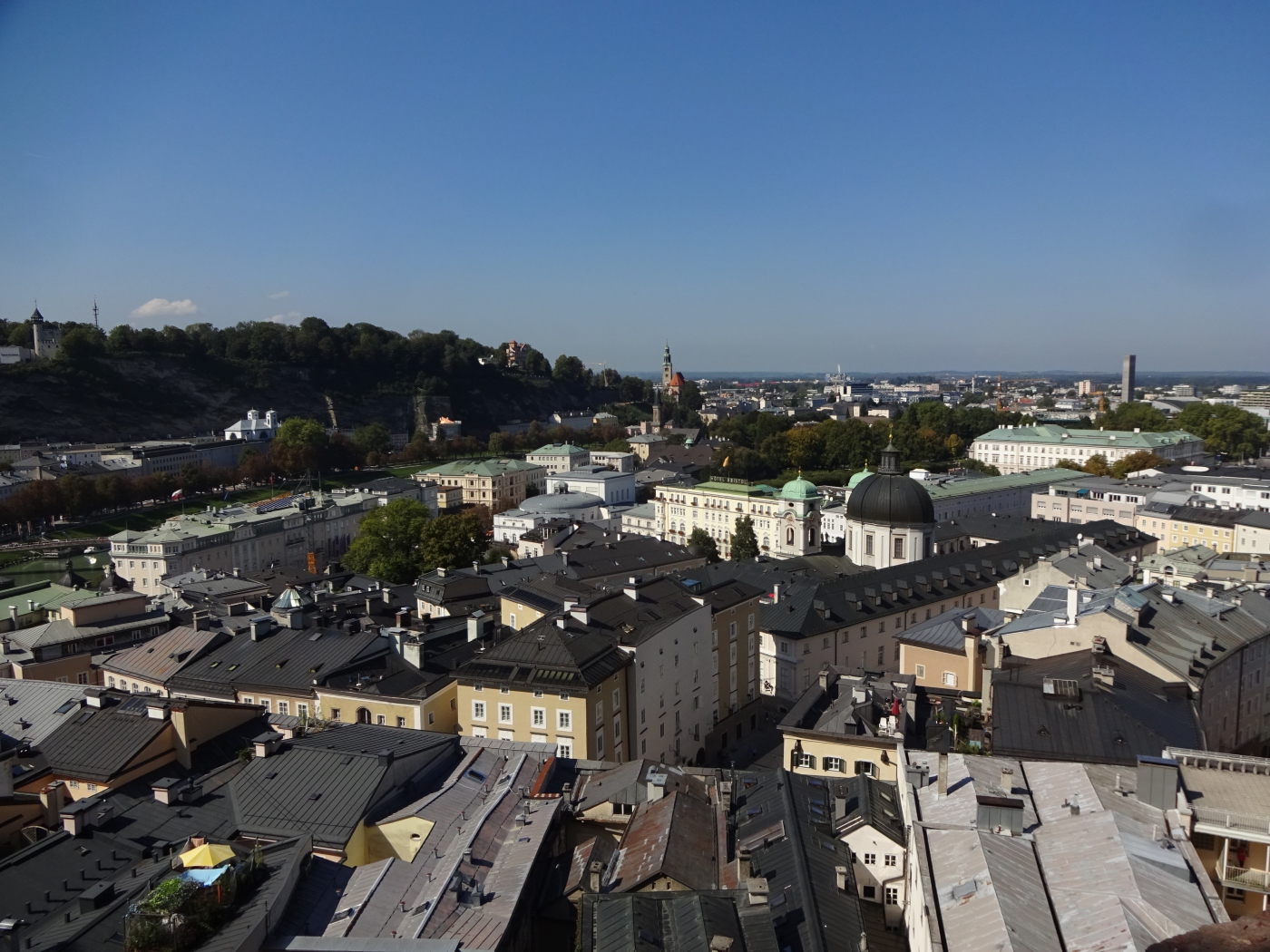
The Historic Centre of the City of Salzburg, also known as the Altstadt, is a district of Salzburg, Austria, recognized as UNESCO World Heritage Site since 1996. It corresponds with the historic city center, situated on the left and right banks of the Salzach river.
The listing of the World Heritage Site describes it thus: "Salzburg has managed to preserve an extraordinarily rich urban fabric, developed over the period from the Middle Ages to the 19th century when it was a city-state ruled by a prince-archbishop. Its Flamboyant Gothic art attracted many craftsmen and artists before the city became even better known through the work of the Italian architects Vincenzo Scamozzi and Santini Solari, to whom the centre of Salzburg owes much of its Baroque appearance. This meeting-point of northern and southern Europe perhaps sparked the genius of Salzburg's most famous son, Wolfgang Amadeus Mozart, whose name has been associated with the city ever since."
The listed area comprises a core zone of 236 hectares (580 acres), including the old city on both banks of the Salzach river together with the Mönchsberg, Festungsberg and Kapuzinerberg hills that surround the old city to west and east. Beyond the core zone there is a buffer zone of 467 hectares (1,150 acres) which is intended to protect the core zone being affected by development visible in long distance views.