Semmering Rail Walk - Semmering Railway
Semmering, Austria
18.09.2018

Nestled amidst the breathtaking Alpine landscape of Austria, the Semmering Railway is not merely a marvel of engineering but a harmonious integration of human ingenuity with nature. Recognized as a UNESCO World Heritage site, this historic railway line, and the associated Semmering Bahn-Wanderweg, offer a unique journey through time and unparalleled scenic beauty.
A Visionary Achievement
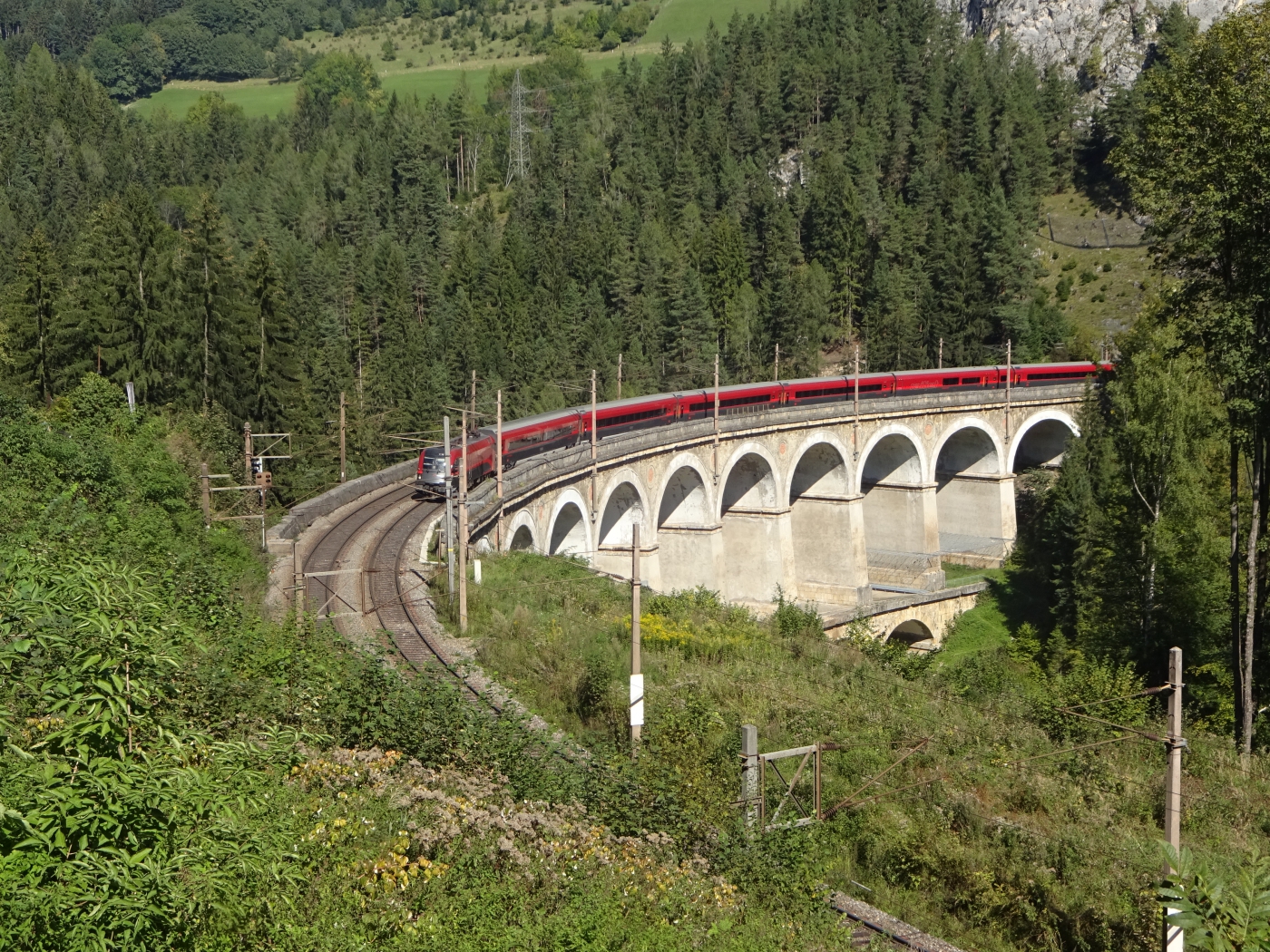
Commissioned by the Austrian Empire during the mid-19th century, the construction of the Semmering Railway was a monumental undertaking. Designed by the brilliant engineer Carl Ritter von Ghega, work began in 1848 and was completed in 1854. This pioneering mountain railway connected Gloggnitz in Lower Austria with Mürzzuschlag in Styria, traversing the challenging Semmering Pass. It drastically reduced travel times between the imperial capital, Vienna, and the significant Adriatic port of Trieste, revolutionizing transportation and trade in Central Europe.
An Engineering Masterpiece
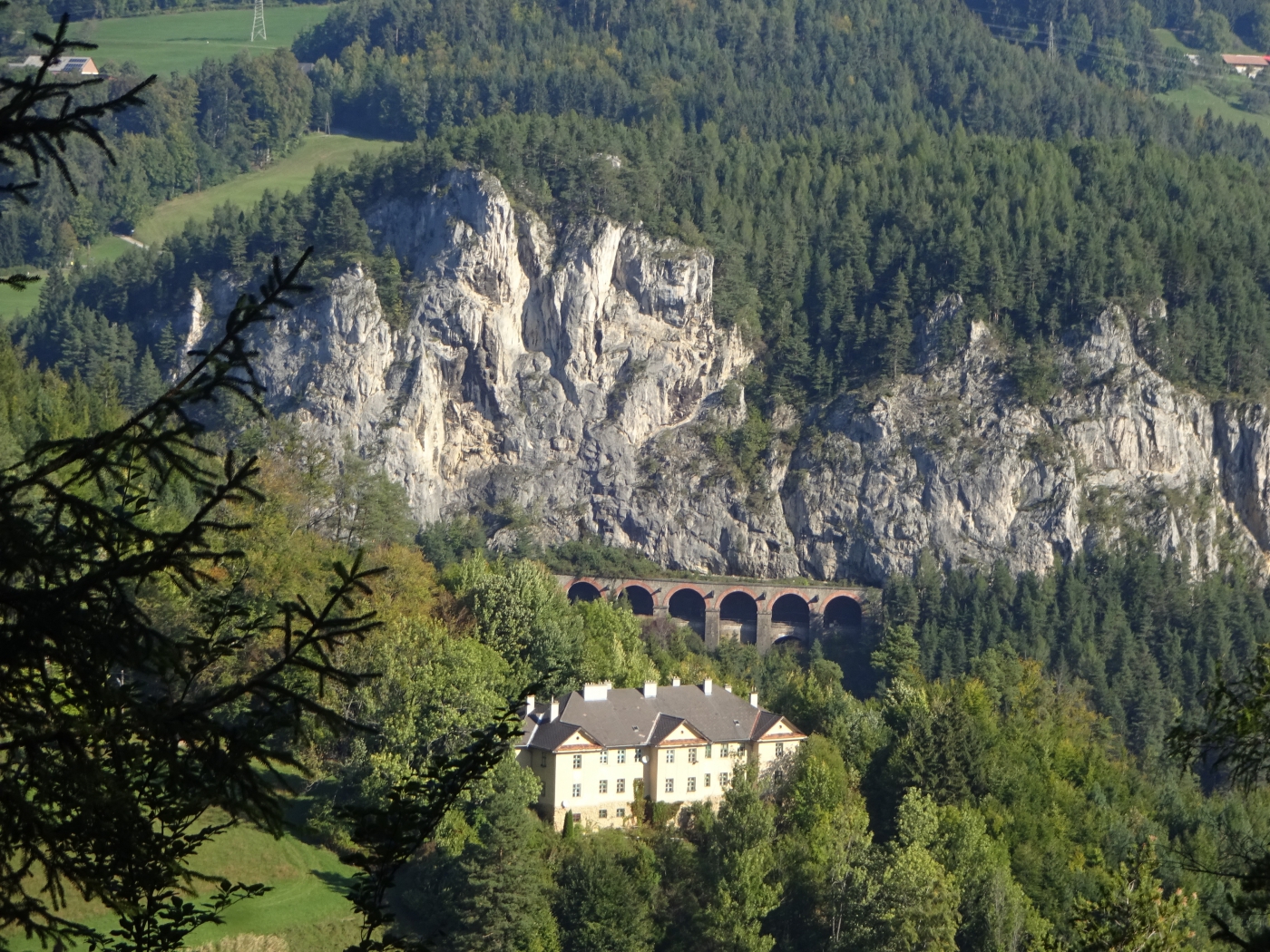
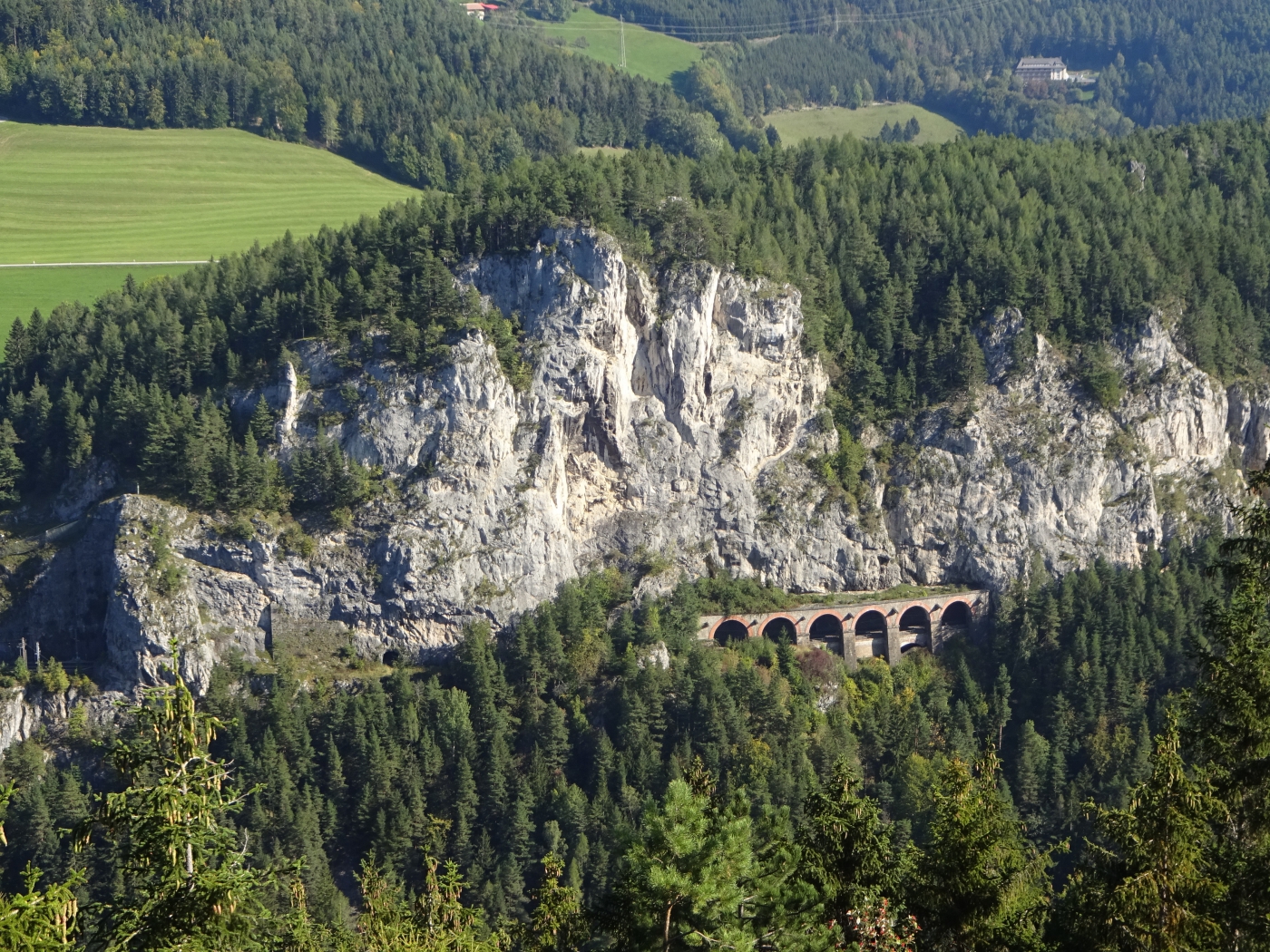
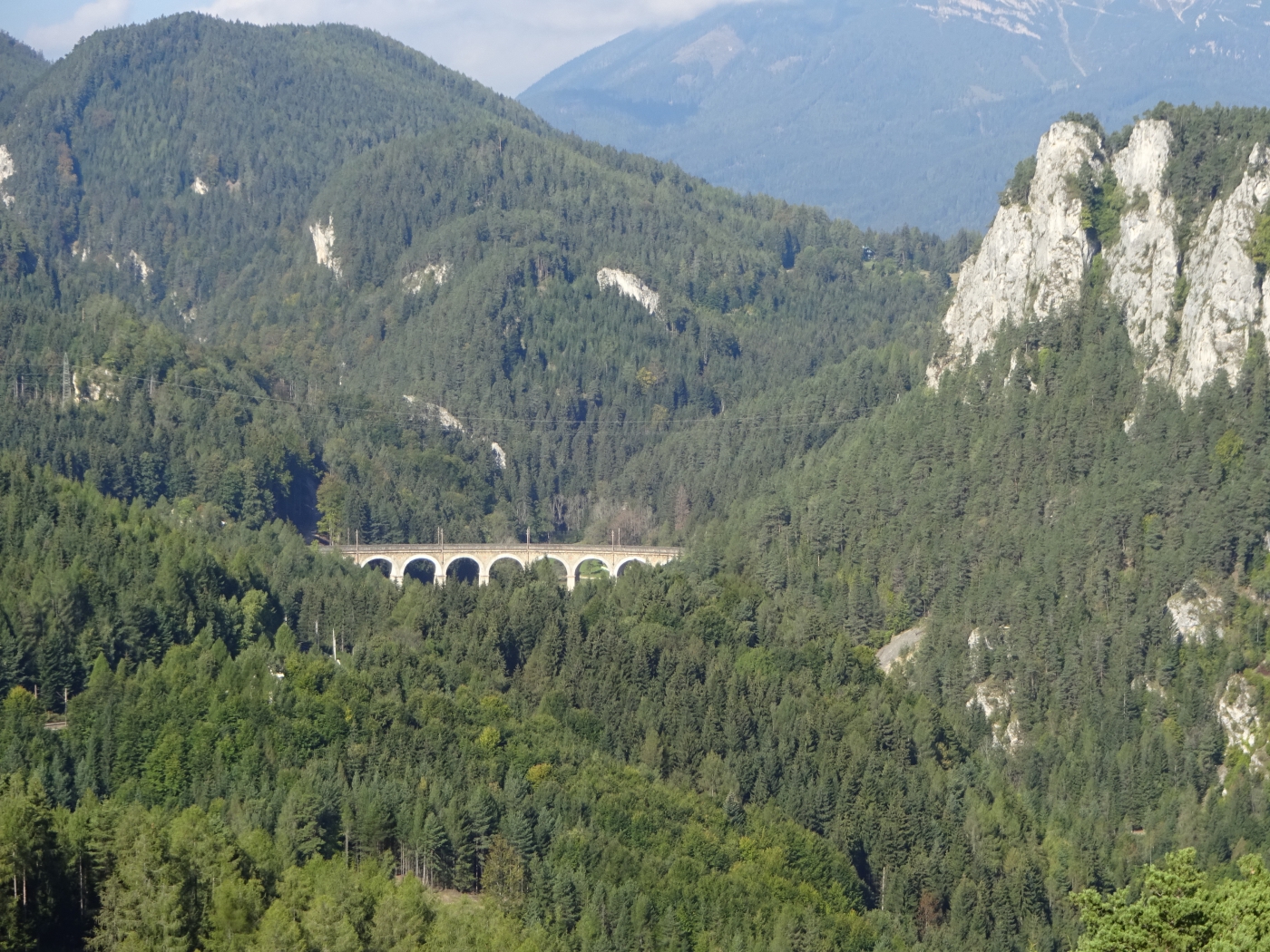
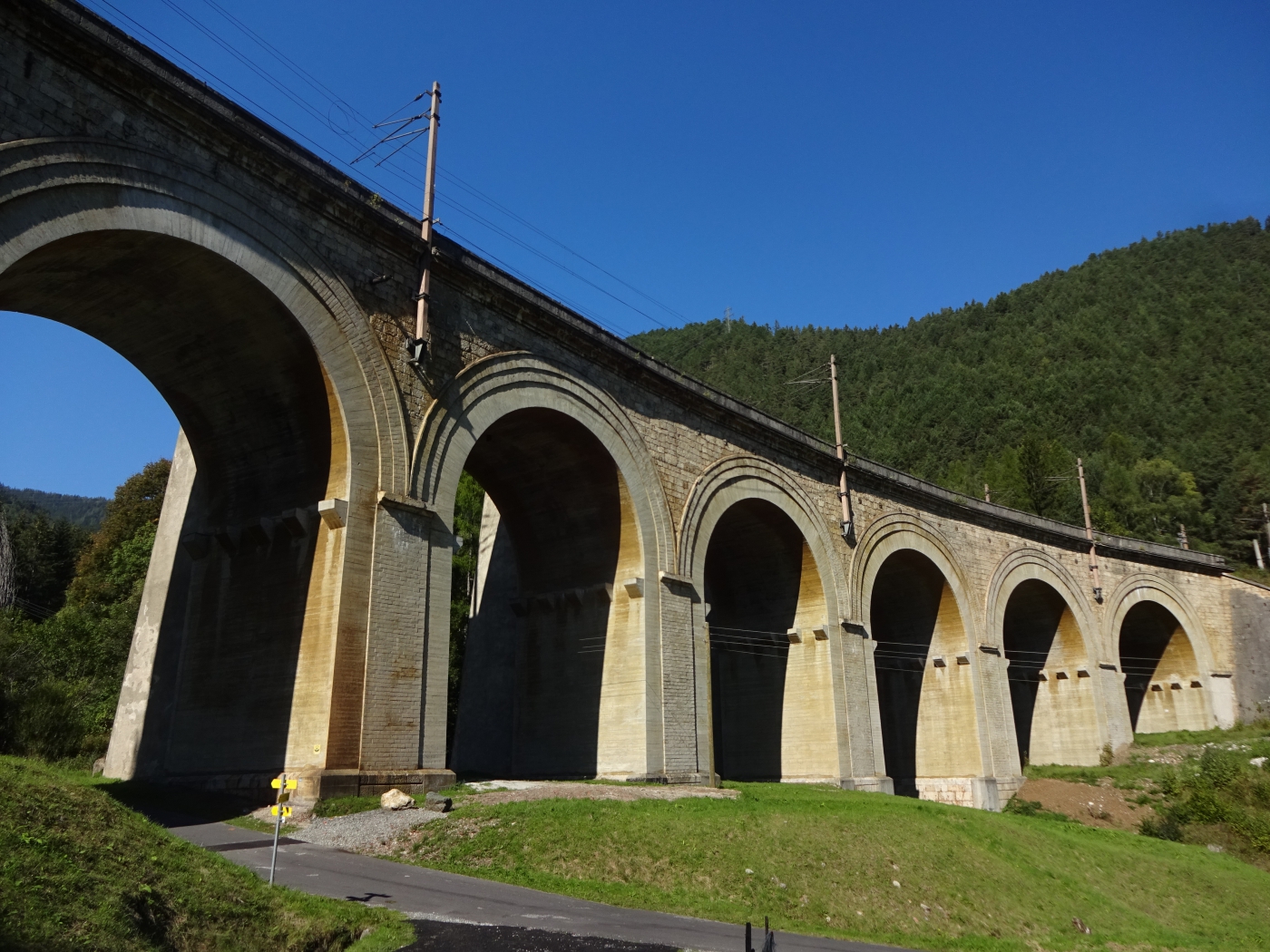
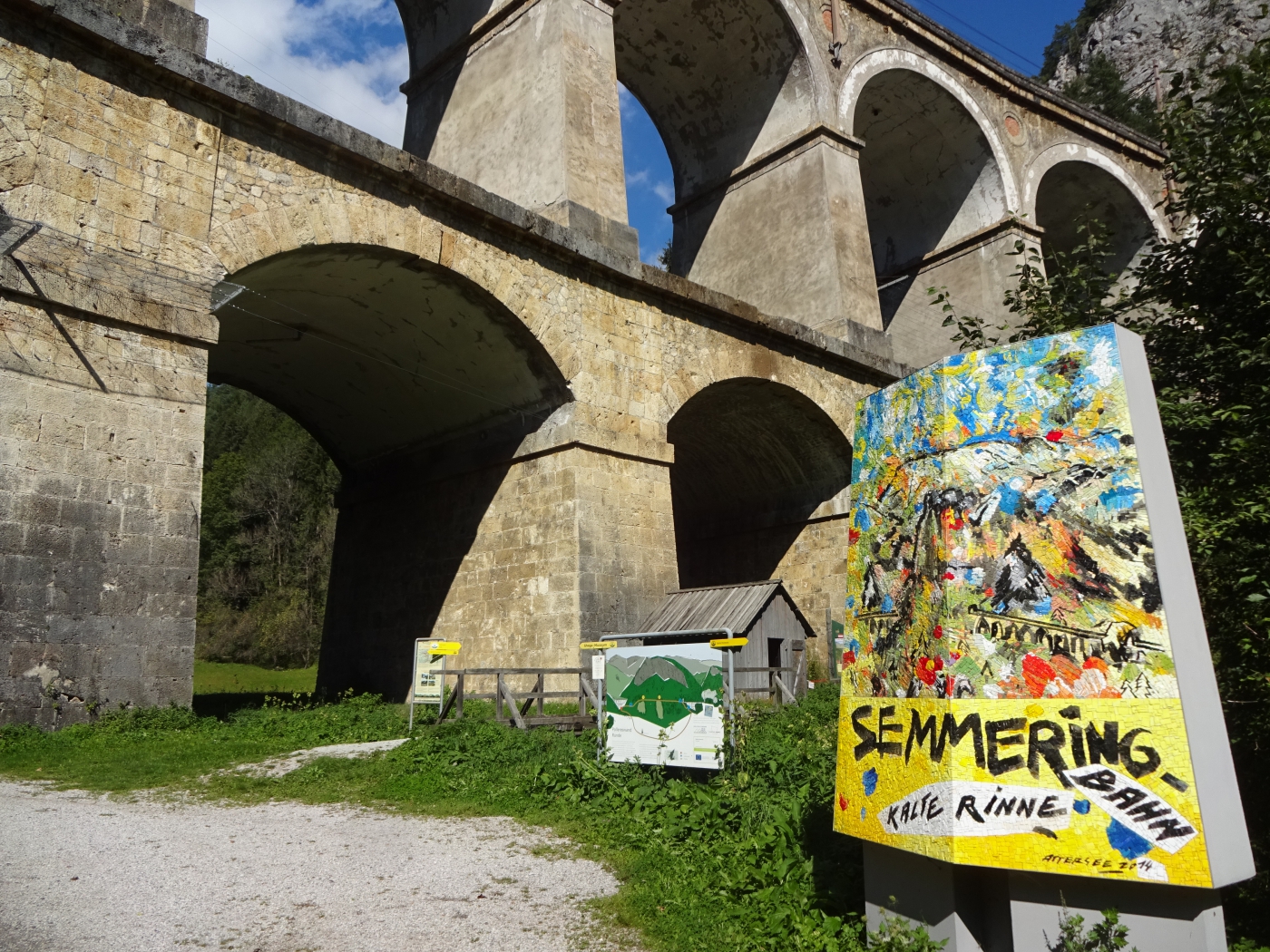
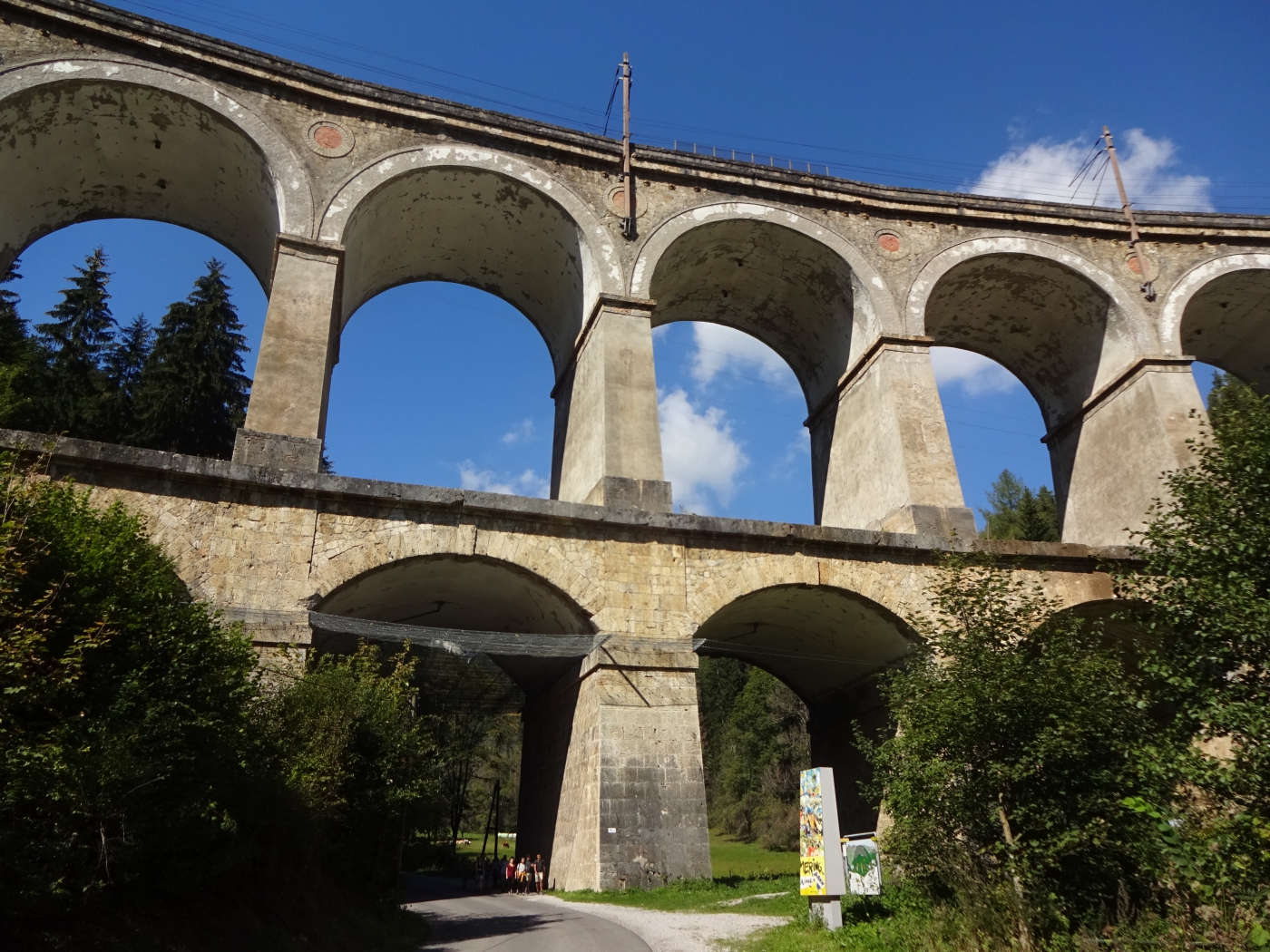
The Semmering Railway is celebrated as the world's first true mountain railway built to standard gauge. Over its 41-kilometer length, it features an extraordinary array of structures, including 14 tunnels, with the longest being the original Semmering Tunnel, and 16 spectacular viaducts, some reaching multiple stories in height, like the iconic Kalte Rinne Viaduct. Additionally, over 100 stone bridges and 11 iron bridges were meticulously constructed. Ghega's innovative approach to navigating steep gradients and tight curves, along with his aesthetic consideration for the landscape, made the railway a benchmark for future mountain railway constructions worldwide.
Experiencing the Semmering Bahn-Wanderweg
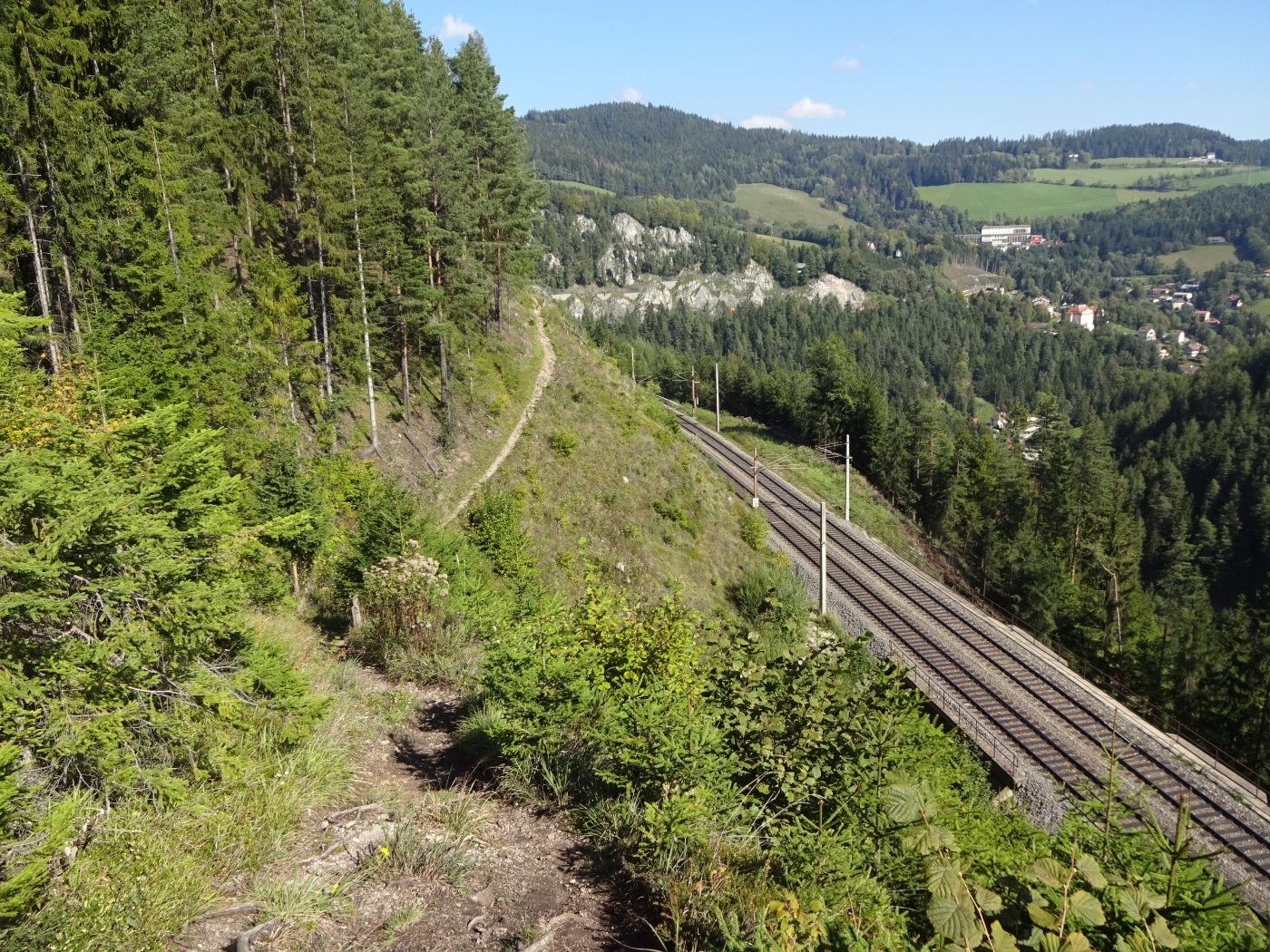
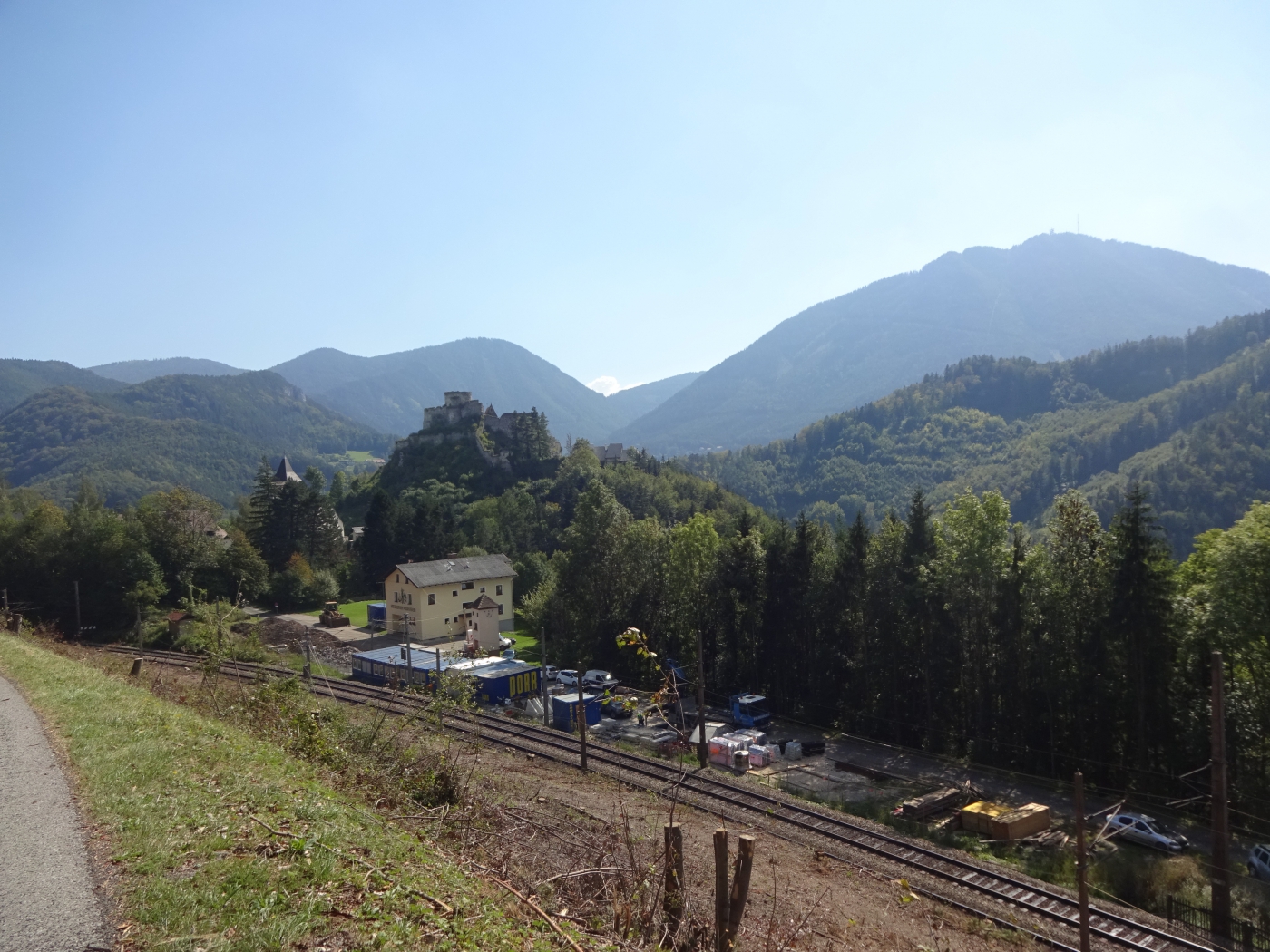
Today, the railway's enduring legacy is best experienced along the Semmering Bahn-Wanderweg, a dedicated hiking trail that closely follows the historic line. Hikers can trace the path of early locomotives, marveling at the intricate architecture of the viaducts and the dark entrances of the tunnels. The trail offers breathtaking panoramic views of the surrounding Styrian and Lower Austrian Alps, providing a deep appreciation for both the human endeavor and the natural grandeur. This immersive experience allows visitors to connect directly with the history and engineering genius that shaped this extraordinary landscape.
A Legacy of Innovation
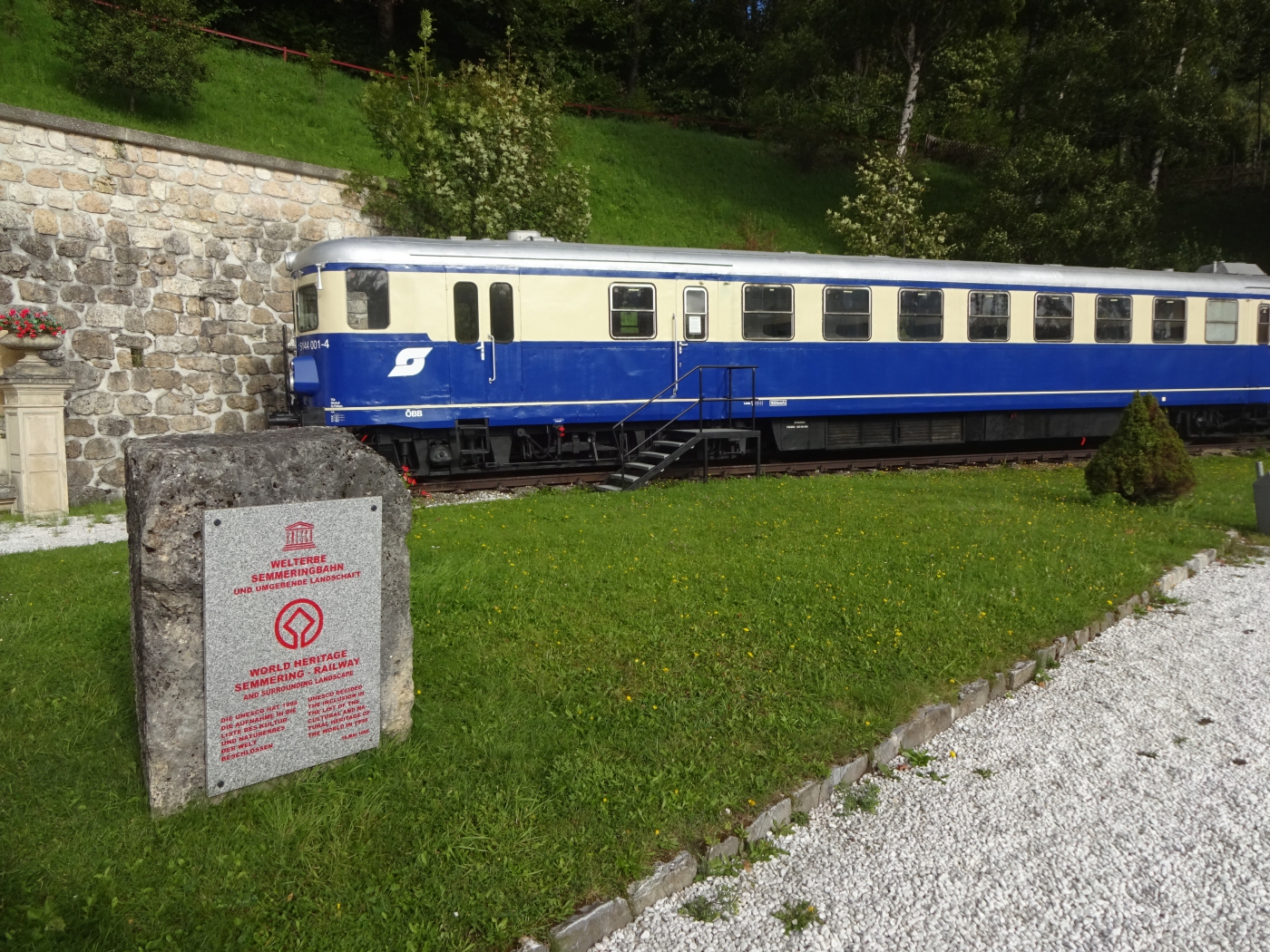
In 1998, the Semmering Railway was deservedly inscribed on the UNESCO World Heritage List, recognized for its exceptional testimony to the development of civil engineering and its outstanding contribution to railway construction in a difficult mountainous terrain. It remains a vibrant testament to 19th-century technological progress and a symbol of harmonious coexistence between infrastructure and nature, continuing to inspire awe and wonder.
Weiterführende Links
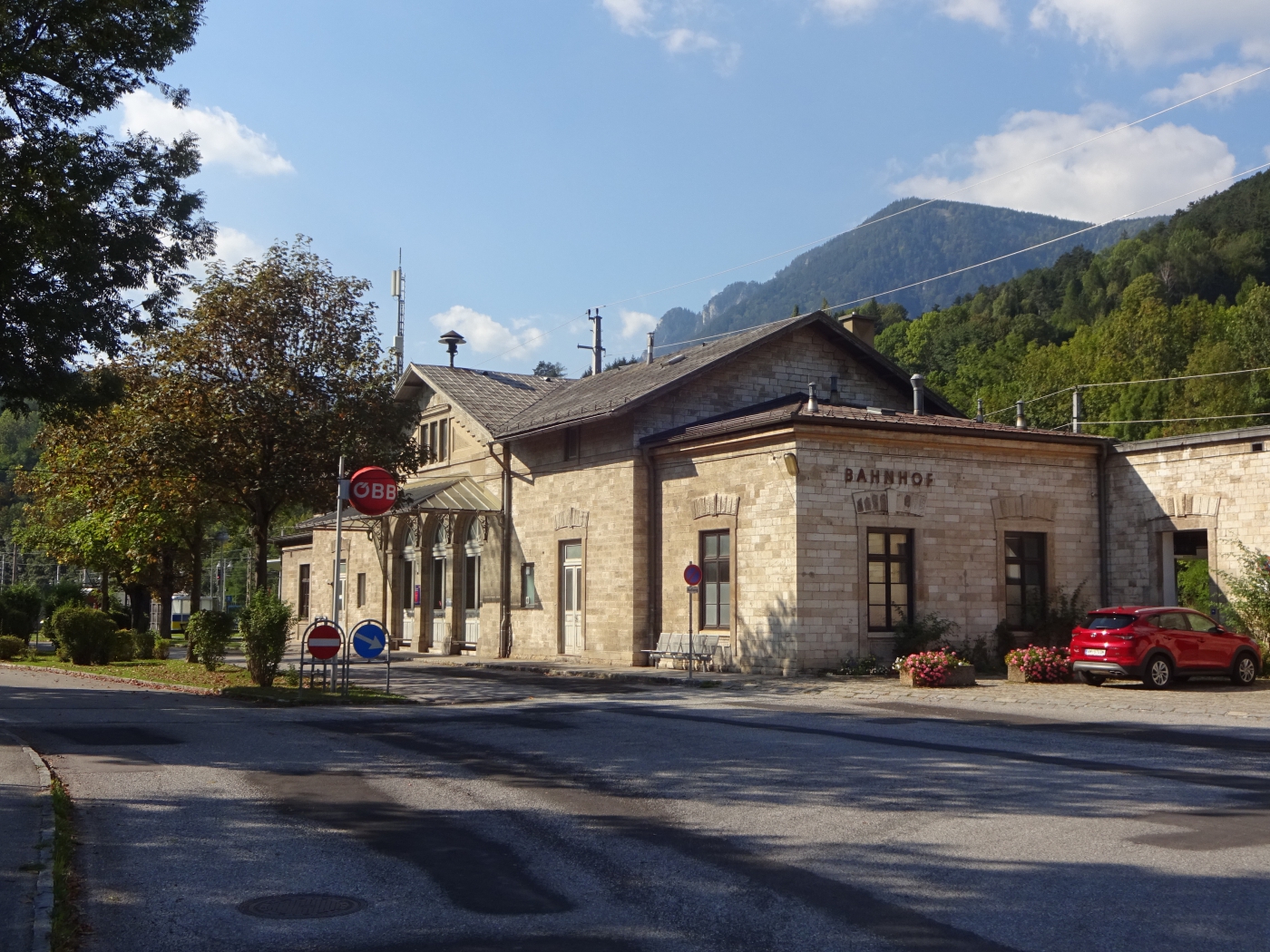
The trail leads from the historic Semmering station, along the rail tracks, past viewing points with magnificent panoramic views of the entire building to the station Breitenstein (9 km) , Klamm (15 km), Payerbach (21 km) or Gloggnitz (23 km). Every hiker can individually compile his route and return from one of the stations via train back to the starting point.
A special experience are the many incomparable vantage points as well as the beautiful landscape of the Semmering region . At Semmering station, visit the new information center and learn more about the World Heritage Semmering Railway and surrounding landscape.
(Source: semmering.com)
The Semmering Railway, built over 41 km of high mountains between 1848 and 1854, is one of the greatest feats of civil engineering from this pioneering phase of railway building. The high standard of the tunnels, viaducts and other works has ensured the continuous use of the line up to the present day. It runs through a spectacular mountain landscape and there are many fine buildings designed for leisure activities along the way, built when the area was opened up due to the advent of the railway.
The Semmering railway (German: Semmeringbahn) in Austria, which starts at Gloggnitz and leads over the Semmering to Mürzzuschlag, was the first mountain railway in Europe built with a standard gauge track. It is commonly referred to as the world's first true mountain railway, given the very difficult terrain and the considerable altitude difference that was mastered during its construction. It is still fully functional as a part of the Southern Railway which is operated by the Austrian Federal Railways.