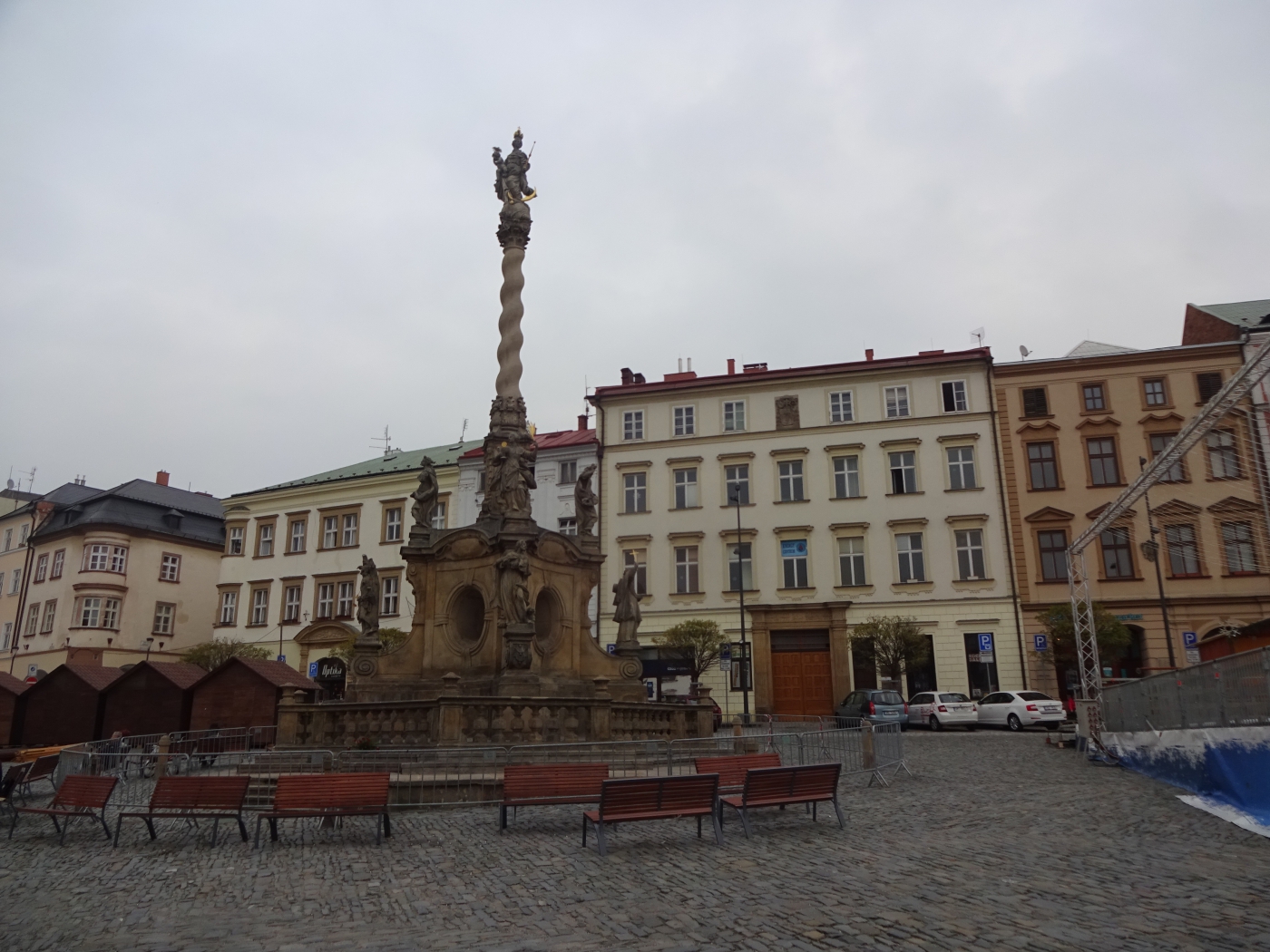
Holy Trinity Column in Olomouc
Olmütz, Czechia
09.11.2018

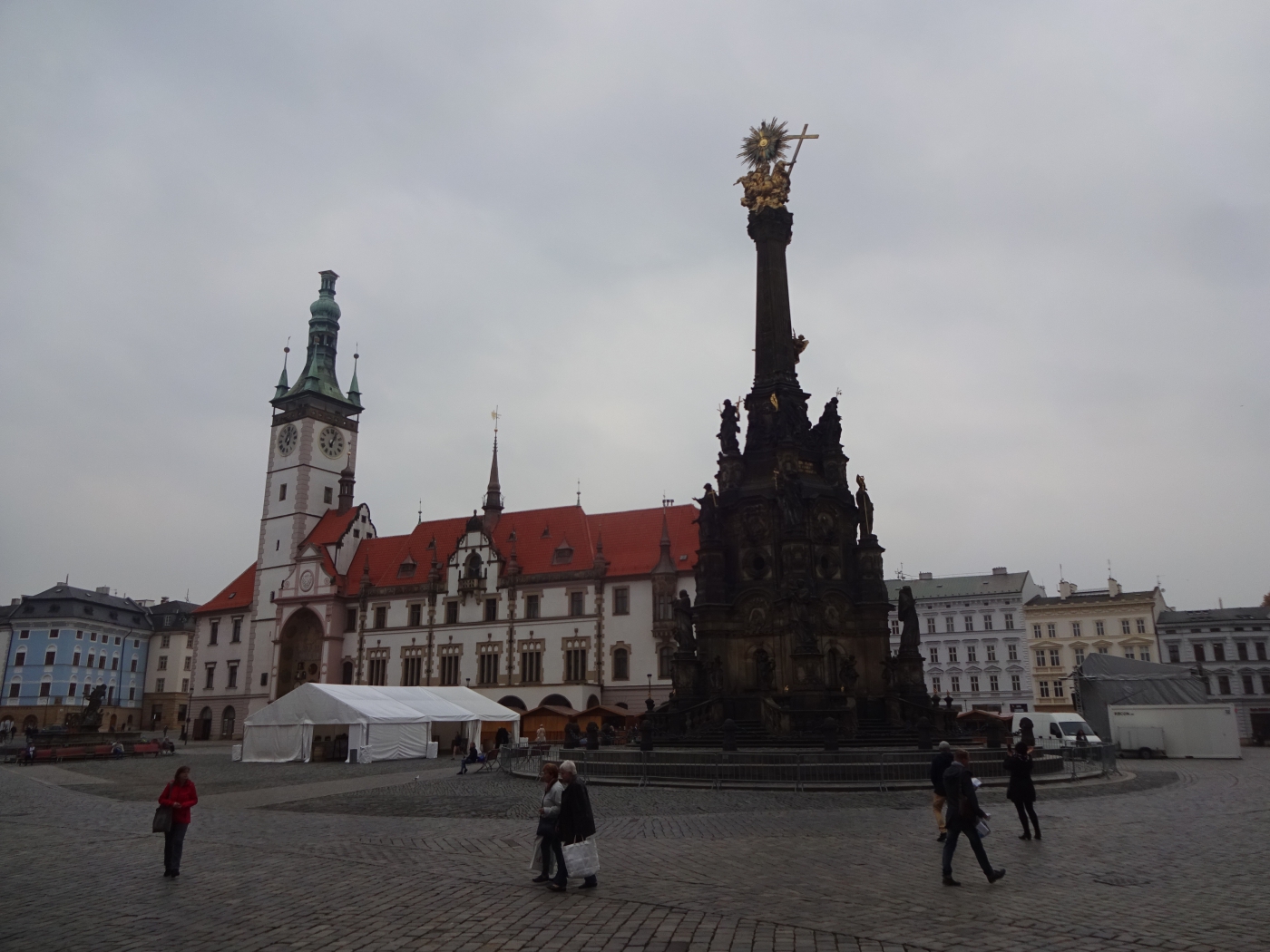
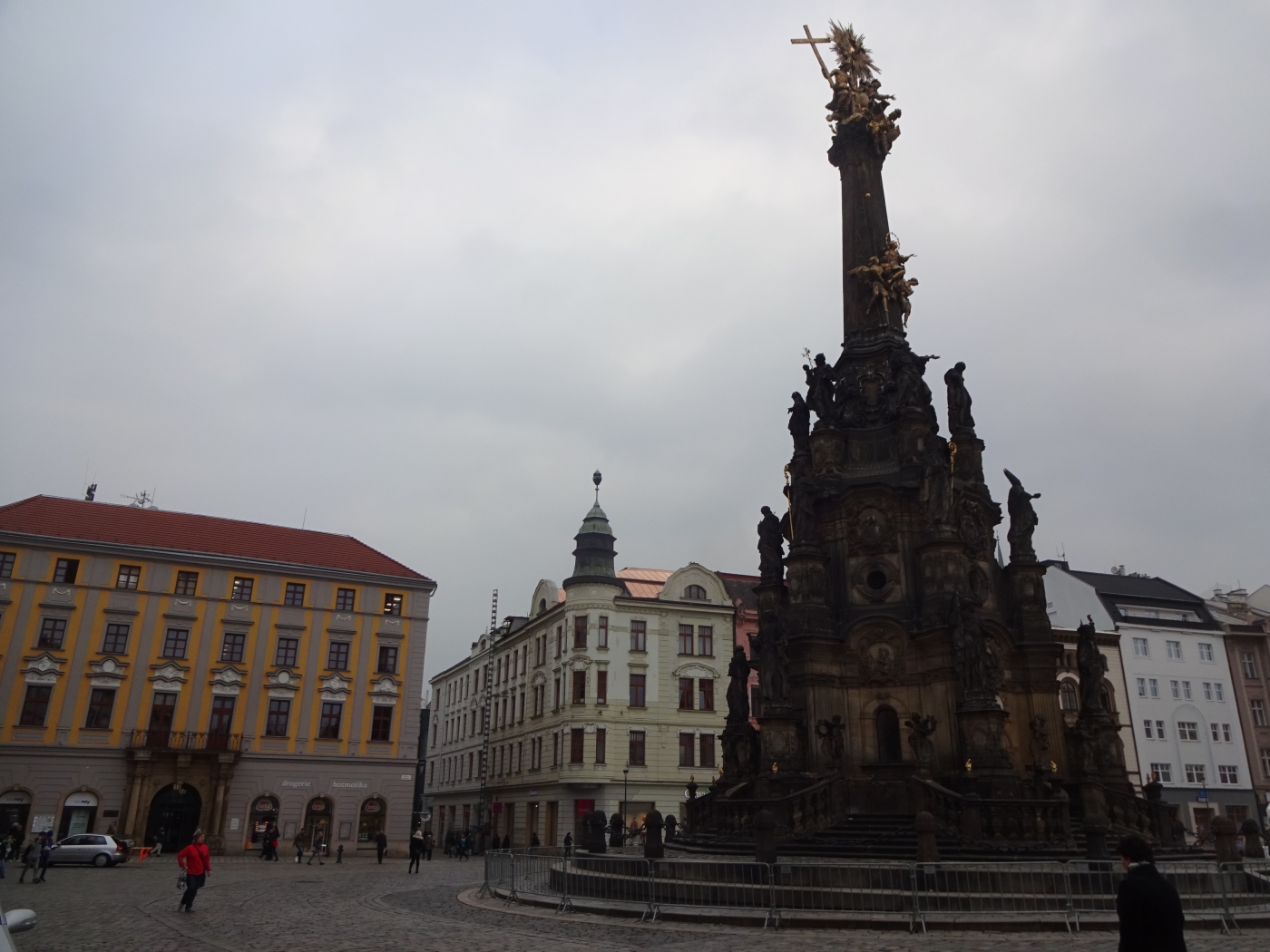
The Holy Trinity Column in Olomouc, Czech Republic, is an extraordinary example of Central European Baroque art, inscribed on the UNESCO World Heritage List in 2000. This monumental edifice is a profound expression of faith and gratitude, reflecting the spiritual and cultural landscape of the region in the early 18th century.
A Monument Born from Devotion
Erected between 1716 and 1754, the column expressed gratitude for the end of a devastating plague that afflicted Moravia from 1713 to 1715. Such plague columns were common, but few matched the artistic grandeur of the Olomouc masterpiece. The initiative came from master stonemason Wenzel Render, who financed much of the work and contributed to its design. After his death, prominent sculptors like Ondřej Zahner, Filip Sattler, Jan Michael Scherhauf, and Josef Václav Schmidt continued the project.
Architectural Grandeur and Symbolism
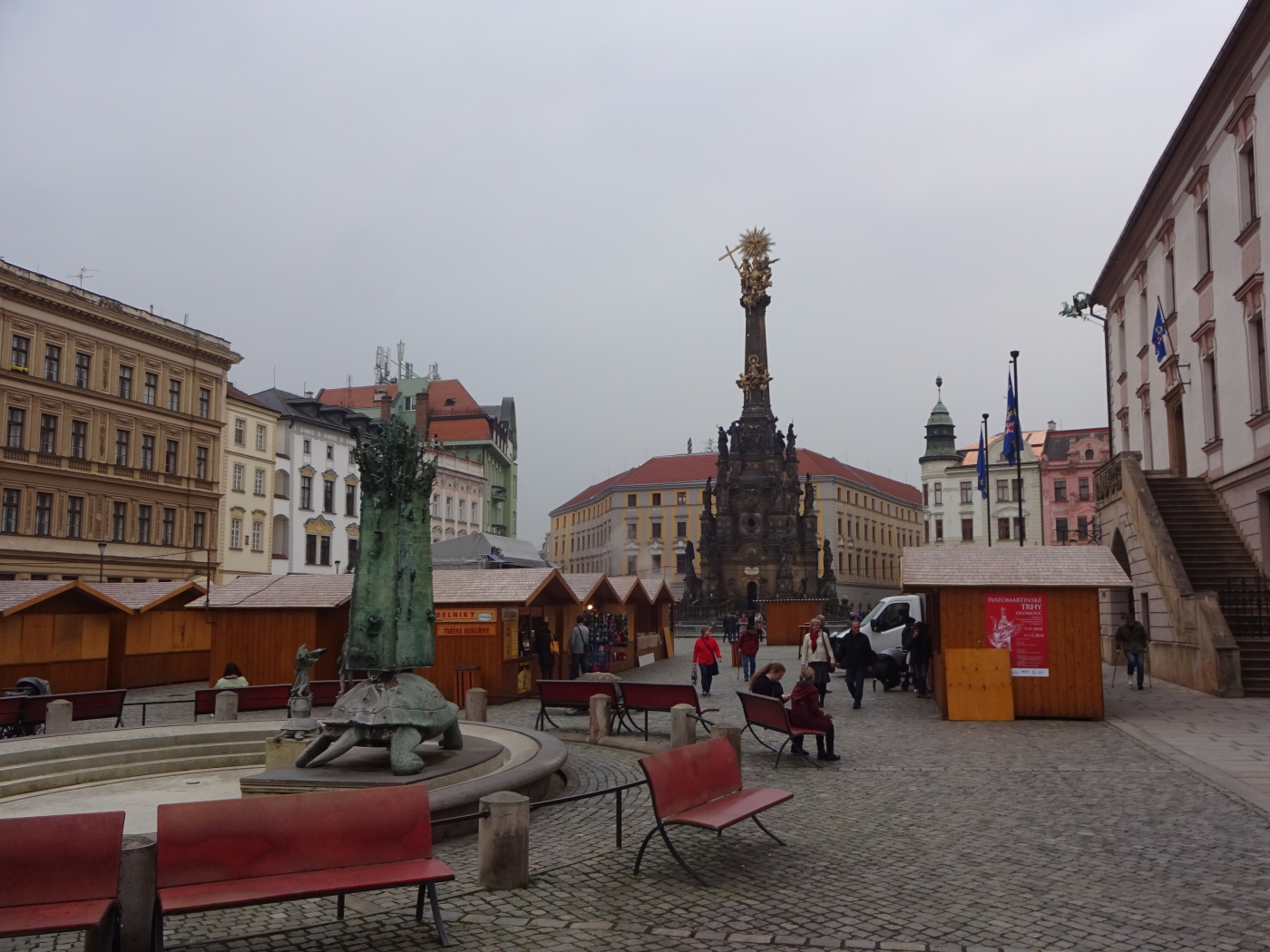
Standing over 35 meters high, the Holy Trinity Column is the largest group of Baroque statues in a single sculptural monument in Central Europe. Its composition is richly symbolic. At its apex, a magnificent gilded copper sculpture depicts the Holy Trinity, surrounded by the Assumption of the Virgin Mary. Below, 18 stone statues of saints adorn the column, including local patrons like Saint Wenceslaus and Saint Florian, and plague saints such as Saint Roch, Saint Charles Borromeo, and Saint Sebastian. Three levels of relief sculptures further illustrate scenes from the life of Jesus, showcasing the pinnacle of High Baroque artistry.
Royal Dedication and Lasting Legacy
The column was solemnly consecrated on September 9, 1754, in a grand ceremony attended by Habsburg rulers, Empress Maria Theresa and Emperor Francis I Stephen. This royal presence underscored the monument's immense significance. Even during the Prussian siege of Olomouc in 1758, the column was largely spared damage, a testament to its perceived sacredness. Today, the Holy Trinity Column remains a vibrant focal point of the city, symbolizing its rich history, artistic heritage, and enduring faith, attracting visitors globally.
Further Reading
This memorial column, erected in the early years of the 18th century, is the most outstanding example of a type of monument specific to central Europe. In the characteristic regional style known as Olomouc Baroque and rising to a height of 35 m, it is decorated with many fine religious sculptures, the work of the distinguished Moravian artist Ondrej Zahner.
The Holy Trinity Column (Czech: Sloup Nejsvětější Trojice) in Olomouc, in the Czech Republic is a Baroque monument (Trinity column) that was built between 1716 and 1754. The main purpose was to celebrate the Catholic Church and faith, partly caused by feeling of gratitude for ending a plague, which struck Moravia (now in the Czech Republic) between 1713 and 1715. The column was also understood to be an expression of local patriotism, since all artists and master craftsmen working on this monument were Olomouc citizens, and almost all depicted saints were connected with the city of Olomouc in some way.
It is the biggest Baroque sculptural group in the Czech Republic. In 2000 it was inscribed on the UNESCO World Heritage List as "one of the most exceptional examples of the apogee of central European Baroque artistic expression".