Archaeological Site of Mycenae - Archaeological Sites of Mycenae and Tiryns
Mykene, Greece
07.05.2019

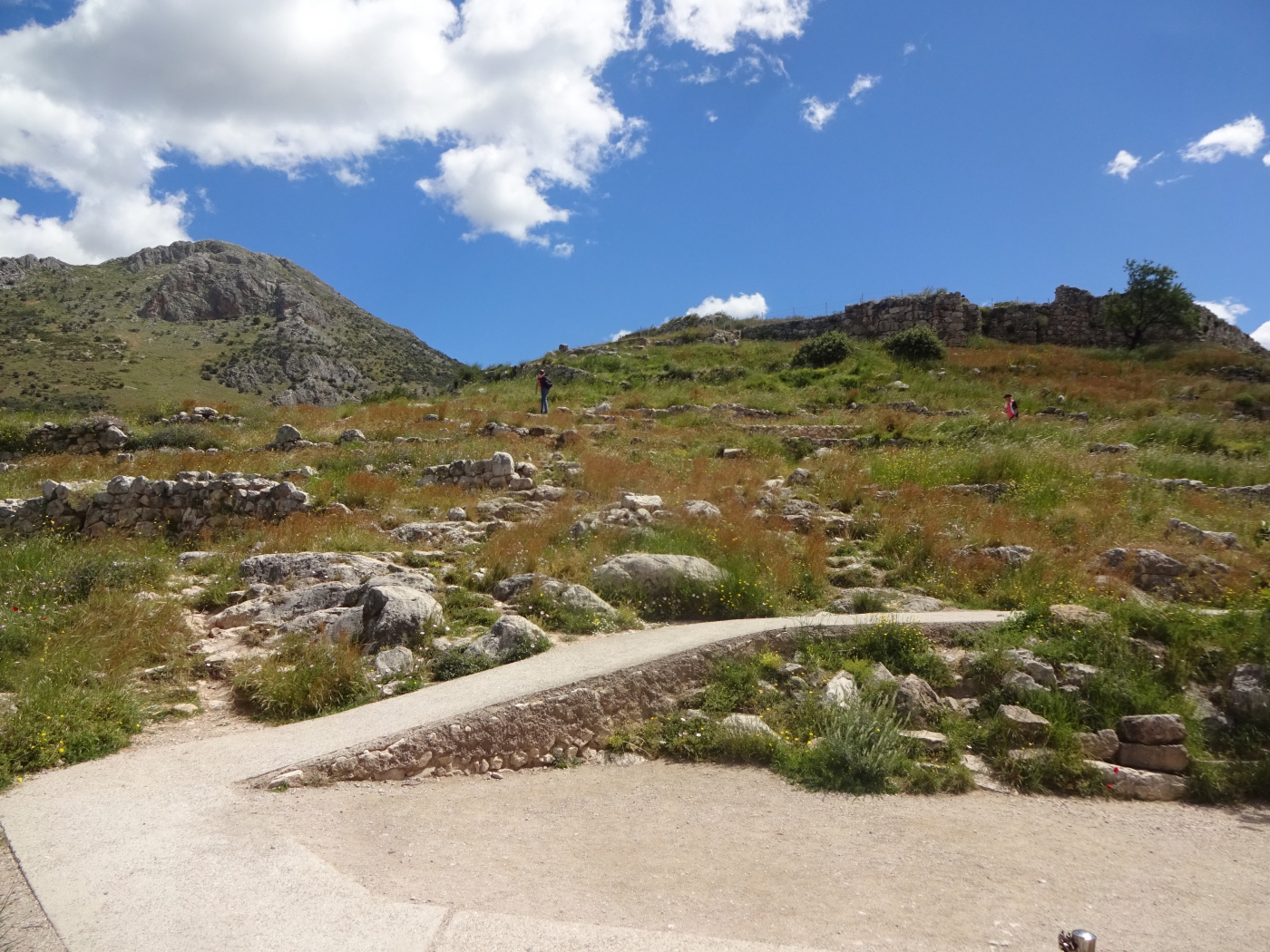
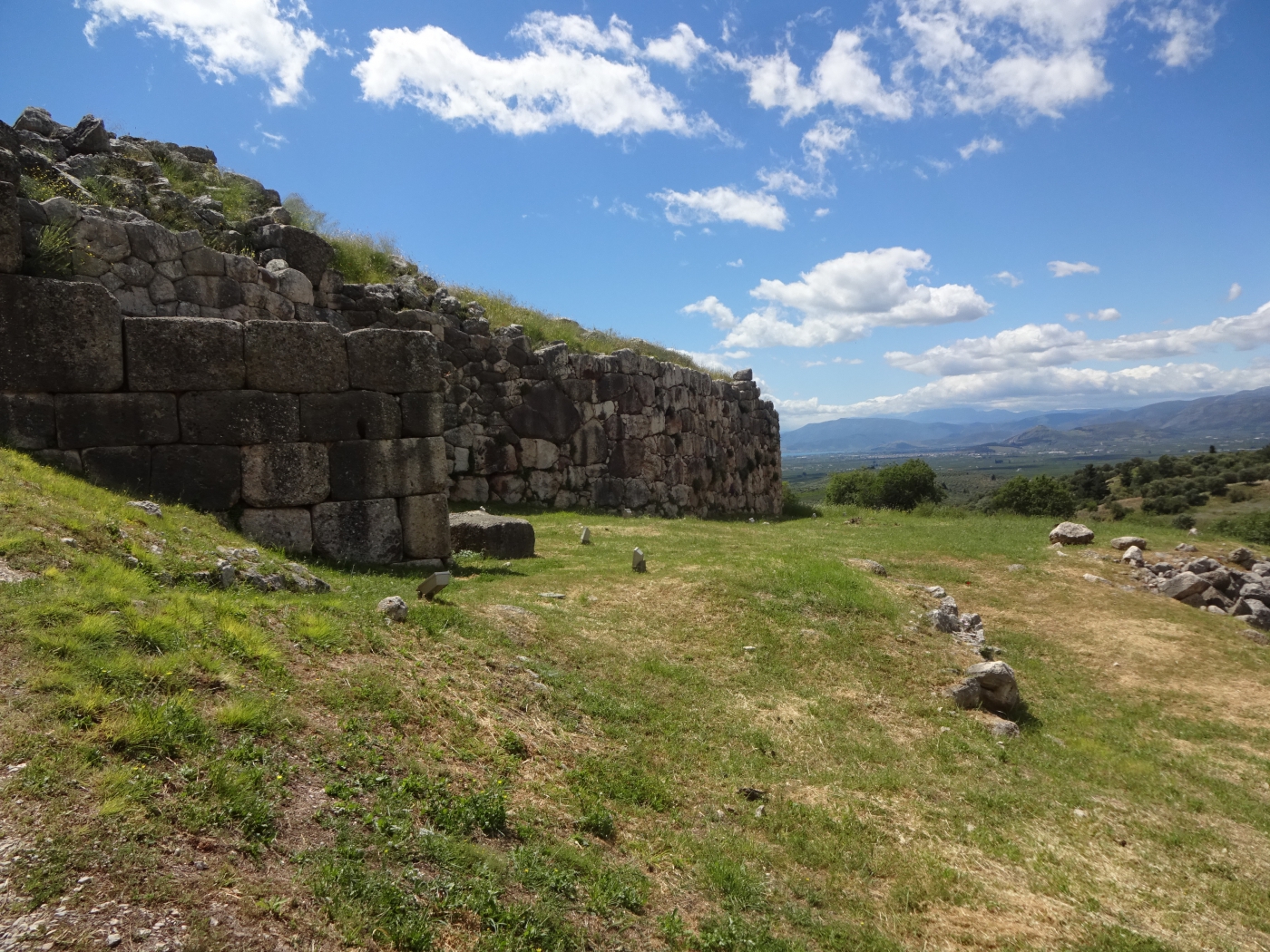
Perched majestically atop a rocky hill in the northeastern Peloponnese, the **Archaeological Site of Mycenae** stands as a monumental testament to one of the most powerful and influential cultures of the late Bronze Age in Greece. This citadel, once the heart of the **Mycenaean civilization**, commanded a fertile plain and served as a dominant military stronghold for centuries, its very name synonymous with a glorious epoch.
A Kingdom of Legends
According to ancient Greek tradition, **Mycenae** was the kingdom of the legendary **King Agamemnon**, who led the Achaean forces in the Trojan War. While the epic tales of **Homer** blend myth with historical kernels, archaeological discoveries have profoundly illuminated the material grandeur that inspired such legends. The site's imposing defenses and rich burial finds confirm it was a center of immense wealth and power from approximately 1600 to 1100 BCE.
Architectural Marvels
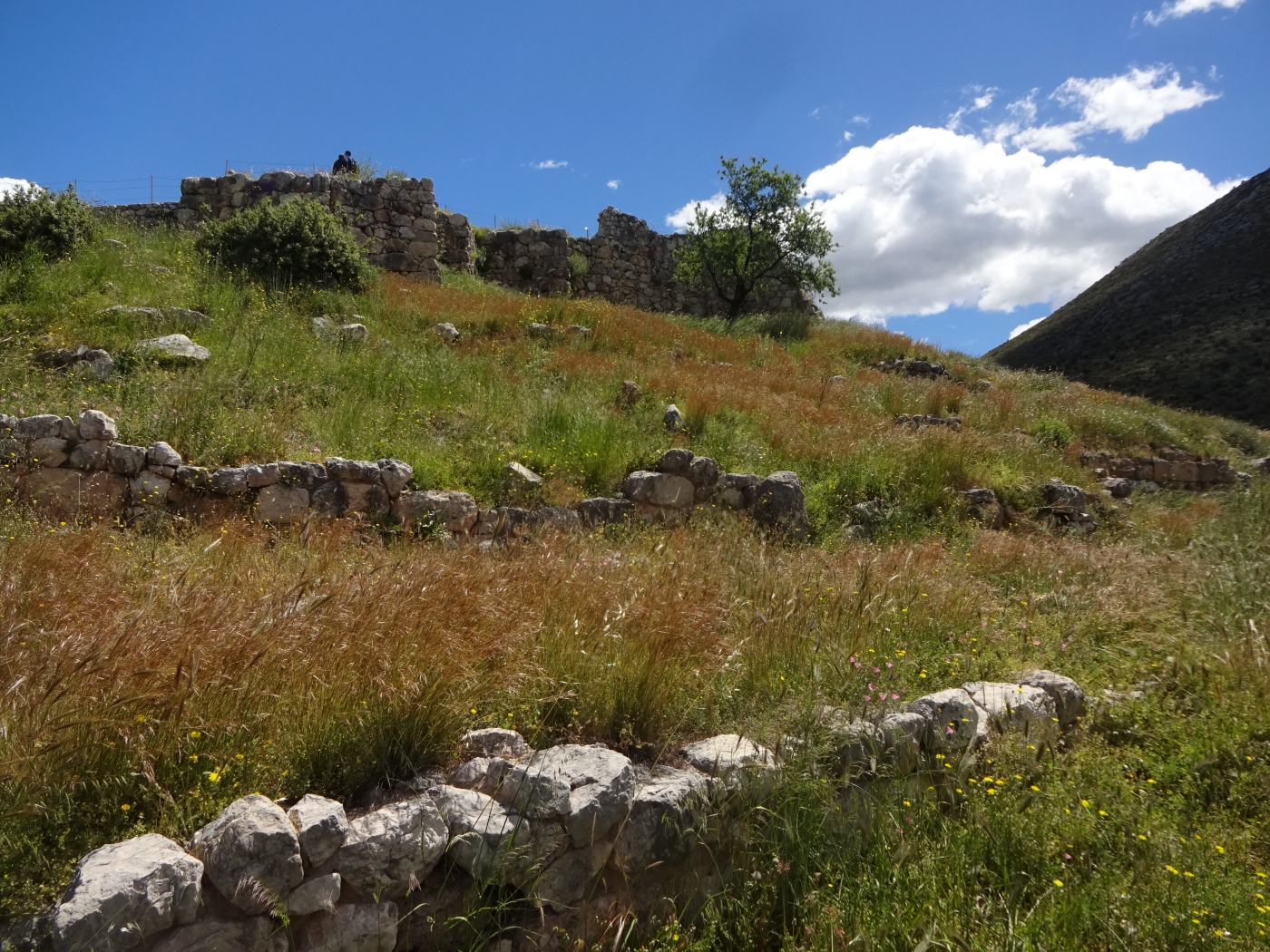
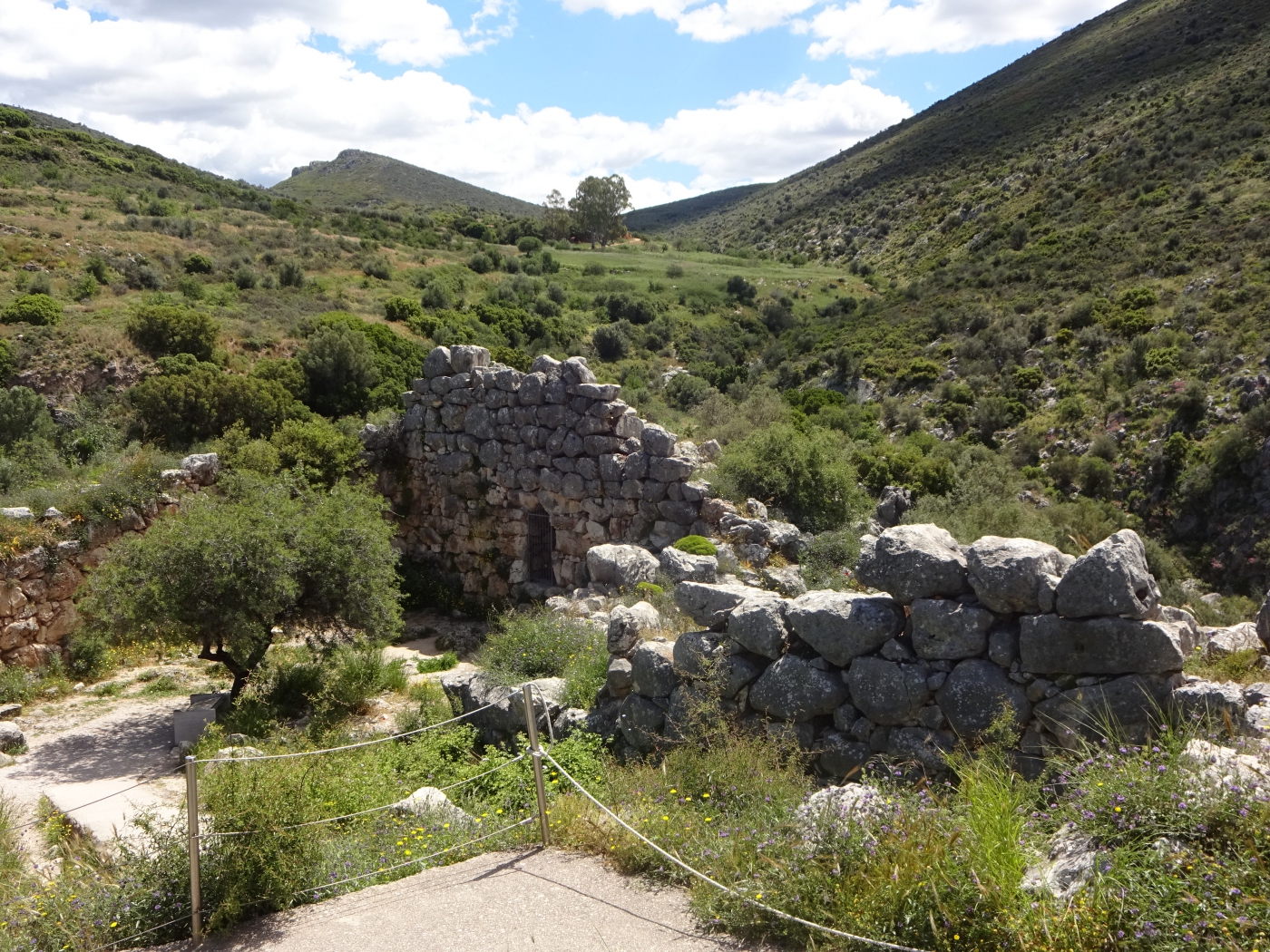
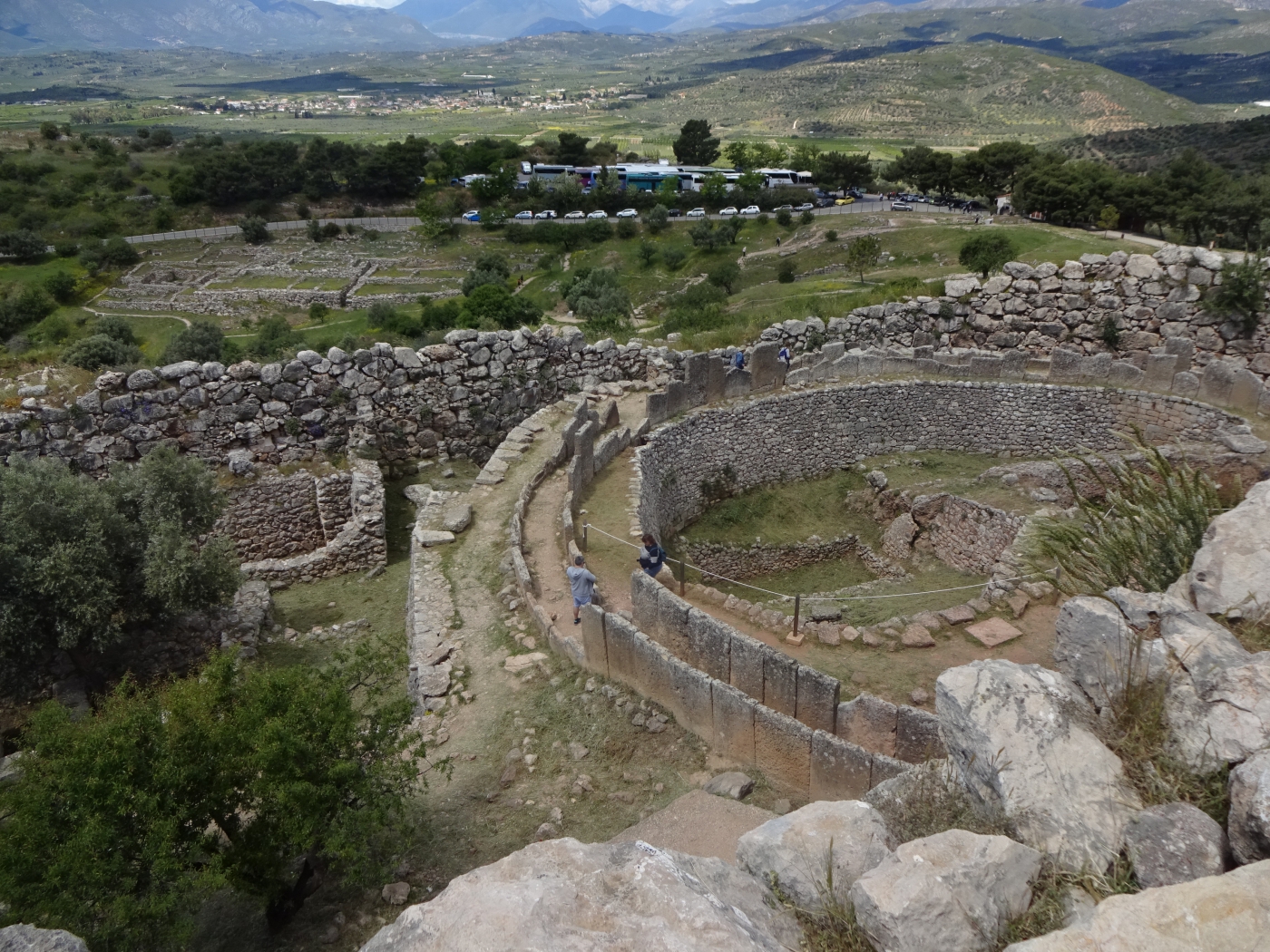
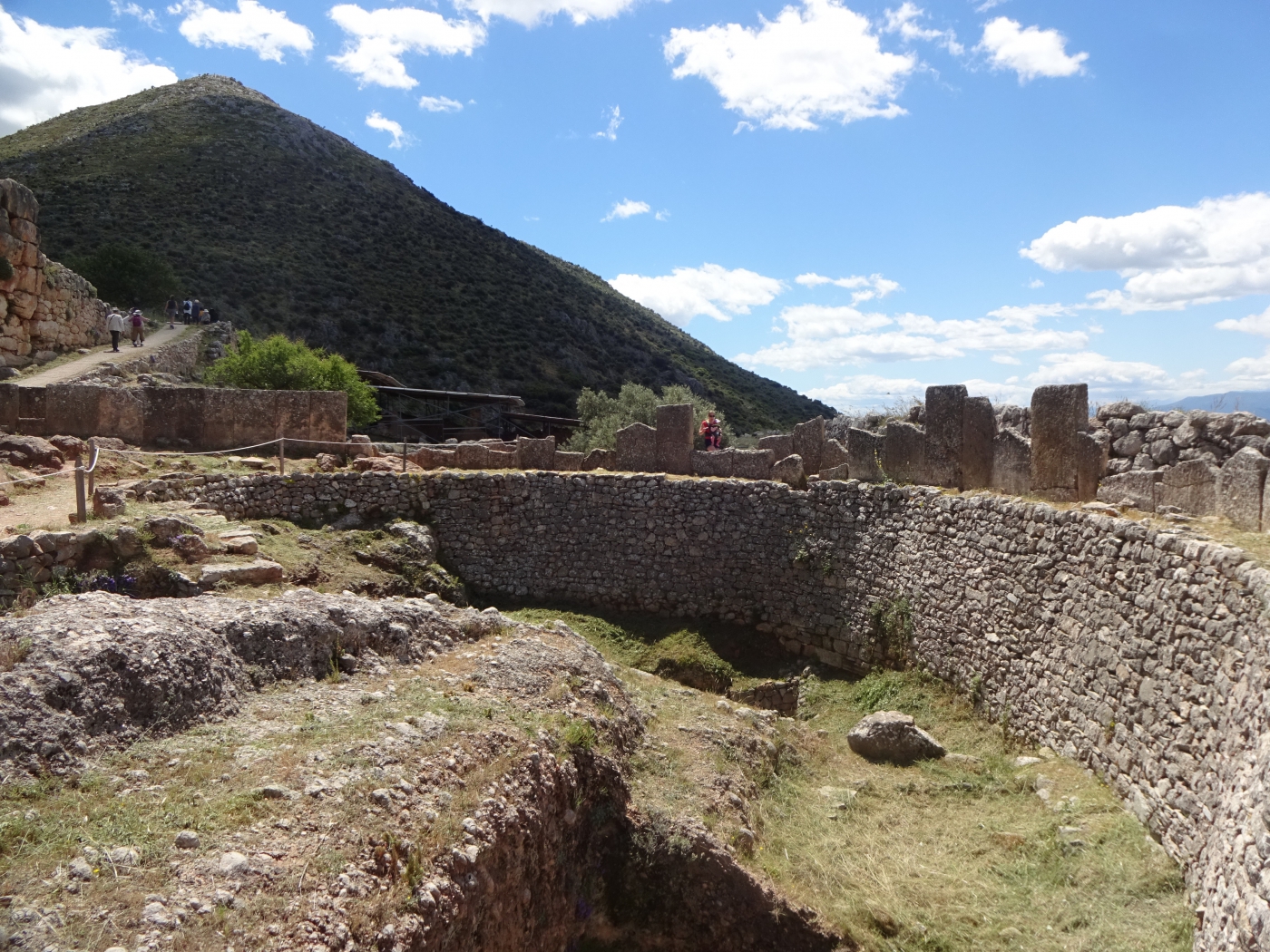
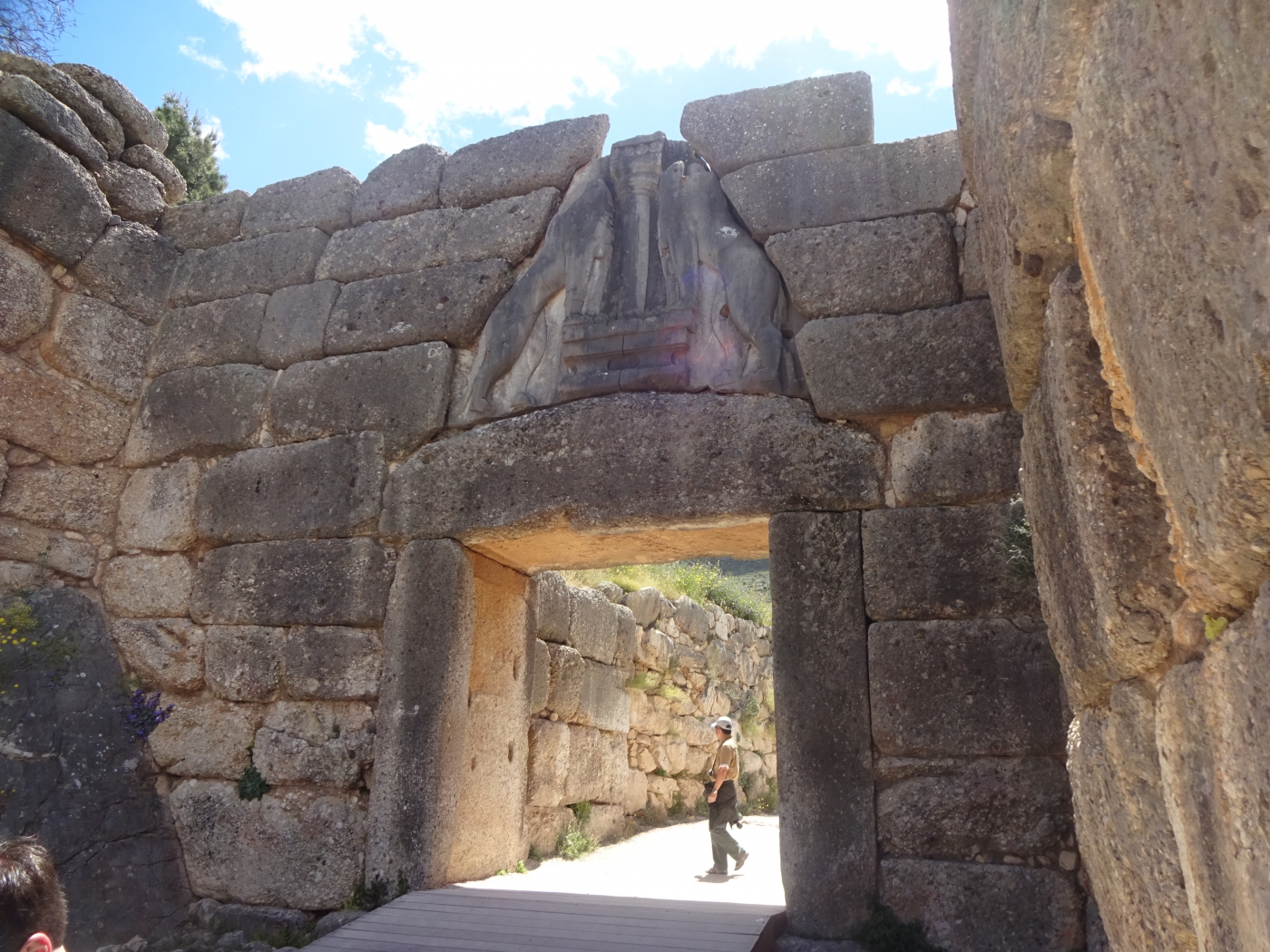
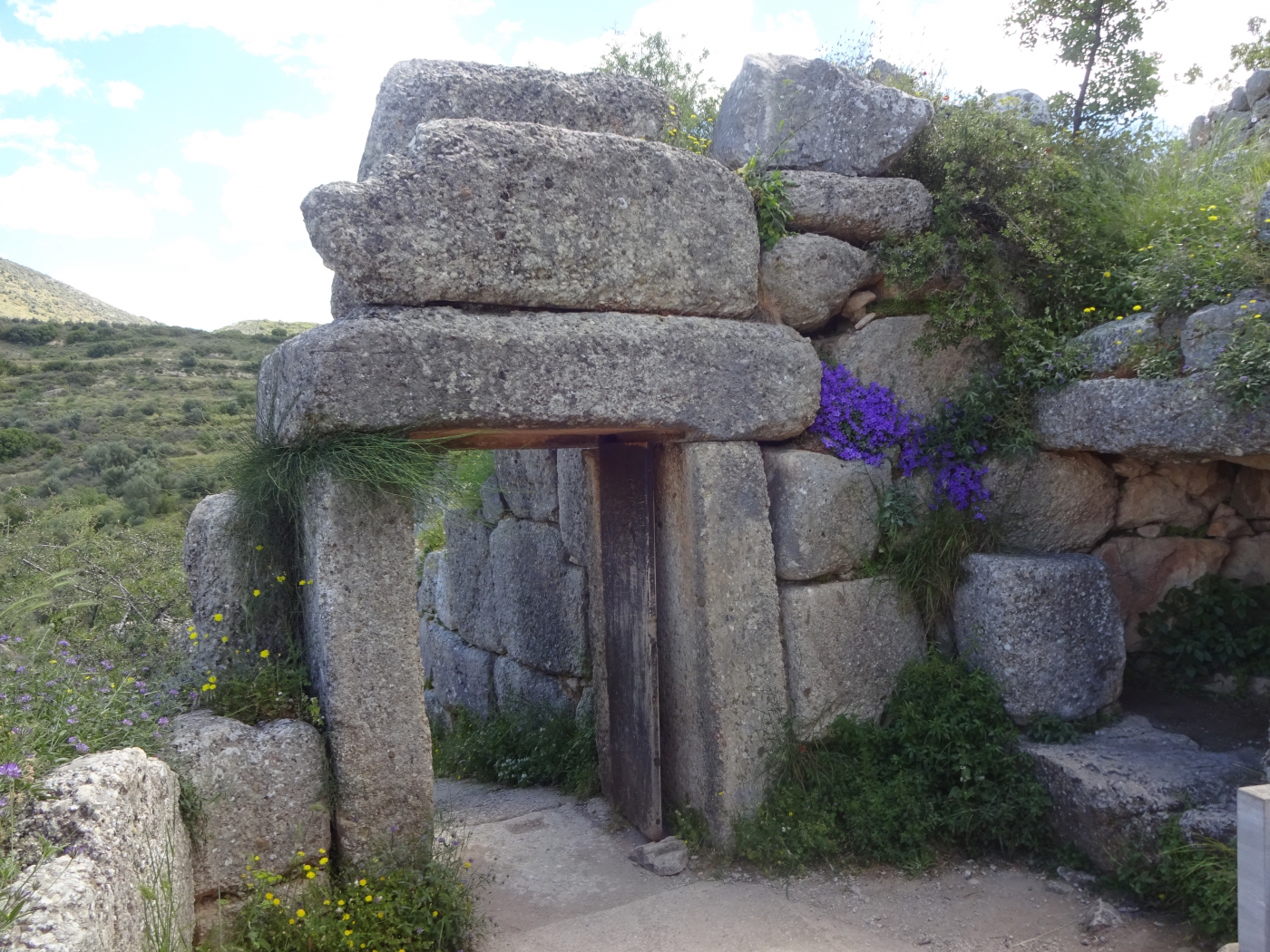
The most striking feature upon approach is the colossal **Lion Gate**, the main entrance to the citadel, dating to around 1250 BCE. Its massive monolithic posts and lintel are crowned by a triangular relief depicting two lions flanking a column – an early example of monumental sculpture in Europe. Within the formidable **Cyclopean Walls**, so named because later Greeks believed only mythical Cyclops could have lifted such enormous stones, lie the ruins of the royal palace, including the **Megaron**, the throne room and ceremonial heart of the complex. Nearby, the famous **Grave Circles A and B** unearthed by **Heinrich Schliemann** in the late 19th century, yielded a stunning array of golden death masks, jewelry, and weaponry, testifying to the opulence of the Mycenaean elite.
Beyond the Walls
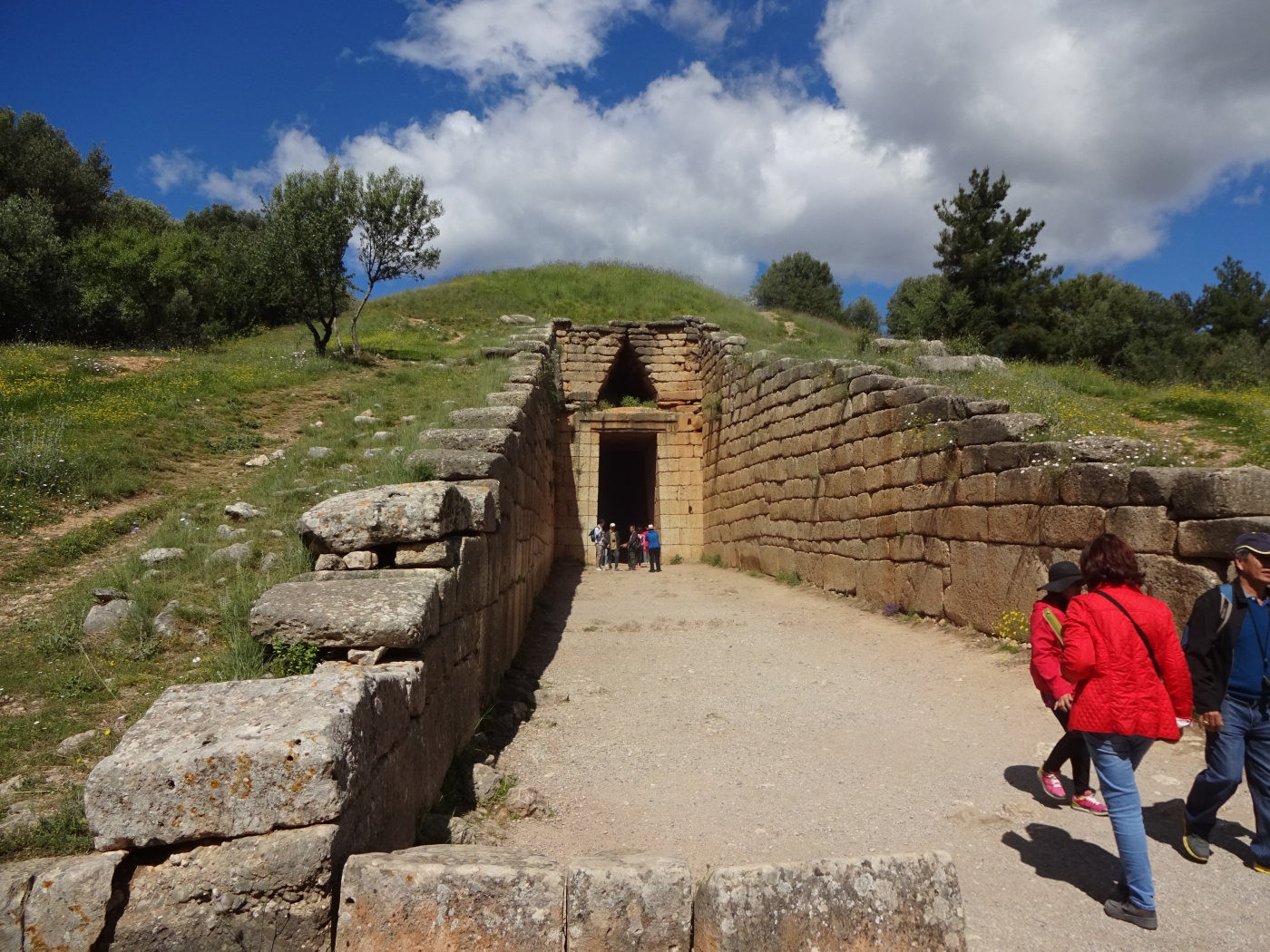
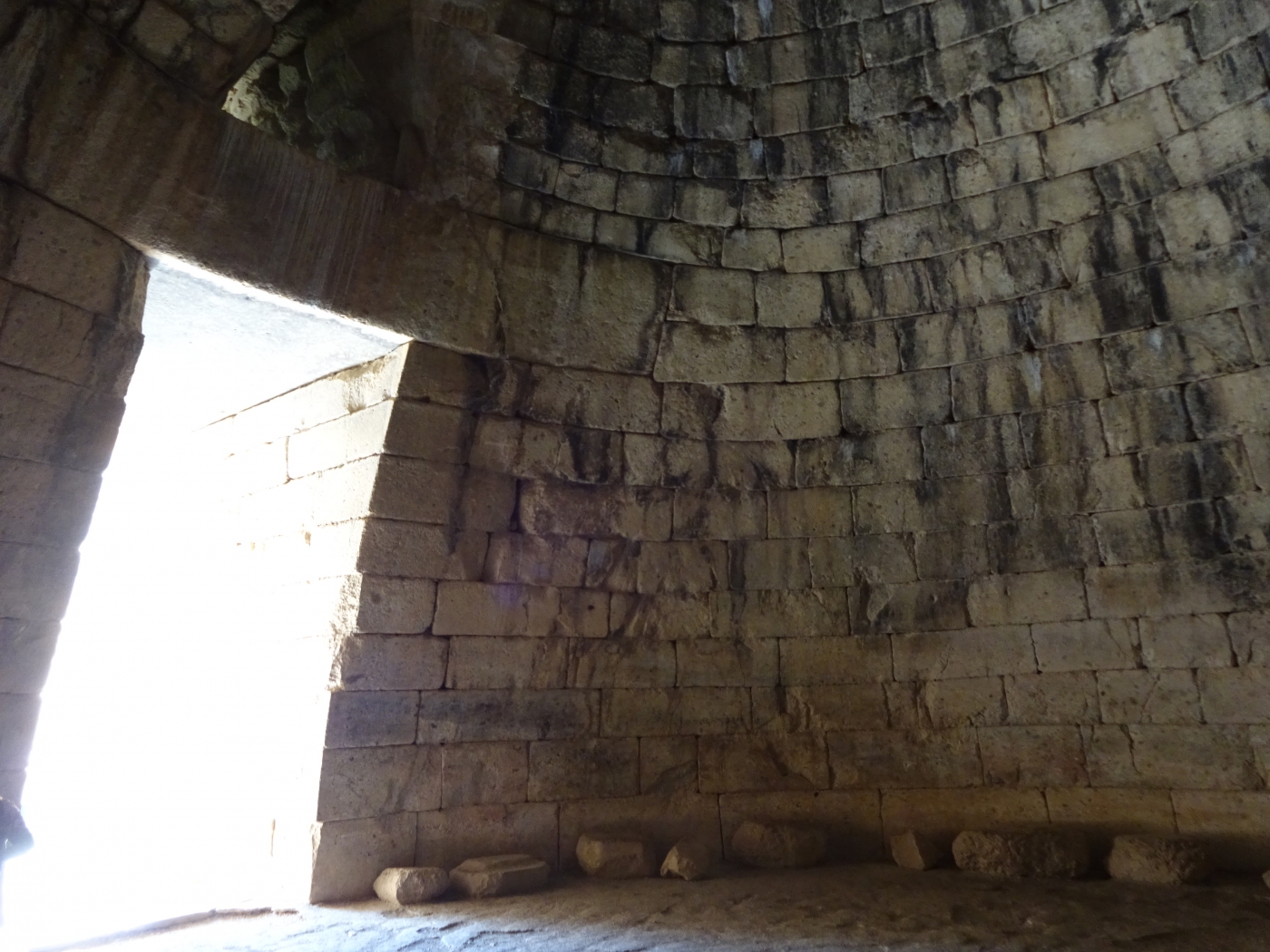
Just outside the main citadel stand the magnificent tholos tombs, or "beehive" tombs, most notably the so-called **Treasury of Atreus** (also known as the **Tomb of Agamemnon**). This impressive structure, with its corbelled dome and long dromos (entrance passage), showcases the advanced engineering and architectural sophistication of the Mycenaeans. These tombs were elaborate resting places for kings and powerful nobles, designed to convey their status even in death.
The End of an Era
Around 1200 BCE, like many other Bronze Age centers across the Aegean, **Mycenae** suffered a catastrophic decline, eventually leading to its abandonment. The reasons remain debated, possibly involving earthquakes, internal strife, or invasions by "Sea Peoples." Today, as a UNESCO World Heritage site, **Mycenae** continues to captivate visitors, offering an unparalleled window into the heroic age that laid the foundations for Western civilization.
Further Reading
The archaeological sites of Mycenae and Tiryns are the imposing ruins of the two greatest cities of the Mycenaean civilization, which dominated the eastern Mediterranean world from the 15th to the 12th century B.C. and played a vital role in the development of classical Greek culture. These two cities are indissolubly linked to the Homeric epics, the Iliad and the Odyssey , which have influenced European art and literature for more than three millennia.
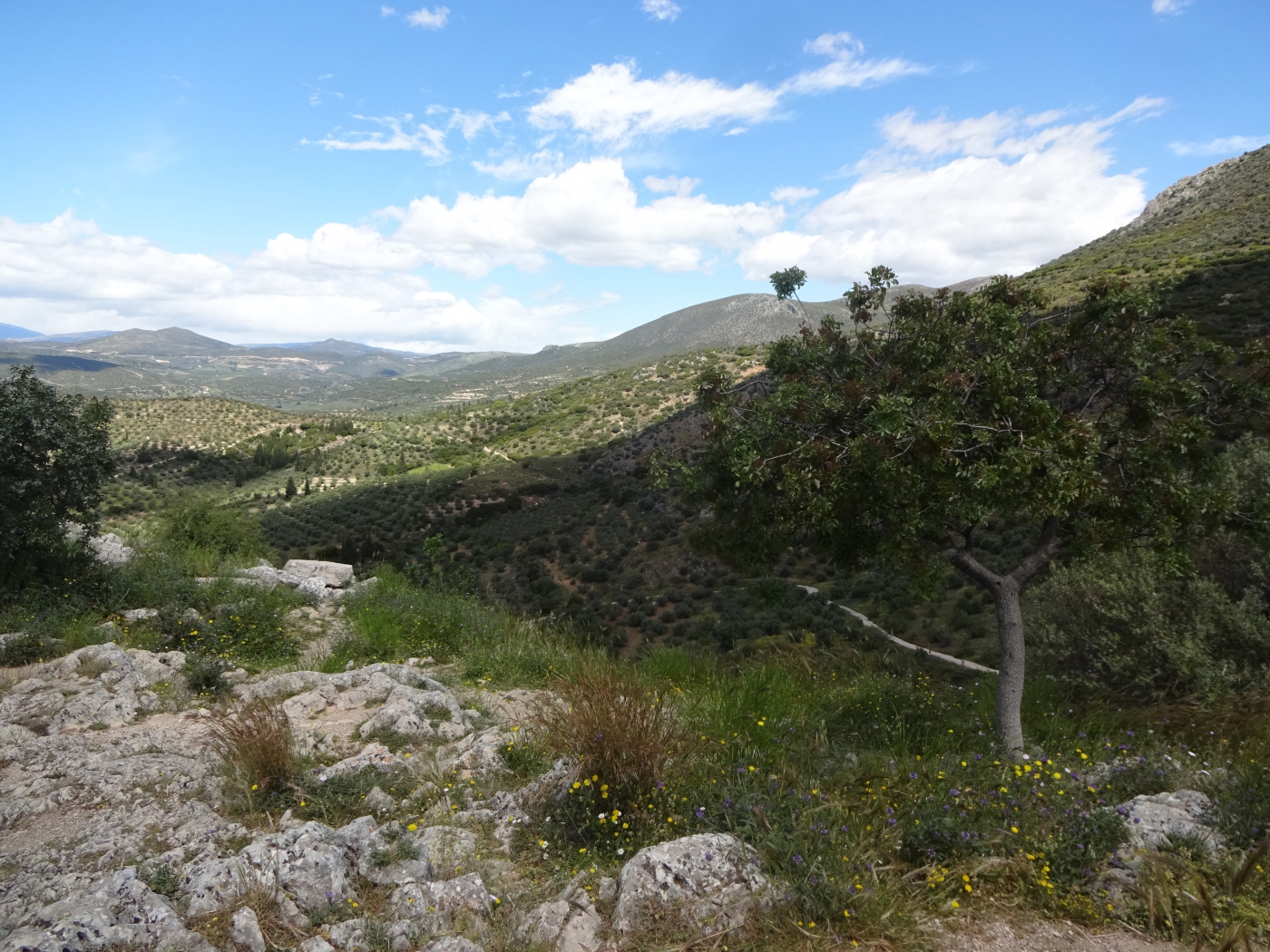
Mycenae ( my-SEE-nee; Ancient Greek: Μυκῆναι or Μυκήνη, Mykē̂nai or Mykḗnē) is an archaeological site near Mykines in Argolis, north-eastern Peloponnese, Greece. It is located about 120 kilometres (75 miles) south-west of Athens; 11 kilometres (7 miles) north of Argos; and 48 kilometres (30 miles) south of Corinth. The site is 19 kilometres (12 miles) inland from the Saronic Gulf and built upon a hill rising 274 metres (899 feet) above sea level.
In the second millennium BC, Mycenae was one of the major centres of Greek civilization—a military stronghold which dominated much of southern Greece, Crete, the Cyclades and parts of southwest Anatolia. The period of Greek history from about 1600 BC to about 1100 BC is called Mycenaean in reference to Mycenae. At its peak in 1350 BC, the citadel and lower town had a population of 30,000 and an area of 32 hectares (79 acres).
The first correct identification of Mycenae in modern literature was in 1700, during a survey conducted by the Venetian engineer Francesco Vandeyk on behalf of Francesco Grimani, the Provveditore Generale of the Kingdom of the Morea. Vandeyk used Pausanias's description of the Lion Gate to identify the ruins of Mycenae.
In 1999 the archeological site of Mycenae was added to the UNESCO World Heritage List, along with the nearby site of Tiryns, citing its historical importance as the center of the Mycenaean civilization, its outstanding architecture and its testimony to the development of Ancient Greek civilization. Noteworthy architecture includes the Lion Gate, the Treasury of Atreus and the walls of Mycenae and Tiryns.
These sites are strongly connected to the Homeric epics. The earliest examples of the Greek language are also visible at Mycenae and Tiryn, preserved on Linear B tablets.