Budapest, including the Banks of the Danube, the Buda Castle Quarter and Andrássy Avenue
Budapest, Hungary
25.05.2019

Budapest, the vibrant capital of Hungary, is a city woven into the fabric of European history and culture, its UNESCO World Heritage site status encompassing the majestic Banks of the Danube, the historic Buda Castle Quarter, and the elegant Andrássy Avenue. This inscription celebrates not only the architectural splendor but also the profound urban and historical significance of a city that blossomed from a collection of ancient settlements.
The Danube's Enduring Embrace
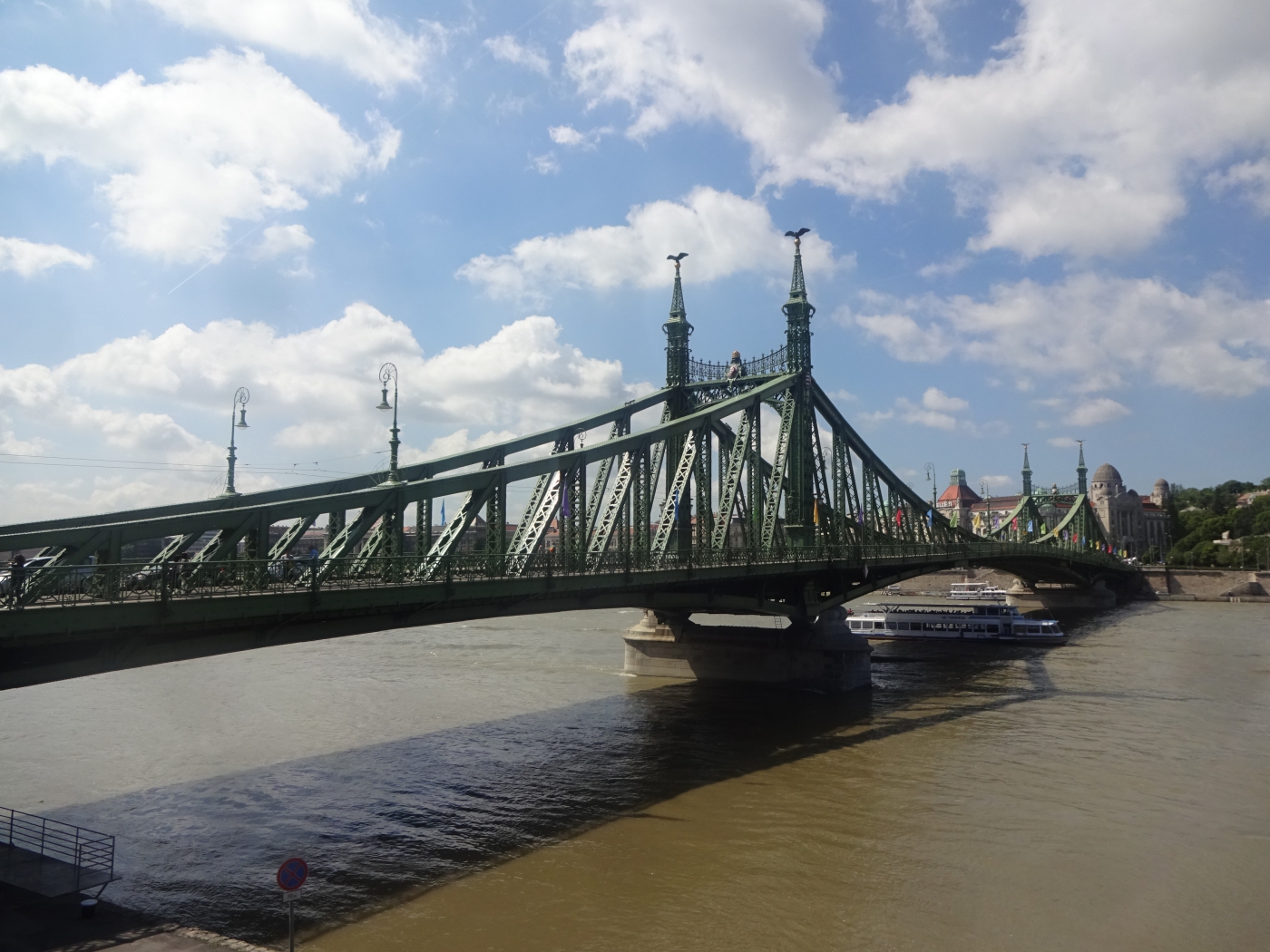
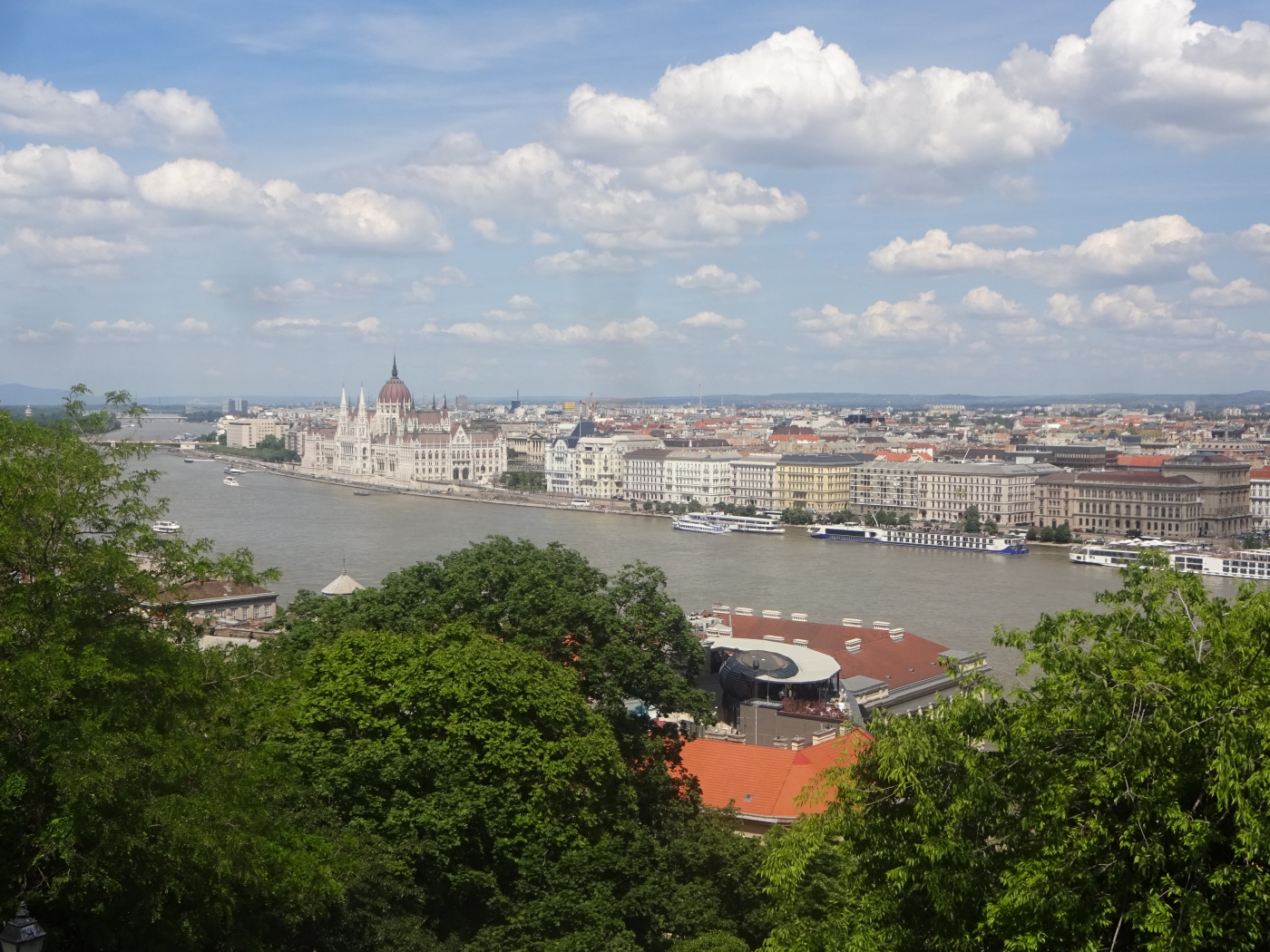
The Danube River is the lifeblood of Budapest, gracefully dividing the hilly Buda on the west from the flatter Pest on the east. The riverbanks offer breathtaking panoramas and are adorned with iconic structures like the grandiose Hungarian Parliament Building, a neo-Gothic masterpiece, and the historic Chain Bridge (Széchenyi Lánchíd), the first permanent bridge to connect Buda and Pest, opened in 1849. From the Roman settlement of Aquincum to the city's eventual unification in 1873, the Danube has been a constant witness to Budapest’s evolution, with Gellért Hill and its Citadel providing a commanding viewpoint over this historic landscape.
Echoes of Royalty in Buda Castle Quarter
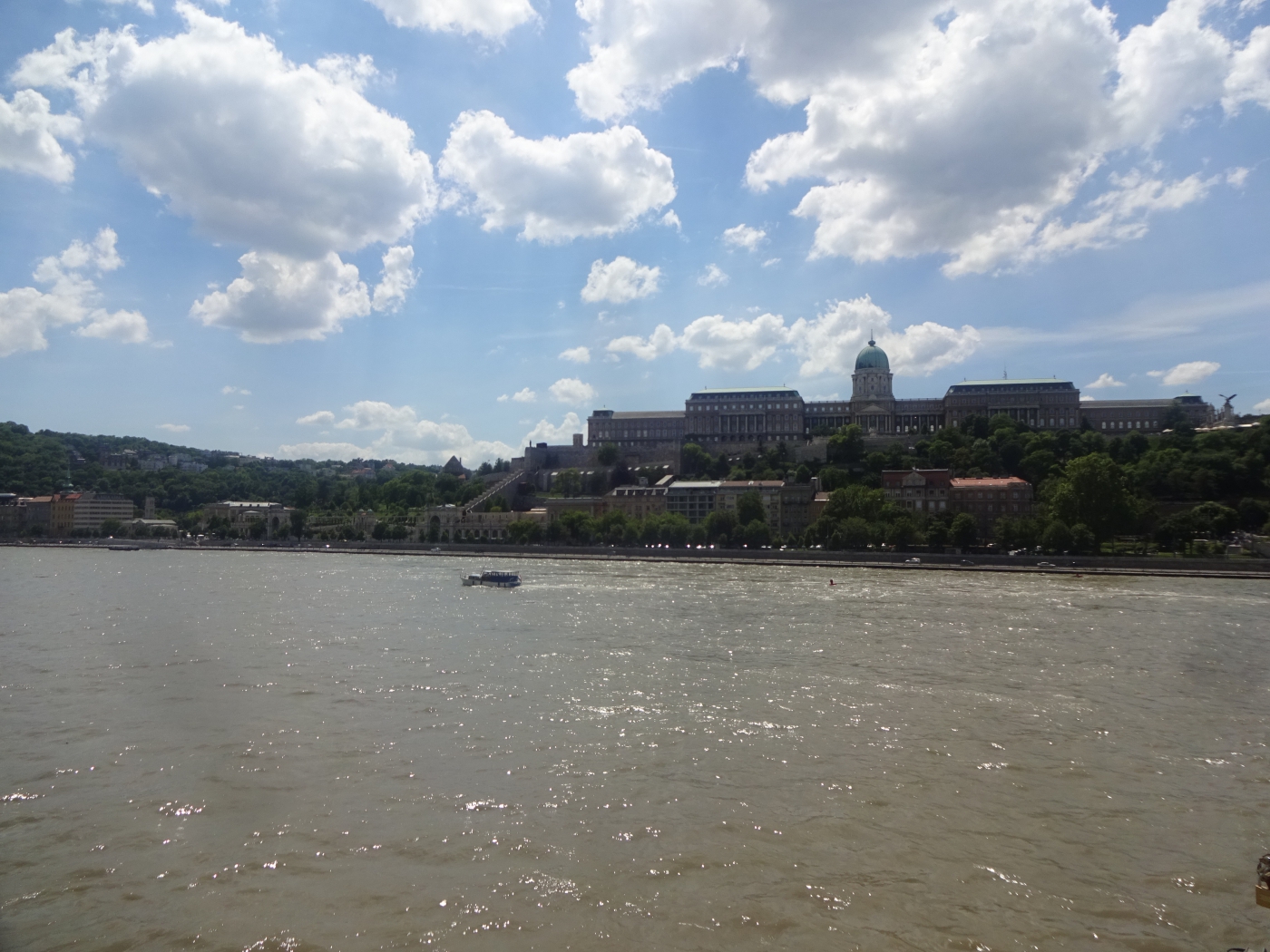
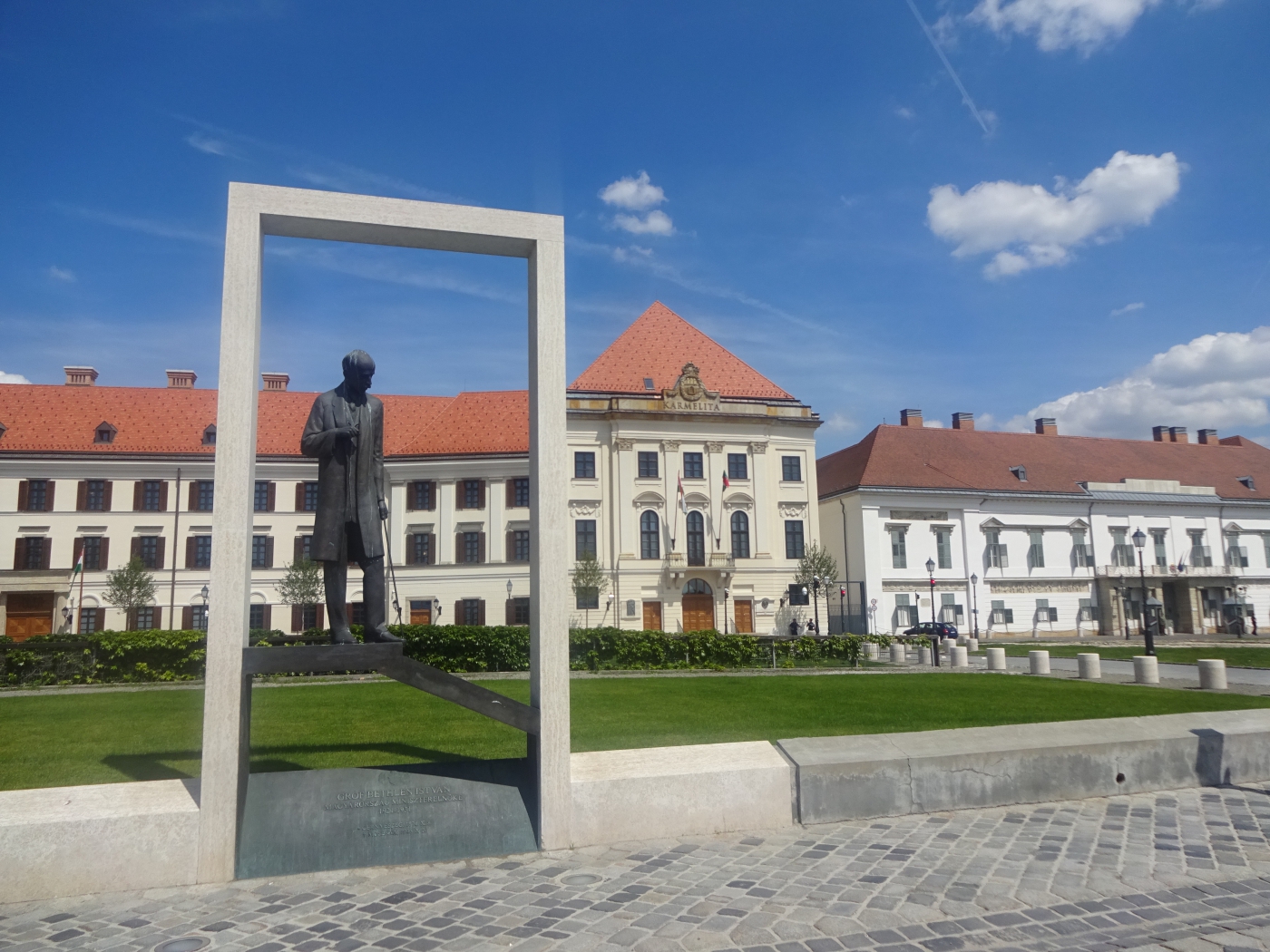
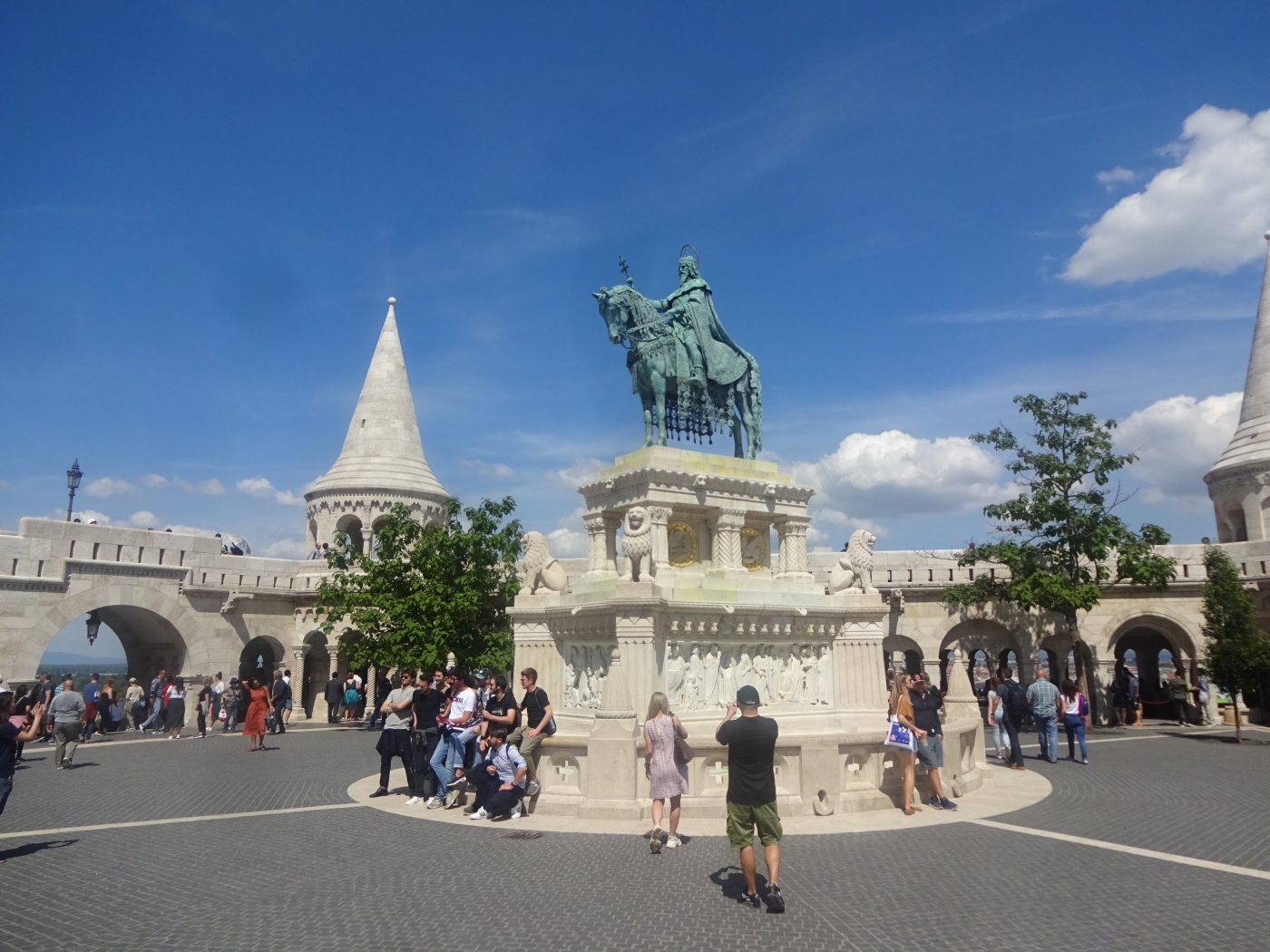
Perched majestically atop Castle Hill in Buda, the Buda Castle Quarter is a testament to centuries of royal history. Its origins trace back to the 13th century, after the Mongol invasions prompted King Béla IV to fortify the area. The quarter houses the sprawling Buda Castle, a former royal palace that has been rebuilt and expanded multiple times, reflecting various architectural styles from Gothic to Baroque. Nearby stands the exquisite Matthias Church (Mátyás-templom), a site of coronations for Hungarian kings, famous for its colorful tiled roof. Adjacent is the whimsical Fisherman's Bastion (Halászbástya), offering unparalleled views across the Danube to Pest, its fairytale turrets a romantic addition from the late 19th century.
Andrássy Avenue: A Boulevard of Grandeur
Extending gracefully from the city center to City Park, Andrássy Avenue is a monumental boulevard, conceived in 1872 and completed by 1885. This tree-lined avenue is a prime example of Neo-Renaissance urban planning and architecture, featuring uniform facades, elegant palaces, and the stunning Hungarian State Opera House. The avenue culminates at Heroes' Square (Hősök tere), an expansive plaza commemorating the leaders and events of Hungarian history. Beneath its paved surface runs the Millennium Underground Railway (M1 line), opened in 1896 as continental Europe's first metro line, an innovative marvel of its time, connecting significant points along this magnificent artery of Budapest.
Together, these distinct yet interconnected areas narrate the compelling story of Budapest – a city that has risen, endured, and flourished, preserving its rich past while embracing its dynamic future, making it a truly remarkable UNESCO World Heritage site.
Further Reading
This site has the remains of monuments such as the Roman city of Aquincum and the Gothic castle of Buda, which have had a considerable influence on the architecture of various periods. It is one of the world's outstanding urban landscapes and illustrates the great periods in the history of the Hungarian capital.