Genoa: Le Strade Nuove and the system of the Palazzi dei Rolli
Genua, Ligurien, Italy
20.10.2019

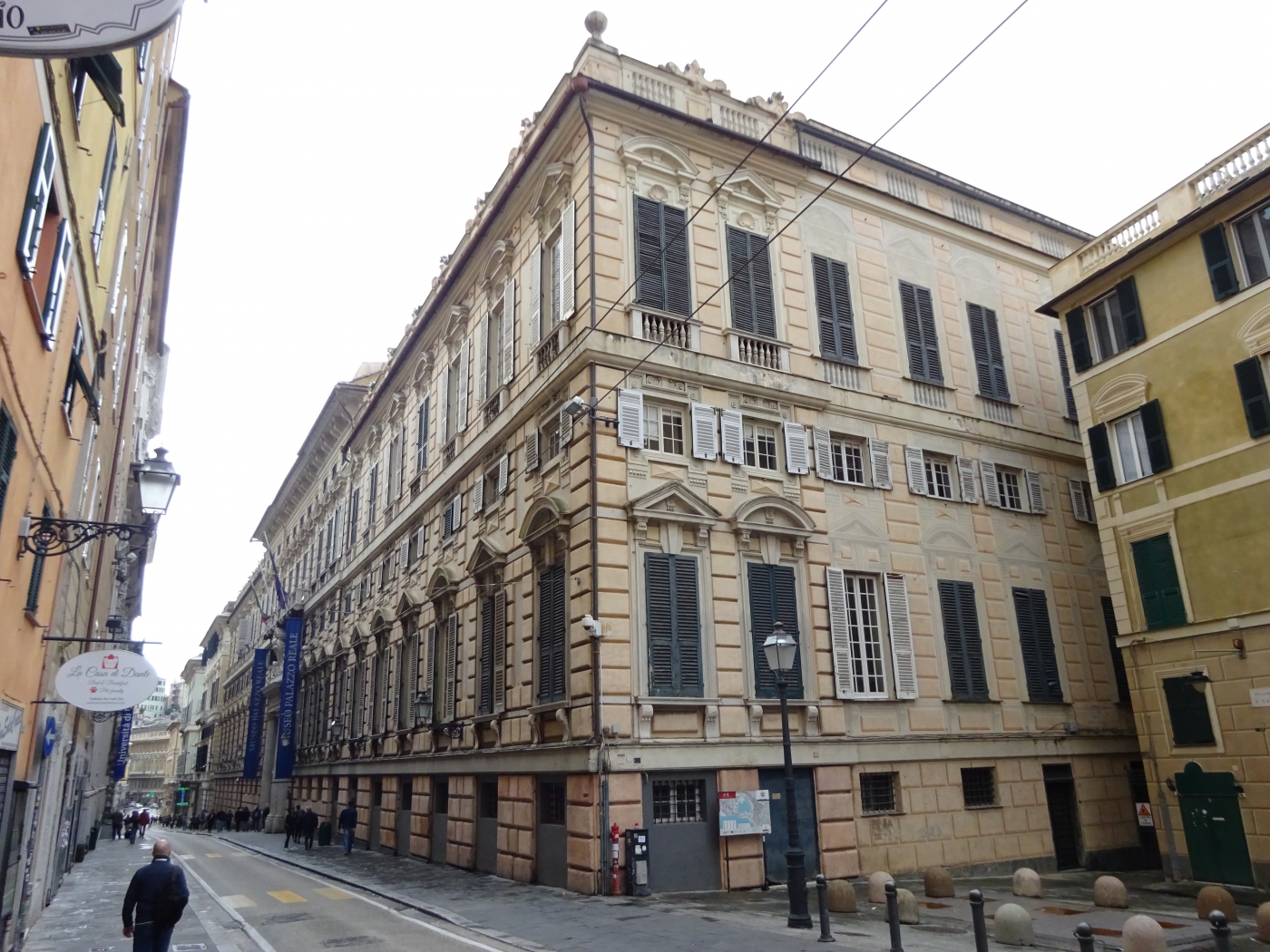
The enchanting port city of Genoa in Liguria, Italy, is home to a unique UNESCO World Heritage site: Le Strade Nuove (The New Streets) and the system of Palazzi dei Rolli. This extraordinary complex offers a captivating journey back to the city's “Golden Age” during the 16th and 17th centuries, showcasing the unparalleled wealth and architectural prowess of the powerful Genoese Republic.
Genoa's Golden Age and Urban Renewal
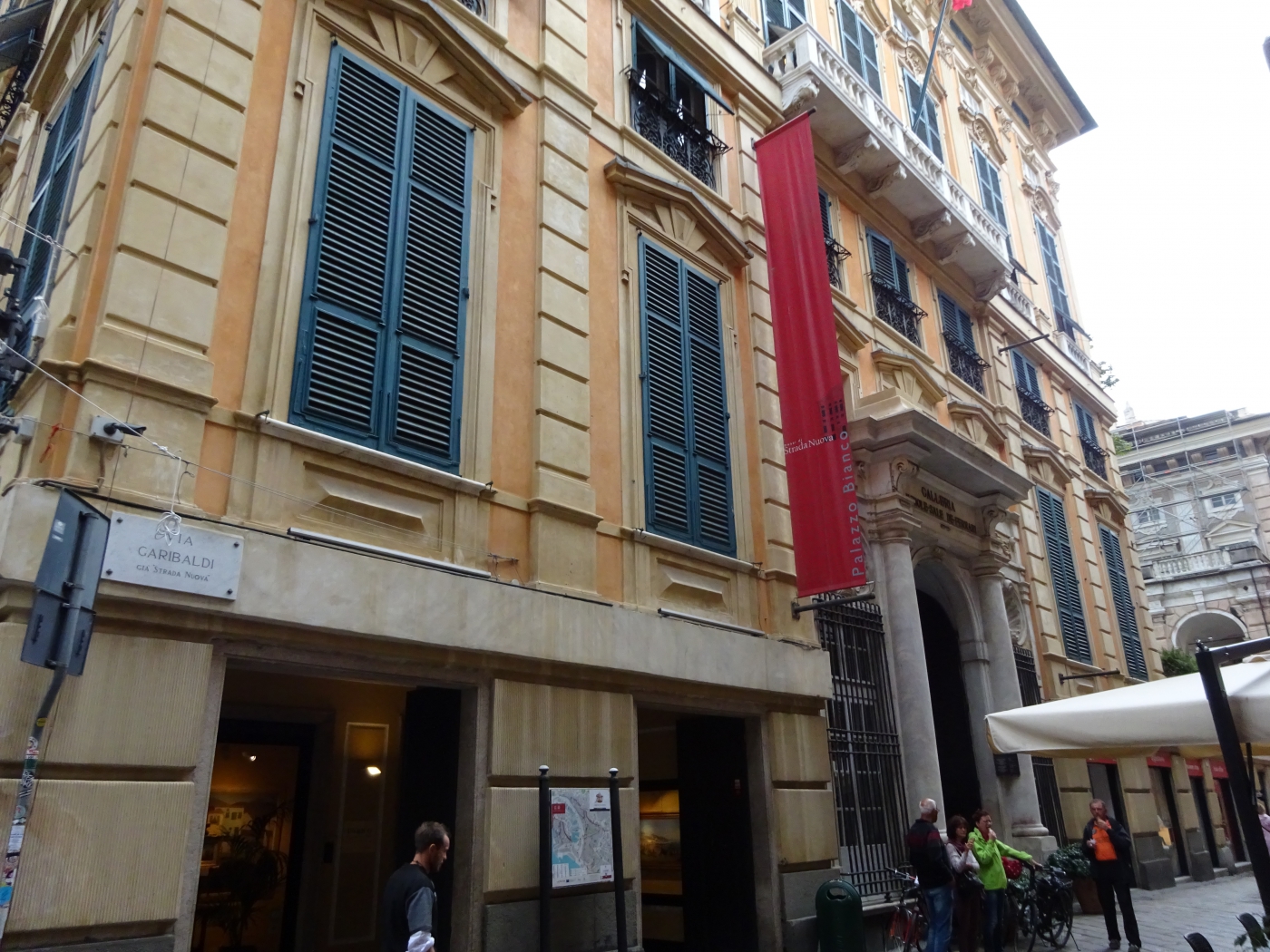
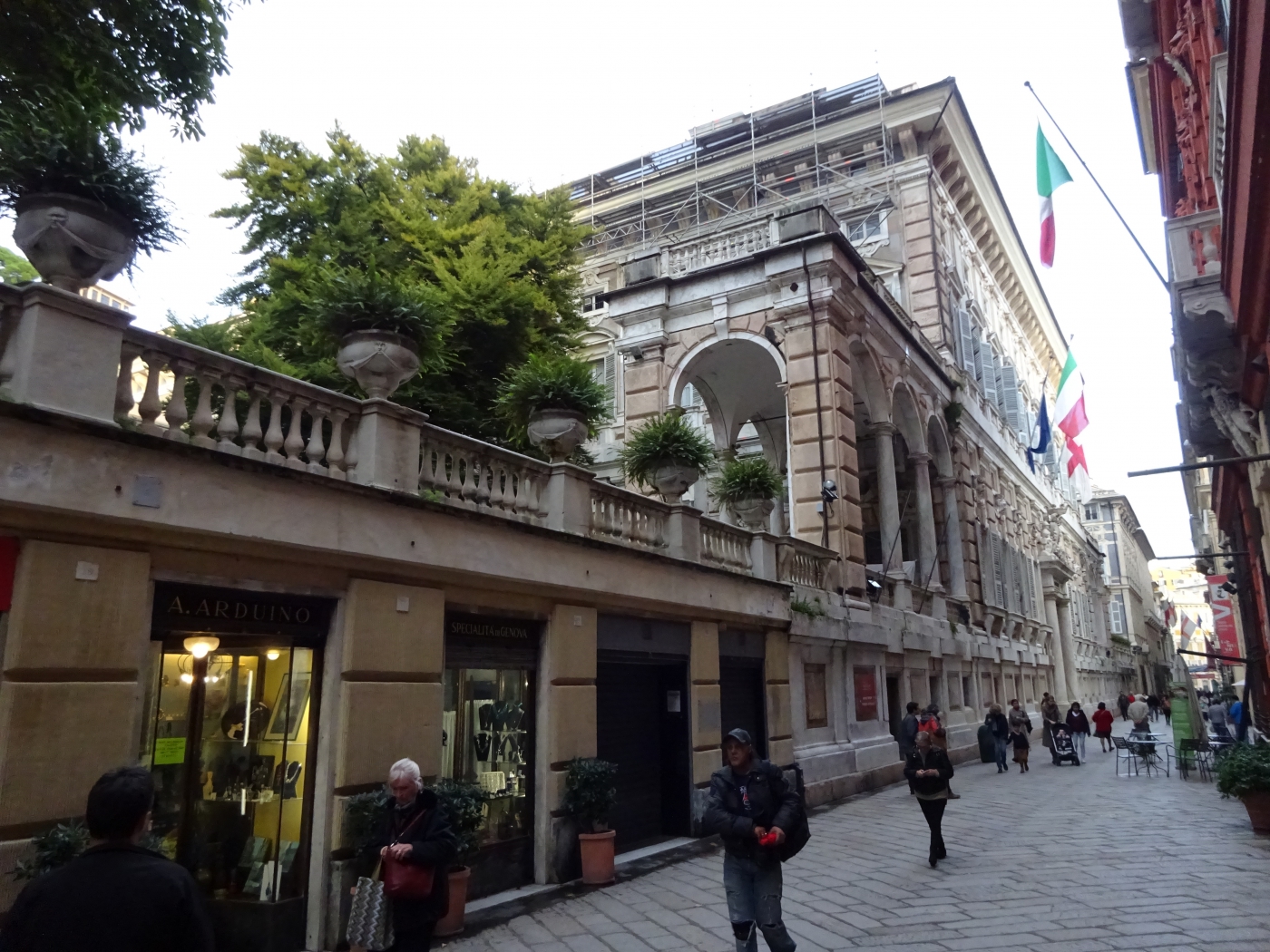
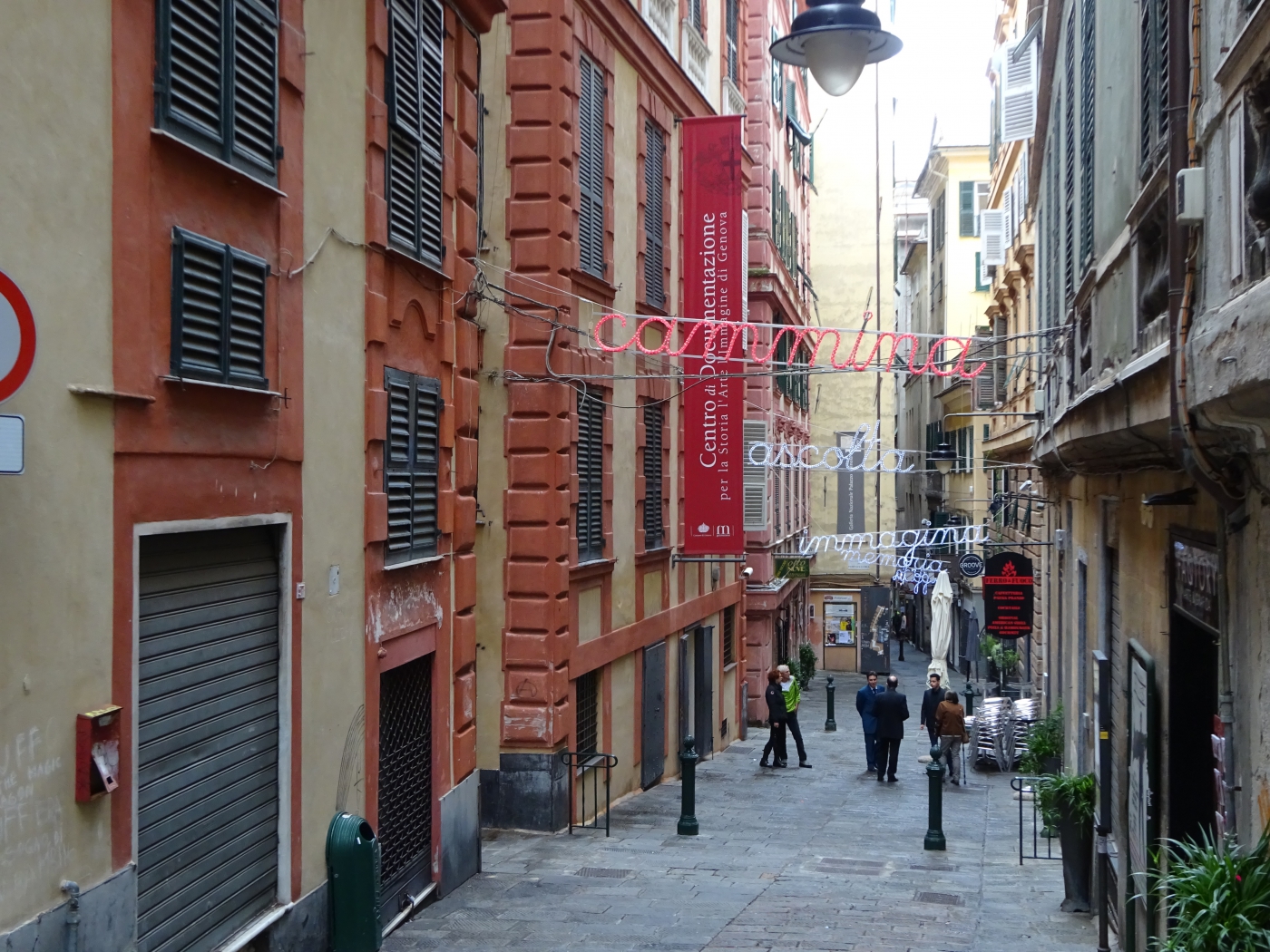
Between the late 16th and early 17th centuries, Genoa was a dominant maritime and financial power. Its wealthy aristocratic families embarked on an ambitious urban renewal, creating Le Strade Nuove, particularly Via Garibaldi (formerly Strada Nuova). These streets were specifically designed to house the grand palaces of influential families, reflecting their economic might and sophisticated taste. This construction marked a pivotal moment in European urban planning and architecture, serving as a model for subsequent developments.
Architectural Grandeur and Design
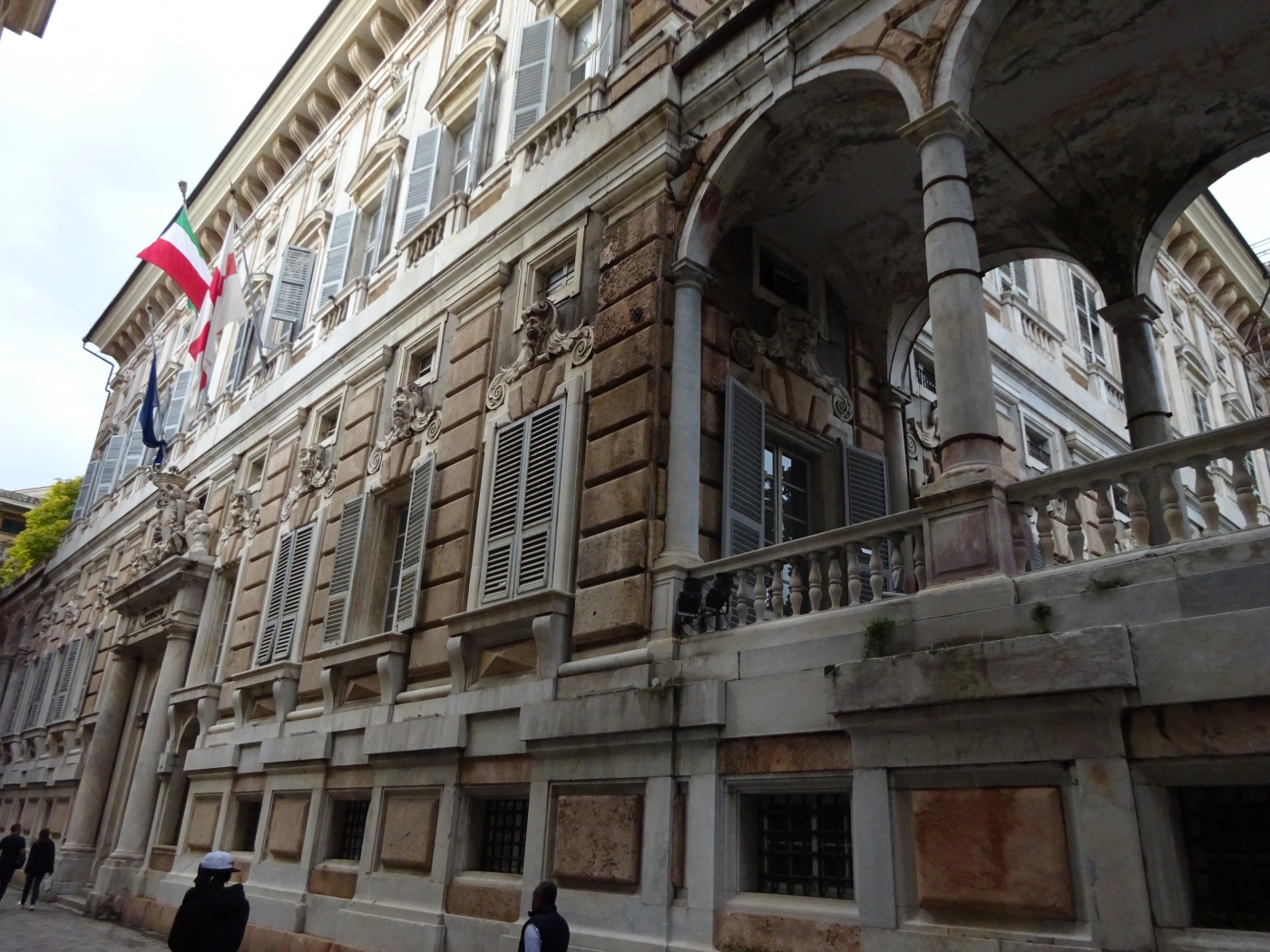
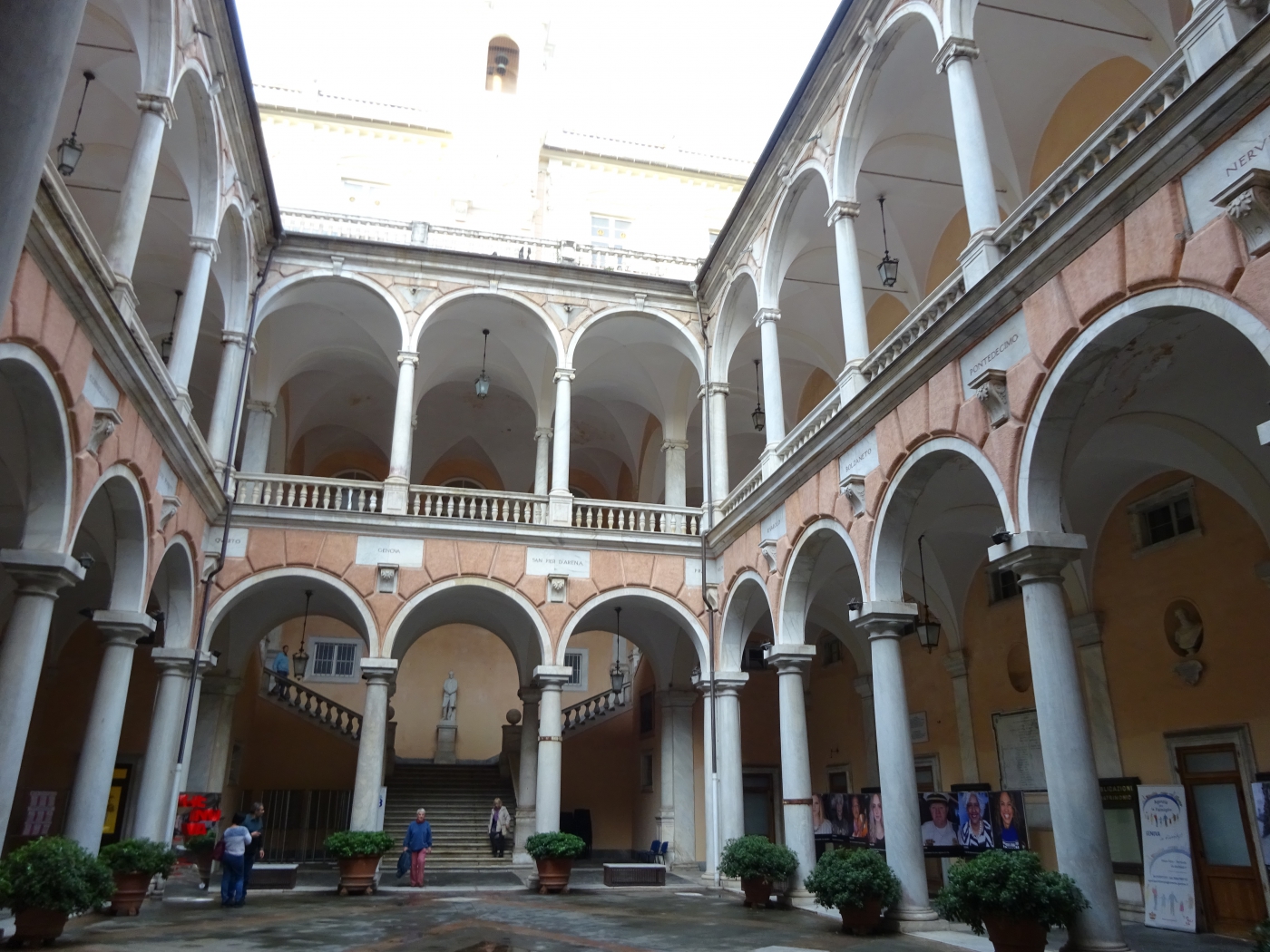
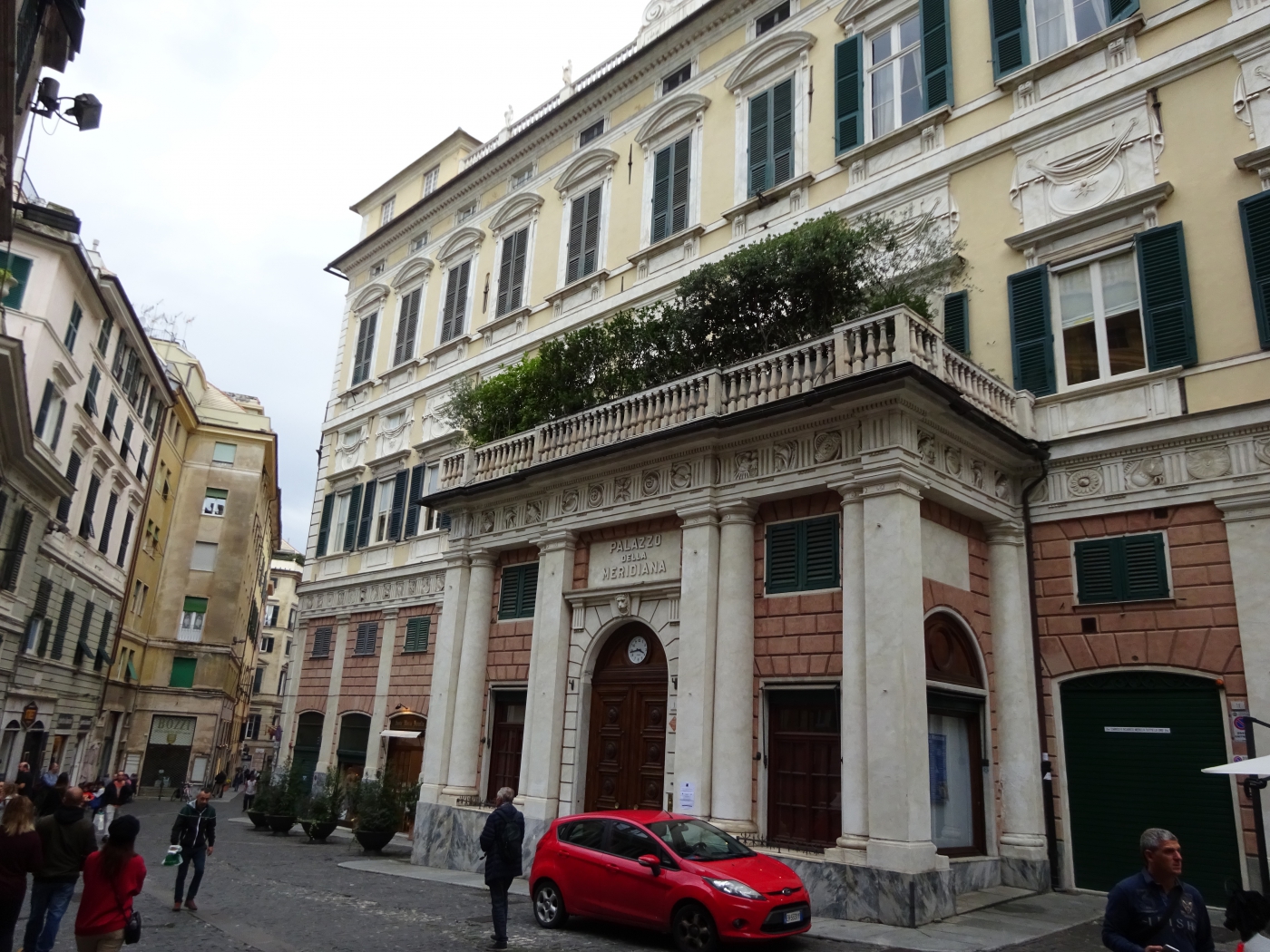
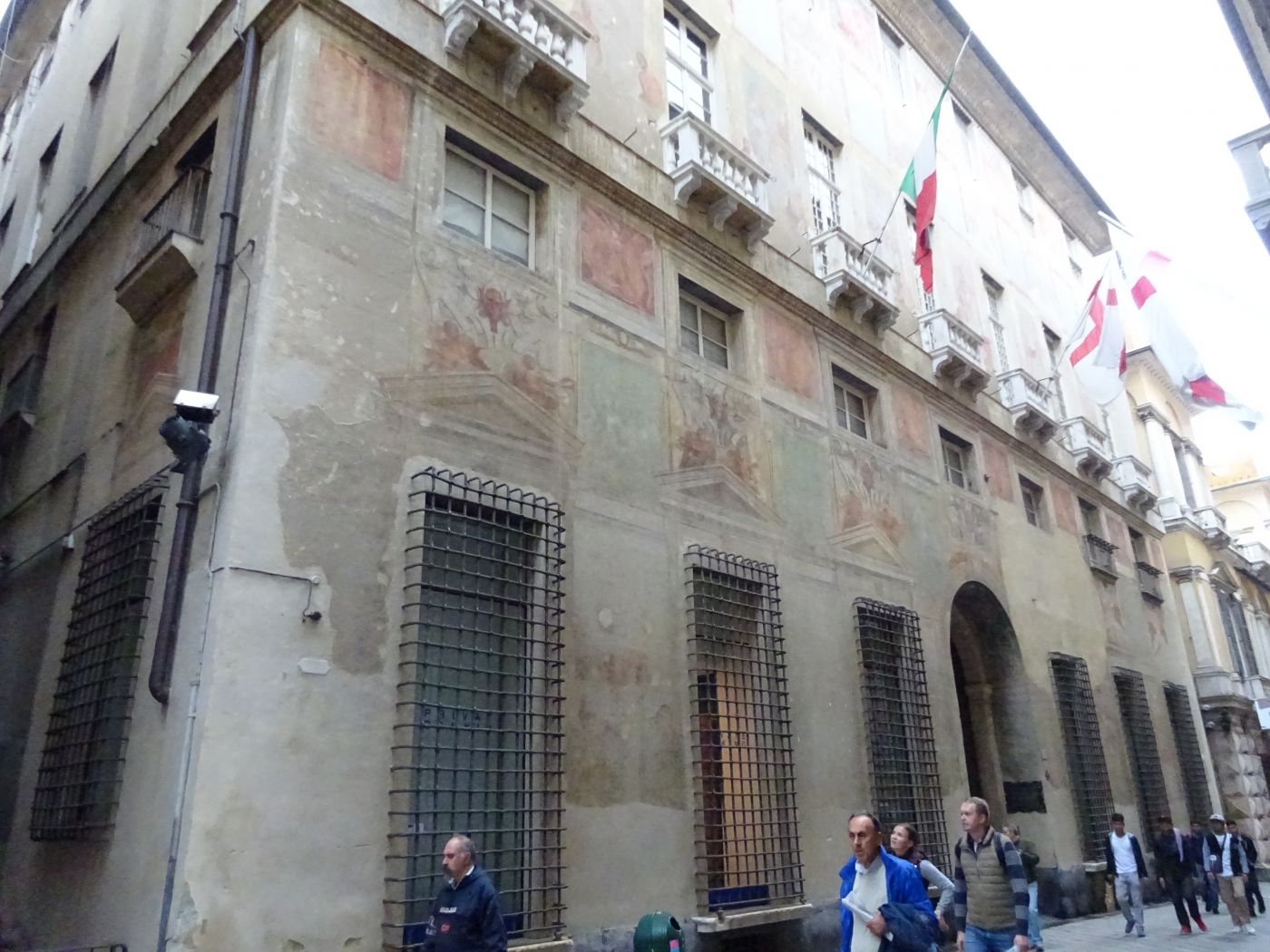
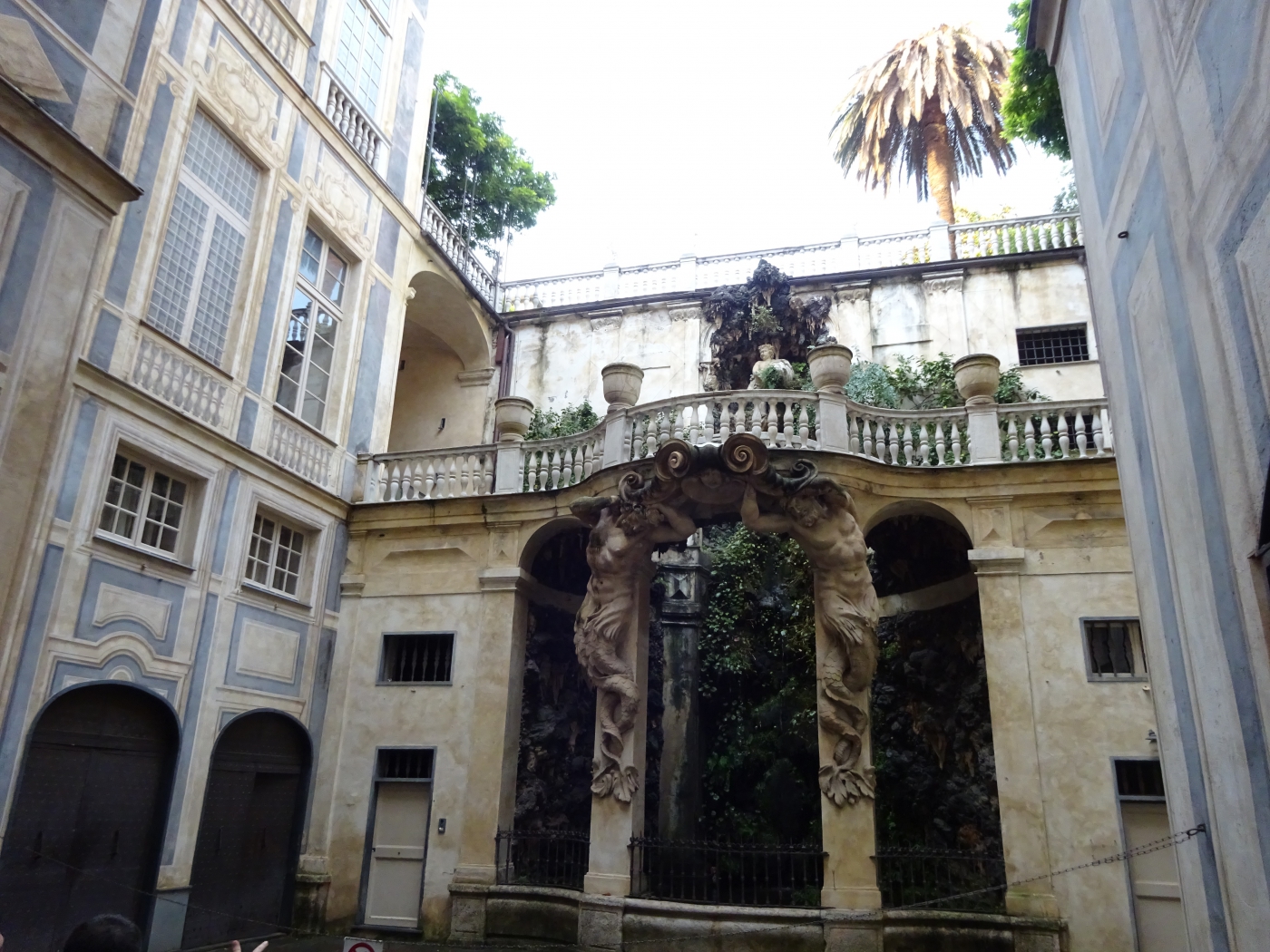
The architectural style of the Strade Nuove palaces is predominantly Mannerist and early Baroque. Designed by prominent architects like Galeazzo Alessi and Giovanni Battista Castello, these buildings boast impressive facades, elaborate courtyards, and richly decorated interiors with frescoes and priceless art. The palaces were not merely private residences; they were symbols of status and instruments of diplomacy, often hosting foreign dignitaries. This grand residential architecture, integrated into a meticulously planned urban fabric, was revolutionary for its time.
The Palazzi dei Rolli System Explained
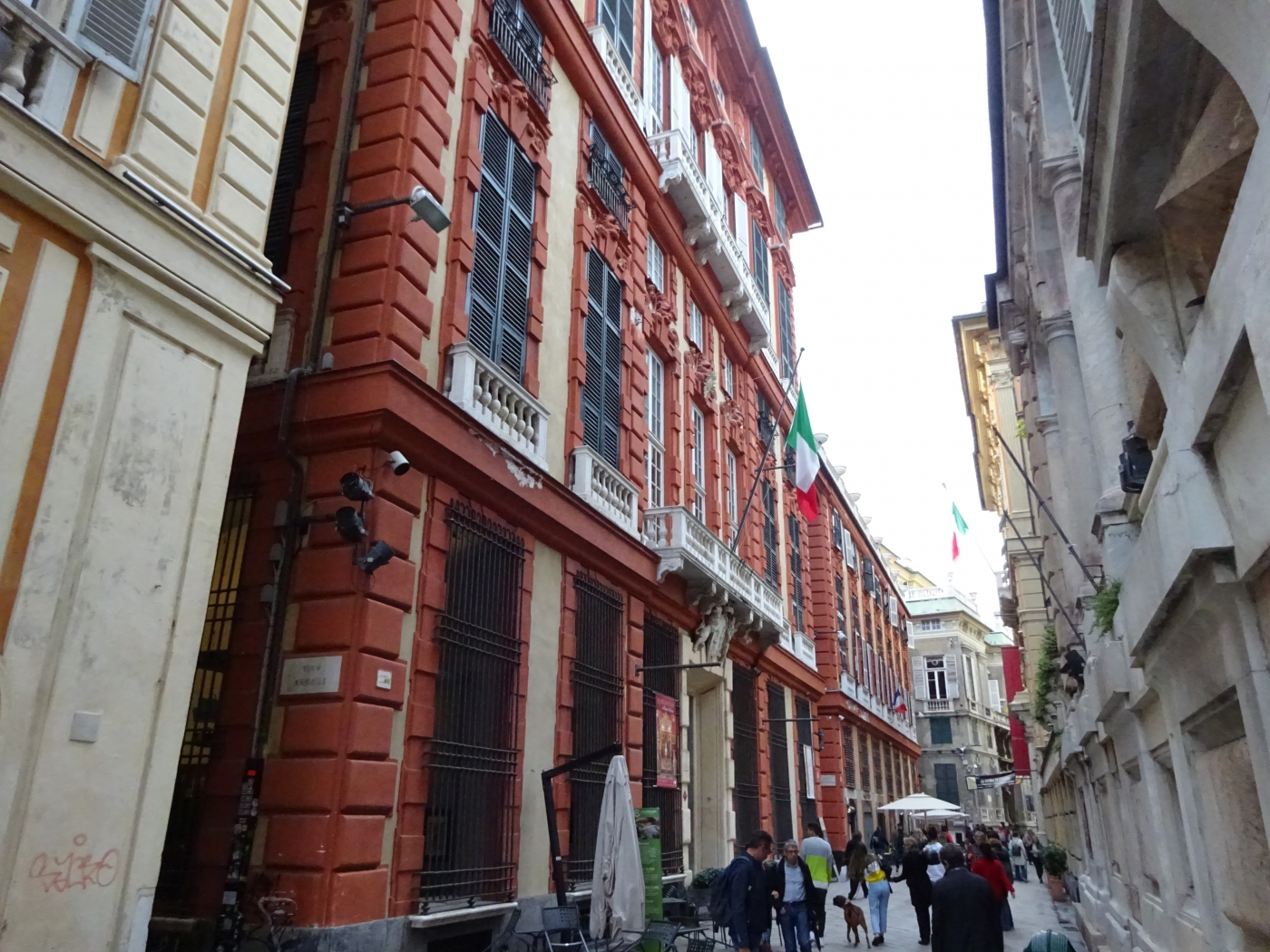
What truly sets this site apart is the unique Rolli system. Established in 1576, the Rolli (or public lists) were official registers of these aristocratic palaces. Depending on their size and splendor, residences were grouped into categories. When foreign ambassadors or state visitors arrived in Genoa, their accommodation was assigned by lot from these lists, ensuring the Republic could always host guests in suitable luxury. This ingenious system highlights the civic responsibility and collective pride of the Genoese aristocracy. Notable examples include the Palazzo Rosso, Palazzo Bianco, and the Palazzo Doria Tursi.
The ensemble of Le Strade Nuove and the Palazzi dei Rolli was inscribed on the UNESCO World Heritage List in 2006, recognized for its outstanding universal value. It stands as an exceptional example of an urban residential complex, epitomizing the grandeur and innovative urban planning of a mercantile republic at its zenith, representing a significant chapter in European architecture and town planning.
Weiterführende Links
The Strade Nuove and the system of the Palazzi dei Rolli in Genoa’s historic centre date from the late 16th and early 17th centuries when the Republic of Genoa was at the height of its financial and seafaring power. The site represents the first example in Europe of an urban development project parcelled out by a public authority within a unitary framework and associated to a particular system of ‘public lodging’ in private residences, as decreed by the Senate in 1576. The site includes an ensemble of Renaissance and Baroque palaces along the so-called ‘new streets’ (Strade Nuove). The Palazzi dei Rolli offer an extraordinary variety of different solutions, achieving universal value in adapting to the particular characteristics of the site and to the requirements of a specific social and economic organization. They also offer an original example of a public network of private residences designated to host state visits.
Genoa: Le Strade Nuove and the system of the Palazzi dei Rolli is a UNESCO World Heritage Site which includes a number of streets and palaces in the center of Genoa, in Northwestern Italy.
The Strade Nuove (Italian for "New Streets") are a group of streets built by the Genoese aristocracy during the expansion of the city at a time when the Republic of Genoa was at the height of its financial and seafaring power. These are Via Giuseppe Garibaldi (1558–1583, formerly Strada Maggiore or Strada Nuova) and Via Balbi (1602–1620, formerly Strada Balbi), later followed by Via Cairoli (1778–1786, formerly Strada Nuovissima).
The Palazzi dei Rolli (Italian for "Palaces of the Lists") are a group of palaces - most of which also date from the late 16th and early 17th centuries - which were associated to a particular system of ‘public lodging’ in private residences, whereby notable guests on State visit to the Republic were hosted in one of these palaces on behalf of the State.
On 13 July 13, 2006, forty-two of the 163 palaces originally included in one the five public list called "Rolli" (Italian for "lists") were selected as a World Heritage Site by the UNESCO special committee meeting in Vilnius (Lithuania). The site includes an ensemble of Renaissance and Baroque palaces along the so-called ‘new streets’ (Strade Nuove), which offer an extraordinary variety of different solutions, achieving universal value in adapting to the particular characteristics of the site and to the requirements of a specific social and economic organization. They also offer an original example of a public network of private residences designated to host state visits.
On January 20, 2007, UNESCO unveiled a plaque in via Garibaldi, the former Strada Nuova, explaining the reasons for inclusion of the Strade Nuove and the system of the Palazzi dei Rolli within the World Heritage Sites:
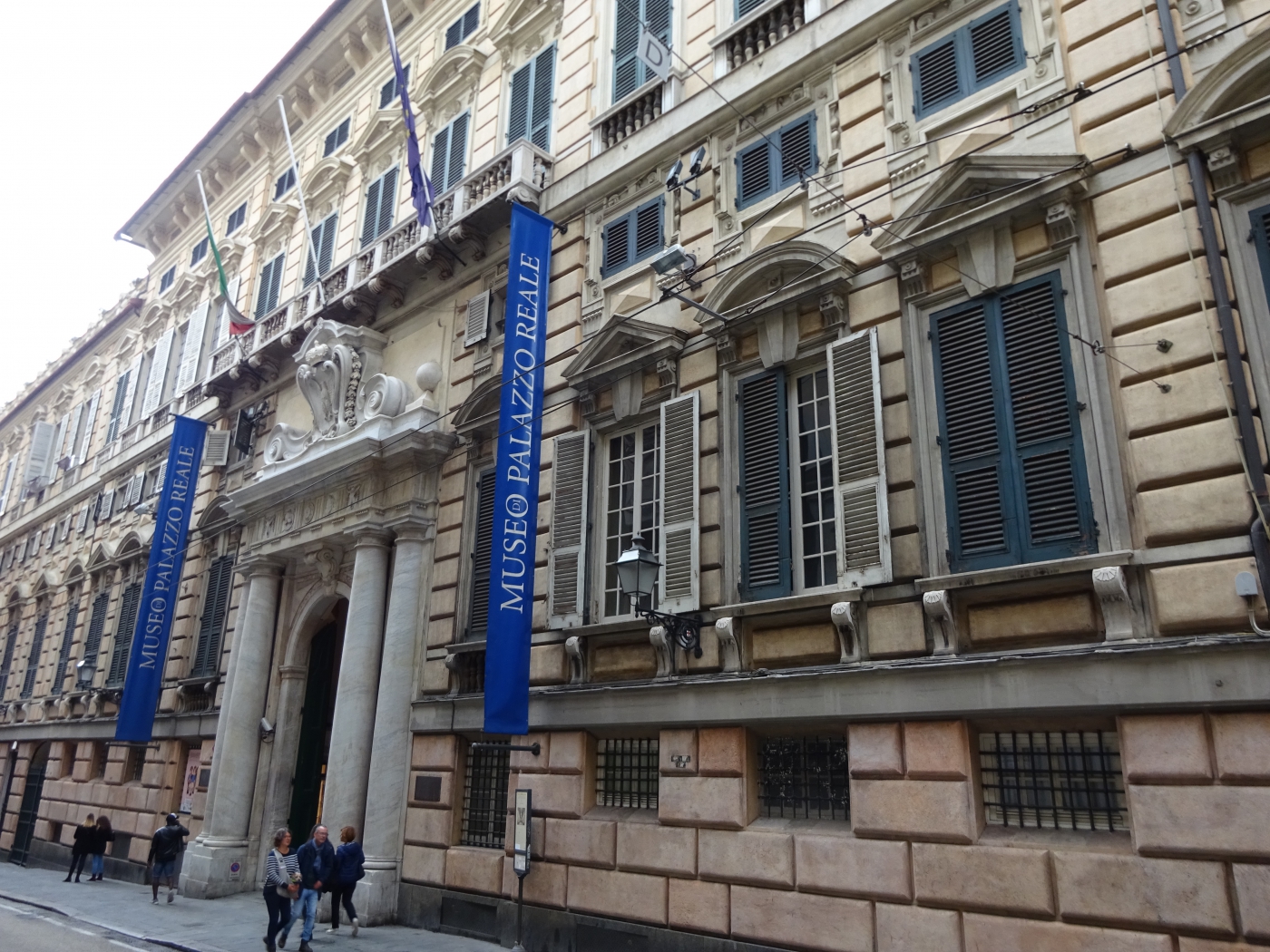
The largest homes, various in shape and distribution, that were chosen at random in the lists (rolli) to host visits of state. The buildings, often built on sloping land, formed of a stepped atrium - courtyard - staircase - garden and rich interior decorations, express a singular social and economic identity and commencement of modern age urban architecture in Europe.Some of the Palazzi dei Rolli are used today as public buildings, museums, offices and private residences. Among the palaces open to the public, Palazzo Rosso, Palazzo Bianco and Palazzo Doria Tursi jointly constitute the Strada Nuova Museums located in via Garibaldi.