Palace and Gardens of Schönbrunn
Wien, Austria
06.08.2020

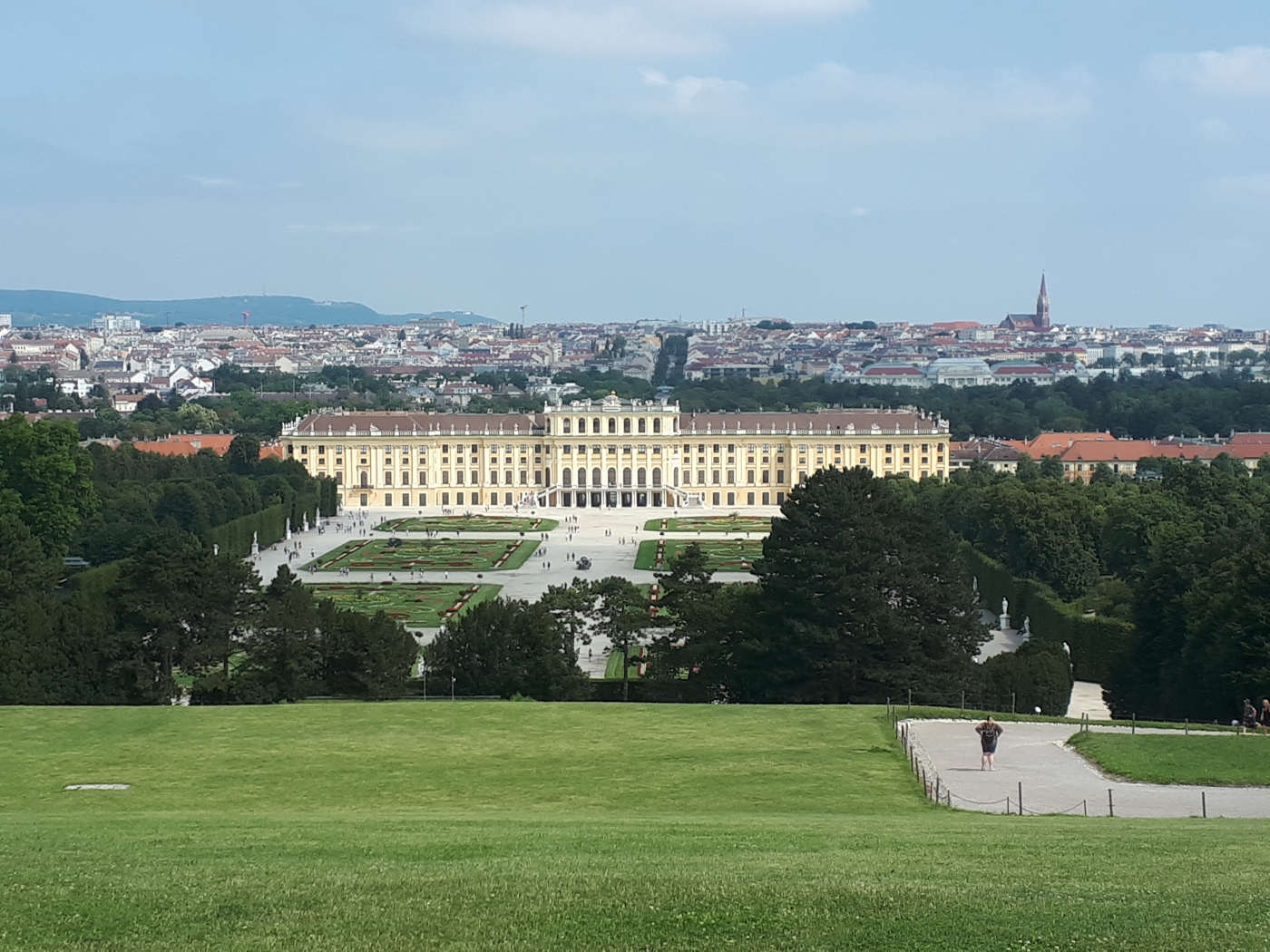
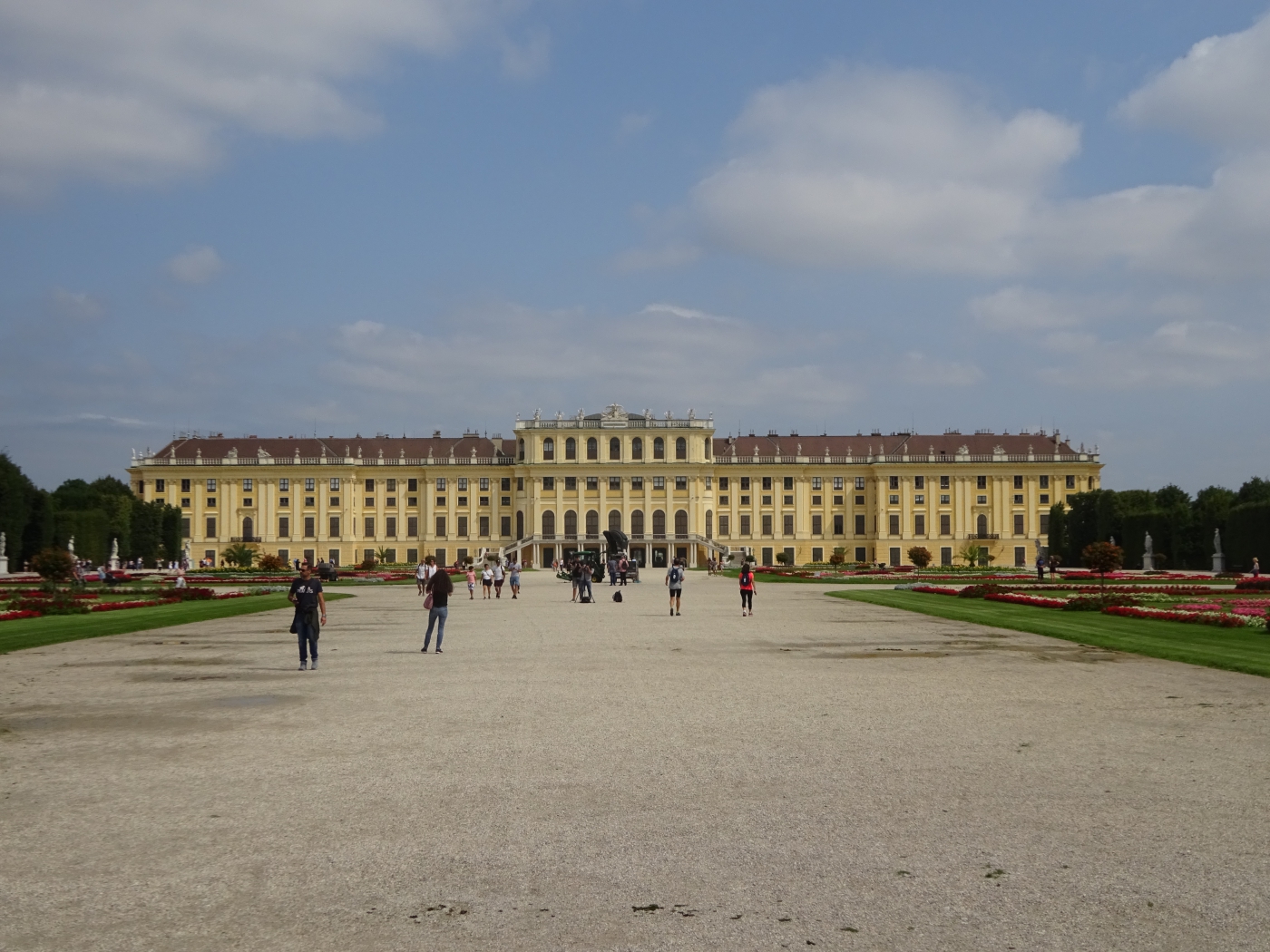
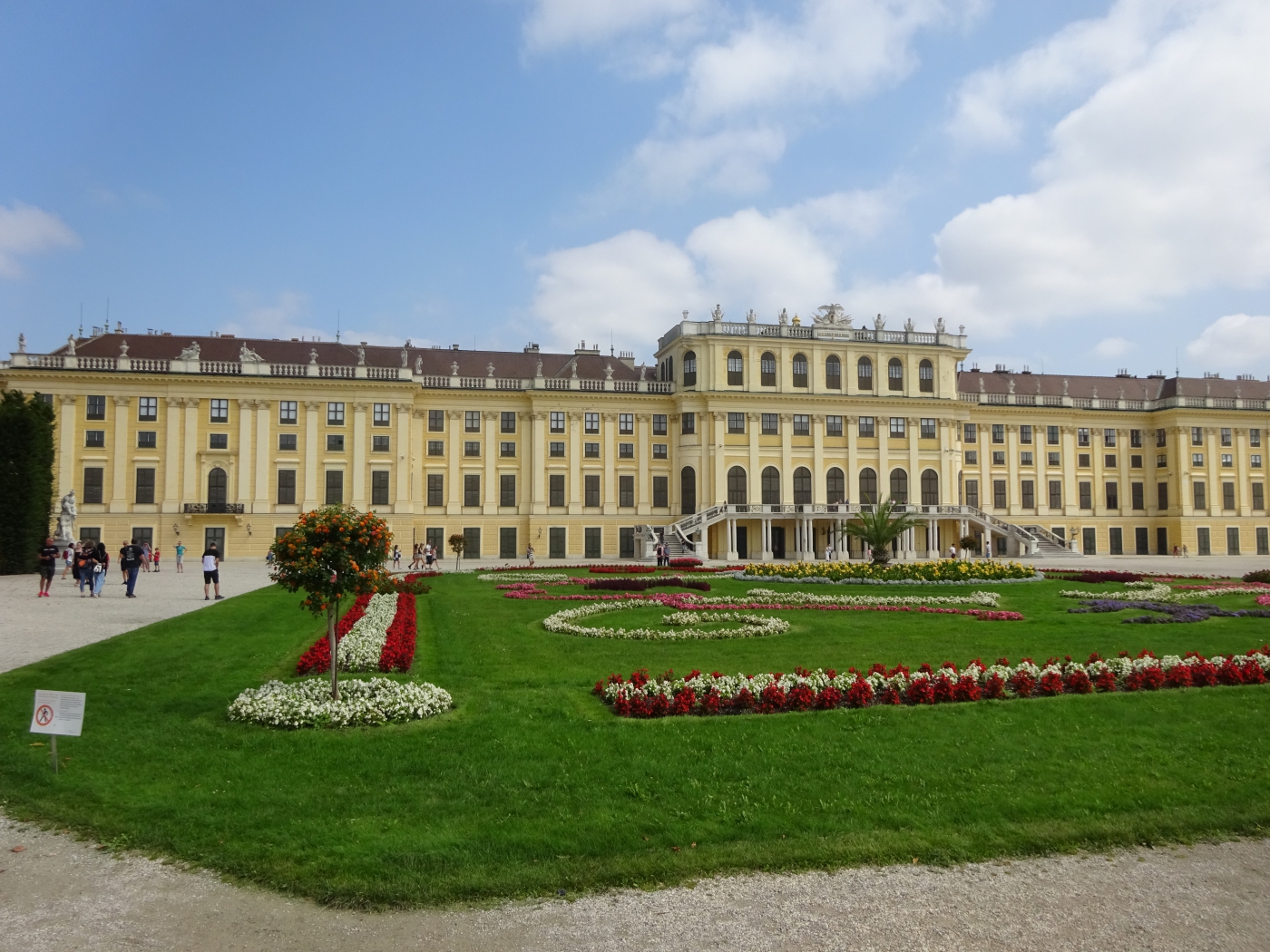
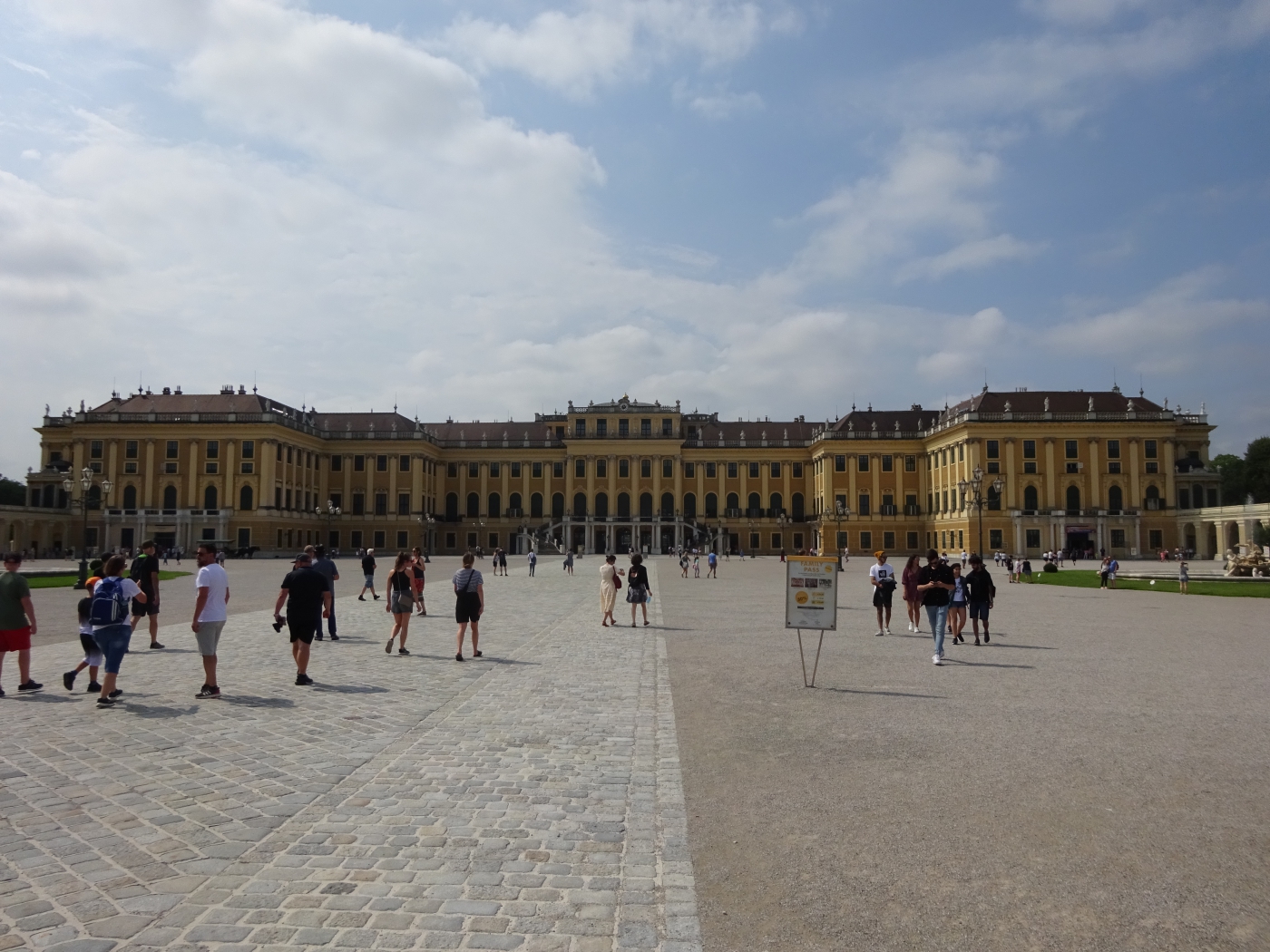
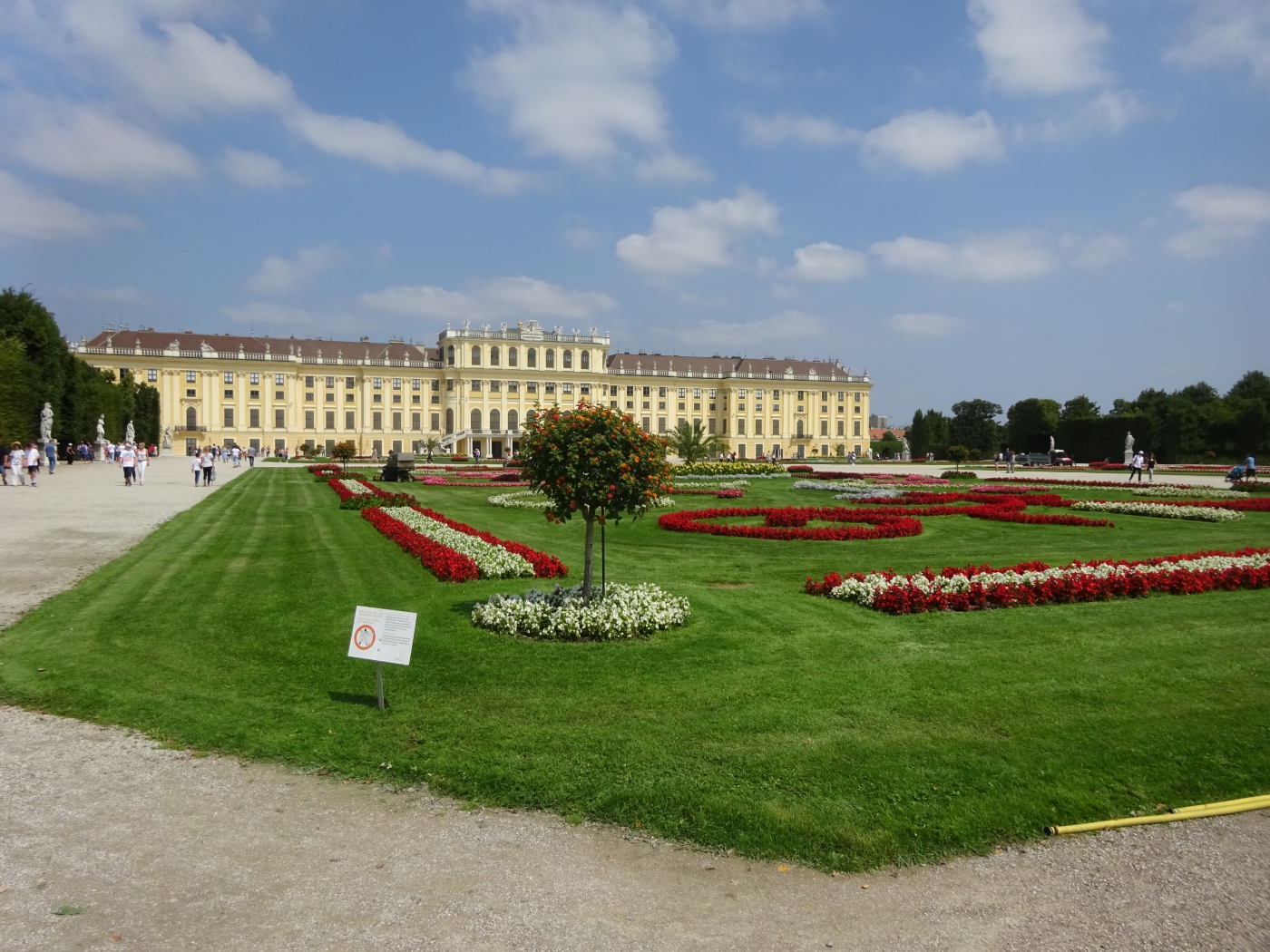
The magnificent Schönbrunn Palace and Gardens, a UNESCO World Heritage site since 1996, stands as a stunning testament to Imperial Austria's grandeur and opulent Baroque architecture. Located in Vienna, this former imperial summer residence of the Habsburg monarchs is one of Austria's most significant cultural monuments, offering a breathtaking glimpse into the lives of European royalty.
A Royal Legacy Unveiled
The history of Schönbrunn dates back to the Middle Ages, with the property first mentioned as the Katterburg estate. Its transformation began when it came into Habsburg possession in 1569. The name Schönbrunn, meaning "beautiful spring," derives from an artesian well discovered on the grounds. After its destruction during the Ottoman siege in 1683, Emperor Leopold I commissioned the renowned architect Johann Bernhard Fischer von Erlach to design a new imperial hunting lodge. However, it was under Empress Maria Theresia in the mid-18th century that Schönbrunn truly blossomed into the magnificent palace we see today. She made it her imperial summer residence, extensively remodelling and enlarging it in the Rococo style, transforming it into a vibrant centre of court life and politics.
Architectural Marvels and Lush Landscapes
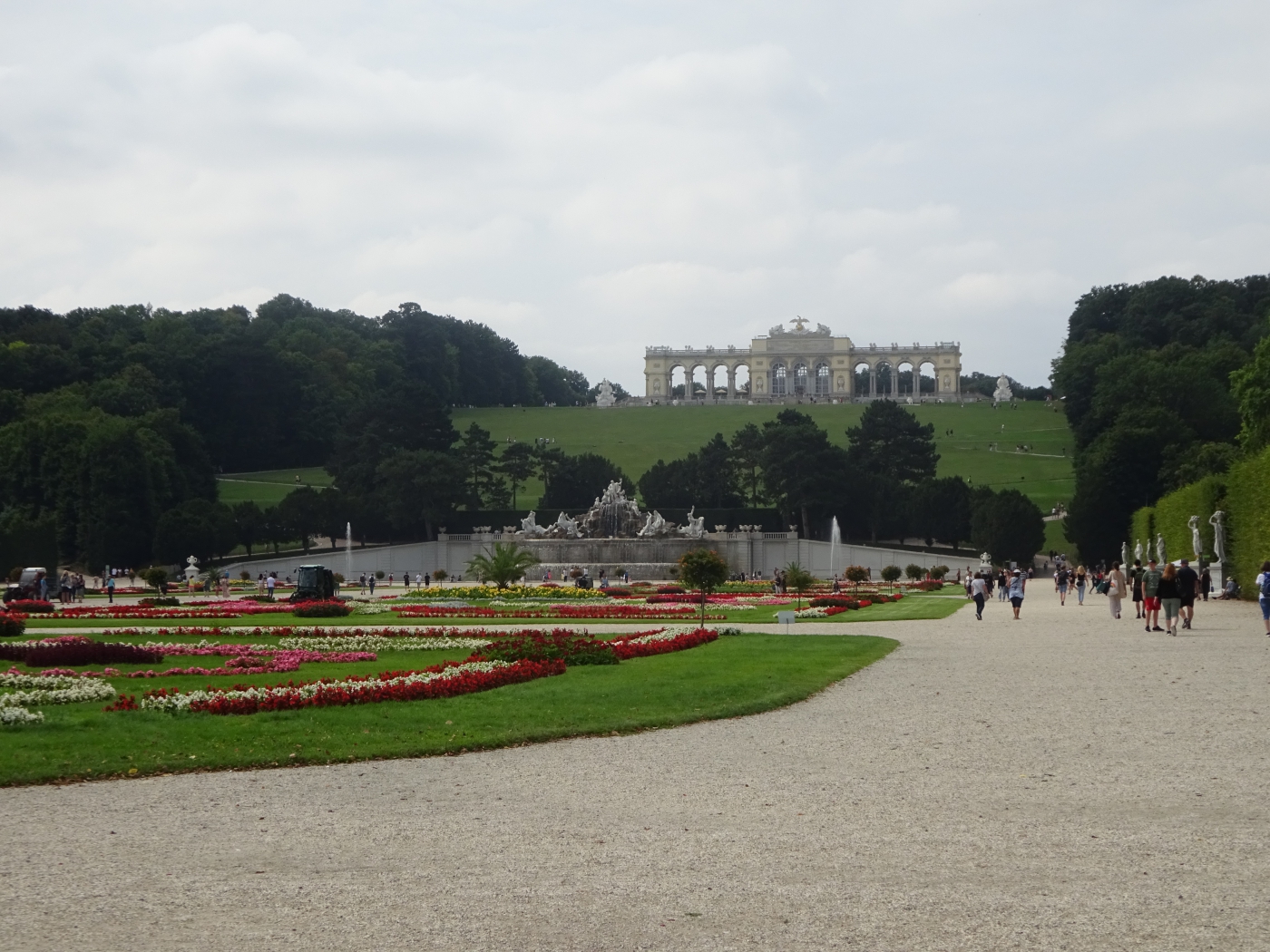
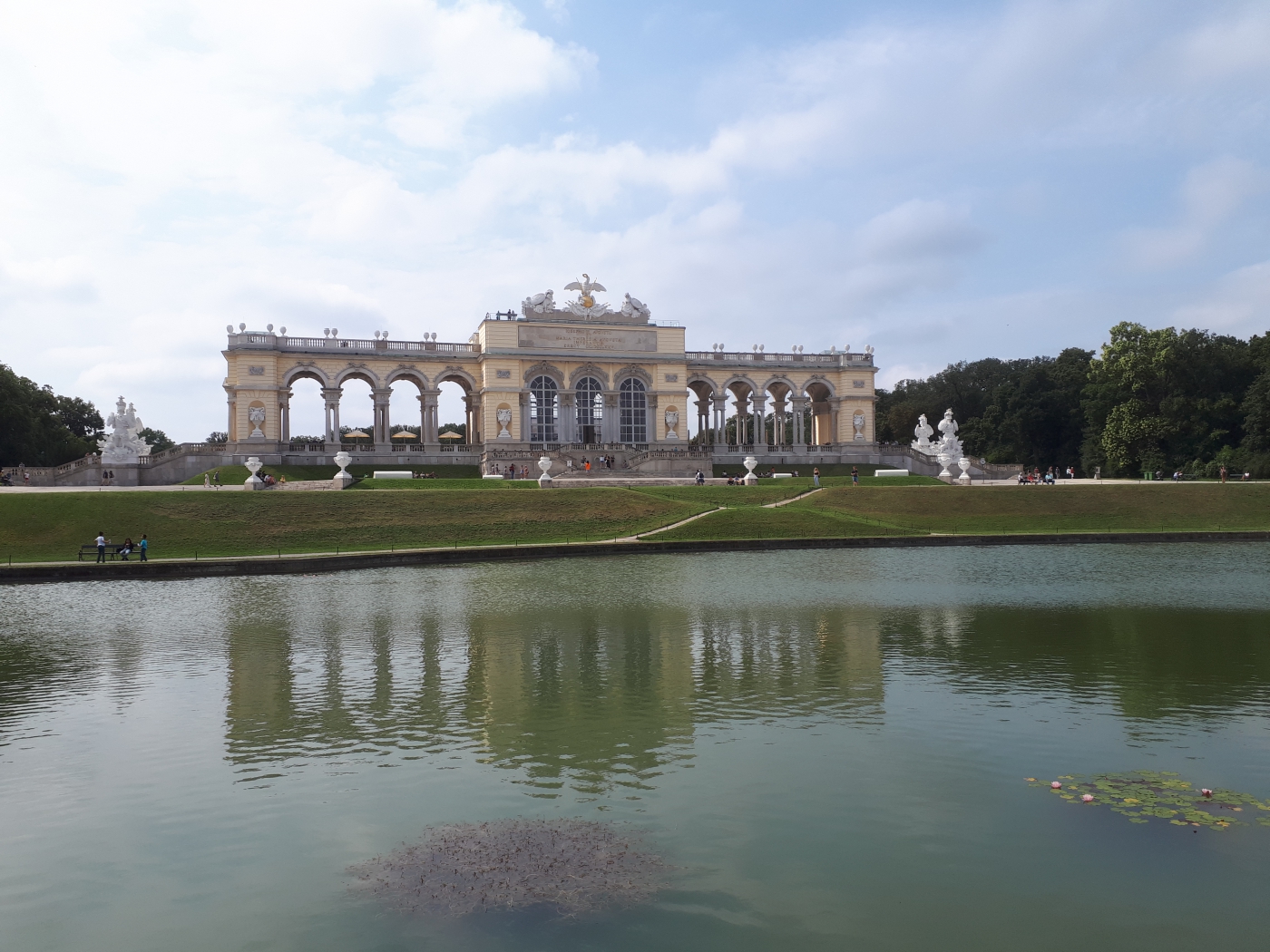
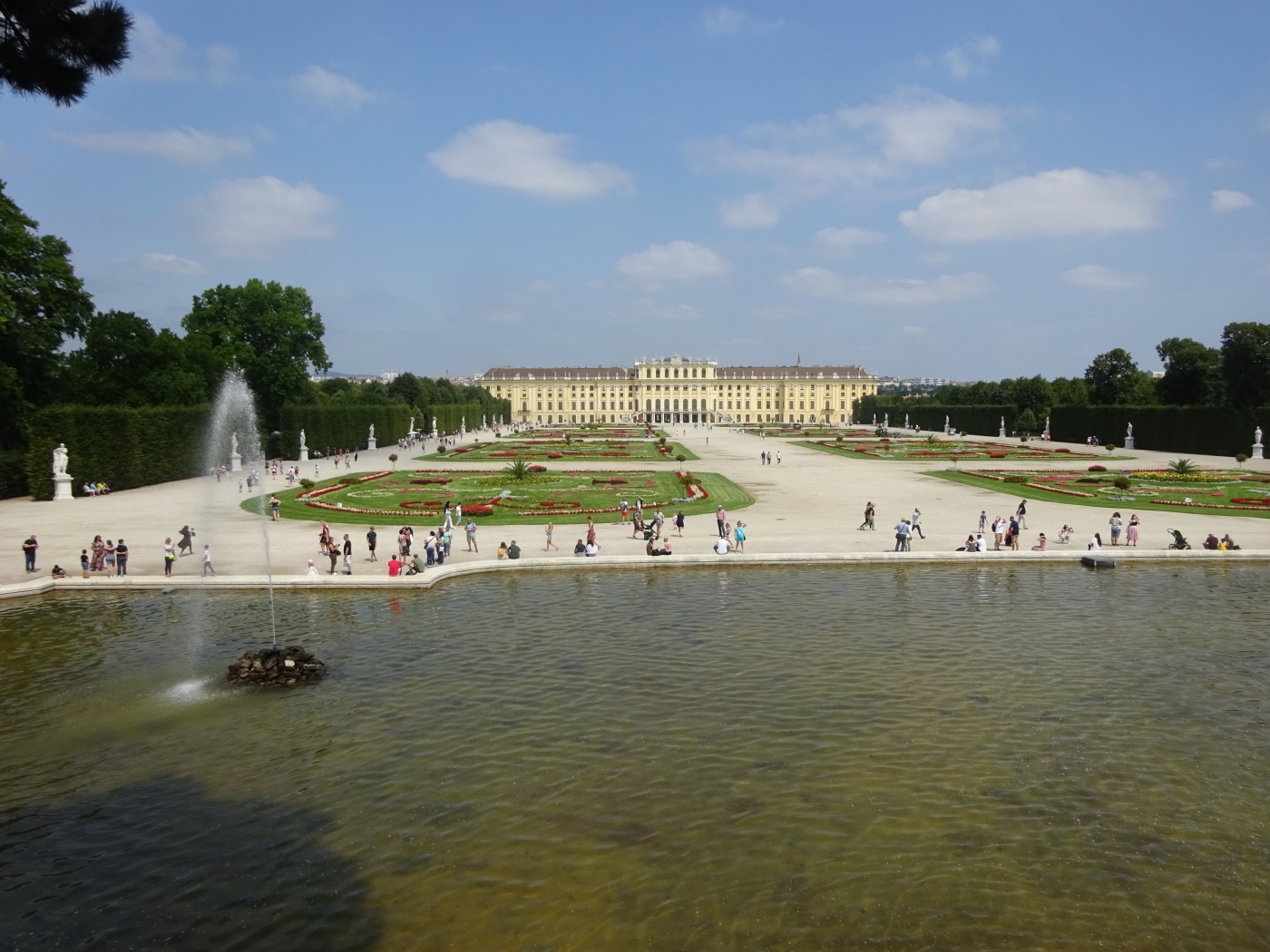
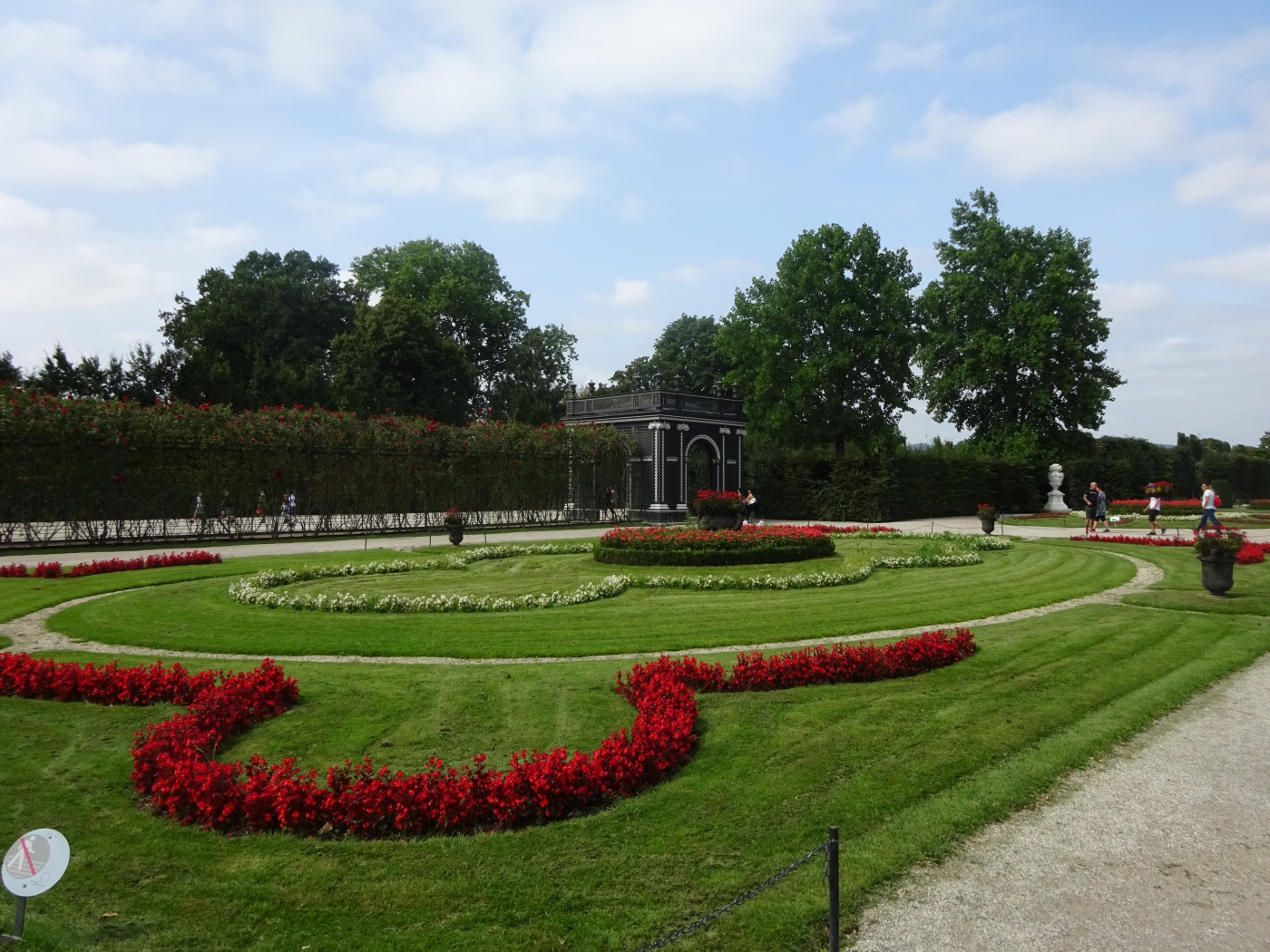
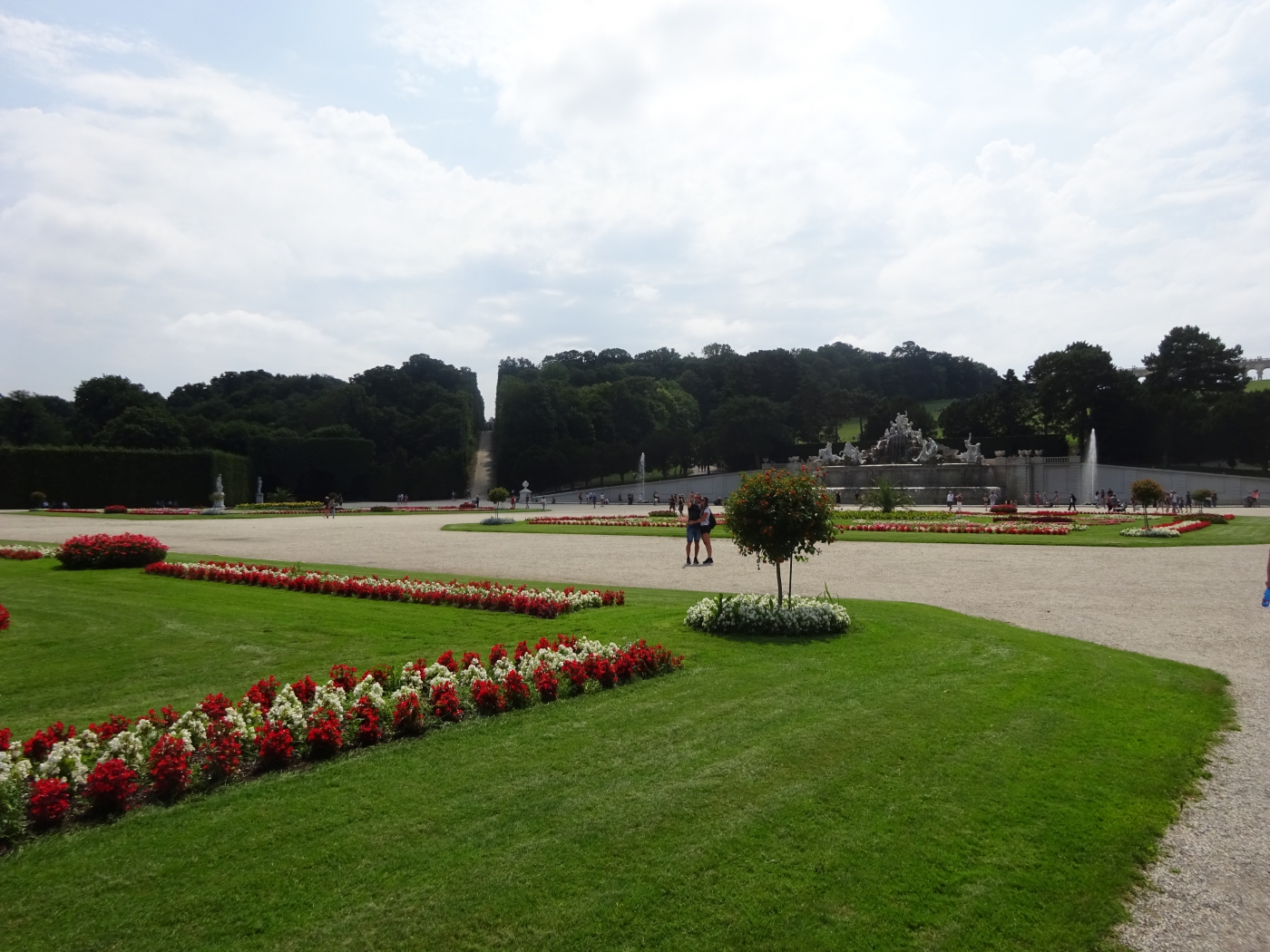
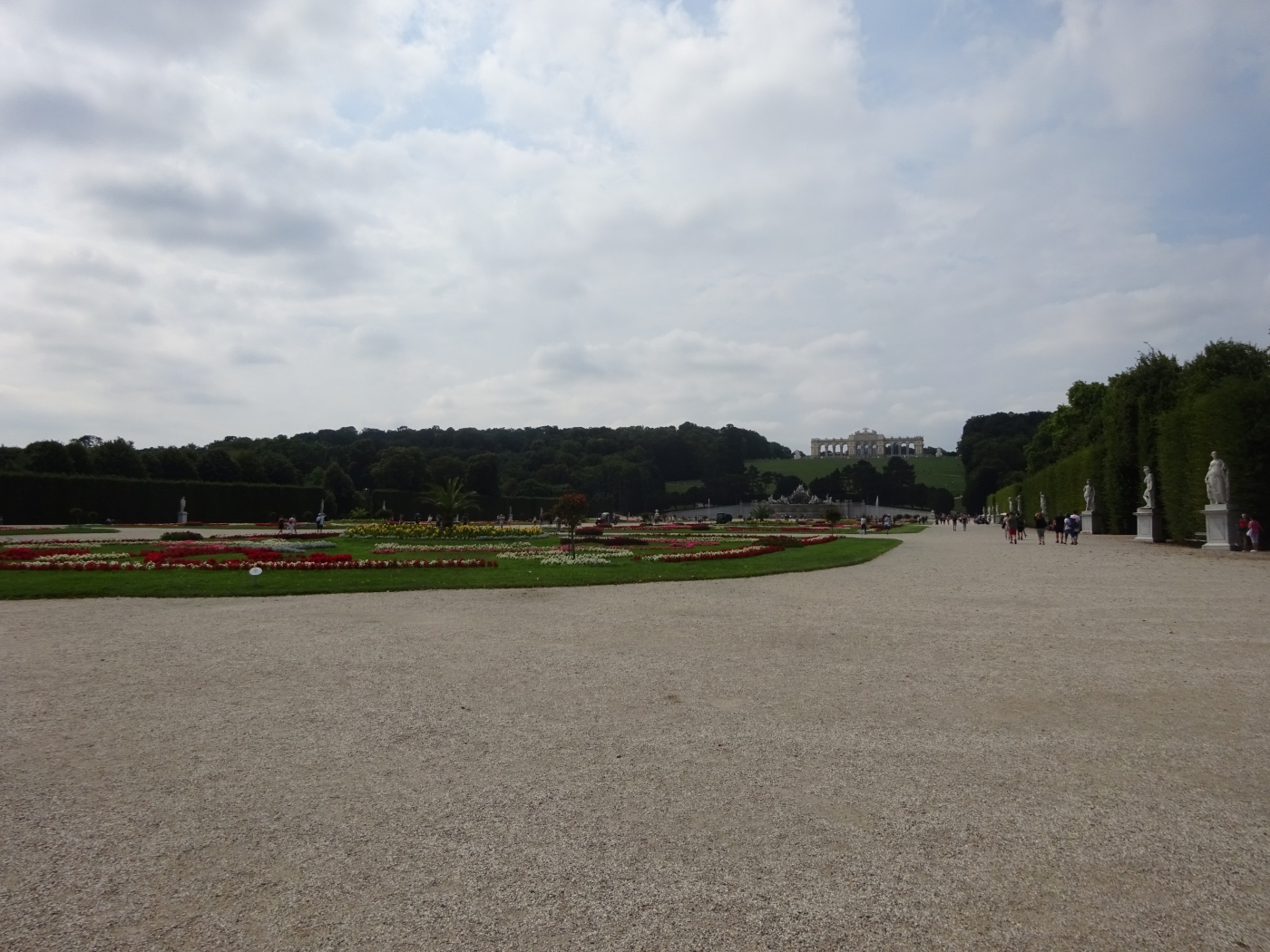
The palace itself boasts over 1,441 rooms, though only a fraction are accessible to the public, showcasing sumptuous staterooms and private apartments. Beyond the palace, the sprawling Schönbrunn Gardens are a masterpiece of Baroque landscape design. Highlights include the impressive Neptune Fountain, featuring mythical figures; the meticulously manicured parterres; and the striking Gloriette, a grand arcade structure perched atop a hill, offering panoramic views of Vienna. The gardens also house the Orangery Schönbrunn, one of the largest in the world, and the Tiergarten Schönbrunn, the world's oldest continuously operating zoo, established in 1752 by Maria Theresia's husband, Emperor Francis I Stephen.
Enduring Symbol of Empire
For centuries, Schönbrunn Palace served as the primary residence for the imperial family during the summer months, witnessing countless historical events, state visits, and personal moments of figures like Emperor Franz Joseph I and Empress Elisabeth. Its enduring beauty and historical significance make it an indispensable site for understanding European history and the legacy of the Habsburg dynasty.
Further Links
From the 18th century to 1918, Schönbrunn was the residence of the Habsburg emperors. It was designed by the architects Johann Bernhard Fischer von Erlach and Nicolaus Pacassi and is full of outstanding examples of decorative art. Together with its gardens, the site of the world’s first zoo in 1752, it is a remarkable Baroque ensemble and a perfect example of Gesamtkunstwerk.