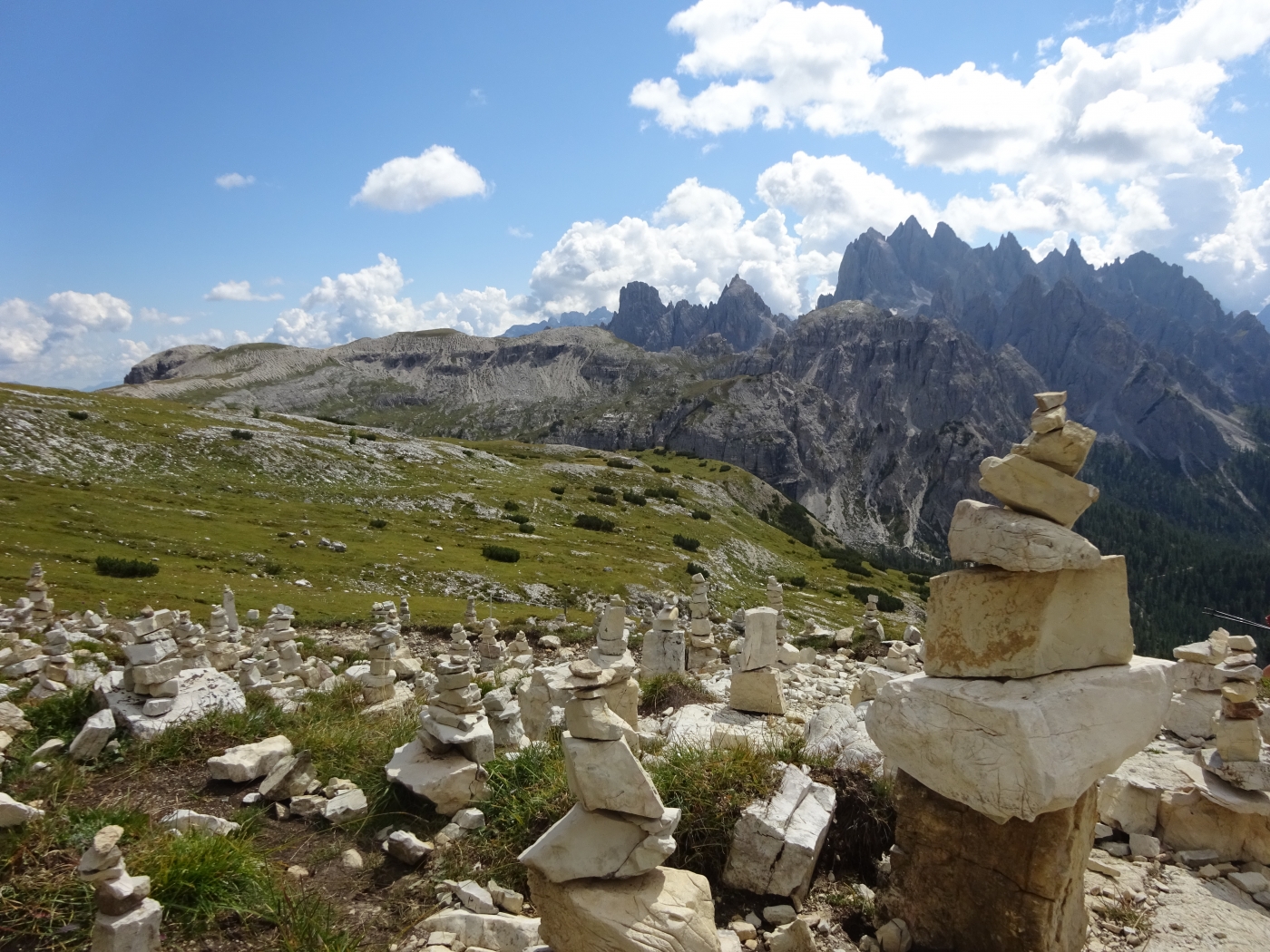
The Dolomites - Dolomiten
Toblach, Italy
05.09.2021

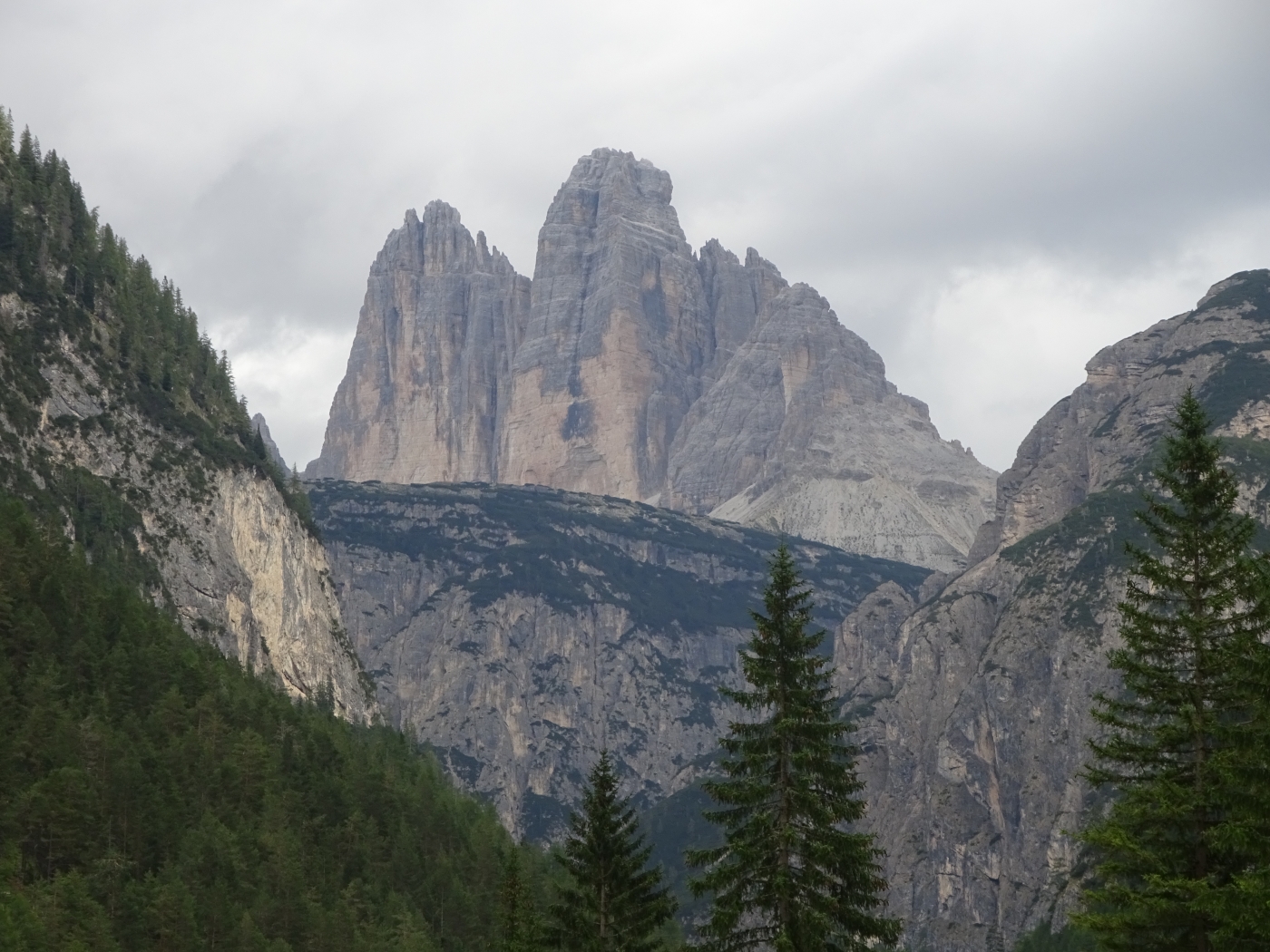
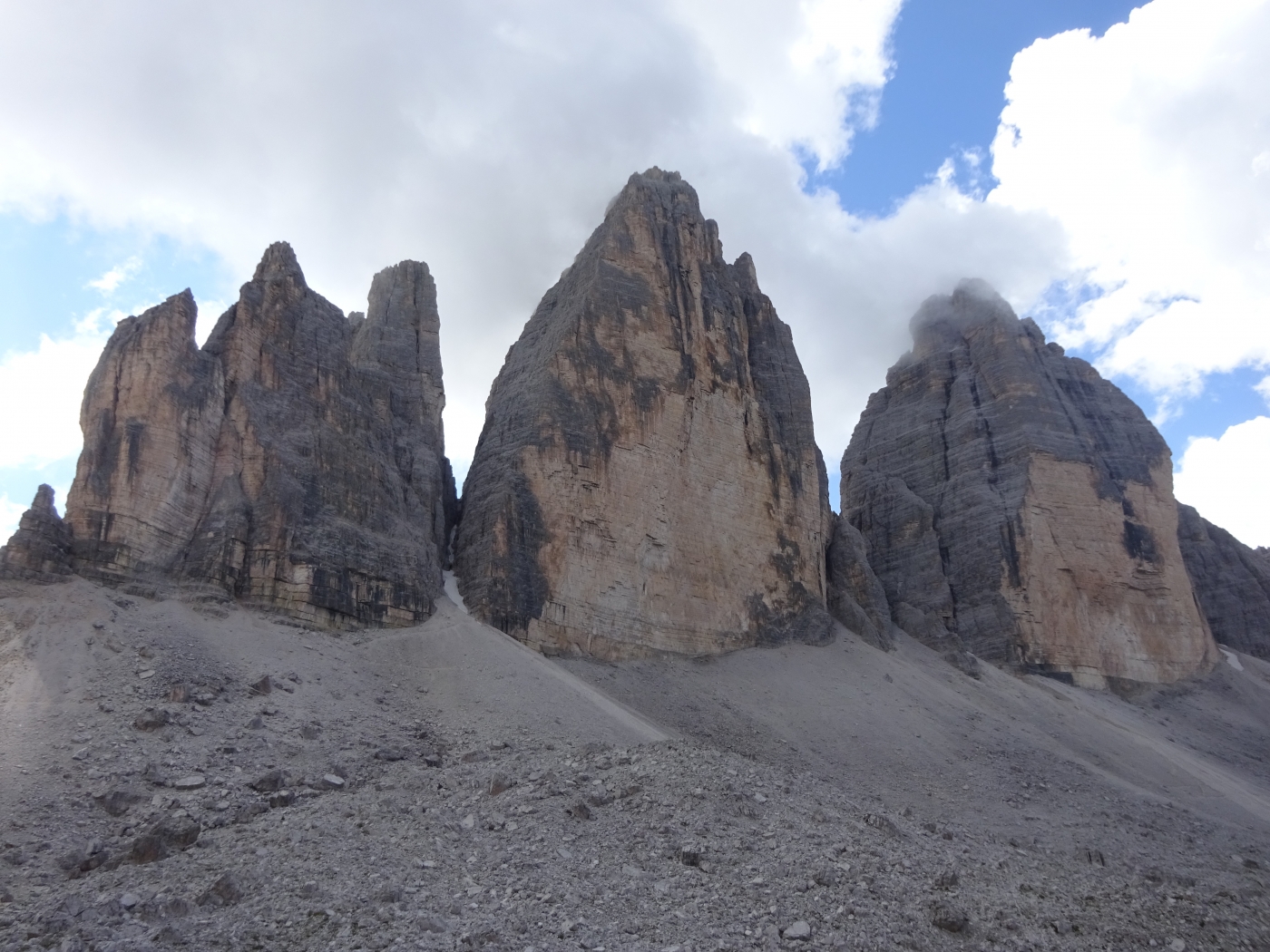
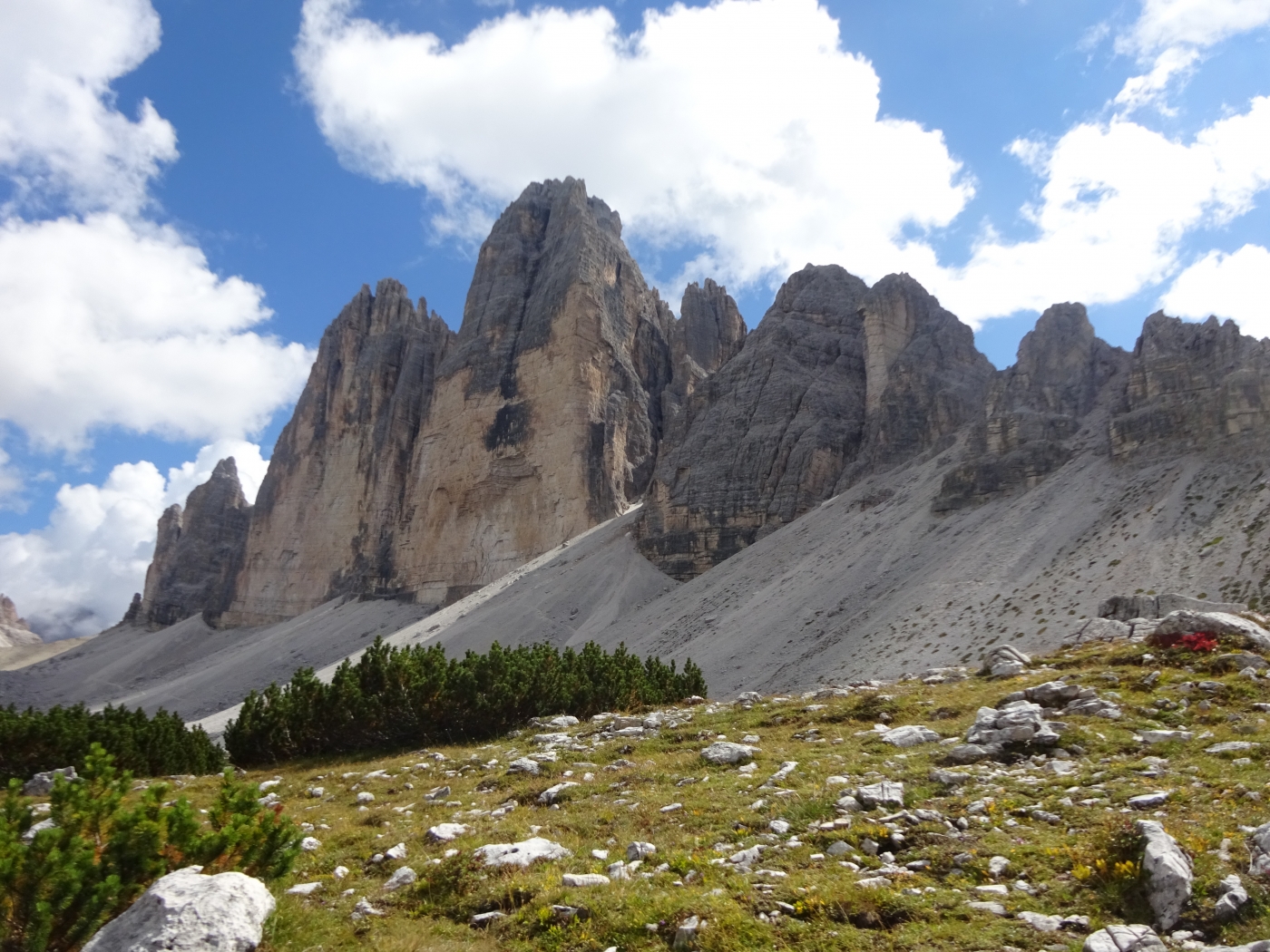
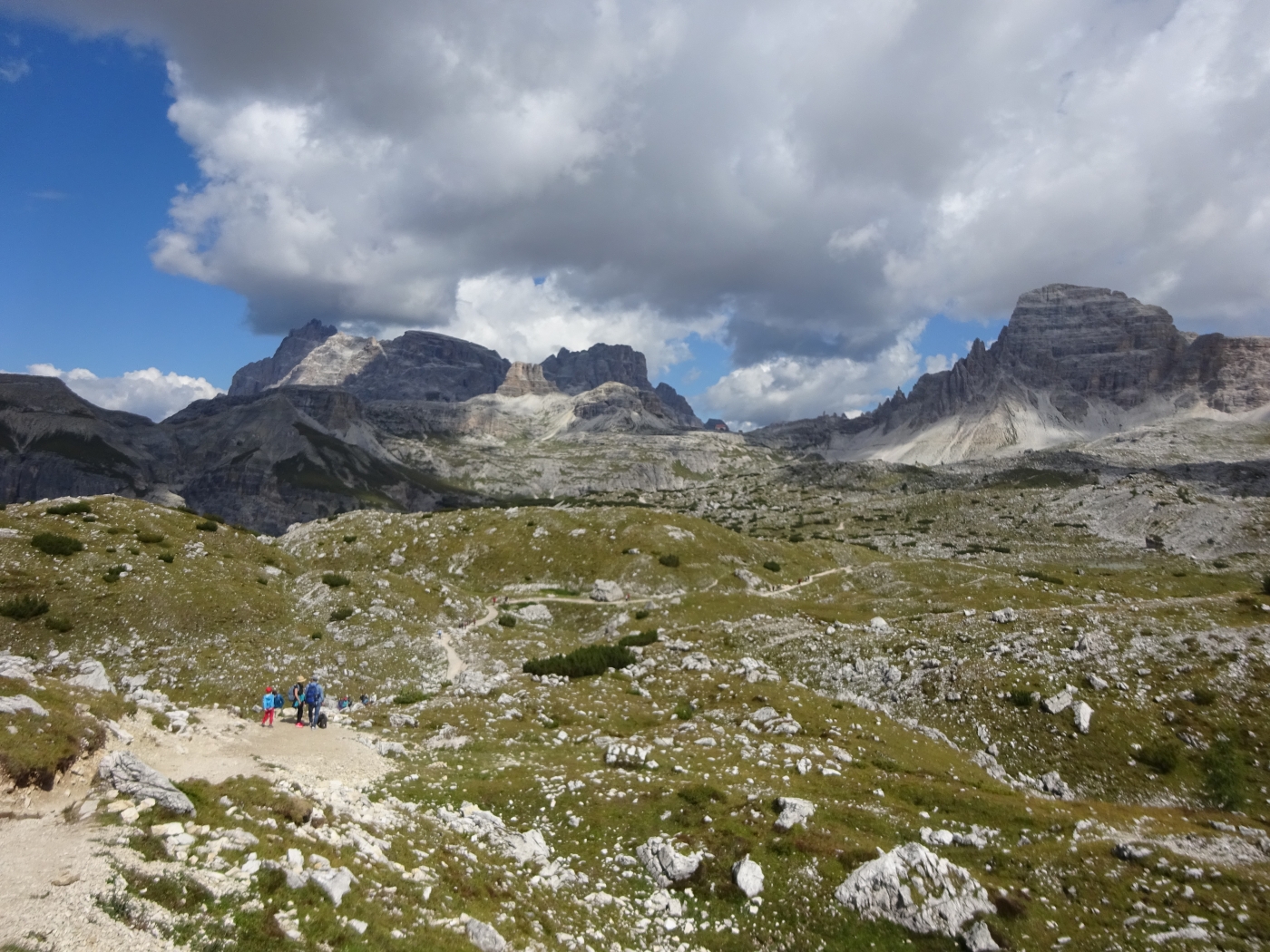
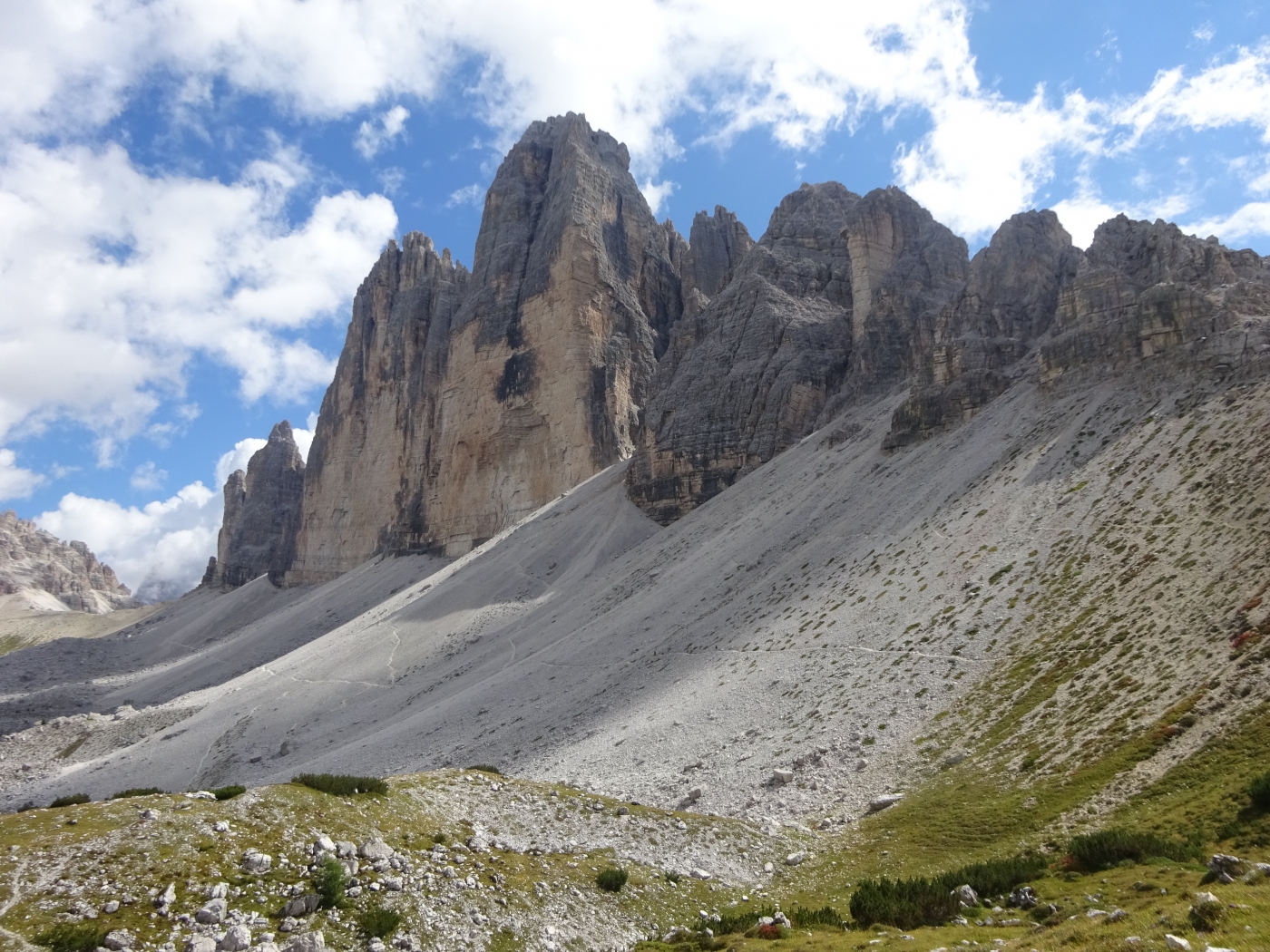
The majestic peaks known as Drei Zinnen in German, or Tre Cime di Lavaredo in Italian, stand as an undisputed icon of the Dolomites, a mountain range declared a UNESCO World Heritage site in 2009. Located in South Tyrol, Italy, close to the municipality of Toblach, these three distinctive rock formations are a breathtaking testament to nature’s artistry and geological history.
A Geological Masterpiece
The dramatic spires of the Tre Cime are composed of main Dolomia Principale, a Triassic rock rich in ancient marine fossils, revealing the region’s deep geological past when it was submerged beneath a tropical sea. Their unique pale complexion and jagged silhouettes are characteristic of the Dolomites, which are part of the Southern Limestone Alps. This area is also a core part of the Sexten Dolomites Natural Park, preserving its pristine environment.
Echoes of History
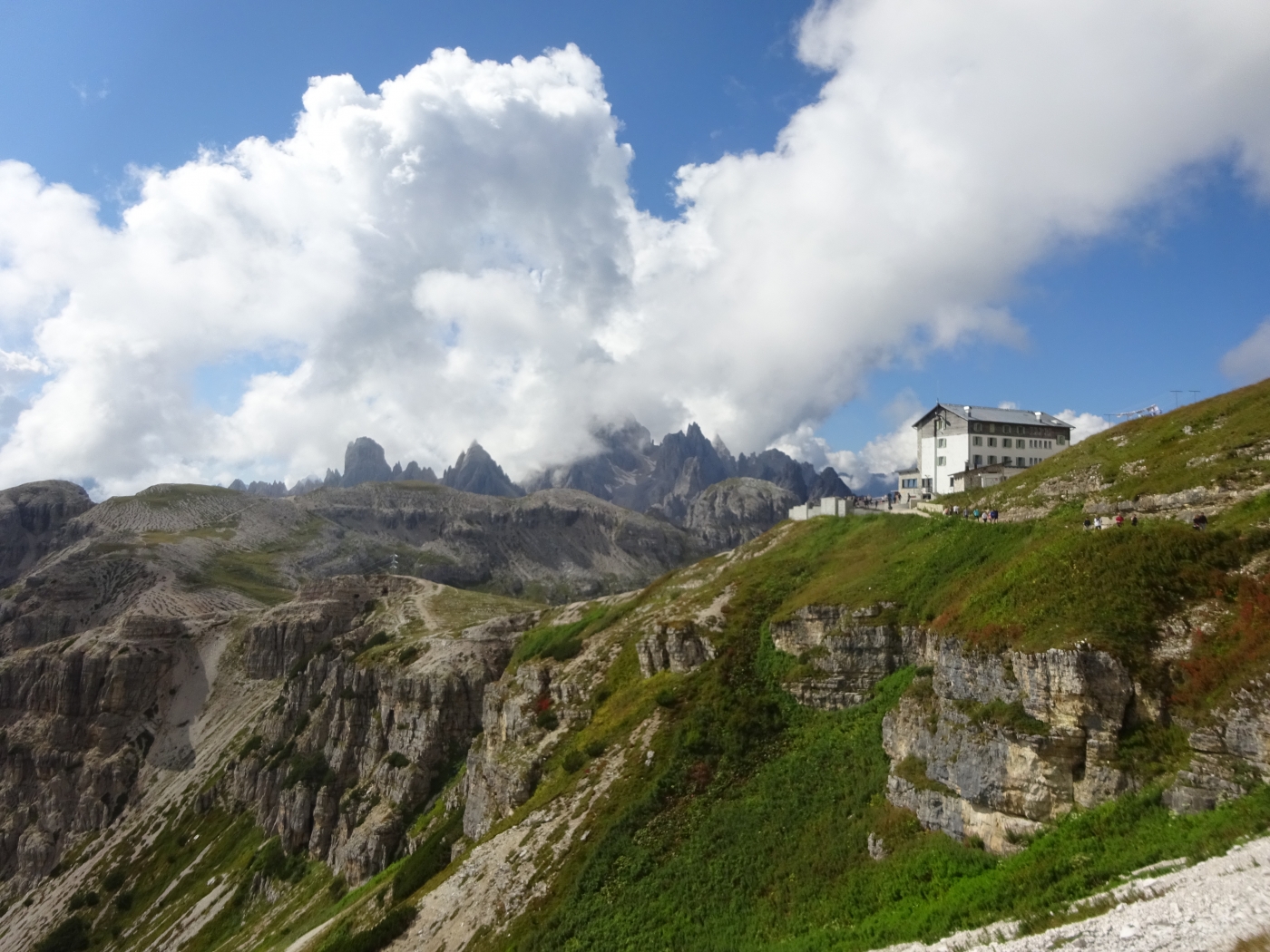
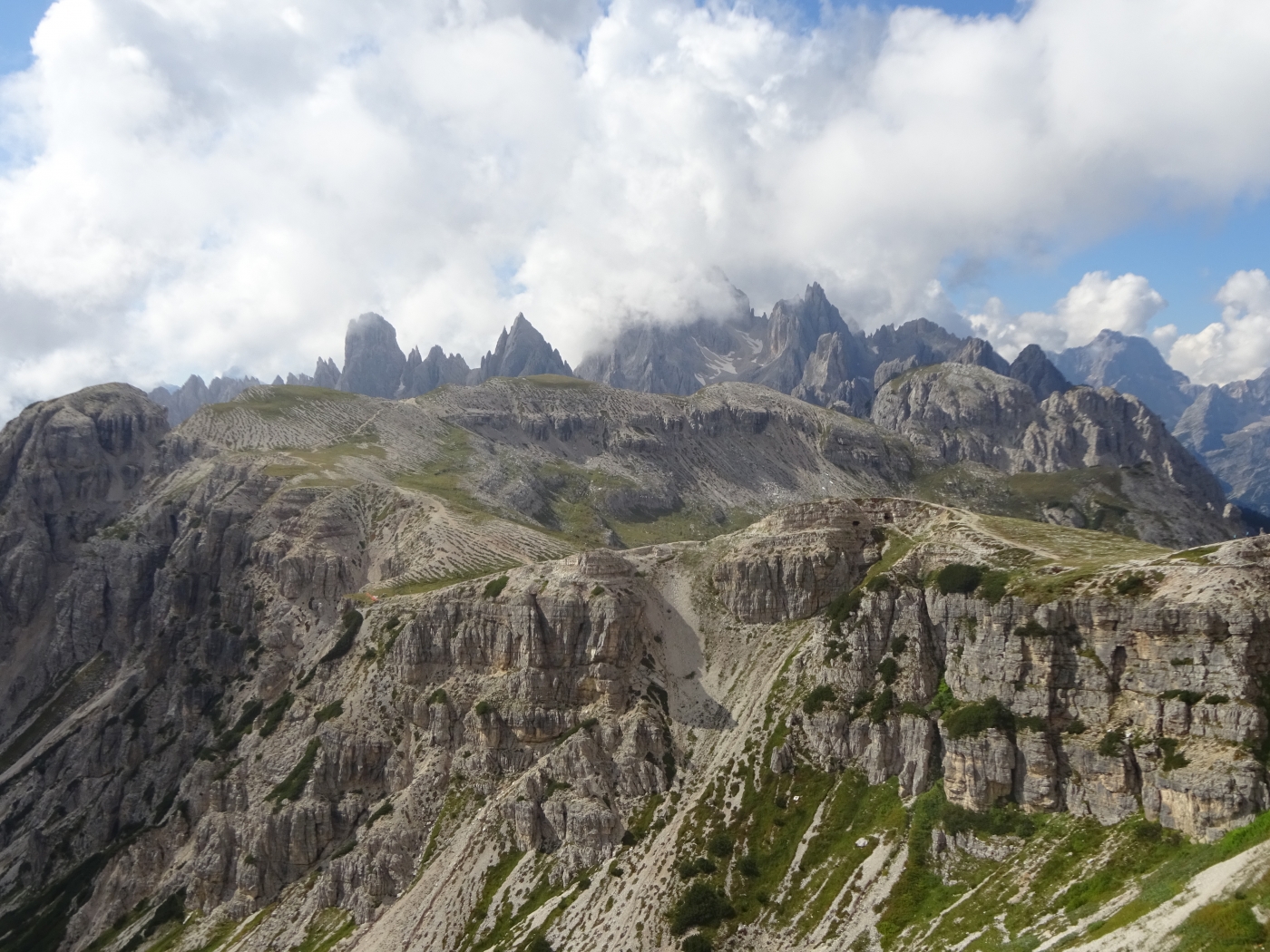
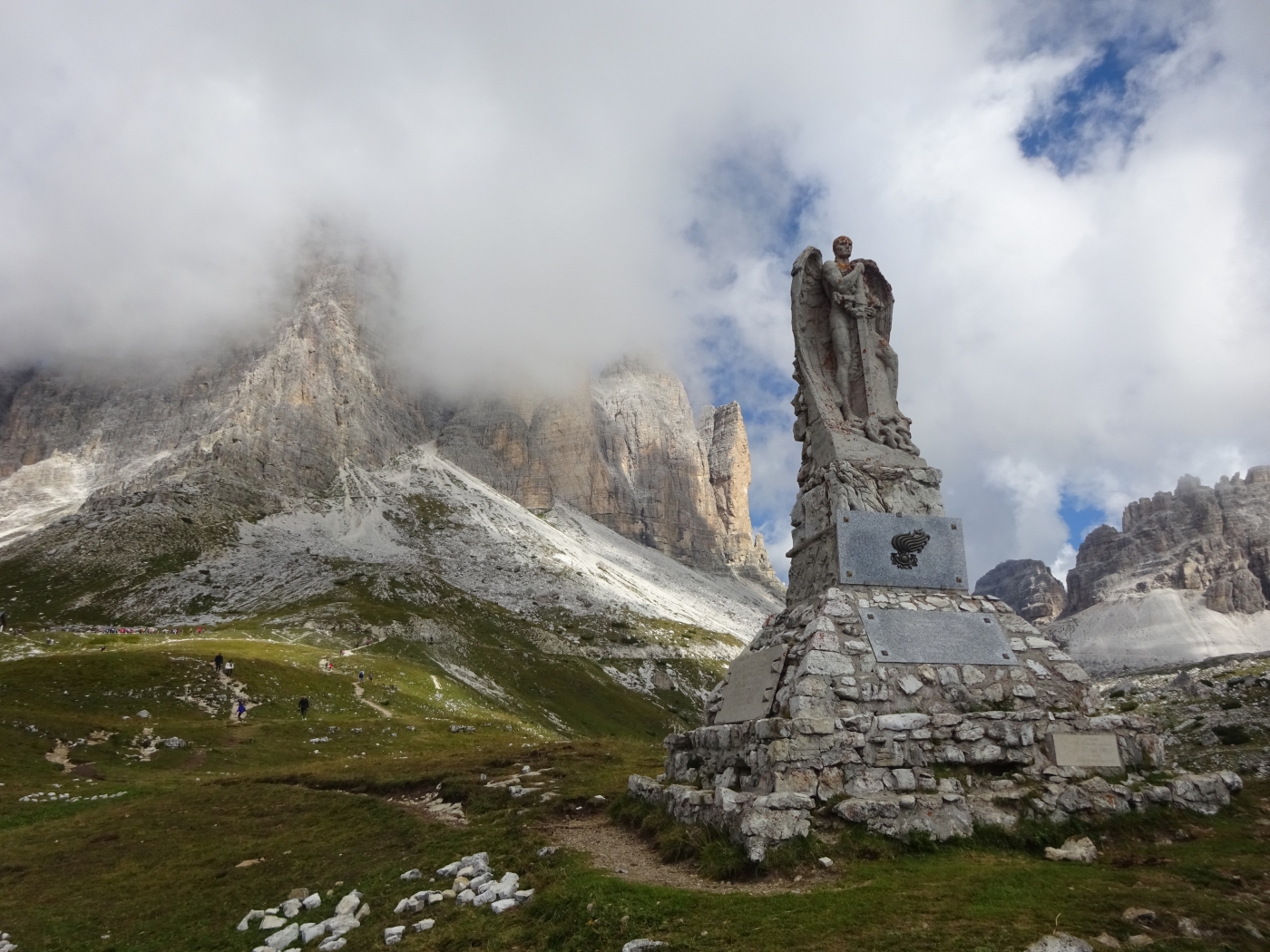
Beyond their natural grandeur, the Drei Zinnen bear profound historical significance, particularly as a crucial frontline during the First World War. From 1915 to 1917, fierce battles were fought between Italian and Austro-Hungarian forces in this extreme high-alpine terrain. The mountains themselves became an integral part of the "Alpine Front", with a vast network of trenches, tunnels, and fortifications carved directly into the rock. Evidence of this difficult and heroic past can still be found today, making the area a poignant open-air museum.
A Symbol of the Dolomites
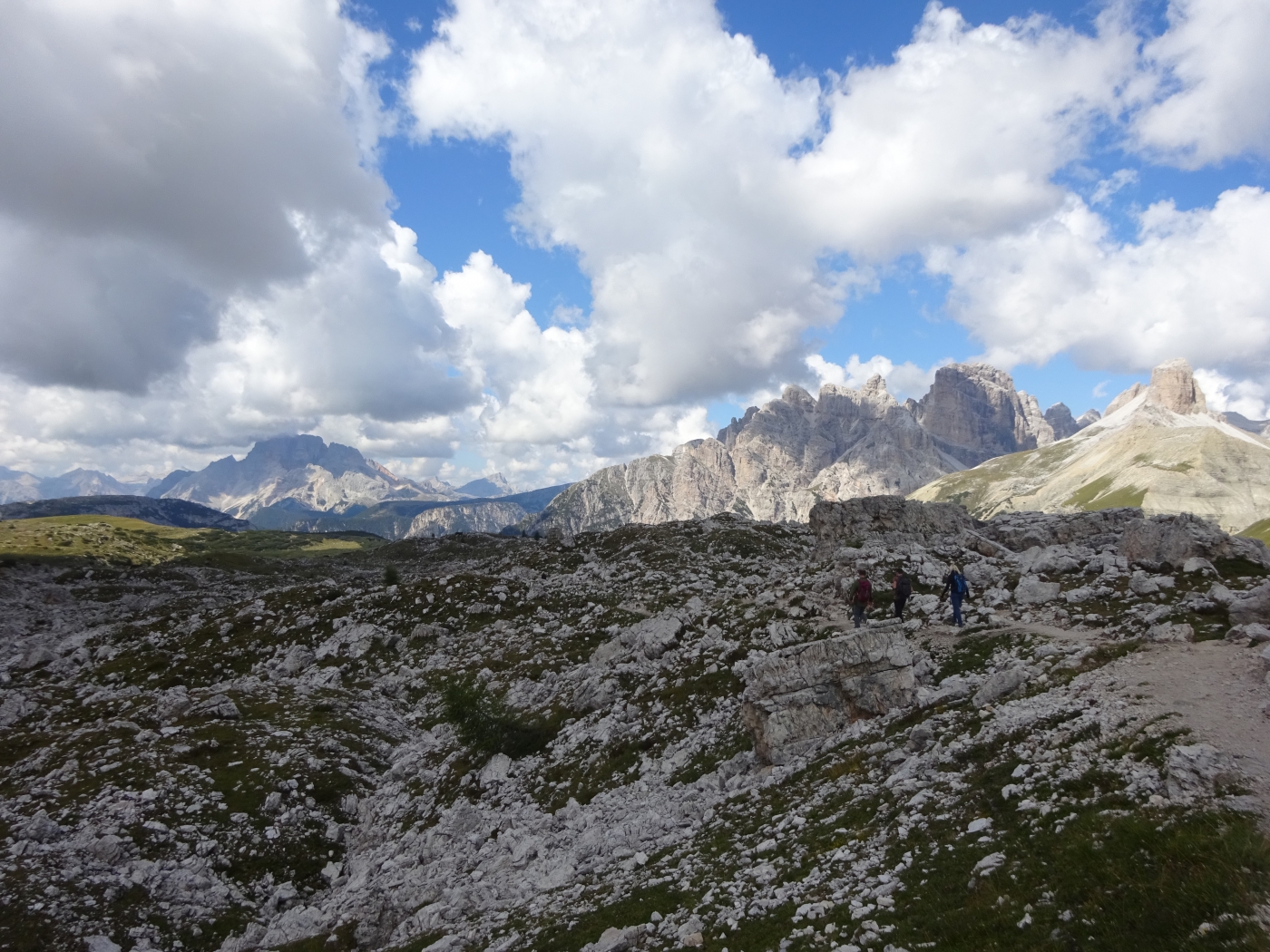
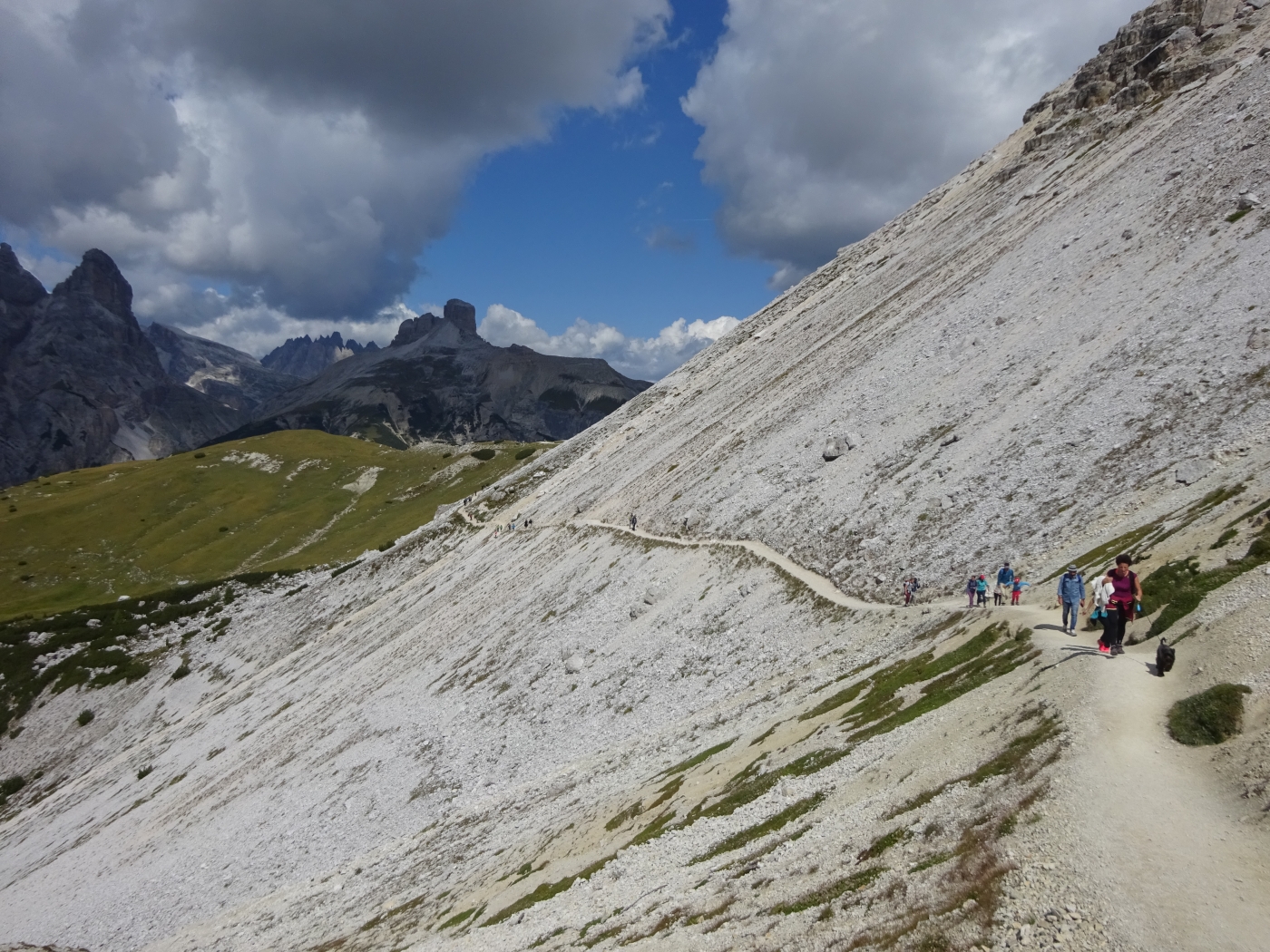
Today, the Tre Cime di Lavaredo attract adventurers and nature lovers from across the globe. They are a premier destination for hiking, rock climbing, and photography, offering unparalleled vistas of the surrounding Dolomites. Their striking appearance, combined with their rich geological and historical narrative, firmly establishes them as a truly outstanding universal value within the UNESCO World Heritage landscape.
Weiterführende Links
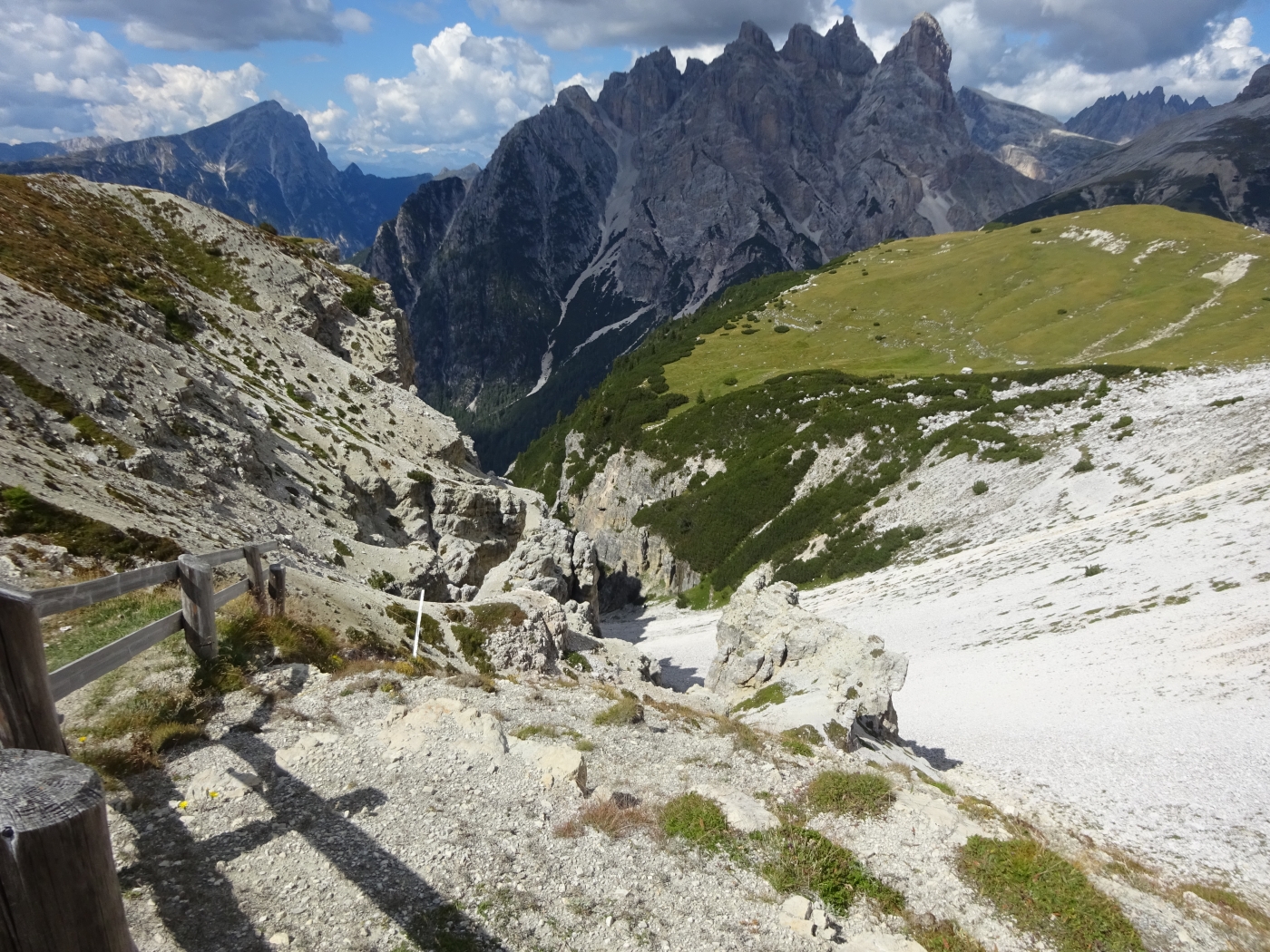
The site of the Dolomites comprises a mountain range in the northern Italian Alps, numbering 18 peaks which rise to above 3,000 metres and cover 141,903 ha. It features some of the most beautiful mountain landscapes anywhere, with vertical walls, sheer cliffs and a high density of narrow, deep and long valleys. A serial property of nine areas that present a diversity of spectacular landscapes of international significance for geomorphology marked by steeples, pinnacles and rock walls, the site also contains glacial landforms and karst systems. It is characterized by dynamic processes with frequent landslides, floods and avalanches. The property also features one of the best examples of the preservation of Mesozoic carbonate platform systems, with fossil records.
The Tre Cime di Lavaredo (Italian for 'Three Peaks of Lavaredo'; pronounced [ˌtre tˈtʃiːme di lavaˈreːdo]), also called the Drei Zinnen (German for 'Three Merlons') (pronounced [ˌdʁaɪ ˈtsɪnən] ), are three distinctive battlement-like peaks, in the Sexten Dolomites of northeastern Italy. They are one of the best-known mountain groups in the Alps. The three peaks, from east to west, are:
Cima Piccola / Kleine Zinne ("little peak")
Cima Grande / Große Zinne ("big peak")
Cima Ovest / Westliche Zinne ("western peak").
The peaks are composed of well-layered dolomites of the Dolomia Principale (Hauptdolomit) formation, Carnian to Rhaetian in age, as are many other groups in the Dolomites (e.g., the Tofane, the Pelmo or the Cinque Torri).
Until 1919 the peaks formed part of the border between Italy and Austria-Hungary. Now they lie on the border between the Italian provinces of South Tyrol and Belluno and still are a part of the linguistic boundary between German-speaking and Italian-speaking majorities. The Cima Grande has an elevation of 2,999 metres (9,839 ft). It stands between the Cima Piccola, at 2,857 metres (9,373 ft), and the Cima Ovest, at 2,973 metres (9,754 ft).
The Dolomites (Italian: Dolomiti, pronounced [doloˈmiːti]) or Pale Mountains (Italian: Monti Pallidi) are a mountain range in northeastern Italy. They form part of the Southern Limestone Alps and extend from the river Adige in the west to the Piave Valley (Pieve di Cadore) in the east. The northern and southern borders are defined by the Puster Valley and the Sugana Valley (Italian: Valsugana). The Dolomites are in the regions of Veneto, Trentino-Alto Adige/Südtirol and Friuli-Venezia Giulia, covering an area shared between the provinces of Belluno, Vicenza, Verona, Trentino, South Tyrol, Udine and Pordenone.
Other mountain groups of similar geological structure are spread along the river Piave to the east–Dolomiti d'Oltrepiave; and far away over the Adige River to the west Dolomiti di Brenta (Western Dolomites). A smaller group is called Piccole Dolomiti (Little Dolomites), between the provinces of Trentino, Verona and Vicenza.
The Dolomiti Bellunesi National Park and many other regional parks are in the Dolomites. On 26 June 2009, the Dolomites were declared a UNESCO World Heritage Site. The Adamello-Brenta UNESCO Global Geopark is also in the Dolomites. The Geological Museum of the Dolomites (in Italian Museo Geologico delle Dolomiti) is located in Predazzo, Fiemme Valley.