Royal Botanic Gardens, Kew
London - Richmond upon Thames, England
22.10.2021

The **Royal Botanic Gardens, Kew**, a UNESCO World Heritage site since 2003, stands as a world-renowned scientific institution and an unparalleled botanical garden, nestled in **Richmond upon Thames**, London. It is a living museum of plants, dedicated to the study and conservation of plant diversity across the globe, offering both profound scientific insight and breathtaking natural beauty.
Origins of a Botanical Treasure
The history of Kew dates back to 1759, when **Princess Augusta**, the mother of **King George III**, established a nine-acre botanic garden within the royal estate. Under the influence and direction of Scottish botanist **William Aiton**, the gardens began their journey of collecting and cultivating exotic plants, laying the foundational roots for what would become a global botanical powerhouse.
Global Botanical Exploration and Expansion
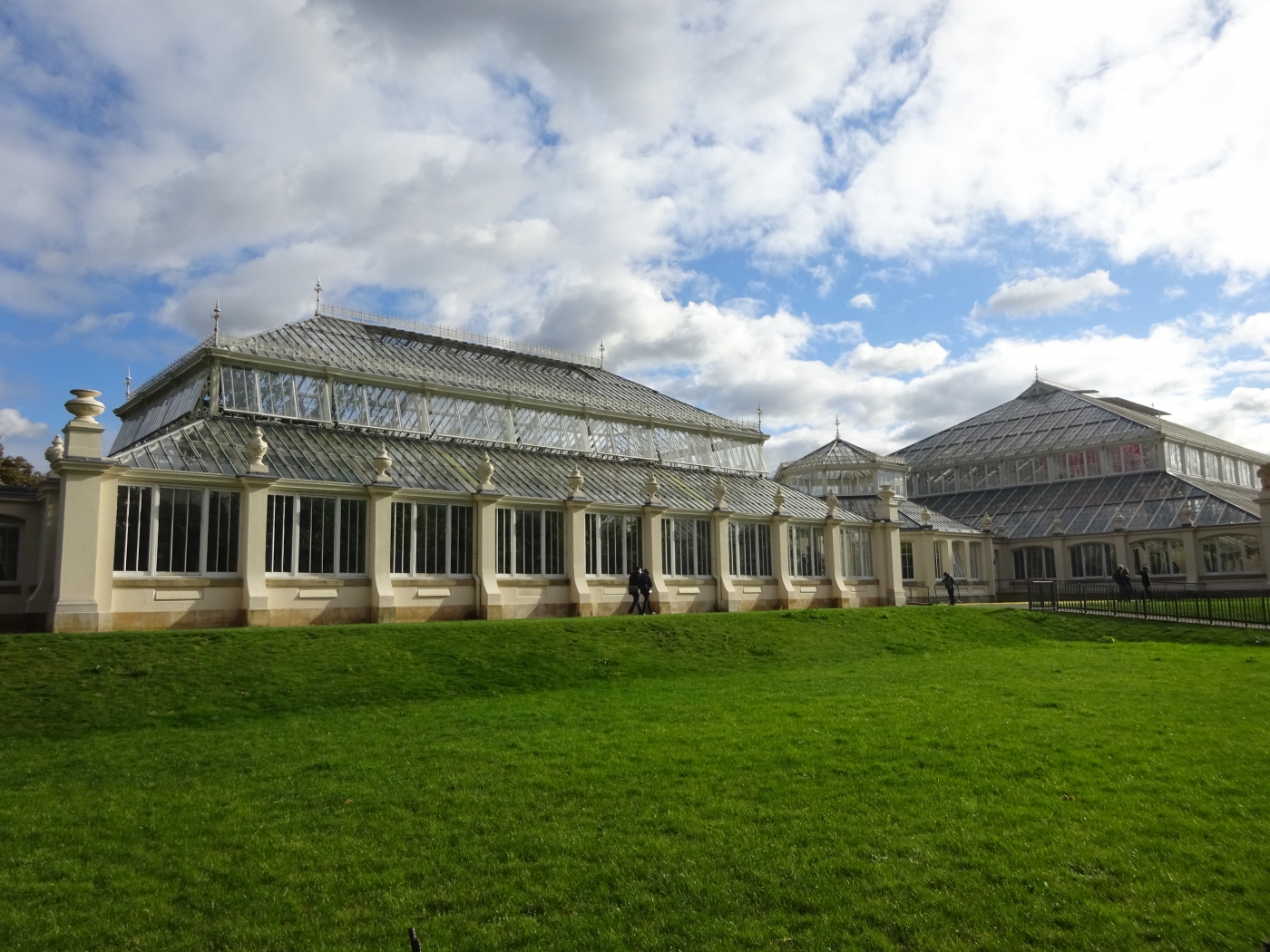
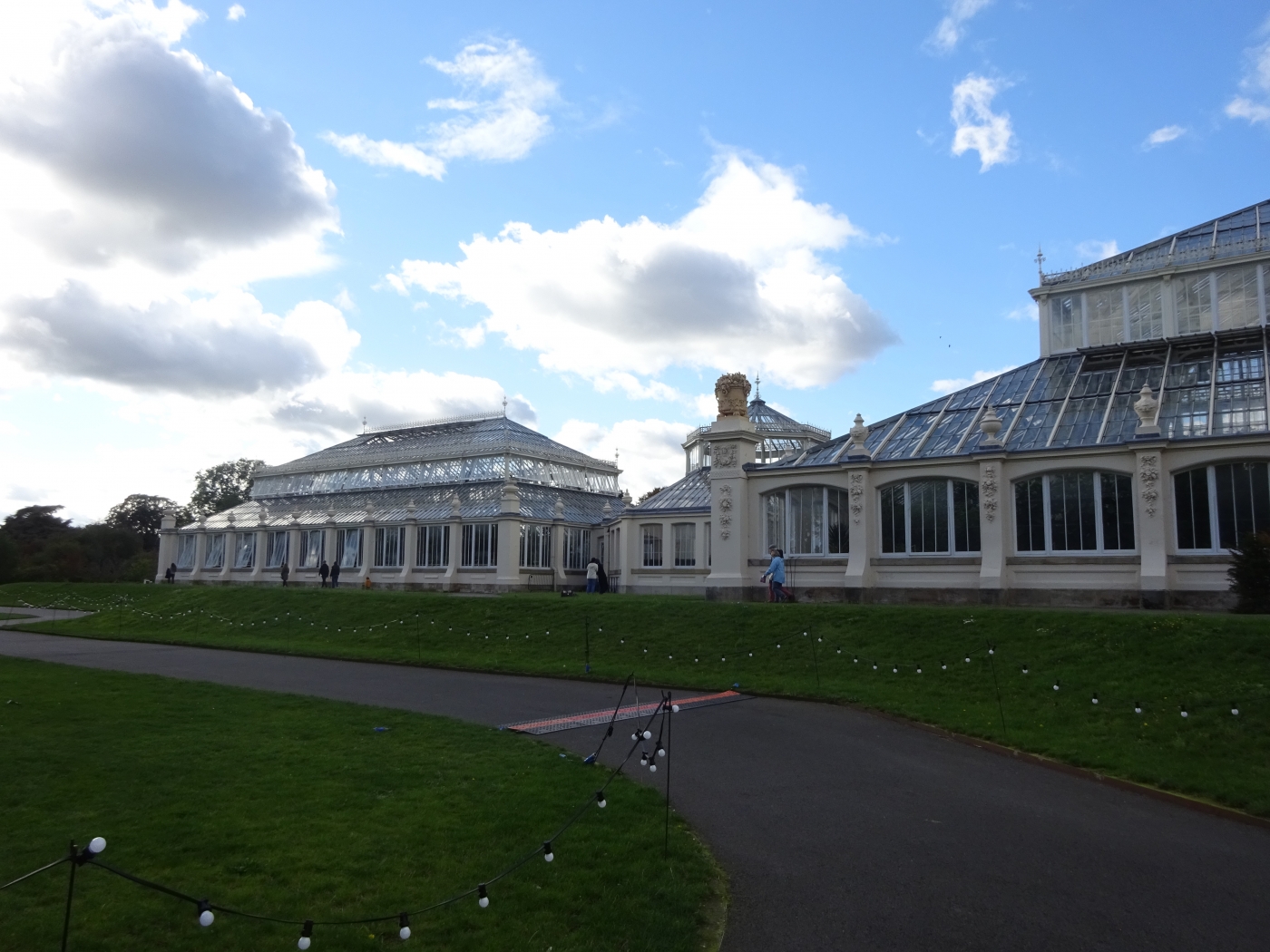
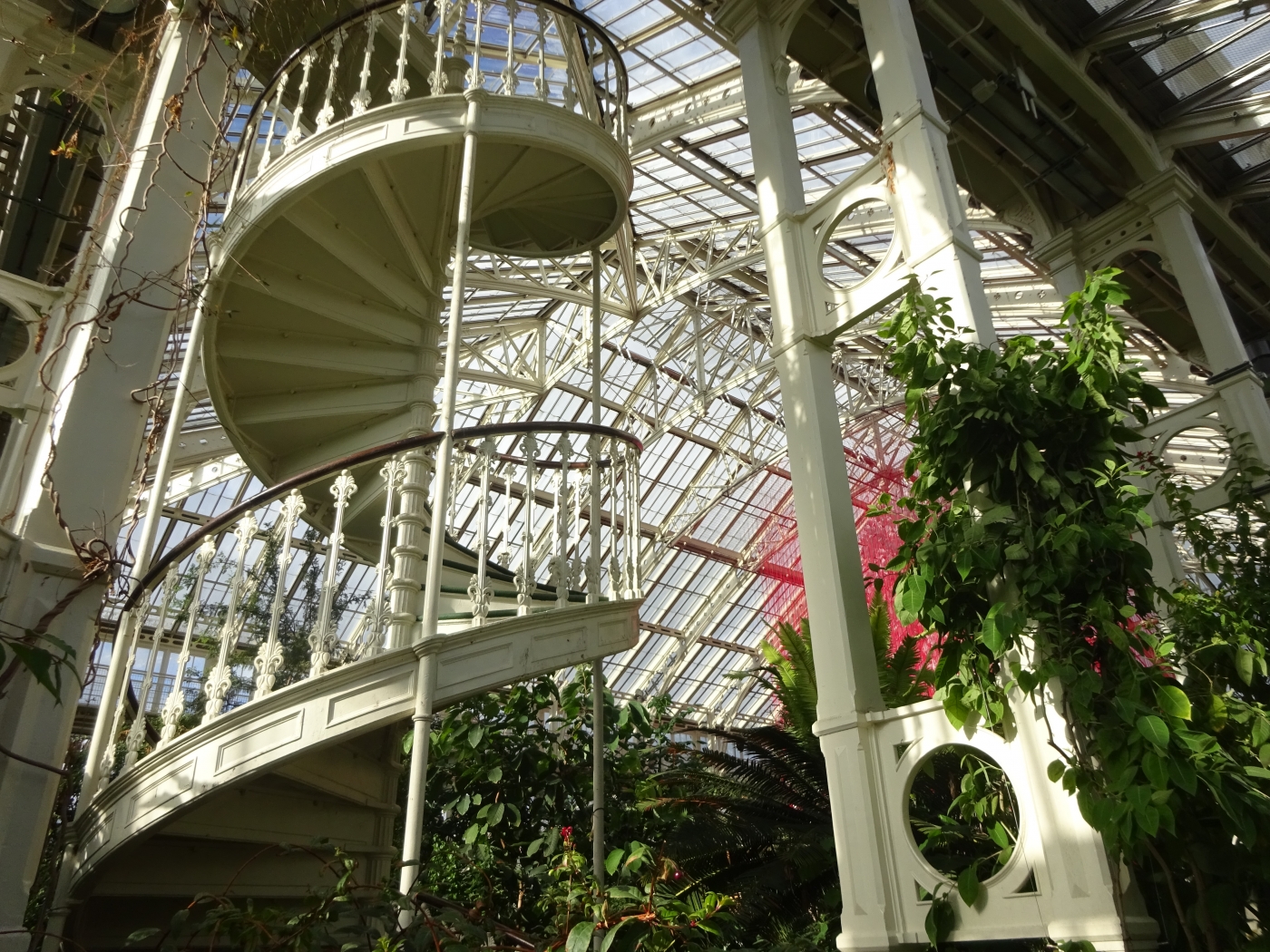
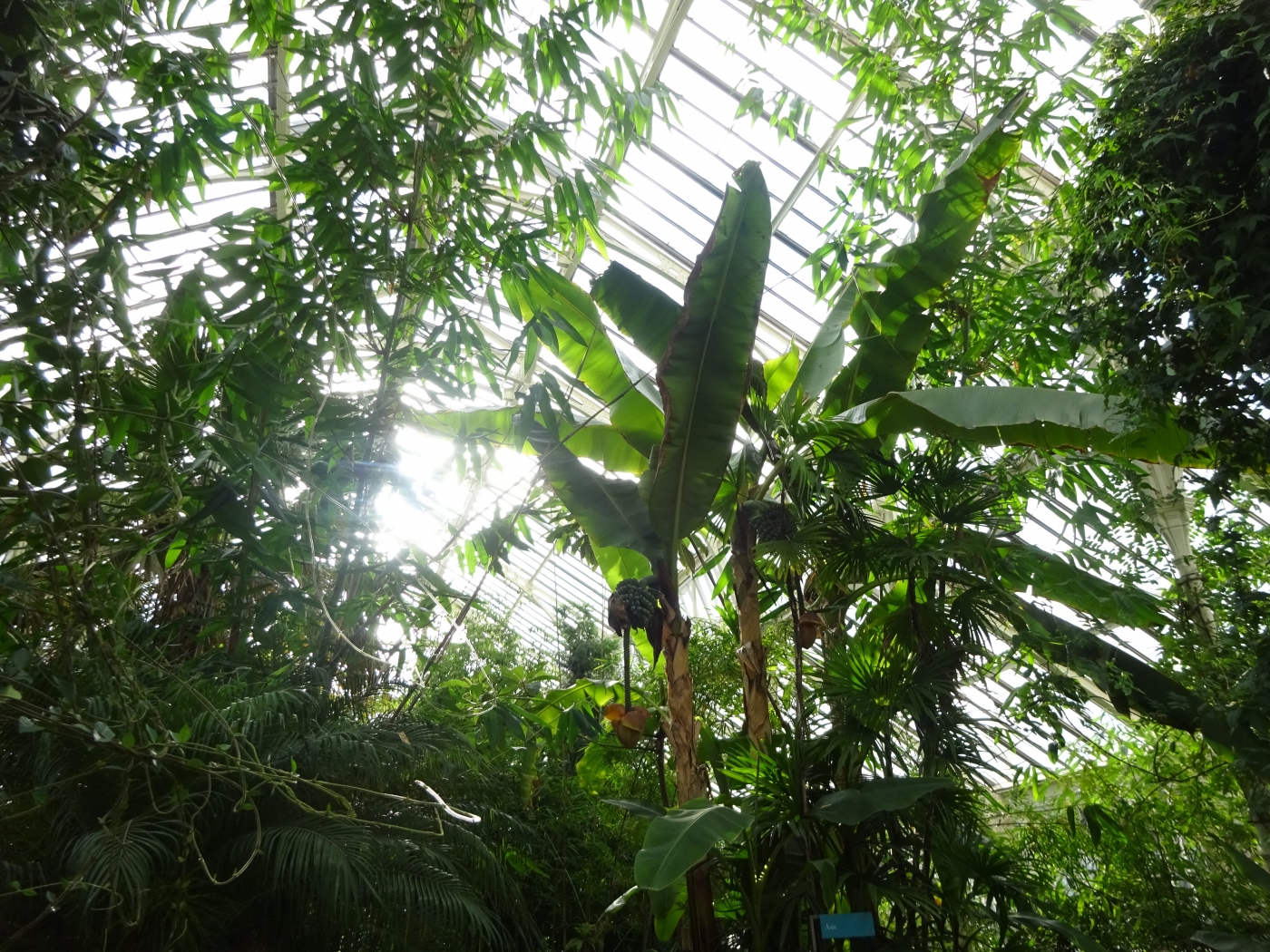
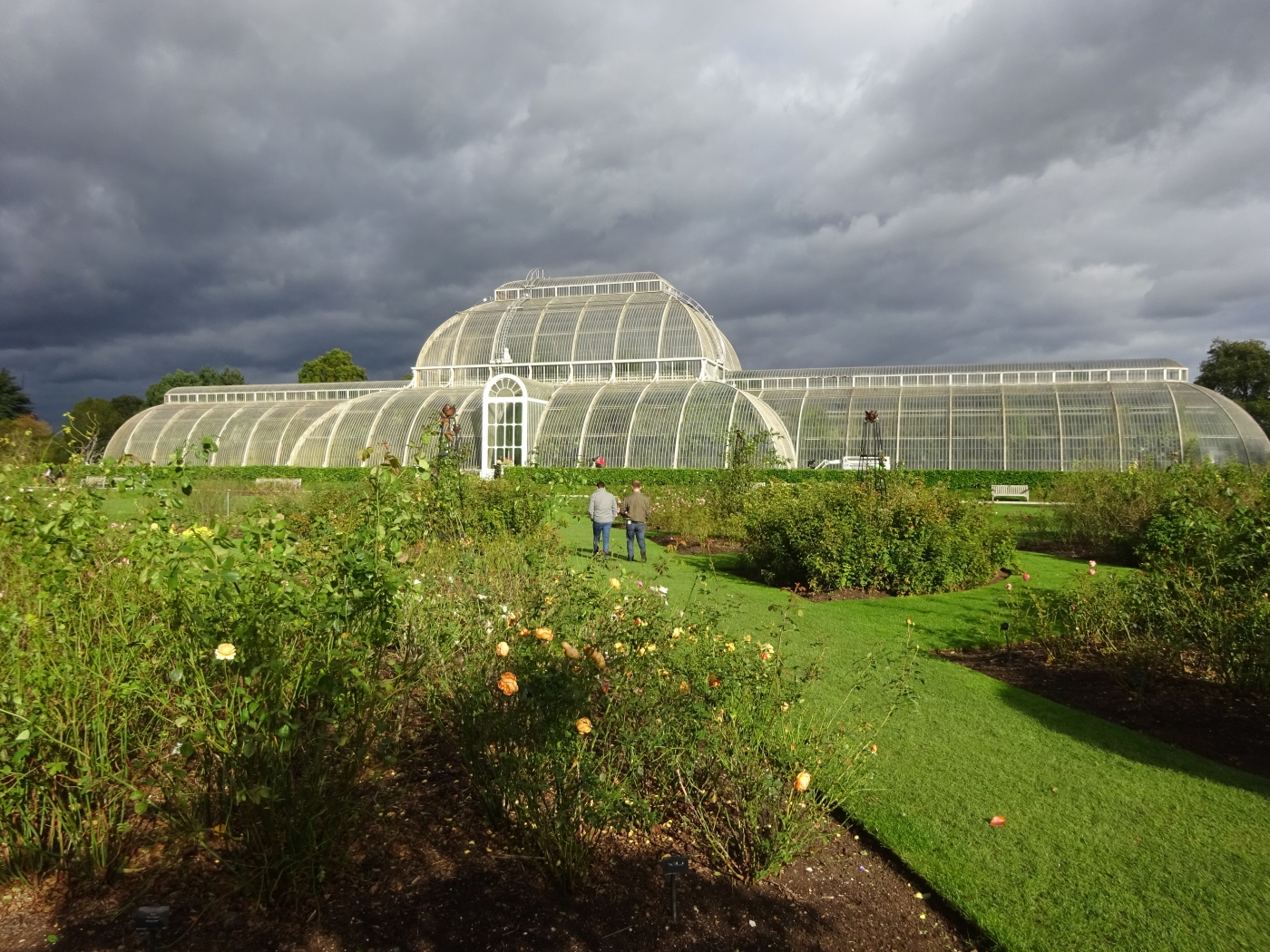
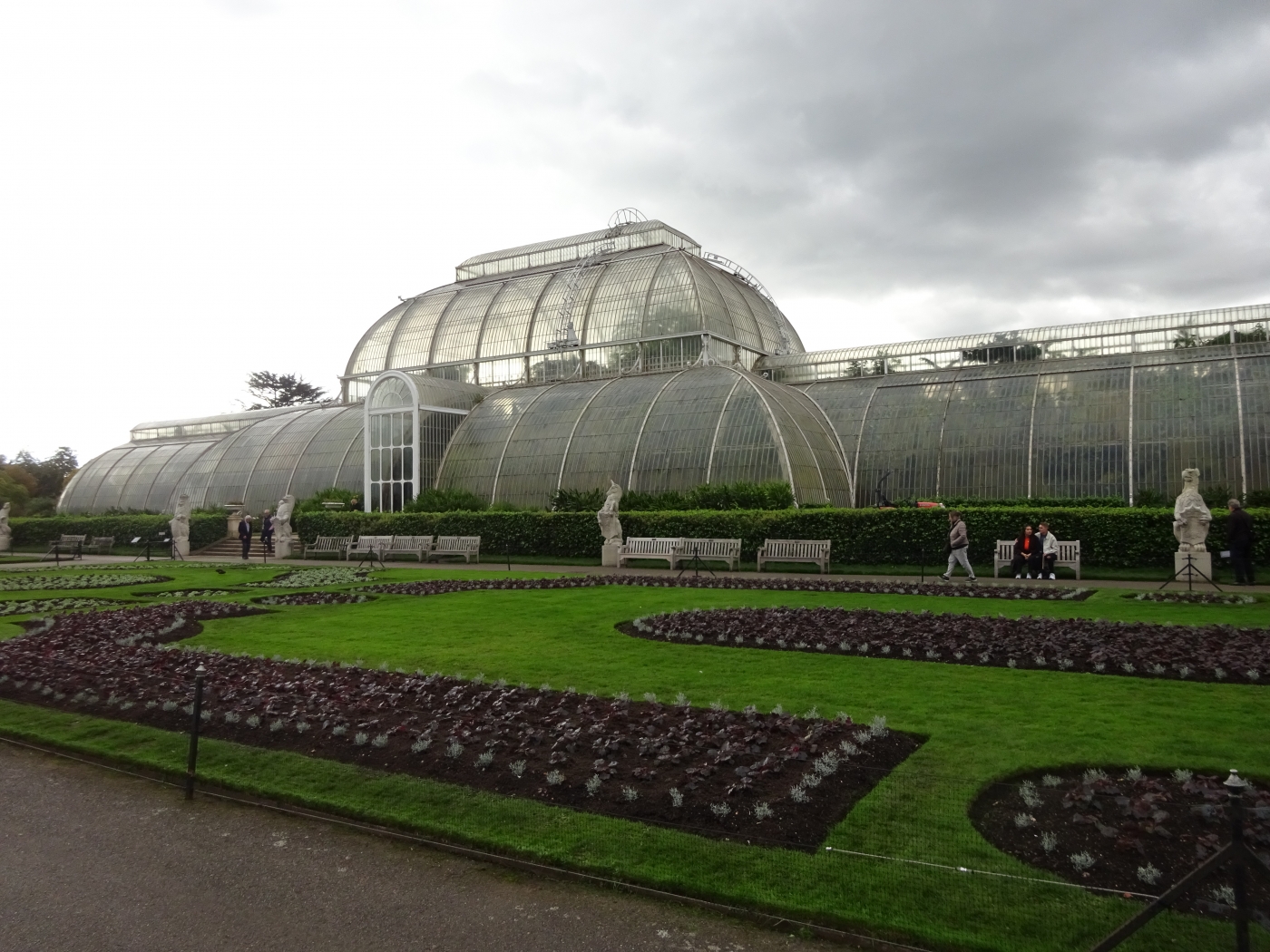
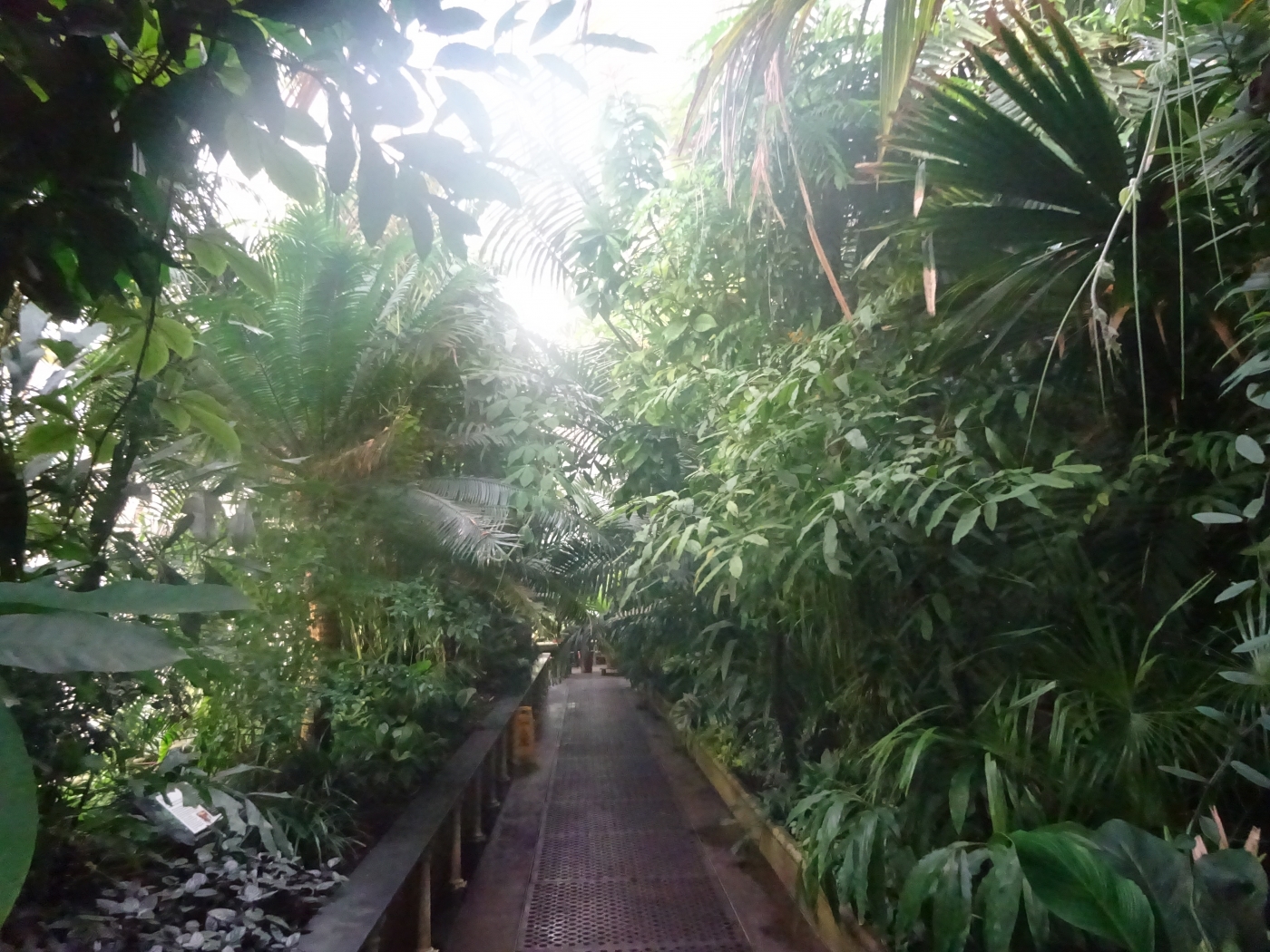
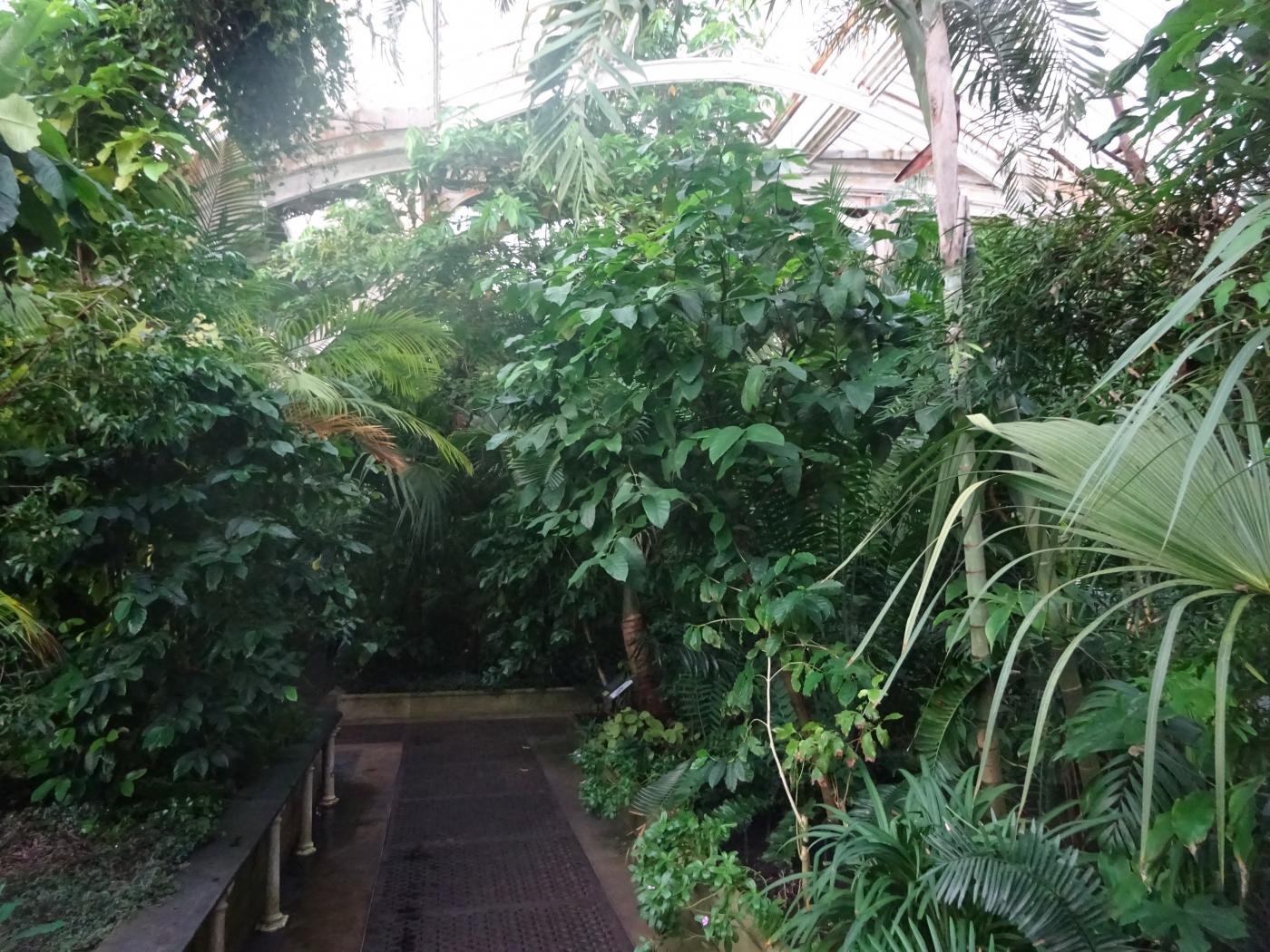
The gardens' global significance truly blossomed under the pivotal directorship of **Sir Joseph Banks**, a celebrated botanist who sailed with **Captain James Cook** on his first voyage around the world. Banks advised **King George III** on botanical matters and orchestrated numerous plant-hunting expeditions worldwide. This era saw an immense expansion of Kew's living collections and its role as a central hub for botanical science. Iconic structures such as the magnificent **Palm House**, a Victorian masterpiece of glass and iron designed by **Decimus Burton** and engineered by **Richard Turner**, opened in 1848, showcasing exotic plants from tropical climates. Later, the even grander **Temperate House**, the world's largest Victorian glasshouse, further solidified Kew's reputation as a leading botanical institution.
A Legacy of Science and Conservation
Today, the **Royal Botanic Gardens, Kew** maintains the largest and most diverse botanical collections globally, encompassing over 50,000 living plants and a herbarium with millions of preserved specimens. It remains a vital center for plant science research, conservation efforts, and education, playing a critical role in understanding and protecting plant biodiversity for future generations. Its expansive landscapes and architectural marvels offer a stunning and educational experience for millions of visitors annually, embodying a legacy of botanical exploration and scientific dedication.
Further Links
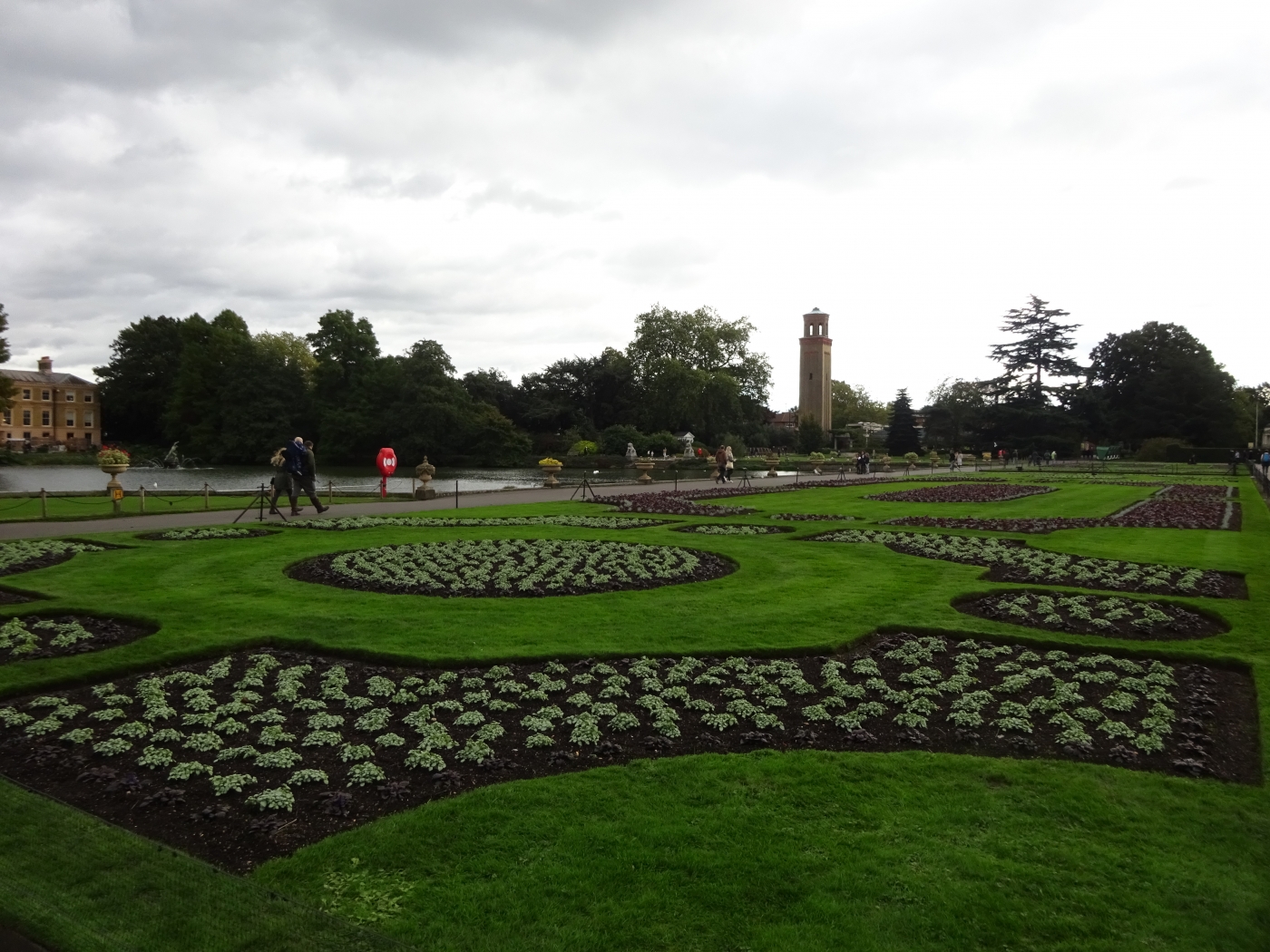
This historic landscape garden features elements that illustrate significant periods of the art of gardens from the 18th to the 20th centuries. The gardens house botanic collections (conserved plants, living plants and documents) that have been considerably enriched through the centuries. Since their creation in 1759, the gardens have made a significant and uninterrupted contribution to the study of plant diversity and economic botany.
Kew Gardens is a botanic garden in southwest London that houses the "largest and most diverse botanical and mycological collections in the world". Founded in 1759, from the exotic garden at Kew Park, its living collections include some of the 27,000 taxa curated by Royal Botanic Gardens, Kew, while the herbarium, one of the largest in the world, has over 8.5 million preserved plant and fungal specimens. The library contains more than 750,000 volumes, and the illustrations collection contains more than 175,000 prints and drawings of plants. It is one of London's top tourist attractions and is a World Heritage Site.
Kew Gardens, together with the botanic gardens at Wakehurst in Sussex, are managed by the Royal Botanic Gardens, Kew, an internationally important botanical research and education institution that employs over 1,100 staff and is a non-departmental public body sponsored by the Department for Environment, Food and Rural Affairs.
The botanic gardens at Kew formally started in 1759, although they can be traced back to the exotic garden at Kew Park, formed by Henry, Lord Capell of Tewkesbury. The site now consists of 132 hectares (330 acres) of gardens and botanical glasshouses, four Grade I listed buildings, and 36 Grade II listed structures, all set in an internationally significant landscape. Kew Gardens is listed Grade I on the Register of Historic Parks and Gardens.
Kew Gardens has its own police force, Kew Constabulary, which has been in operation since 1845.