Archaeological Area of Agrigento
Agrigento, Italy
28.08.2022

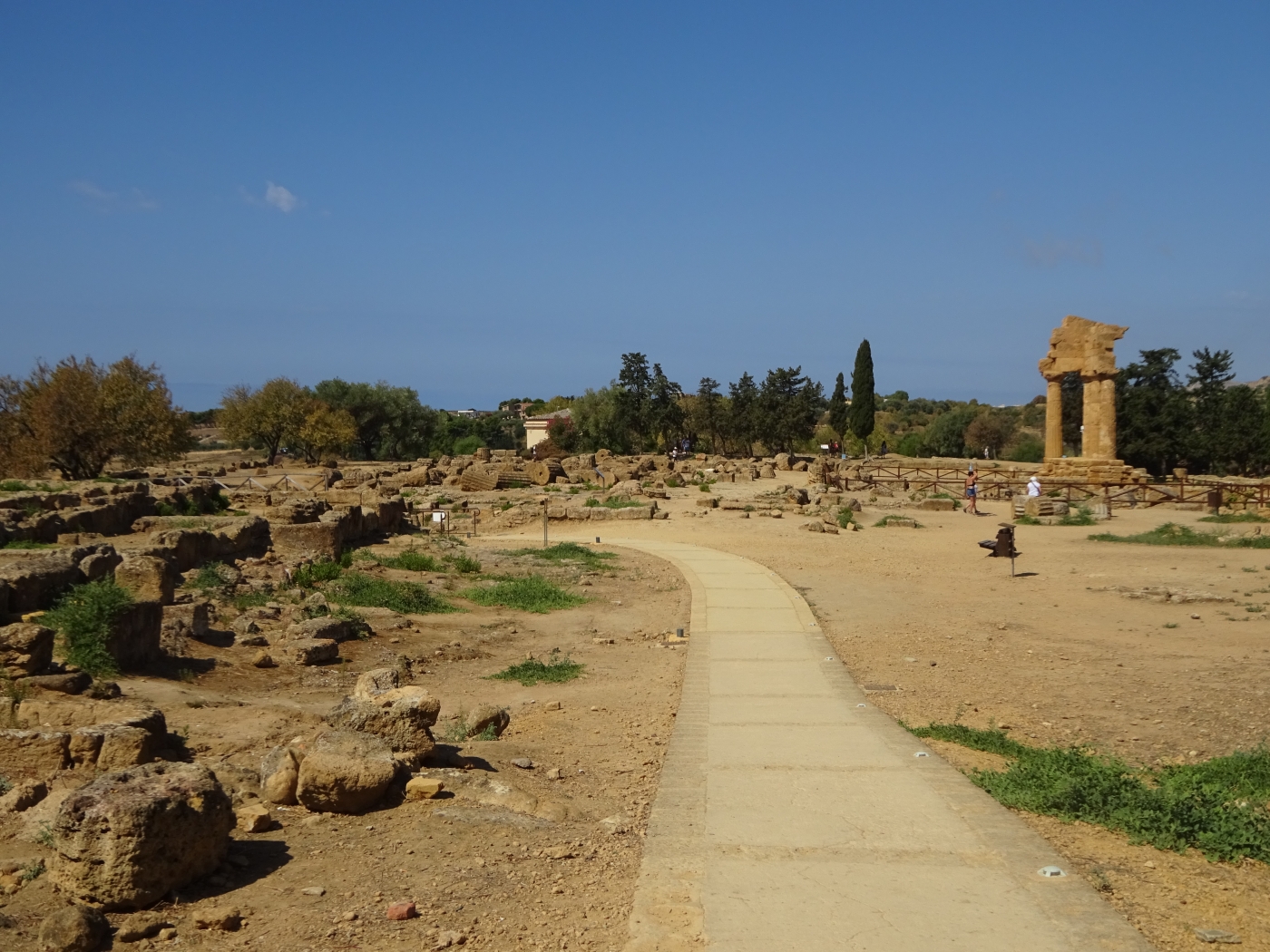
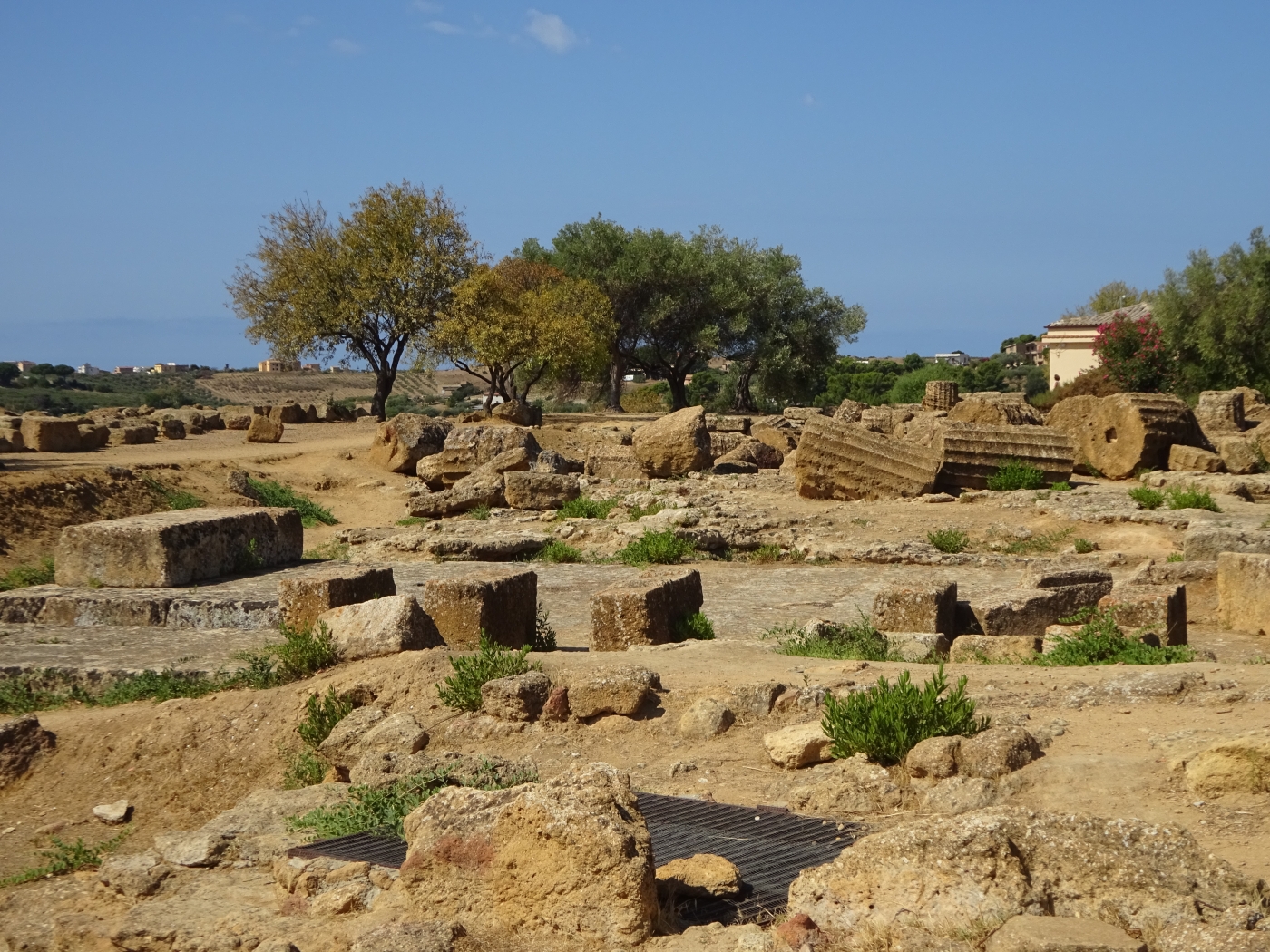
The Archaeological Area of Agrigento, nestled on the southern coast of Sicily, Italy, stands as a magnificent testament to ancient Greek civilization. Recognized as a UNESCO World Heritage site in 1997, it preserves the monumental remains of Akragas, one of the most important Greek colonies in Magna Graecia. This breathtaking landscape, often called the Valley of the Temples, offers a unique window into a glorious past, illustrating the grandeur and artistic prowess of a bygone era.
A Glimpse into Ancient Akragas
Founded around 582 BC by colonists from Gela and Rhodes, Akragas swiftly became one of the wealthiest and most powerful cities in the ancient world. Its golden age flourished in the 5th century BC, particularly under the tyrant Theron (488-472 BC) and later, the philosopher Empedocles. The city’s strategic position, fertile lands, and thriving trade fueled its prosperity, enabling the ambitious construction of the monumental sacred buildings seen today. Victory over the Carthaginians at the Battle of Himera in 480 BC further solidified Akragas's power, ushering in an era of unparalleled architectural splendor.
Architectural Marvels of the Valley
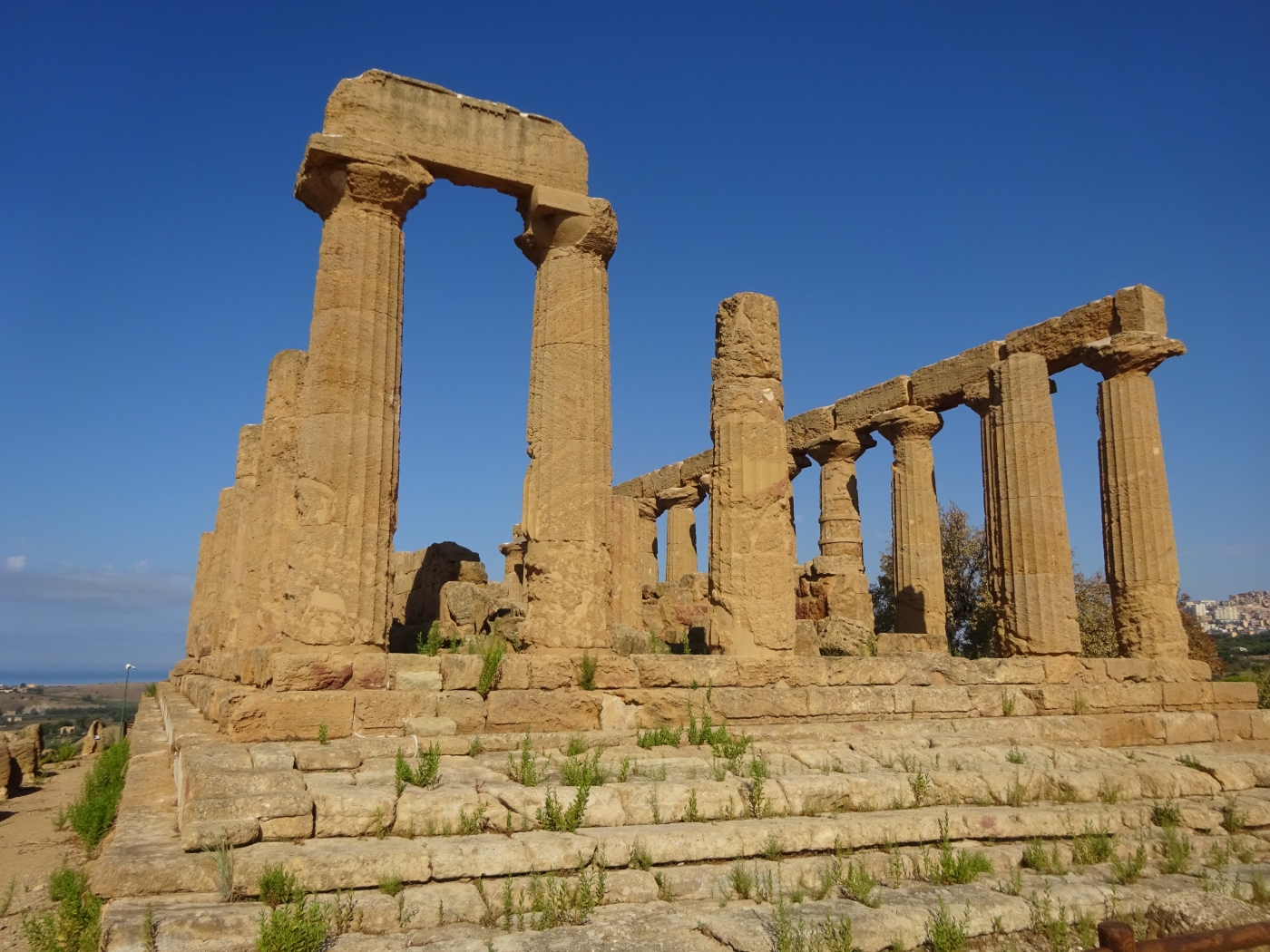
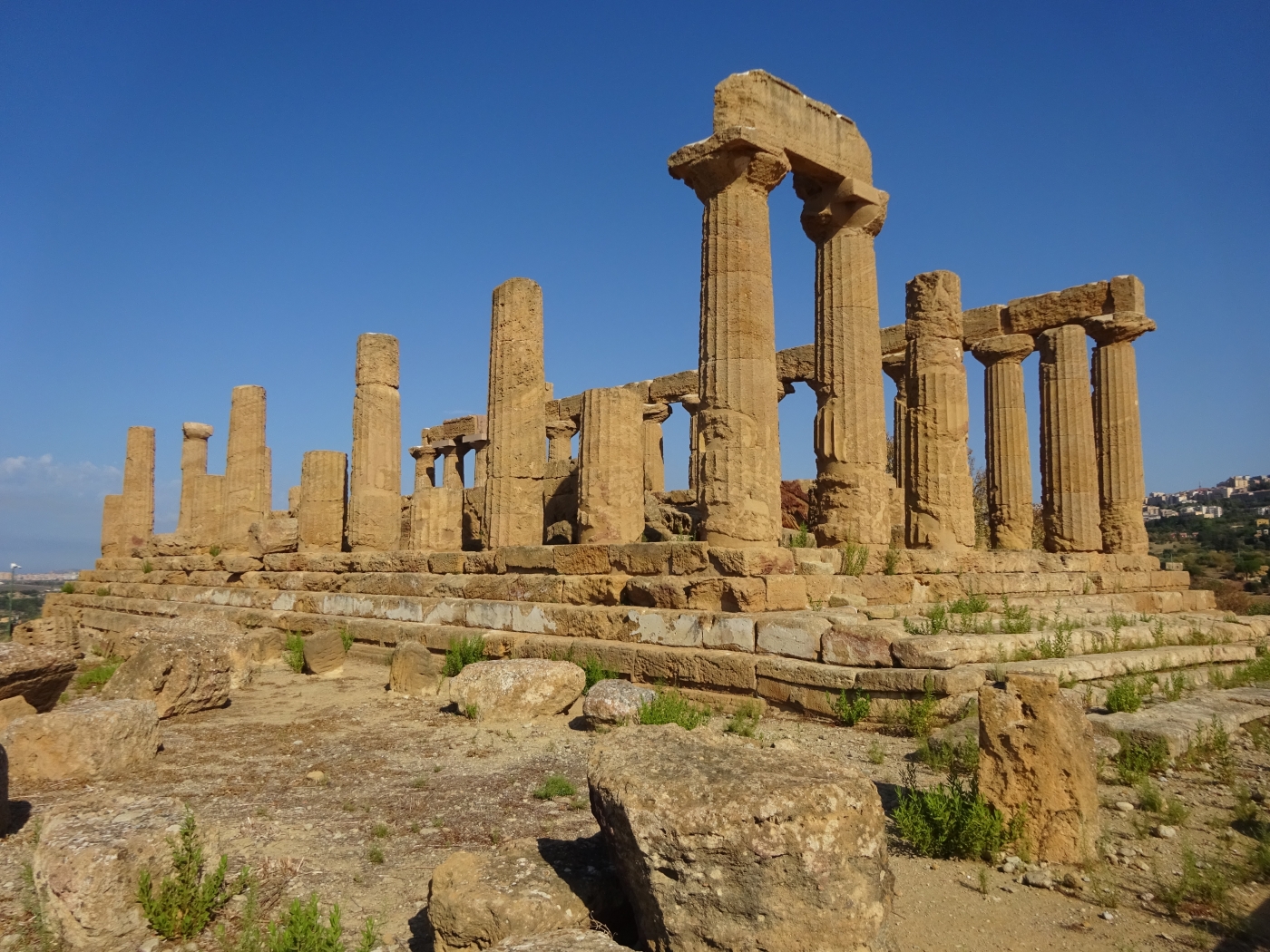
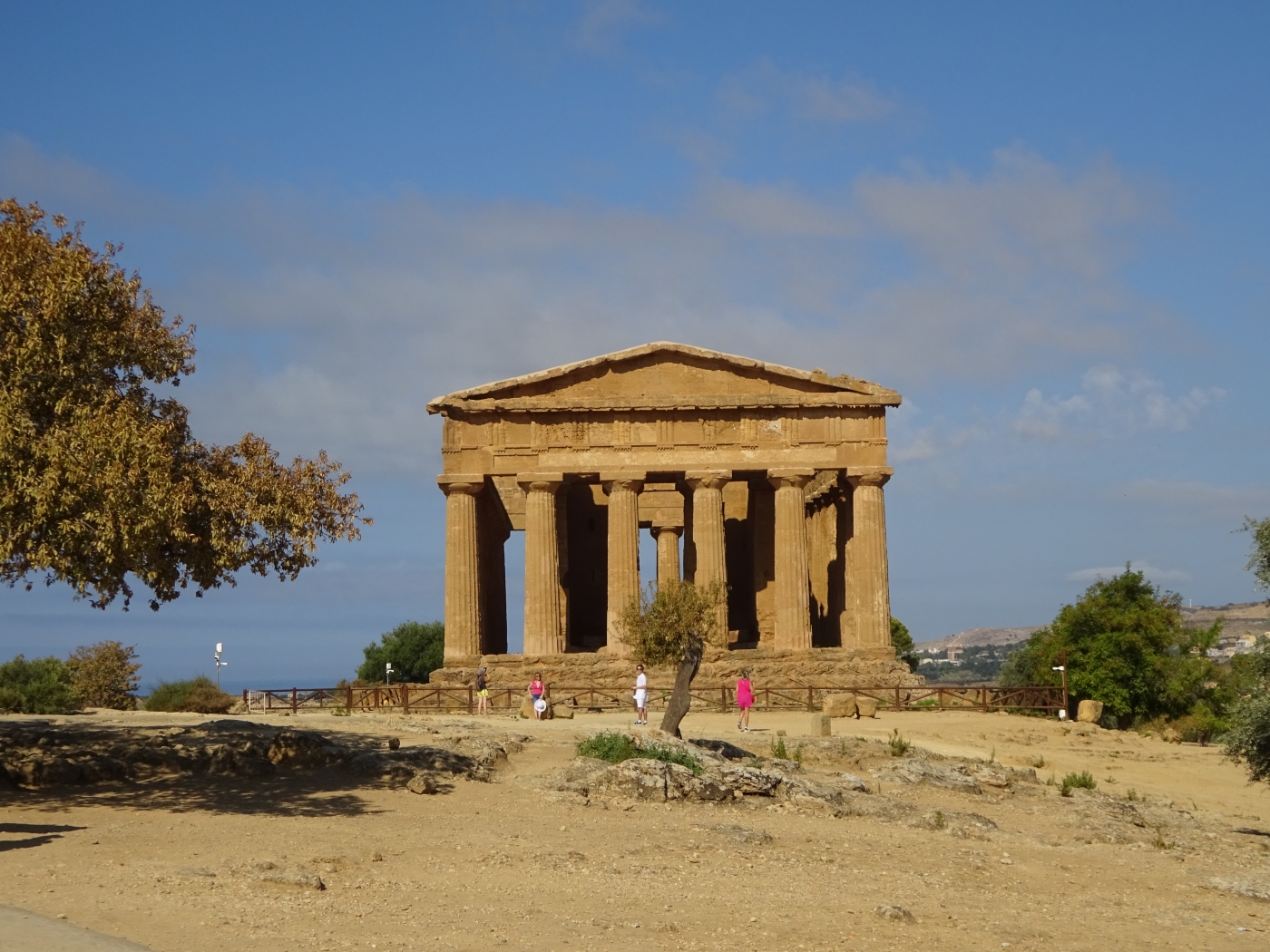
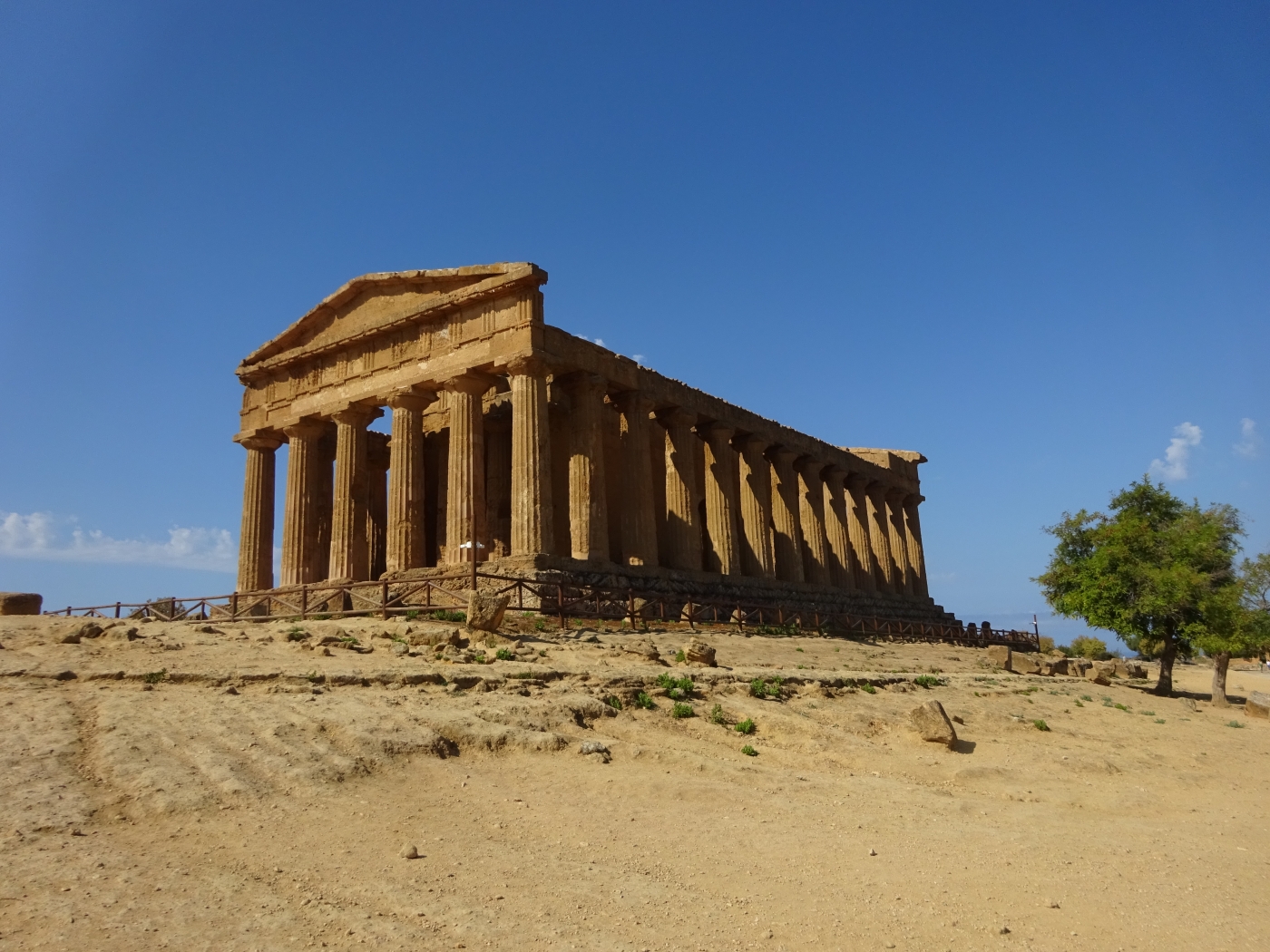
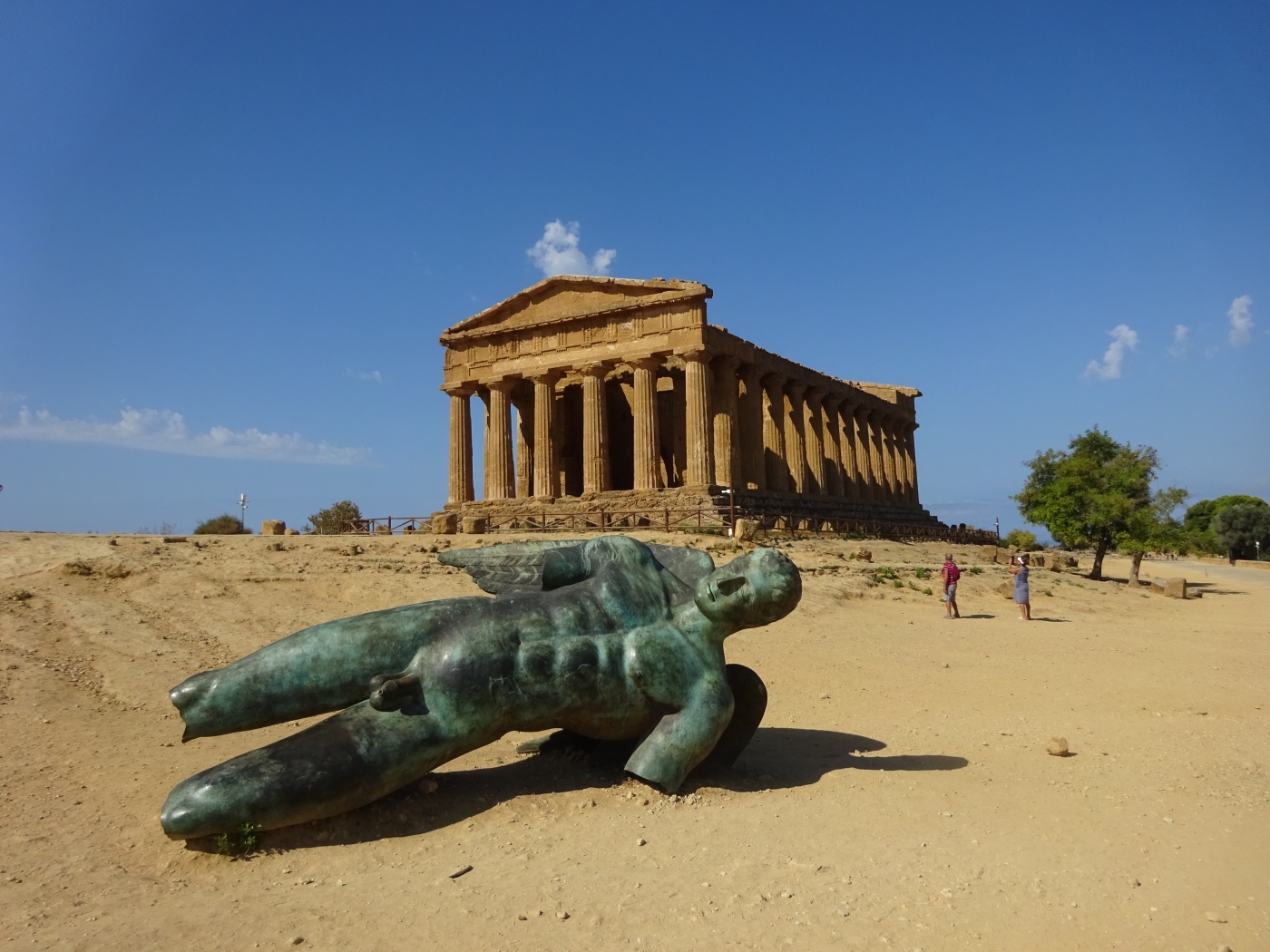
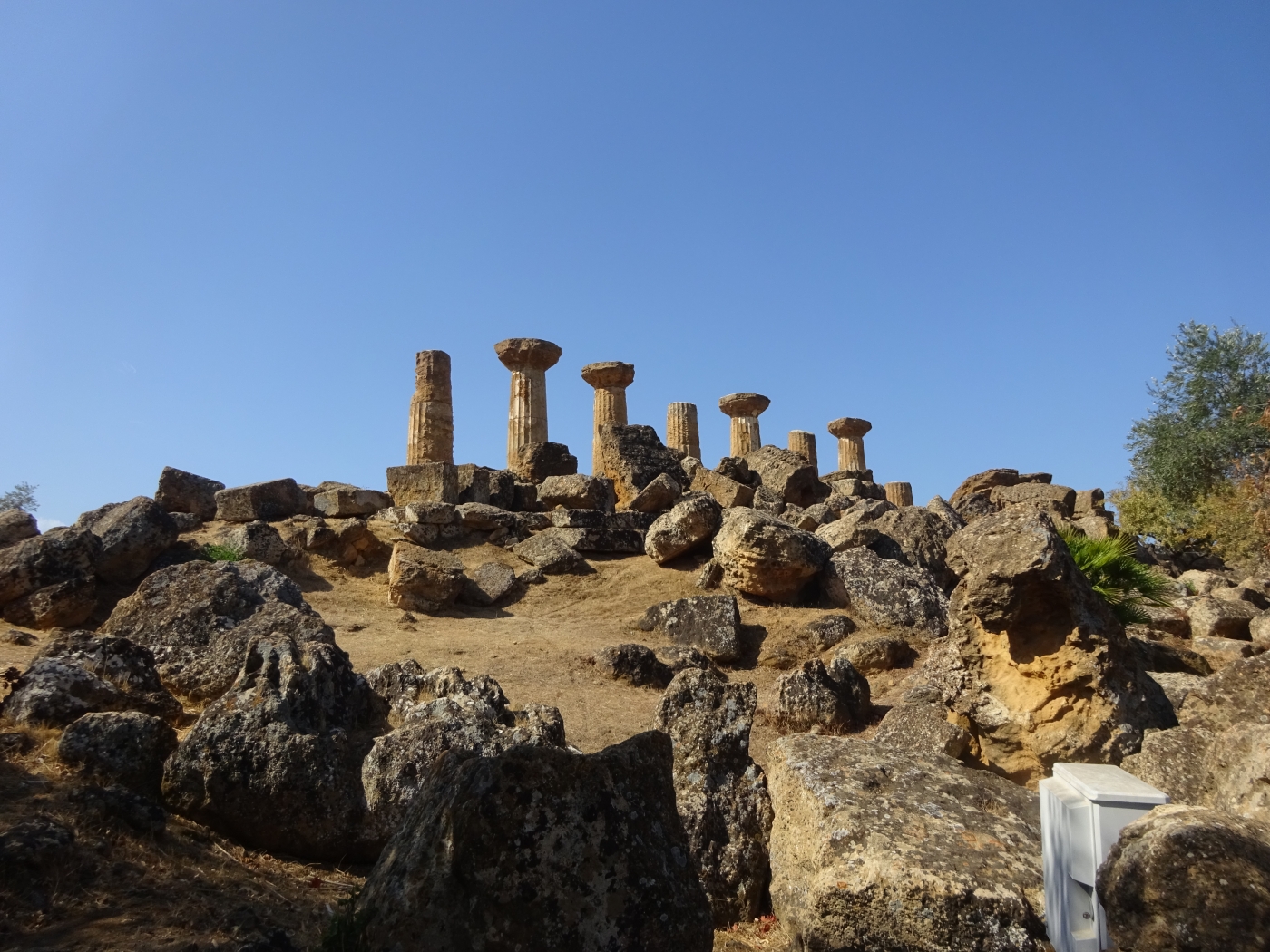
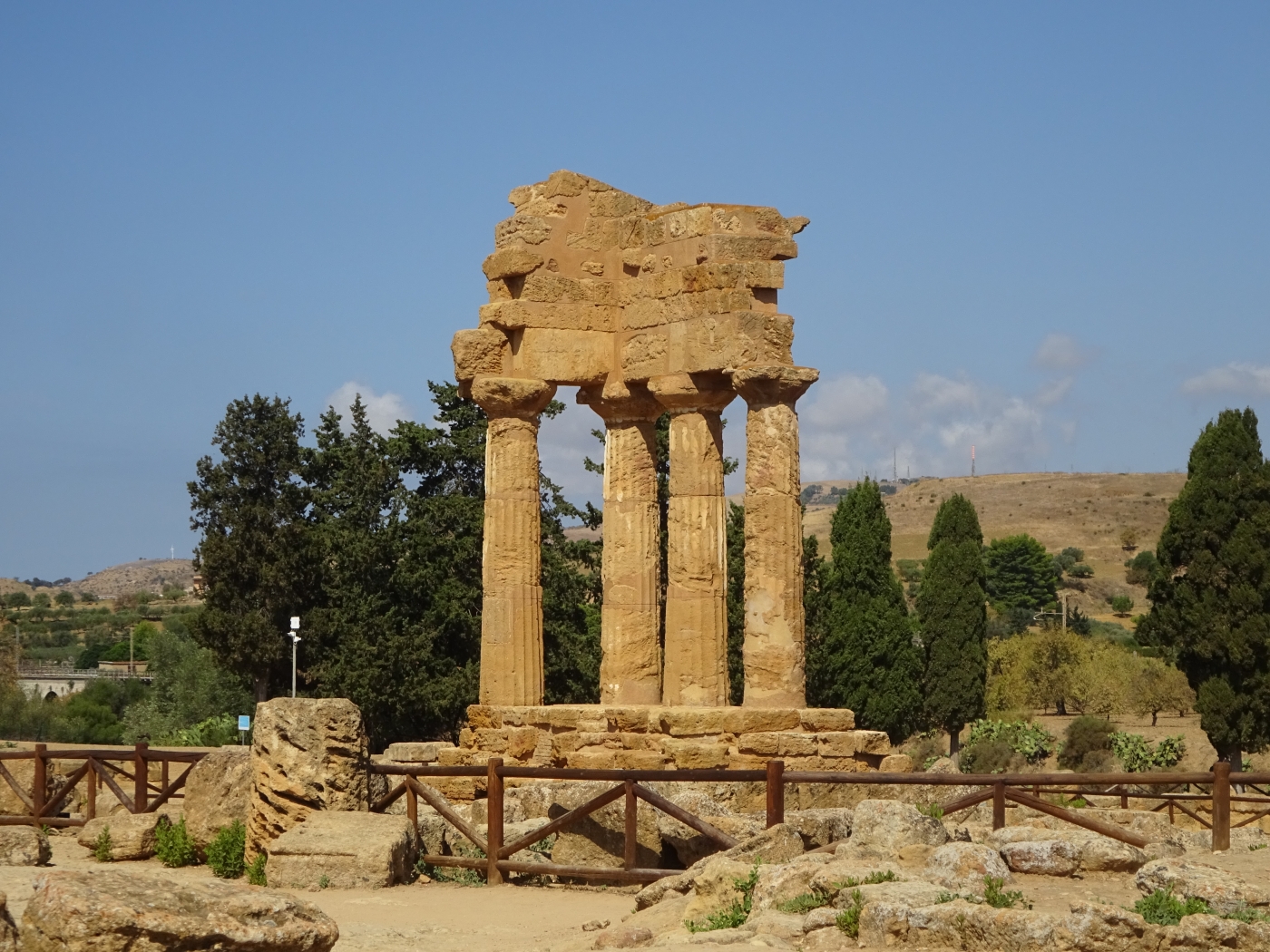
The site's most striking features are its remarkably well-preserved Doric temples. Among them, the Temple of Concordia stands as one of the best-preserved Greek temples globally, almost rivalling those in mainland Greece. Its exceptional state is largely due to its conversion into a Christian basilica in the 6th century AD. Nearby, the majestic ruins of the Temple of Hera Lacinia (Juno) offer spectacular views over the Mediterranean. The site also boasts the remains of the Temple of Heracles, the oldest temple, with eight columns re-erected. The colossal Temple of Zeus Olympios, though largely ruined, was one of the largest Greek temples ever built, unique for its massive telamones – giant human figures serving as supporting columns. The iconic four columns of the Temple of Castor and Pollux, a symbol of Agrigento, complete this extraordinary ensemble.
The archaeological area of Agrigento provides invaluable insights into ancient Greek urbanism and architecture, and tells a story of cultural exchange and the enduring legacy of classical antiquity. Its transformation into Agrigentum under Roman rule, and subsequent changes through centuries, further underscore its historical depth. Today, visitors can wander among these silent giants, feeling the echoes of a civilization that profoundly shaped Western thought and art.
Weiterführende Links
Founded as a Greek colony in the 6th century B.C., Agrigento became one of the leading cities in the Mediterranean world. Its supremacy and pride are demonstrated by the remains of the magnificent Doric temples that dominate the ancient town, much of which still lies intact under today's fields and orchards. Selected excavated areas throw light on the later Hellenistic and Roman town and the burial practices of its early Christian inhabitants.
The Valle dei Templi (Italian: [ˈvalle dei ˈtɛmpli]; Sicilian: Vaddi di li Tempri), or Valley of the Temples, is an archaeological site in Agrigento (ancient Greek: Ακράγας, Akragas), Sicily. It is one of the most outstanding examples of ancient Greek art and architecture of Magna Graecia, and is one of the main attractions of Sicily. The term "valley" is a misnomer, the site being located on a ridge outside the town of Agrigento.
Since 1997, the entire area has been included in the UNESCO World Heritage List. The archaeological and landscape park of the Valle dei Templi, with its 1300 hectares, is the largest archaeological park in Europe and the Mediterranean basin.