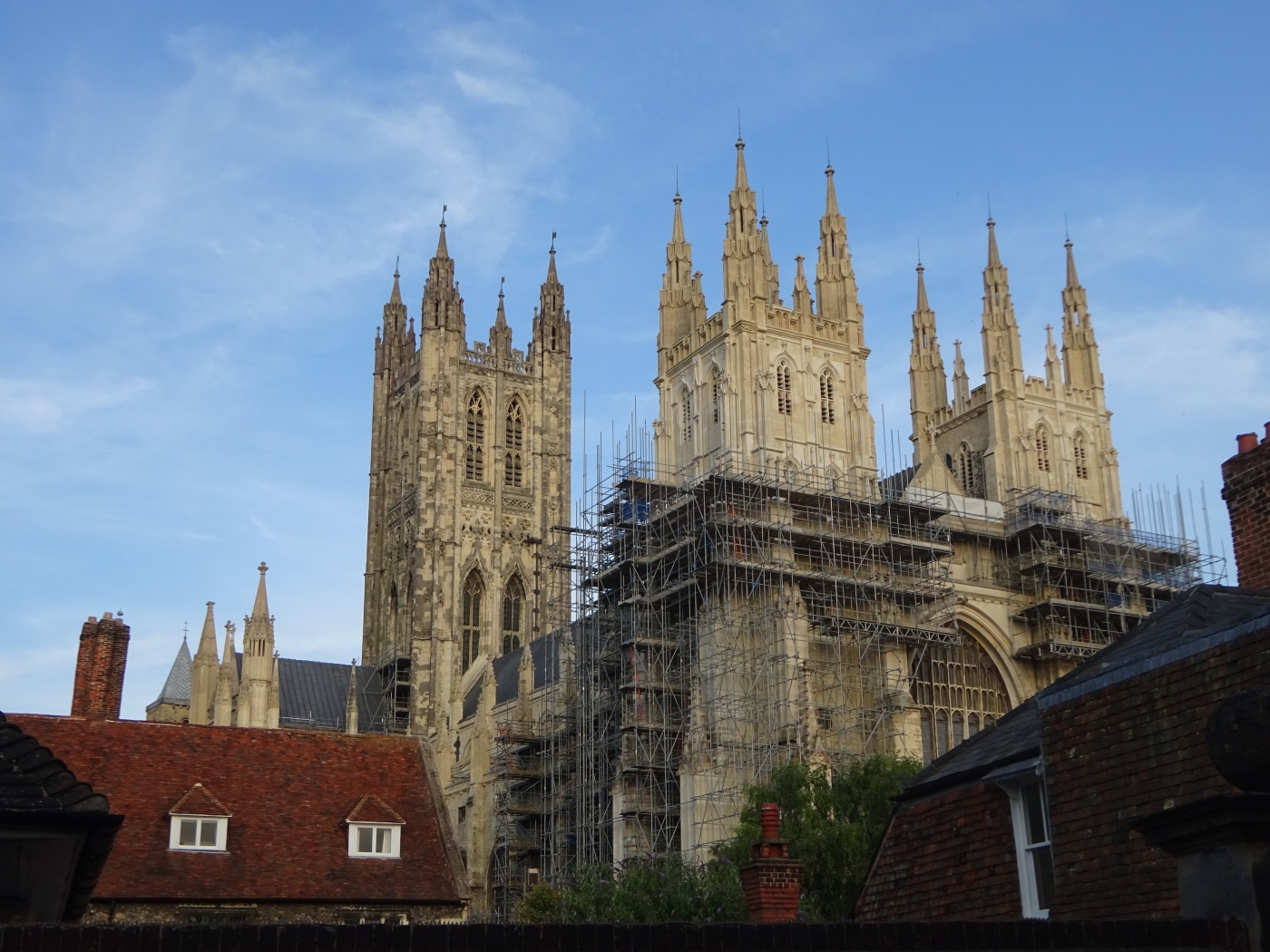
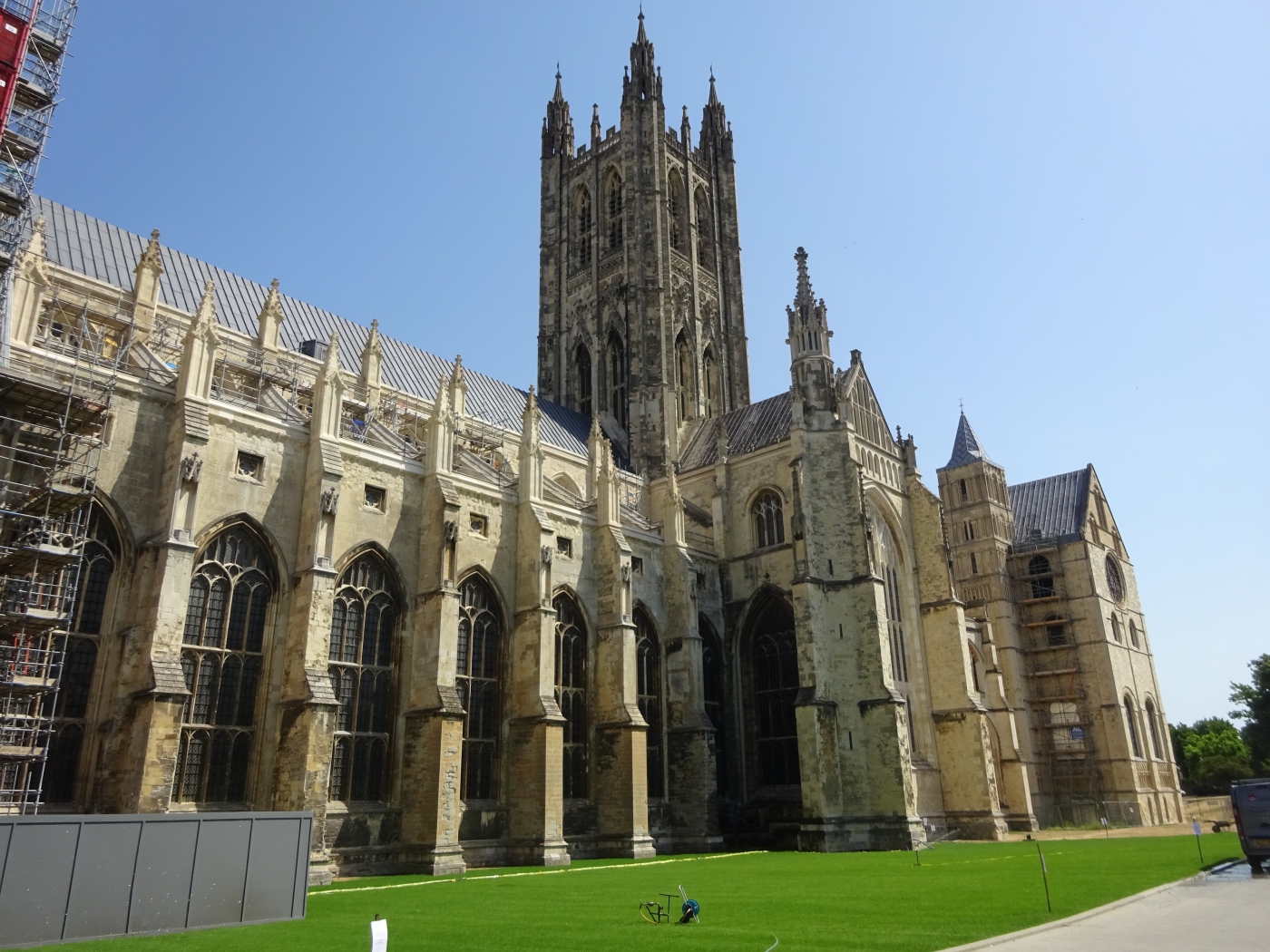
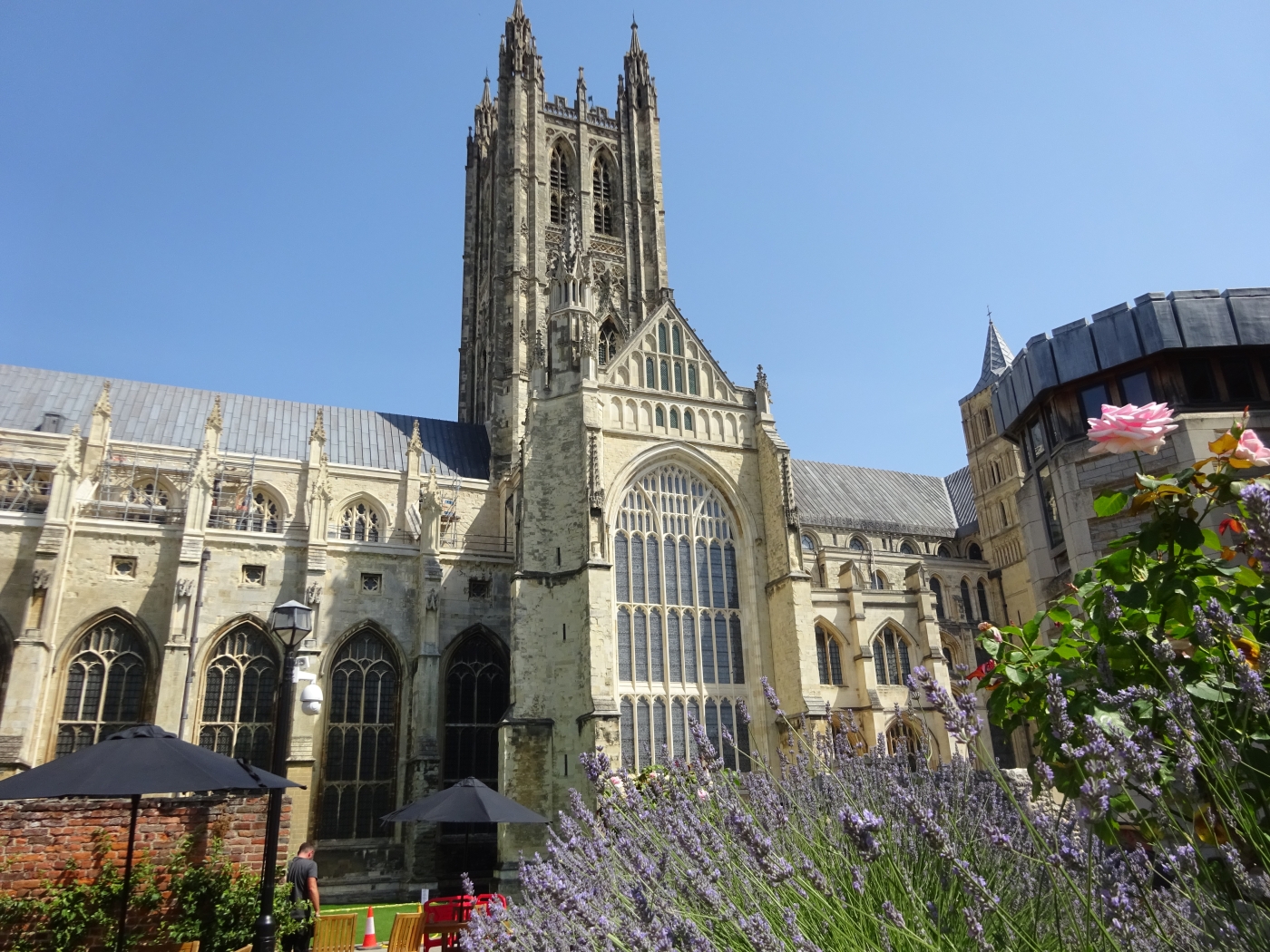
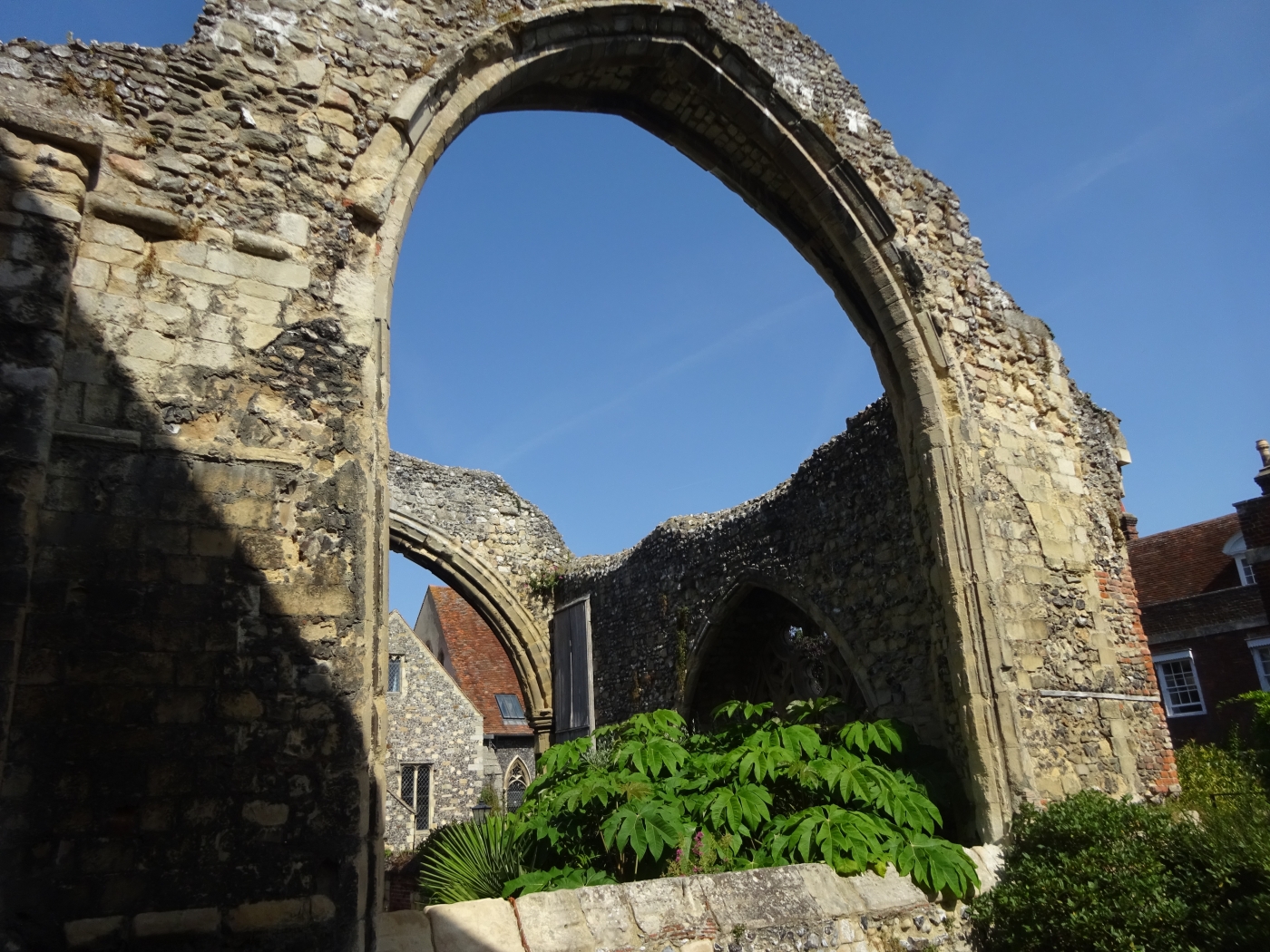
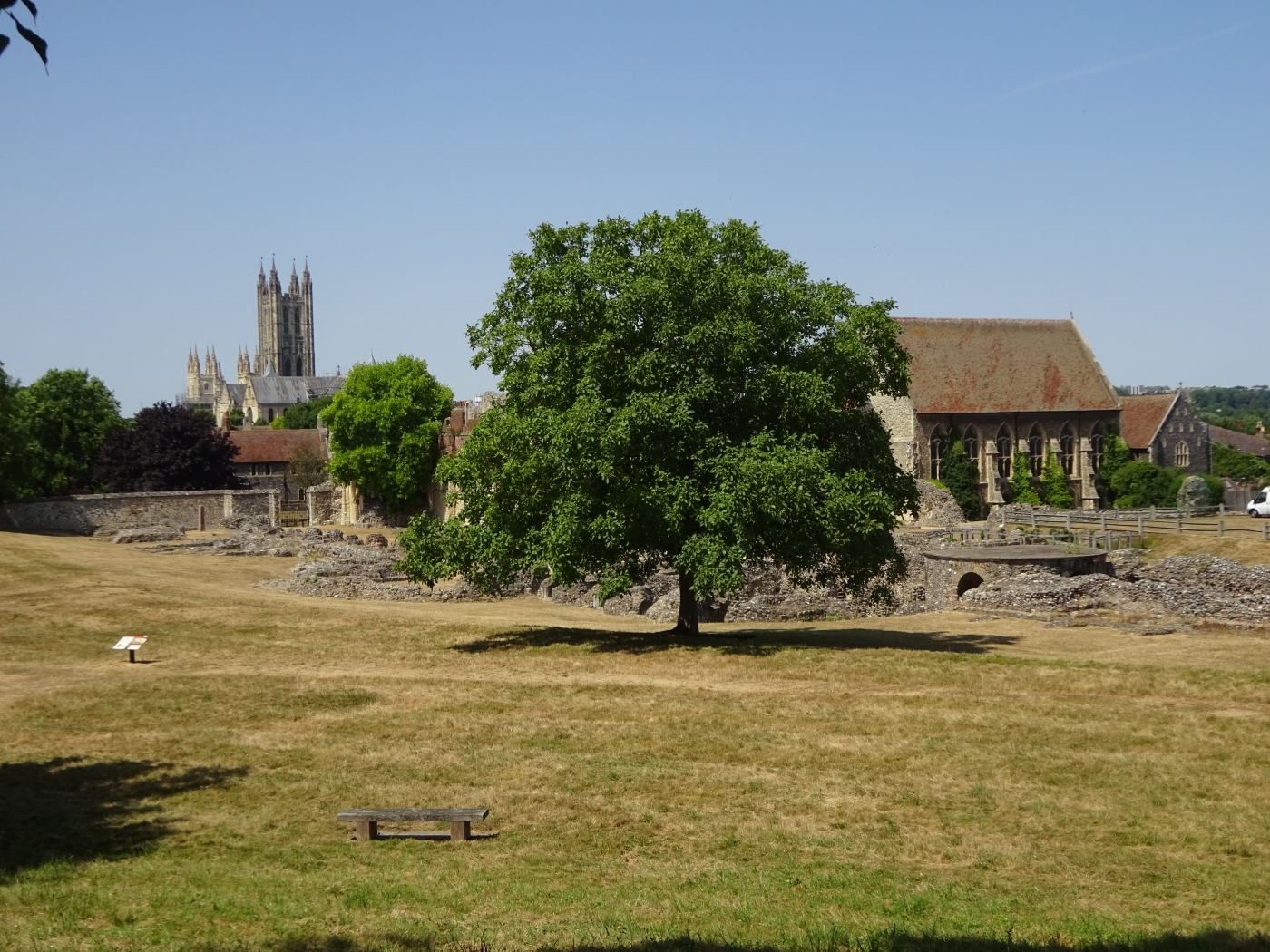
Canterbury Cathedral, St Augustine's Abbey, and St Martin's Church
Canterbury, England, England
18.07.2022

The historic city of Canterbury, England, holds a unique place, serving as the cradle of English ecclesiastical history. Its UNESCO World Heritage designation encompasses three remarkable structures: Canterbury Cathedral, St. Augustine's Abbey, and St. Martin's Church, each bearing witness to profound historical and spiritual developments.
Canterbury Cathedral
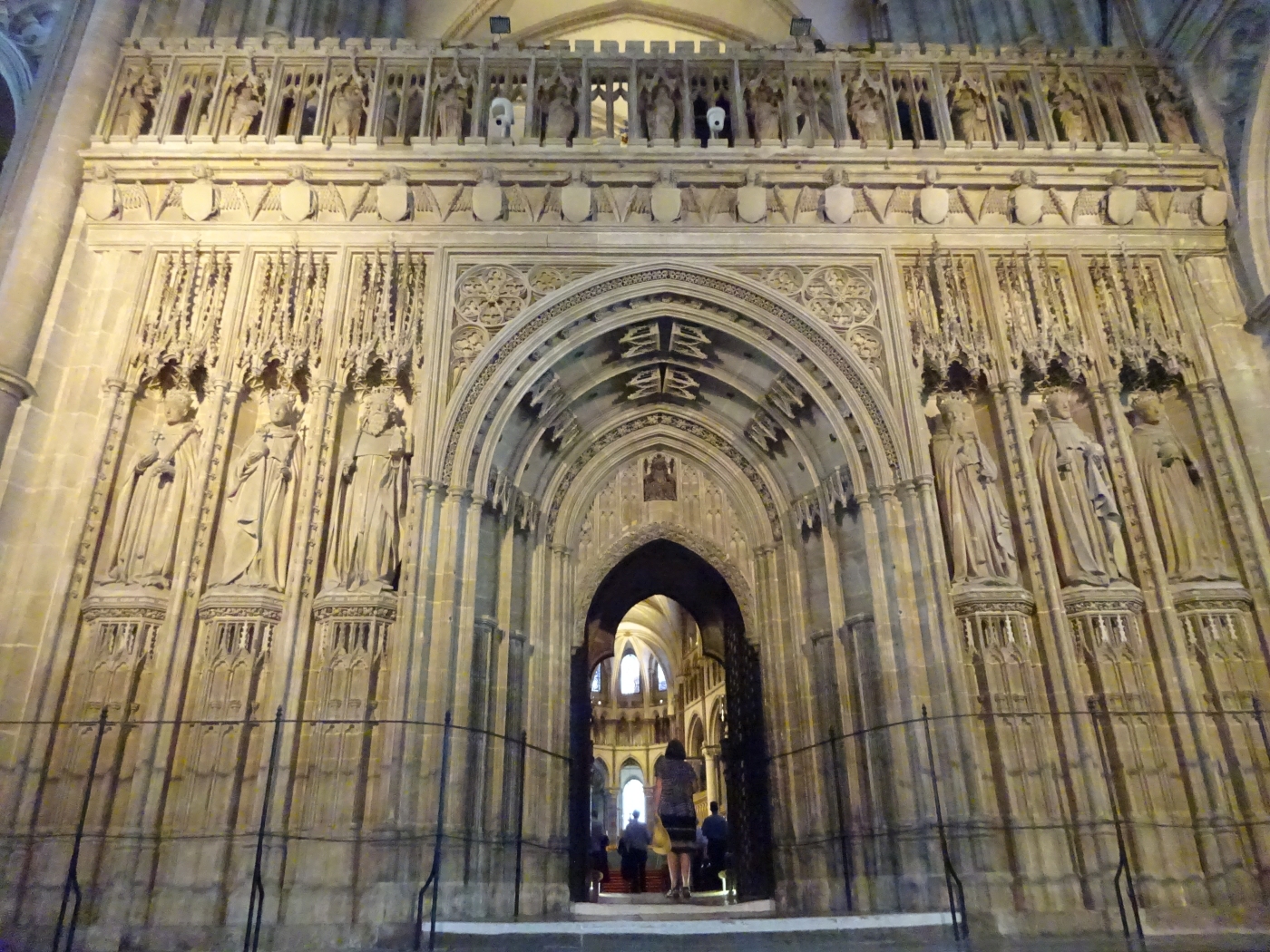
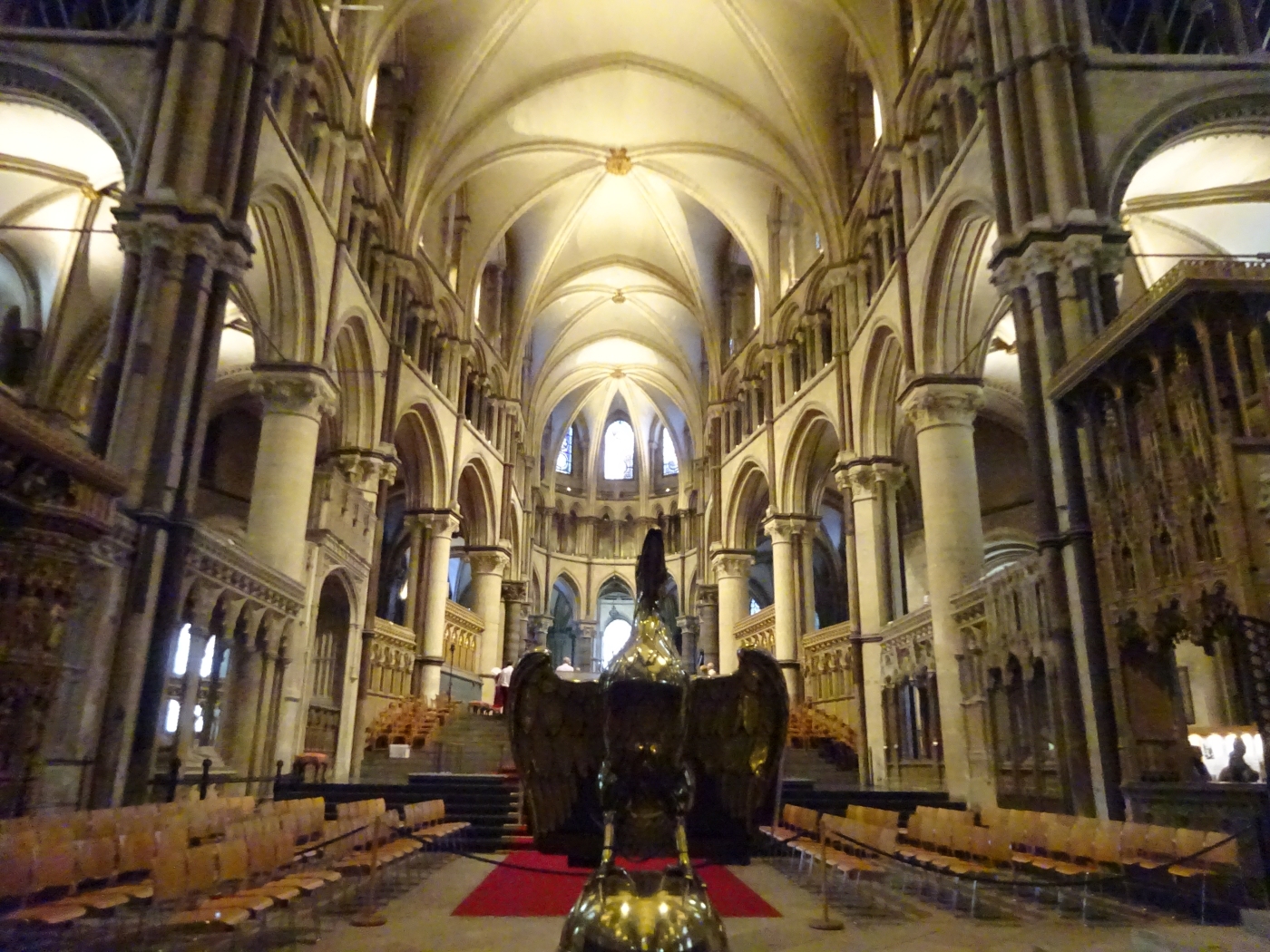
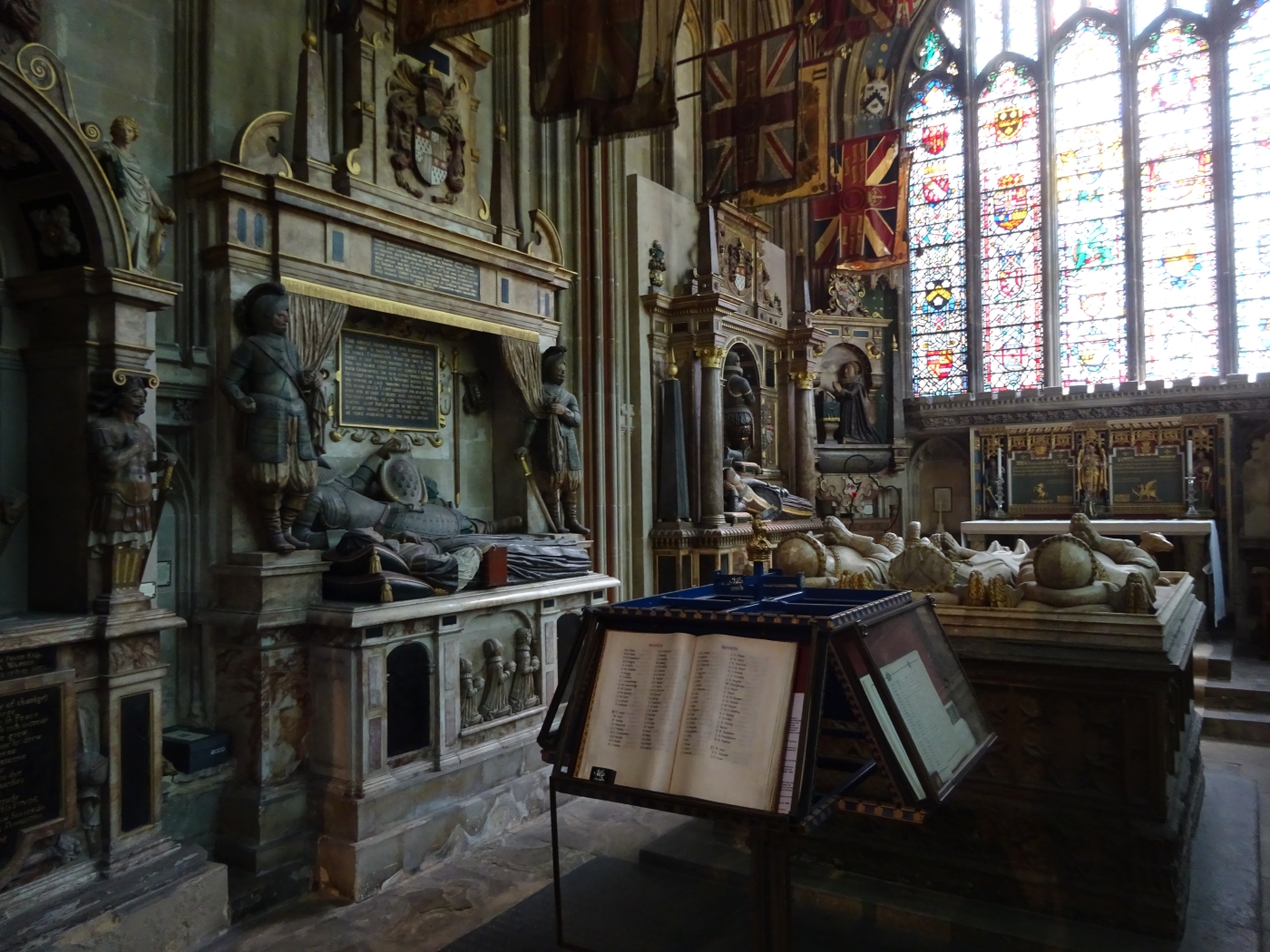
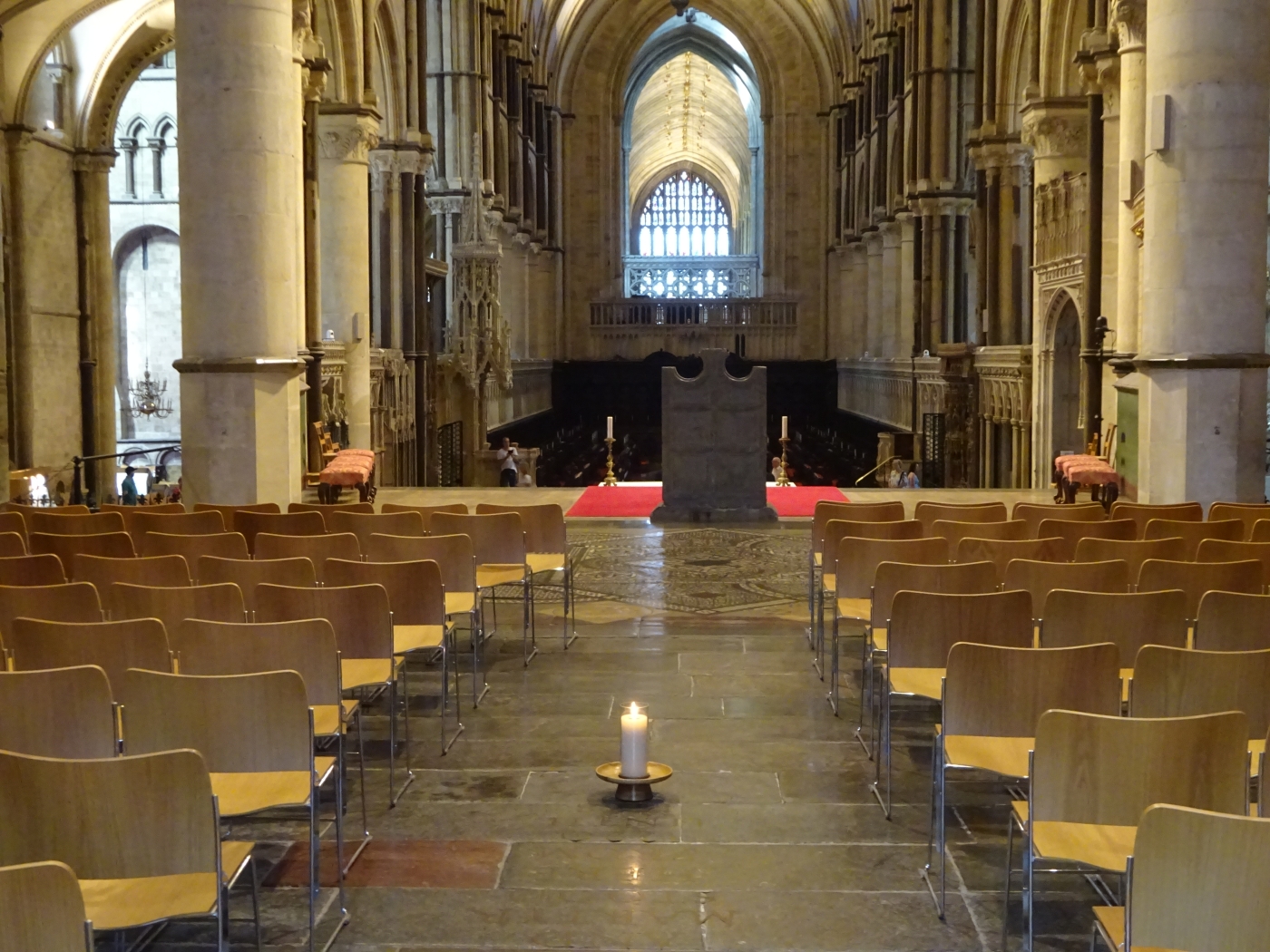
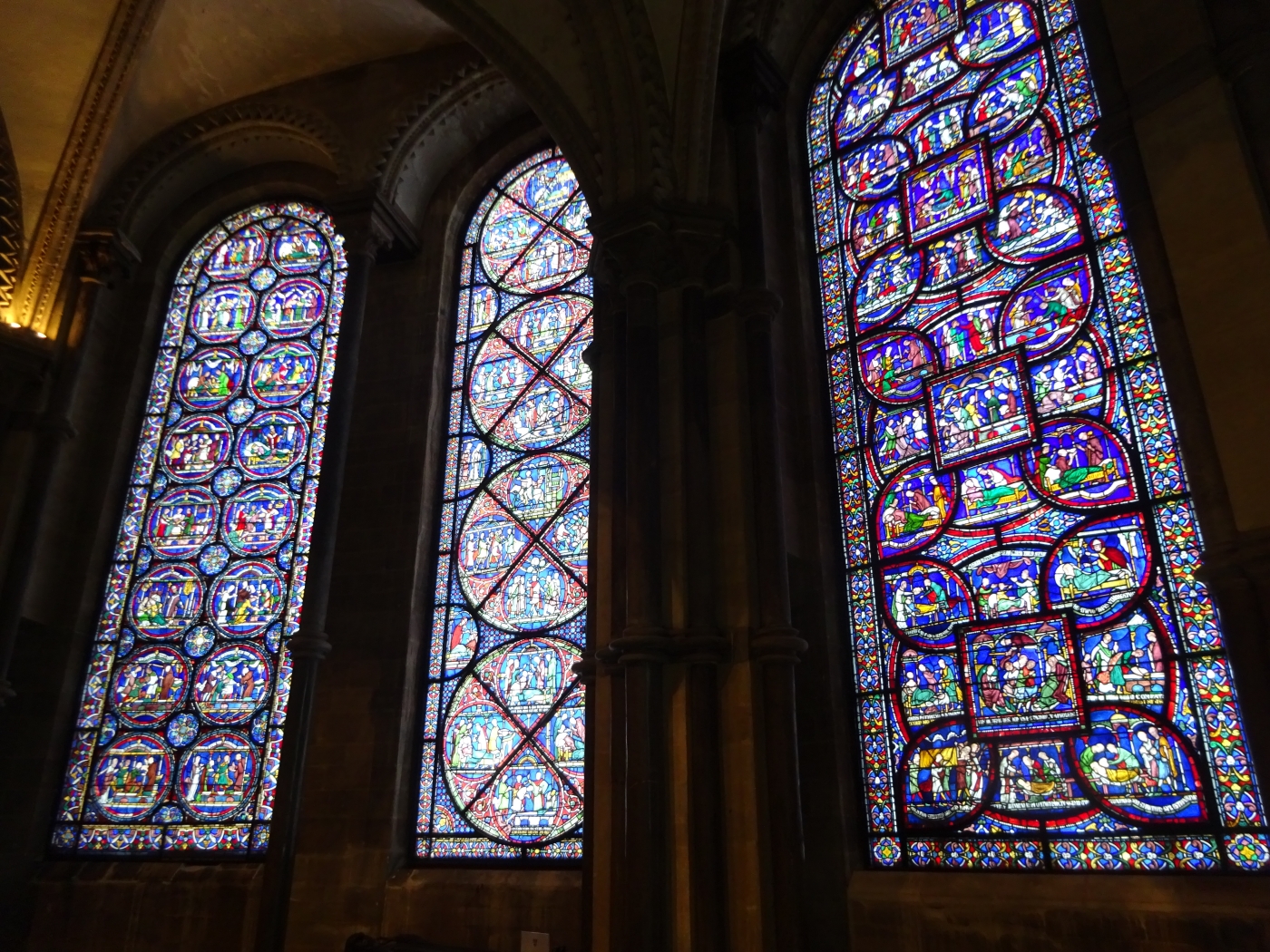
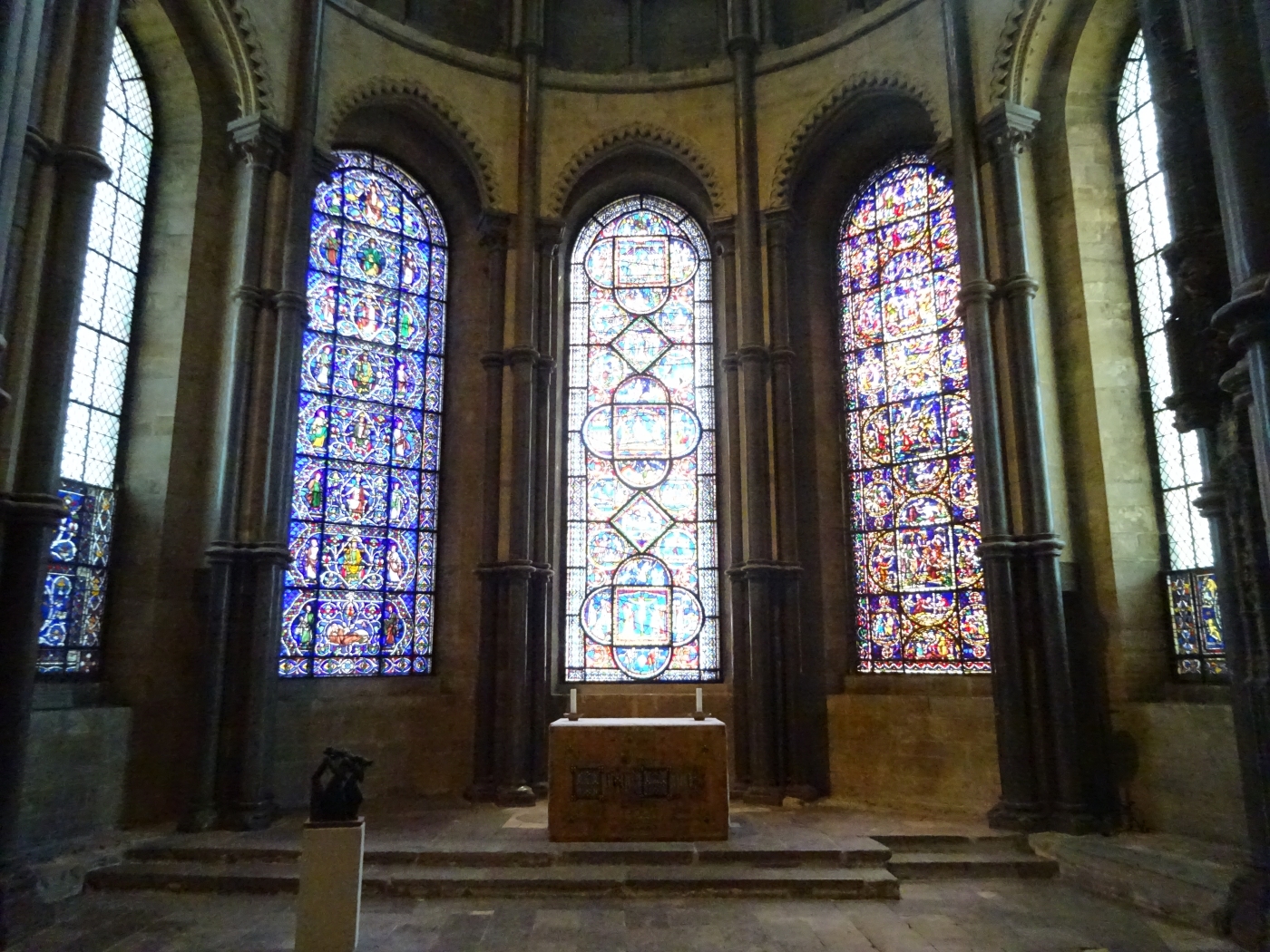
At the heart of the Anglican Communion, Canterbury Cathedral stands as a magnificent testament to centuries of architectural evolution and religious significance. Its origins trace to St. Augustine of Canterbury, who arrived in 597 AD, sent by Pope Gregory I to re-establish Christianity in Anglo-Saxon England. The current Gothic masterpiece succeeded earlier structures, becoming a pilgrimage site after the brutal murder of Archbishop Thomas Becket within its walls in 1170. This event solidified its place, influencing subsequent rebuilding, notably the Choir and Trinity Chapel.
St. Augustine's Abbey
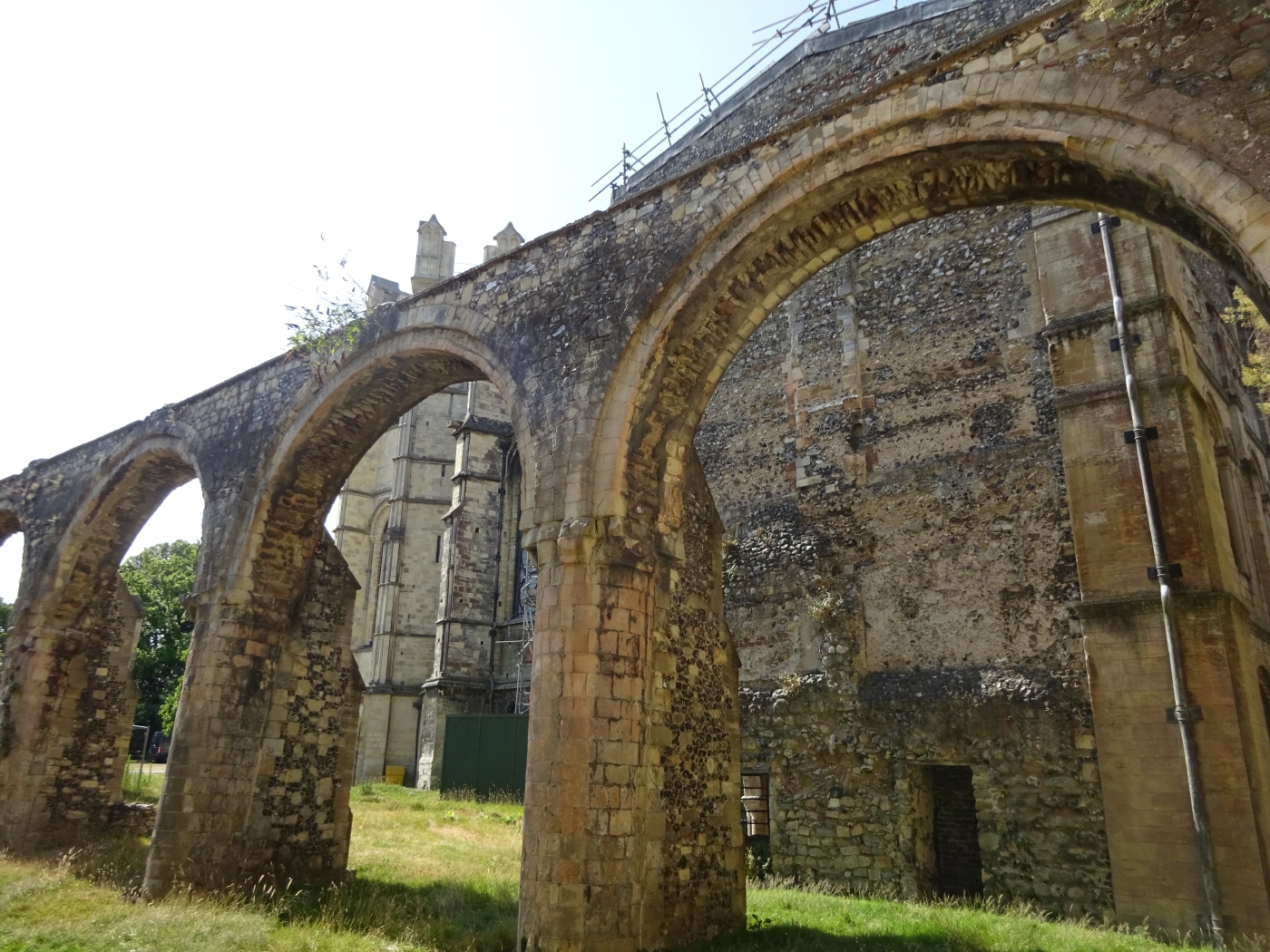
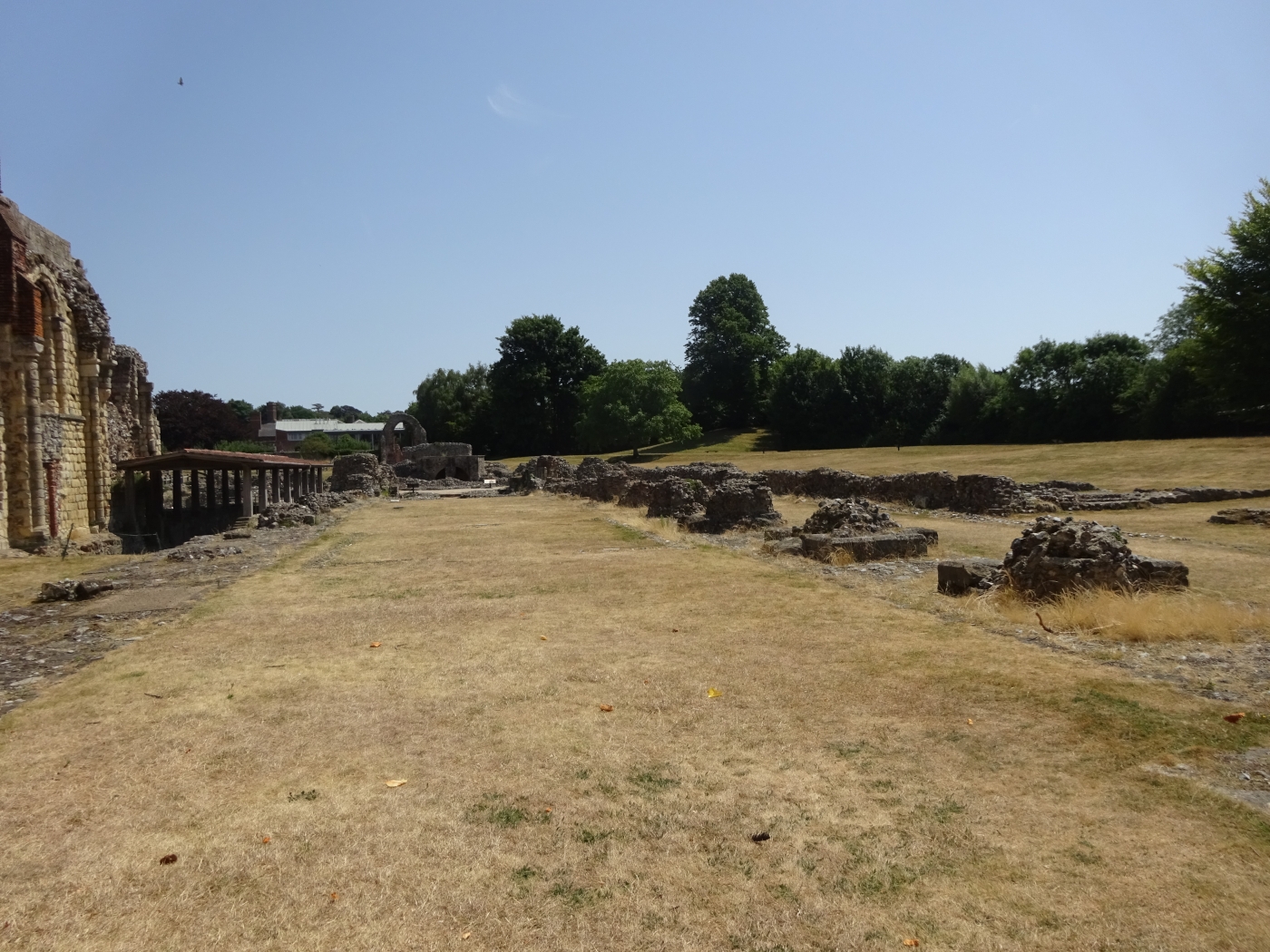
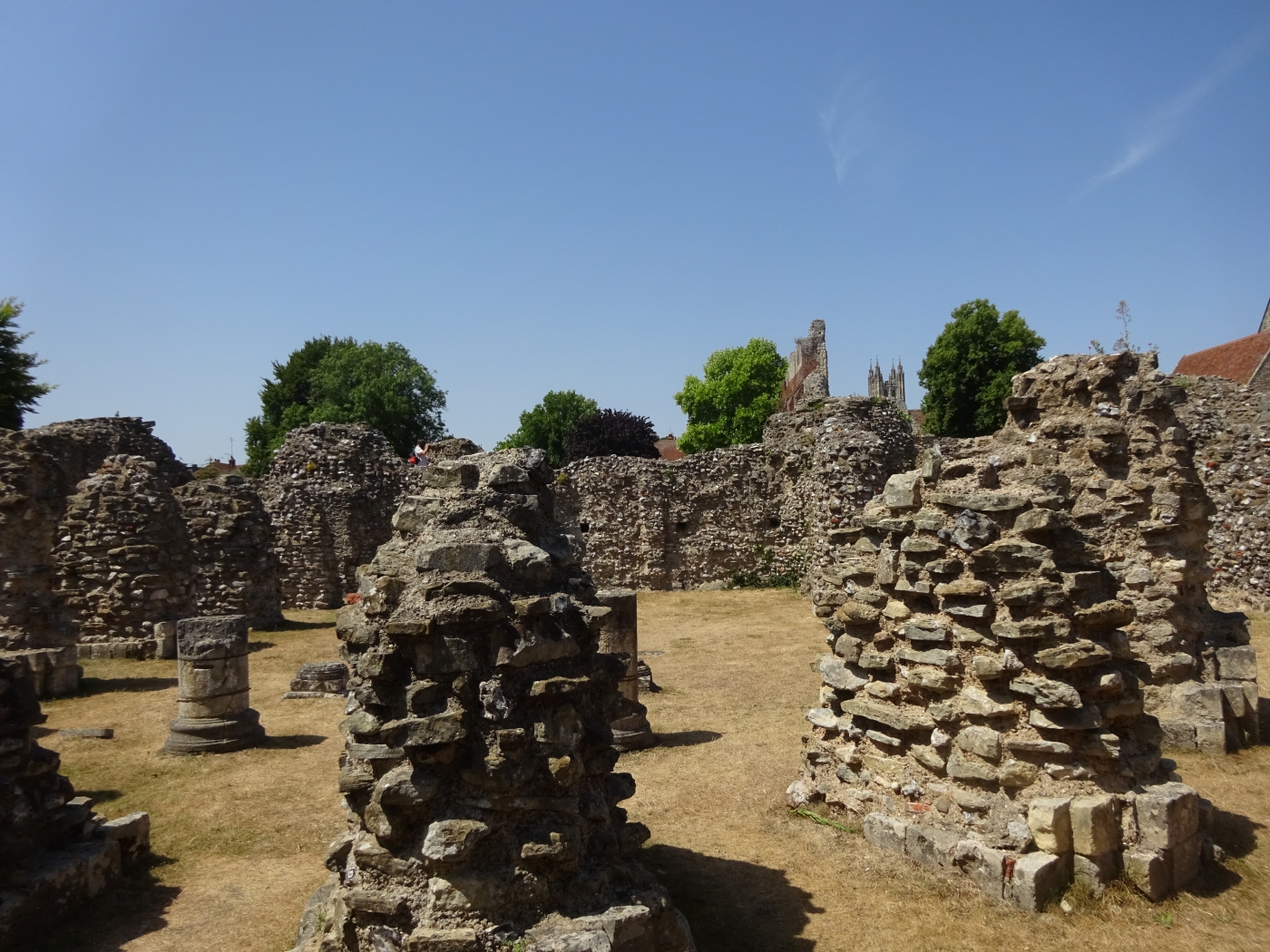
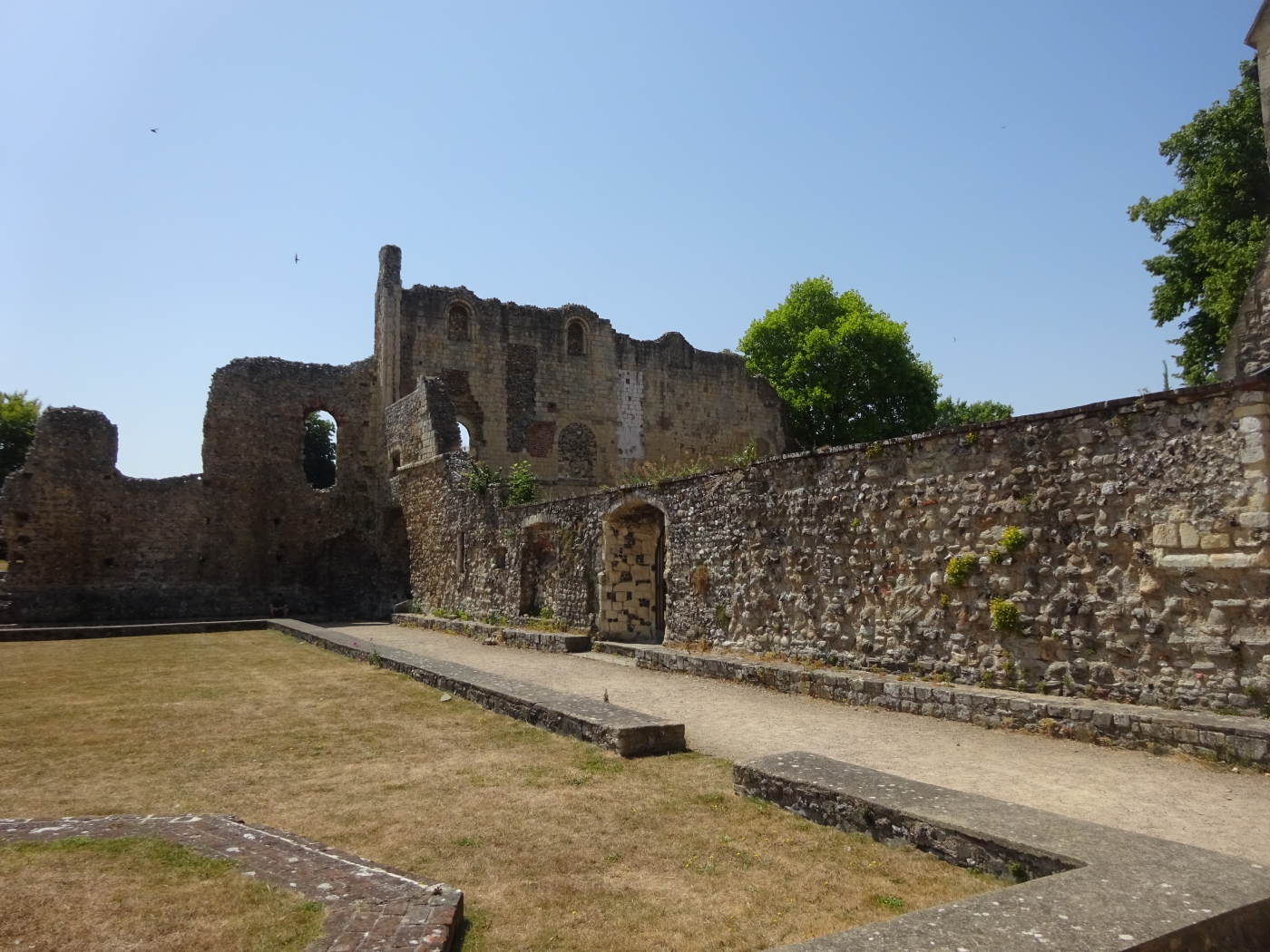
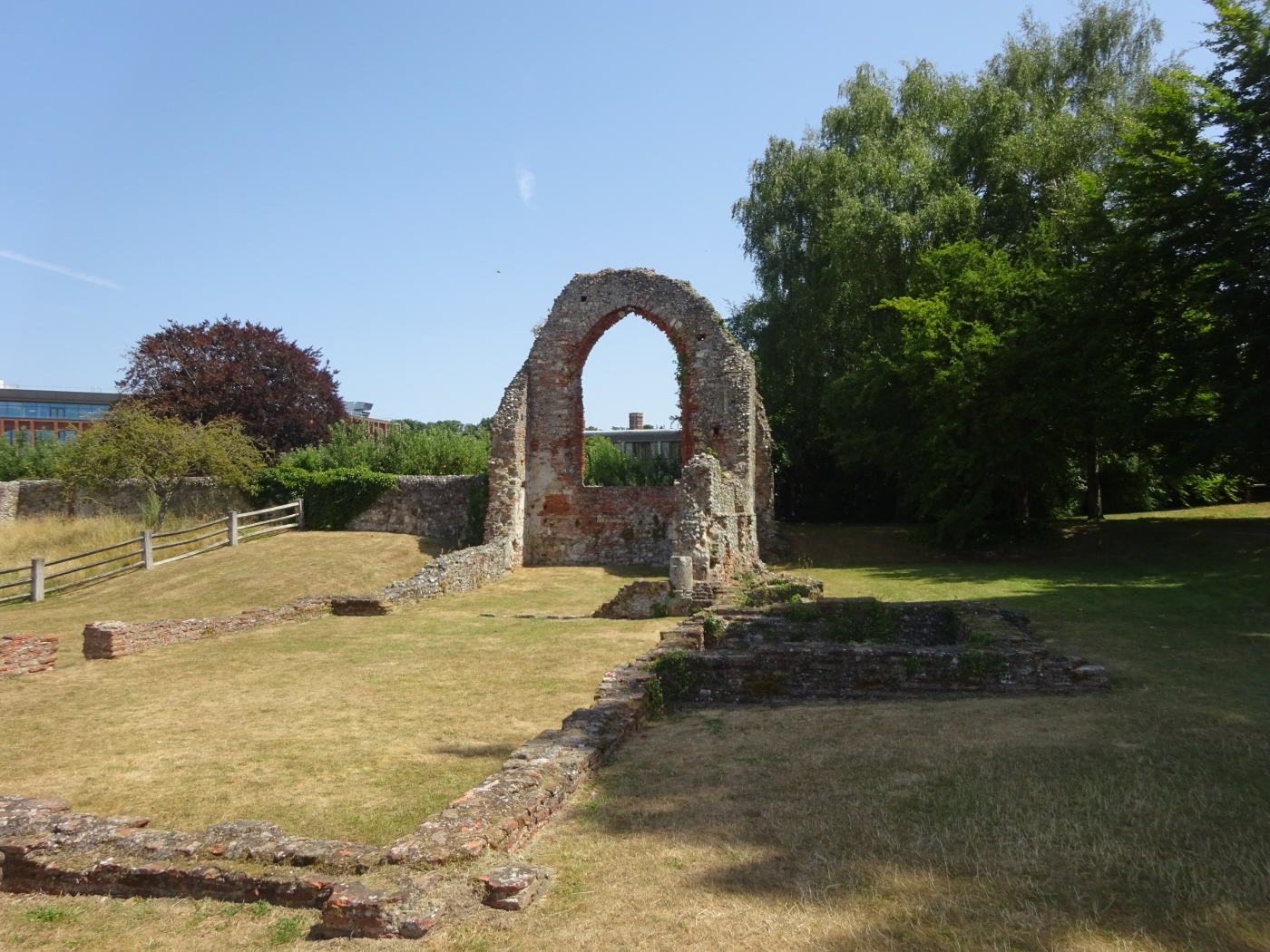
Just outside the city walls lie the atmospheric ruins of St. Augustine's Abbey. Founded by St. Augustine himself, it was intended as a burial place for the Archbishops of Canterbury and the Kings of Kent. For centuries, it served as a pre-eminent Benedictine monastery, a centre of learning. Its dissolution in 1538 during the reign of King Henry VIII ended its monastic life, leaving a poignant reminder of its foundational role in English Christianity.
St. Martin's Church
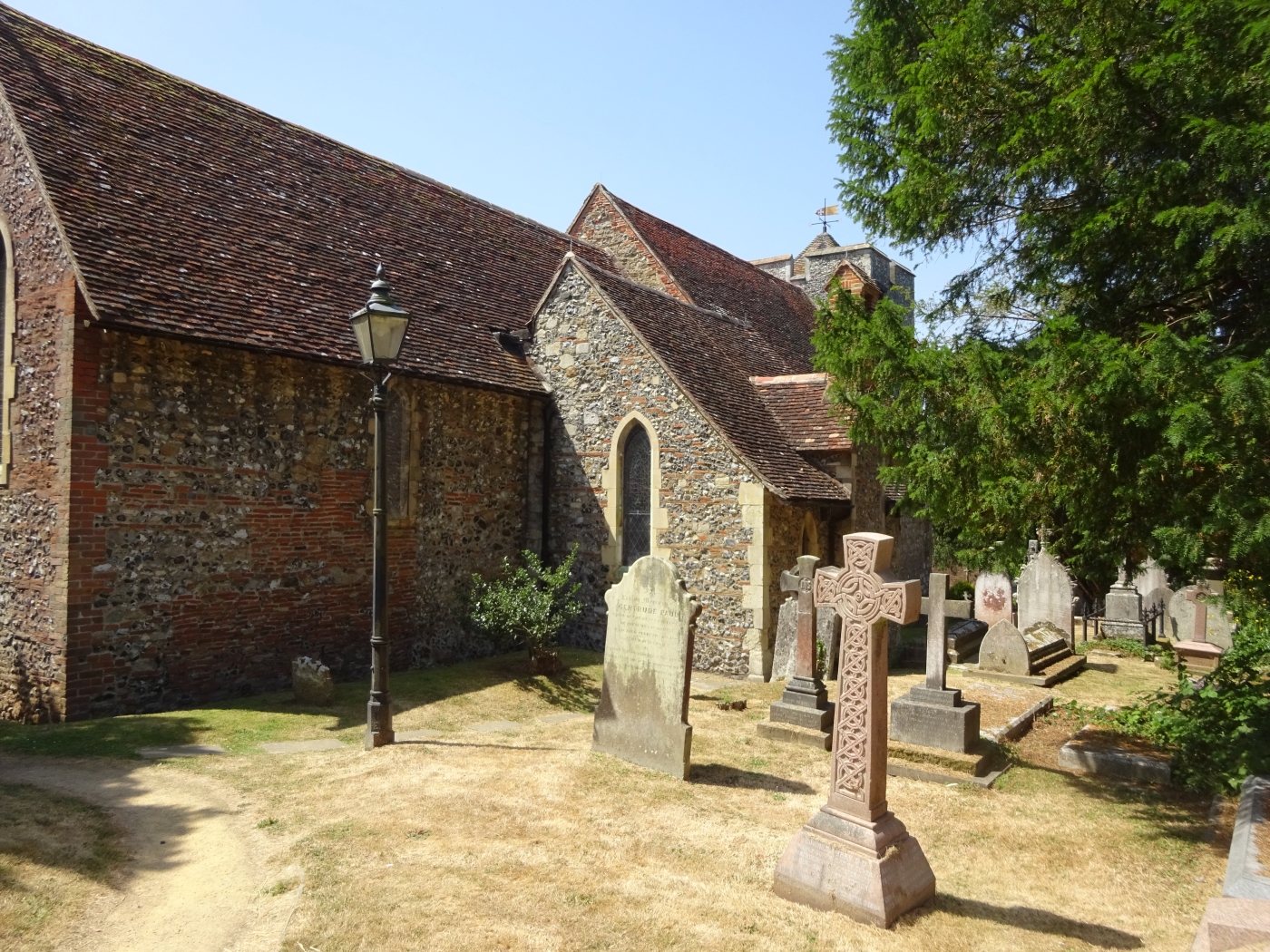
Adjacent to the abbey, the unassuming St. Martin's Church holds the distinction of being the oldest parish church in continuous use in the English-speaking world. Its significance predates St. Augustine's mission, having served as a private chapel for Queen Bertha, a Christian Frankish princess, and her pagan husband, King Æthelberht of Kent. This small church provided the initial base for Augustine's mission and is crucial evidence of early Christian re-establishment in Britain.
Together, these three sites form an unparalleled narrative of the genesis and evolution of Christianity in England, profoundly shaping Western European history and culture. Their collective inscription on the UNESCO World Heritage List acknowledges their outstanding universal value and enduring legacy.
Weiterführende Links
Canterbury, in Kent, has been the seat of the spiritual head of the Church of England for nearly five centuries. Canterbury's other important monuments are the modest Church of St Martin, the oldest church in England; the ruins of the Abbey of St Augustine, a reminder of the saint's evangelizing role in the Heptarchy from 597; and Christ Church Cathedral, a breathtaking mixture of Romanesque and Perpendicular Gothic, where Archbishop Thomas Becket was murdered in 1170.
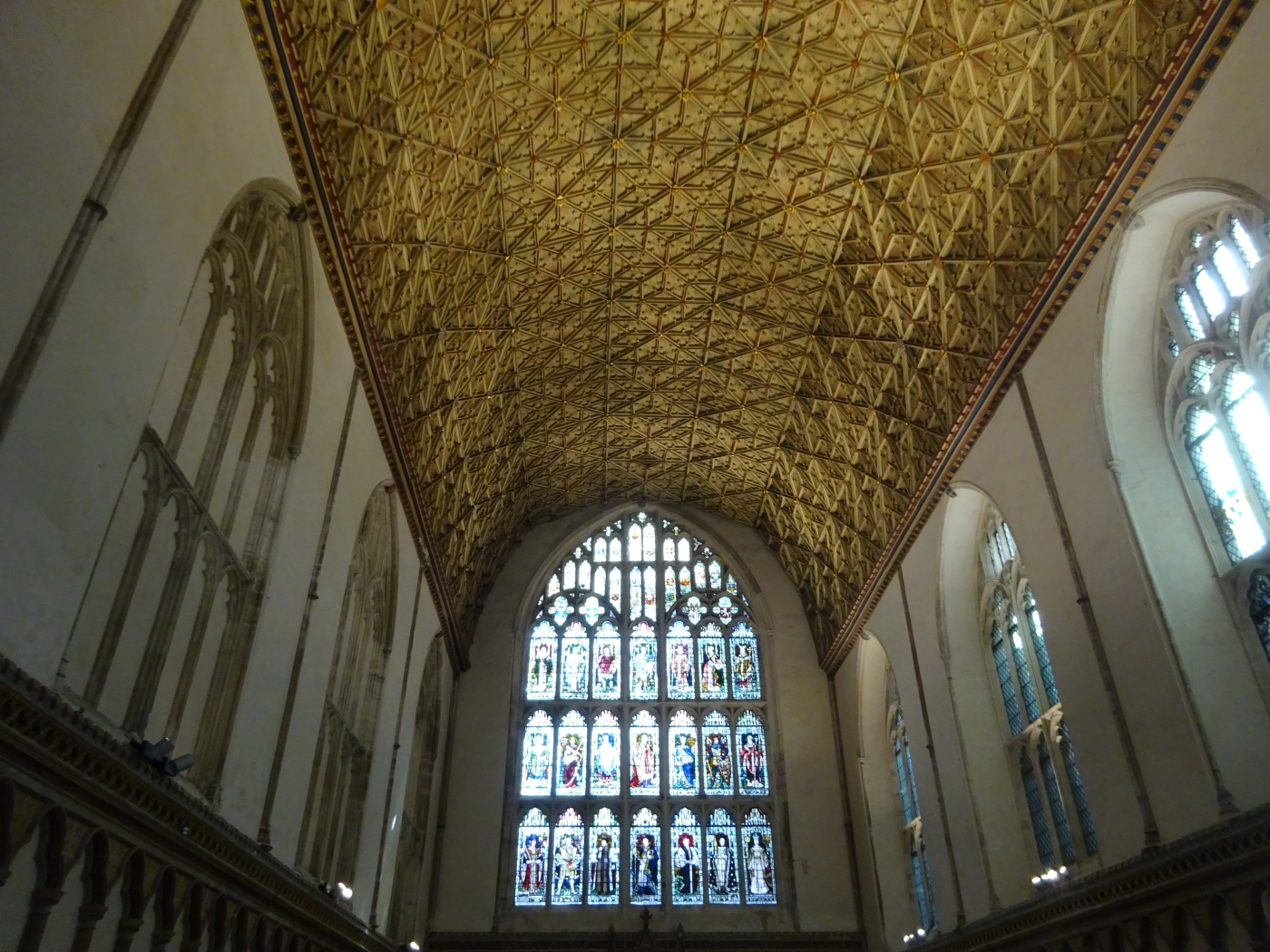
Canterbury Cathedral is the cathedral of the archbishop of Canterbury, the spiritual leader of the Church of England and symbolic leader of the worldwide Anglican Communion. Located in Canterbury, Kent, it is one of the oldest Christian structures in England and forms part of a World Heritage Site. Its formal title is the Cathedral and Metropolitical Church of Christ, Canterbury.
The cathedral was founded in 597 but was completely rebuilt between 1070 and 1077. The east end was greatly enlarged at the beginning of the 12th century, and largely rebuilt in the Gothic style following a fire in 1174, with significant eastward extensions to accommodate the flow of pilgrims visiting the shrine of Thomas Becket, the archbishop who was murdered in the cathedral in 1170. The Norman nave and transepts survived until the late 14th century, when they were demolished to make way for the present structures.
Before the English Reformation, the cathedral was part of a Benedictine monastic community known as the Priory of Christ Church, Canterbury, as well as being the seat of the archbishop.