Historic Centre of Český Krumlov
Český Krumlov, Südböhmen, Czechia
16.04.2023

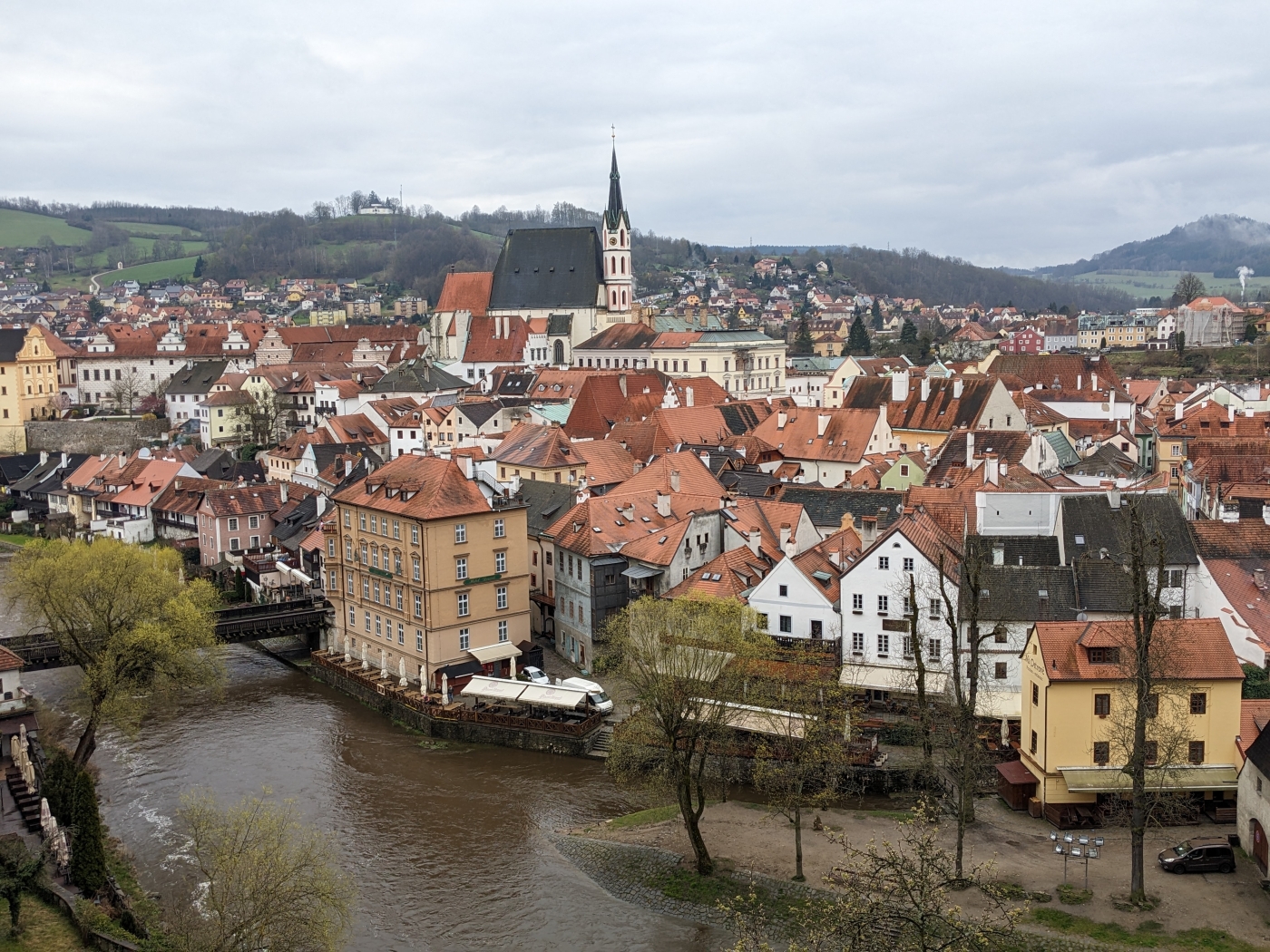
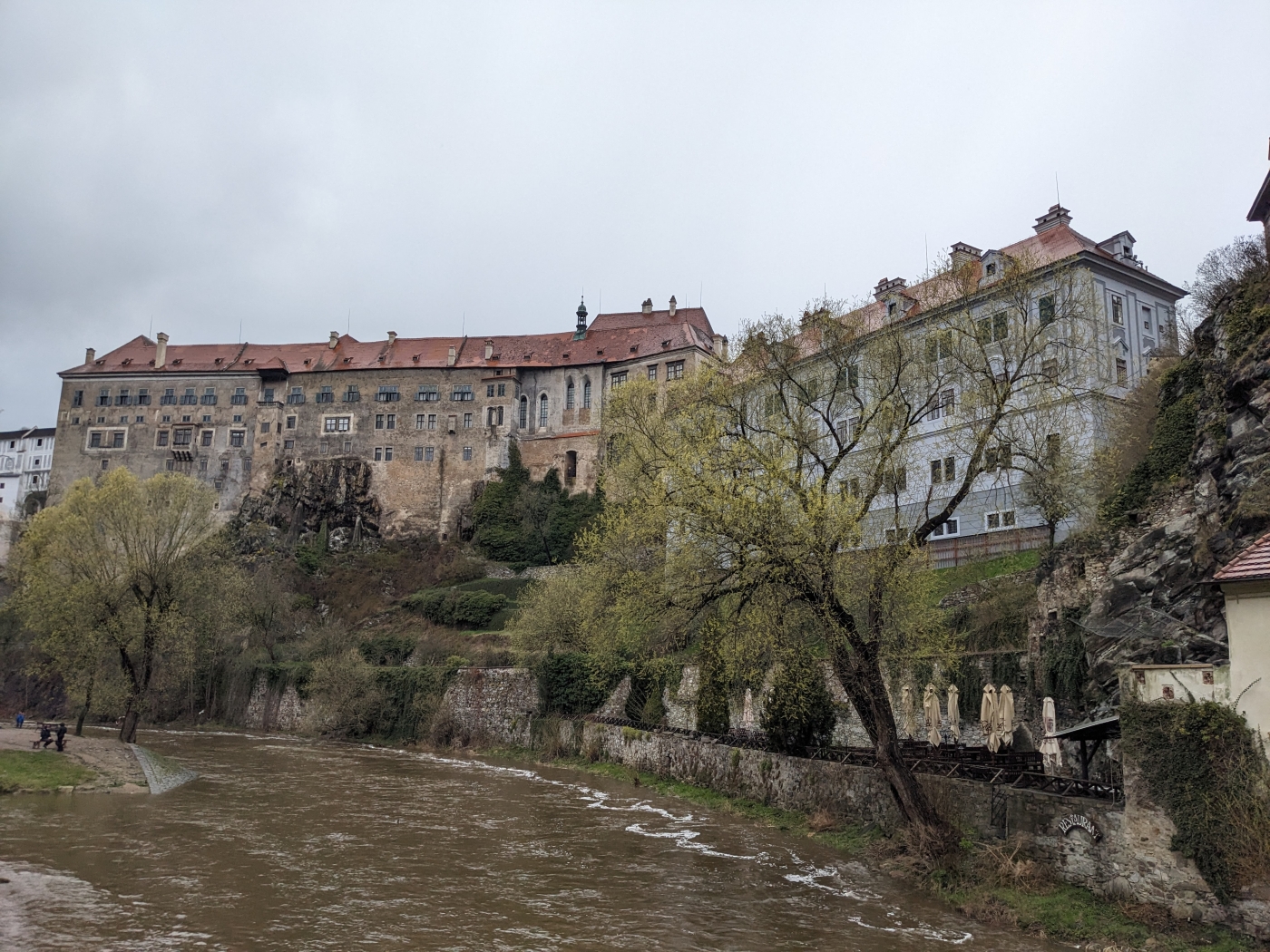
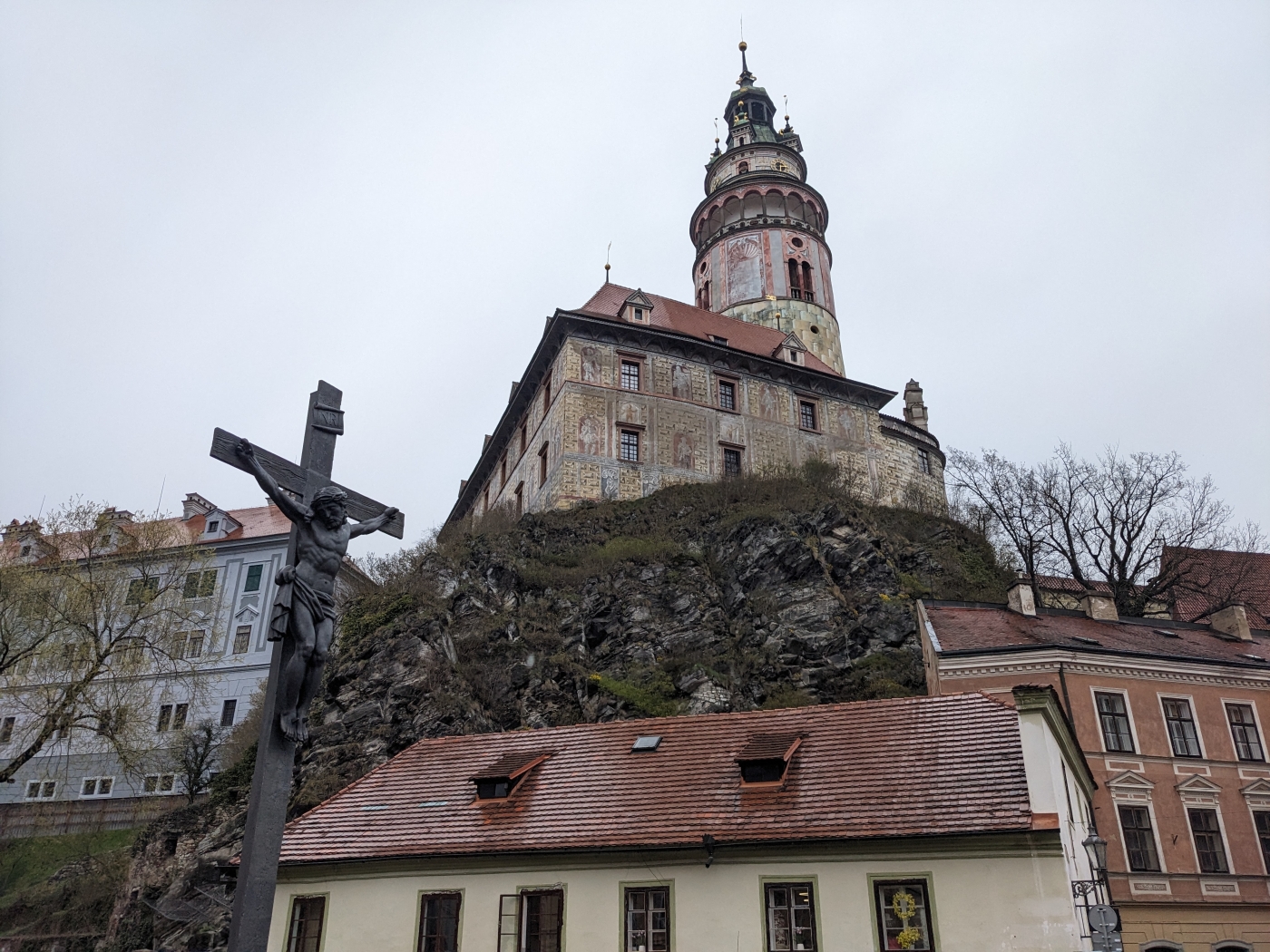
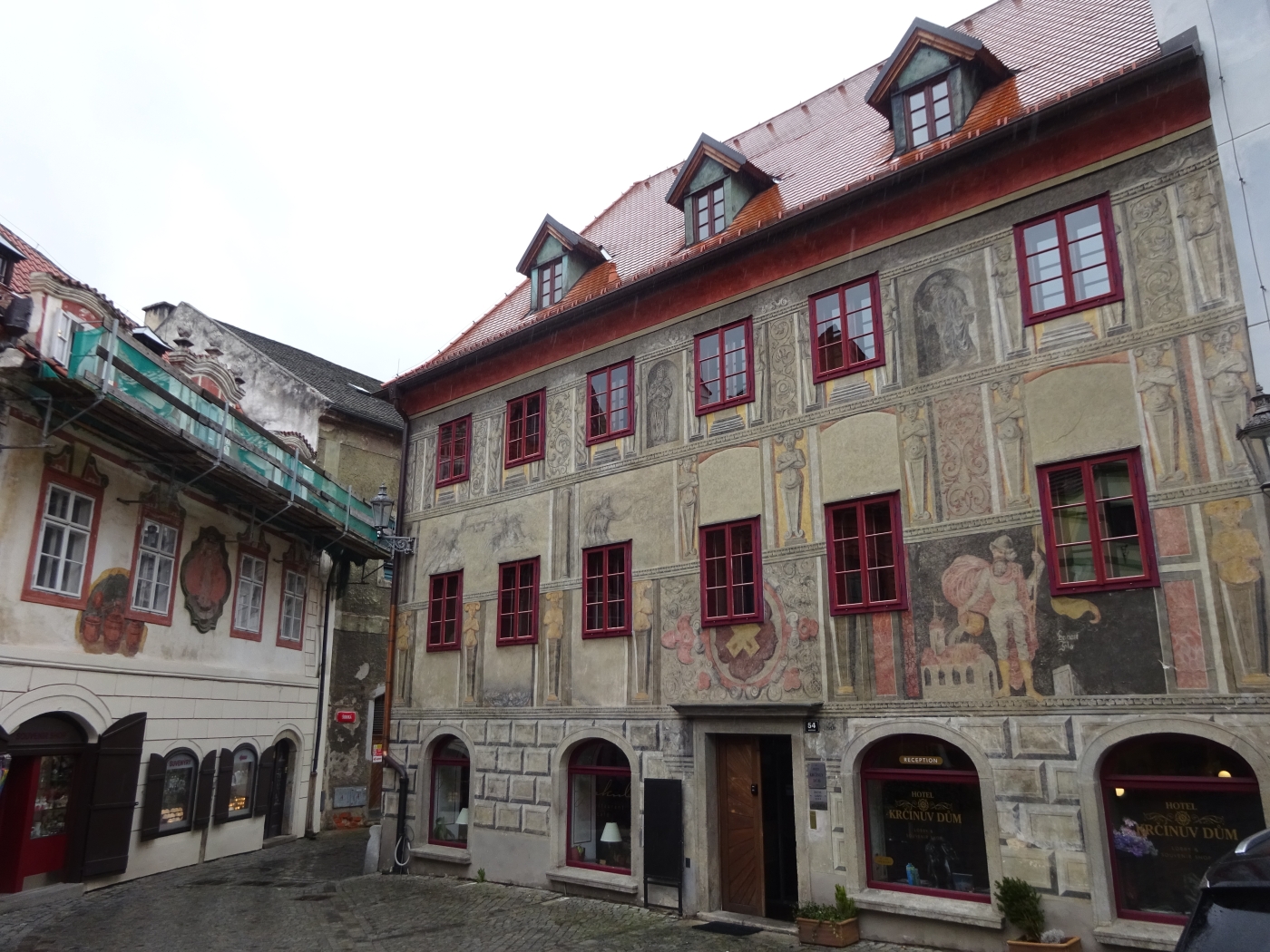
The Historic Centre of Český Krumlov, nestled in the picturesque bends of the Vltava River in South Bohemia, Czech Republic, stands as an extraordinary testament to medieval urban planning and architectural preservation. Inscribed as a UNESCO World Heritage site in 1992, it offers a captivating journey back in time, its narrow cobblestone streets, vibrant townhouses, and magnificent Castle complex telling tales of centuries past.
A Tapestry of History
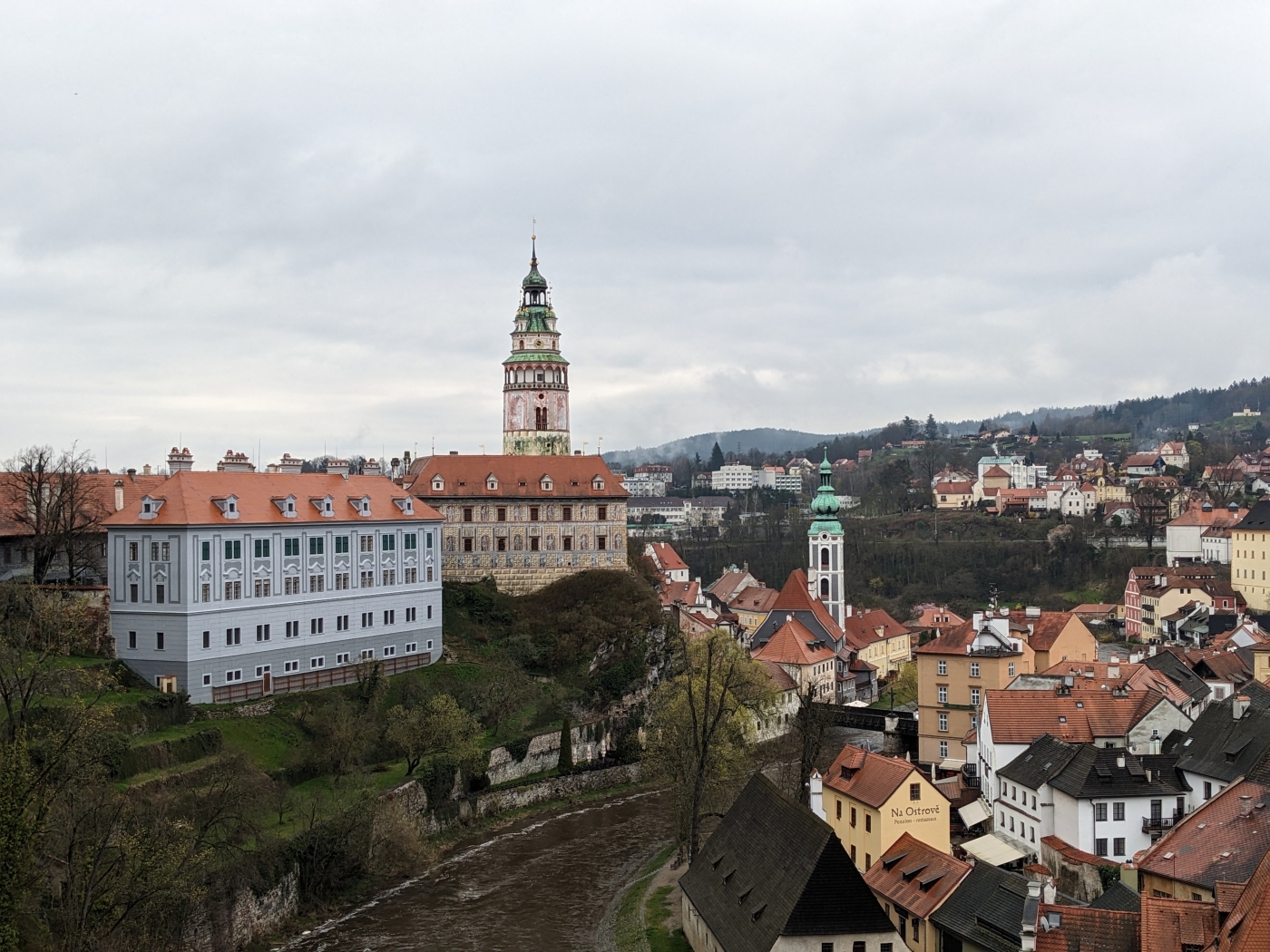
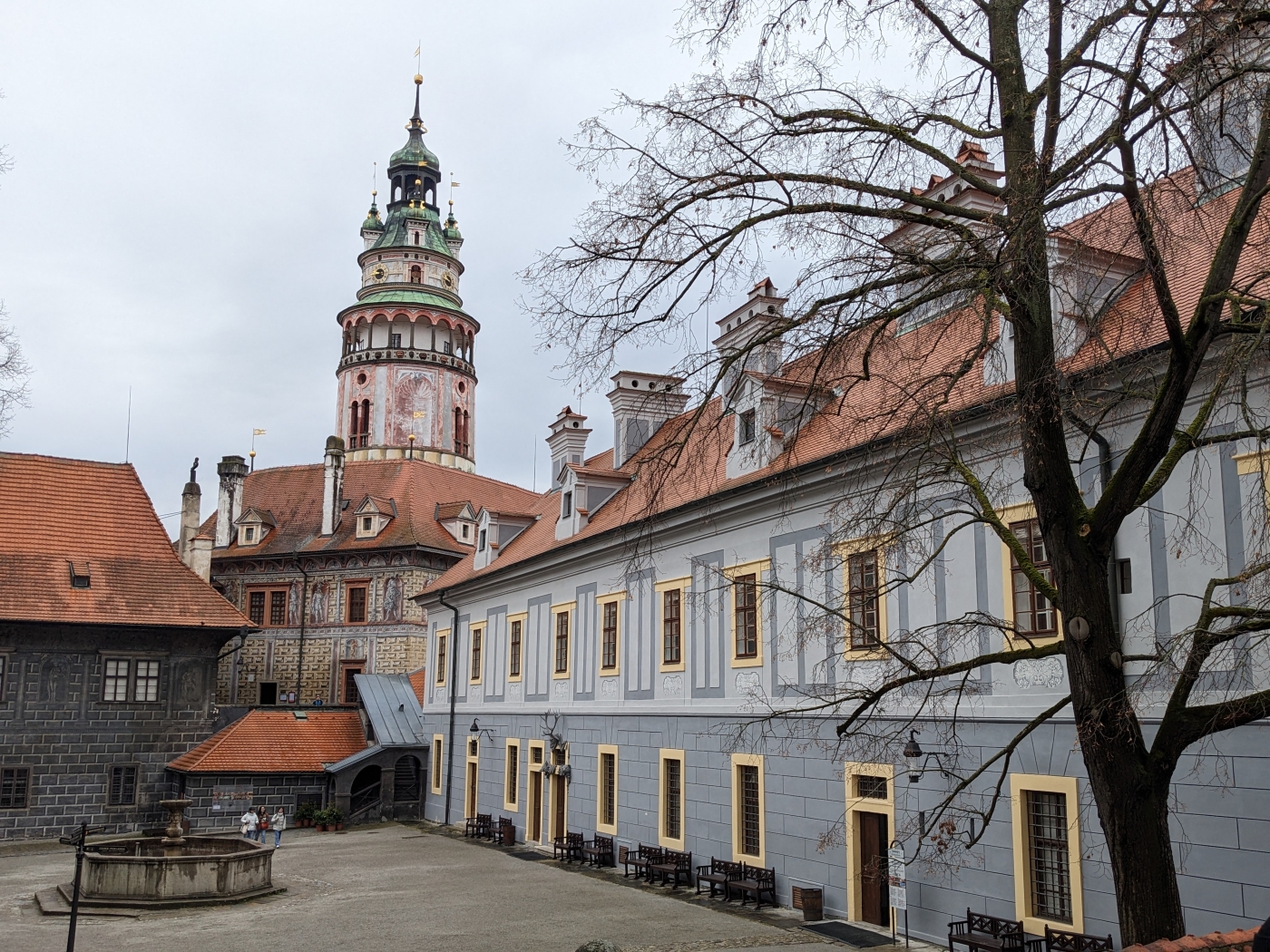
The town's origins date back to the 13th century, when the Vítkovci noble family, specifically Krumlov Lord Vítek II, established the first settlement beneath the impressive rocky promontory. The strategic location, coupled with the rich silver mines nearby, propelled its growth. However, it was under the long rule of the Rosenberg (Rožmberk) family from 1302 to 1602 that Český Krumlov truly blossomed into a prominent center of trade, culture, and power. The Rosenbergs transformed the original Gothic castle into a splendid Renaissance residence, reflecting their immense wealth and influence. Figures like William of Rosenberg were instrumental in this golden age, attracting artists, architects, and scholars, and leaving an indelible mark on the town's character.
Architectural Splendour
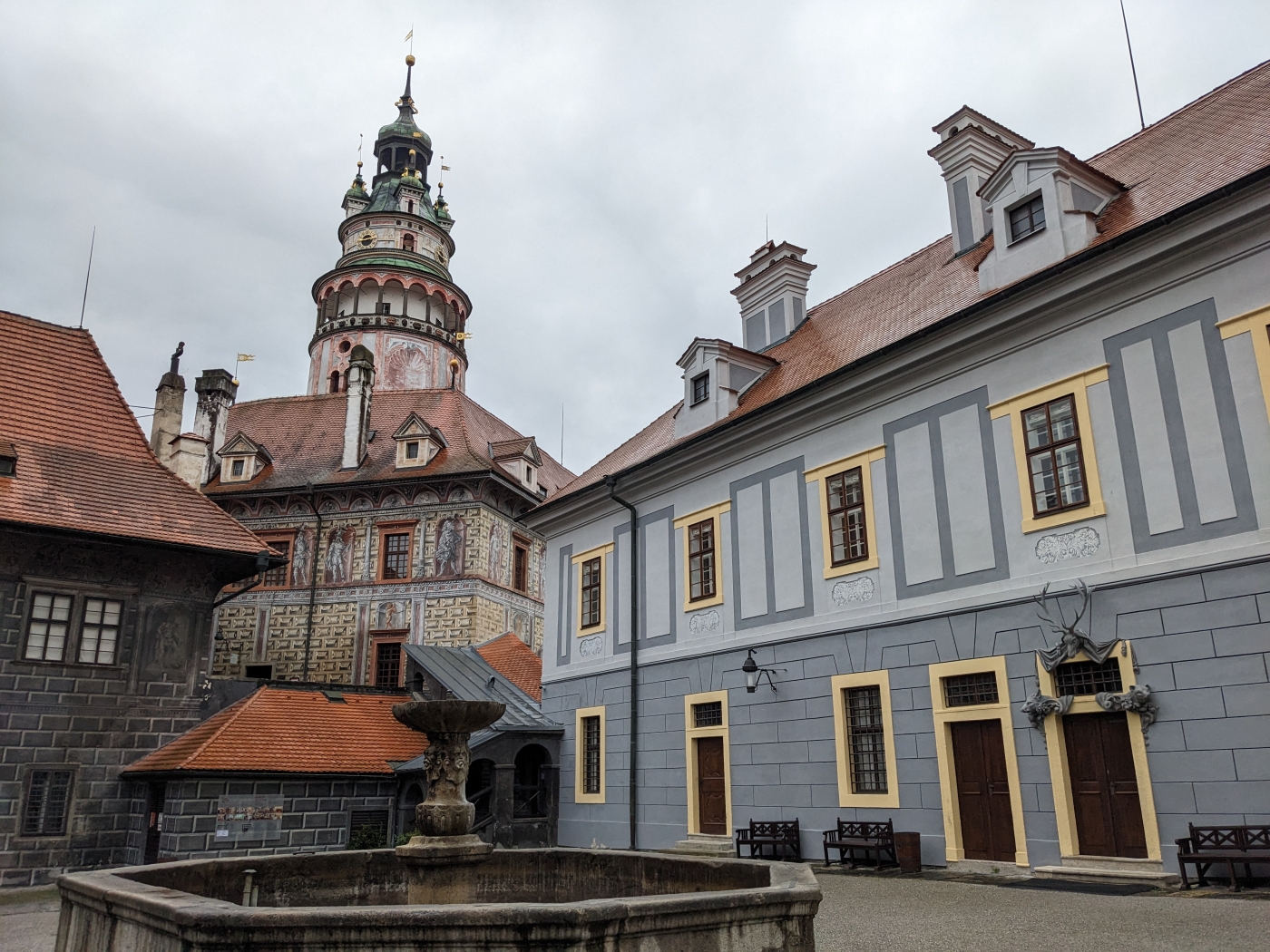
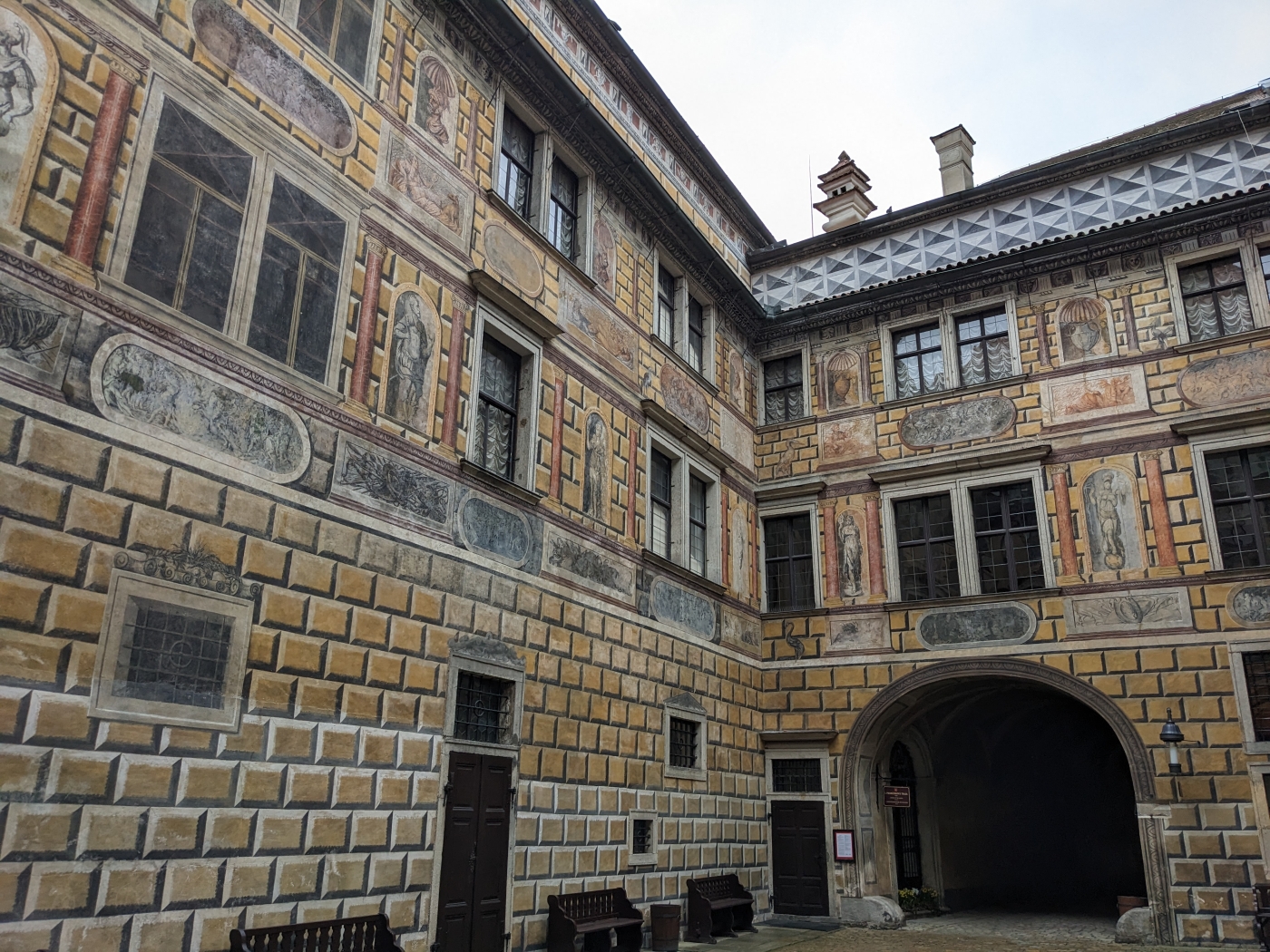
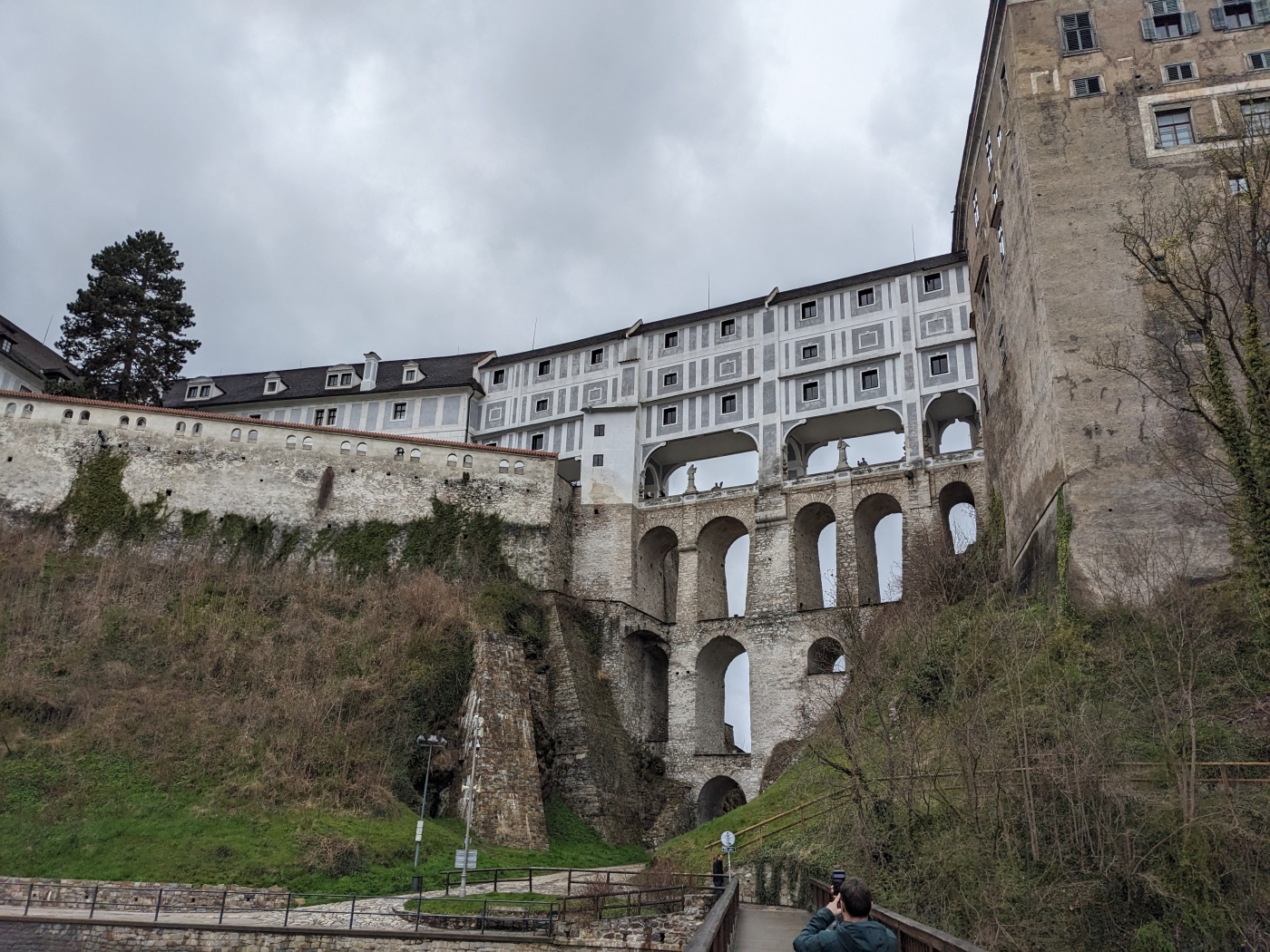
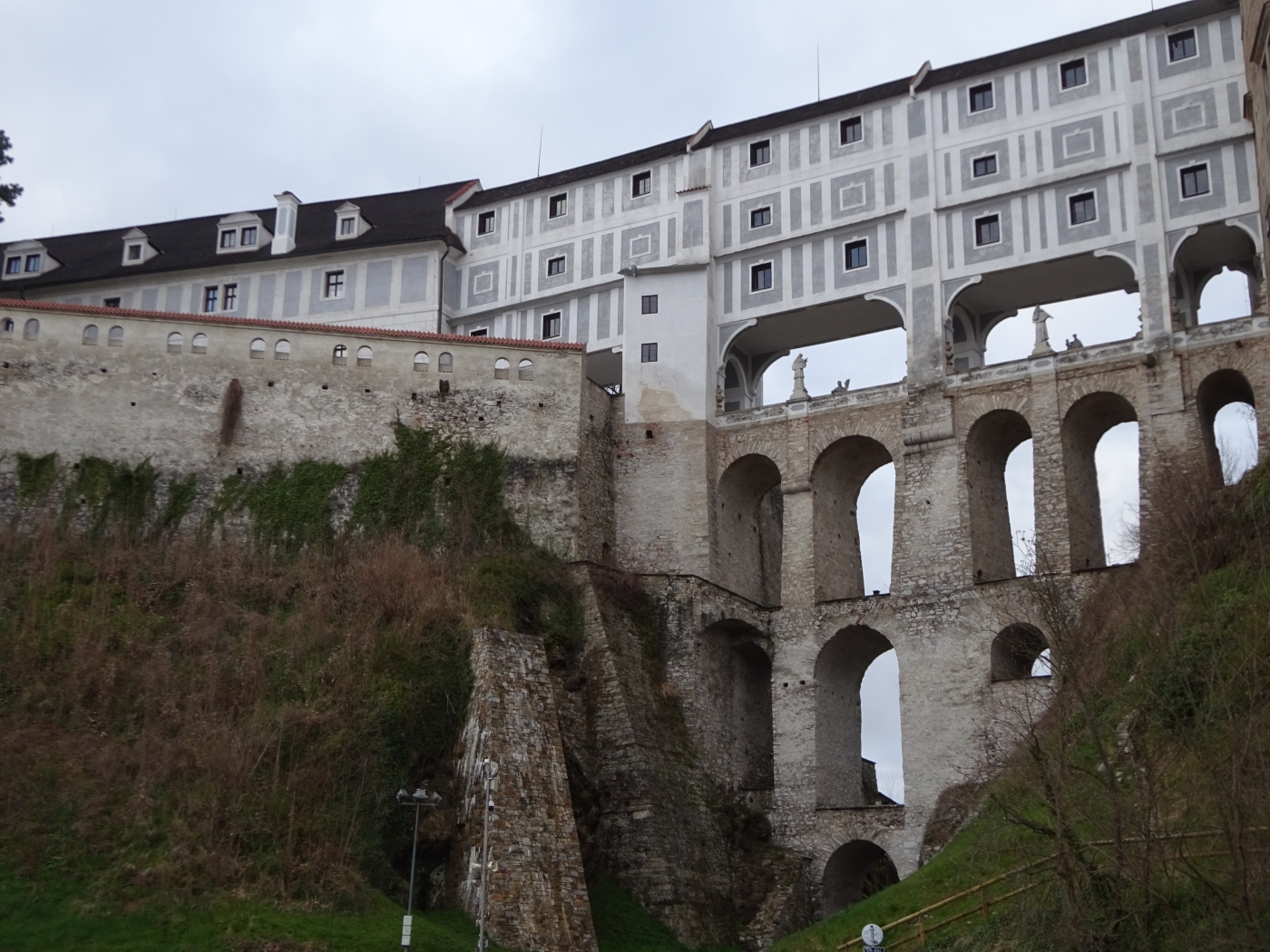
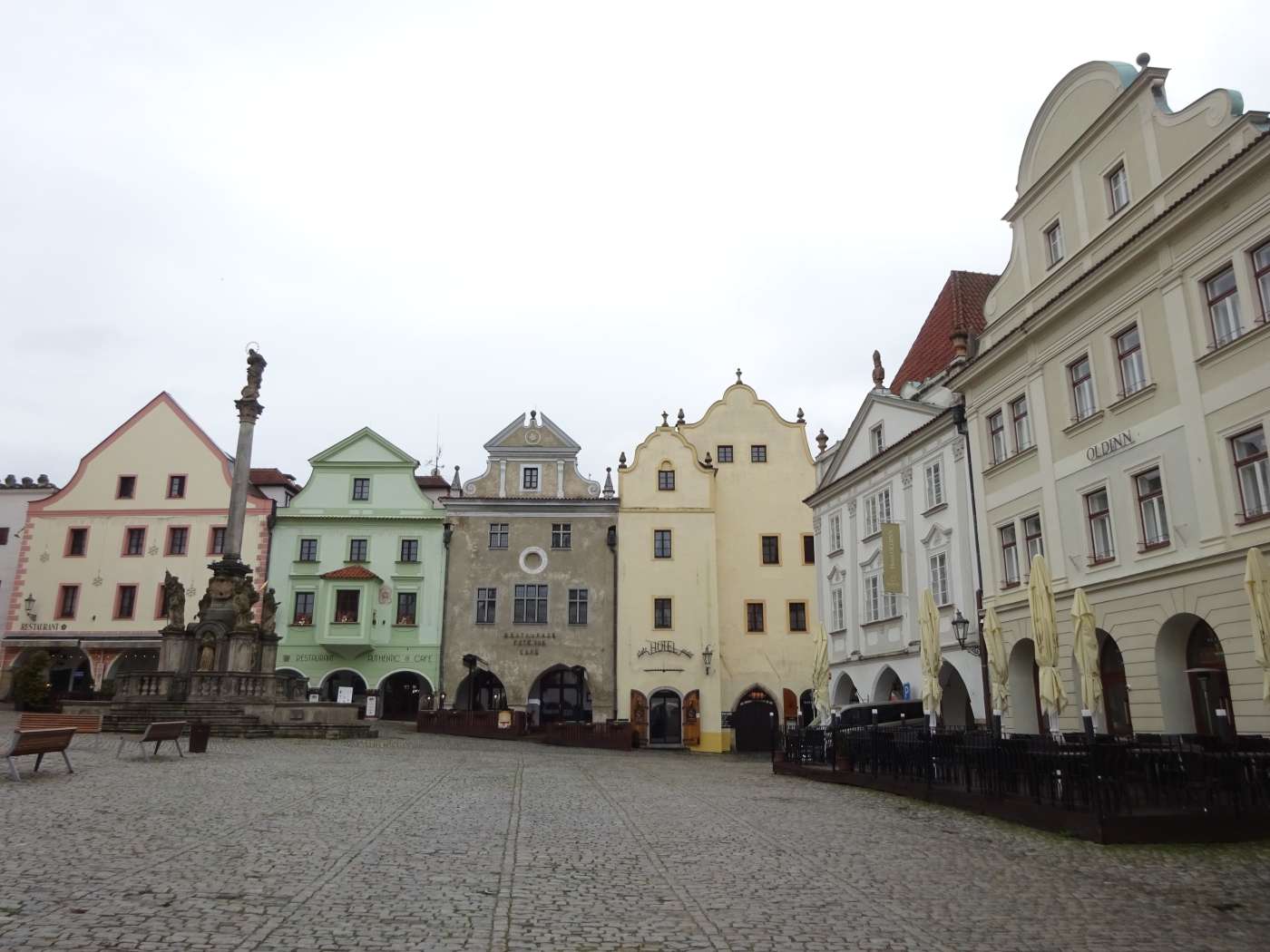
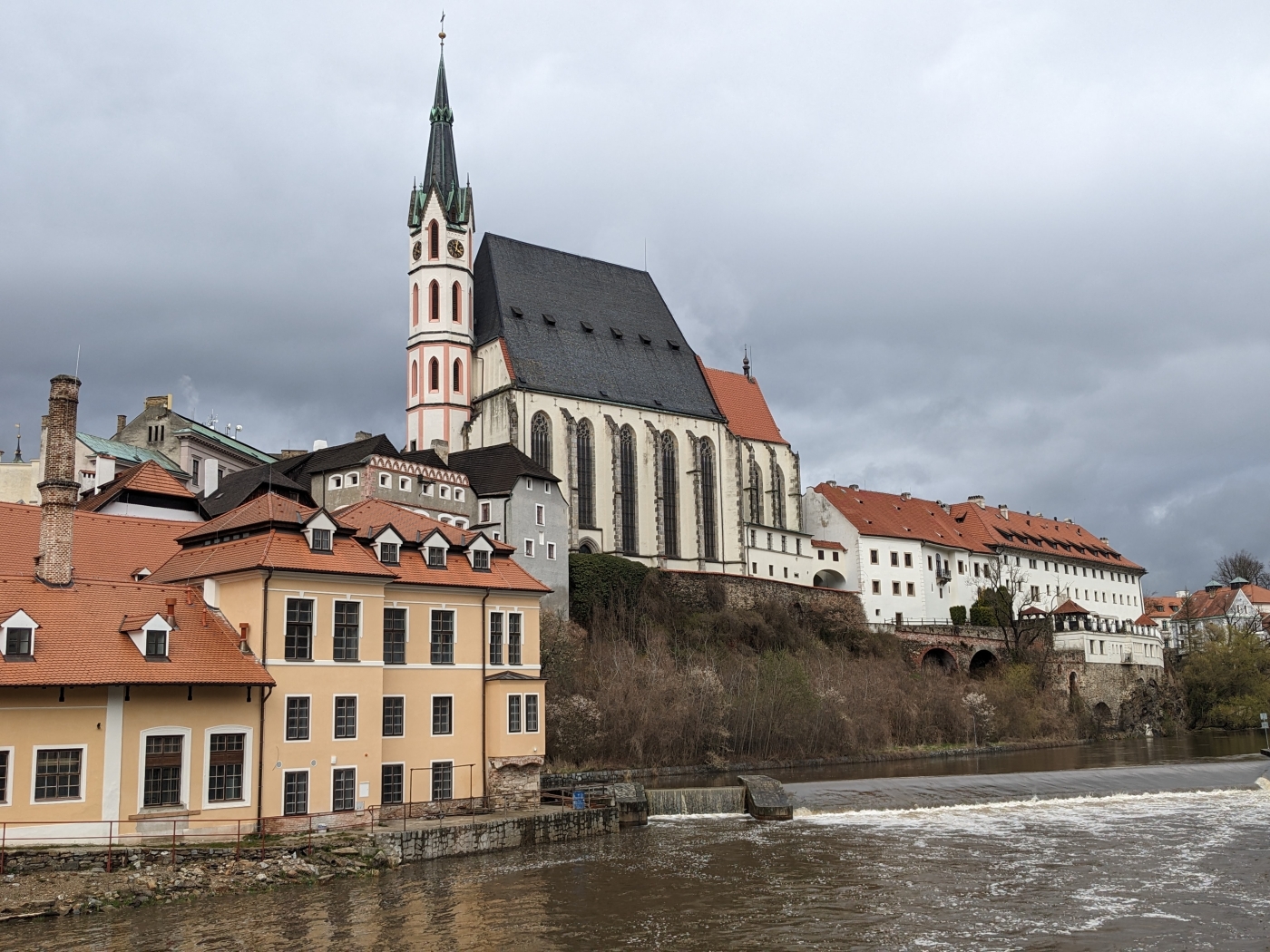
Following the Rosenbergs, the town passed into the hands of the Eggenberg family and later the Schwarzenbergs, who continued to adorn it with magnificent Baroque additions. The sprawling Český Krumlov Castle, the second largest in the Czech Republic, is a masterpiece of architectural evolution, featuring five courtyards, forty buildings, and a spectacular Baroque Theatre, renowned as one of the best-preserved 18th-century theatres in the world. The historic centre itself boasts a stunning array of Gothic, Renaissance, and Baroque structures, including the impressive Church of St. Vitus and the charming Náměstí Svornosti (Town Square), all harmoniously integrated into the dramatic riverside landscape. The intricate network of alleys and the unique preservation of the town’s medieval layout, largely untouched by modern development, contribute significantly to its outstanding universal value.
UNESCO Recognition
Český Krumlov's inscription on the UNESCO list recognizes it as an outstanding example of a small central European medieval town whose architectural heritage has remained virtually intact. Its urban fabric, historic buildings, and the surrounding natural setting combine to create an exceptional cultural landscape that vividly illustrates centuries of human habitation and artistic endeavor.
Further Links
Situated on the banks of the Vltava river, the town was built around a 13th-century castle with Gothic, Renaissance and Baroque elements. It is an outstanding example of a small central European medieval town whose architectural heritage has remained intact thanks to its peaceful evolution over more than five centuries.
Český Krumlov (Czech pronunciation: [ˈtʃɛskiː ˈkrumlof] ; German: Krumau, Böhmisch Krumau) is a town in the South Bohemian Region of the Czech Republic. It has about 13,000 inhabitants. The town is located on the Vltava River in the Bohemian Forest Foothills.
Český Krumlov is known as a tourist centre, which is among the most visited places in the country. The historic centre with the Český Krumlov Castle complex is protected as an urban monument reservation, and since 1992, it has been a designated UNESCO World Heritage Site because of its well-preserved Gothic, Renaissance and Baroque architecture.