Pilgrimage Church of St John of Nepomuk at Zelená Hora
Žďár nad Sázavou, Südmähren, Czechia
13.04.2023

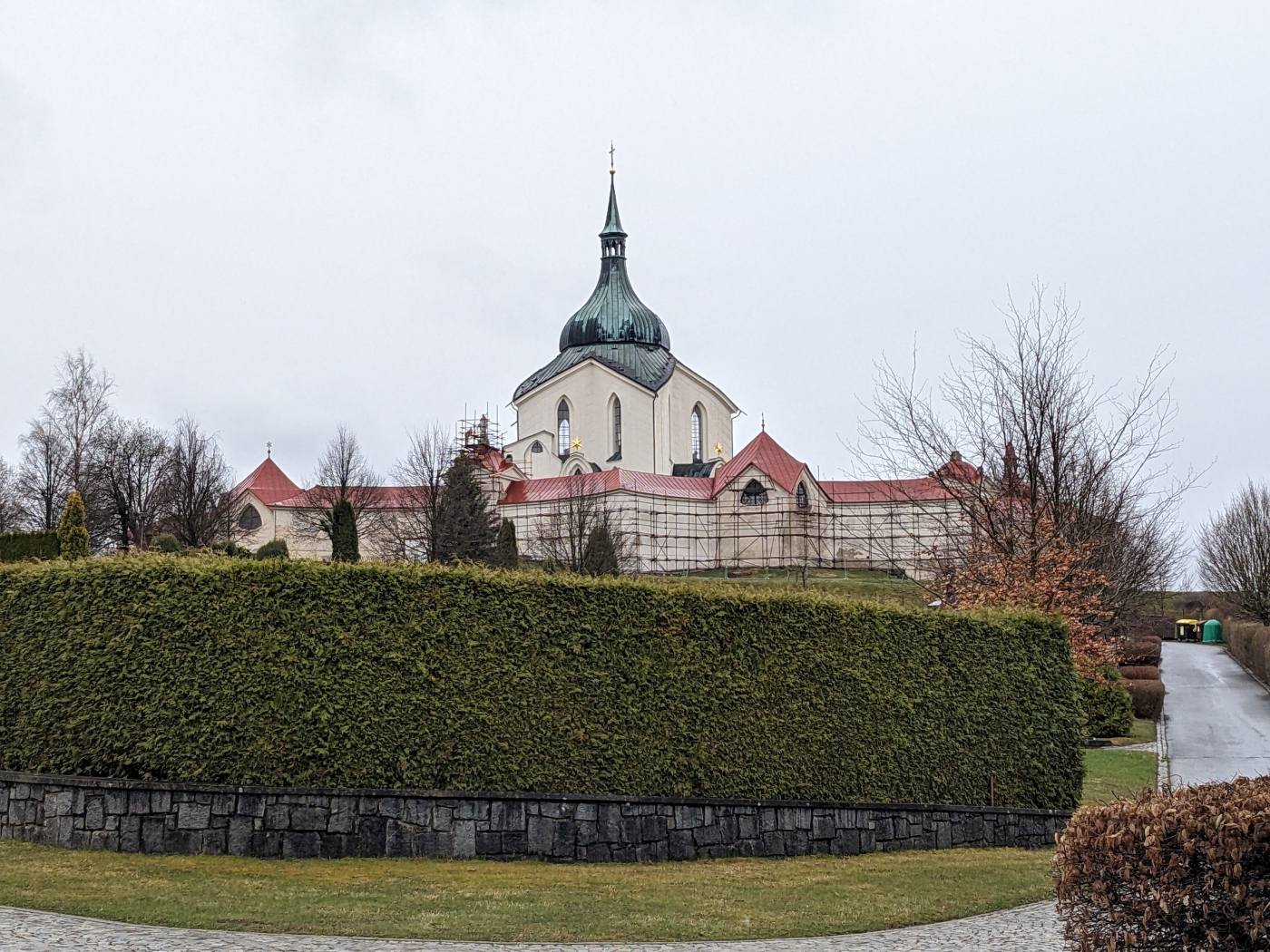
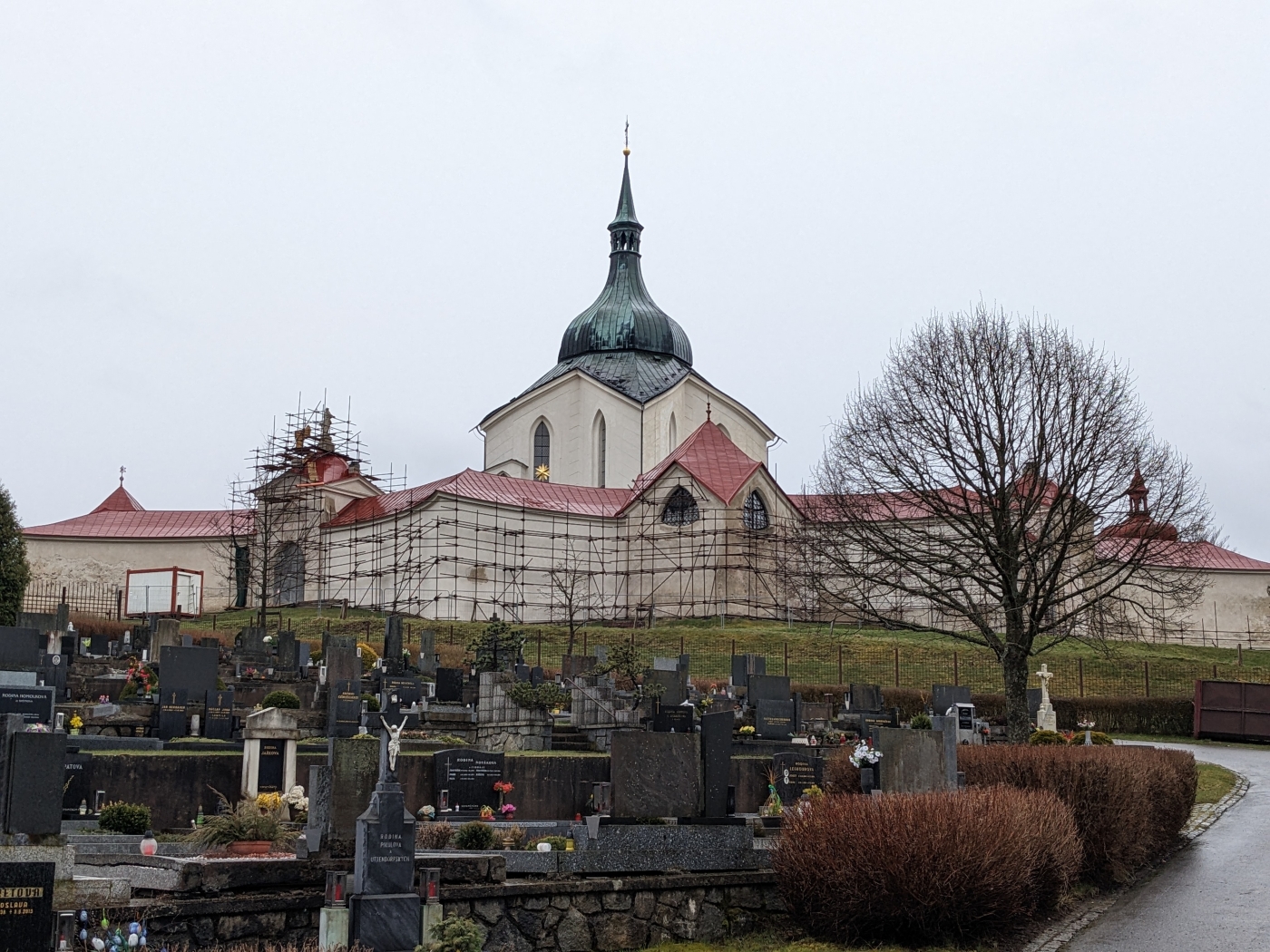
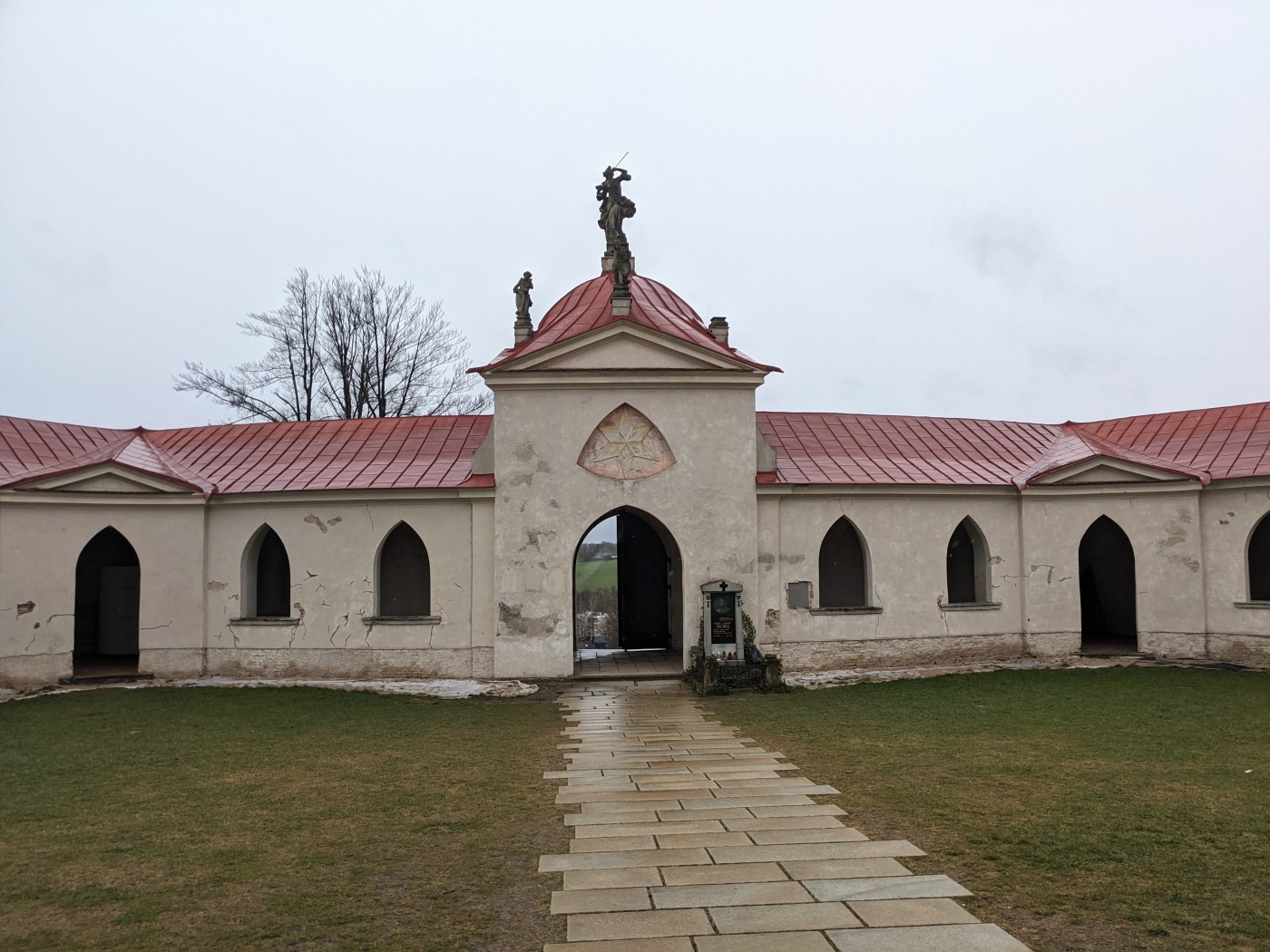
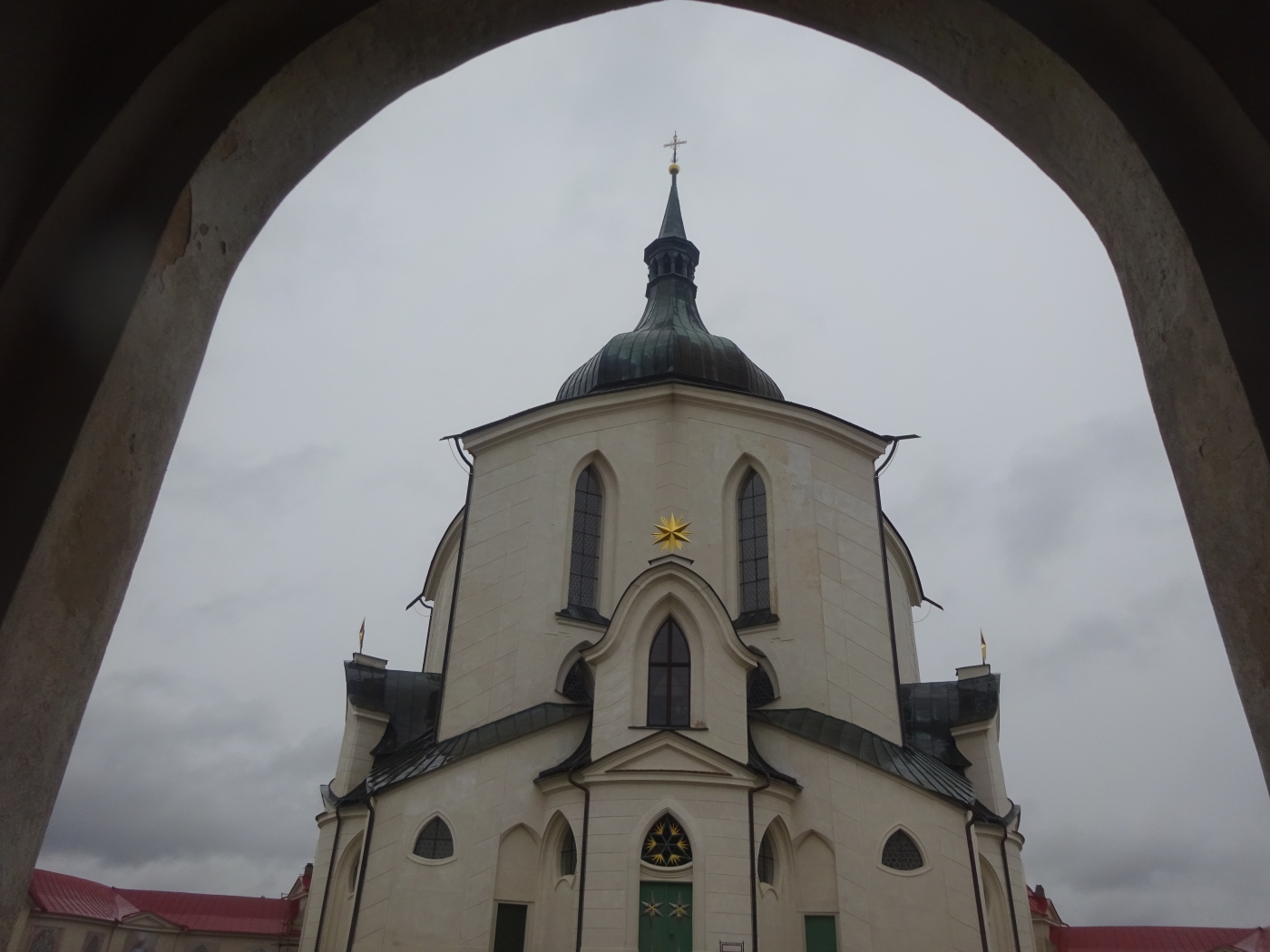
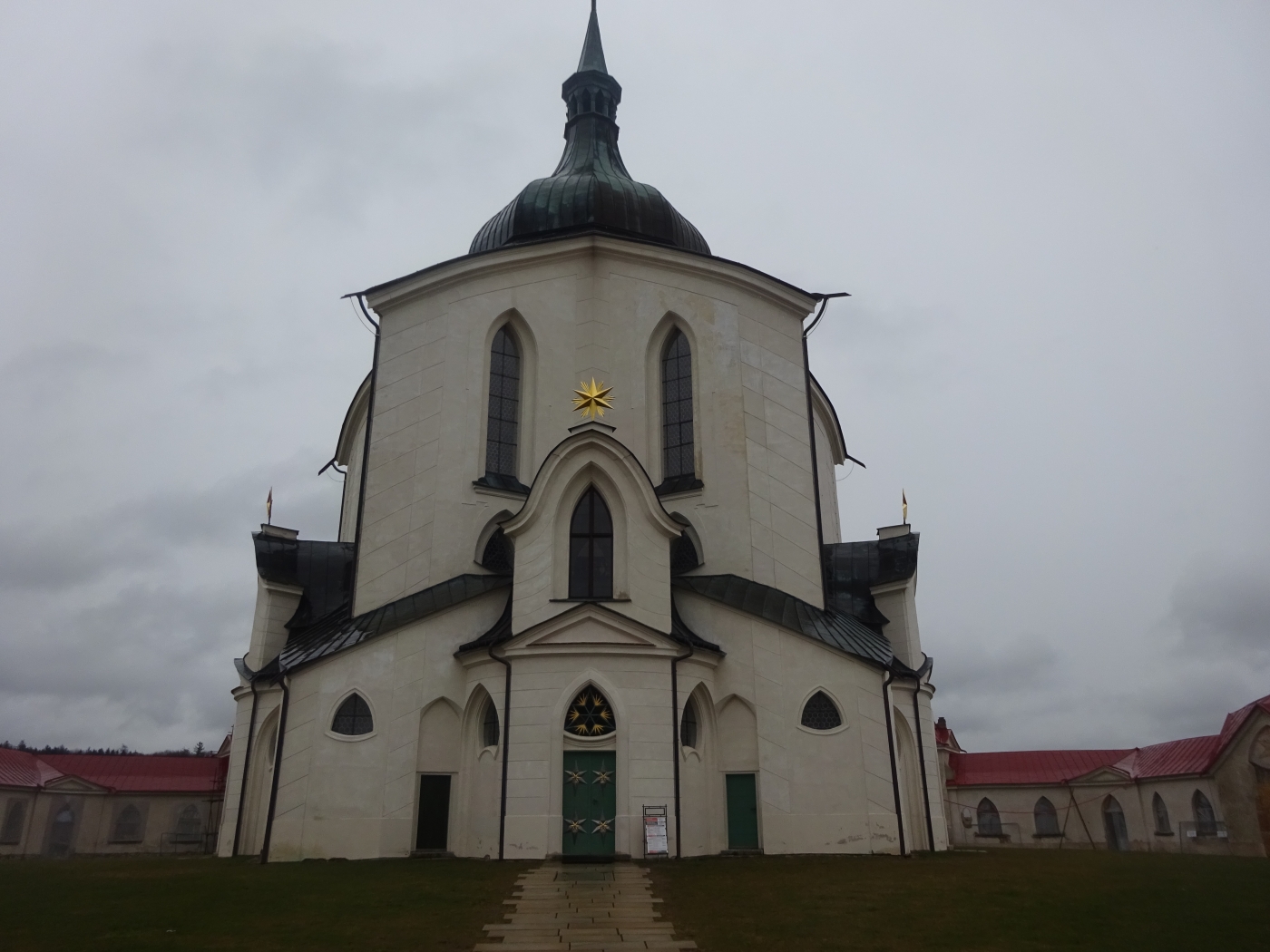
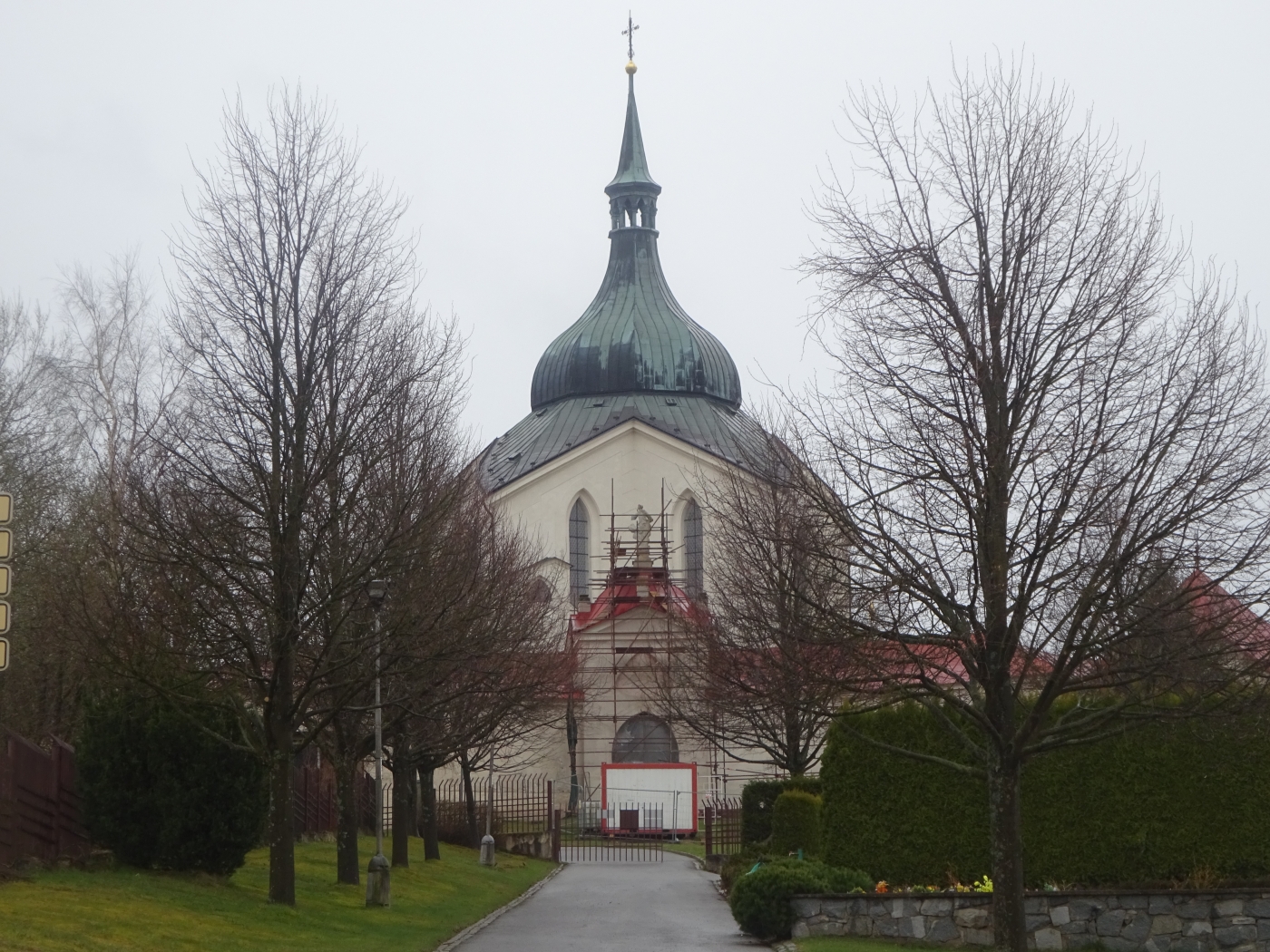
Perched atop Zelená Hora (Green Hill) near Žďár nad Sázavou in South Moravia, Czech Republic, stands the extraordinary Pilgrimage Church of St. John of Nepomuk at Zelená Hora. This UNESCO World Heritage site is a testament to the unique architectural vision of the early 18th century, blending High Baroque with Gothic elements into a style often referred to as Baroque Gothic. Its remarkable design and profound symbolism make it one of Central Europe's most intriguing sacred buildings.
The Legend of St. John of Nepomuk
The church is dedicated to St. John of Nepomuk, a Bohemian martyr canonized in 1729. Legend states his tongue was found miraculously incorrupt when his body was exhumed. Veneration of St. John grew rapidly, especially after the Counter-Reformation, symbolizing fidelity and the inviolability of the confessional secret. The site near the Cistercian Monastery of Žďár was chosen as St. John himself was believed to have studied there. Abbot Václav Vejmluva of the Cistercian order, a fervent admirer of the saint, conceived the pilgrimage church.
Architectural Vision and Symbolism
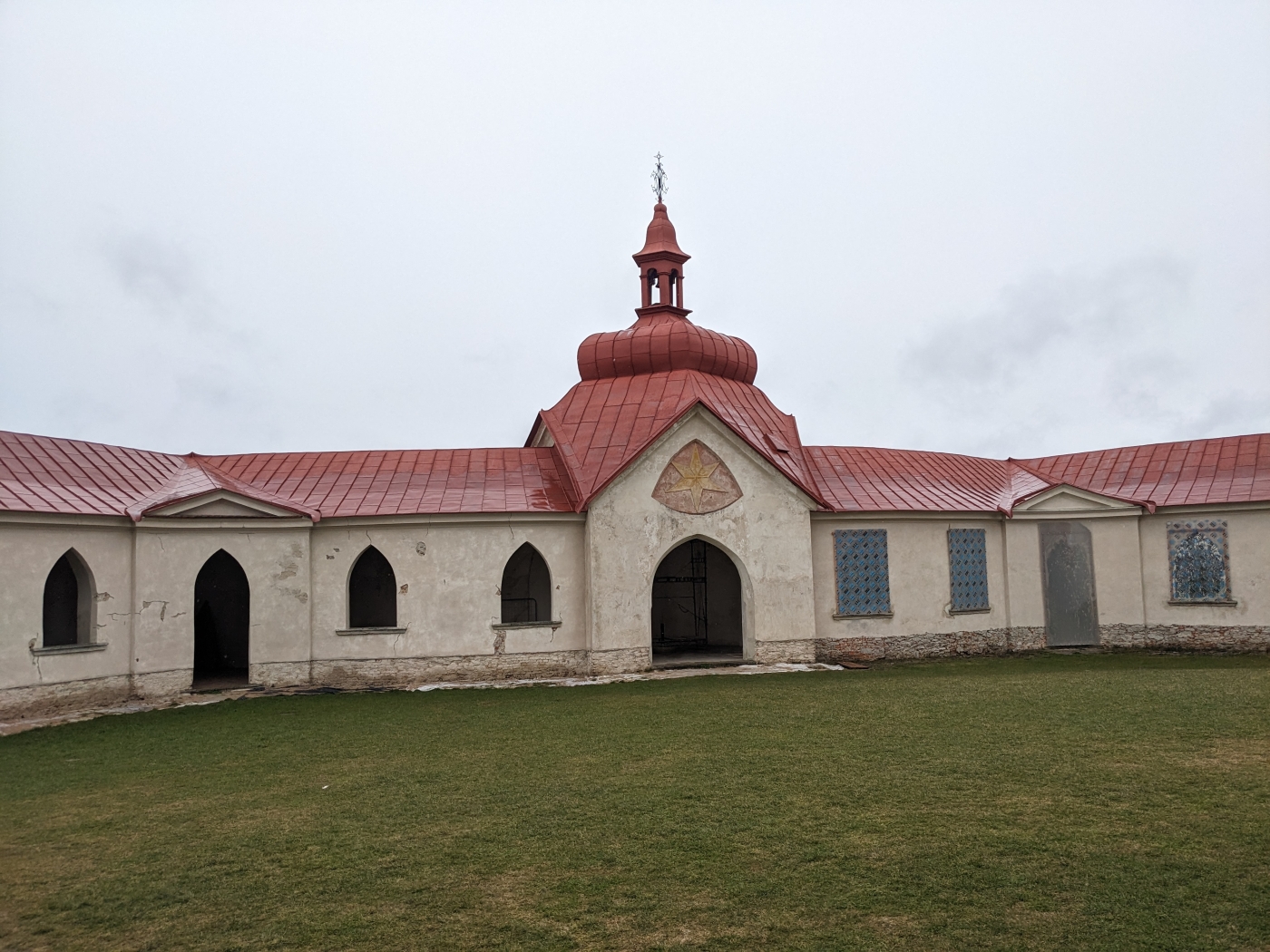
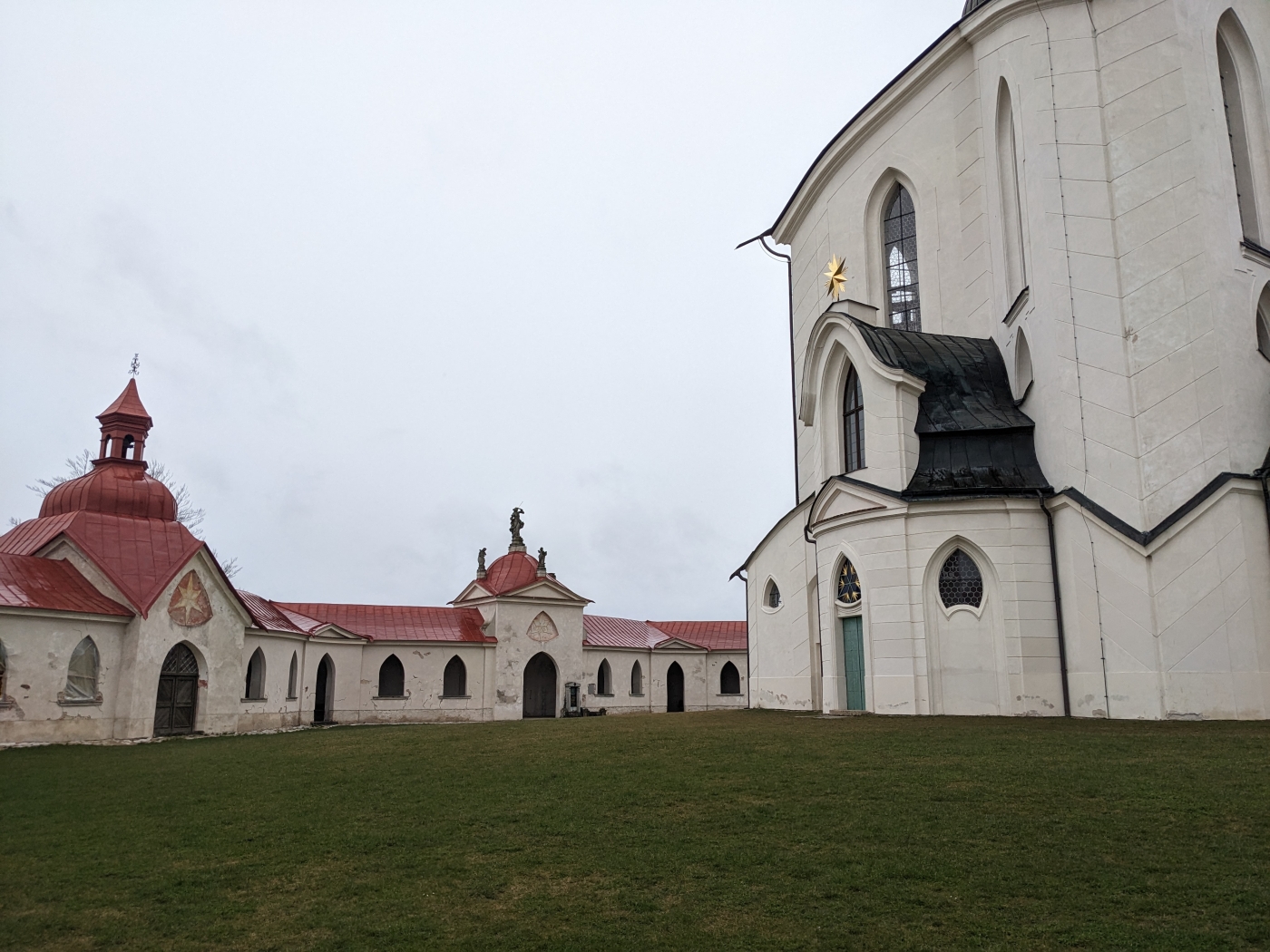
Designed by the brilliant and innovative architect Jan Blažej Santini Aichel, the church was constructed between 1719 and 1727. Santini’s genius is evident in the church's ground plan: a five-pointed star, a motif deeply symbolic of St. John of Nepomuk, as five stars reportedly appeared over his head when he drowned. This star shape is repeated throughout the building's geometry, from chapels to vaulting. The interplay of convex and concave forms, with dynamic light and shadow effects, creates a spiritual and otherworldly atmosphere. The central dome, flanked by five chapels and five gates, forms a harmonious yet dynamically charged space that draws the eye upwards, emphasizing its sacred purpose. This design brilliantly merges Baroque drama with Gothic mysticism, creating a truly unique and powerful monument to faith and art.
Weiterführende Links
This pilgrimage church, built in honour of St John of Nepomuk, stands at Zelená Hora, not far from Ždár nad Sázavou in Moravia. Constructed at the beginning of the 18th century on a star-shaped plan, it is the most unusual work by the great architect Jan Blazej Santini, whose highly original style falls between neo-Gothic and Baroque.
The Pilgrimage Church of Saint John of Nepomuk (Czech: Poutní kostel svatého Jana Nepomuckého) at Zelená hora (meaning "Green Hill", German: Grünberg) is a religious building at the edge of Žďár nad Sázavou, Czech Republic, near the historical border between Moravia and Bohemia. It is the final work of Johann Santini Aichel, a Bohemian architect who combined the Borrominiesque Baroque with references to Gothic elements in both construction and decoration.
In 1719, when the Roman Catholic Church declared the tongue of John of Nepomuk to be incorruptible, work started to build a church at Zelená hora, where the future saint had received his early education. It was consecrated immediately after John's beatification in 1720, although construction works lumbered on until 1727. Half a century later, after a serious fire, the shape of the roof was altered.
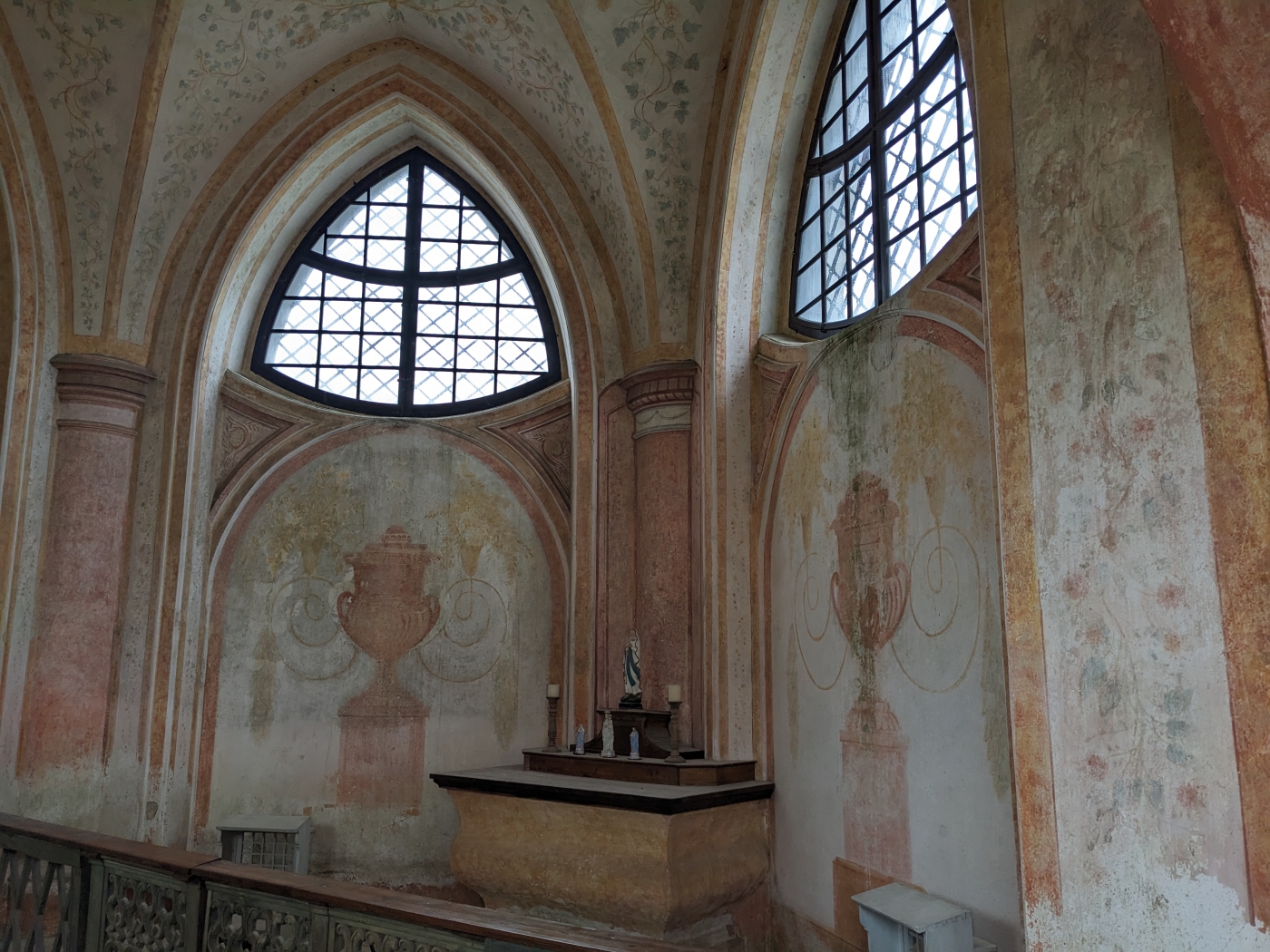
The church, with many furnishings designed by Santini himself, is remarkable for its gothicizing features and complex symbolism, quite unusual for the time. In 1994, it was declared a World Heritage Site. The nomination dossier pointed out Santini's mathematical ratios in its architecture which aimed at "the creation of an independent spatial reality", with "the number 5 being dominant in the layout and proportions" of the church.