Jewish Quarter and St Procopius' Basilica in Třebíč
Třebíč, Böhmisch-Mährische Höhe, Czechia
14.04.2023

The Jewish Quarter and the St. Procopius Basilica in Třebíč, nestled in the picturesque Bohemian-Moravian Highlands of the Czech Republic, stand as a remarkable testament to the enduring interplay of diverse cultures and faiths across centuries. This UNESCO World Heritage site beautifully illustrates the coexistence and, at times, parallel development of Christian and Jewish communities in Central Europe.
The Heart of Jewish Heritage
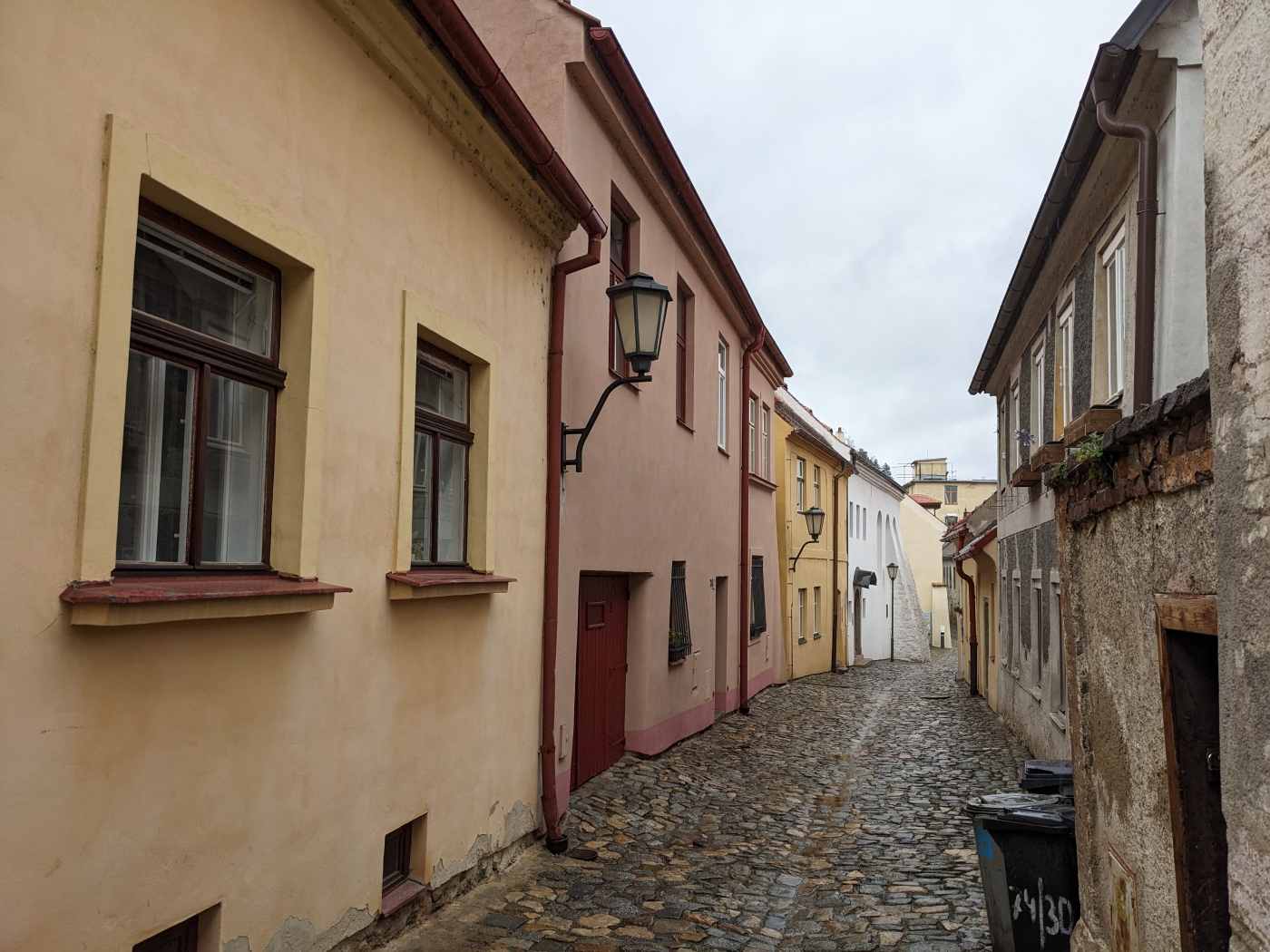
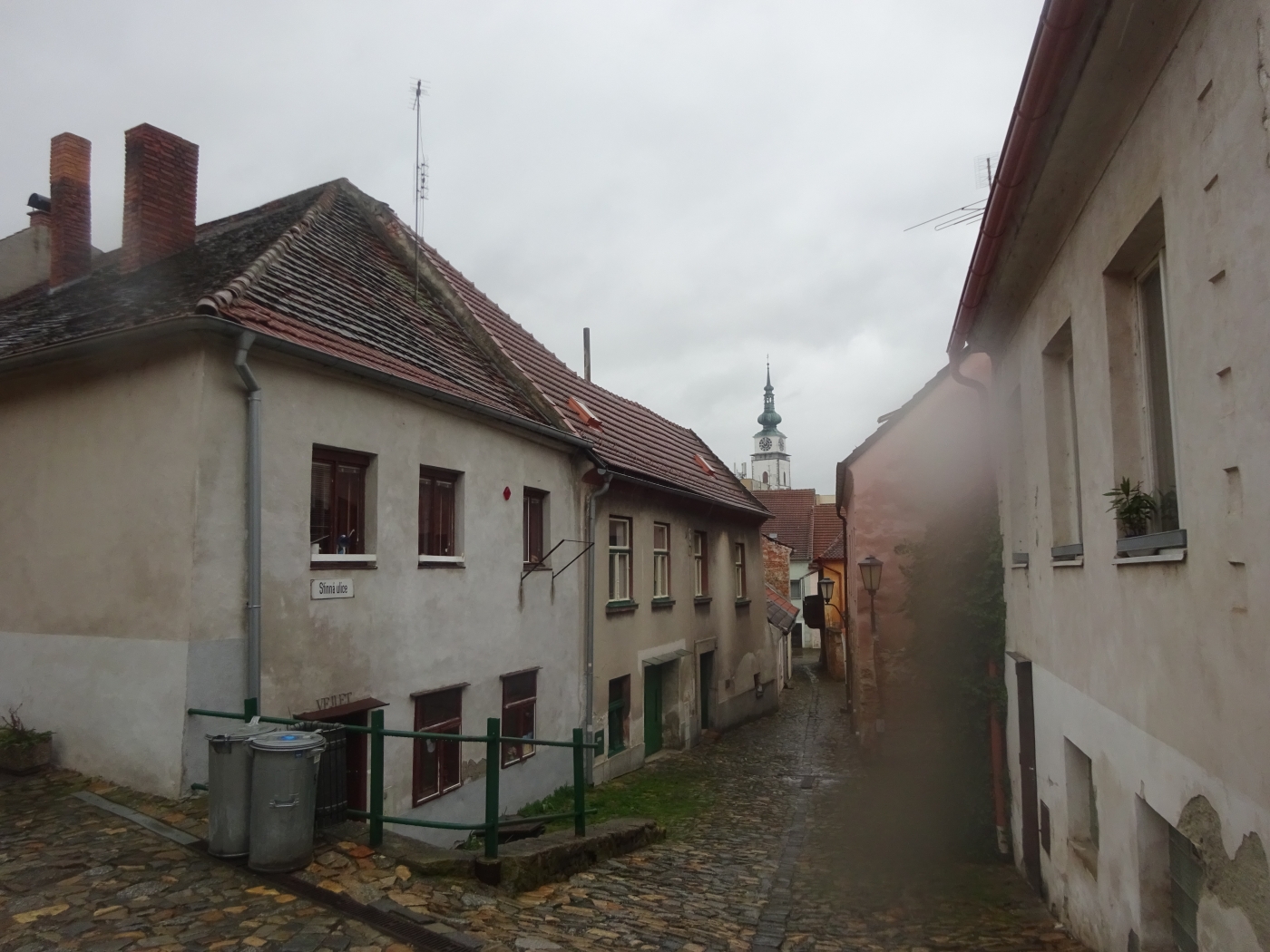
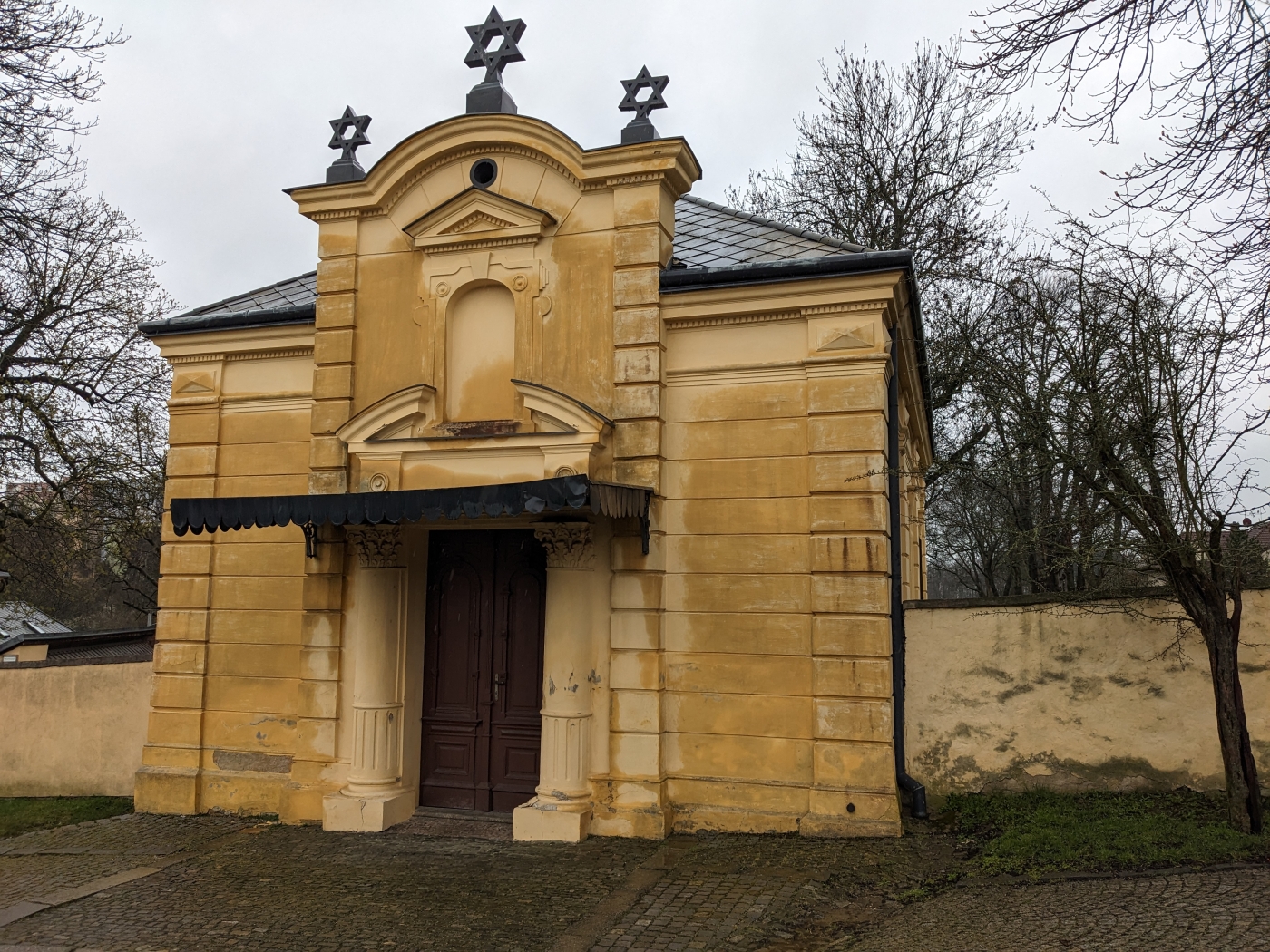
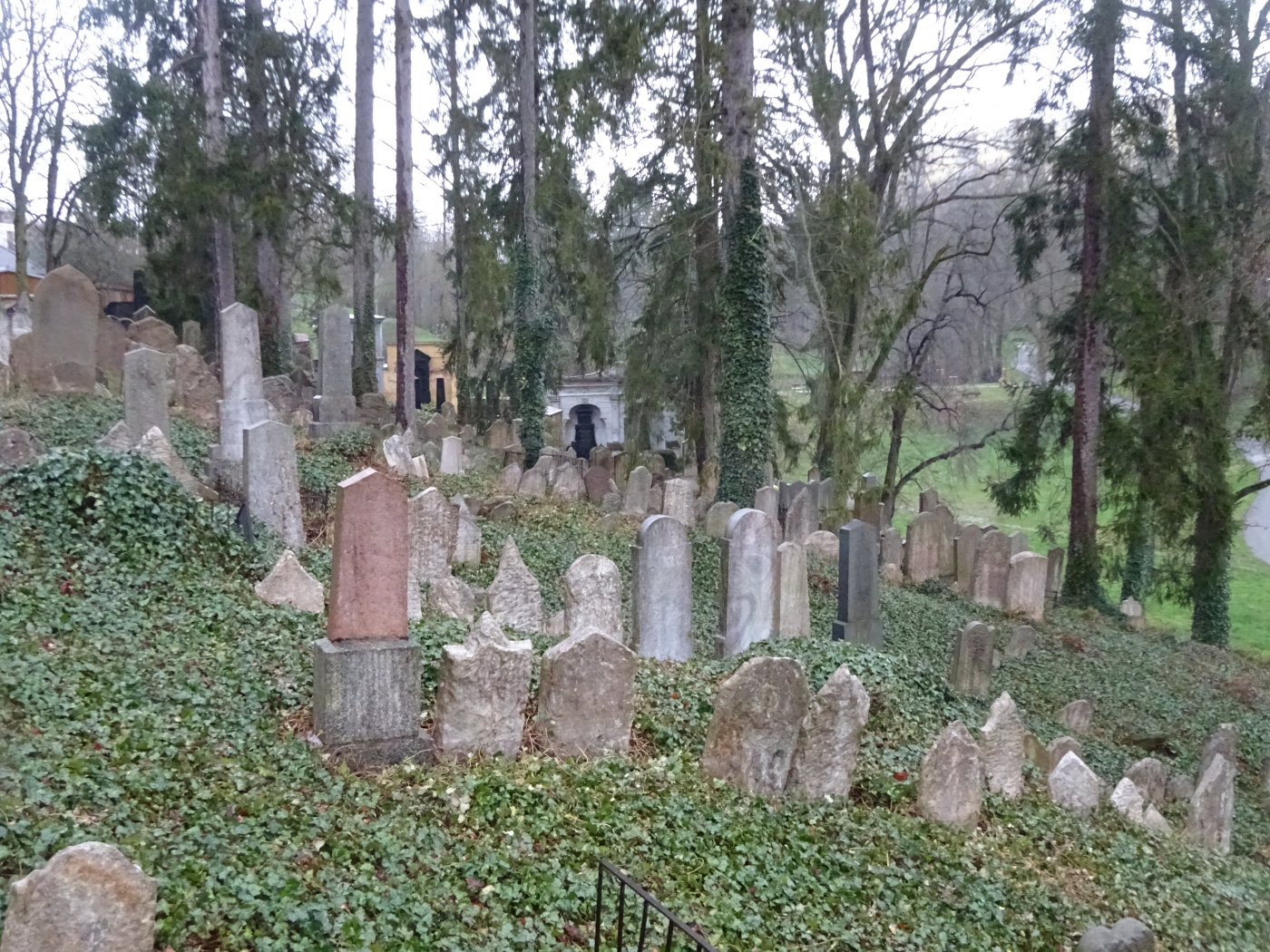
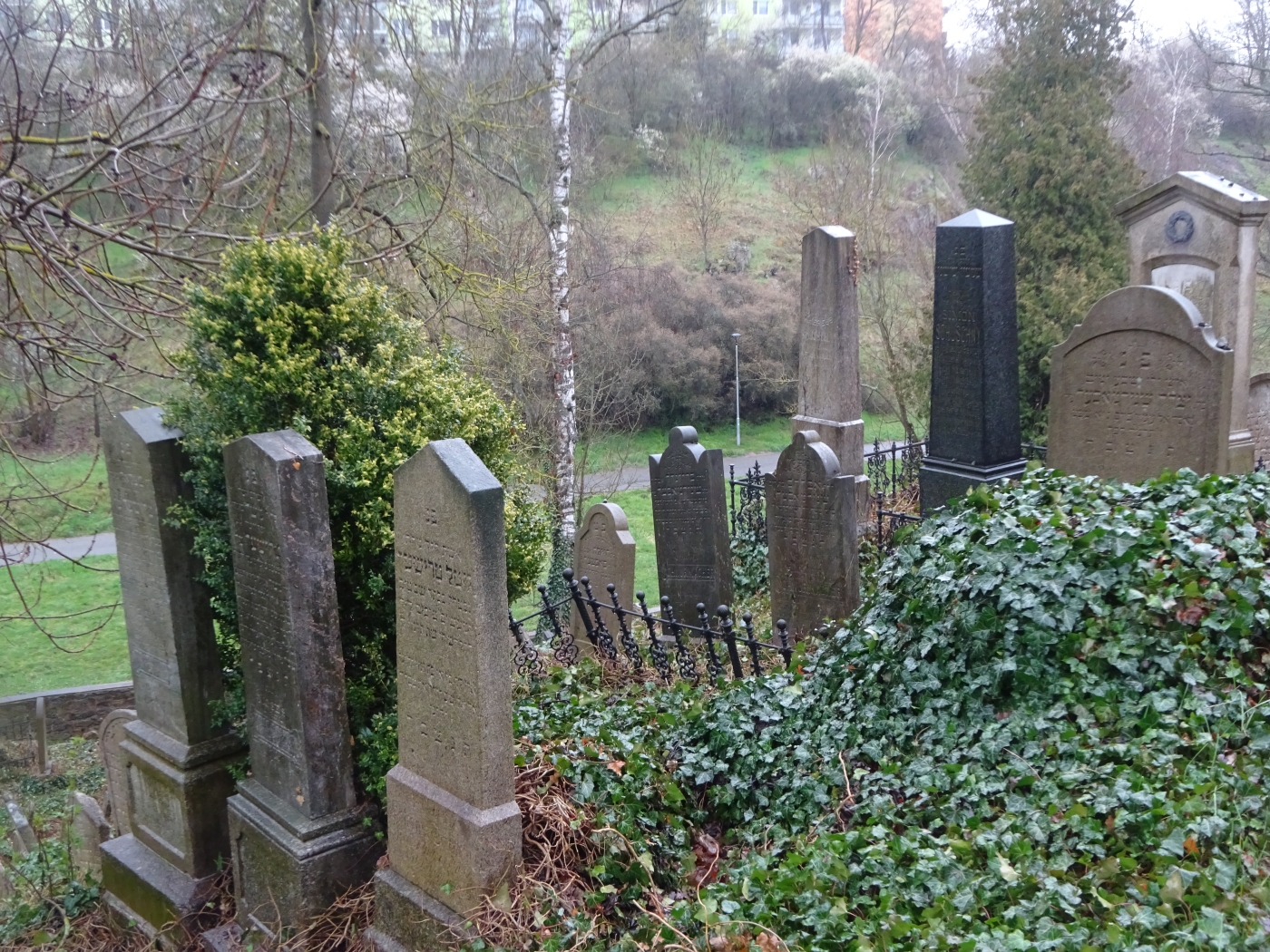
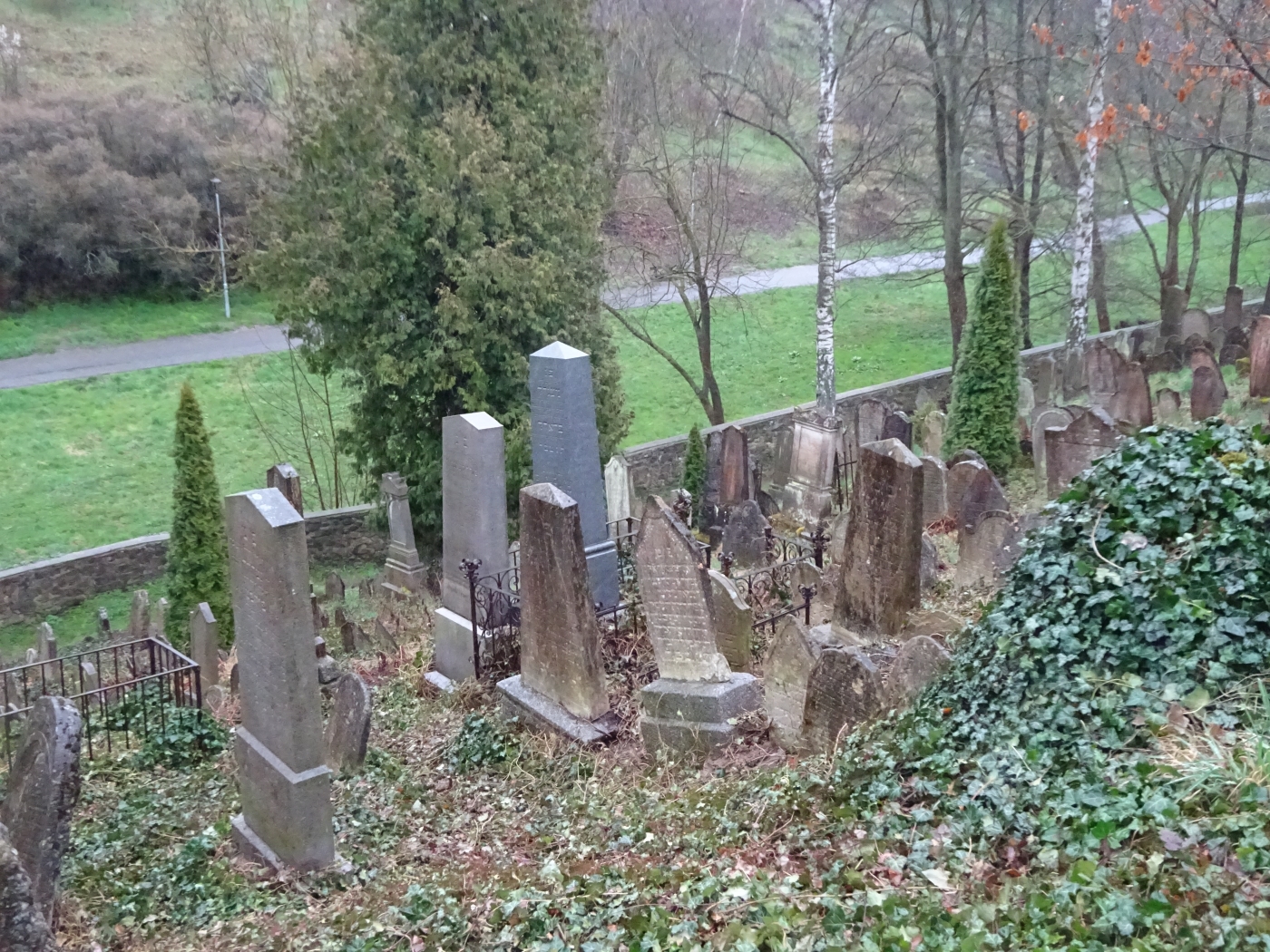
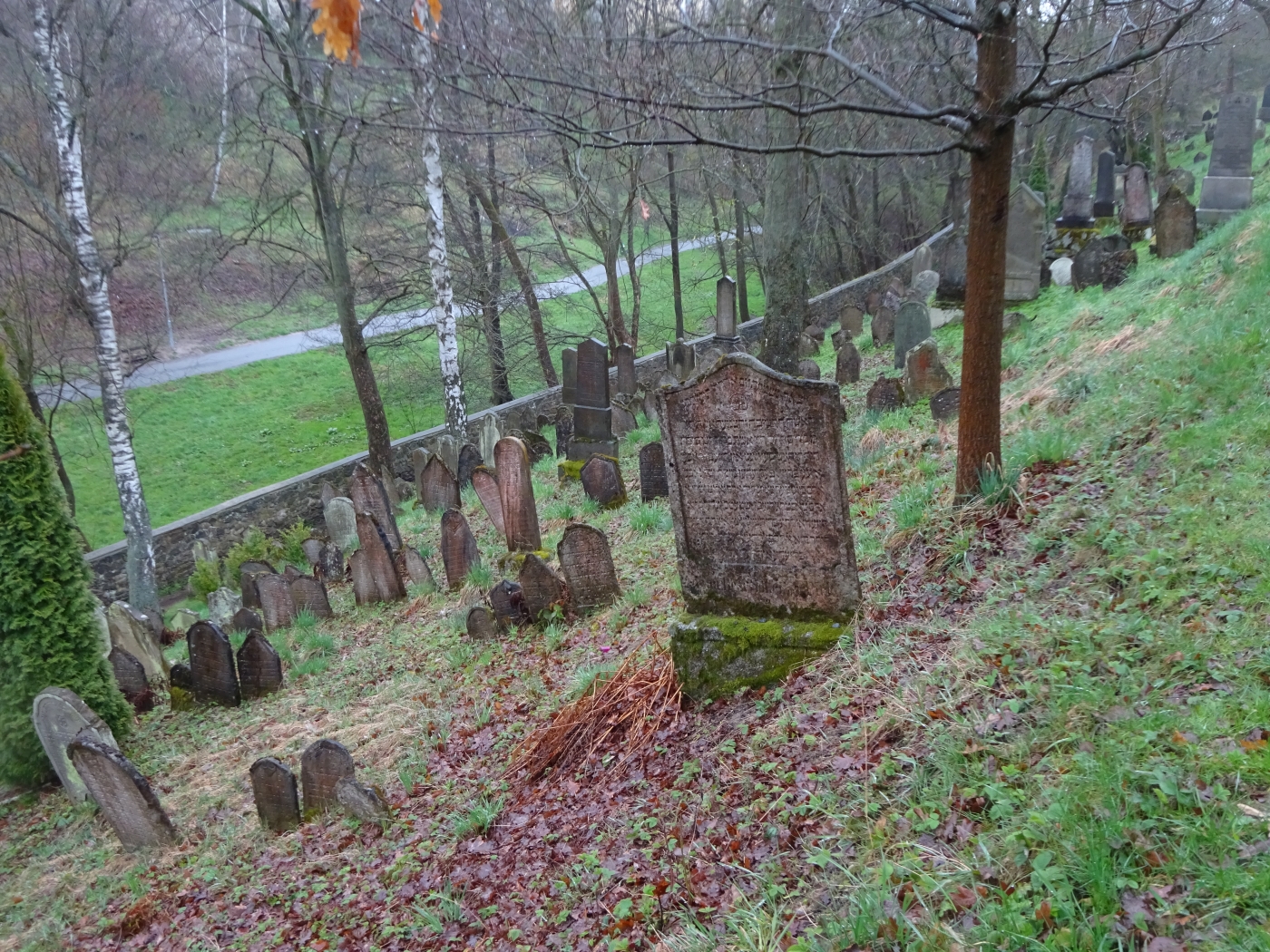
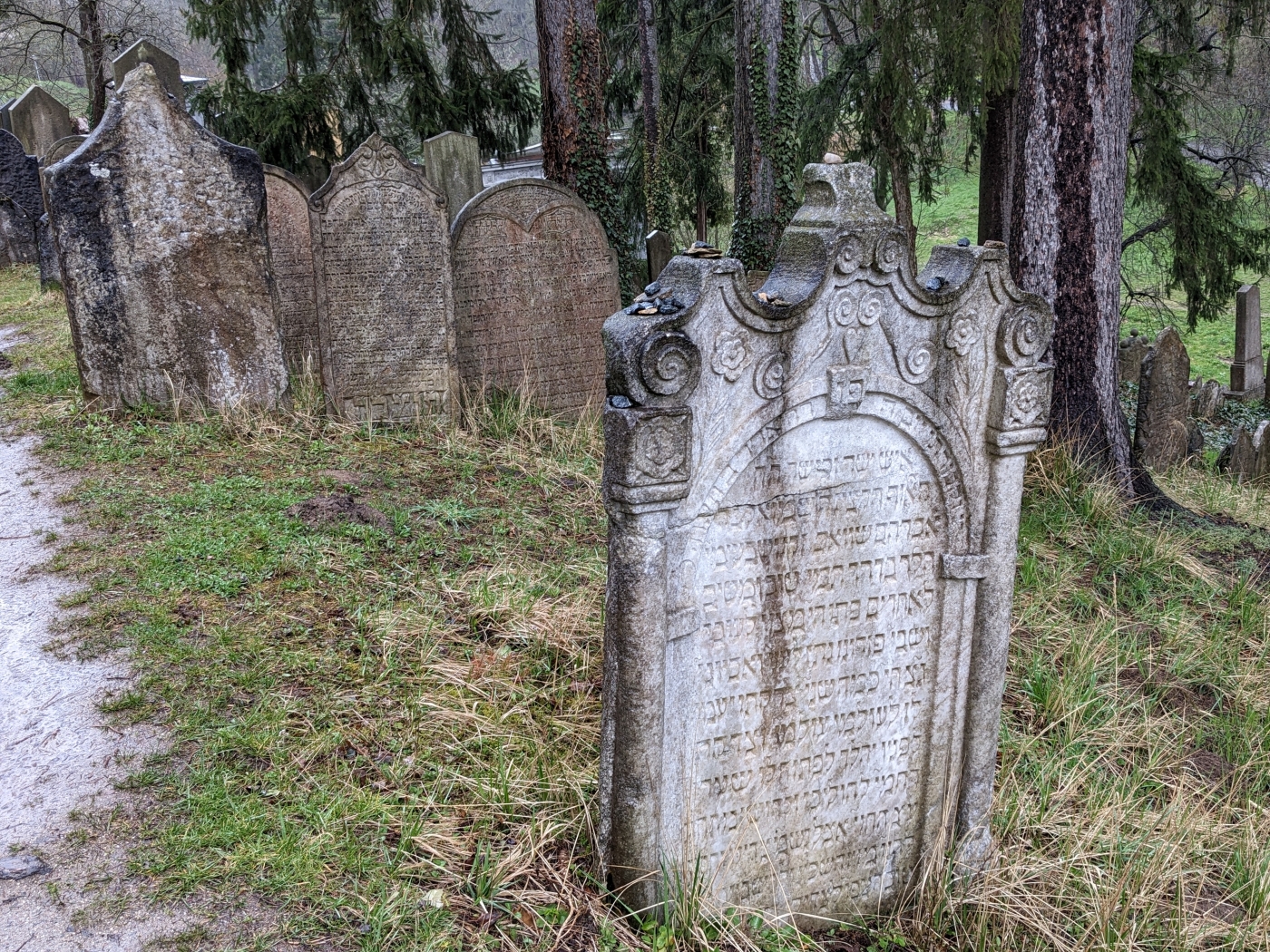
The Jewish Quarter, known locally as Zámostí, is one of the best-preserved and most extensive Jewish ghettos in Europe. Its labyrinthine streets, narrow alleys, and over 120 houses, dating predominantly from the 17th to the 19th centuries, offer an unparalleled glimpse into the daily life of a Jewish community. Originally established in the 12th or 13th century, it features two synagogues – the Rear Synagogue (also known as the Old Synagogue) and the Front Synagogue (or New Synagogue) – alongside a historically significant Jewish cemetery. The quarter's unique character lies in its vernacular architecture, adapting to its constrained space yet reflecting the resilience and vibrant culture of its inhabitants.
A Monastic Masterpiece
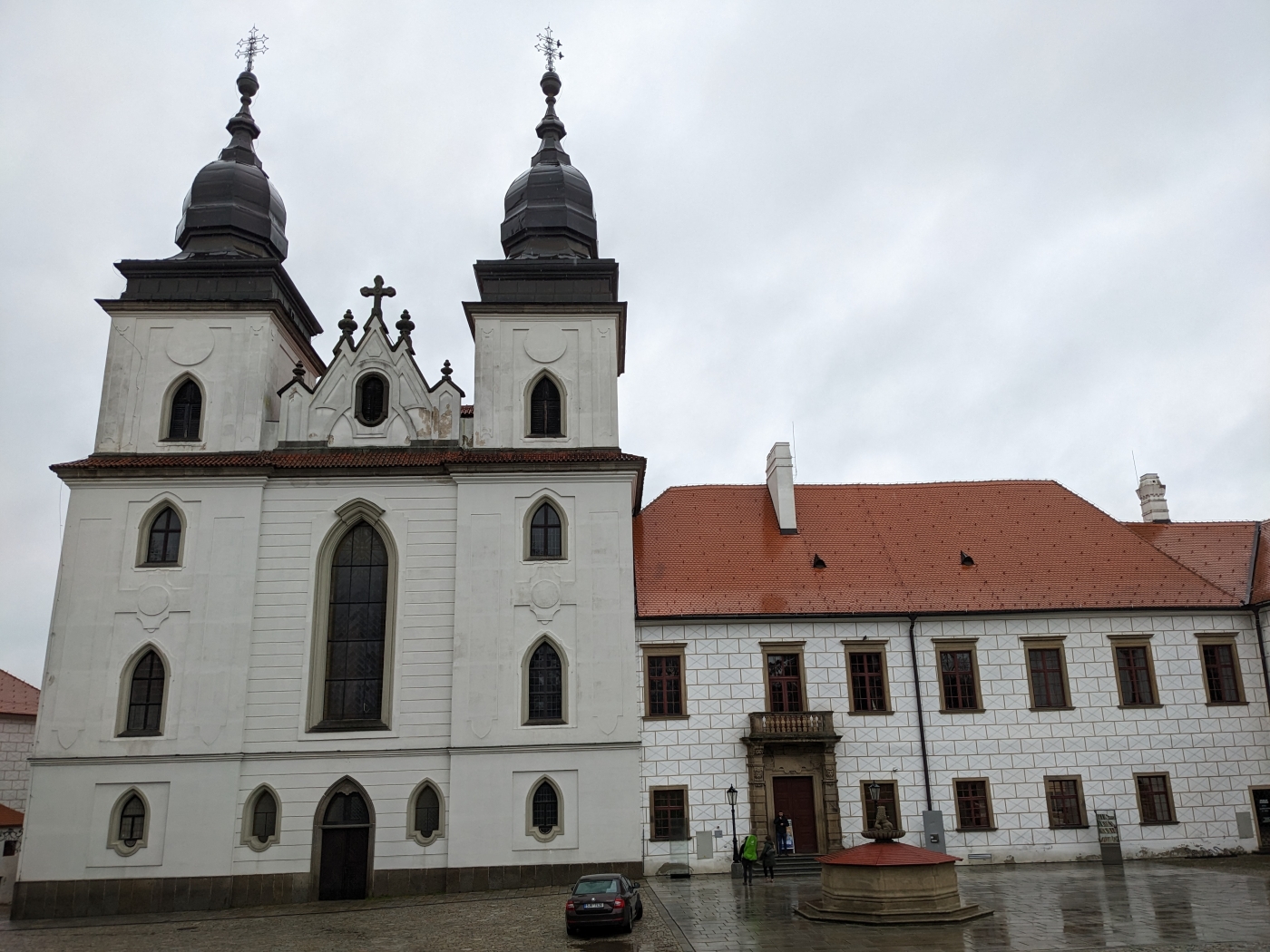
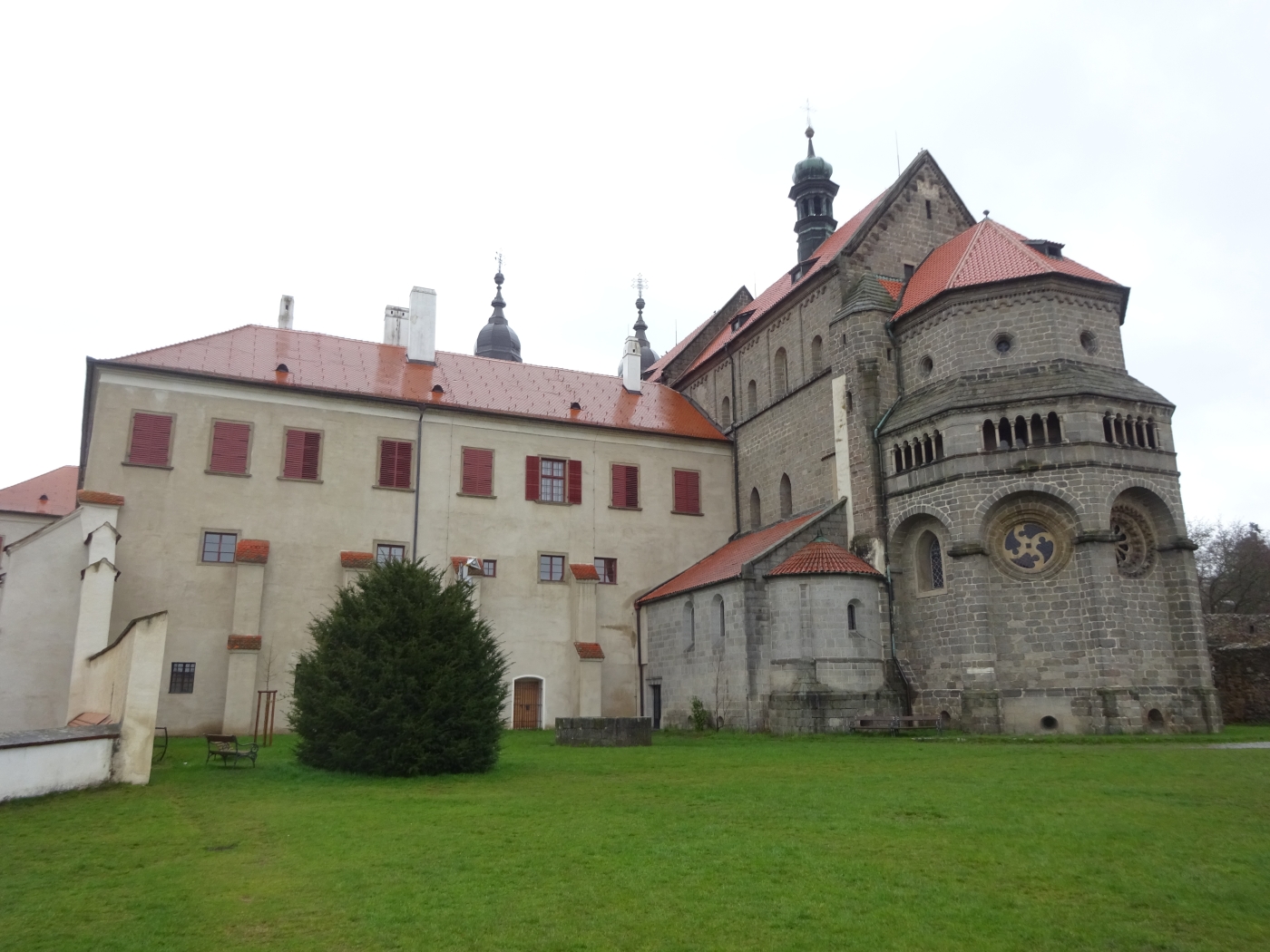
Dominating the skyline on the opposing bank of the Jihlava River is the majestic St. Procopius Basilica. This former Benedictine monastery church, founded around 1101 by Ulrich (Oldřich) of Brno, stands as a prime example of Romanesque-Gothic transitional architecture. Rebuilt and consecrated in the 13th century, the basilica combines sturdy Romanesque elements with the soaring ambition of early Gothic design, particularly evident in its magnificent crypt and vaulted interior. Dedicated to St. Procopius in 1704, the basilica's architectural significance lies in its sophisticated construction techniques and its role as a cultural beacon during the medieval period, deeply influencing the spiritual and artistic landscape of the region.
Centuries of Coexistence
The exceptional universal value recognized by UNESCO stems from the unique symbiosis demonstrated by these two distinct cultural ensembles. The physically close but historically separate worlds of the Christian monastery and the Jewish quarter evolved side-by-side, each preserving its distinct identity while contributing to the rich tapestry of Třebíč. Together, they tell a powerful story of human settlement, faith, and survival, making Třebíč an indispensable monument to European heritage.
Weiterführende Links
The ensemble of the Jewish Quarter, the old Jewish cemetery and the Basilica of St Procopius in Třebíč are reminders of the co-existence of Jewish and Christian cultures from the Middle Ages to the 20th century. The Jewish Quarter bears outstanding testimony to the different aspects of the life of this community. St Procopius' Basilica, built as part of the Benedictine monastery in the early 13th century, is a remarkable example of the influence of Western European architectural heritage in this region.
The Jewish Quarter of Třebíč (Czech: Židovská čtvrť v Třebíči) is a neighborhood and former ghetto in the town of Třebíč, located in western Moravia, Czech Republic. The Jewish Quarter is situated on the north bank of the River Jihlava and is one of the best preserved Jewish quarters in Europe. In 2003, together with the nearby Jewish Cemetery and the St. Procopius Basilica in Třebíč, the Jewish Quarter was inscribed on the UNESCO World Heritage List, because of its testimony to the exchange of cultures and values in the region. As of 2013, it was the only Jewish monument outside Israel on the World Heritage List.