Lednice Castle - Lednice-Valtice Cultural Landscape
Südmähren, Czechia
10.04.2023

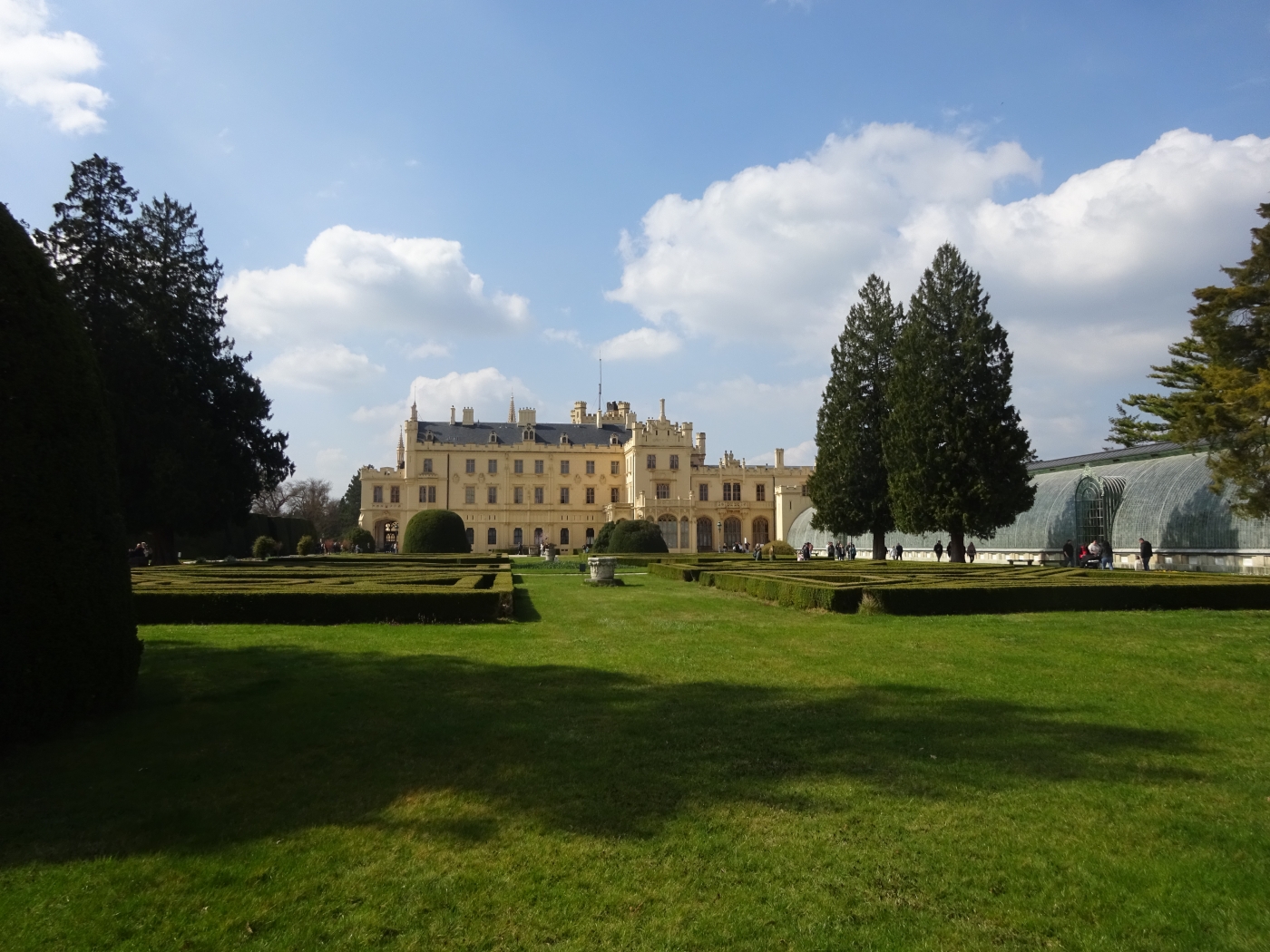
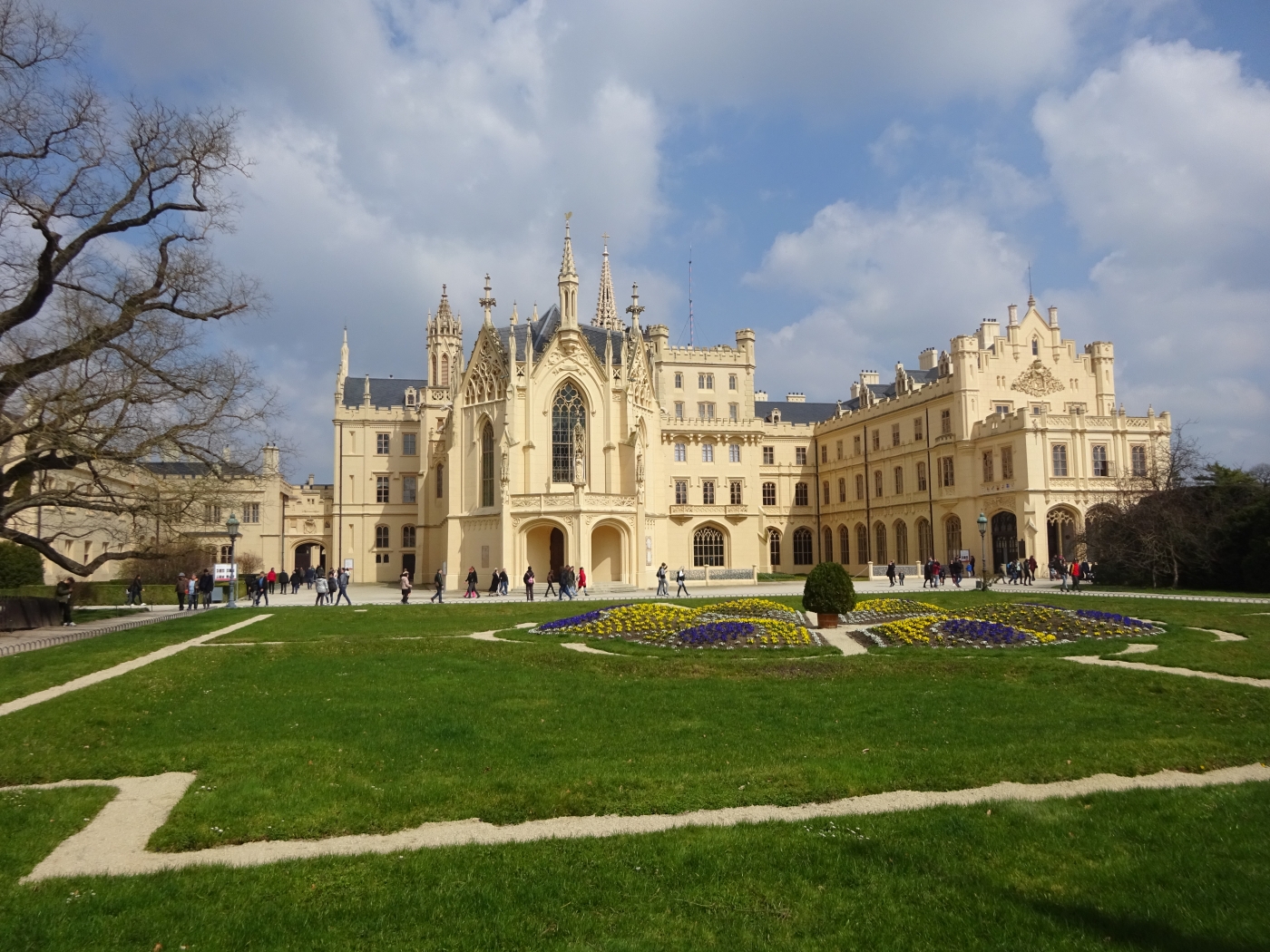
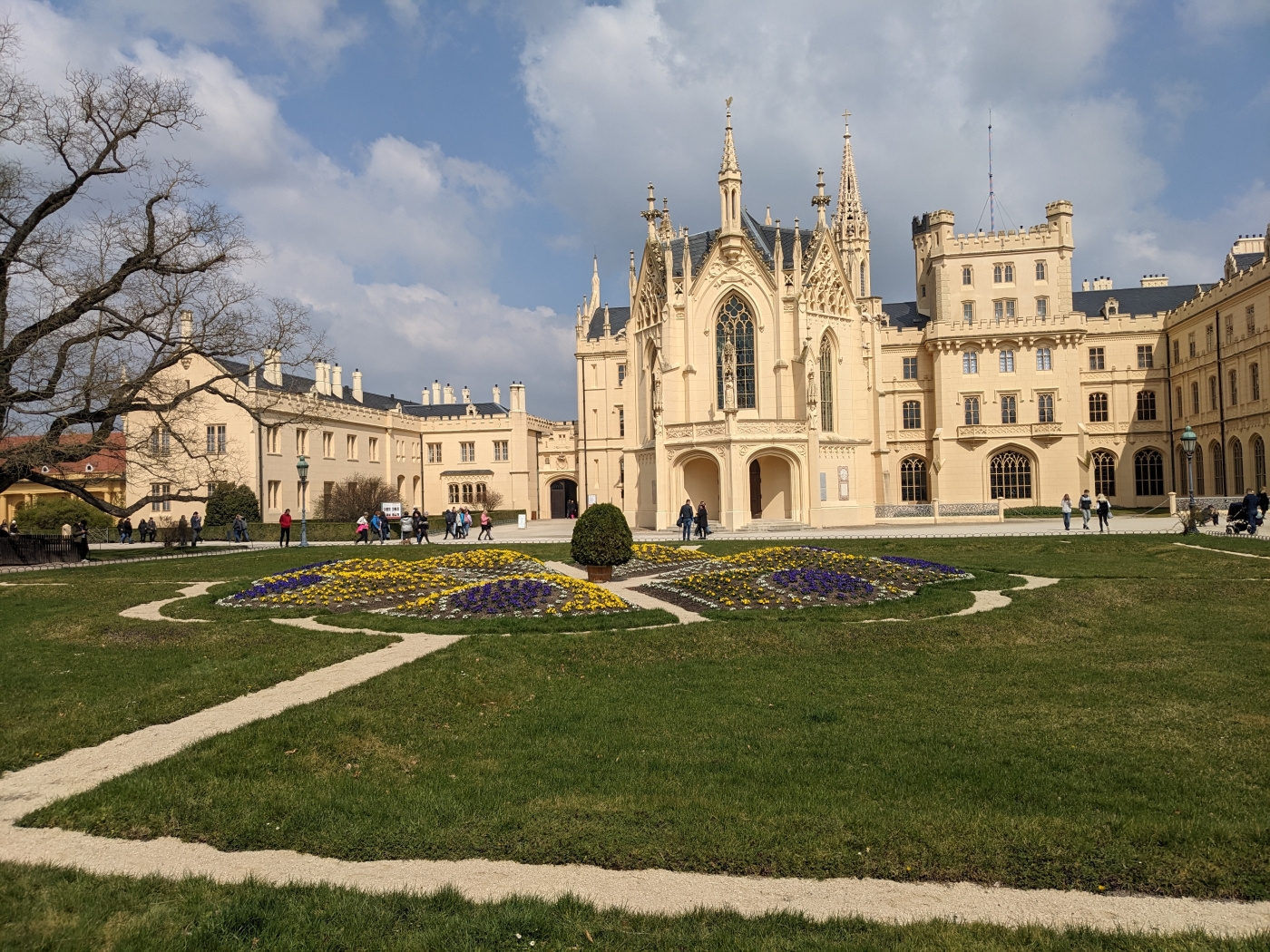
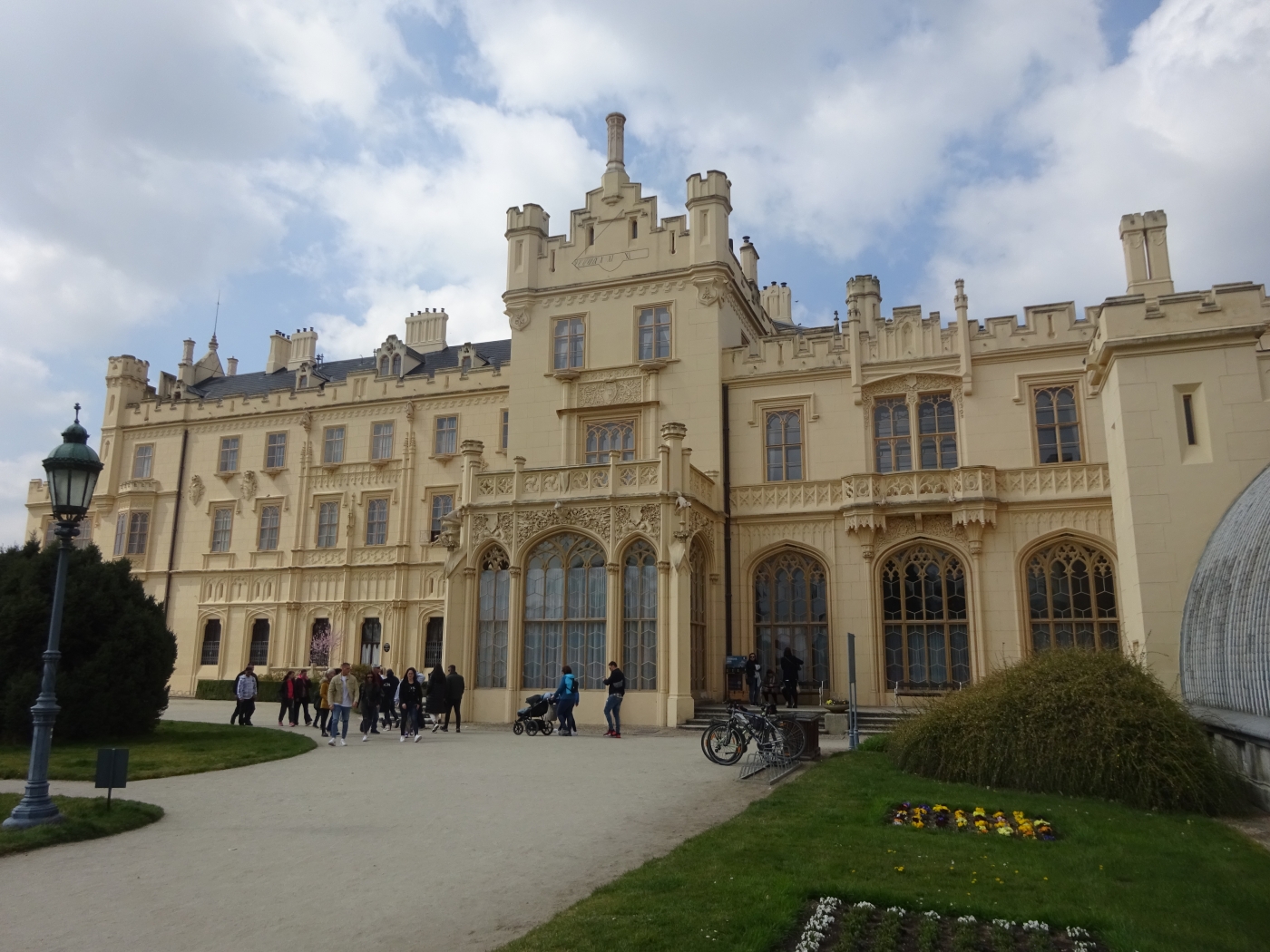
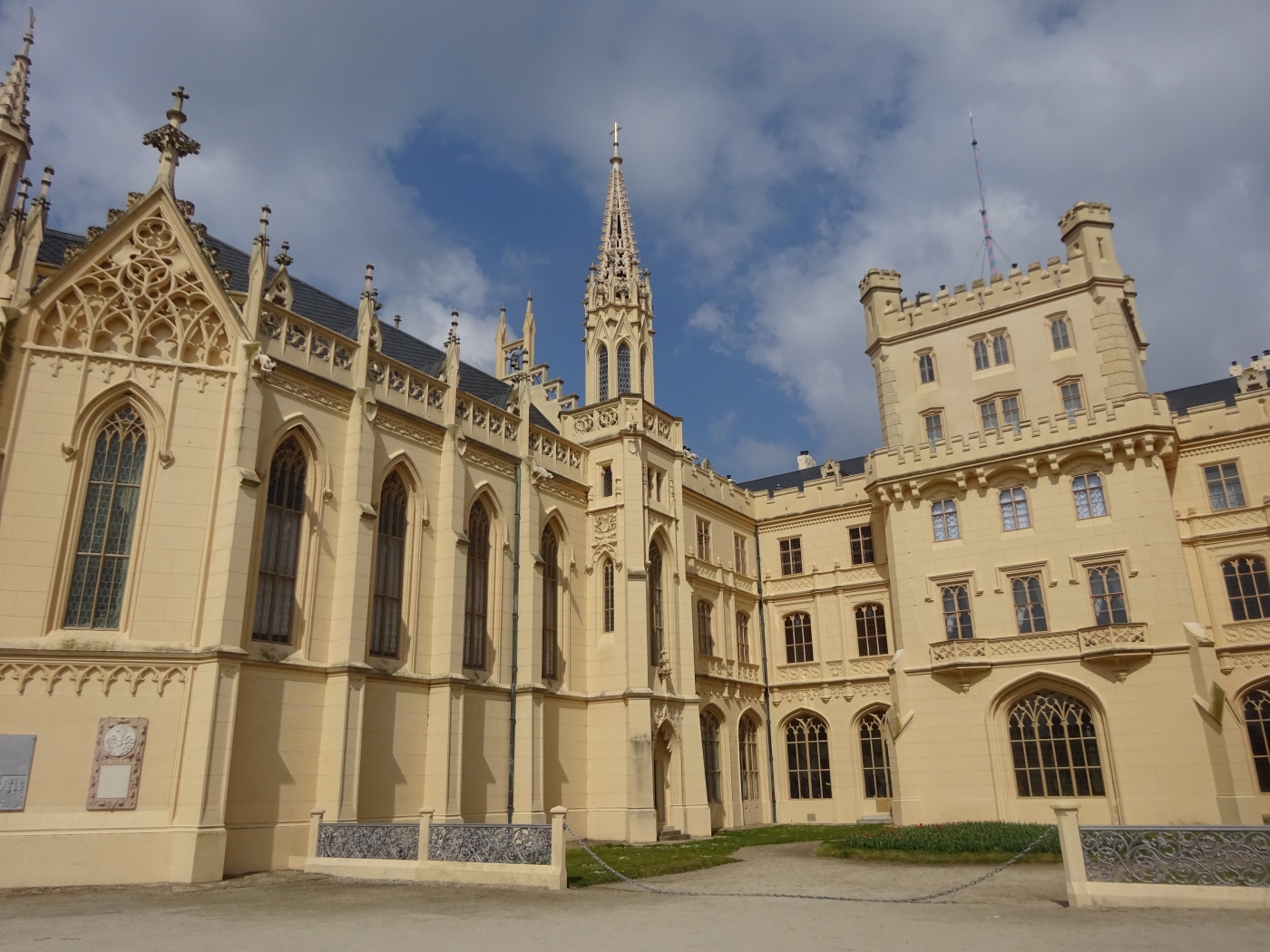
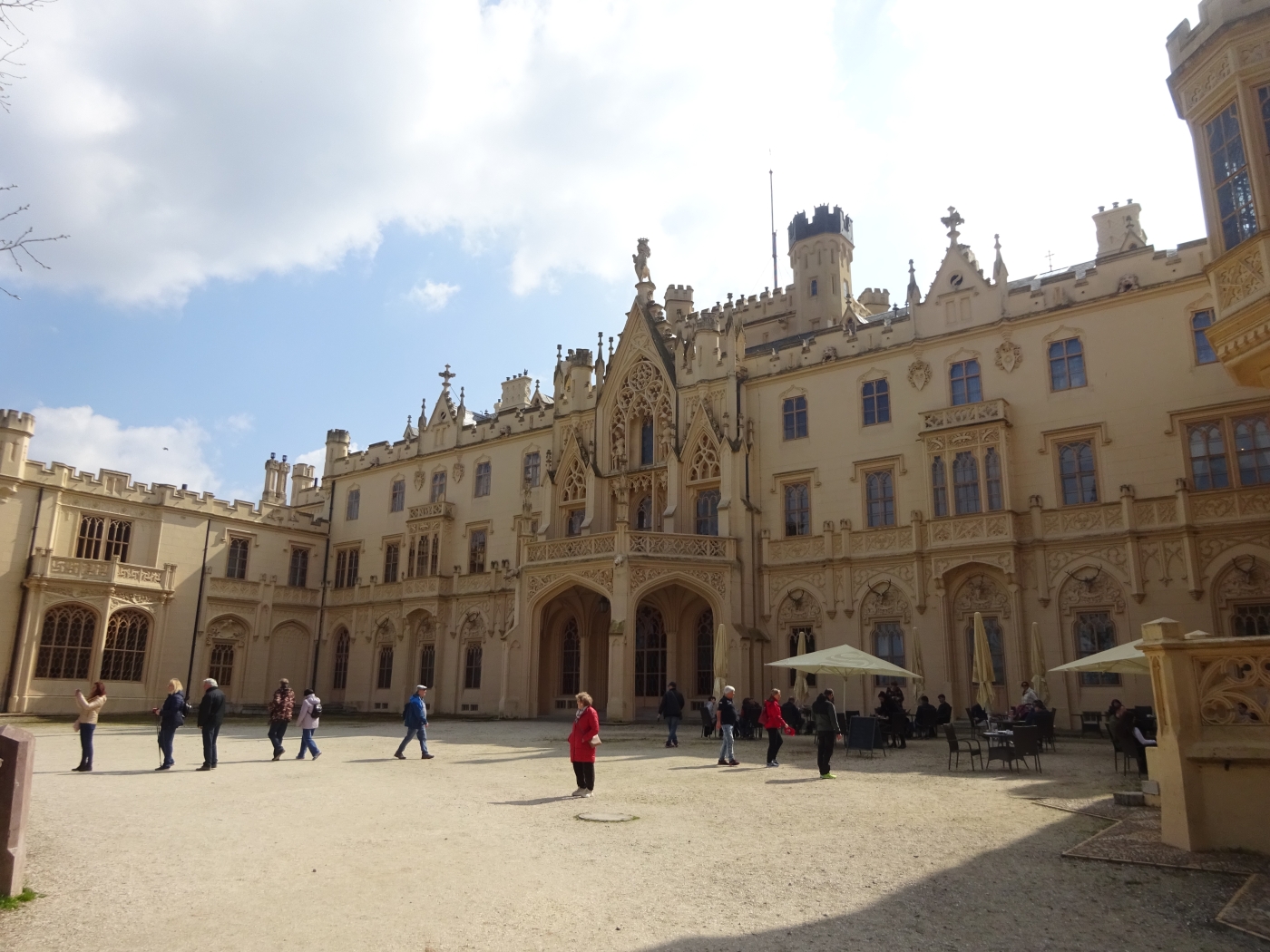
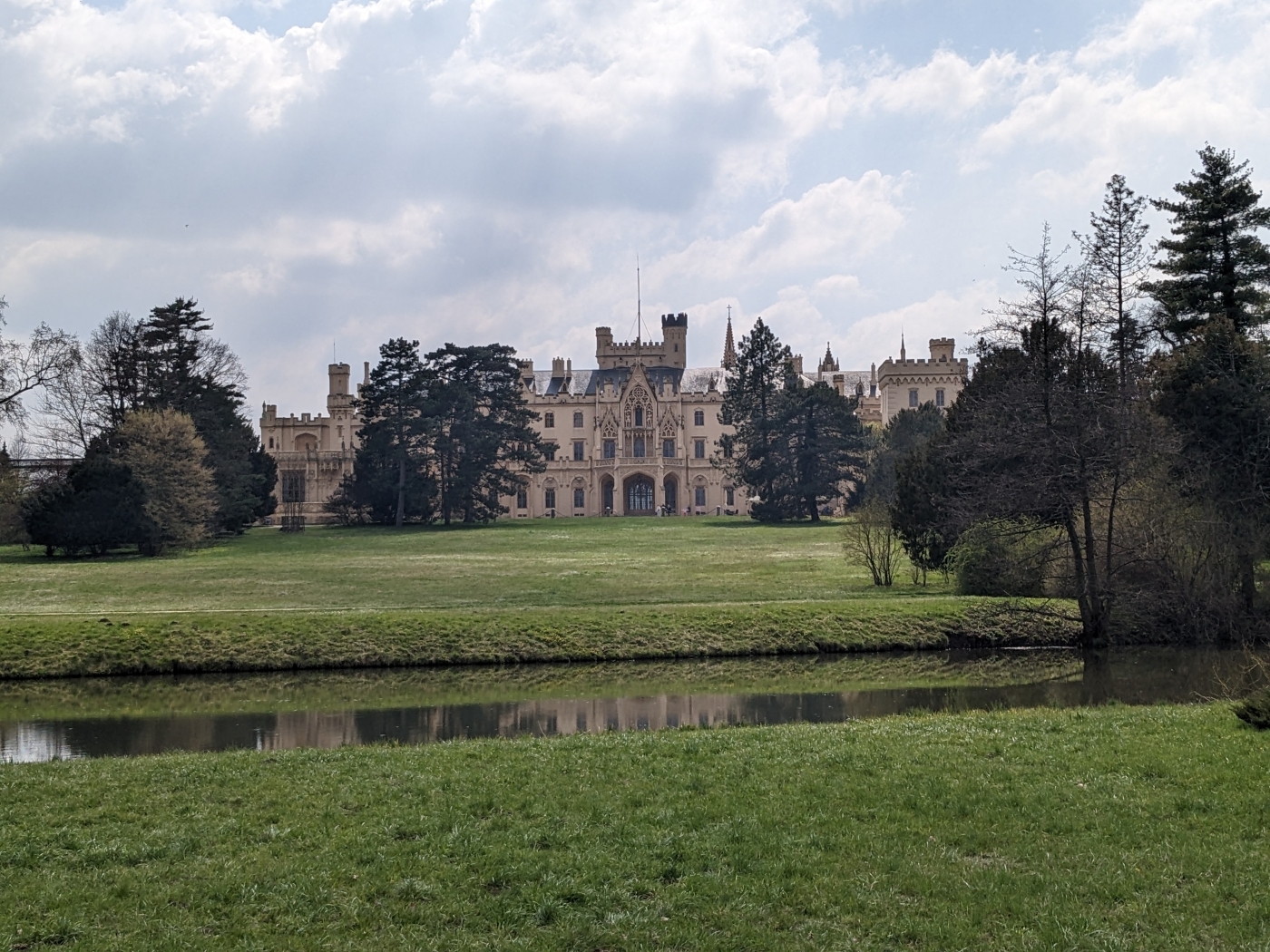
The enchanting Lednice Castle, nestled in the picturesque region of South Moravia in the Czech Republic, stands as a crowning jewel of the UNESCO World Heritage list. This architectural marvel, once a modest fortress, was transformed into one of Europe's most captivating Neo-Gothic palaces, embodying centuries of history and artistic evolution.
A Legacy of the Liechtensteins
The history of Lednice is inextricably linked to the illustrious House of Liechtenstein, who acquired the estate in the mid-13th century and held it for over 700 years until 1945. Under their patronage, the original medieval stronghold gradually evolved. A significant transformation occurred in the 16th century when it was rebuilt into a Renaissance château. Later, during the Baroque period, particularly under Prince Johann Adam Andreas von Liechtenstein, it underwent further redesigns, reflecting the grandeur of the era.
Neo-Gothic Splendor
The castle's current appearance largely dates from the mid-19th century. Between 1846 and 1858, Prince Alois II of Liechtenstein commissioned architect Georg Wingelmüller to remodel the Baroque structure into a romantic Neo-Gothic palace. This dramatic transformation imbued Lednice with its distinctive English Gothic Revival style, characterized by intricate turrets, elaborate gargoyles, and richly decorated interiors. The splendid chapel, the magnificent library, and the opulent reception rooms all showcase the period’s refined craftsmanship and the family’s immense wealth and taste.
The Lednice-Valtice Cultural Landscape
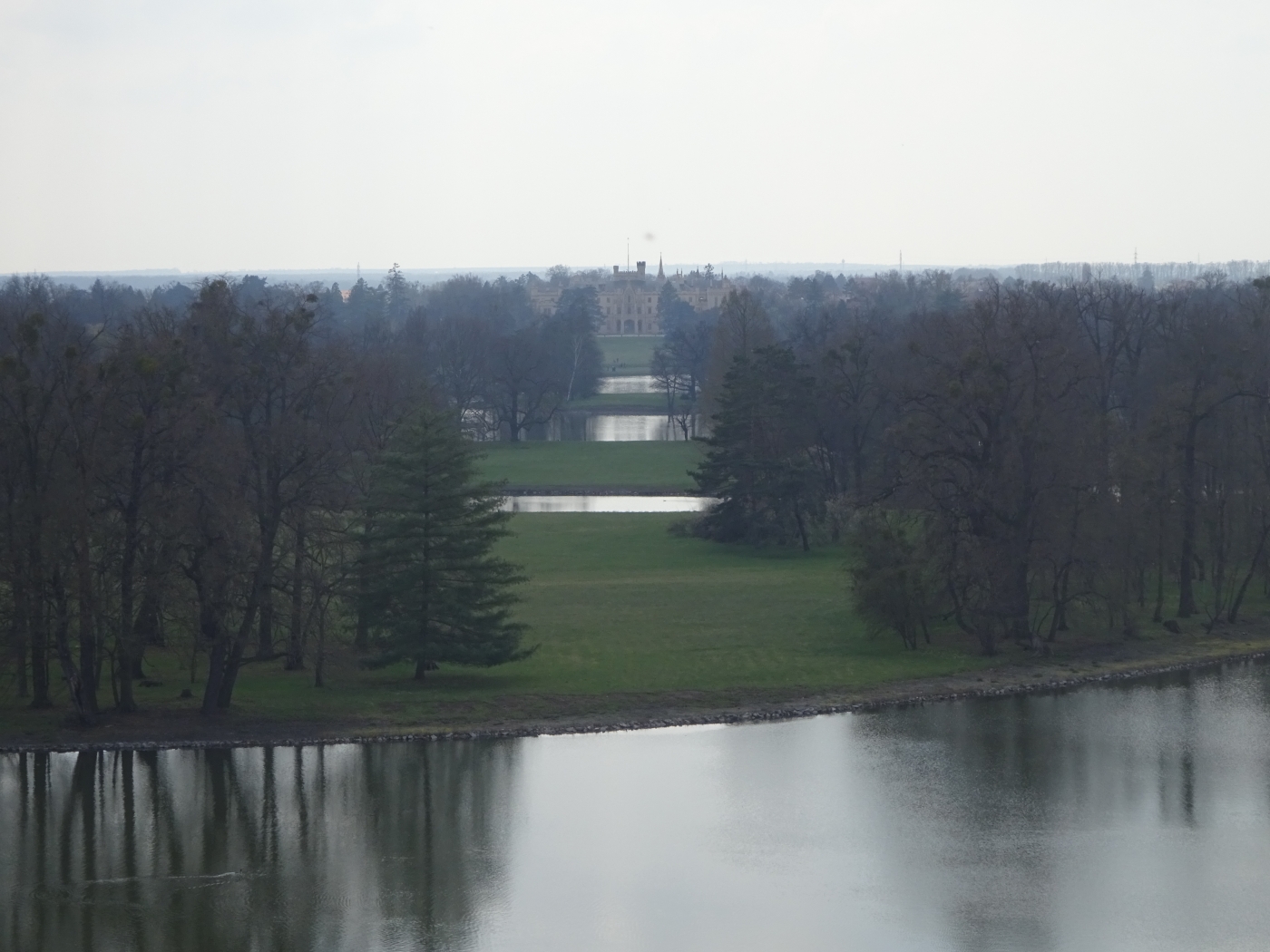
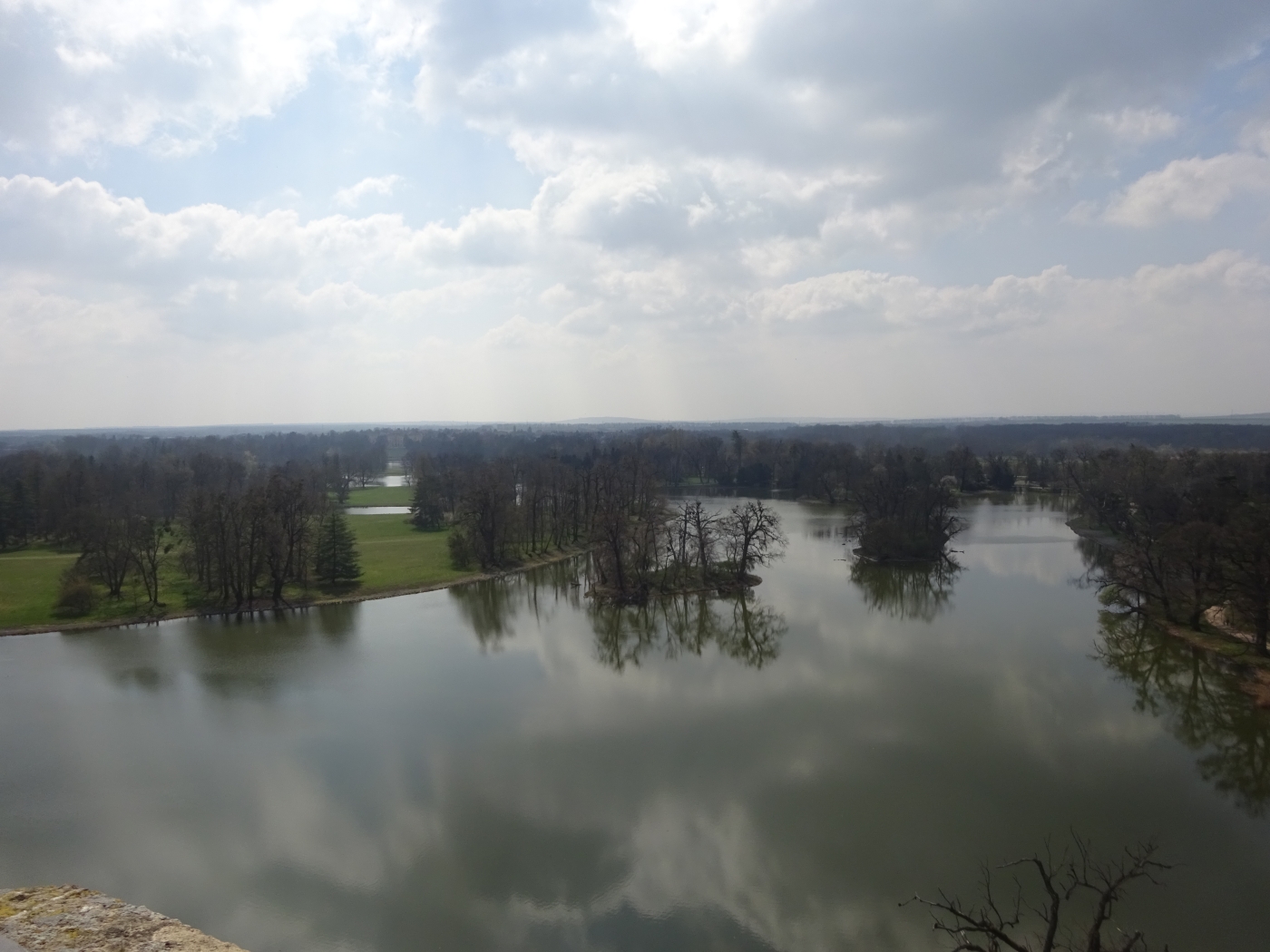
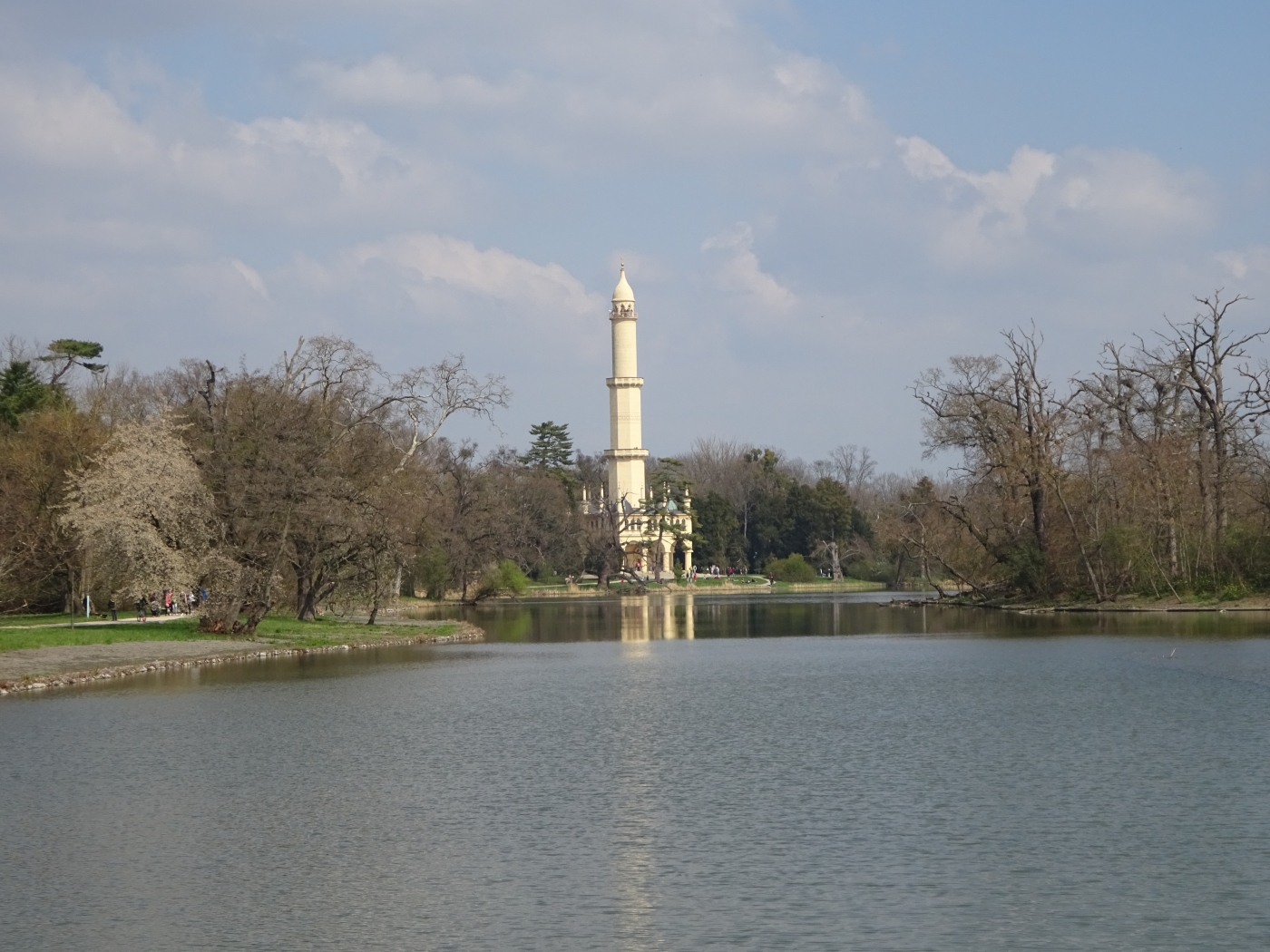
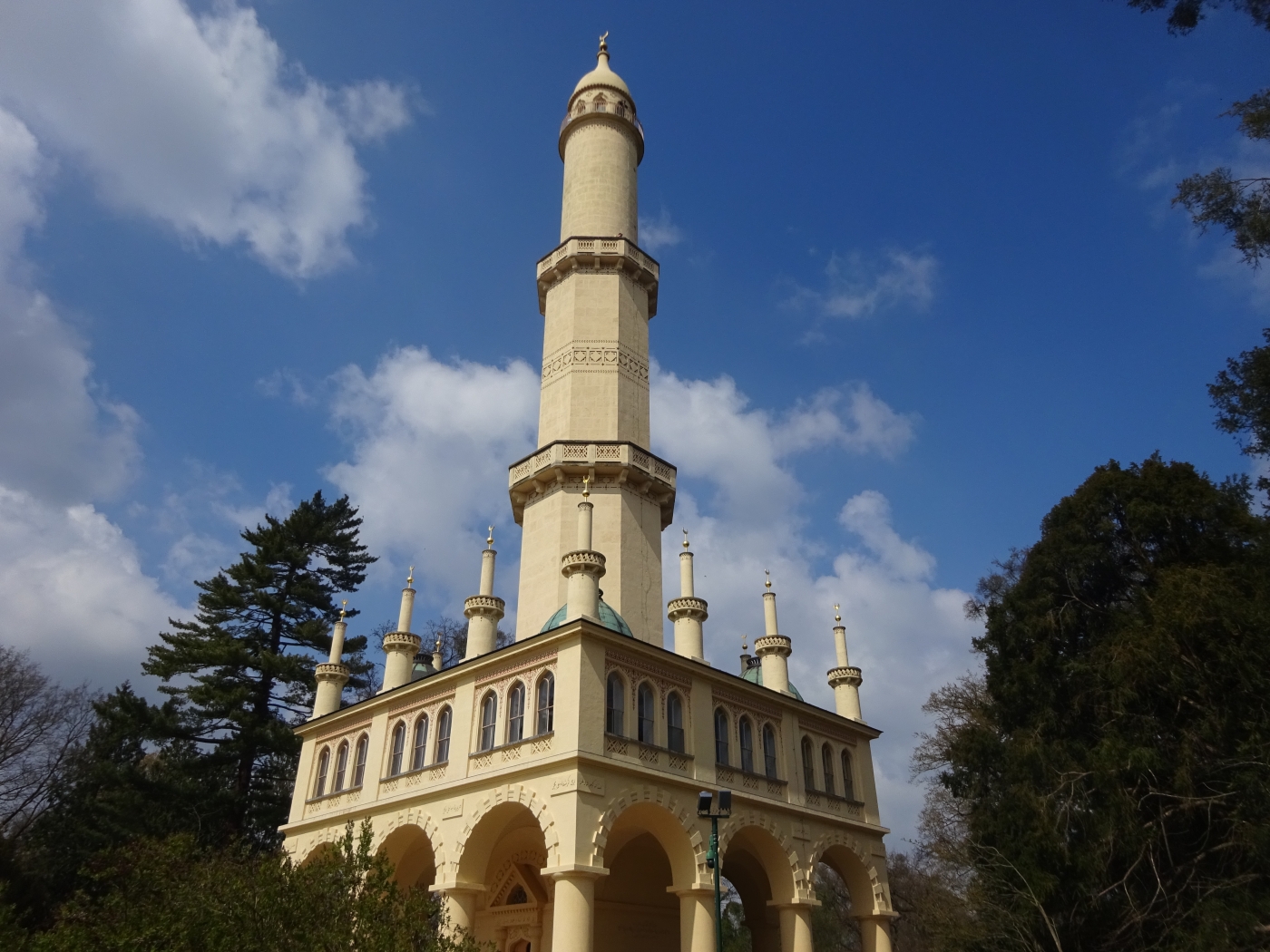
Beyond the castle walls, Lednice is part of the sprawling Lednice-Valtice Cultural Landscape, a vast and meticulously designed parkland stretching over 300 square kilometers. This extraordinary ensemble, also a UNESCO World Heritage site, is often dubbed the "Garden of Europe." It harmoniously blends Baroque architecture with classical and Neo-Gothic elements, all set within a naturalistic English park. Scattered throughout are numerous romantic follies and smaller structures, such as the slender Minaret offering panoramic views, the stately Apollo's Temple, the artificial ruins of Janův hrad (John’s Castle), and various ponds and avenues, creating a breathtaking synthesis of human ingenuity and natural beauty.
The combination of the exquisitely designed palace and its surrounding cultural landscape makes Schloss Lednice an unparalleled example of a large European aristocratic residence and a testament to the landscape architecture of the 18th and 19th centuries.
Weiterführende Links
Between the 17th and 20th centuries, the ruling dukes of Liechtenstein transformed their domains in southern Moravia into a striking landscape. It married Baroque architecture (mainly the work of Johann Bernhard Fischer von Erlach) and the classical and neo-Gothic style of the castles of Lednice and Valtice with countryside fashioned according to English romantic principles of landscape architecture. At 200 km2 , it is one of the largest artificial landscapes in Europe.
The Lednice–Valtice Cultural Landscape (also Lednice–Valtice Area or Lednice–Valtice Complex, Czech: Lednicko-valtický areál) is a cultural-natural landscape complex of 283.09 square kilometres (109.30 sq mi) in the South Moravian Region of the Czech Republic. It comprises the municipalities of Lednice, Valtice and Hlohovec, and the rural area of Břeclav.
In 1996, the Lednice-Valtice Area was registered on the UNESCO World Heritage List because of its unique mix of Baroque, Neoclassical, and neo-Gothic architecture, and its history as a cultural landscape designed intentionally by a single family. It is adjacent to the Pálava Landscape Protected Area (Pálava Biosphere Reserve), a biosphere reserve registered by UNESCO several years before. The close proximity of two cultural landscapes protected by UNESCO is unique.