Cologne Cathedral
Köln, Germany
12.05.2009

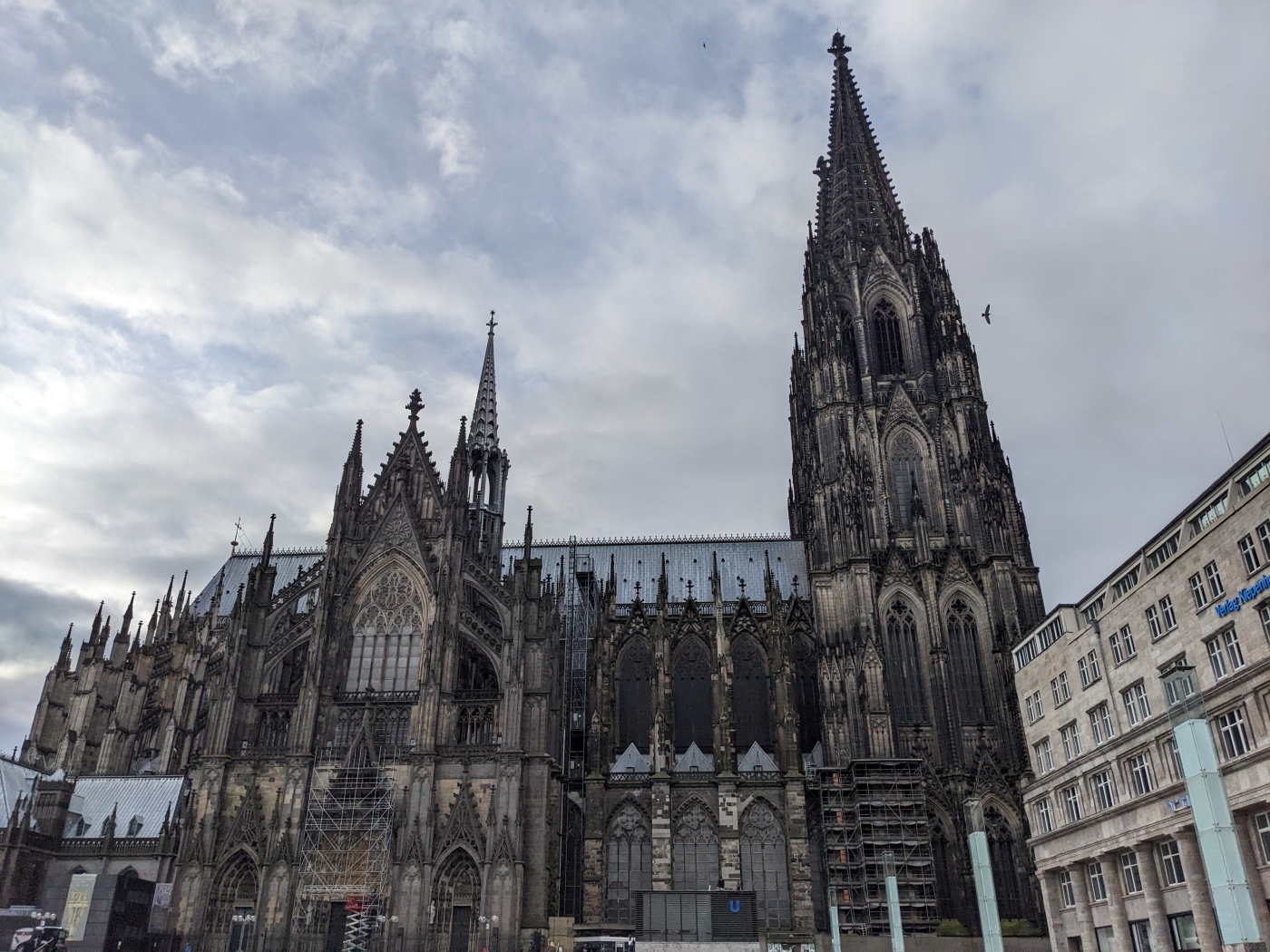
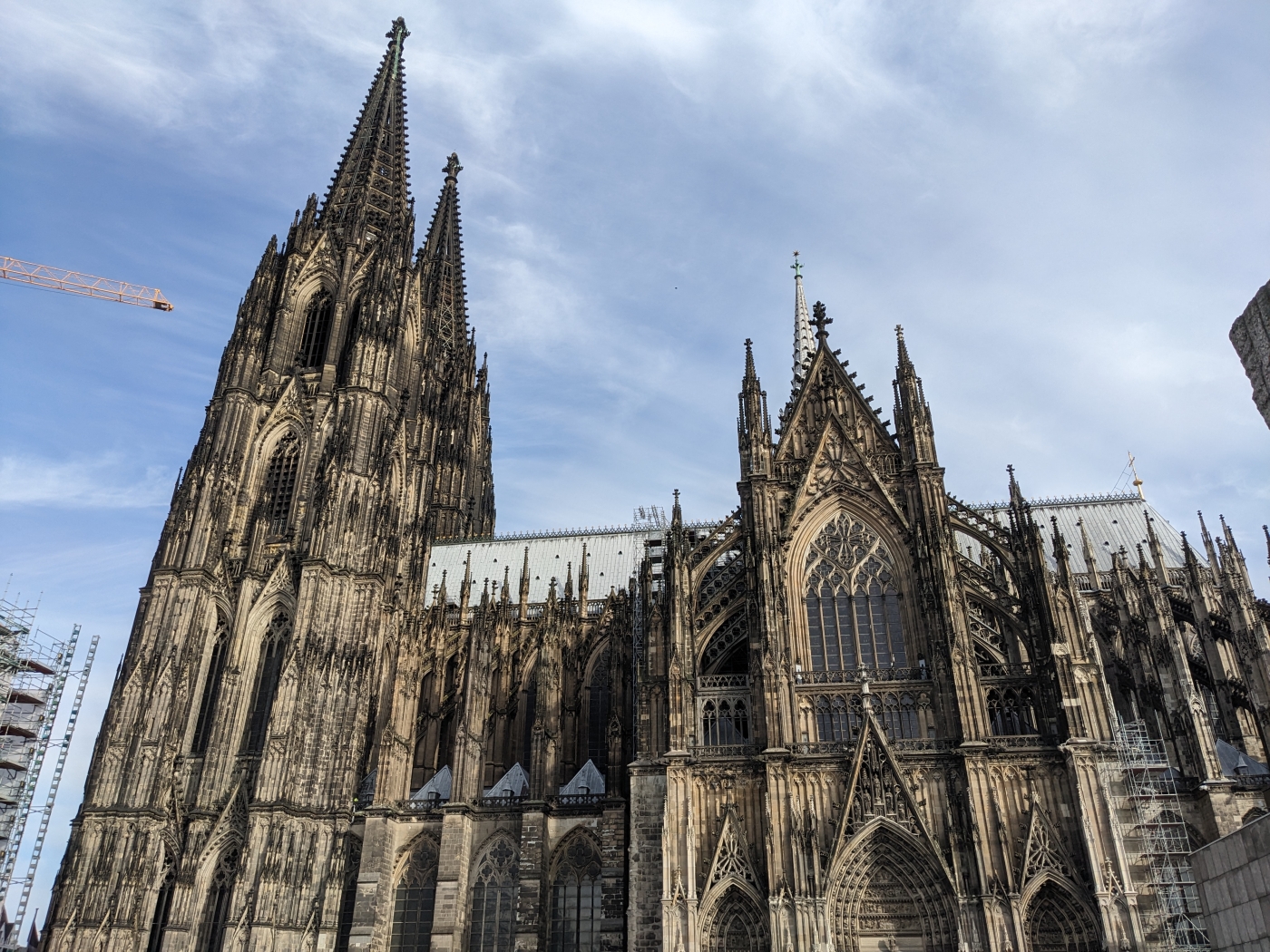
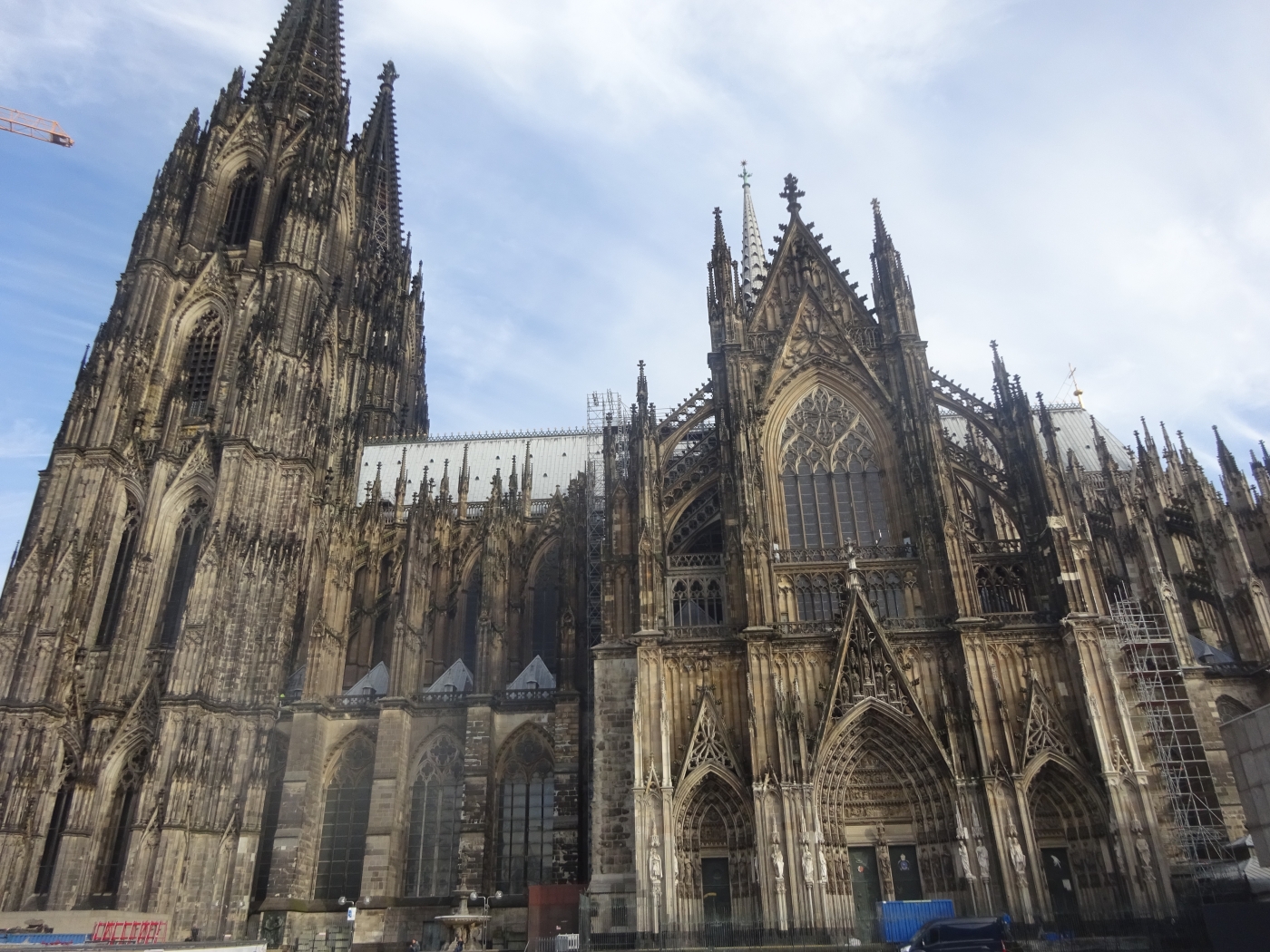
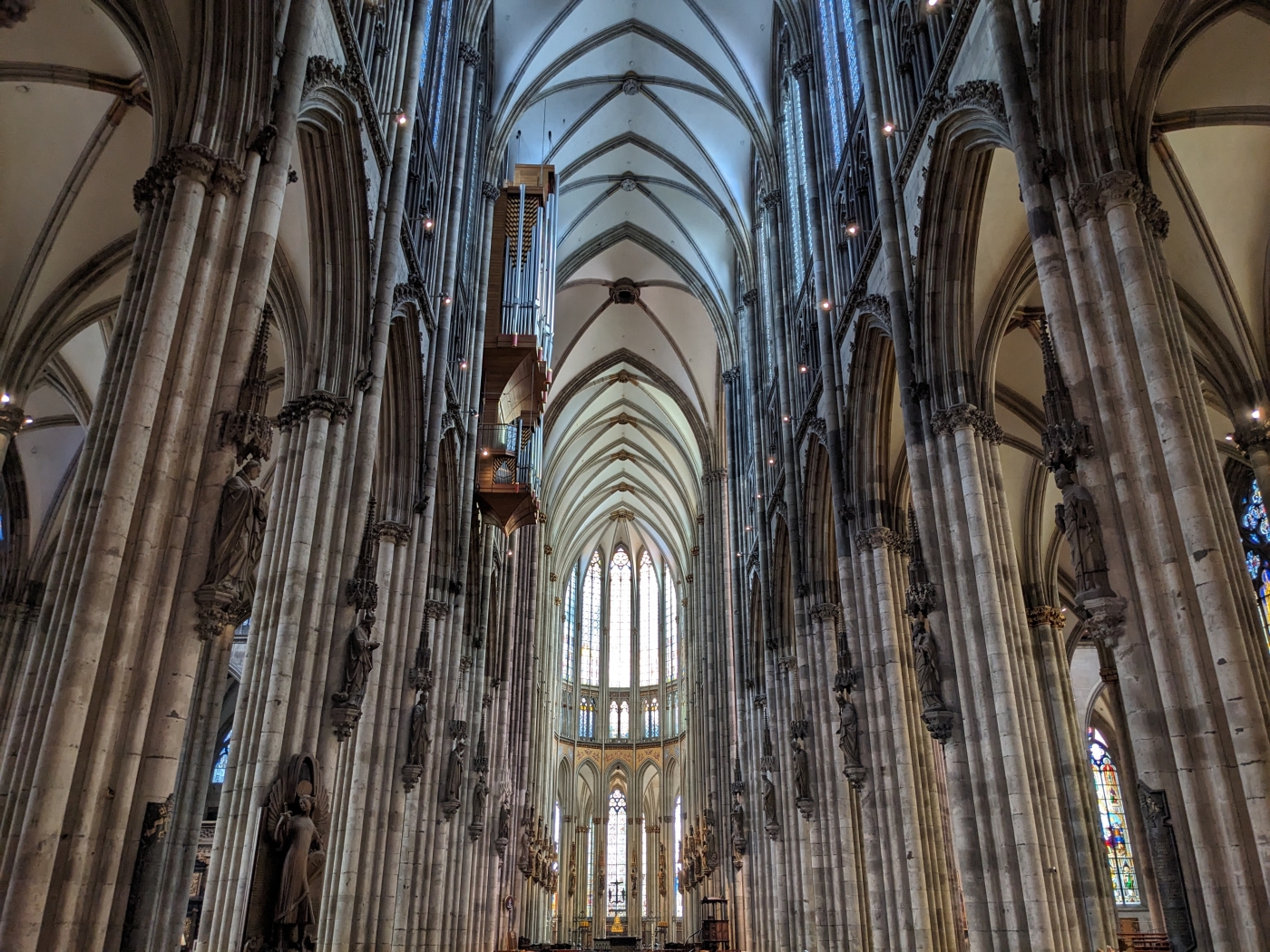
The **Cologne Cathedral**, officially **Hohe Domkirche Sankt Petrus**, in **Cologne**, **Germany**, is an awe-inspiring **Gothic** masterpiece. Inscribed as a UNESCO World Heritage site in **1996**, it stands as a global symbol of European architectural genius and profound spiritual devotion.
Genesis of a Masterpiece
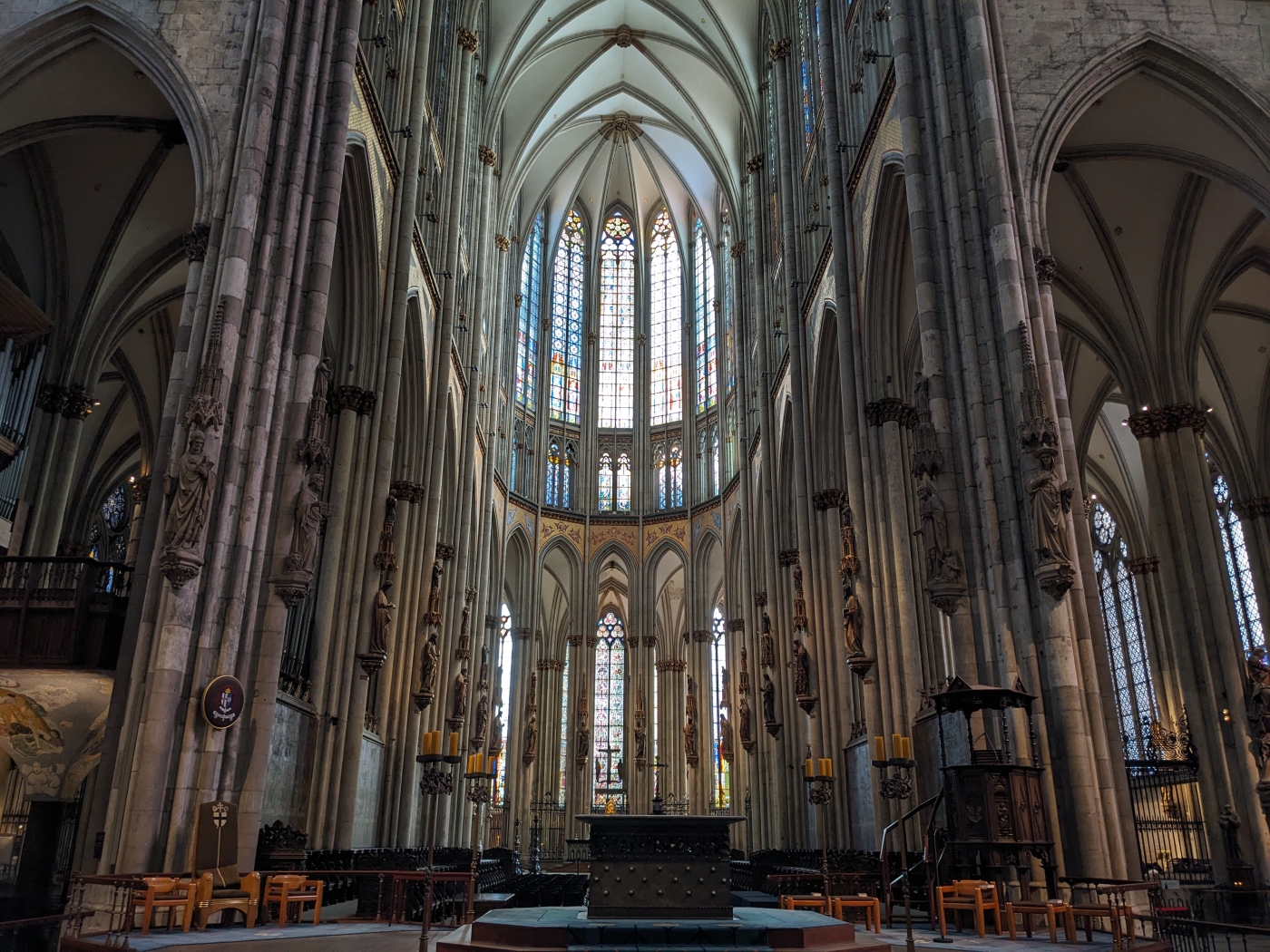
Construction began in **1248** on a site with ancient Christian roots. The primary impetus was to provide a fitting shrine for the revered relics of the **Three Kings**, brought to **Cologne** by **Archbishop Rainald von Dassel** in **1164**. This made **Cologne** a major pilgrimage destination and spurred the ambition to build a cathedral in the then-groundbreaking **High Gothic** style, designed to surpass all previous structures in size and splendor.
A Millennia-Long Endeavor
Work continued for centuries, completing the choir and lower sections, but halted in the **16th century**, leaving it unfinished for over 300 years. The project revived in the **19th century**, driven by **Romantic** ideals and **Prussian** national pride. Under **King Frederick William IV of Prussia**, construction resumed in **1842**, meticulously following original medieval plans. The cathedral was finally completed in **1880**, 632 years after its foundation stone, briefly becoming the world's tallest building.
Architectural Splendor and Sacred Art
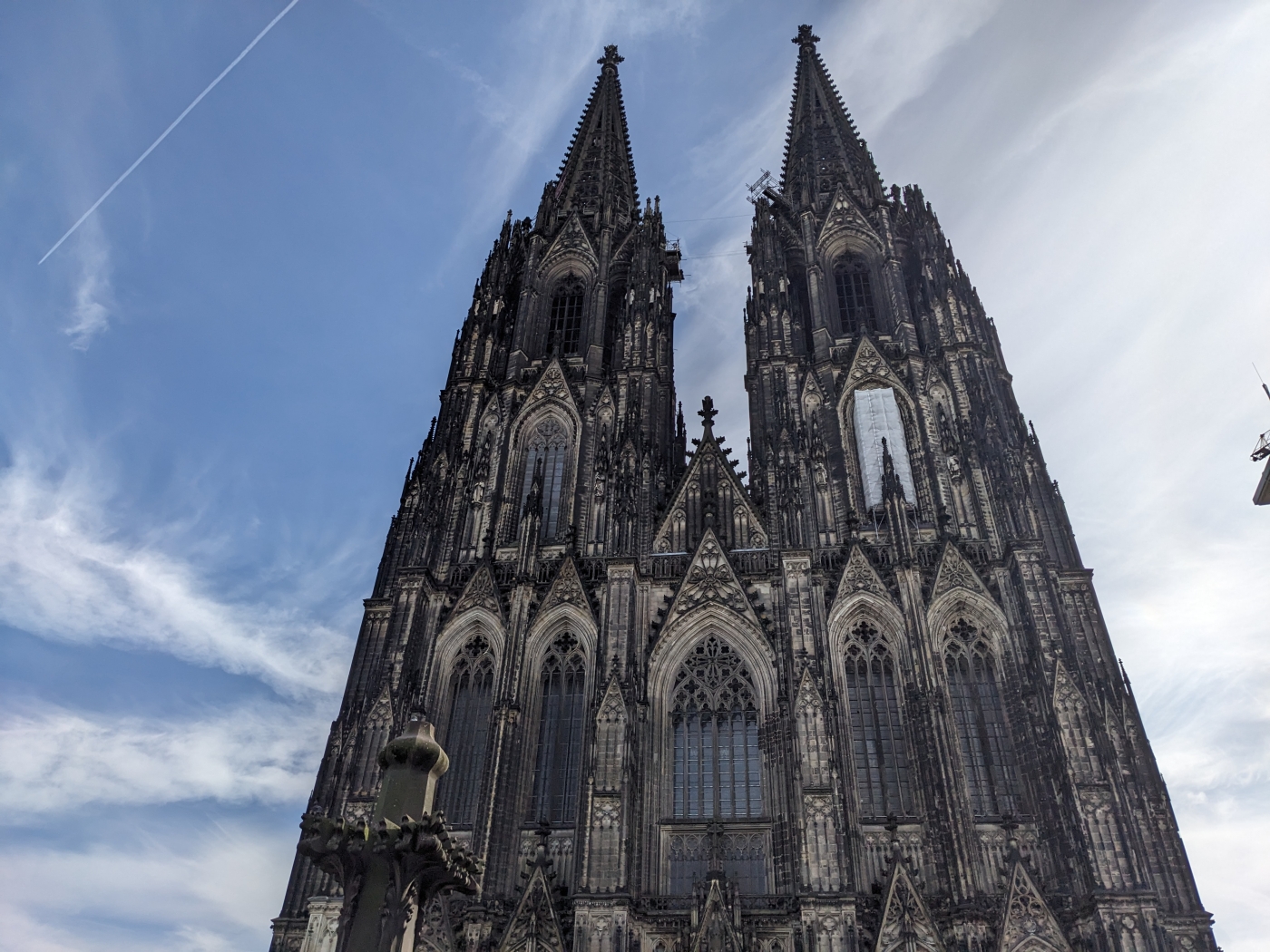
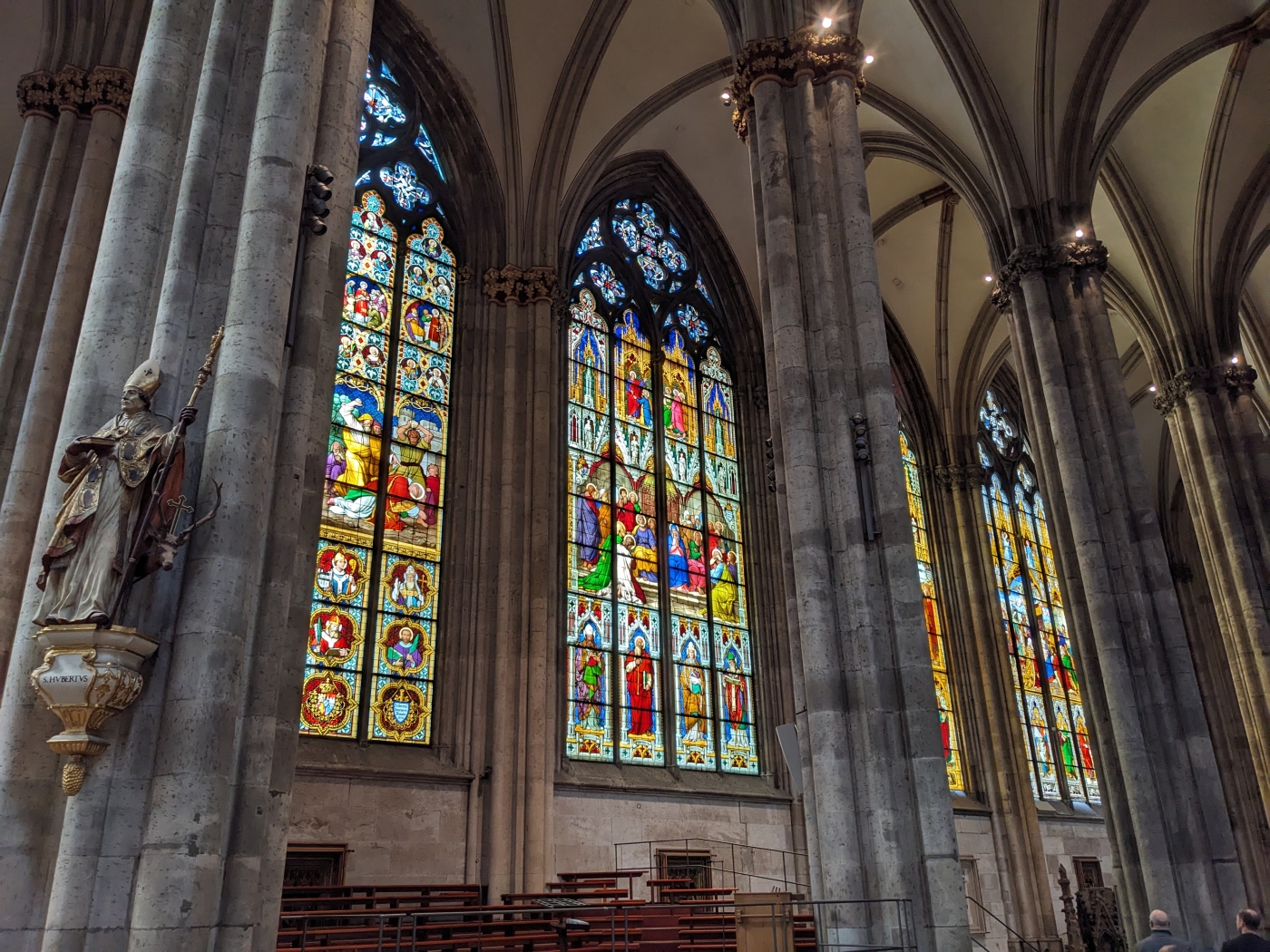
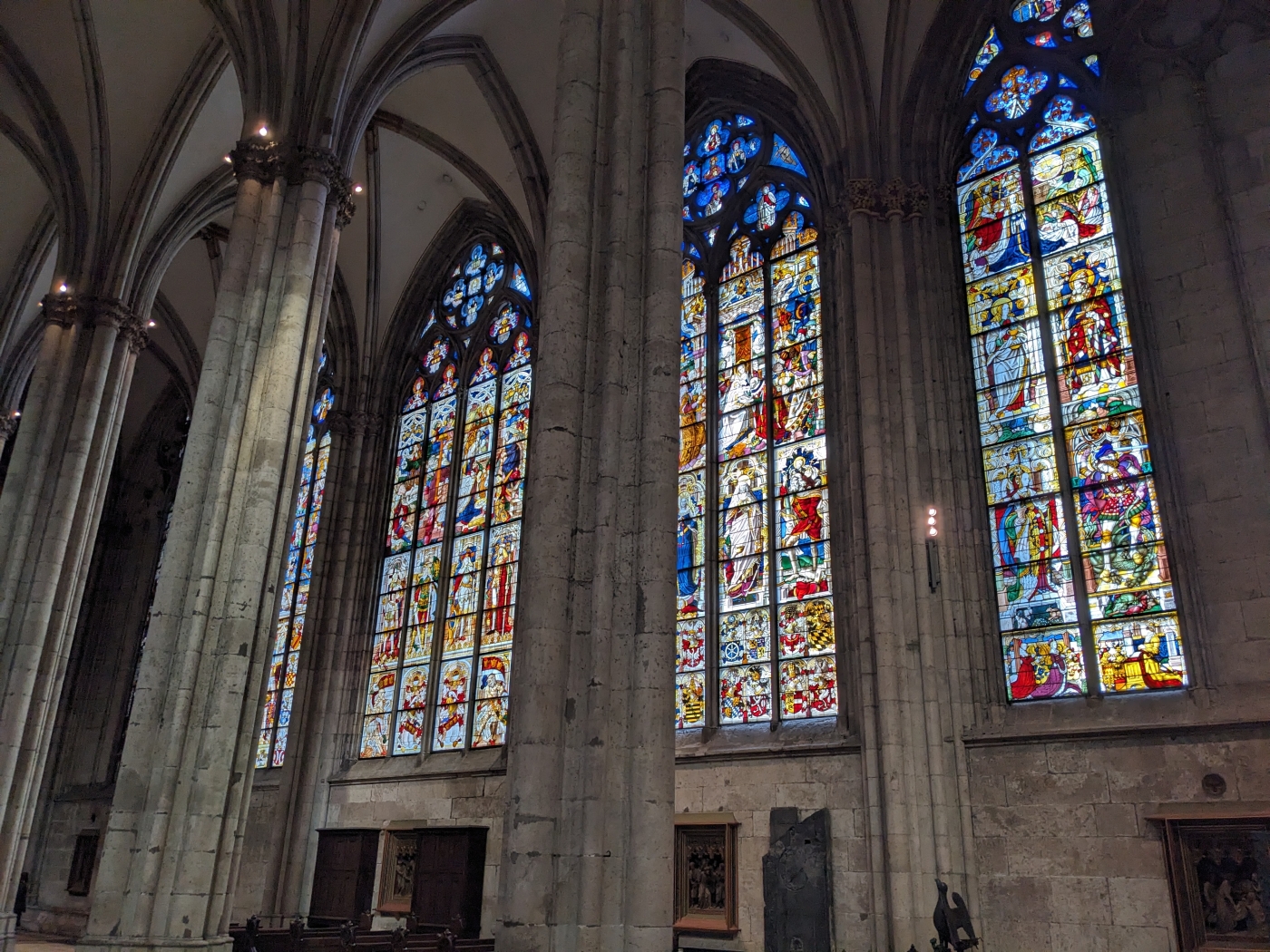
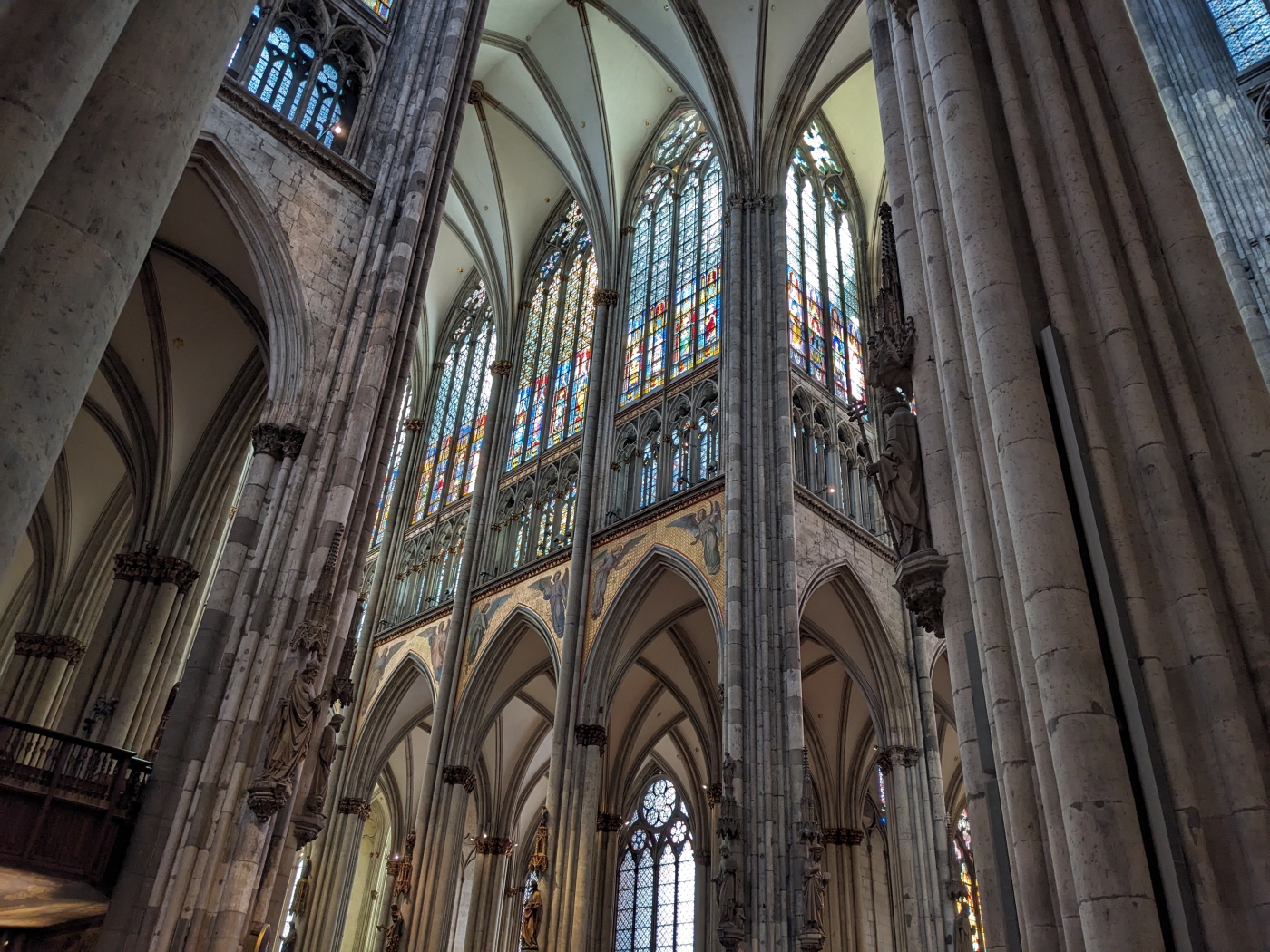
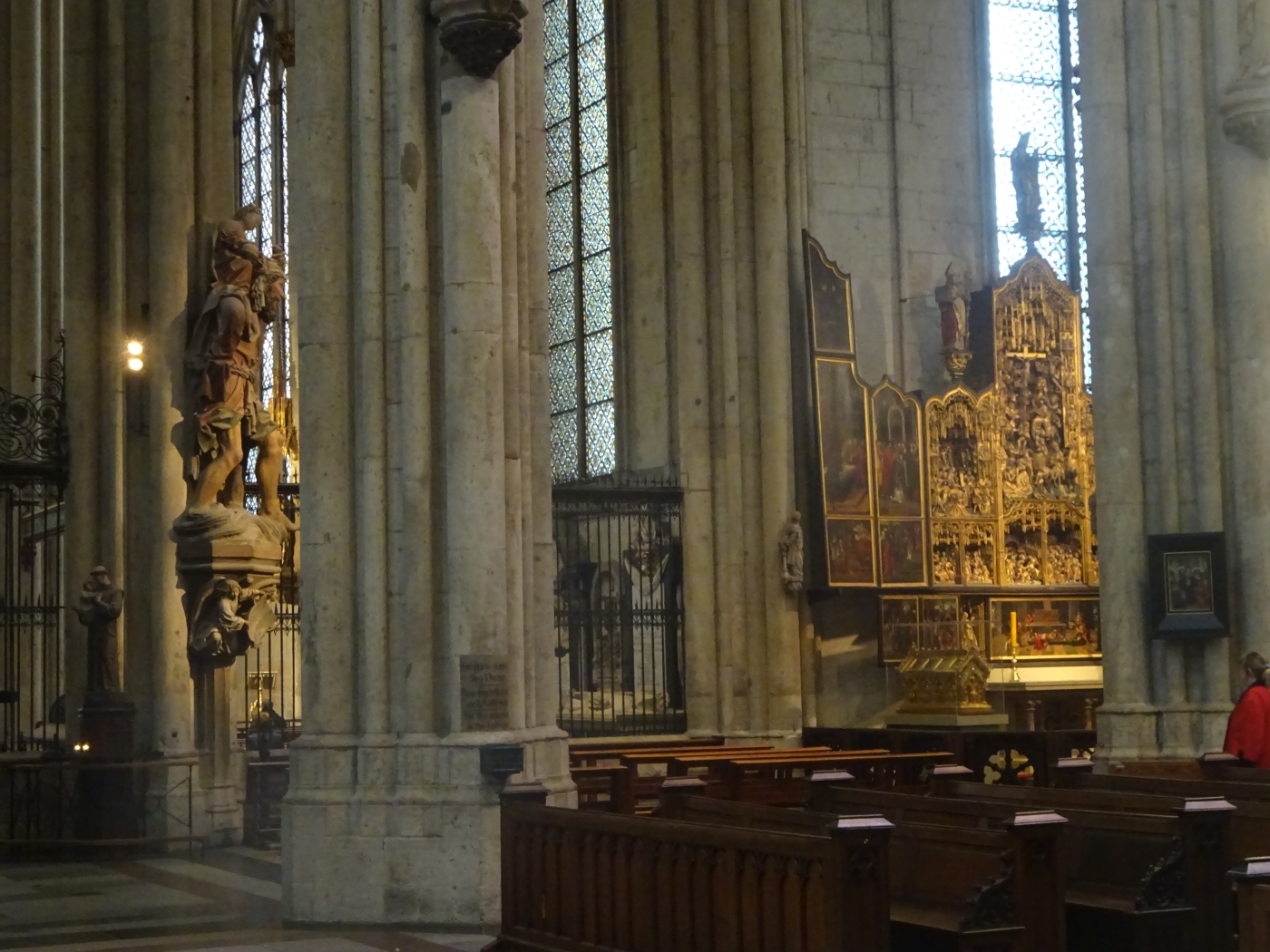
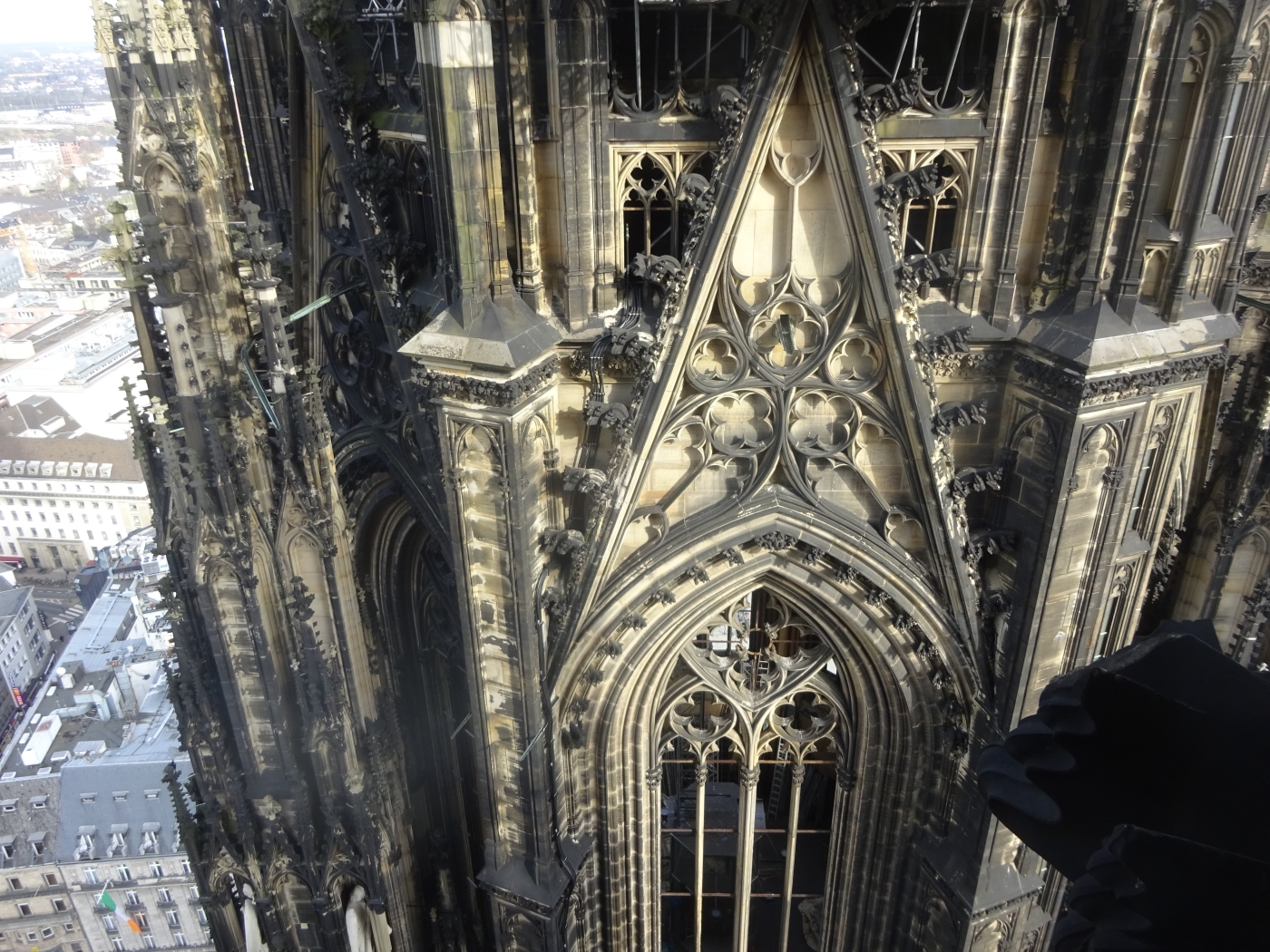
The **Cologne Cathedral** epitomizes **High Gothic** architecture with its soaring twin spires, reaching over 157 meters (515 feet). Its interior is equally breathtaking, featuring vast naves, intricate stained-glass windows, and countless sculptures. At its heart lies the opulent **Shrine of the Three Kings**, a magnificent gilded sarcophagus crafted by **Nicholas of Verdun**, housing the relics that inspired the cathedral's very existence. This artwork is considered one of the most significant treasures of medieval goldsmith work.
Legacy and Resilience
Despite substantial damage during **World War II**, the **Cologne Cathedral** remarkably endured, a powerful symbol of resilience amidst city ruins. Its completion over six centuries reflects unparalleled dedication to artistic and religious ideals. UNESCO recognized its "exceptional universal value" for outstanding **Gothic** architecture and its enduring testament to European Christian belief and human creative genius.
Further Reading
Begun in 1248, the construction of this Gothic masterpiece took place in several stages and was not completed until 1880. Over seven centuries, successive builders were inspired by the same faith and a spirit of absolute fidelity to the original plans. Apart from its exceptional intrinsic value and the artistic masterpieces it contains, Cologne Cathedral testifies to the enduring strength of European Christianity.
Cologne Cathedral (German: Kölner Dom, pronounced [ˌkœlnɐ ˈdoːm] ) is a Catholic cathedral in Cologne, North Rhine-Westphalia. It is the seat of the Archbishop of Cologne and of the administration of the Archdiocese of Cologne. It is a renowned monument of German Catholicism and Gothic architecture and was declared a World Heritage Site in 1996. It is Germany's most visited landmark, attracting an average of 6 million people a year. At 157 m (515 ft), the cathedral is the tallest twin-spired church in the world, the third tallest church in Europe after Sagrada Família and Ulm Minster, and the tallest cathedral in the world.
Construction of Cologne Cathedral began in 1248, but was halted in the years around 1560. Attempts to complete construction began around 1814, but the project was not properly funded until the 1840s. The edifice was completed to its original medieval plan in 1880. The towers for its two huge spires give the cathedral the largest façade of any church in the world.
Cologne's medieval builders had planned a grand structure to house the reliquary of the Three Kings and fit for its role as a place of worship for the Holy Roman Emperor. Despite having been left incomplete during the medieval period, Cologne Cathedral eventually became unified as "a masterpiece of exceptional intrinsic value" and "a powerful testimony to the strength and persistence of Christian belief in medieval and modern Europe". In Cologne, only the telecommunications tower is higher than the cathedral.