Aachen Cathedral
Aachen, Germany
13.03.2024

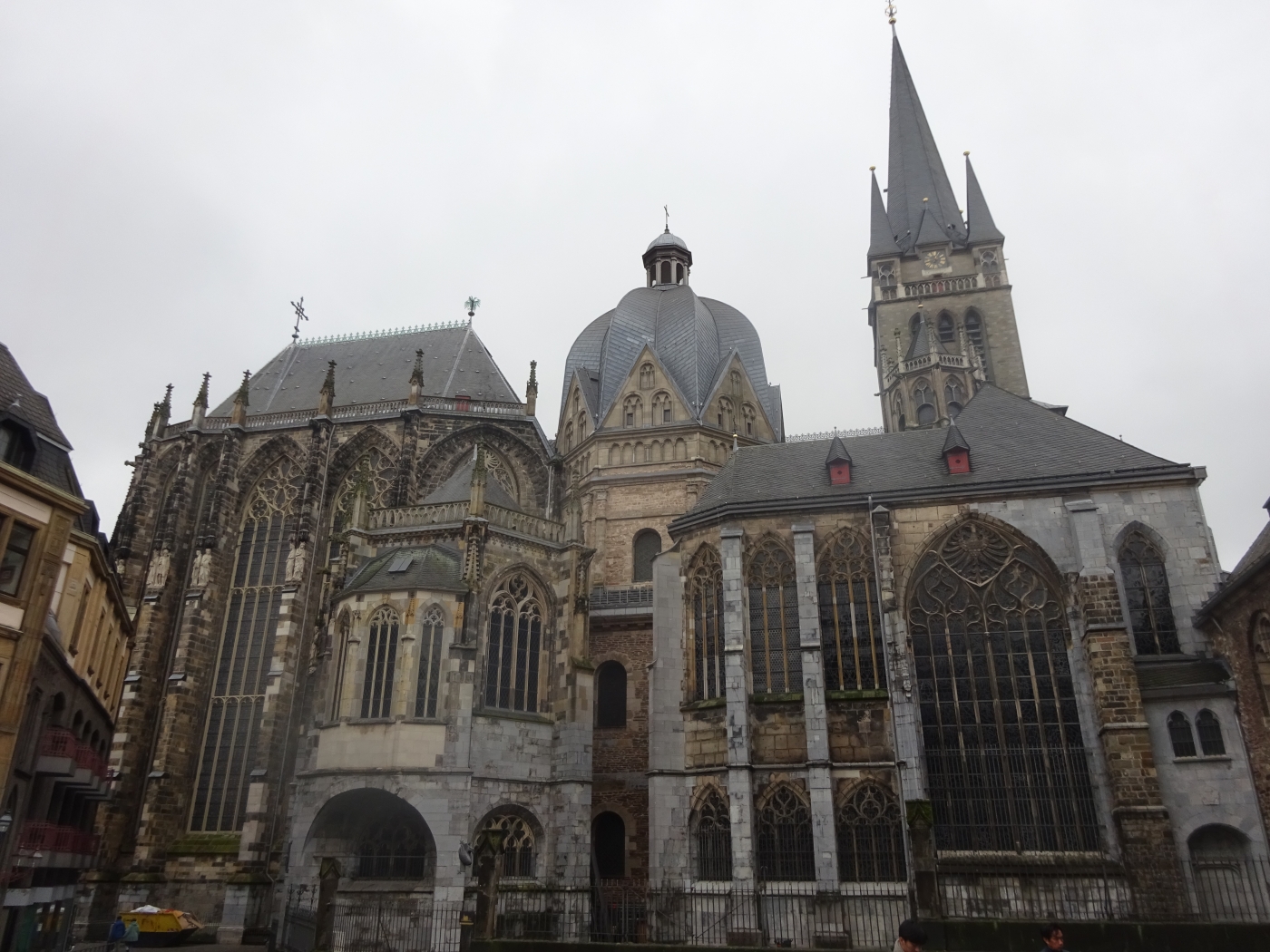
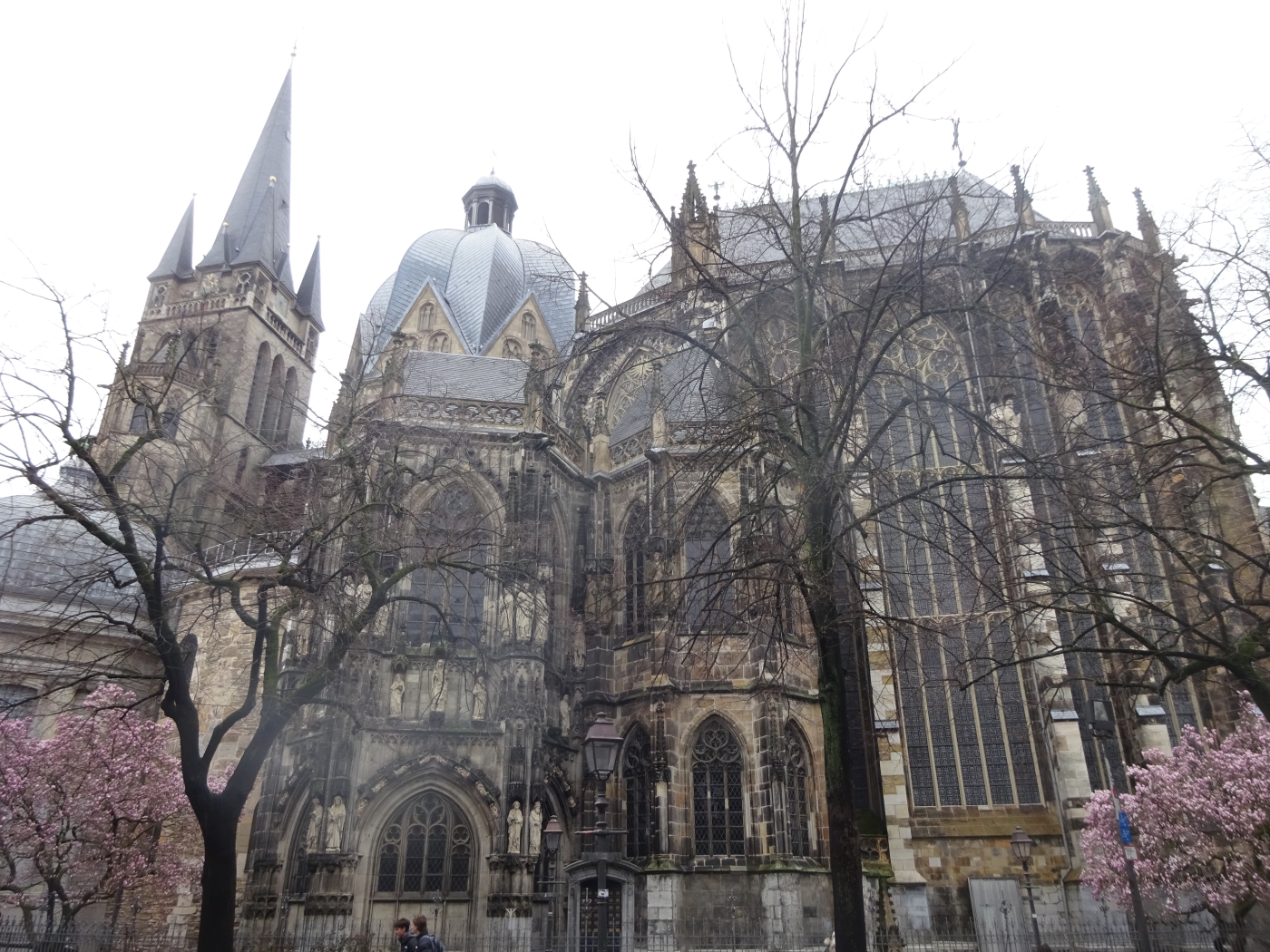
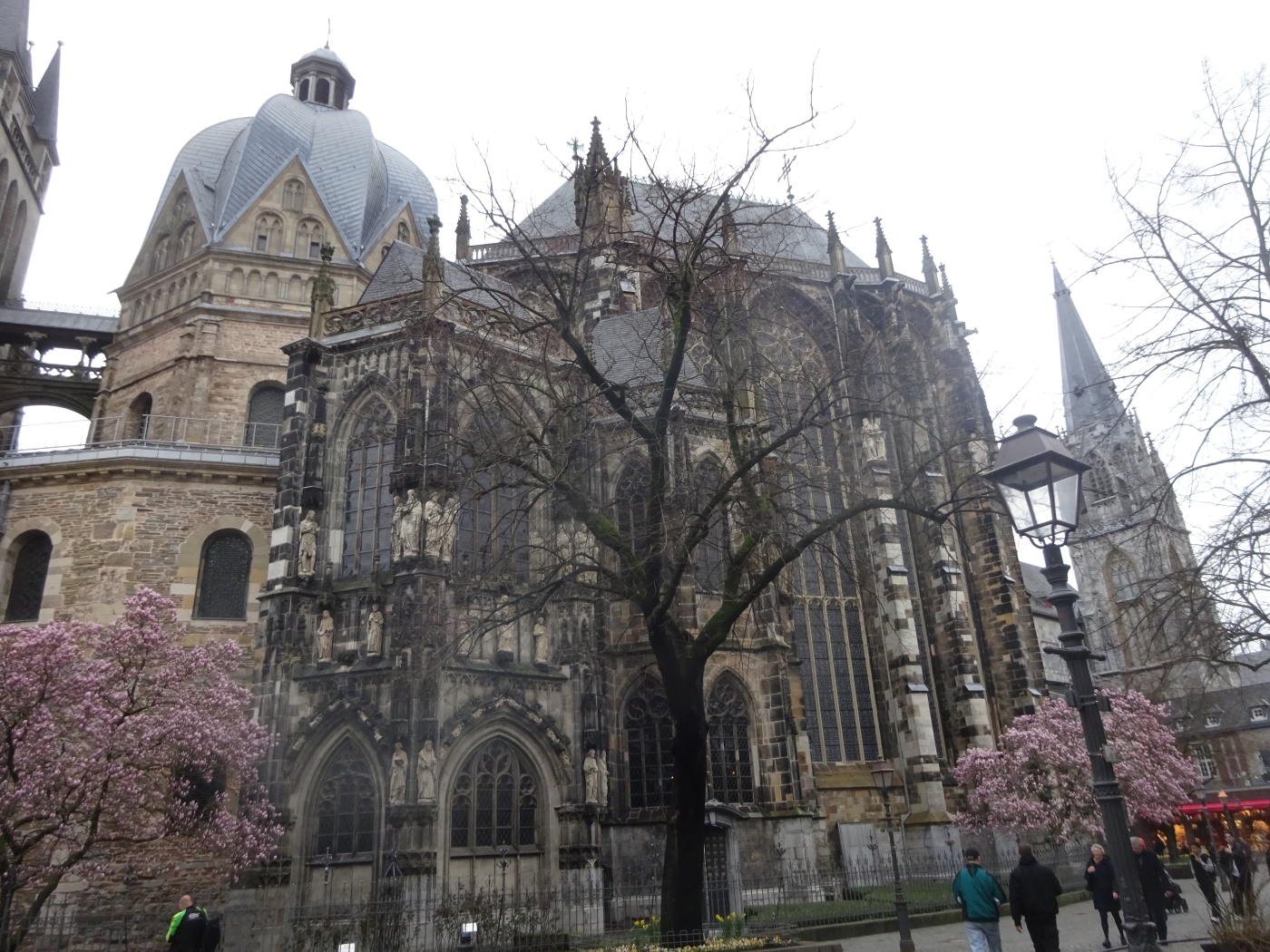
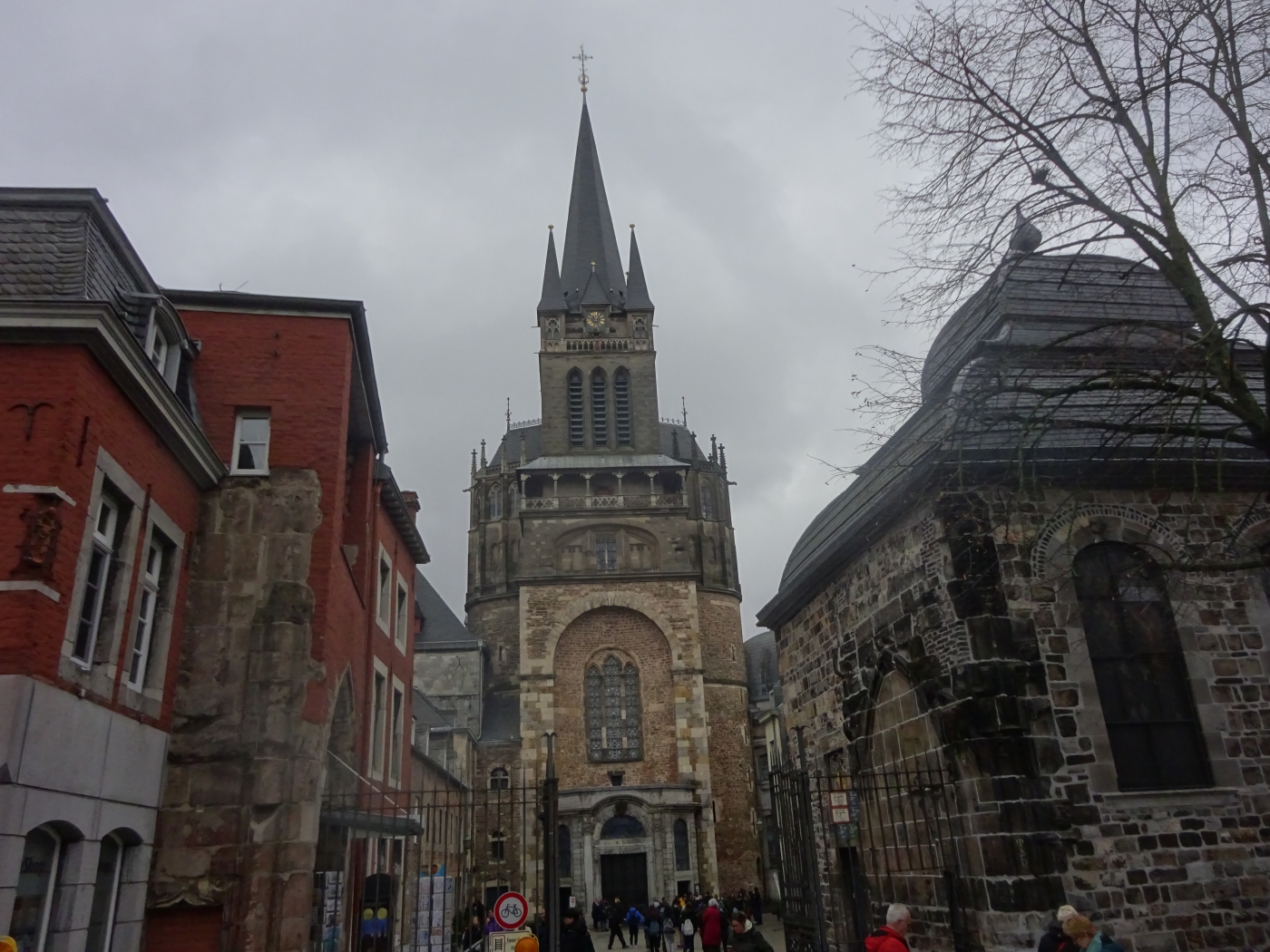
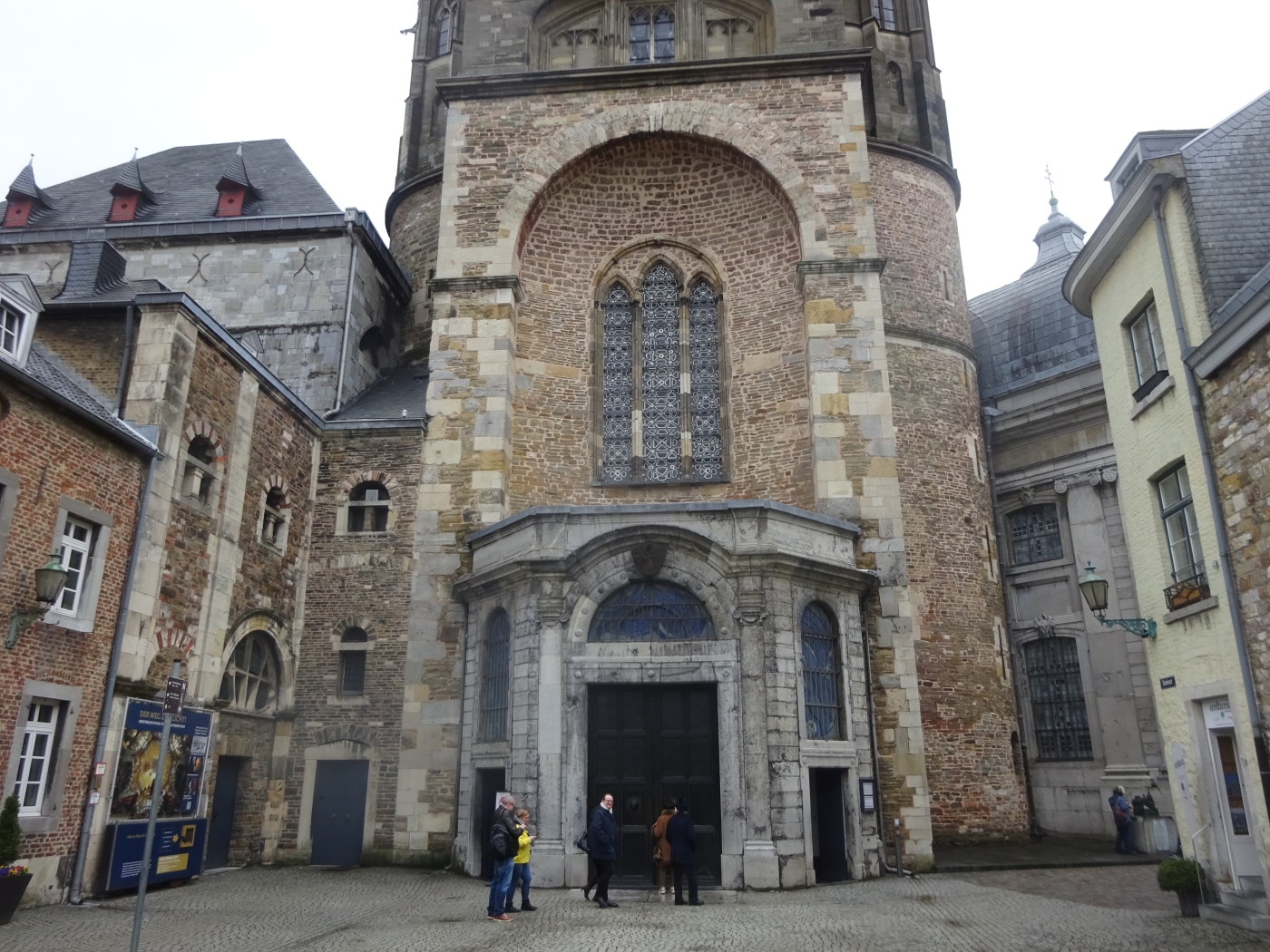
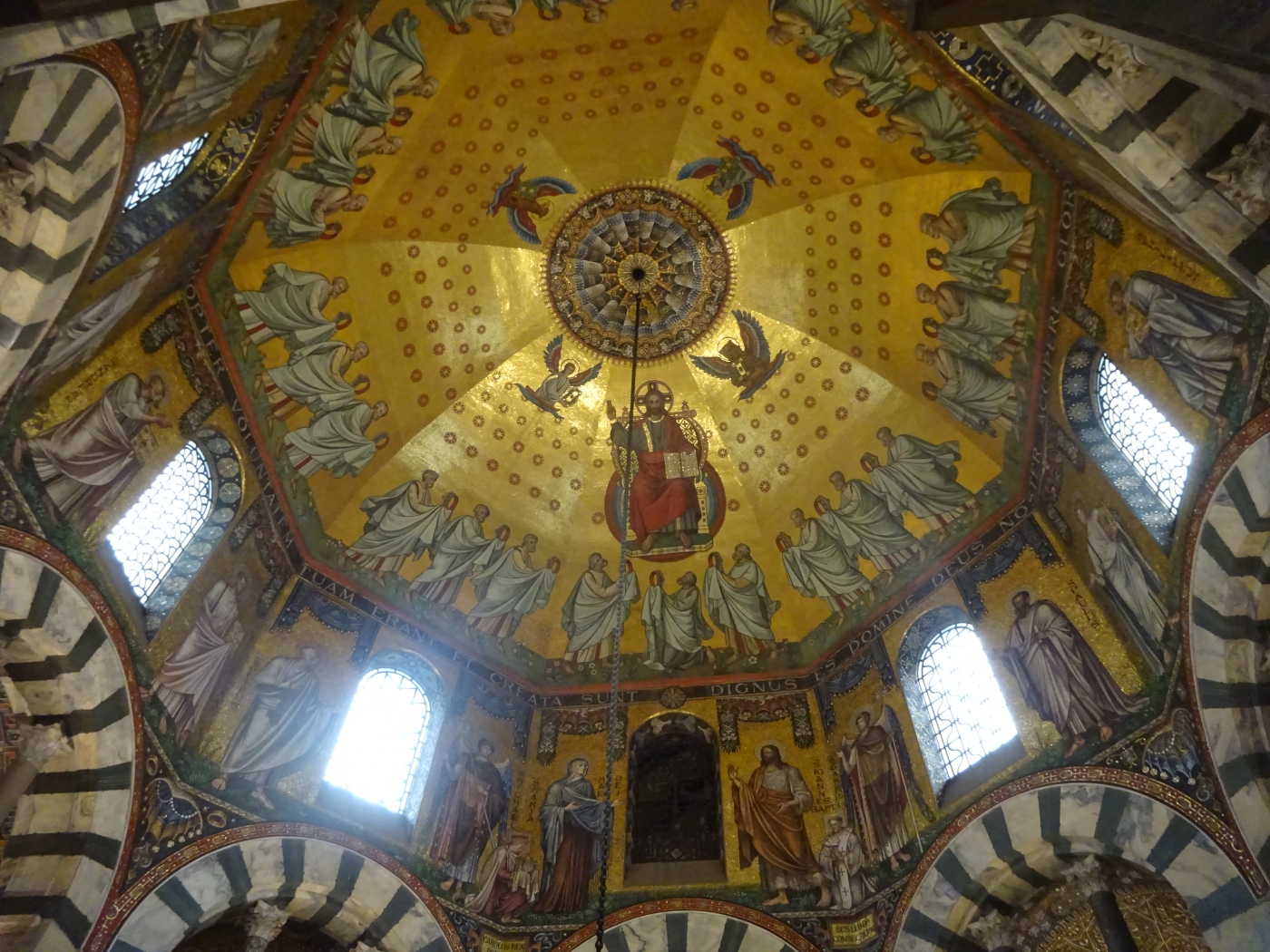
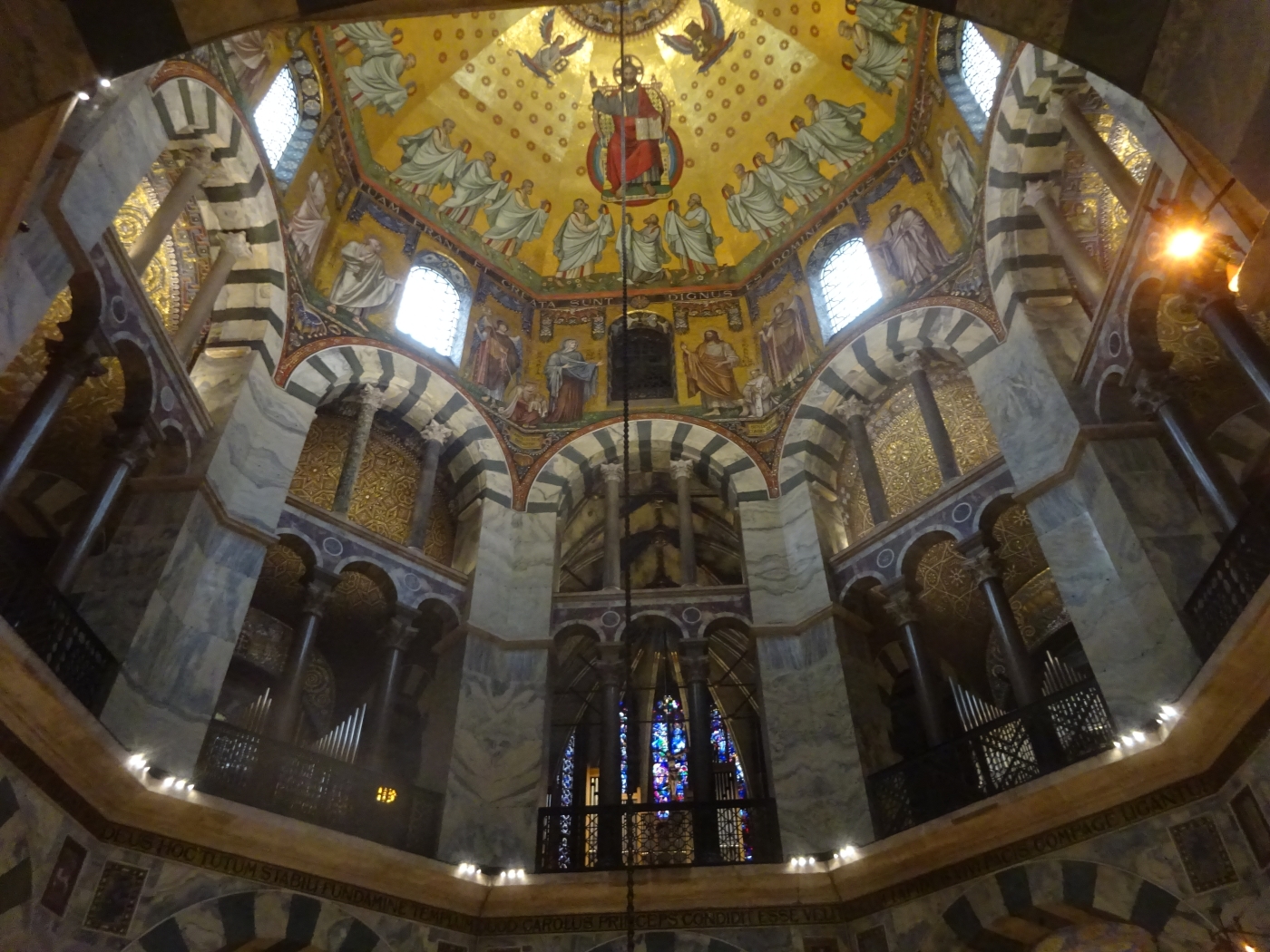
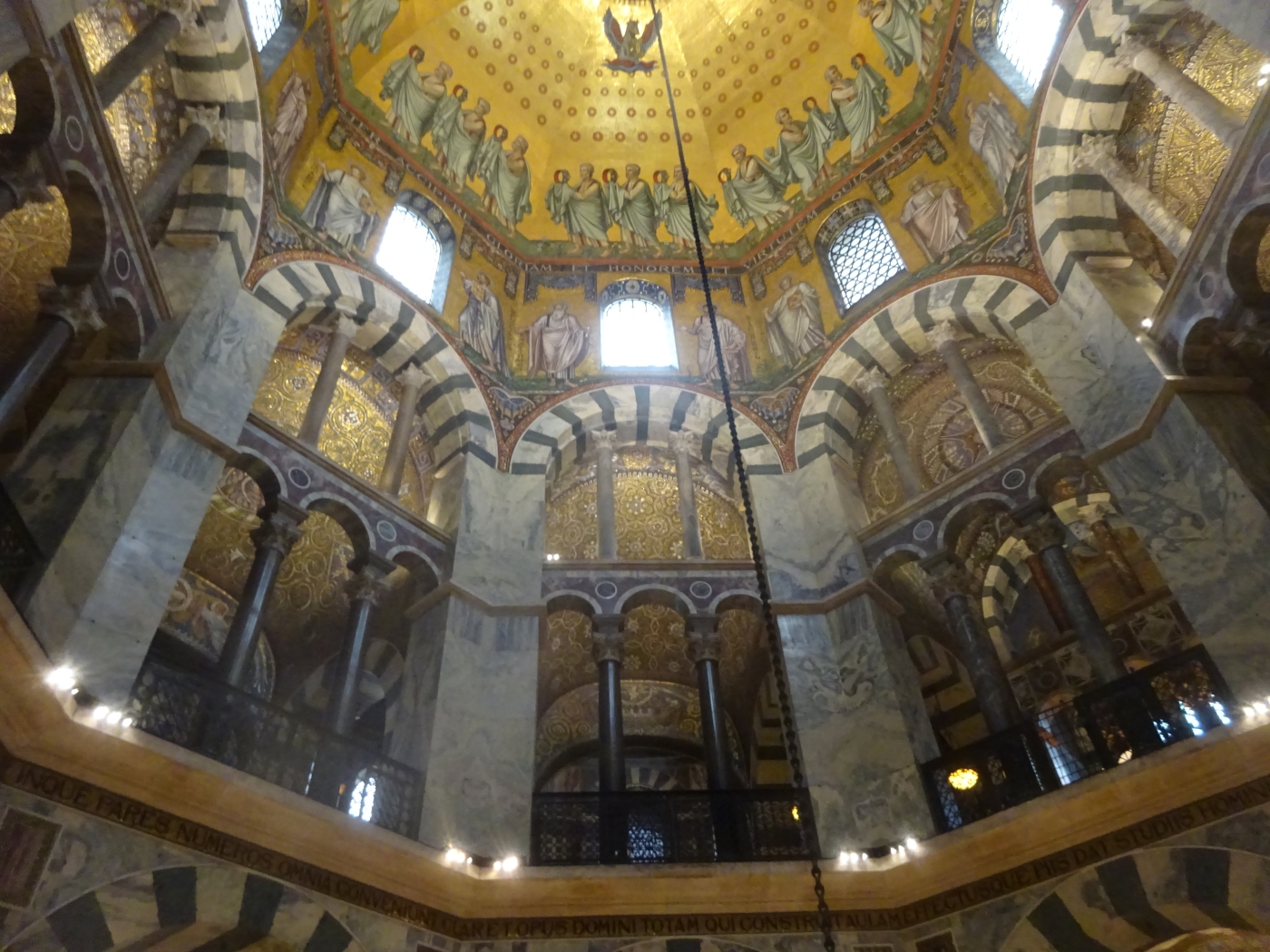
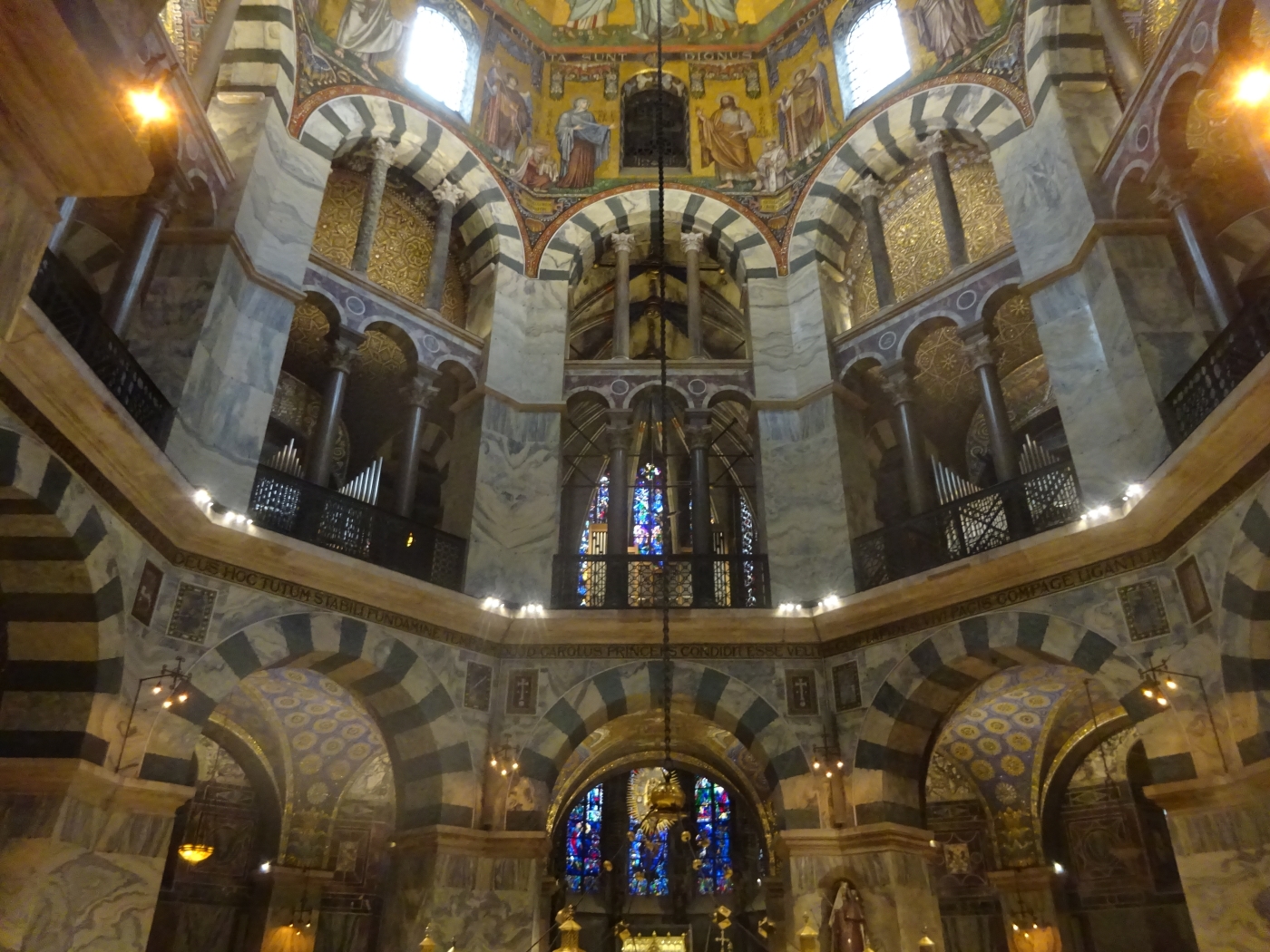
The Aachen Cathedral, known in German as Aachener Dom, stands as a profound testament to European history and architecture. Located in Aachen, Germany, it was the very first German site inscribed on the UNESCO World Heritage List in 1978. At its heart lies the stunning Palatine Chapel, commissioned by Charlemagne himself in the late 8th century, a symbol of his imperial ambition.
The Vision of Charlemagne
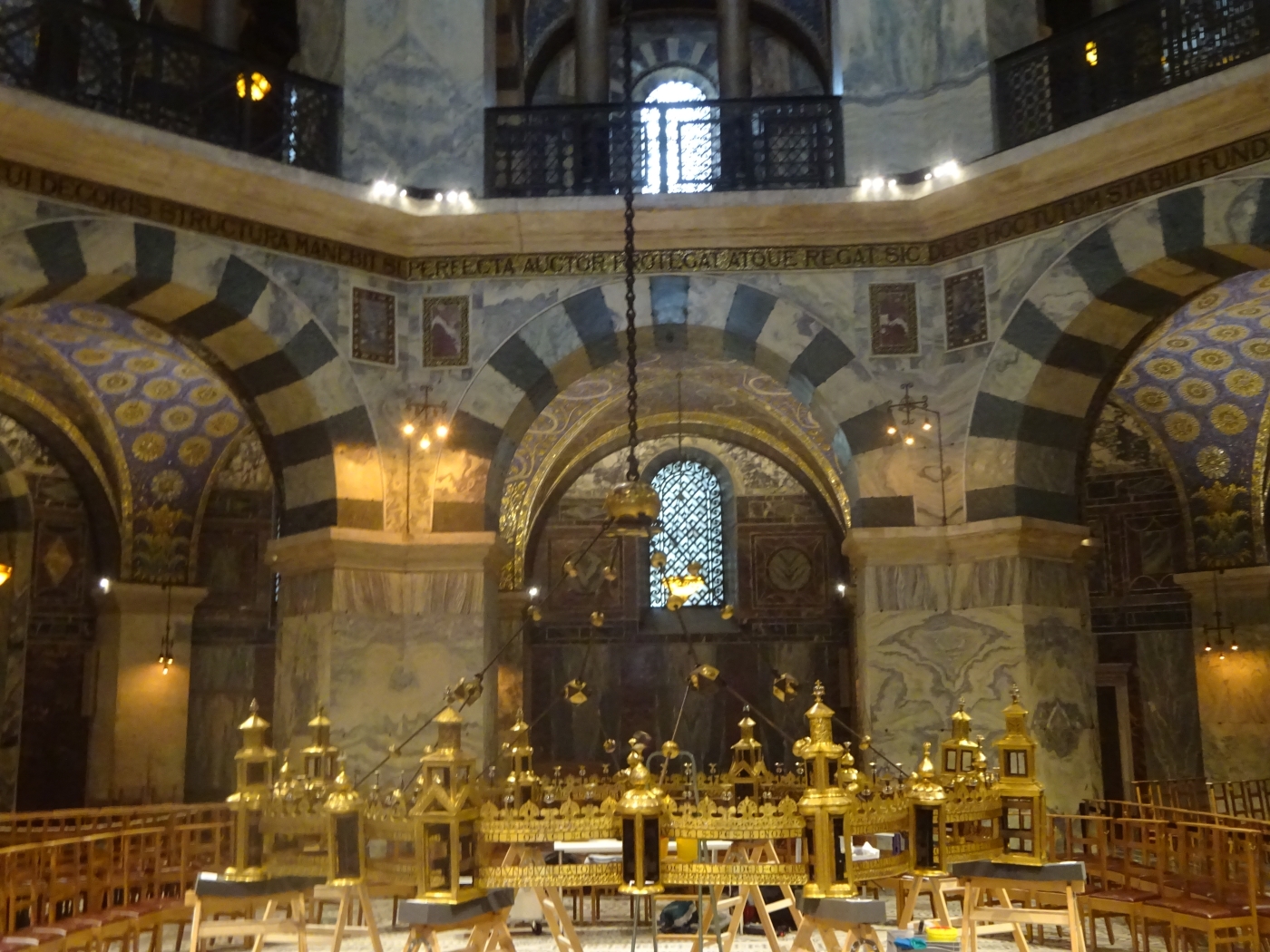
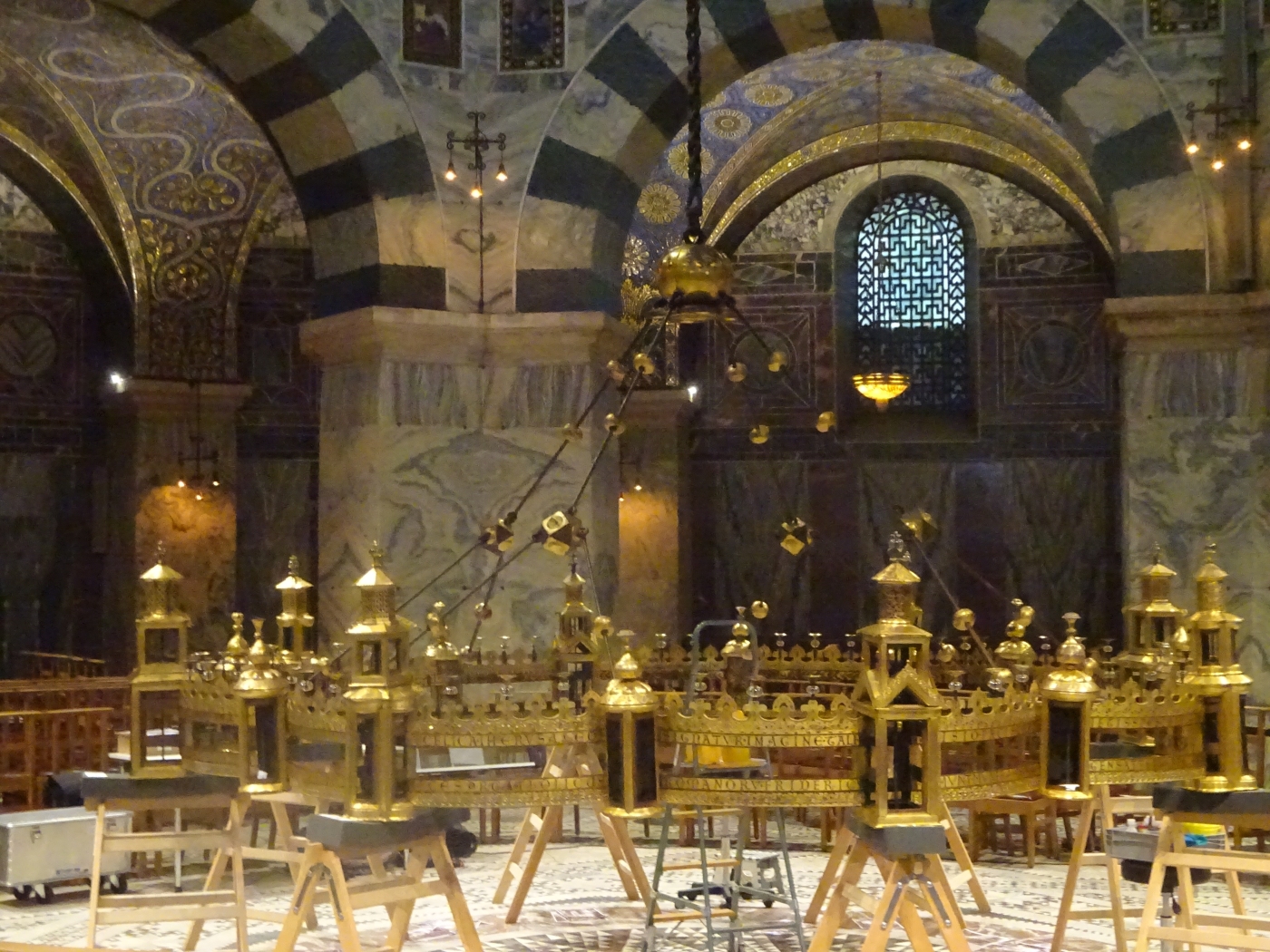
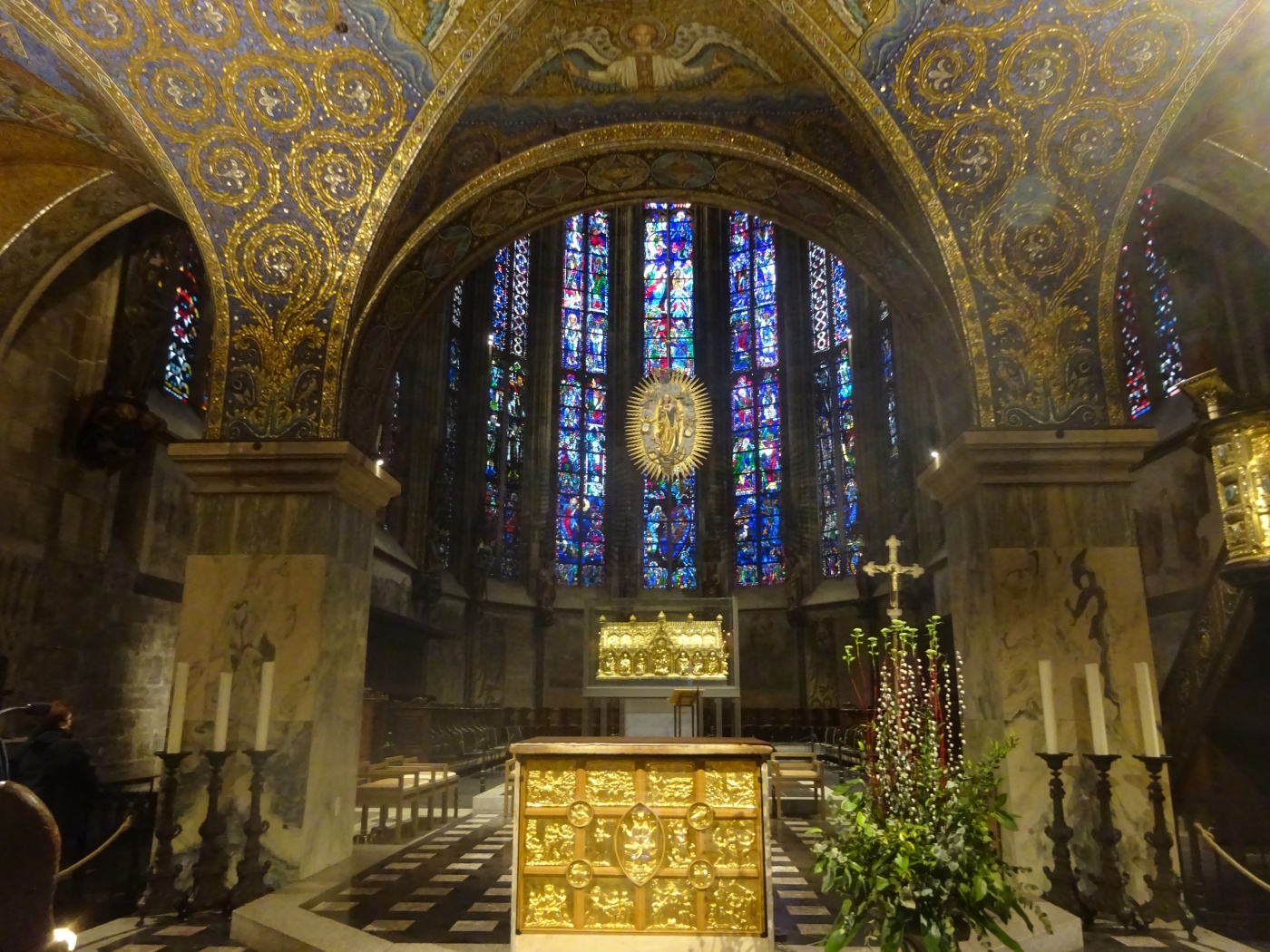
The foundation of the Aachen Cathedral around 796 AD was a bold statement by Charlemagne, intended as the spiritual and political center of his empire. Modeled in part after Byzantine churches, the octagonal Palatine Chapel became an architectural marvel, showcasing advanced engineering and artistry. It symbolized the revival of the Roman Empire. Upon his death in 814 AD, Charlemagne was buried within this very chapel, a place forever associated with his monumental legacy.
A Millennium of Imperial Glory
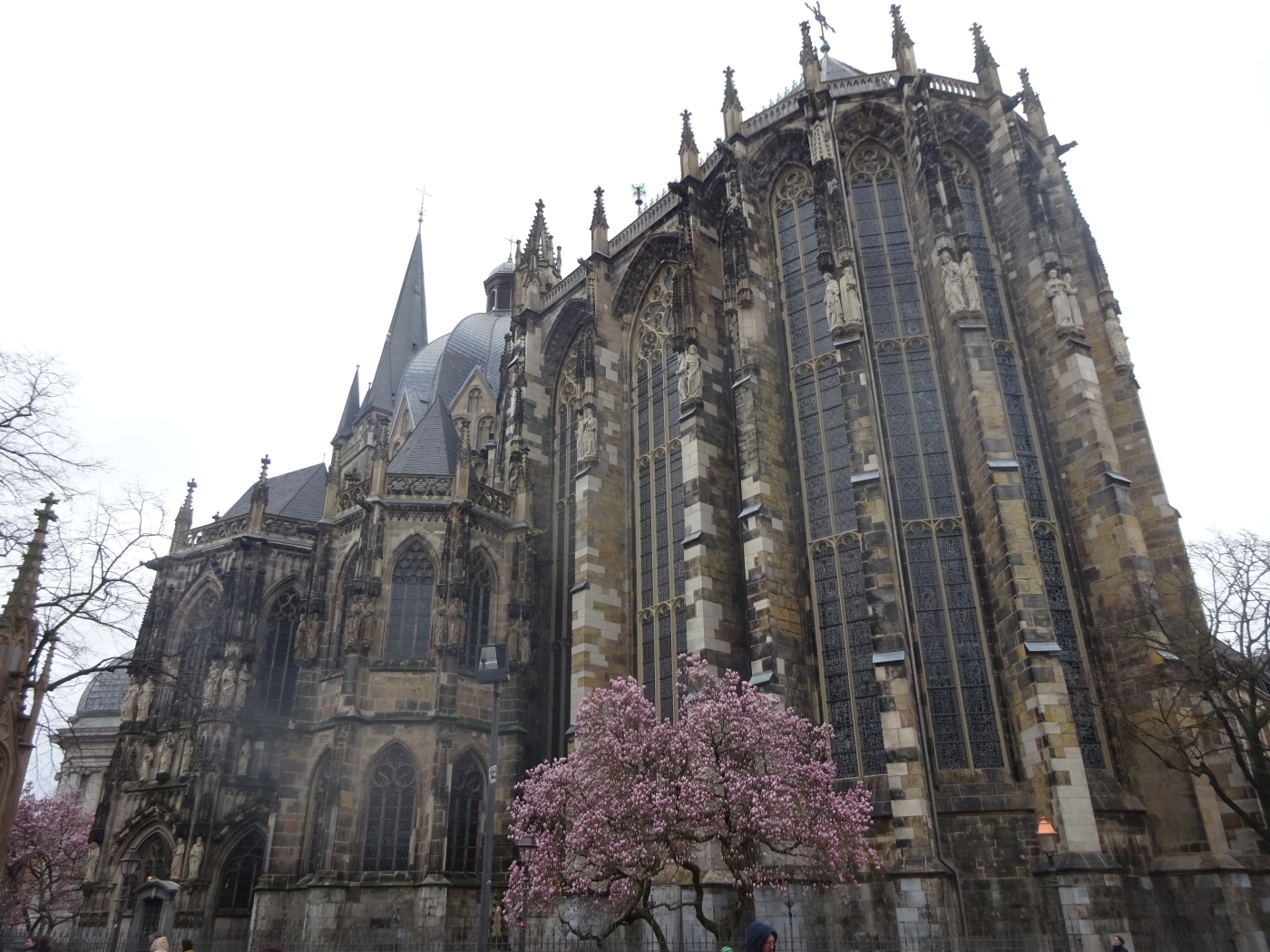
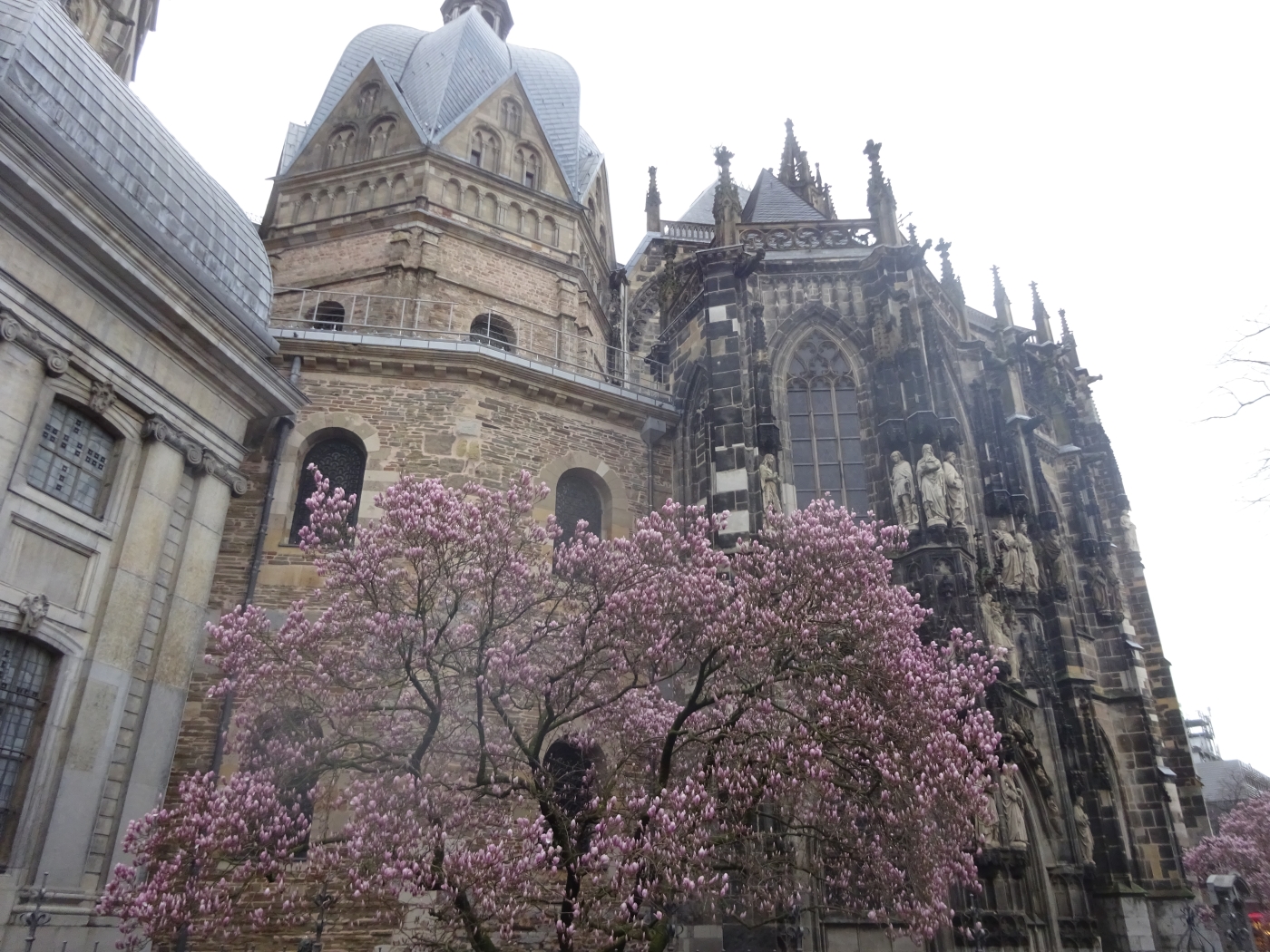
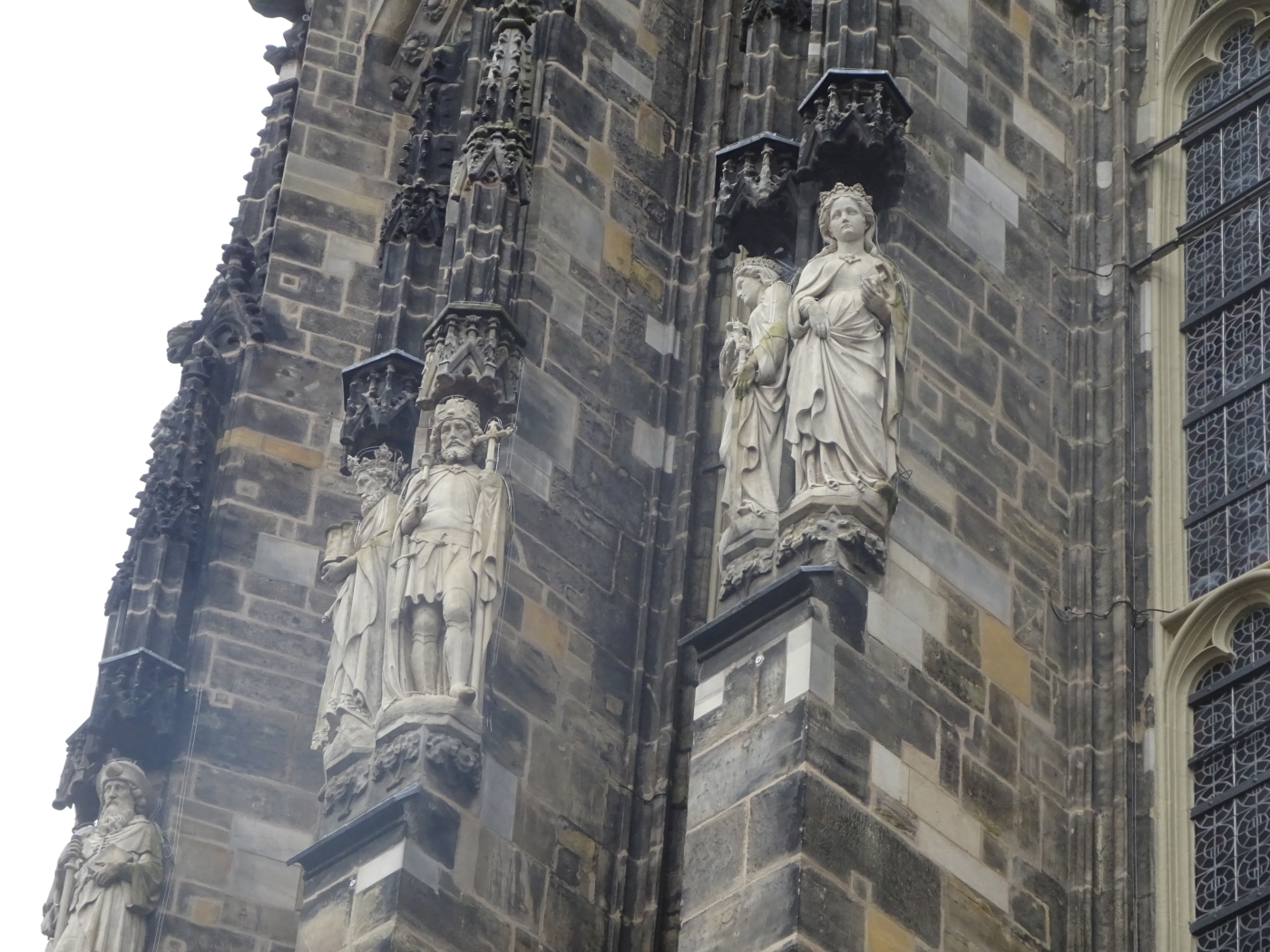
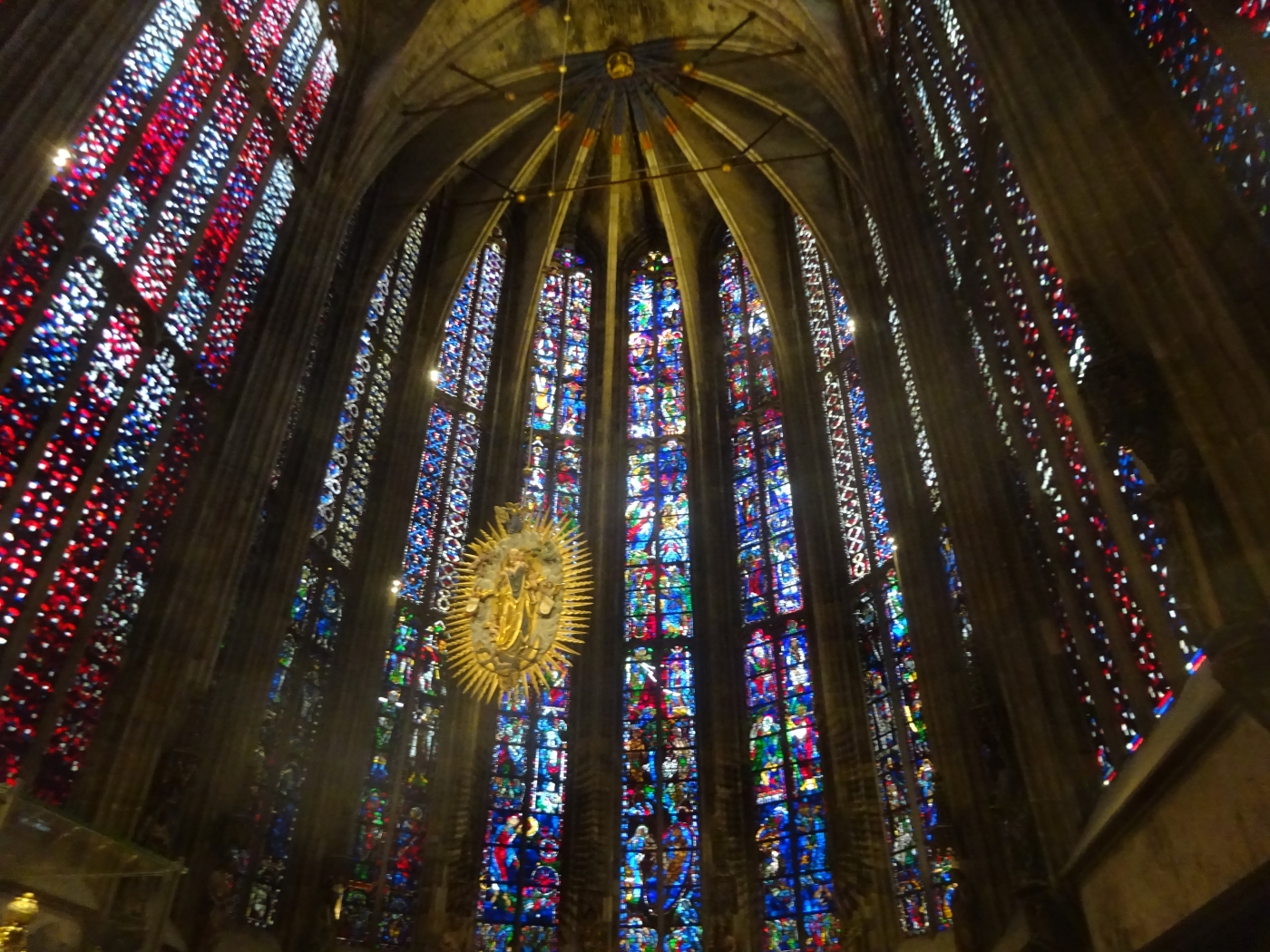
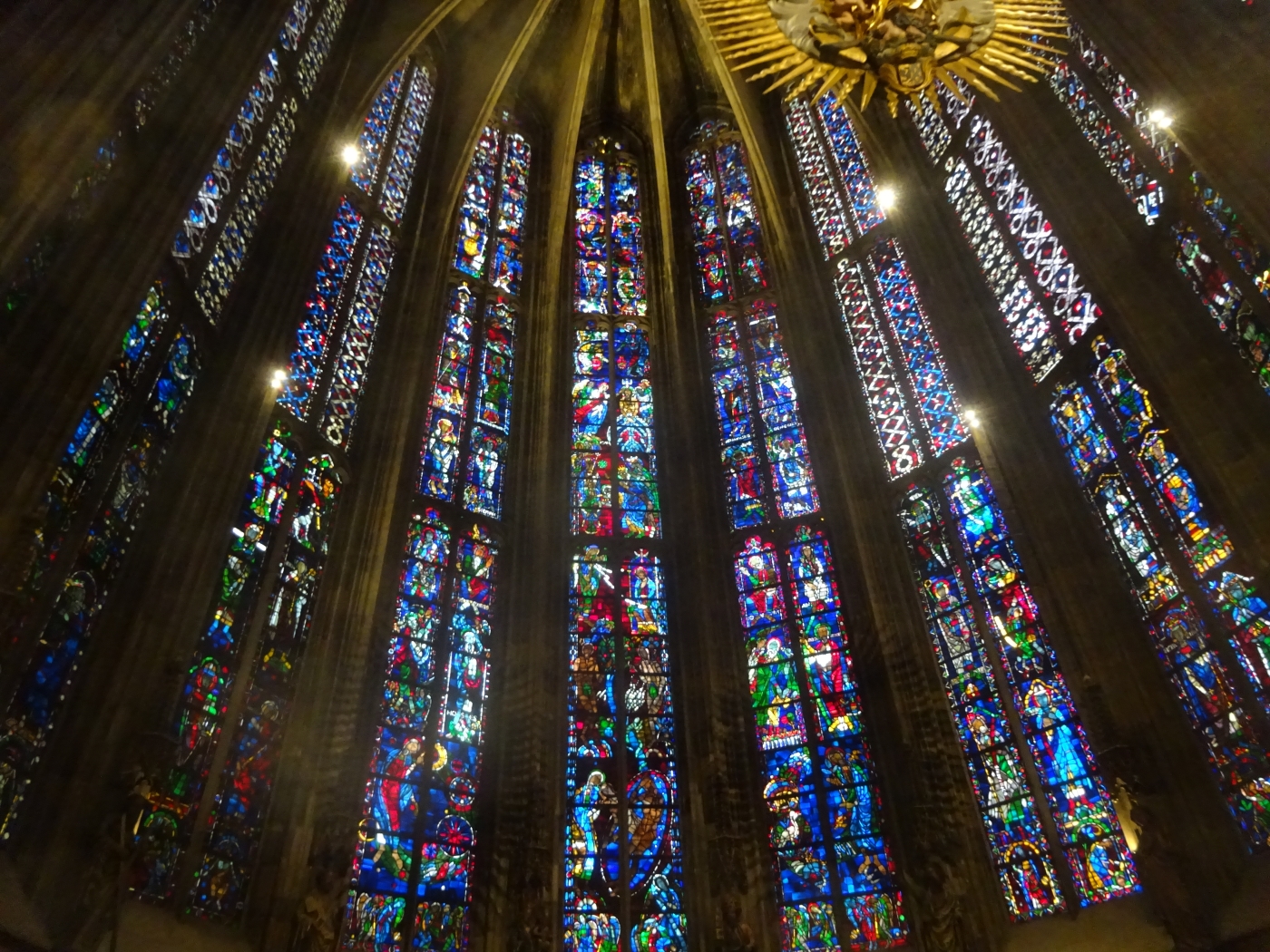
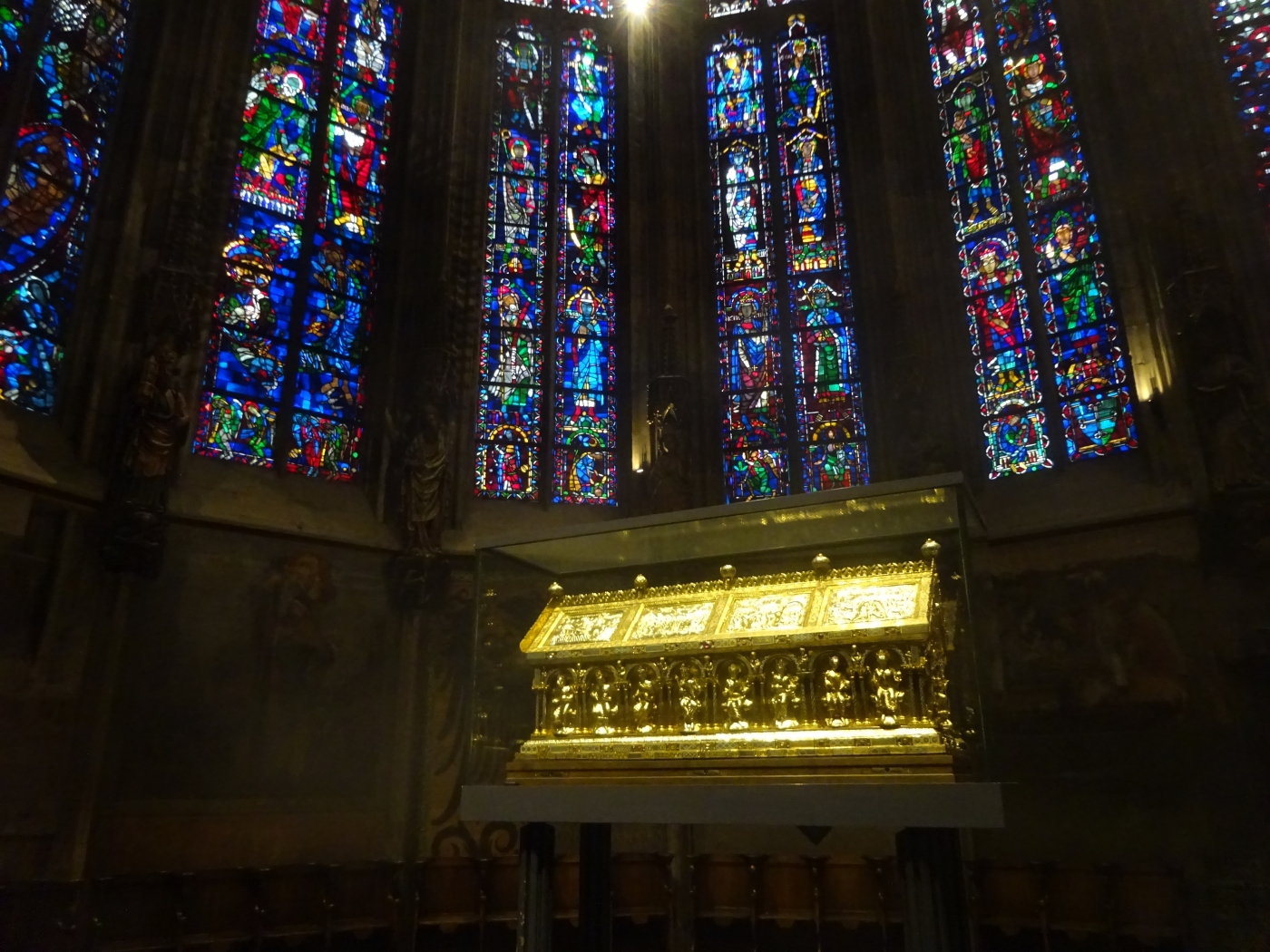
For over 600 years (936-1531), the Aachen Cathedral served as the coronation church for thirty German kings and twelve queens, including most Holy Roman Emperors. The original Carolingian structure was enriched with magnificent additions, most notably the towering Gothic Choir, consecrated in 1414. This "Glass House of Aachen" features enormous stained-glass windows, bathing the interior in ethereal light, a striking contrast to the older Carolingian core.
Treasures of the Empire
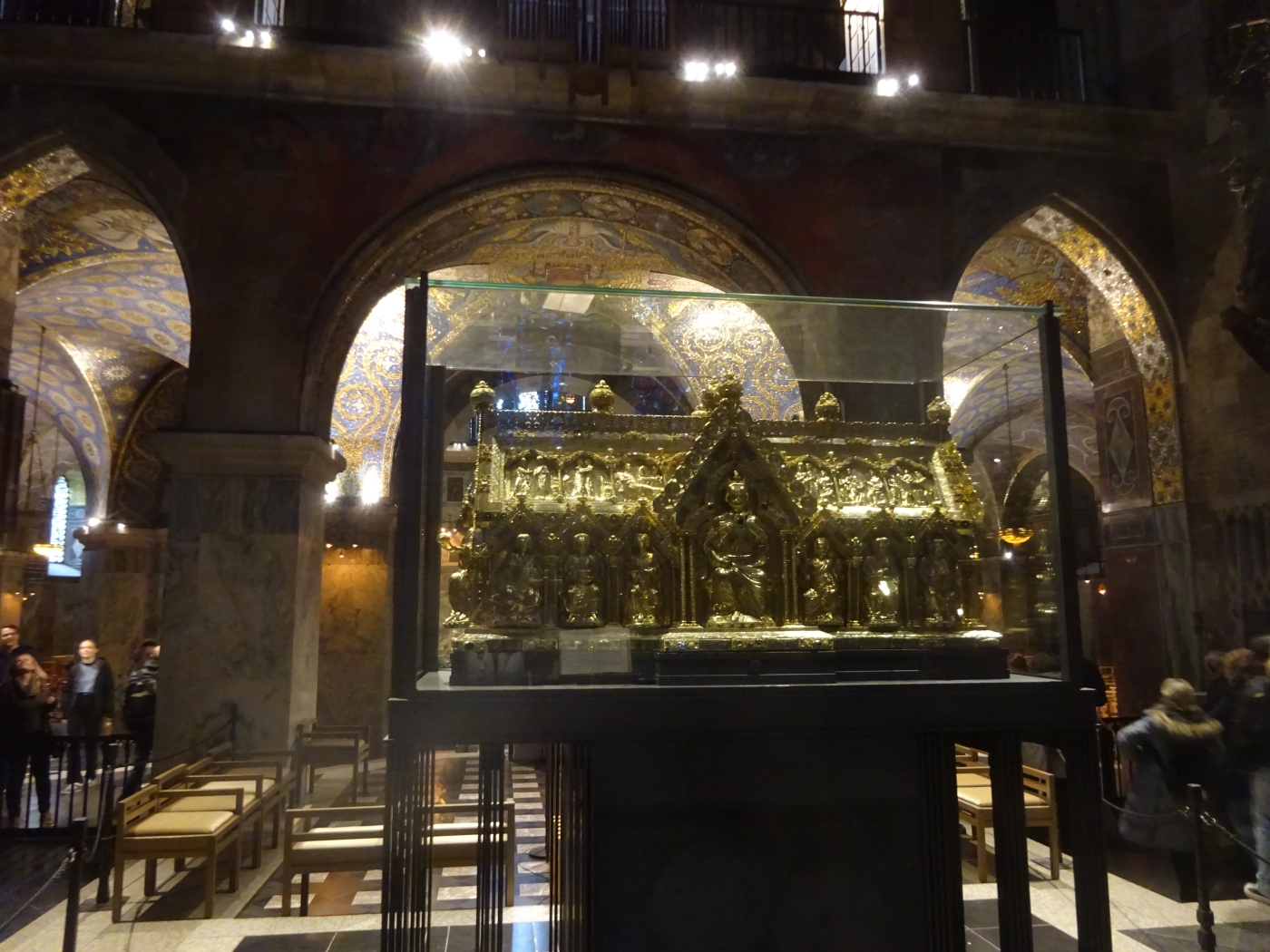
Beyond its architecture, the cathedral houses an extraordinary collection of artifacts within its Domschatz, or Cathedral Treasury. This is one of the most important ecclesiastical treasuries in Northern Europe, containing invaluable masterpieces from various periods. Highlights include the Lothair Cross, the Bust of Charlemagne, and the Persephone Sarcophagus, which once served as Charlemagne's tomb. These treasures provide tangible links to the imperial past and artistic brilliance.
The Aachen Cathedral remains not just a place of worship, but a vibrant symbol of European unity, cultural exchange, and enduring human ambition. Its stones whisper tales of emperors, artists, and pilgrims, inviting visitors to connect with a foundational chapter of European civilization.
Weiterführende Links
Construction of this palatine chapel, with its octagonal basilica and cupola, began c. 790–800 under the Emperor Charlemagne. Originally inspired by the churches of the Eastern part of the Holy Roman Empire, it was splendidly enlarged in the Middle Ages.
Aachen Cathedral (German: Aachener Dom) is a Catholic church in Aachen, Germany and the cathedral of the Diocese of Aachen.
One of the oldest cathedral buildings in Europe, it was constructed as the royal chapel of the Palace of Aachen of Emperor Charlemagne, who was buried there in 814. From 936 to 1531, the original Palatine Chapel saw the coronation of thirty-one German kings and twelve queens. Later, much expanded, it was a minster and collegiate church, becoming a cathedral briefly from 1803 to 1825, and again in 1930 when the Diocese of Aachen was revived. In 1978, Aachen Cathedral was one of the first 12 sites to be listed on the UNESCO list of World Heritage Sites, because of its exceptional artistry, architecture, and central importance in the history of the Holy Roman Empire.
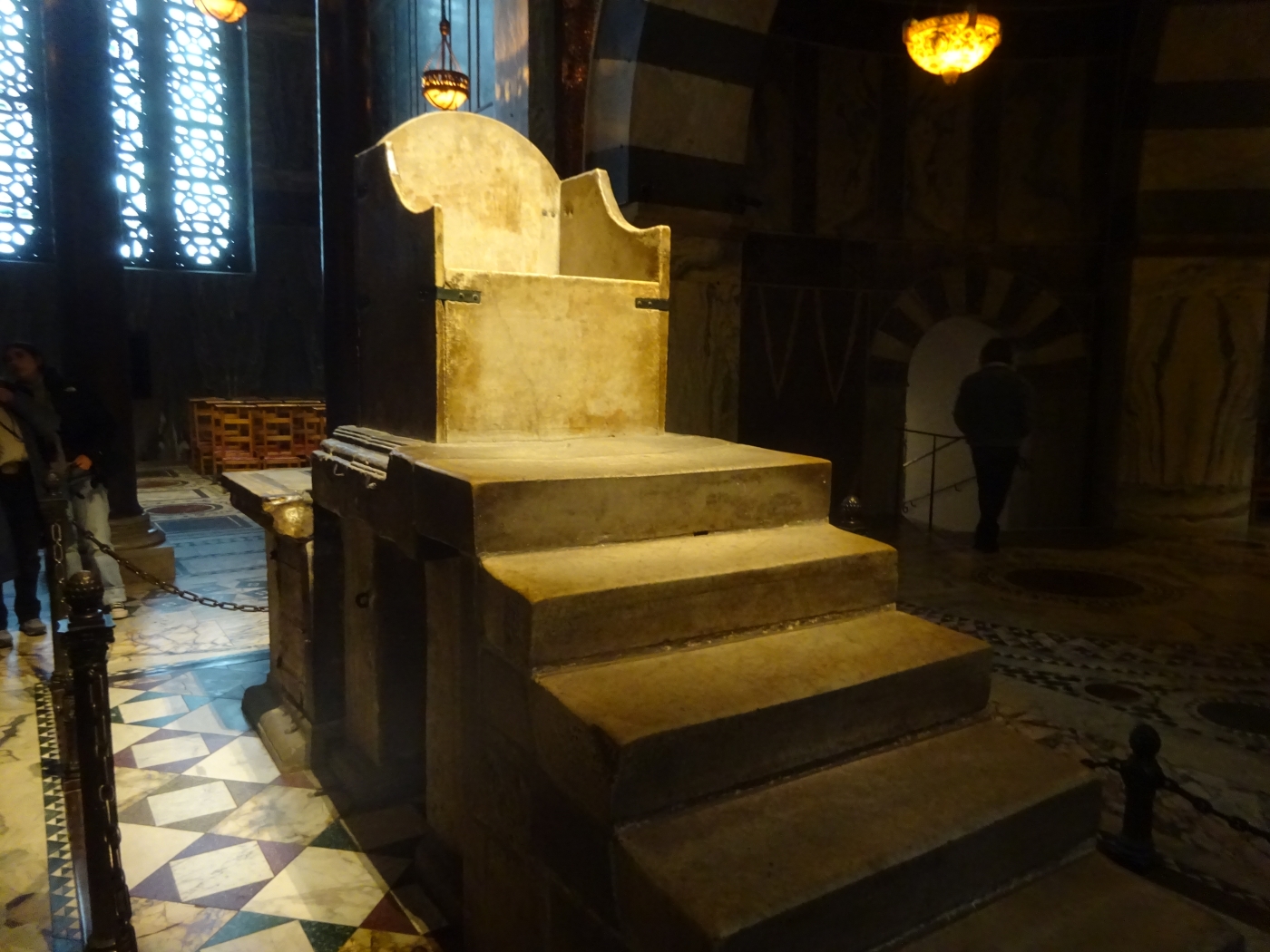
The cathedral mostly uses two distinct architectural styles. First, the core of the cathedral is the Carolingian-Romanesque Palatine Chapel, which was modeled after the Basilica of San Vitale at Ravenna and is notably small in comparison to the later additions. Secondly, the choir was constructed in the Gothic style. There are portions that show Ottonian style, such as the area around the throne, and some areas were not completed until the 19th century, in revivalist styles.