Ferrara, City of the Renaissance - Ferrara, City of the Renaissance, and its Po Delta
Ferrara, Emilia-Romagna, Italy
18.07.2024

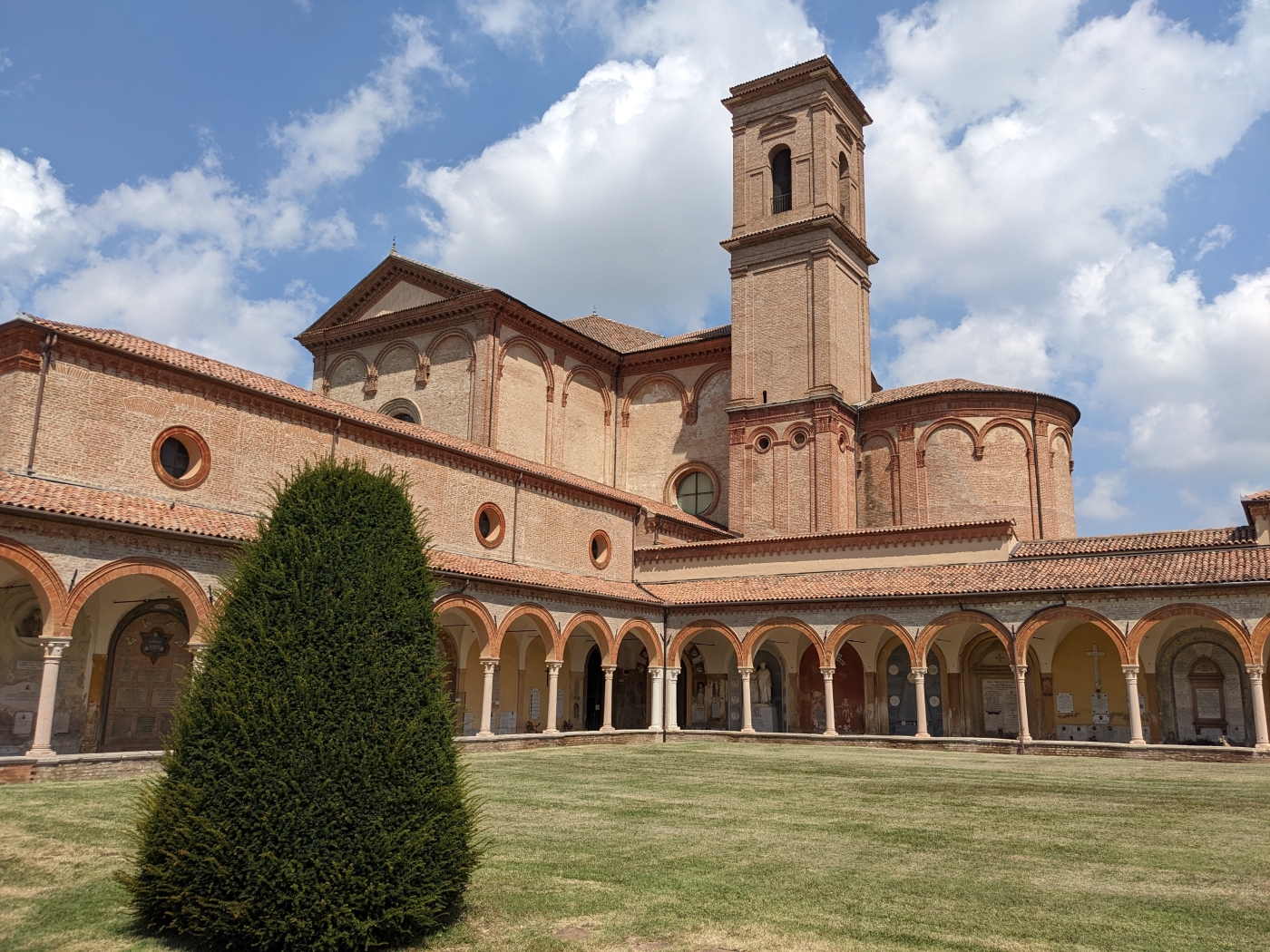
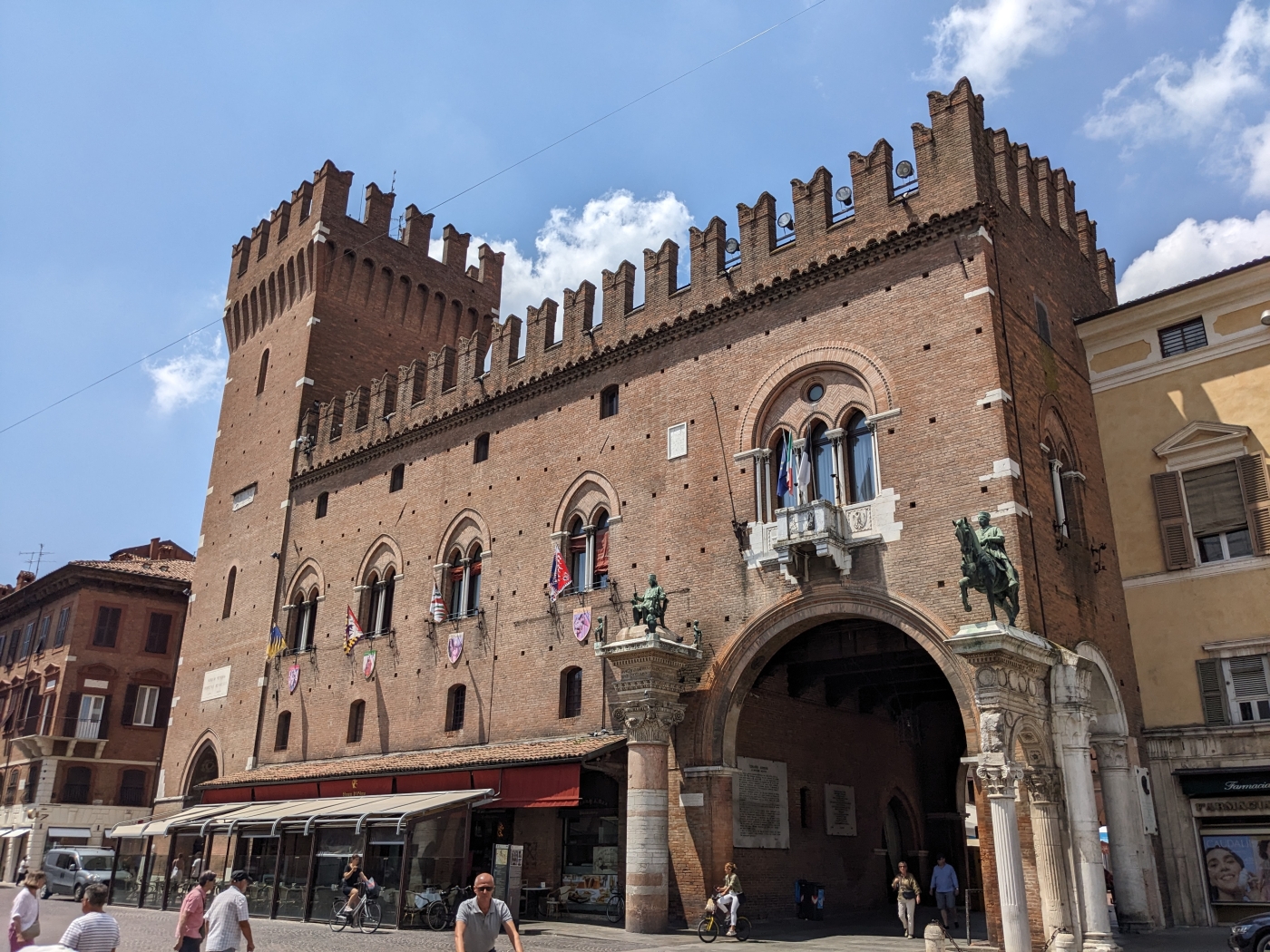
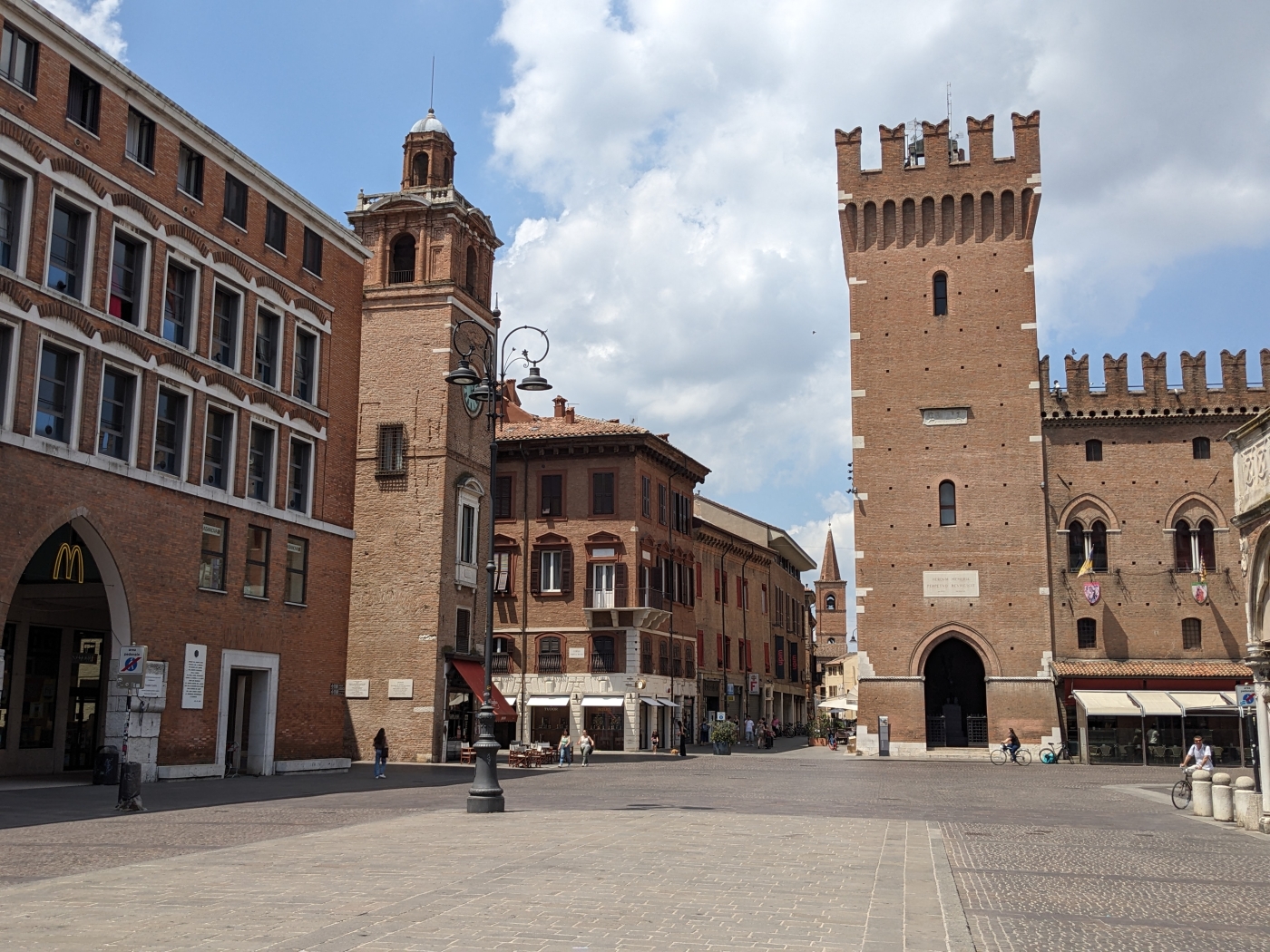
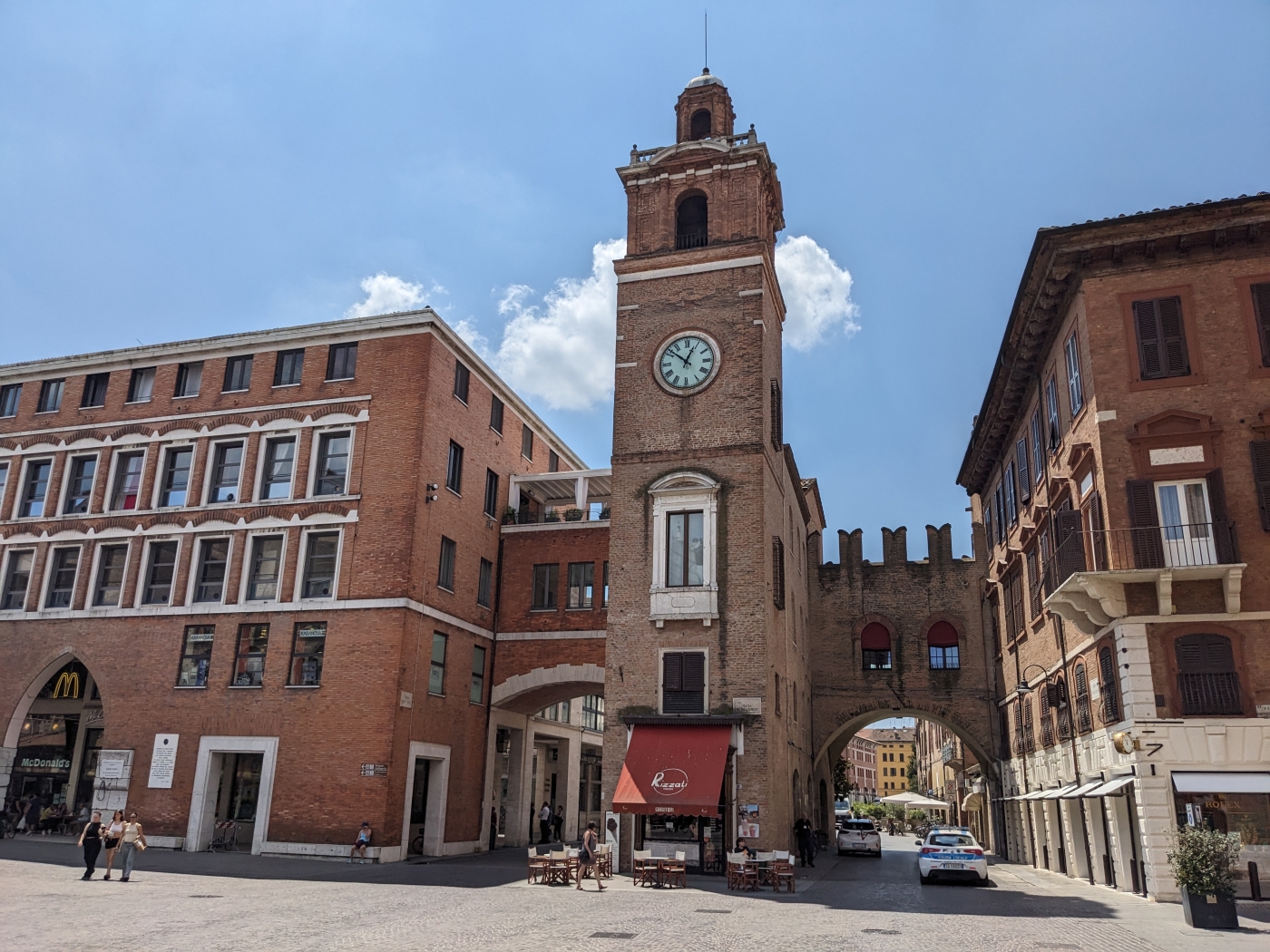
The enchanting city of Ferrara, nestled in Italy's Emilia-Romagna region, is a UNESCO World Heritage site, celebrated as the "City of the Renaissance." Its historic center is a testament to an ambitious urban development project between the 15th and 16th centuries. Under the enlightened patronage of the powerful Este family, Ferrara blossomed into one of Europe's most refined and culturally vibrant courts, influencing art, architecture, and urban planning.
The Golden Age of the Este Family
The rise of Ferrara to prominence is intrinsically linked to the House of Este, who ruled the city from the late 12th century until 1598. Under dukes like Borso d'Este and his successor, Ercole I d'Este, Ferrara was transformed. The Este rulers envisioned an "ideal city," a revolutionary concept combining functionality with aesthetic harmony. This vision attracted leading humanists, artists, and architects, making Ferrara a crucible of Renaissance thought and innovation.
Urban Planning and Architectural Masterpieces
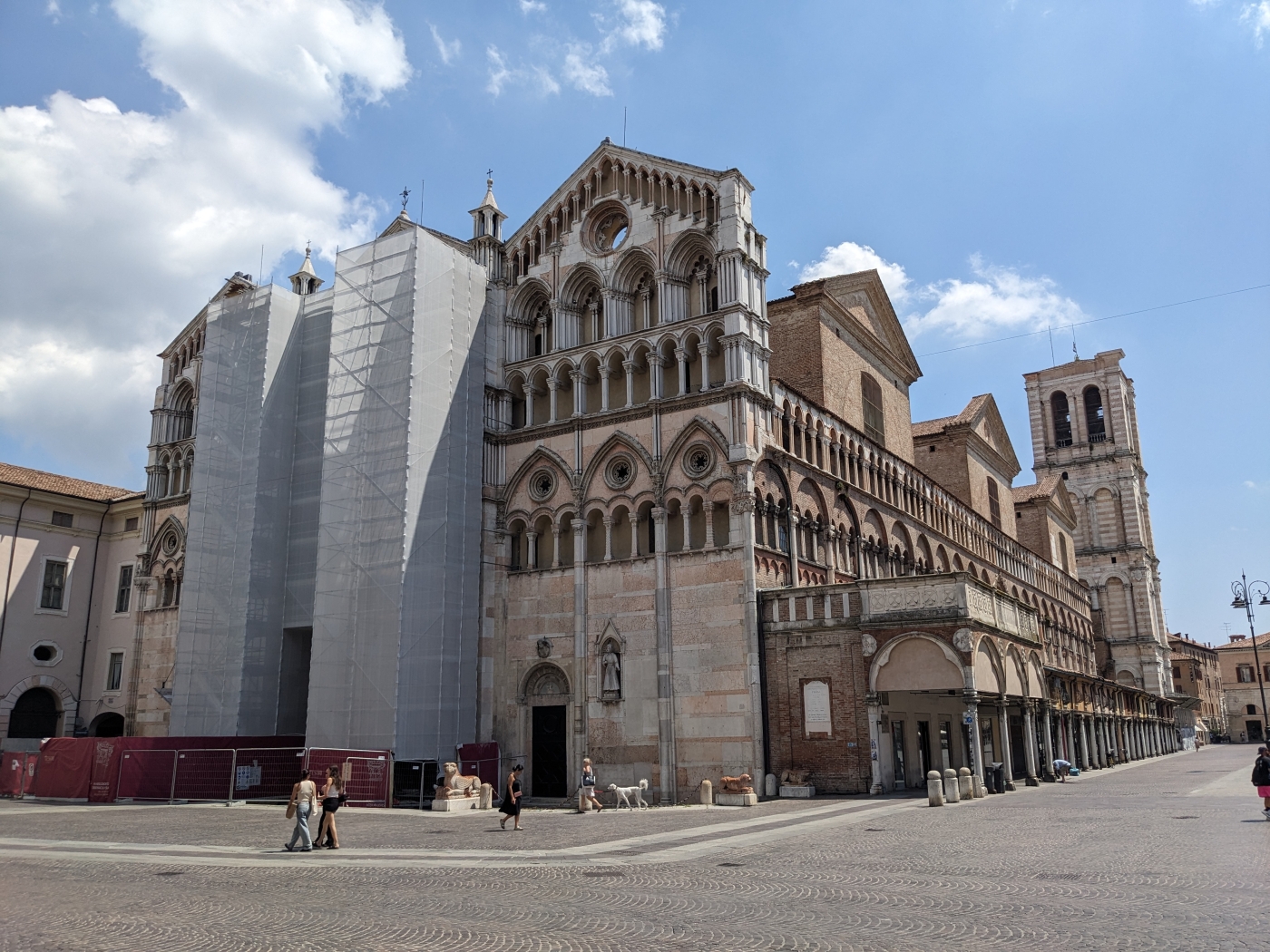
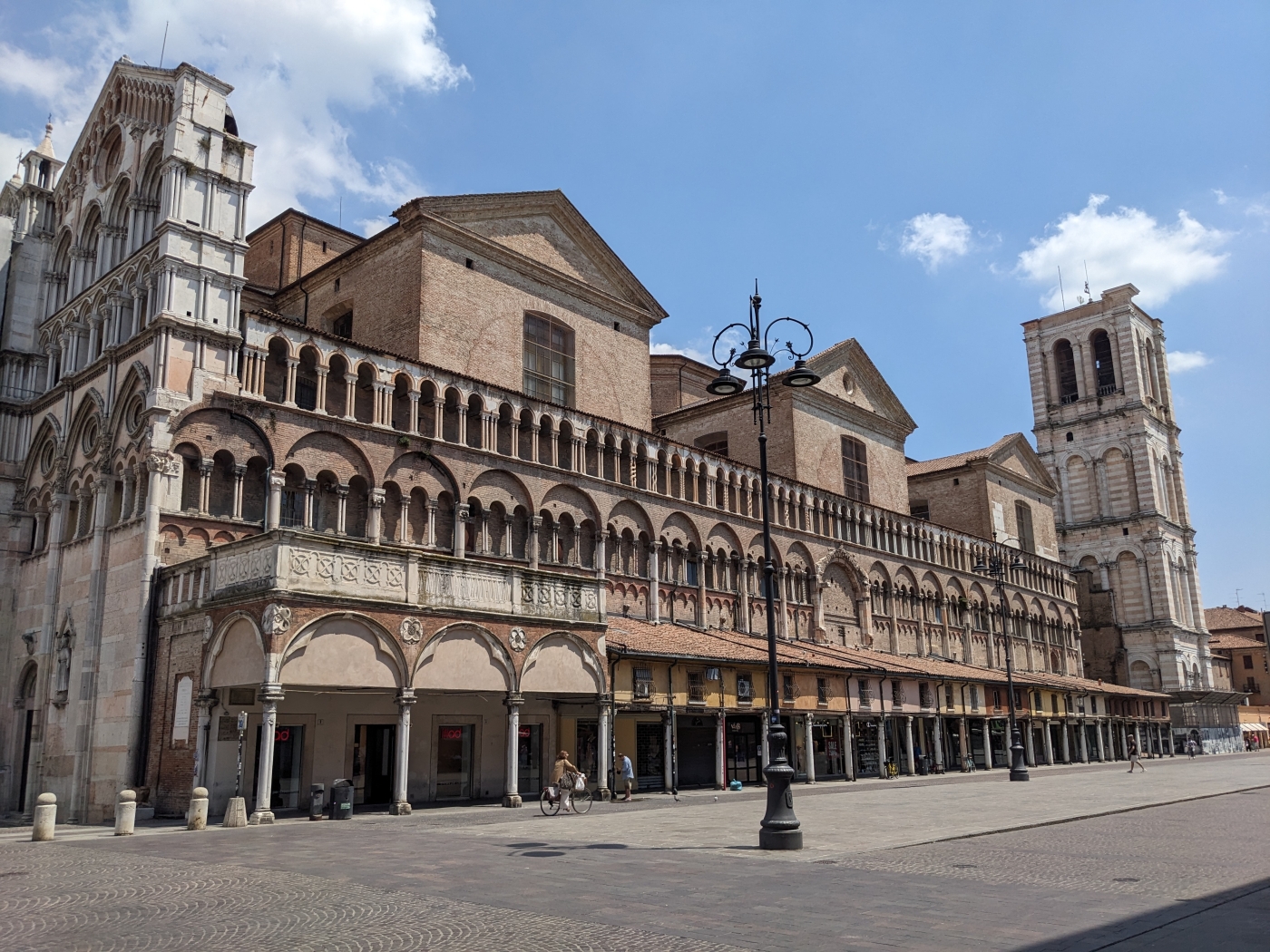
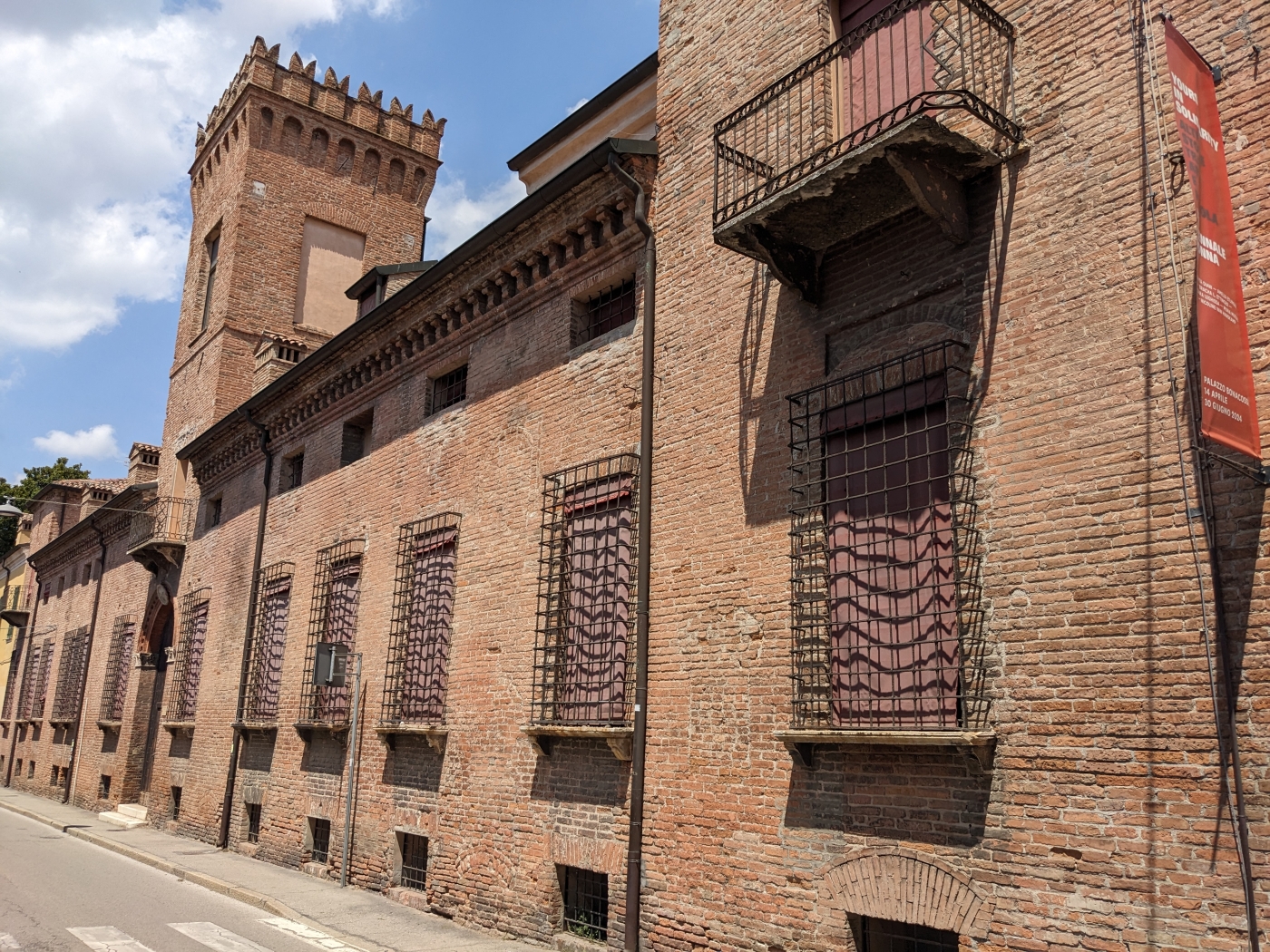
The most striking manifestation is the Addizione Erculea (Herculean Addition), a monumental urban expansion commissioned by Ercole I d'Este and designed by Biagio Rossetti. This master plan created a new, rationally organized part of the city with wide, straight streets and grand palaces. This pioneering work made Ferrara the first truly modern city in Europe. Iconic structures include the formidable Castello Estense, a moated brick castle and residence of the Este dukes, and the Palazzo dei Diamanti, famed for its unique diamond-shaped rustication. The magnificent Ferrara Cathedral (Cattedrale di San Giorgio), with its striking Romanesque-Gothic façade, is another enduring symbol of the city's rich history.
Ferrara's enduring legacy lies in its demonstration of how Renaissance principles could be applied to urban planning, creating a city that was both beautiful and functional. Its well-preserved Renaissance layout and architecture continue to inspire, offering a unique window into a pivotal era of European history and a profound influence on subsequent urban development.
Further Reading
Ferrara, which grew up around a ford over the River Po, became an intellectual and artistic centre that attracted the greatest minds of the Italian Renaissance in the 15th and 16th centuries. Here, Piero della Francesca, Jacopo Bellini and Andrea Mantegna decorated the palaces of the House of Este. The humanist concept of the 'ideal city' came to life here in the neighbourhoods built from 1492 onwards by Biagio Rossetti according to the new principles of perspective. The completion of this project marked the birth of modern town planning and influenced its subsequent development.
Ferrara (; Italian: [ferˈraːra] ; Emilian: Fràra [ˈfraːra]) is a city and comune (municipality) in the Emilia-Romagna region of Northern Italy, and the capital of the Province of Ferrara. As of 2016, it had 132,009 inhabitants. It is situated 44 kilometres (27 miles) northeast of Bologna, on the Po di Volano, a branch channel of the main stream of the Po River, located 5 km (3 miles) north. The town has broad streets and numerous palaces dating from the Renaissance, when it hosted the court of the House of Este. For its beauty and cultural importance, it has been designated by UNESCO as a World Heritage Site.