Abbey and Altenmünster of Lorsch
Lorsch, Germany
06.04.2017

Nestled in Germany's Bergstrasse region, the remains of Lorsch Abbey, along with the archaeological site of Altenmünster, stand as a powerful testament to the cultural zenith of the Carolingian Empire. Once a preeminent medieval monastery, it served as a vital spiritual and intellectual hub, profoundly influencing early European history and architectural forms.
A Flourishing Imperial Abbey
Founded in 764 by Count Cancor, Lorsch Abbey quickly rose to prominence. It was soon entrusted to Archbishop Chrodegang of Metz and enjoyed direct royal patronage from rulers like Charlemagne. The abbey flourished as a centre of learning, its scriptorium famed for producing significant manuscripts, including the comprehensive Lorscher Reichsurbar, documenting extensive imperial landholdings.
The Unique King's Hall
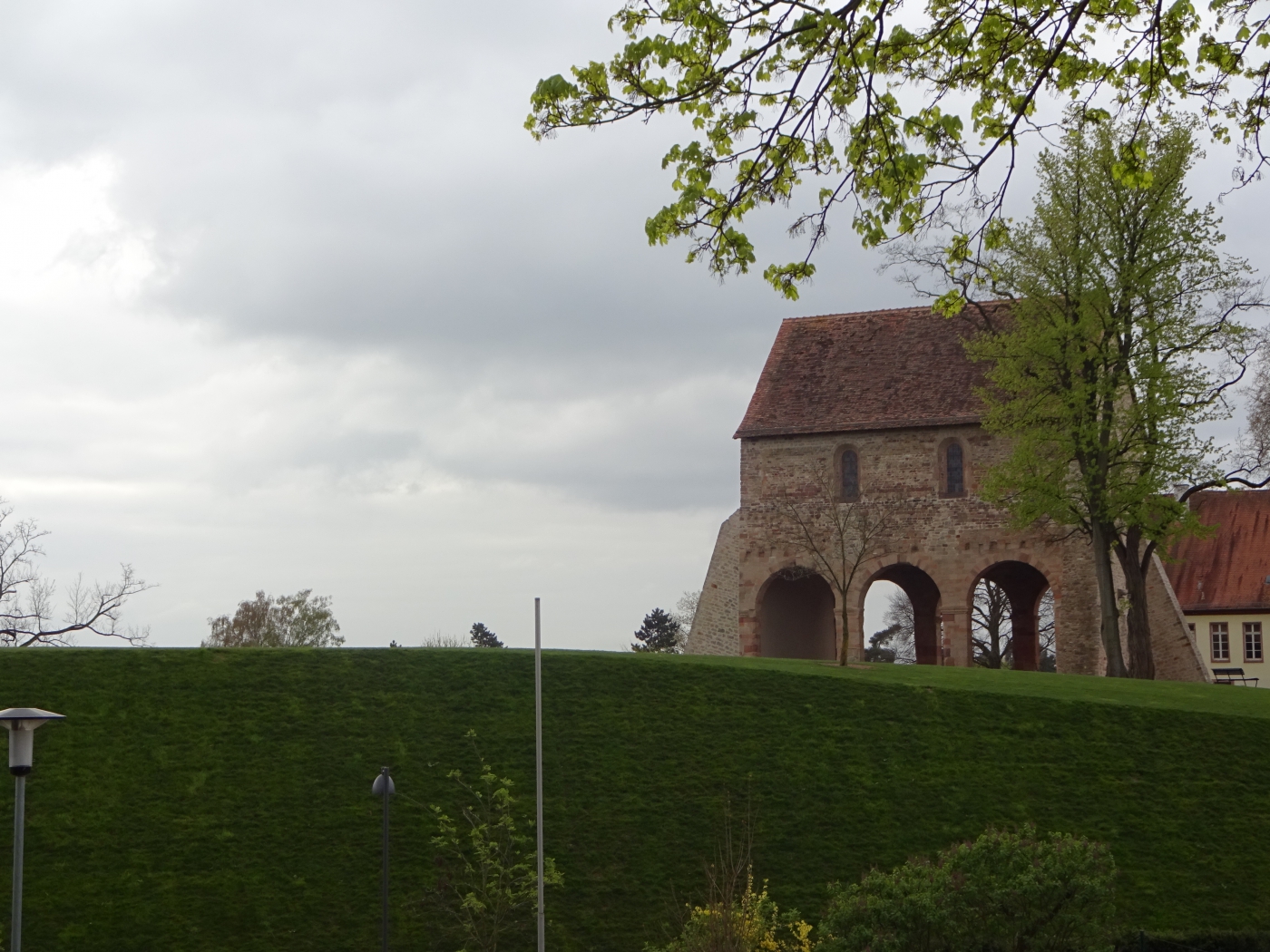
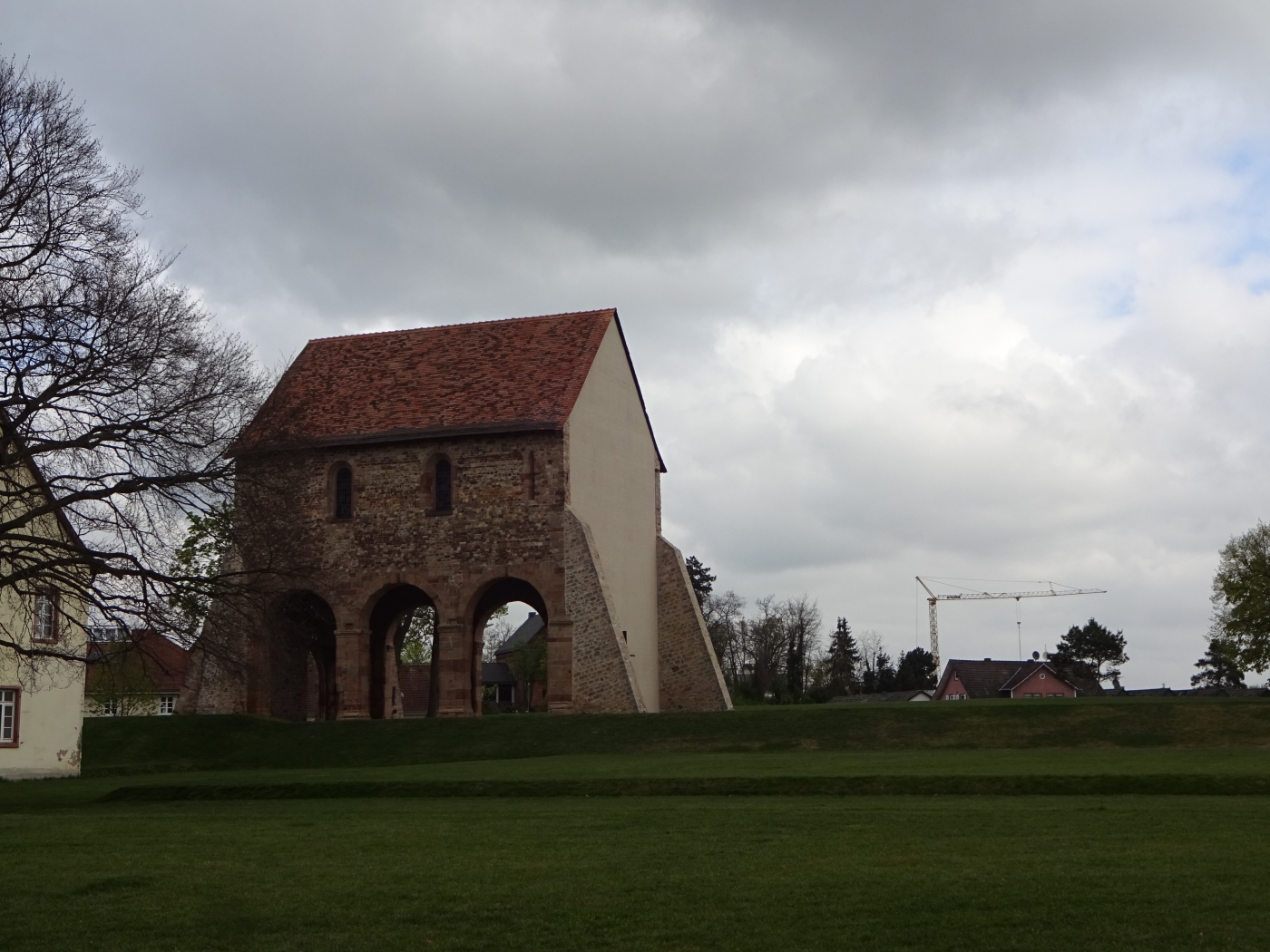
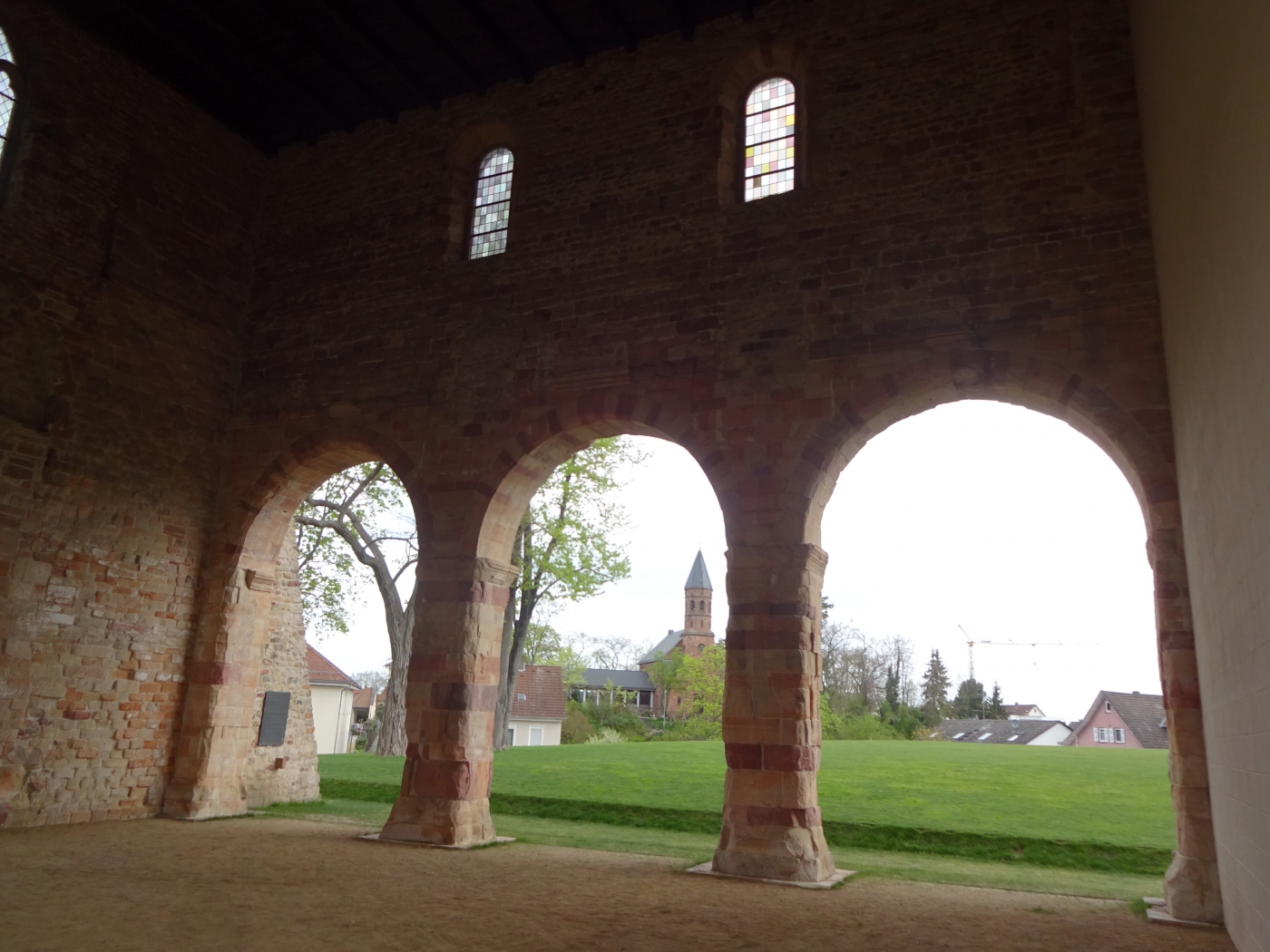
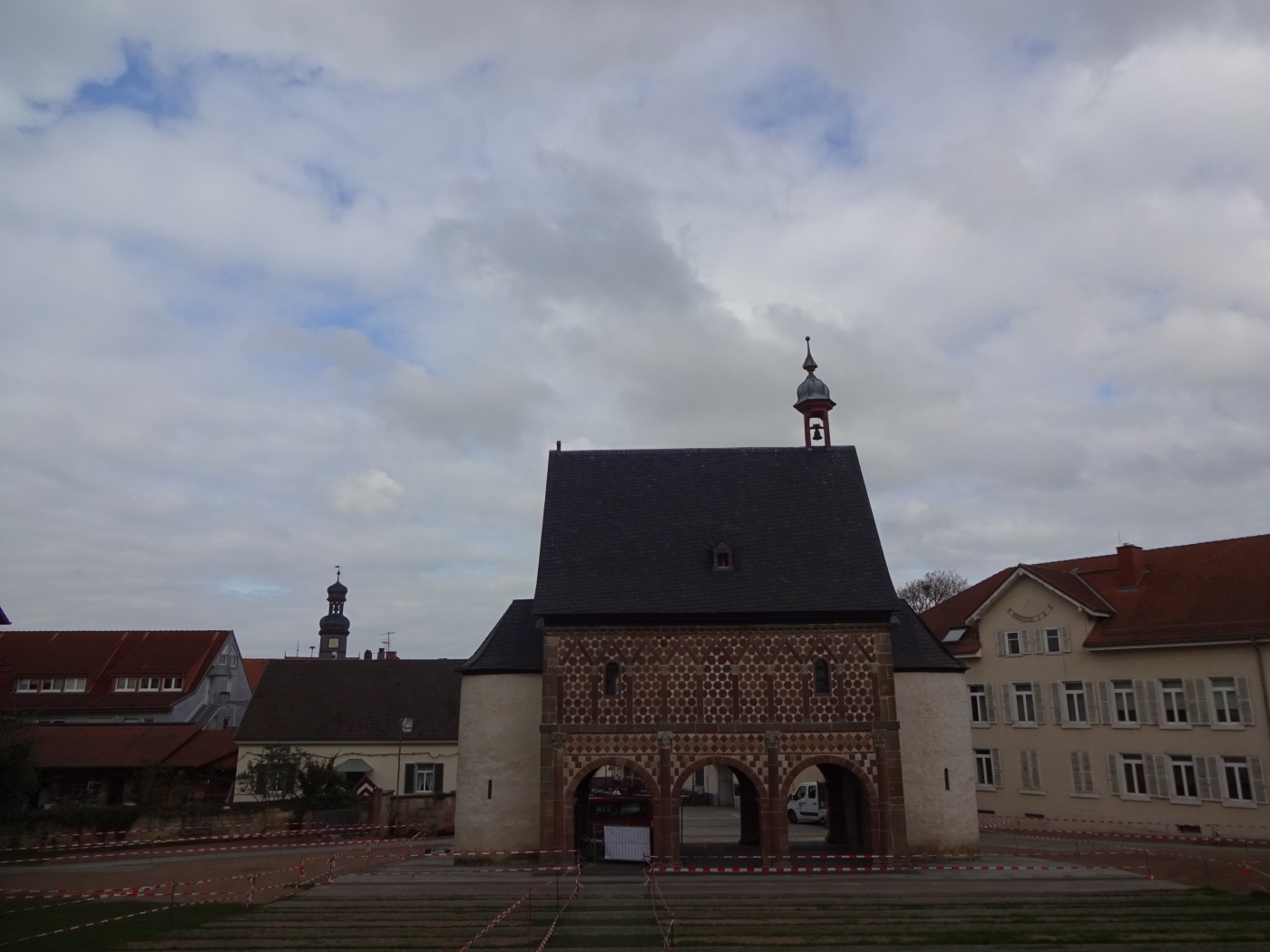
The most iconic surviving structure is the magnificent King's Hall (Königshalle), an exceptionally preserved example of Carolingian architecture. Dating from around 770-790, its distinctive two-storey facade with vibrant masonry and classical columns showcases the era's ambition to revive Roman imperial grandeur. Likely serving as a reception hall or monumental gatehouse, it represents a unique building type. Excavations at Altenmünster further reveal the layout of the very first monastic settlement.
After centuries of influence, the abbey faced decline and eventual dissolution in 1623, its structures largely repurposed or quarried. Today, these evocative ruins offer an unparalleled glimpse into a foundational period of Western Europe.
UNESCO Recognition
In 1991, Lorsch Abbey and Altenmünster was inscribed as a UNESCO World Heritage site. Its universal value lies in the exceptional preservation of key Carolingian architectural features, particularly the King's Hall, and its archaeological evidence. The site vividly illustrates the development of a powerful imperial monastery and embodies the artistic and cultural renaissance of the Carolingian dynasty, marking a critical stage in European heritage.
Further Reading
The abbey, together with its monumental entrance, the famous 'Torhall', are rare architectural vestiges of the Carolingian era. The sculptures and paintings from this period are still in remarkably good condition.
Lorsch Abbey, otherwise the Imperial Abbey of Lorsch (German: Reichsabtei Lorsch; Latin: Laureshamense Monasterium or Laurissa), is a former Imperial abbey in Lorsch, Germany, about 10 km (6.2 mi) east of Worms. It was one of the most important monasteries of the Carolingian Empire. Even in its ruined state, its remains are among the most important pre-Romanesque–Carolingian style buildings in Germany.
Its chronicle, entered in the Lorscher Codex compiled in the 1170s (now in the state archive at Würzburg), is a fundamental document for early medieval German history. Another famous document from the monastic library is the Codex Aureus of Lorsch.
In 1991 the ruined abbey was listed as a UNESCO World Heritage Site because of its architectural and historical importance. The significant remains visible today are the 9th-century Torhalle (gatehouse), part of the abbey church, some of the wall around the abbey, and other walls and parts of buildings adapted to modern use.