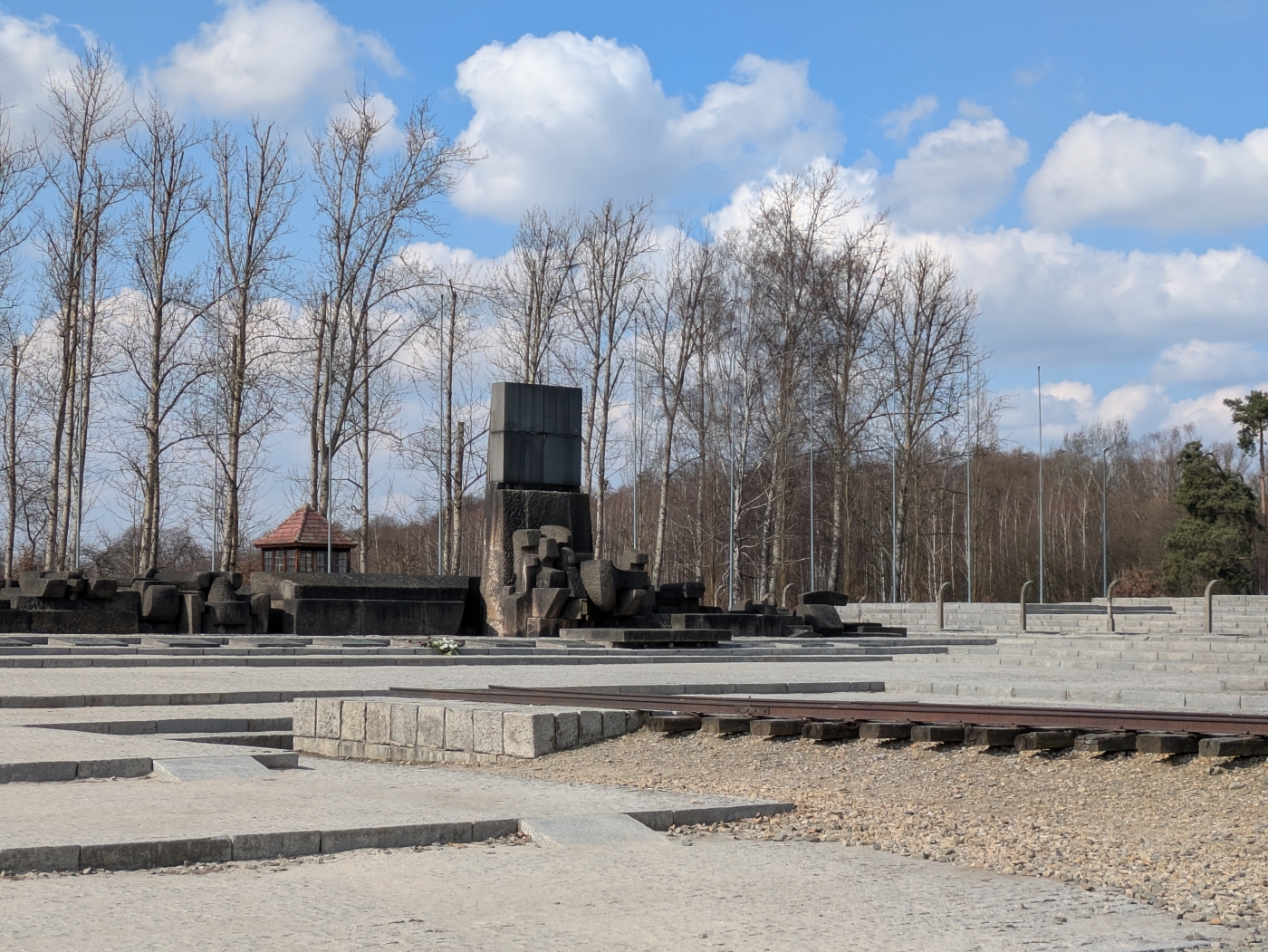
Auschwitz Birkenau
German Nazi Concentration and Extermination Camp (1940-1945)
Oświęcim, Poland
13.03.2026

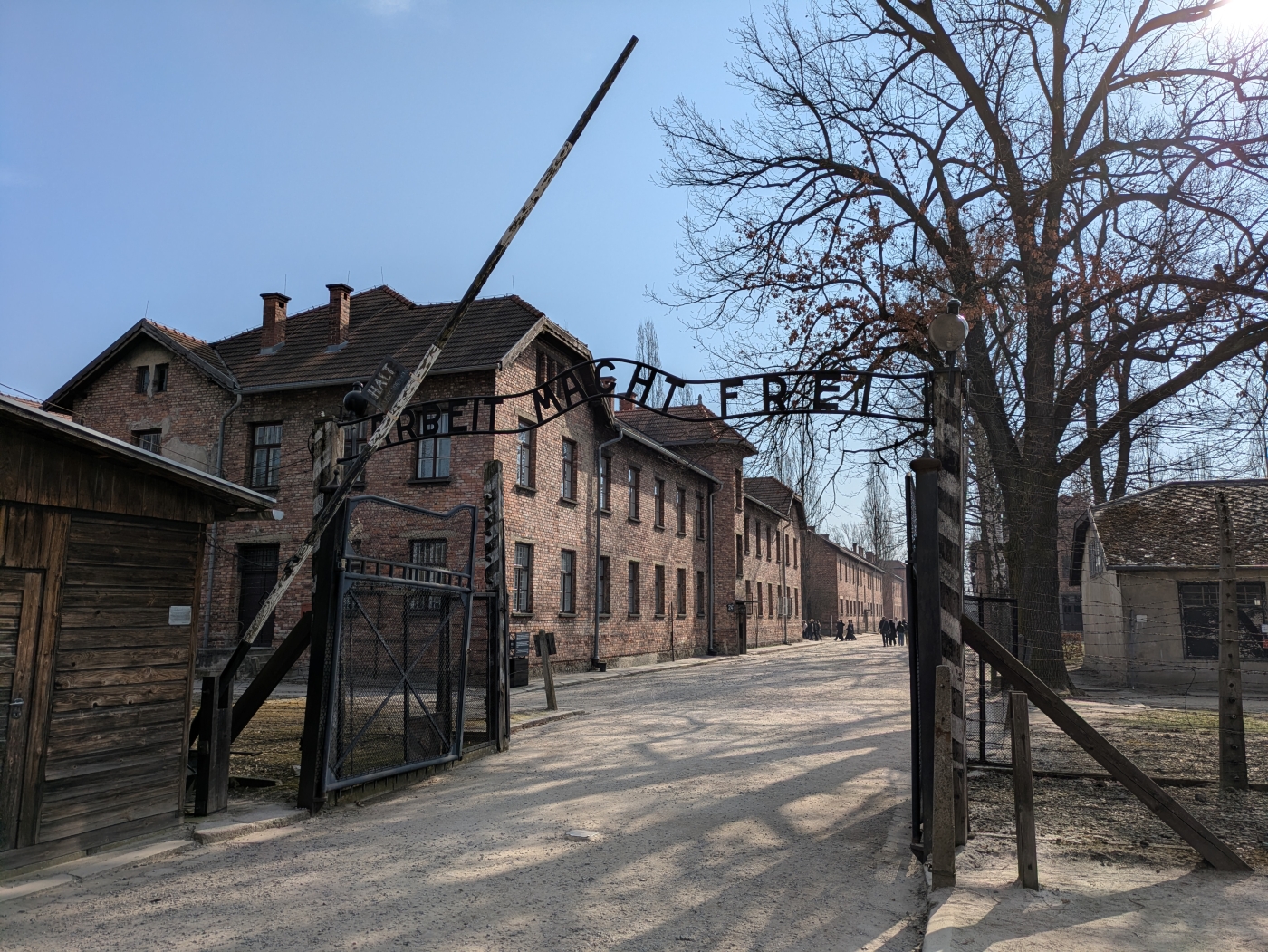
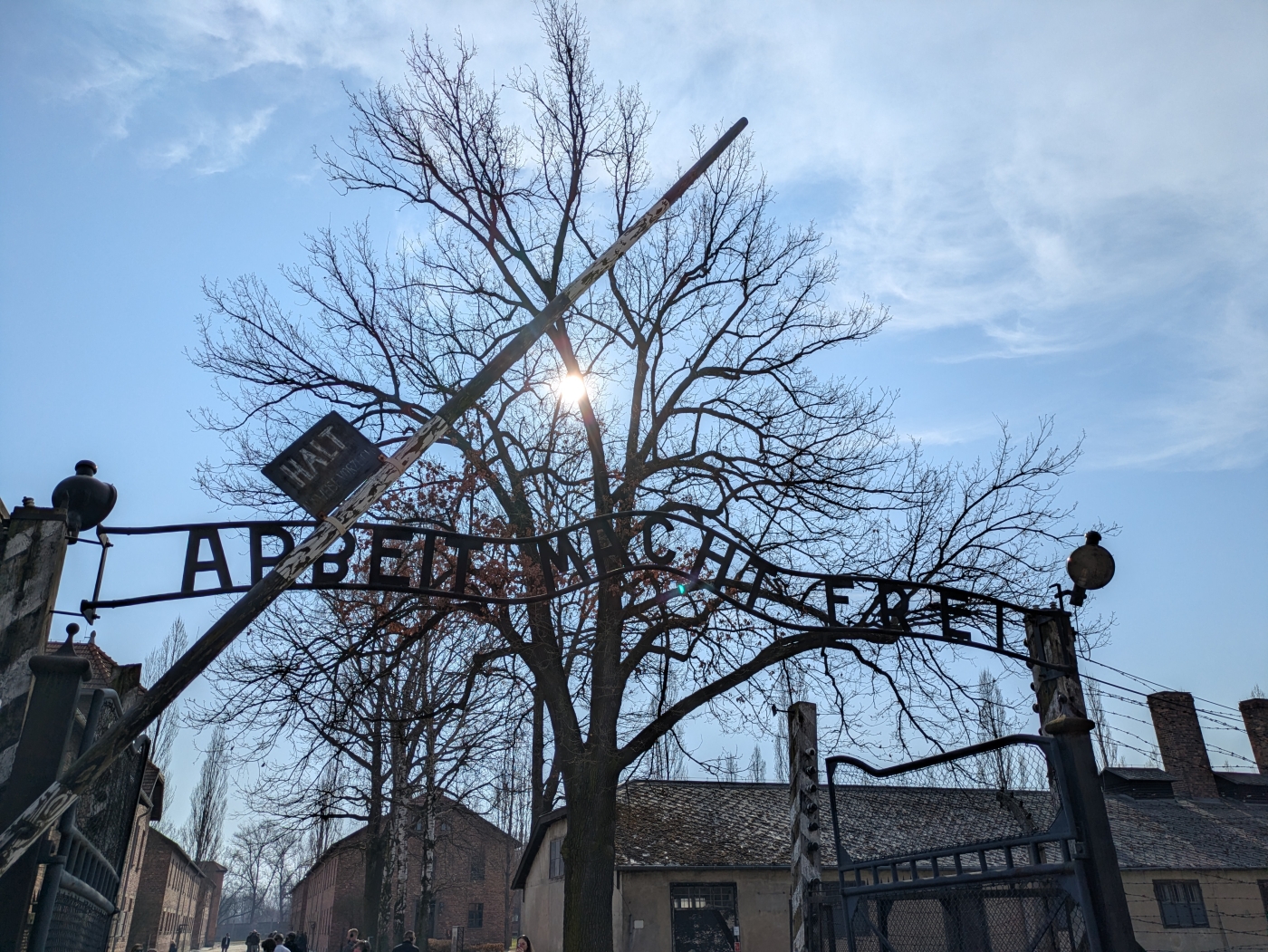
The former German Nazi concentration and extermination camp, officially known as Auschwitz-Birkenau, is located in Oświęcim, Poland. This site, inscribed on the UNESCO World Heritage List in 1979, stands as an indelible testament to the atrocities committed during World War II and the Holocaust. It serves as a stark warning to humanity, preserving the physical evidence of systematic genocide and the suffering of millions.
Establishment and Expansion
Originally established in May 1940 by Nazi Germany, Auschwitz I was initially intended to house Polish political prisoners. However, under the command of Heinrich Himmler, Reichsführer-SS, and subsequently the commandant Rudolf Höss, the complex rapidly expanded and evolved into the largest of the German Nazi concentration camps. Its primary purpose shifted to the extermination of Jews from across Europe, alongside Poles, Roma, Soviet prisoners of war, and other victims deemed undesirable by the Nazi regime.
The Three Main Camps
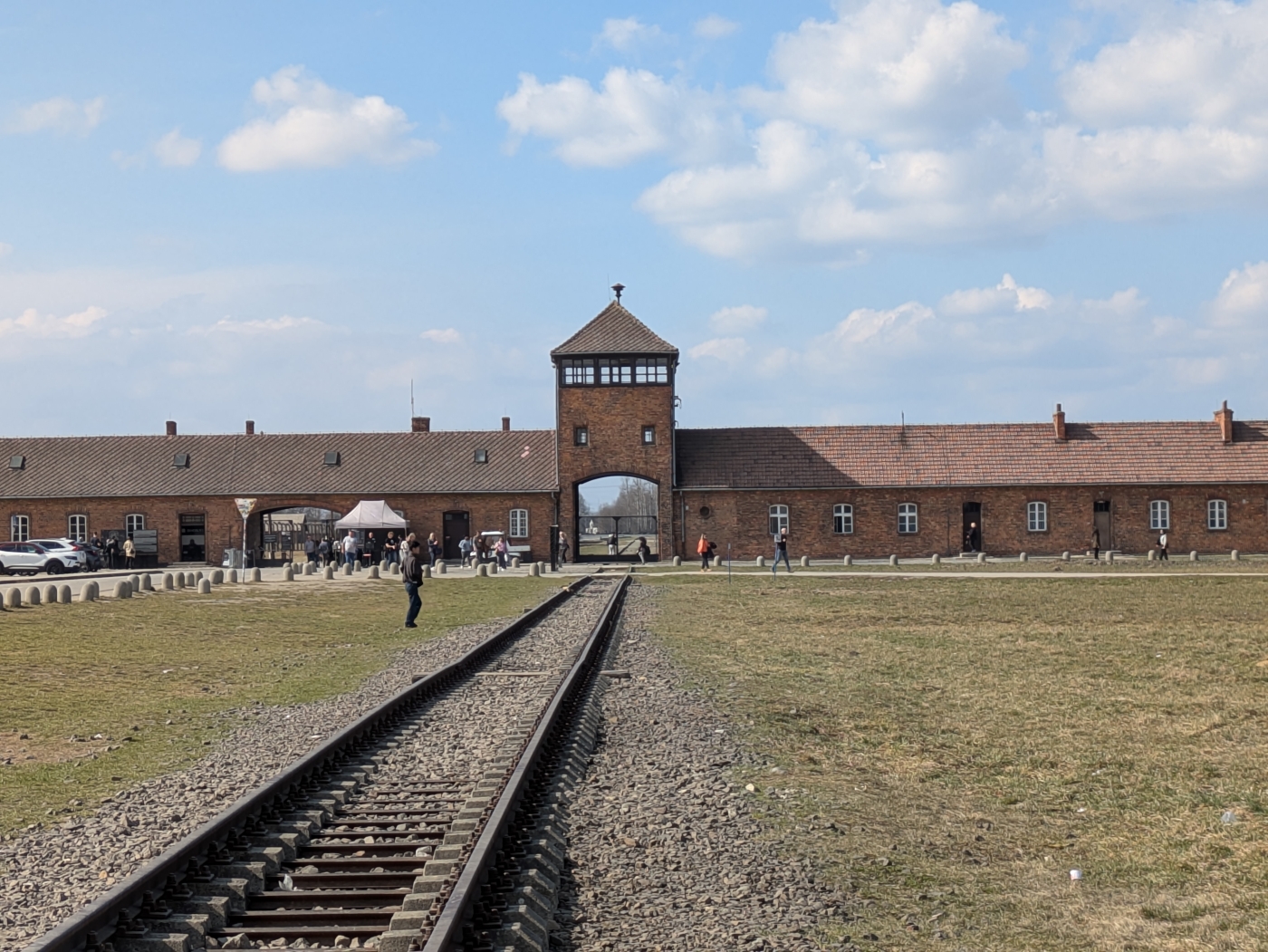
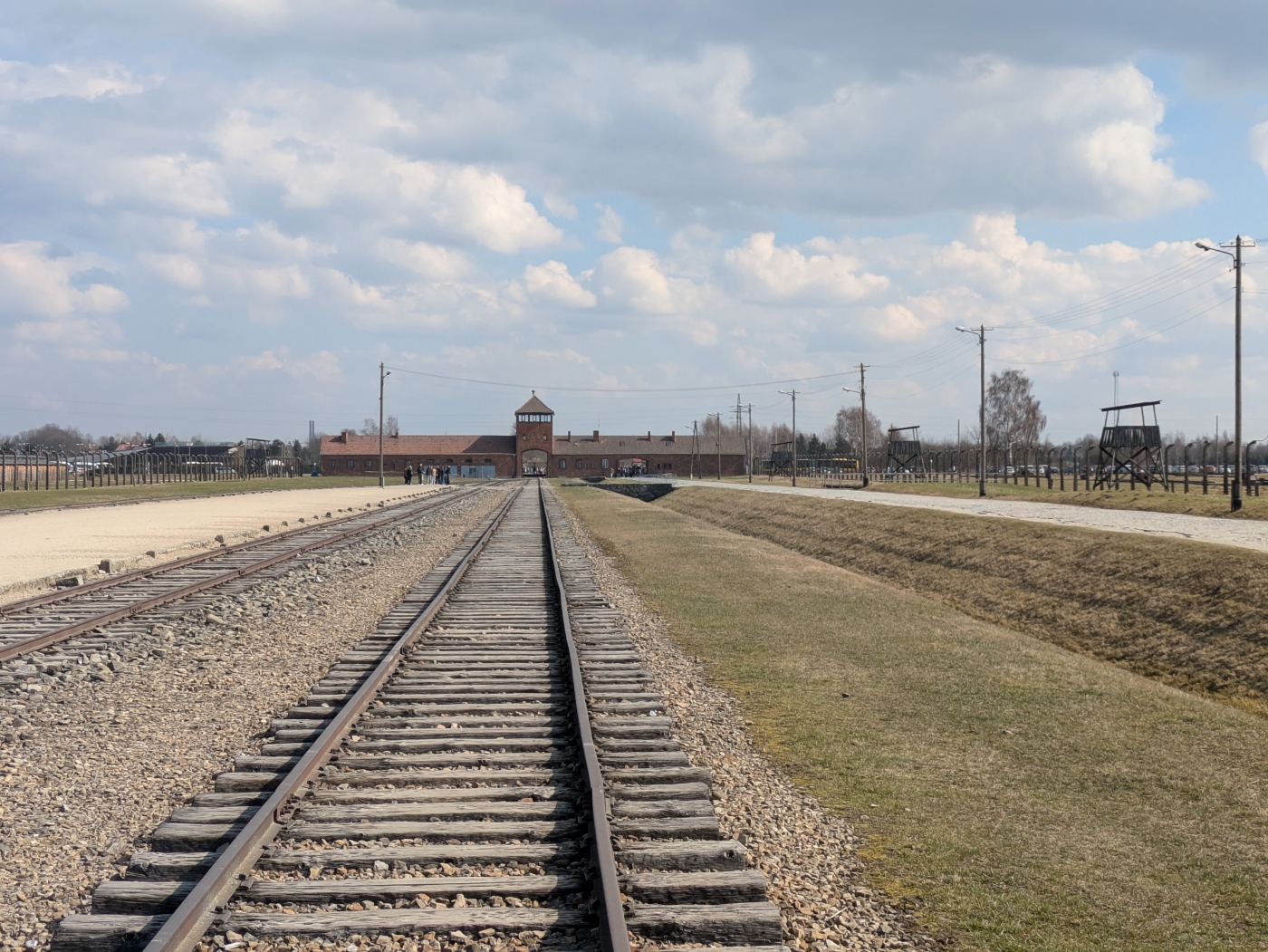
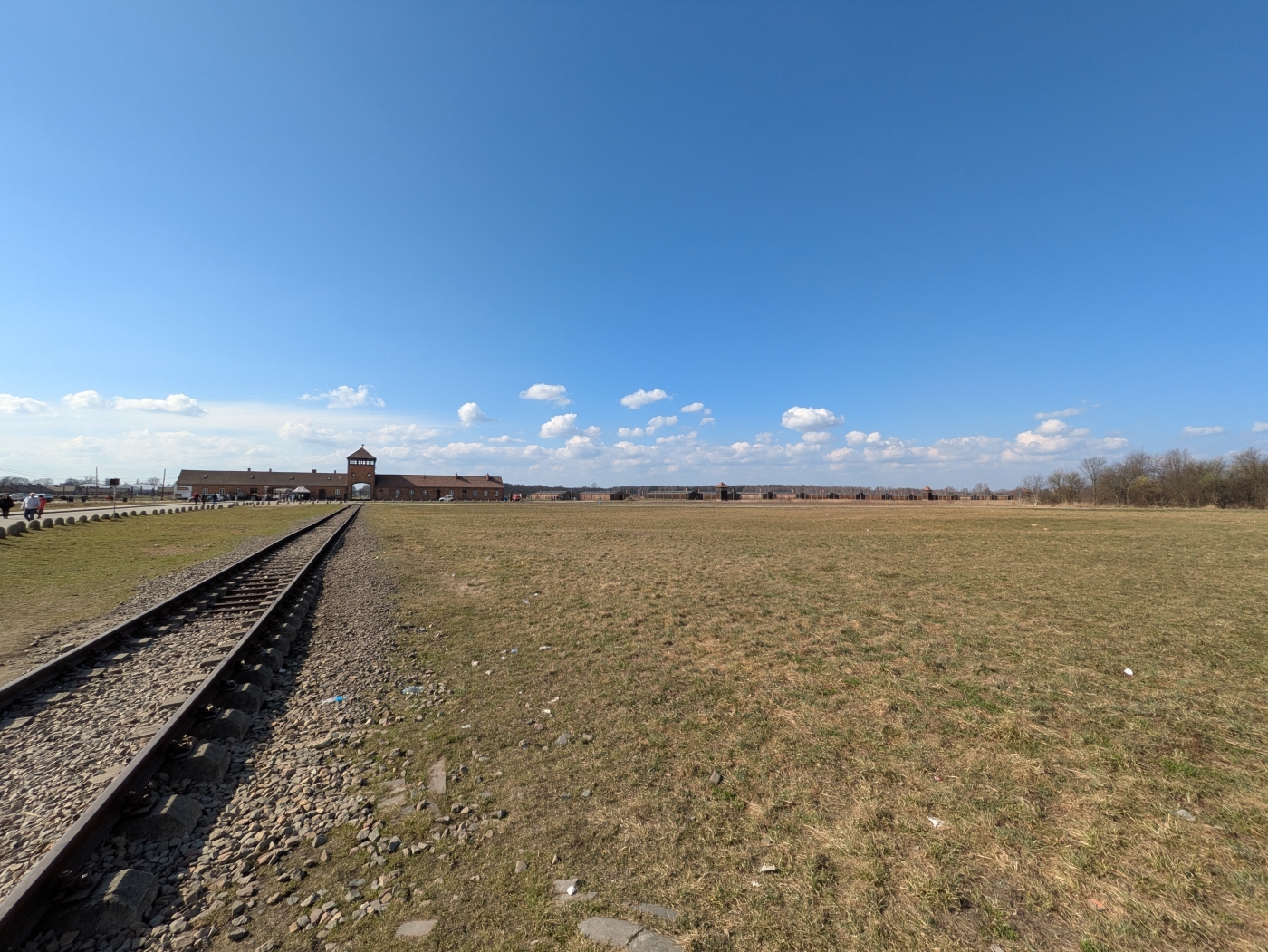
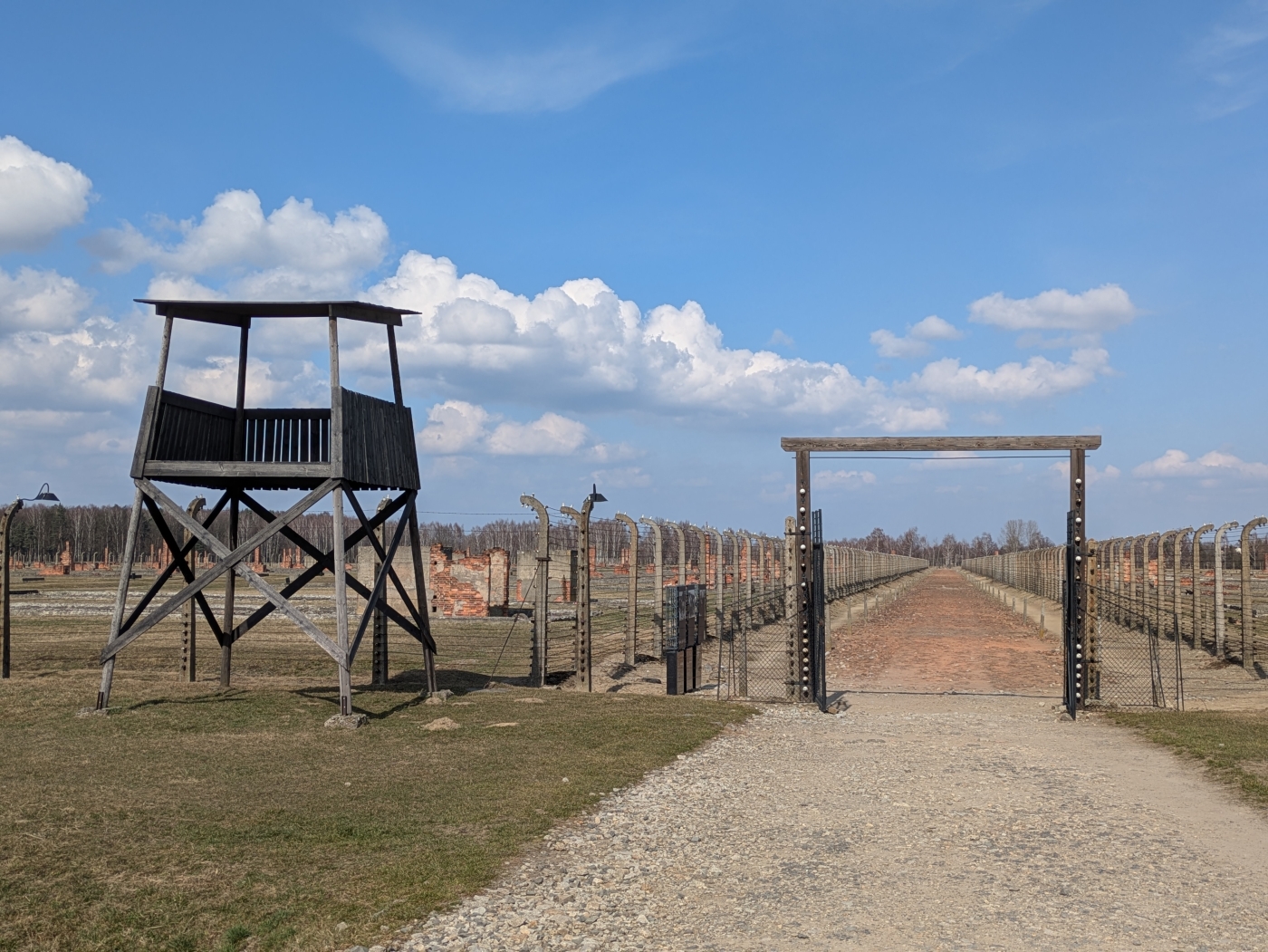
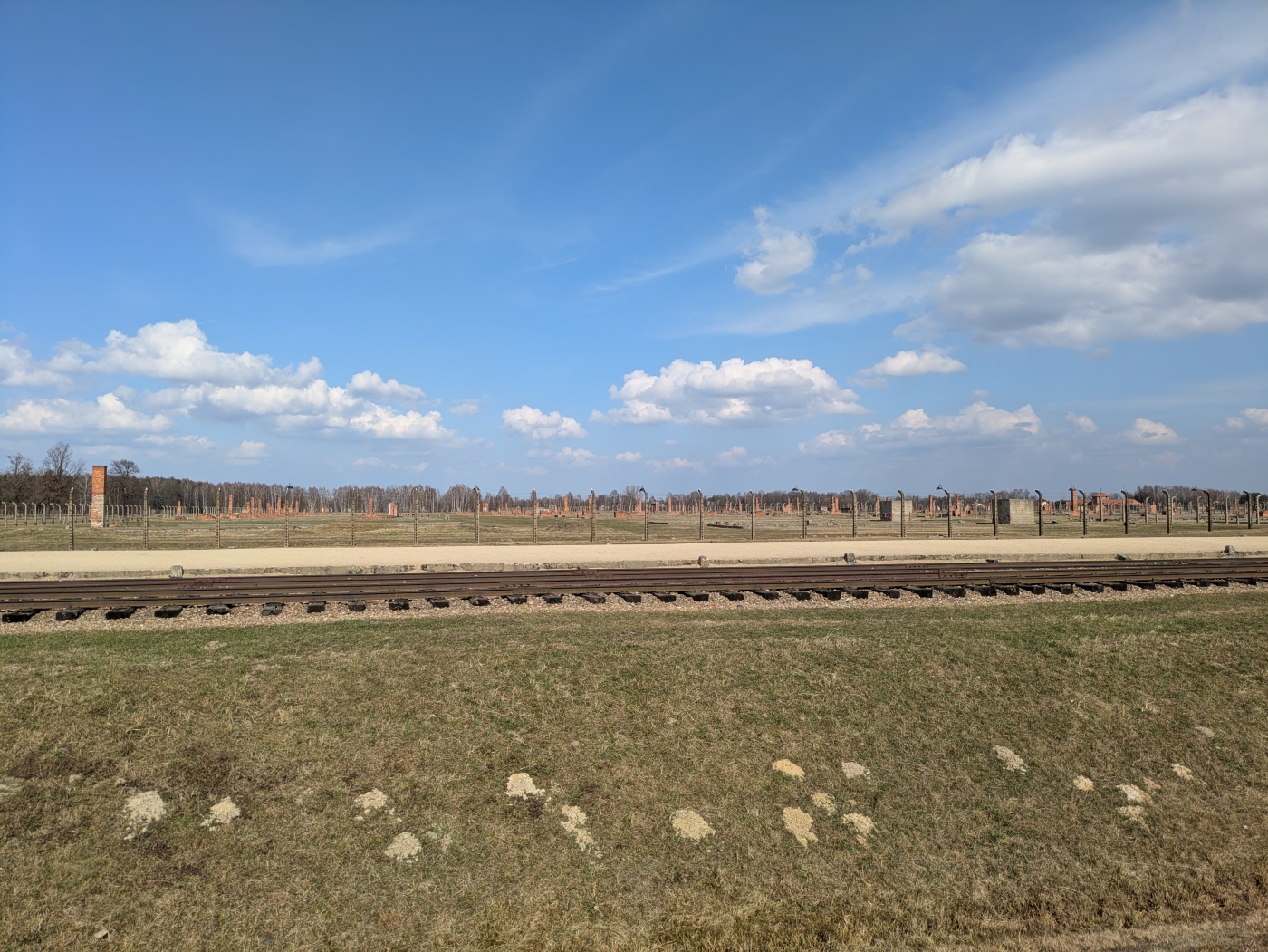
The sprawling complex comprised three main camps: Auschwitz I, the administrative centre and initial camp; Auschwitz II-Birkenau, the primary extermination camp where the vast majority of victims were murdered in gas chambers; and Auschwitz III-Monowitz, a forced labour camp connected to the German industrial conglomerate IG Farben, which operated a synthetic rubber and fuel plant. Birkenau, with its infamous gatehouse and railway tracks, became the epicentre of the "Final Solution." Here, an estimated 1.1 million people were murdered, approximately 90% of whom were Jews.
Life and Death in the Camp
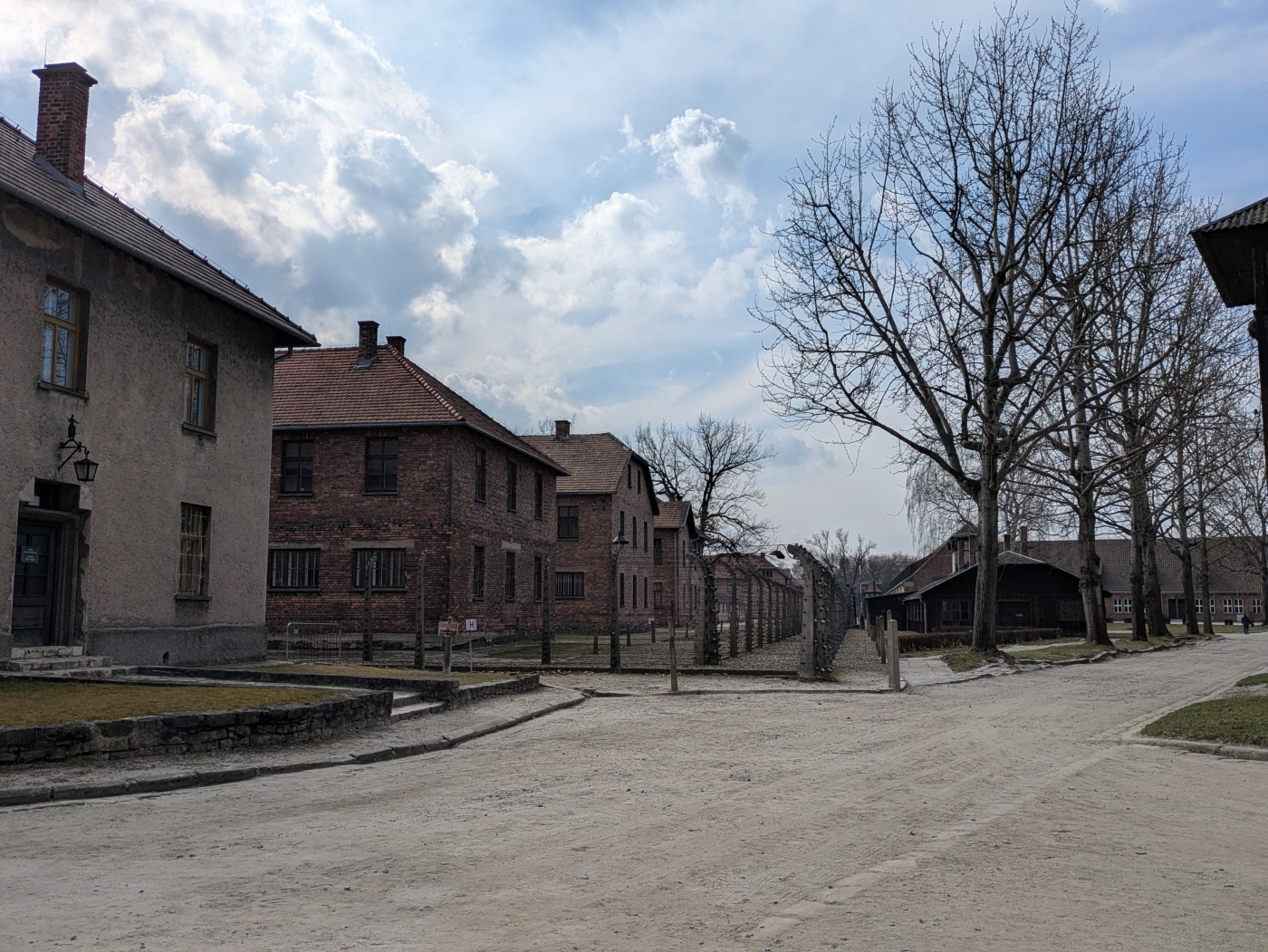
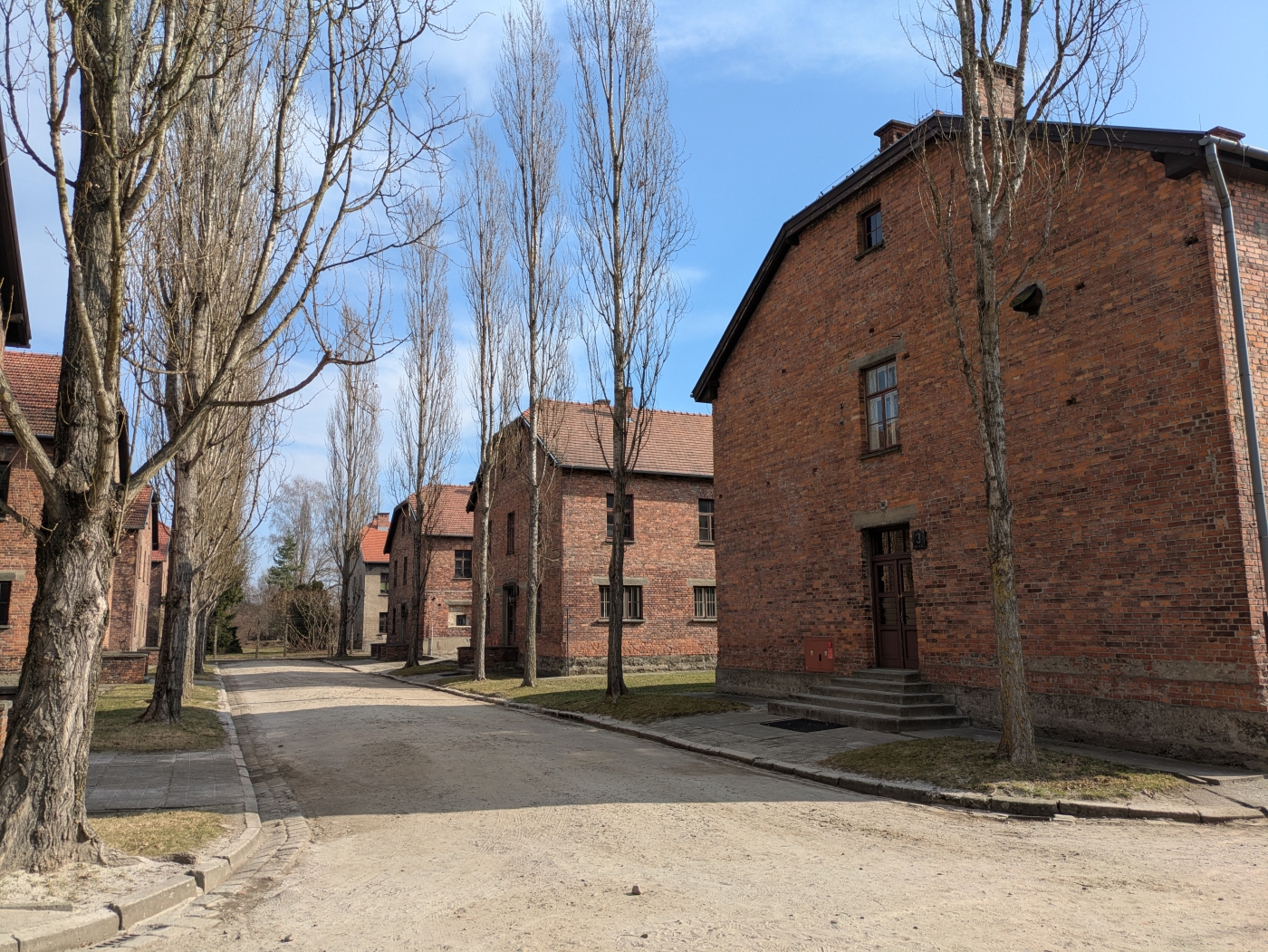
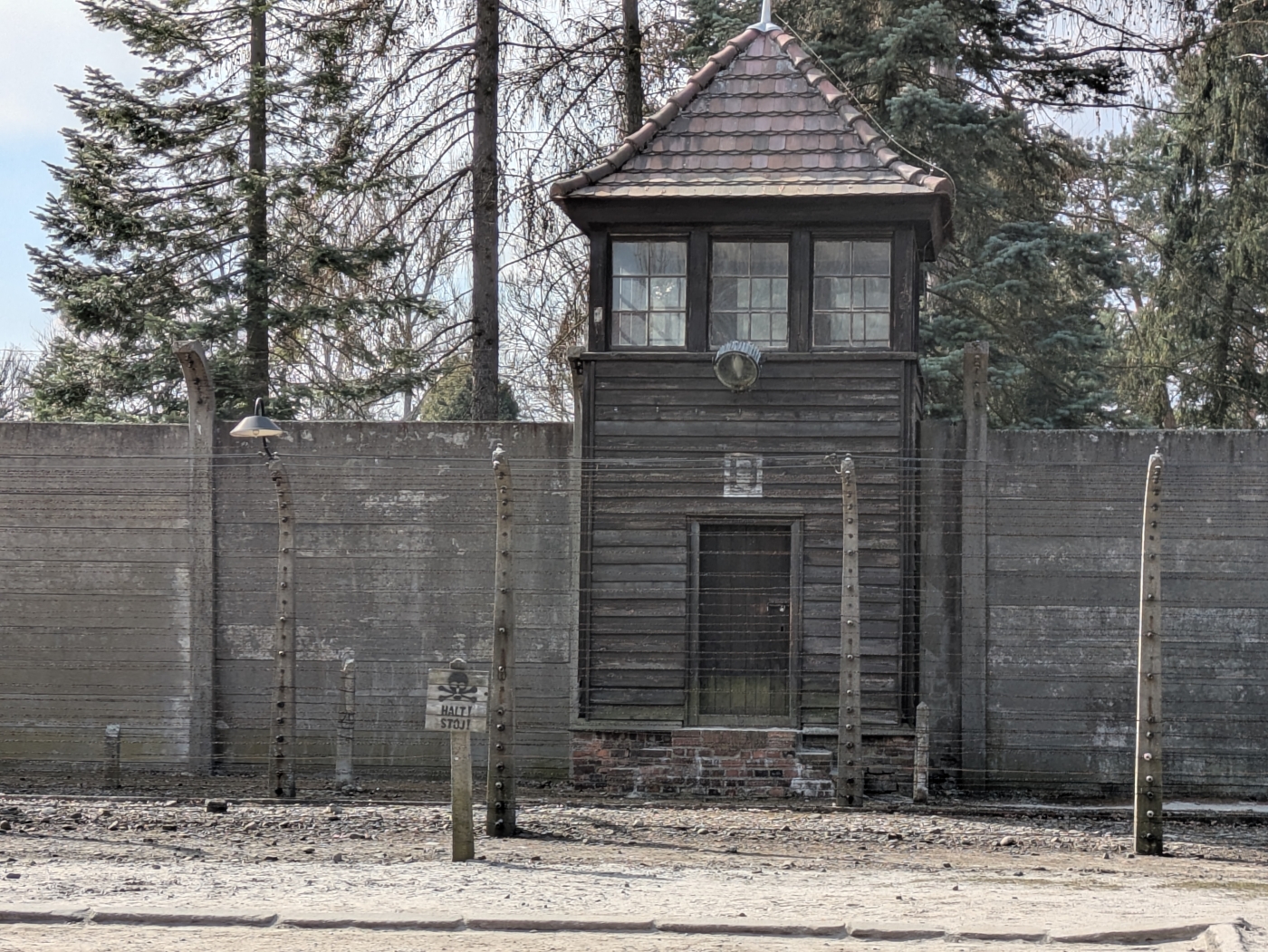
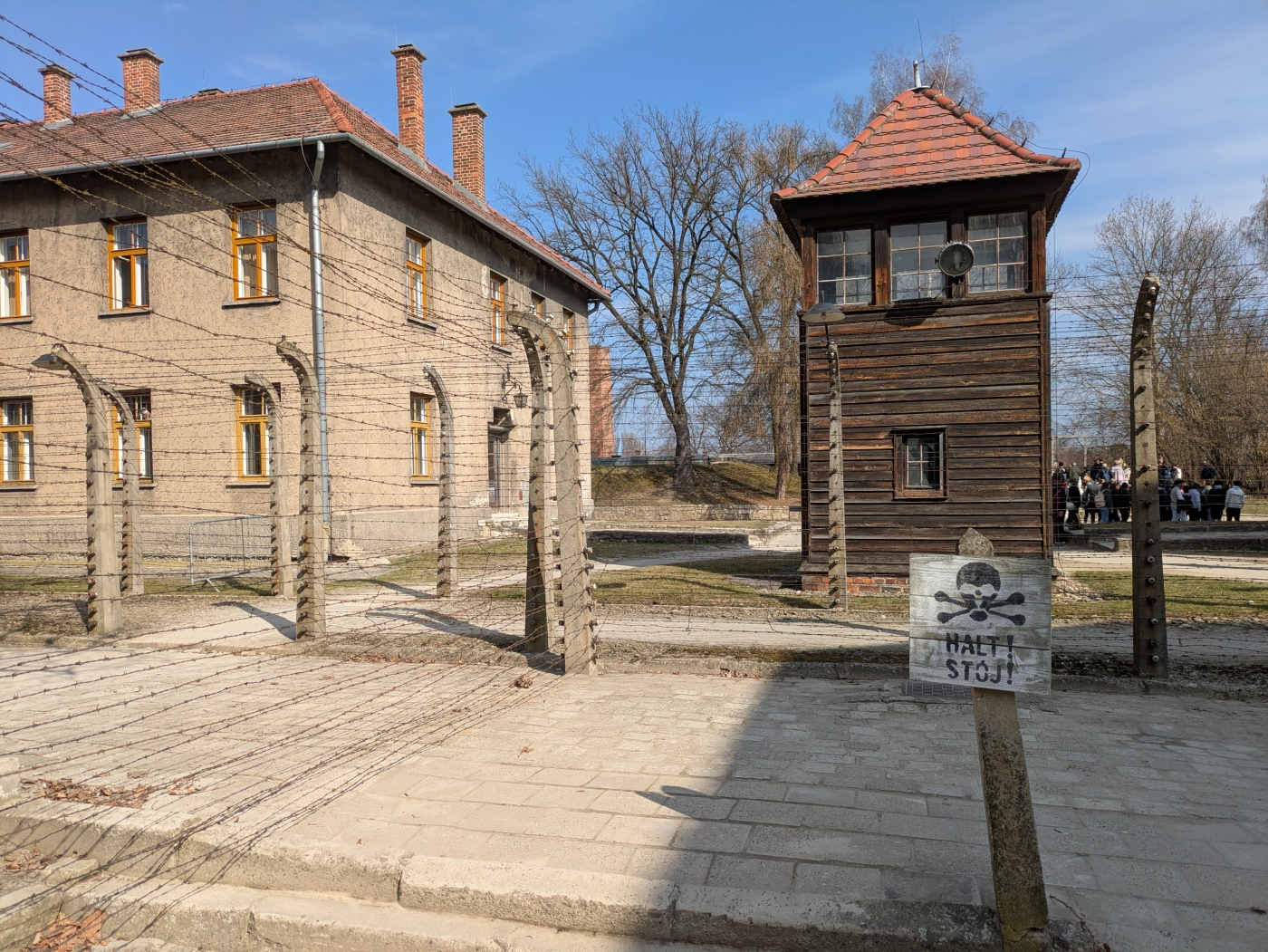
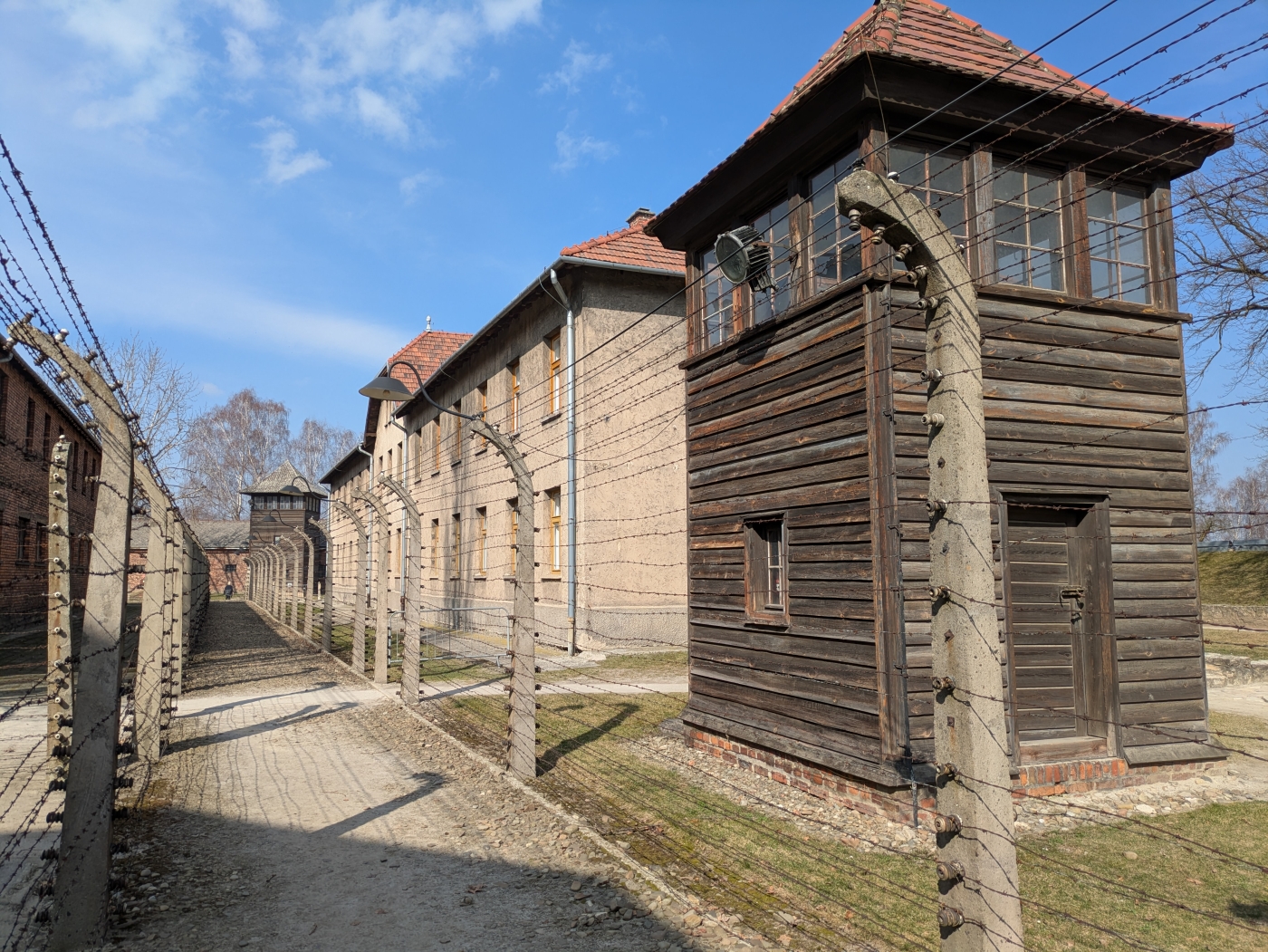
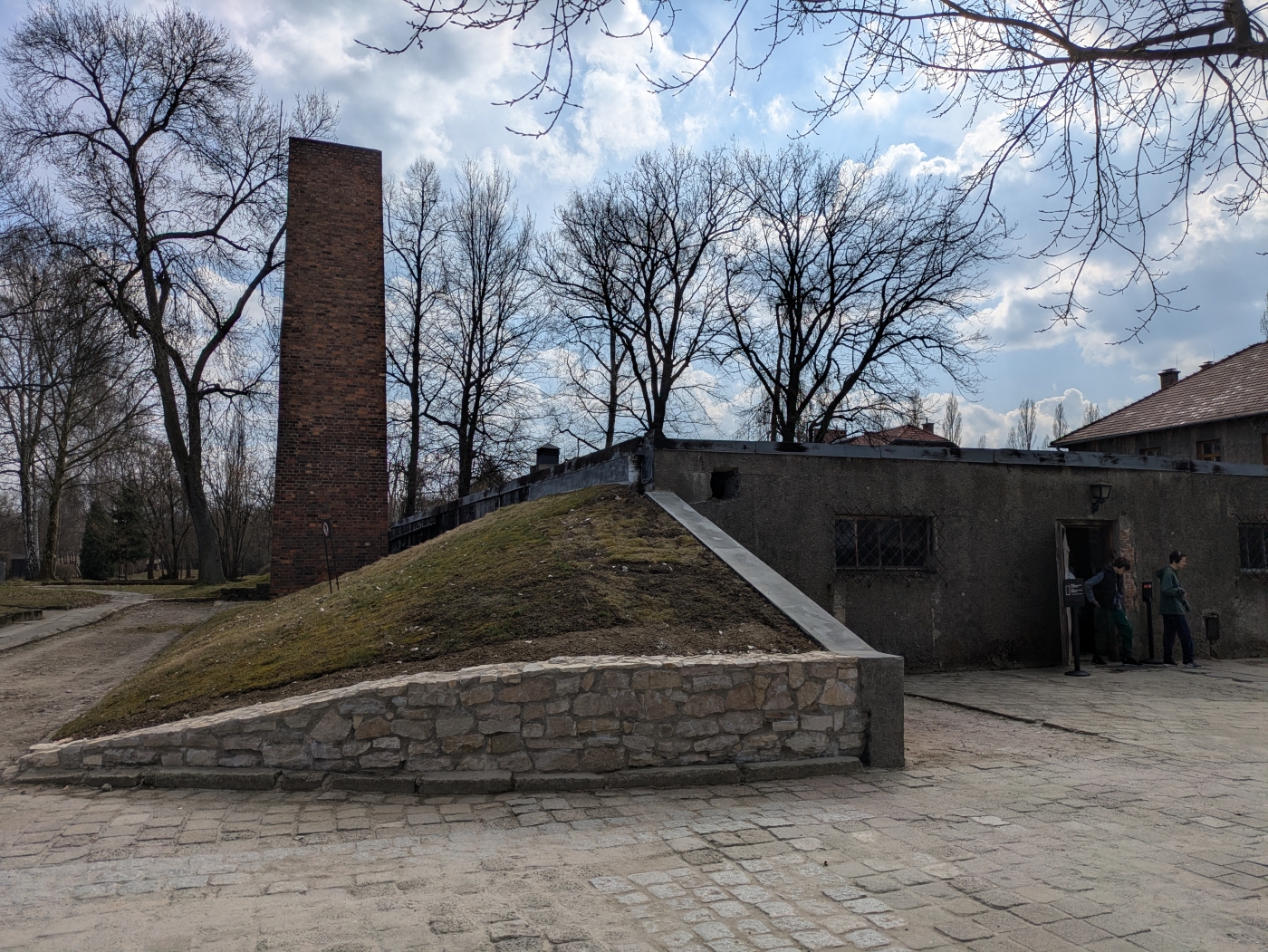
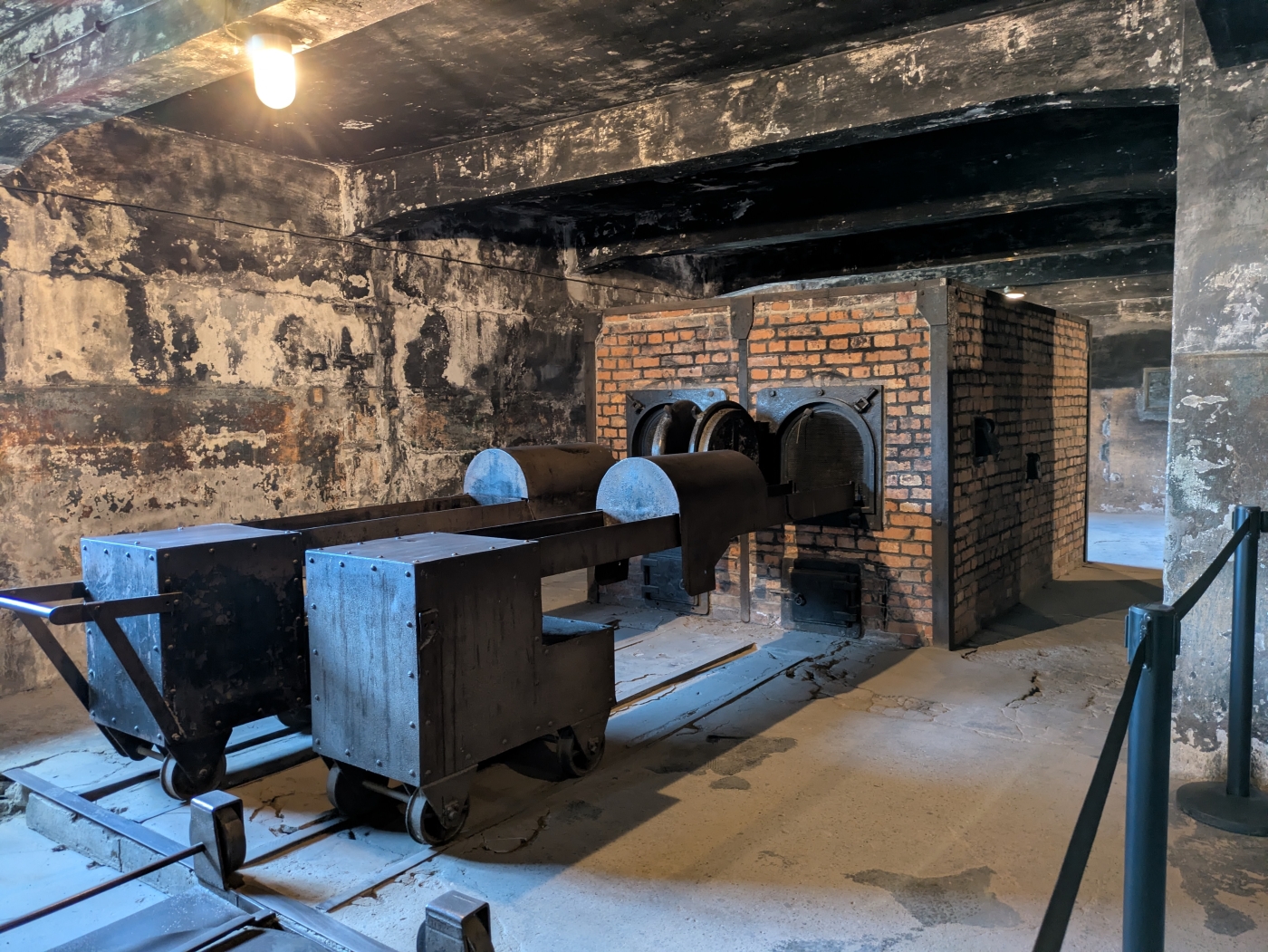
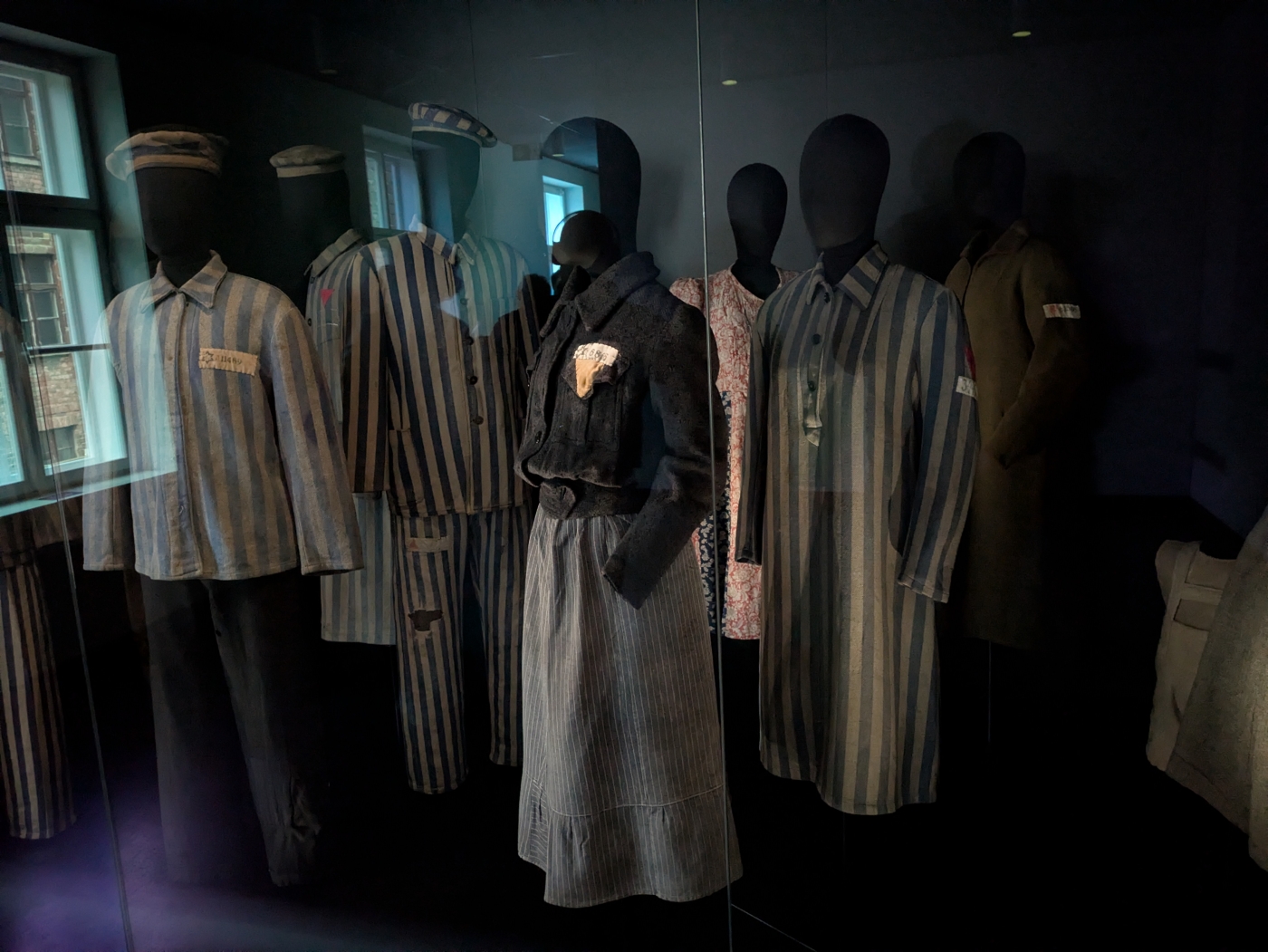
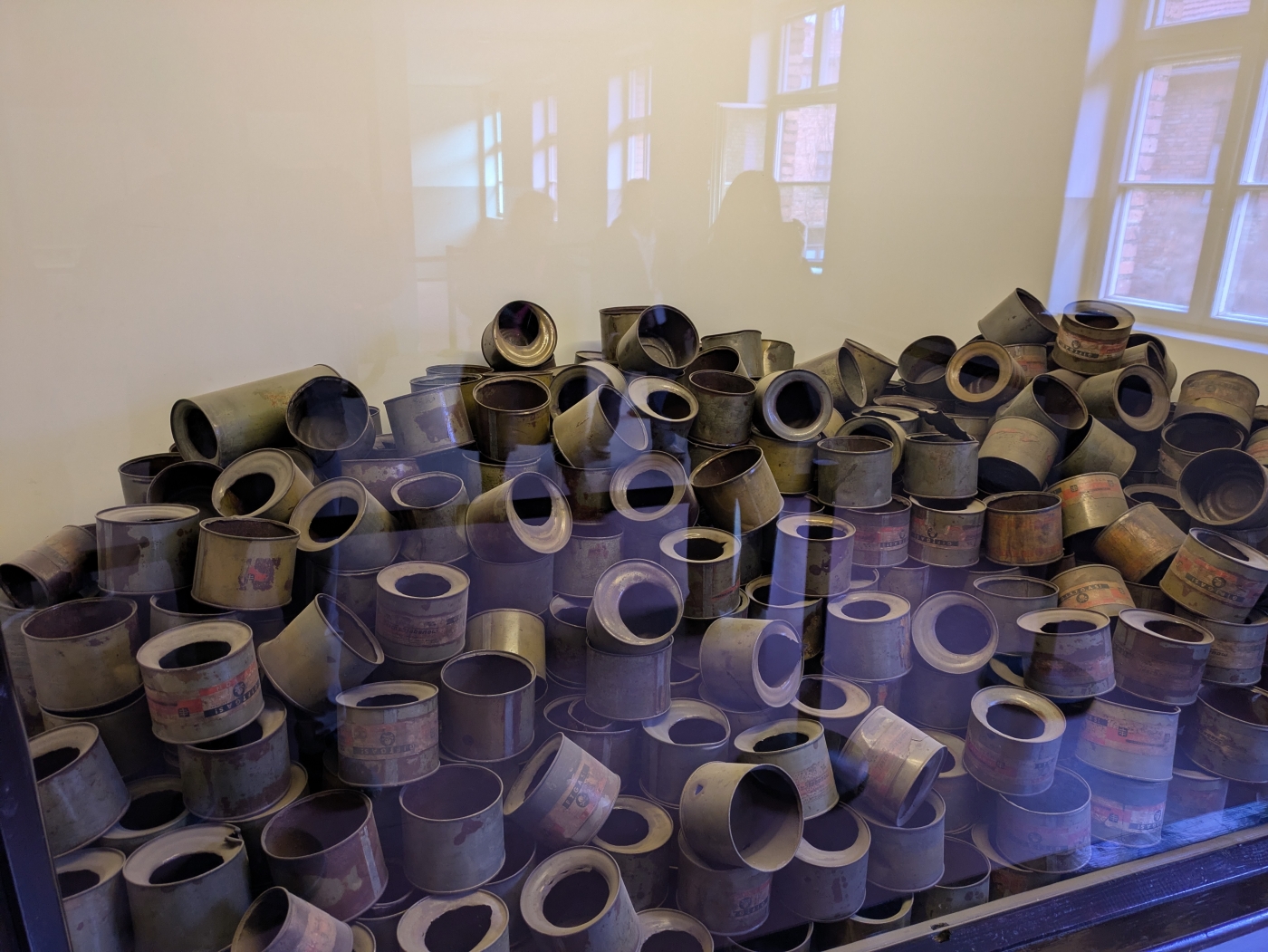
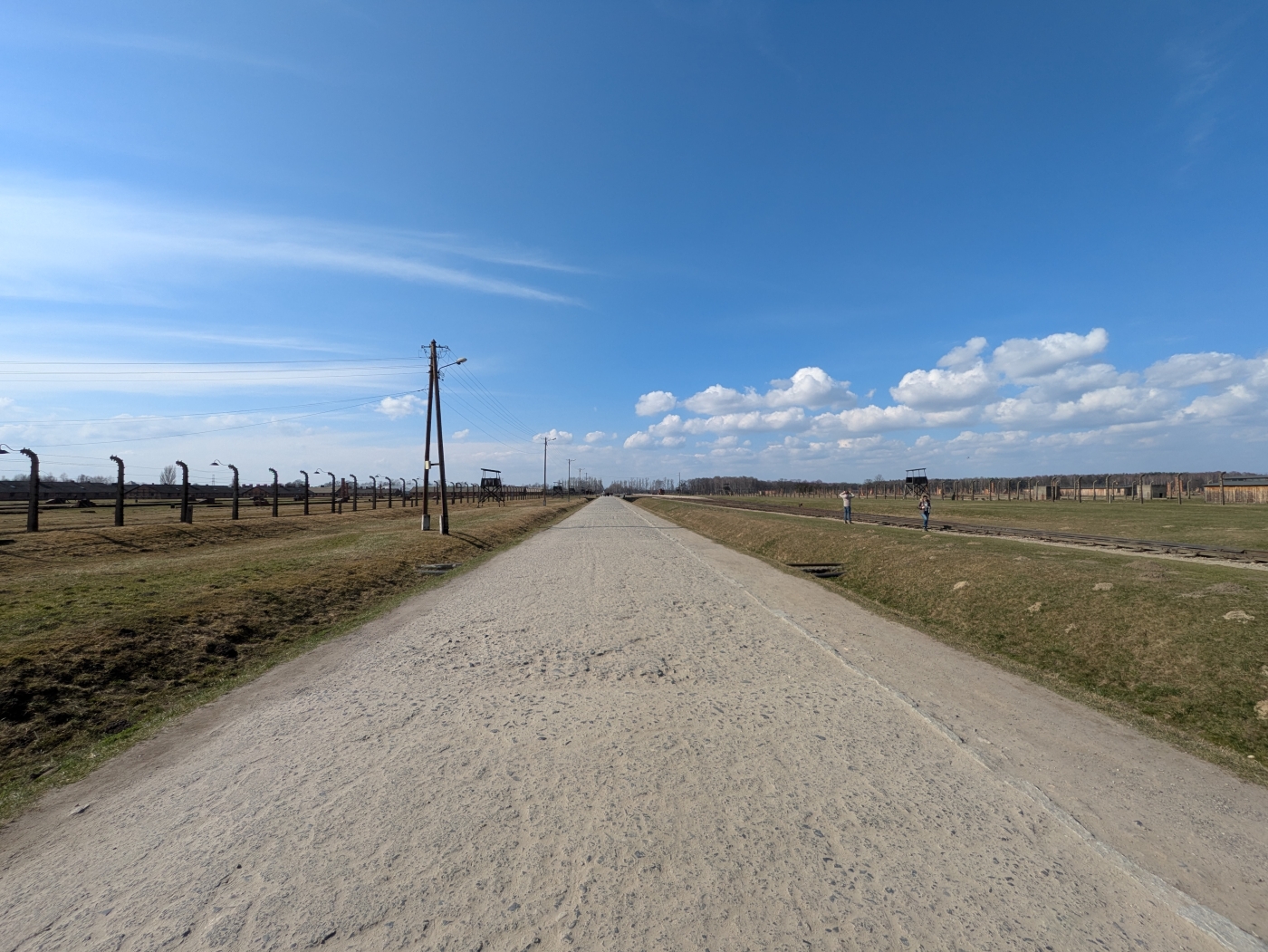
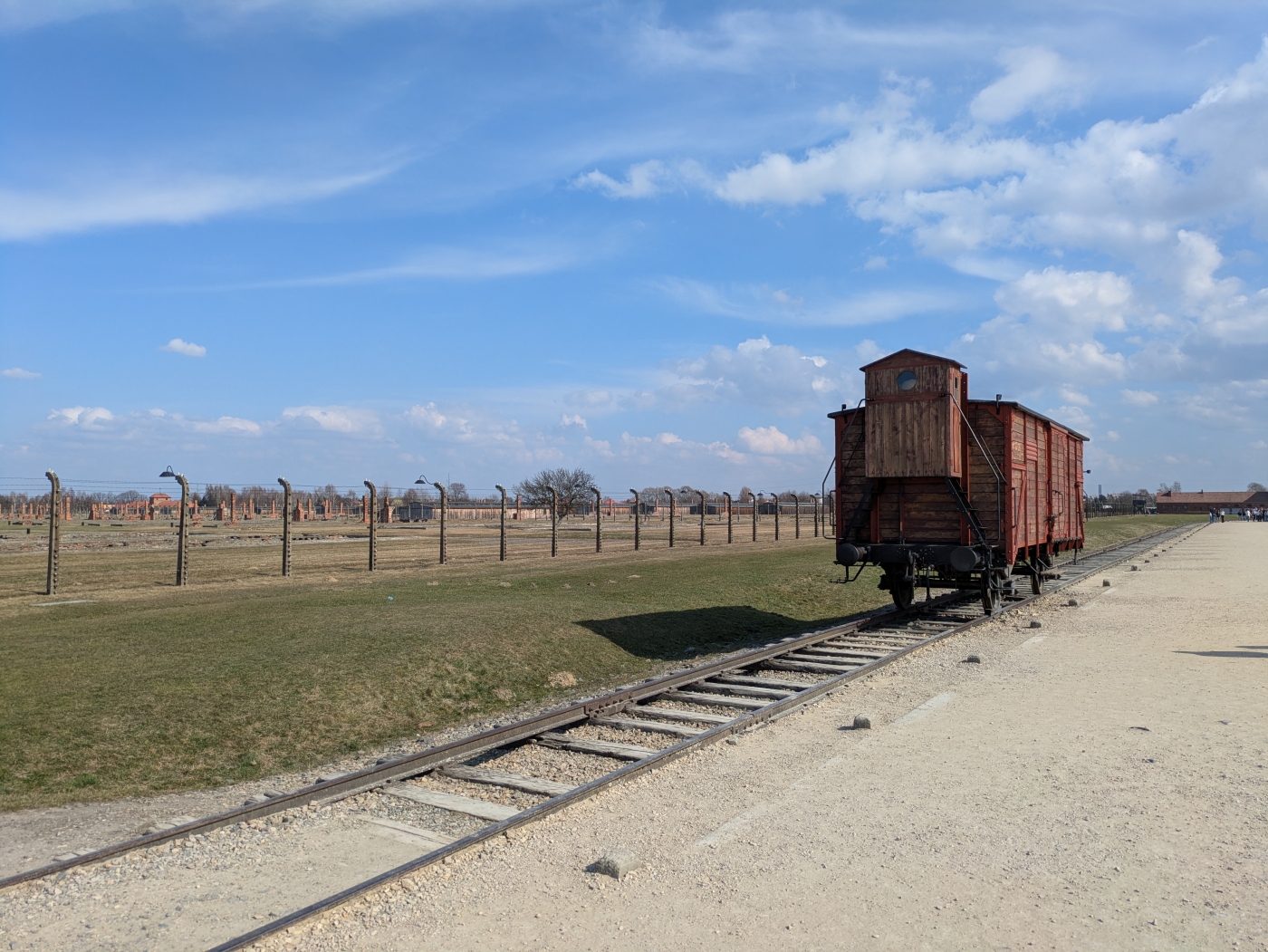
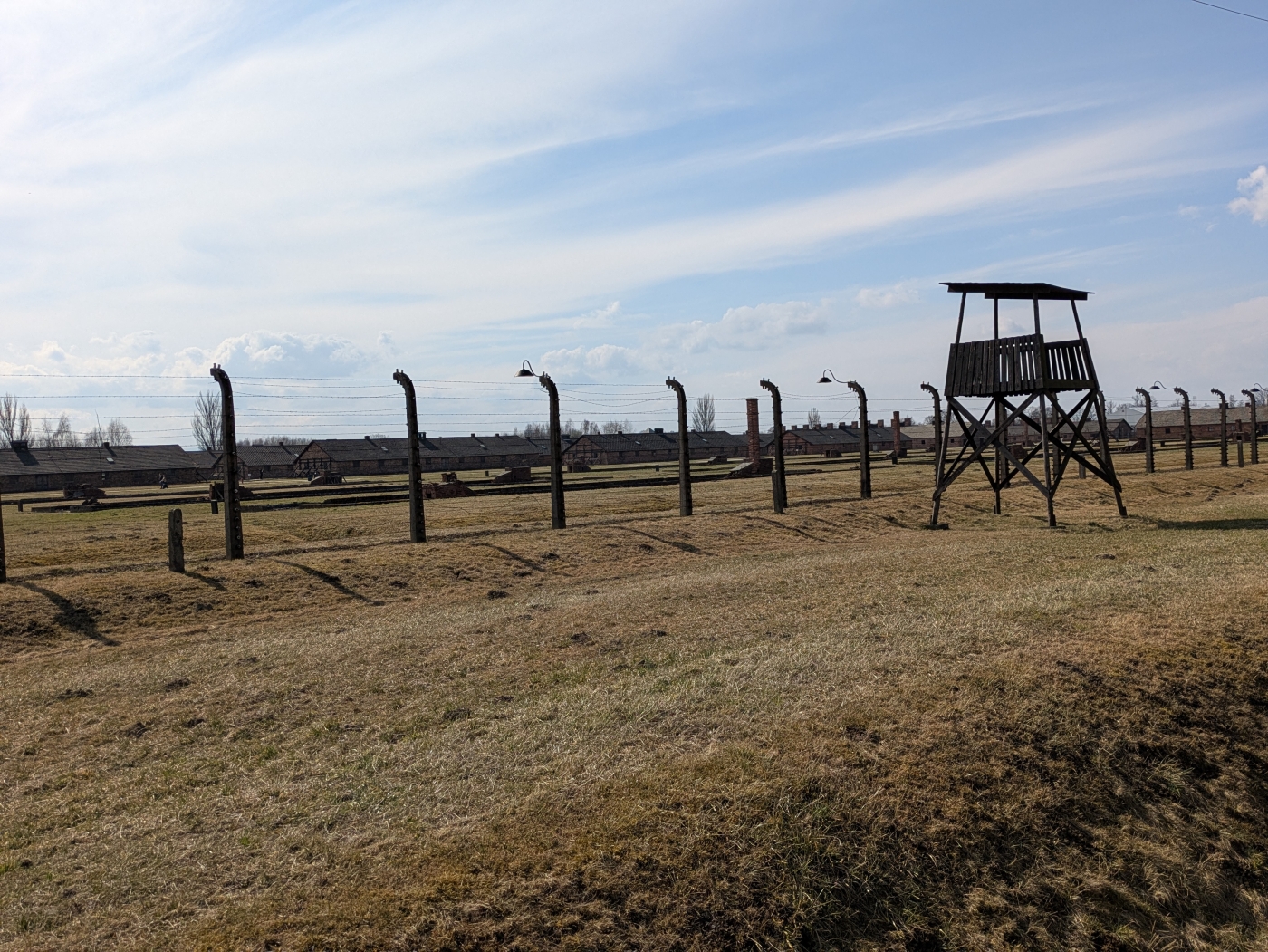
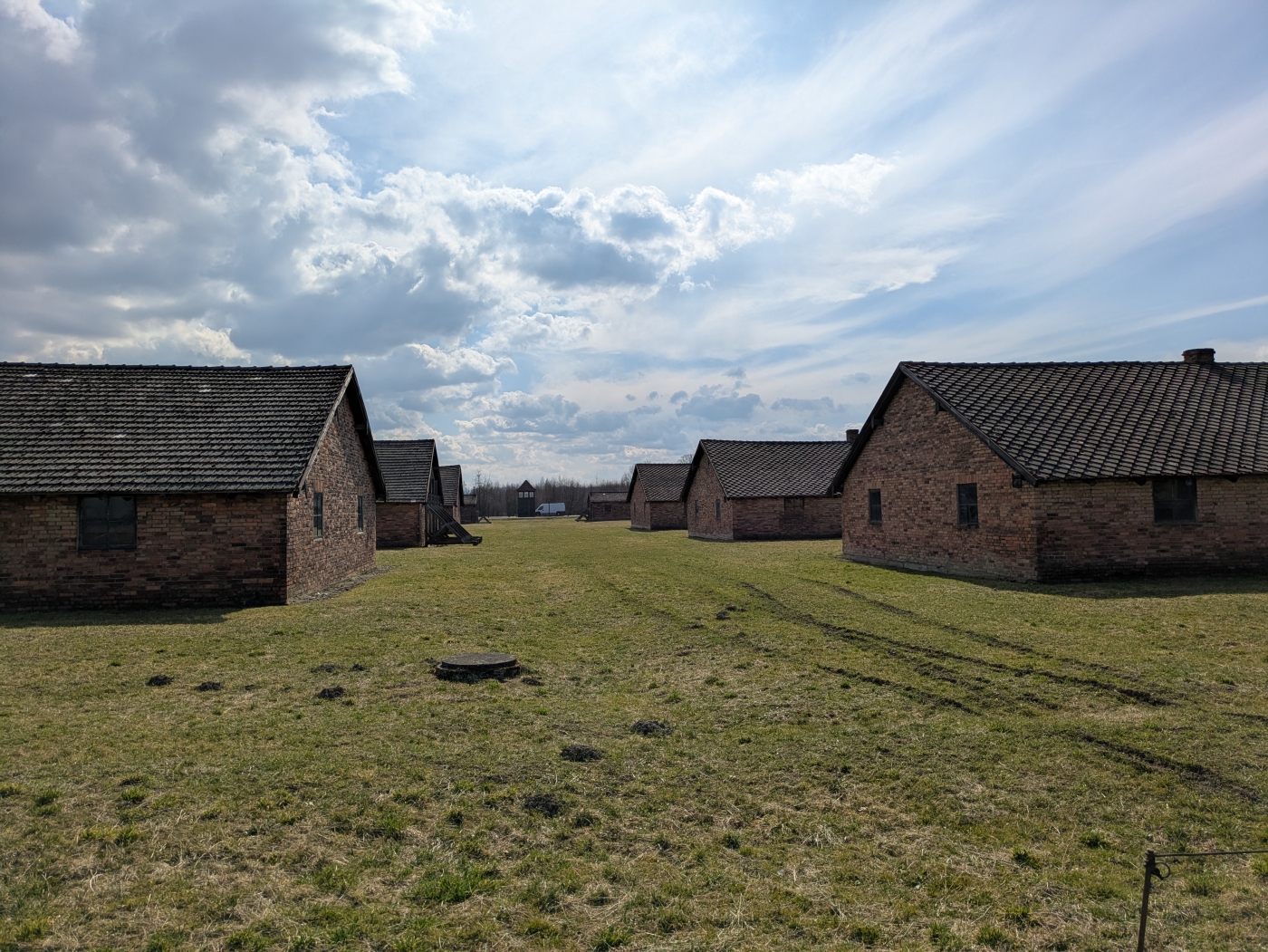
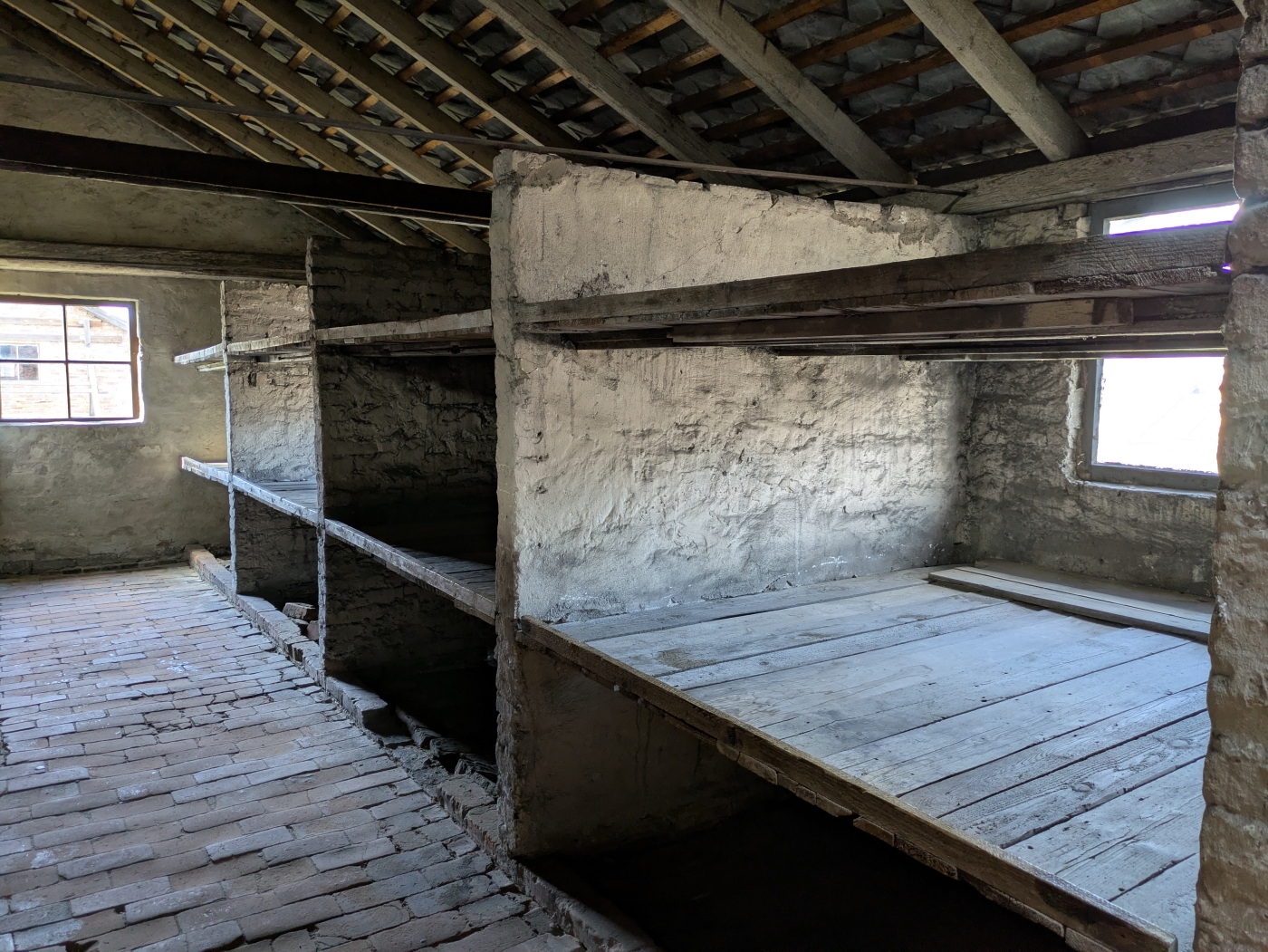
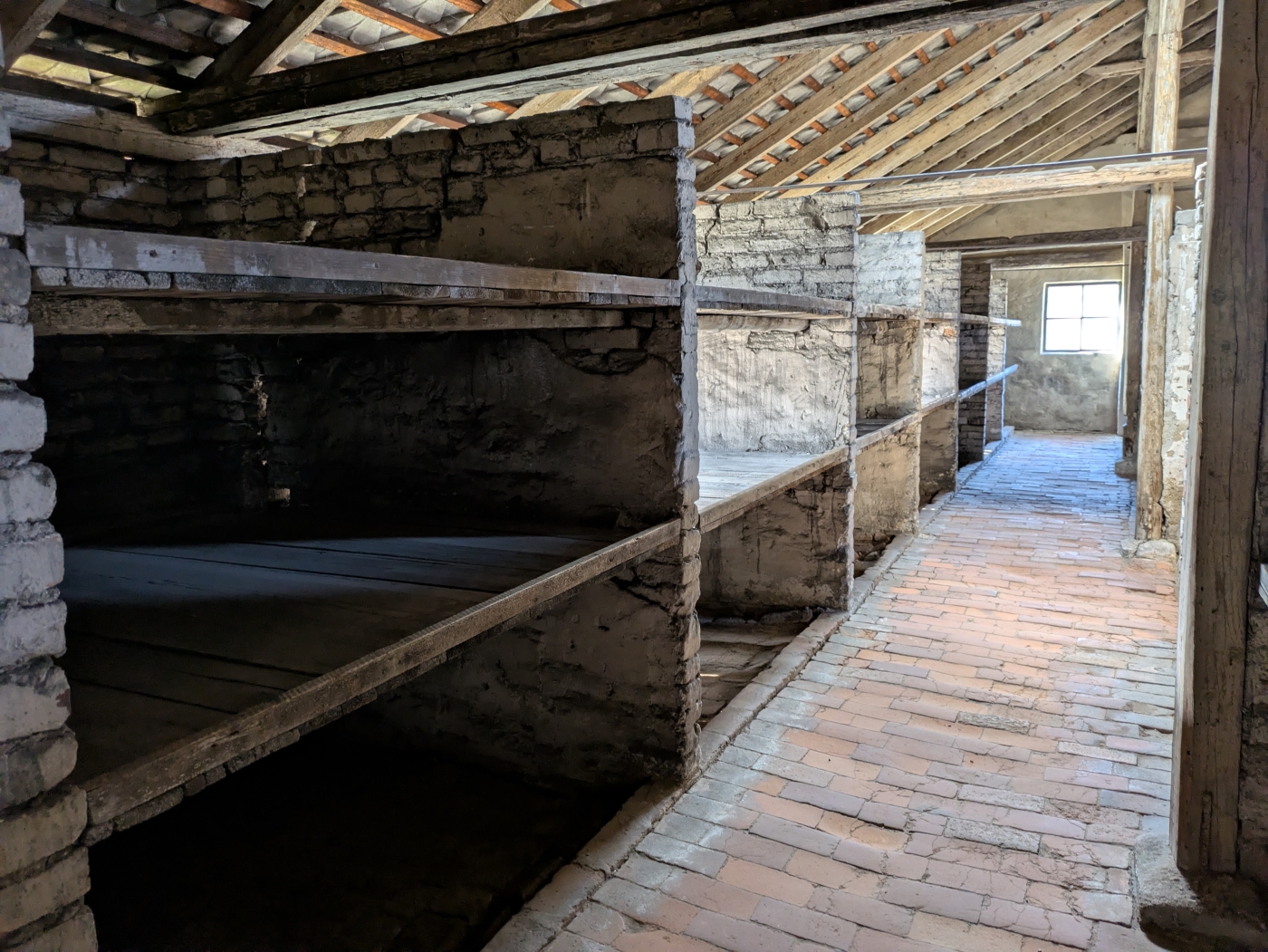
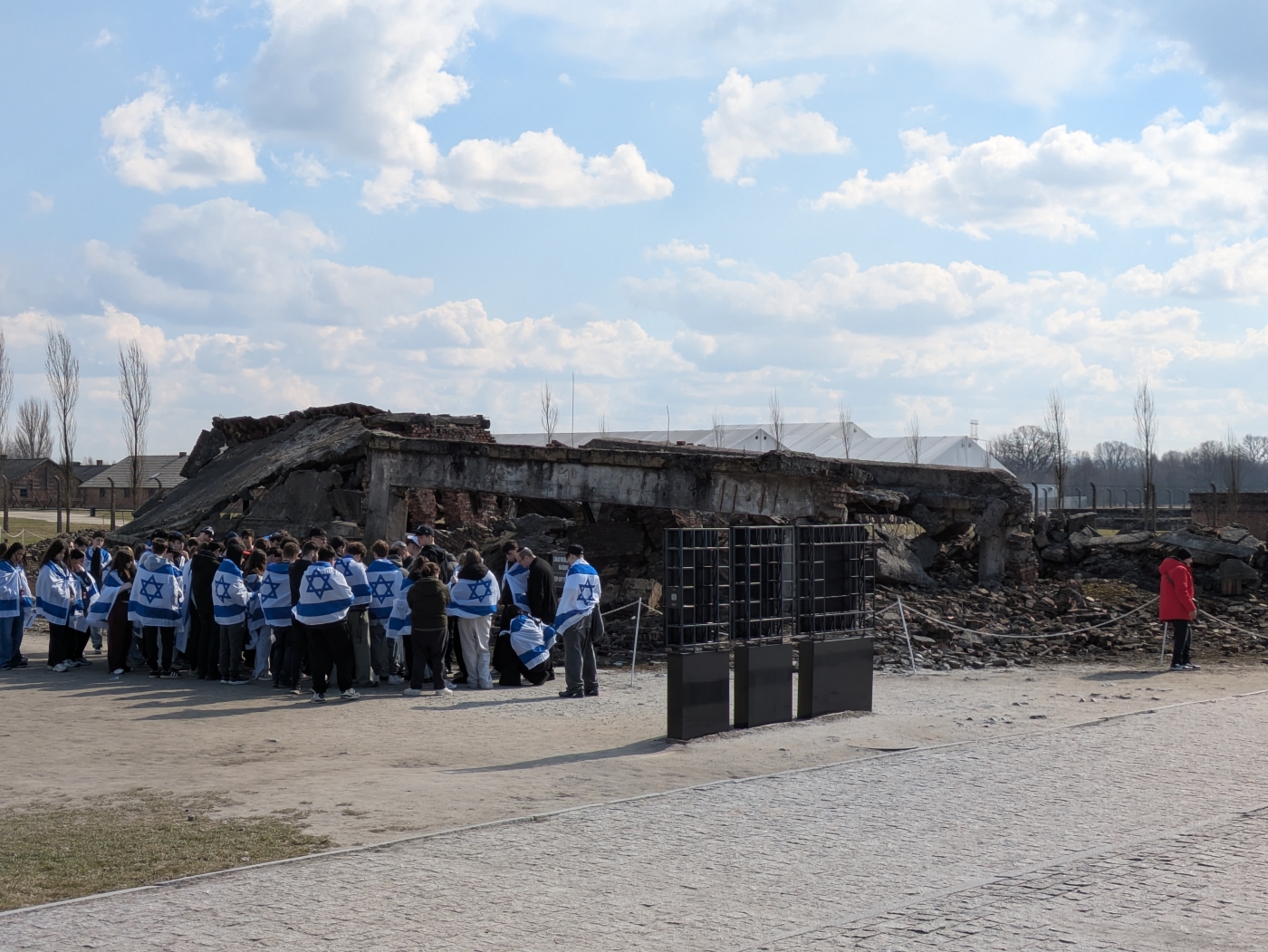
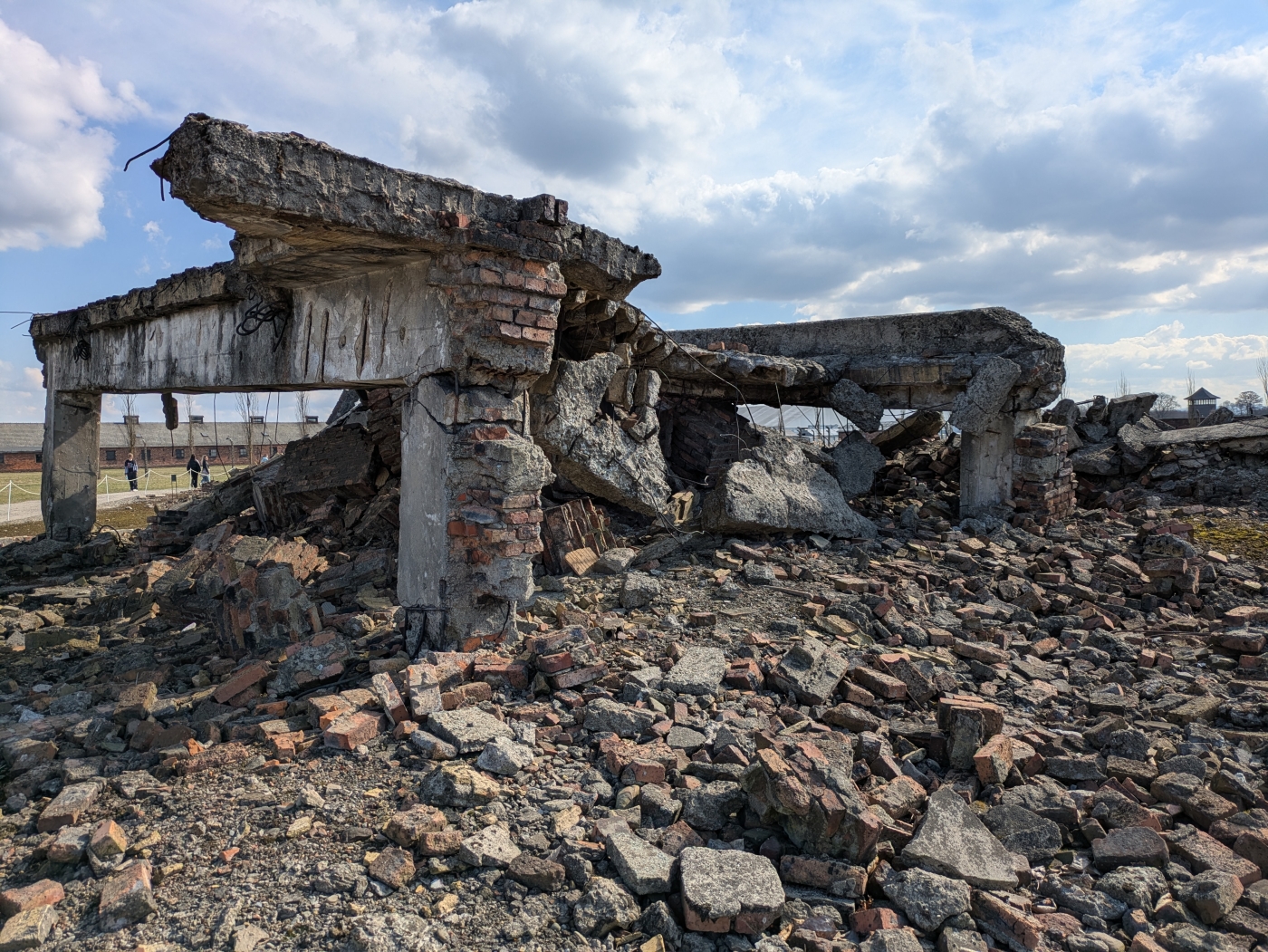
Prisoners faced unimaginable brutality, starvation, forced labour, torture, and medical experiments, particularly under figures like SS doctor Josef Mengele. Upon arrival, victims, primarily Jews, were subjected to selections, with many immediately sent to the gas chambers, disguised as showers. Their bodies were then incinerated in large crematoria. The remnants of these facilities, along with the barracks, watchtowers, and barbed wire fences, remain as haunting reminders of the industrial scale of death orchestrated here.
Liberation and Legacy
On January 27, 1945, the camp was liberated by the Soviet Red Army. They found thousands of emaciated survivors, along with extensive evidence of the crimes committed. Today, the Auschwitz-Birkenau State Museum preserves the site, ensuring that the memory of the victims is honoured and that future generations understand the consequences of hatred and totalitarianism. The site serves as a vital place of remembrance, education, and reflection on human rights and the prevention of genocide.
Further Reading
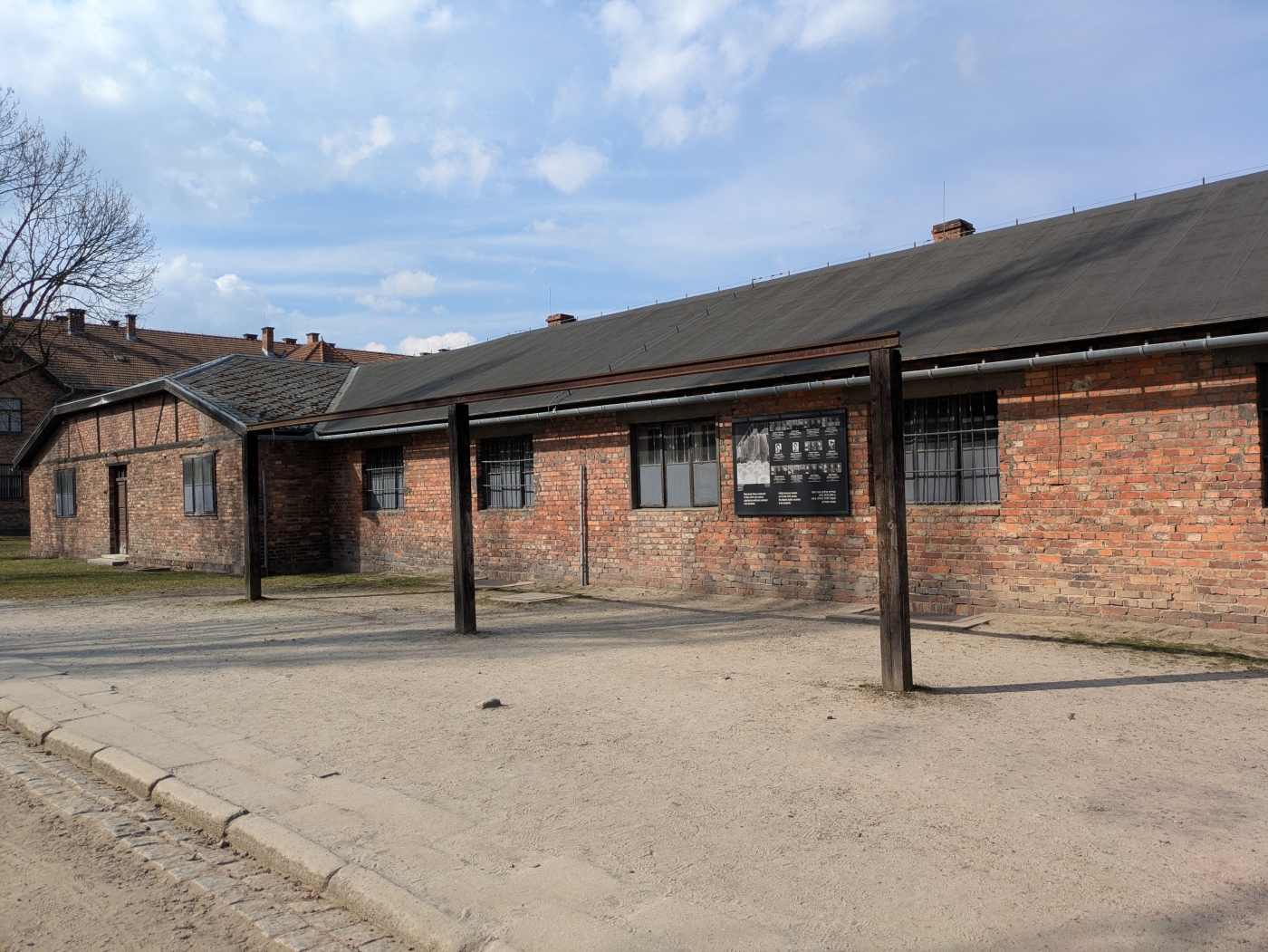
The fortified walls, barbed wire, platforms, barracks, gallows, gas chambers and cremation ovens show the conditions within which the Nazi genocide took place in the former concentration and extermination camp of Auschwitz-Birkenau, the largest in the Third Reich. According to historical investigations, 1.5 million people, among them a great number of Jews, were systematically starved, tortured and murdered in this camp, the symbol of humanity's cruelty to its fellow human beings in the 20th century.
Auschwitz (German: [ˈaʊ̯ʃvɪts]), also known as Oświęcim (Polish: [ɔˈɕfjɛɲ.t͡ɕim]), was a complex of over 40 concentration and extermination camps operated by Nazi Germany in occupied Poland (in a portion annexed into Germany in 1939) during World War II and the Holocaust. It consisted of Auschwitz I, the main camp (Stammlager) in Oświęcim; Auschwitz II-Birkenau, a concentration and extermination camp with gas chambers, Auschwitz III-Monowitz, a labour camp for the chemical conglomerate IG Farben, and dozens of subcamps.
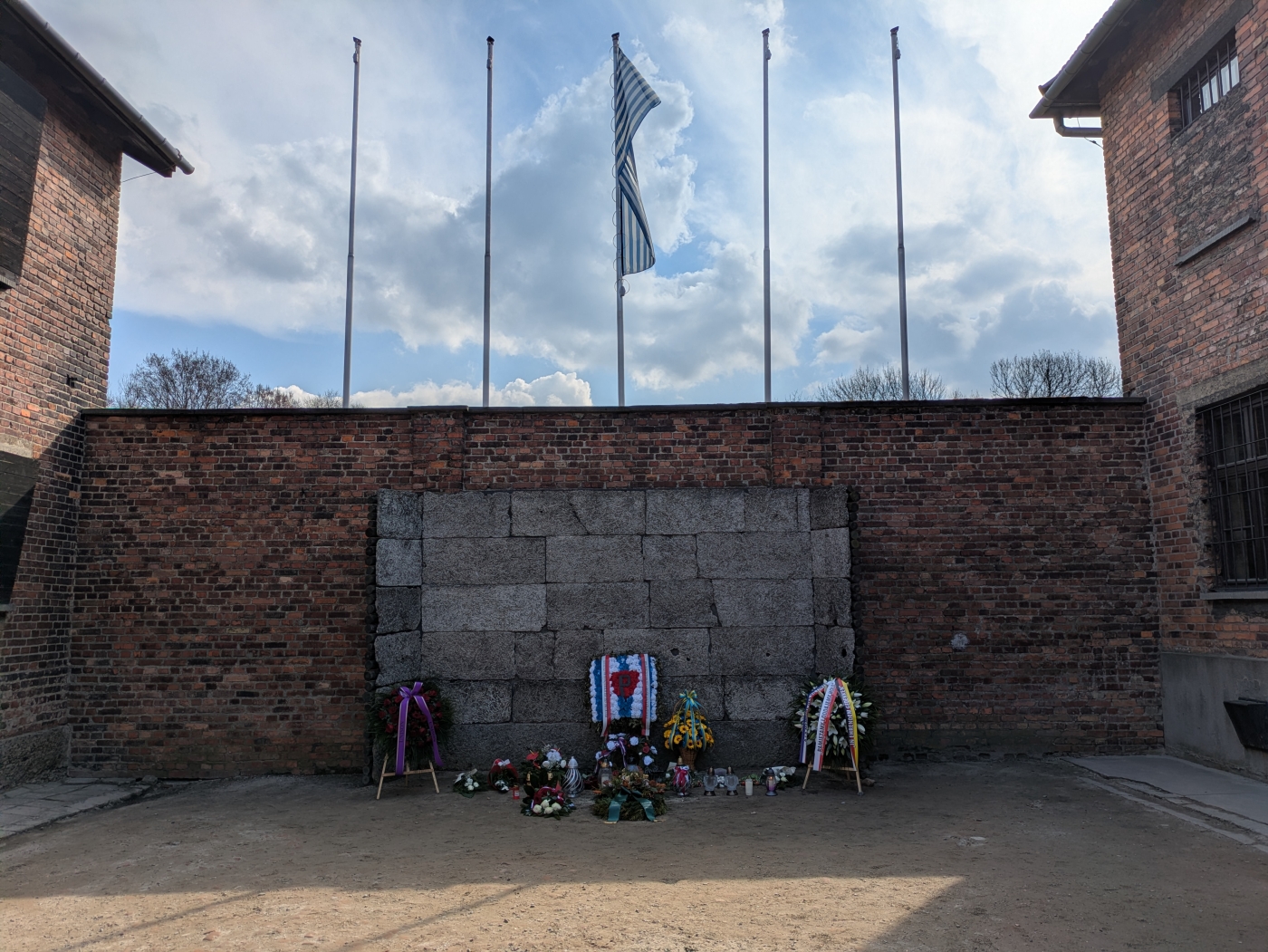
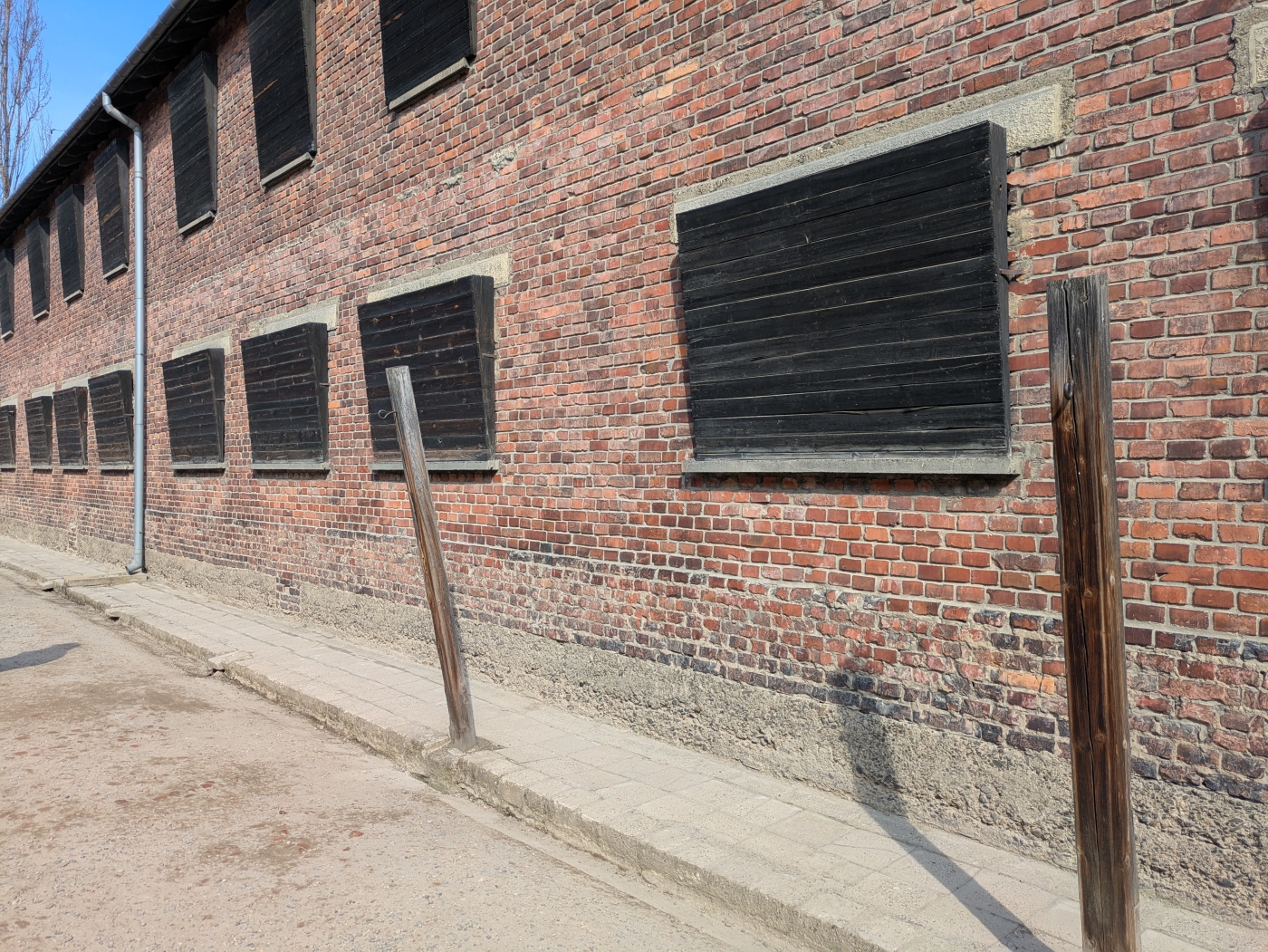
After Germany initiated World War II by invading Poland in September 1939, the Schutzstaffel (SS) converted Auschwitz I, an army barracks, into a prisoner-of-war camp. The initial transport of political detainees to Auschwitz consisted almost solely of Poles (for whom the camp was initially established). For the first two years, the majority of inmates were Polish. In May 1940, German criminals brought to the camp as functionaries established the camp's reputation for sadism. Prisoners were beaten, tortured, and executed for the most trivial of reasons. The first gassings—of Soviet and Polish prisoners—took place in block 11 of Auschwitz I around August 1941.
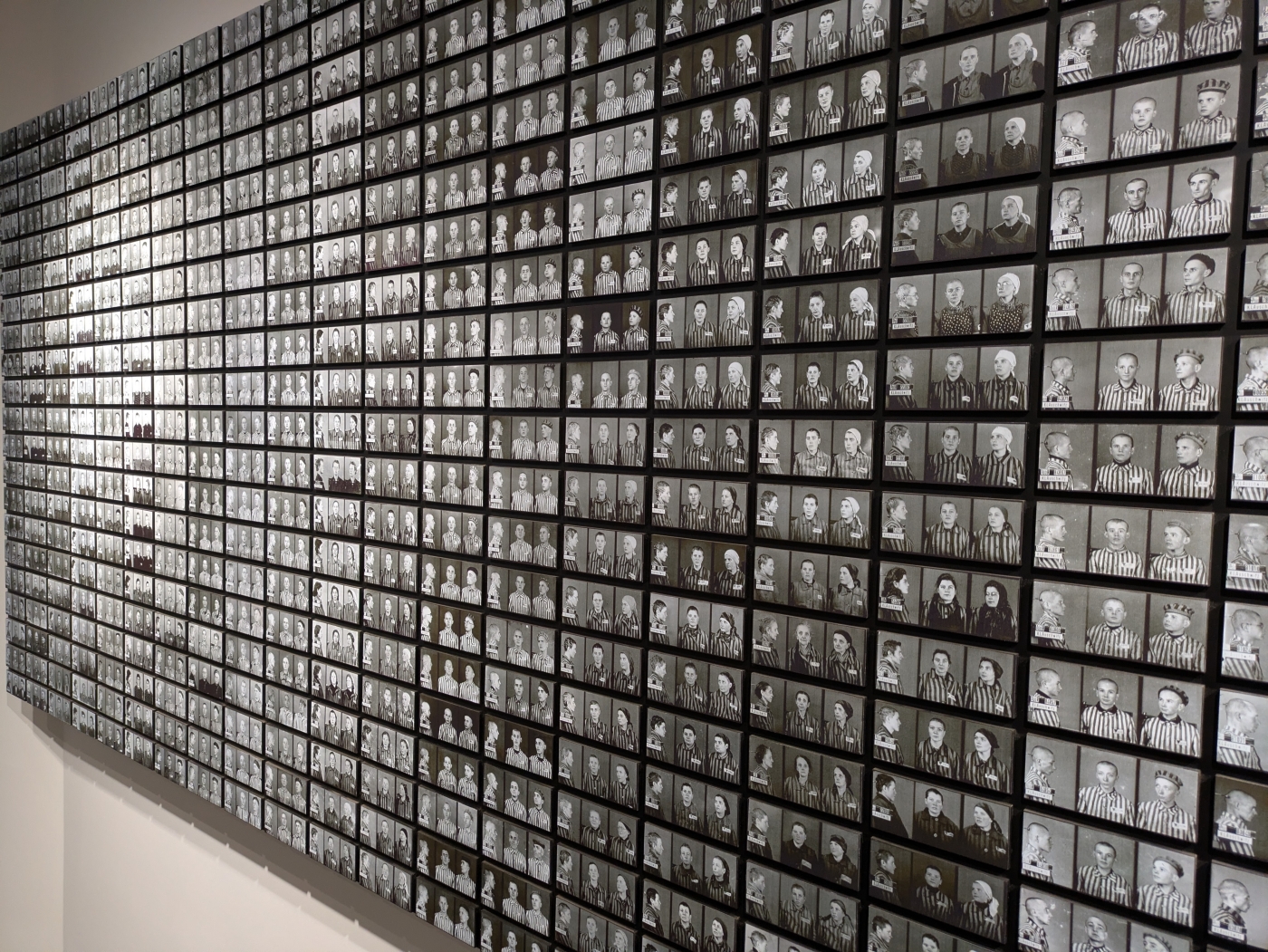
Construction of Auschwitz II began the following month, and from 1942 until late 1944 freight trains delivered Jews from all over German-occupied Europe to its gas chambers. Of the 1.3 million people sent to Auschwitz, 1.1 million were murdered. The number of victims includes 960,000 Jews (865,000 of whom were gassed on arrival), 74,000 non-Jewish Poles, 21,000 Romani, 15,000 Soviet prisoners of war, and up to 15,000 others. Those not gassed were murdered via starvation, exhaustion, disease, individual executions, or beatings. Others were killed during medical experiments.
At least 802 prisoners tried to escape, 144 successfully, and on 7 October 1944, two Sonderkommando units, consisting of prisoners who operated the gas chambers, launched an unsuccessful uprising. After the Holocaust ended, only 789 Schutzstaffel personnel (no more than 15 percent) ever stood trial. Several were executed, including camp commandant Rudolf Höss. The Allies' failure to act on early reports of mass murder by bombing the camp or its railways remains controversial.
As the Soviet Red Army approached Auschwitz in January 1945, toward the end of the war, the SS sent most of the camp's population west on a death march to camps inside Germany and Austria. Soviet troops liberated the camp on 27 January 1945, a day commemorated since 2005 as International Holocaust Remembrance Day. In the decades after the war, survivors such as Primo Levi, Viktor Frankl, Elie Wiesel, and Edith Eger wrote memoirs of their experiences, and the camp became a dominant symbol of the Holocaust. In 1947, Poland founded the Auschwitz-Birkenau State Museum on the site of Auschwitz I and II, and in 1979 it was named a World Heritage Site by UNESCO. Auschwitz is the site of the largest mass murder in a single location in history.
The Auschwitz-Birkenau State Museum (Polish: Państwowe Muzeum Auschwitz-Birkenau) is a museum on the site of the Nazi German Auschwitz concentration camp in Oświęcim, Poland.
The site includes the main concentration camp at Auschwitz I and the remains of the concentration and extermination camp at Auschwitz II-Birkenau. Both were developed and run by Nazi Germany during its occupation of Poland in 1939–1945. The Polish government has preserved the site as a research centre and in memory of the 1.1 million people who died there, including 960,000 Jews, during World War II and the Holocaust. It became a World Heritage Site in 1979. Piotr Cywiński has served as the museum's director since 2006.