Monastic Island of Reichenau
Reichenau, Germany
07.04.2017

The Monastic Island of Reichenau, nestled in Lake Constance in southern Germany, is a profound testament to Benedictine monasticism and its pivotal role in the European Middle Ages. Inscribed as a UNESCO World Heritage site in 2000, this enchanting island offers a rare glimpse into a thousand years of history, reflecting an era that shaped the continent.
A Cradle of Spirituality and Culture
Founded in 724 by the Alemannic monk Pirmin, the Benedictine monastery on Reichenau quickly became a significant intellectual and artistic center of the Carolingian and Ottonian empires. Under the patronage of rulers like Charlemagne, it fostered a unique synthesis of Roman, Germanic, and early Christian traditions, crucial for the spread of Benedictine ideals across German lands.
Architectural Masterpieces
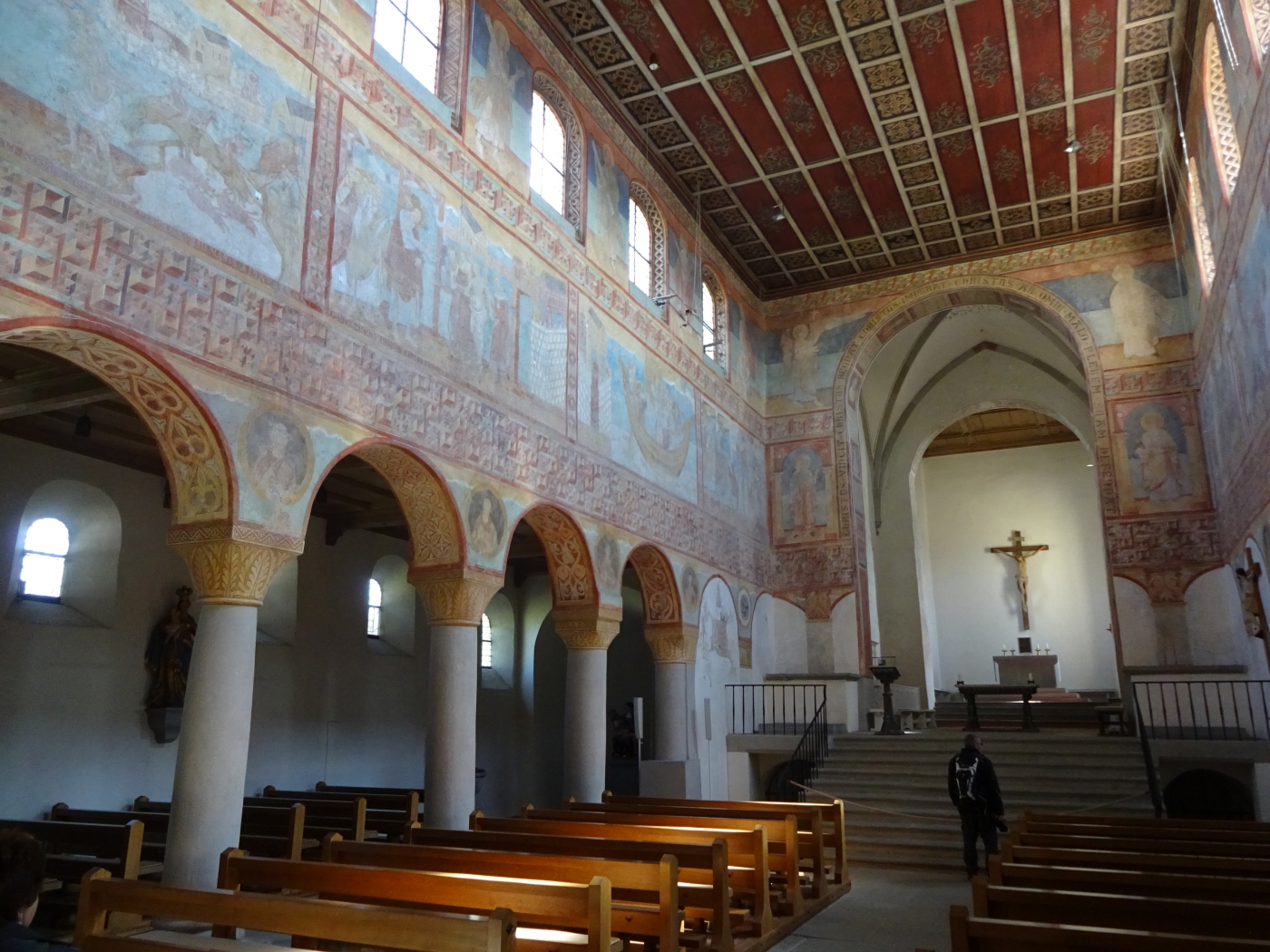
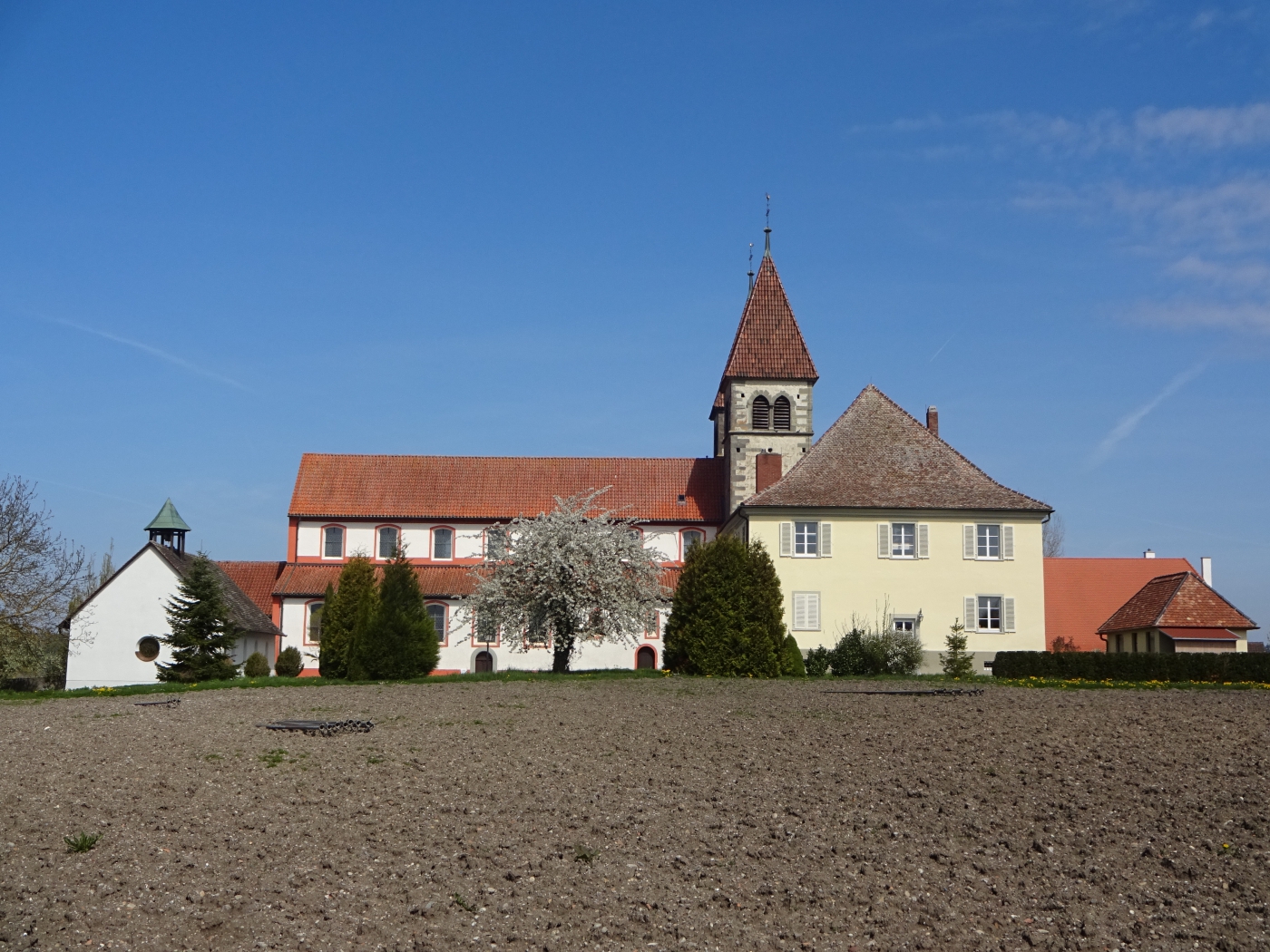
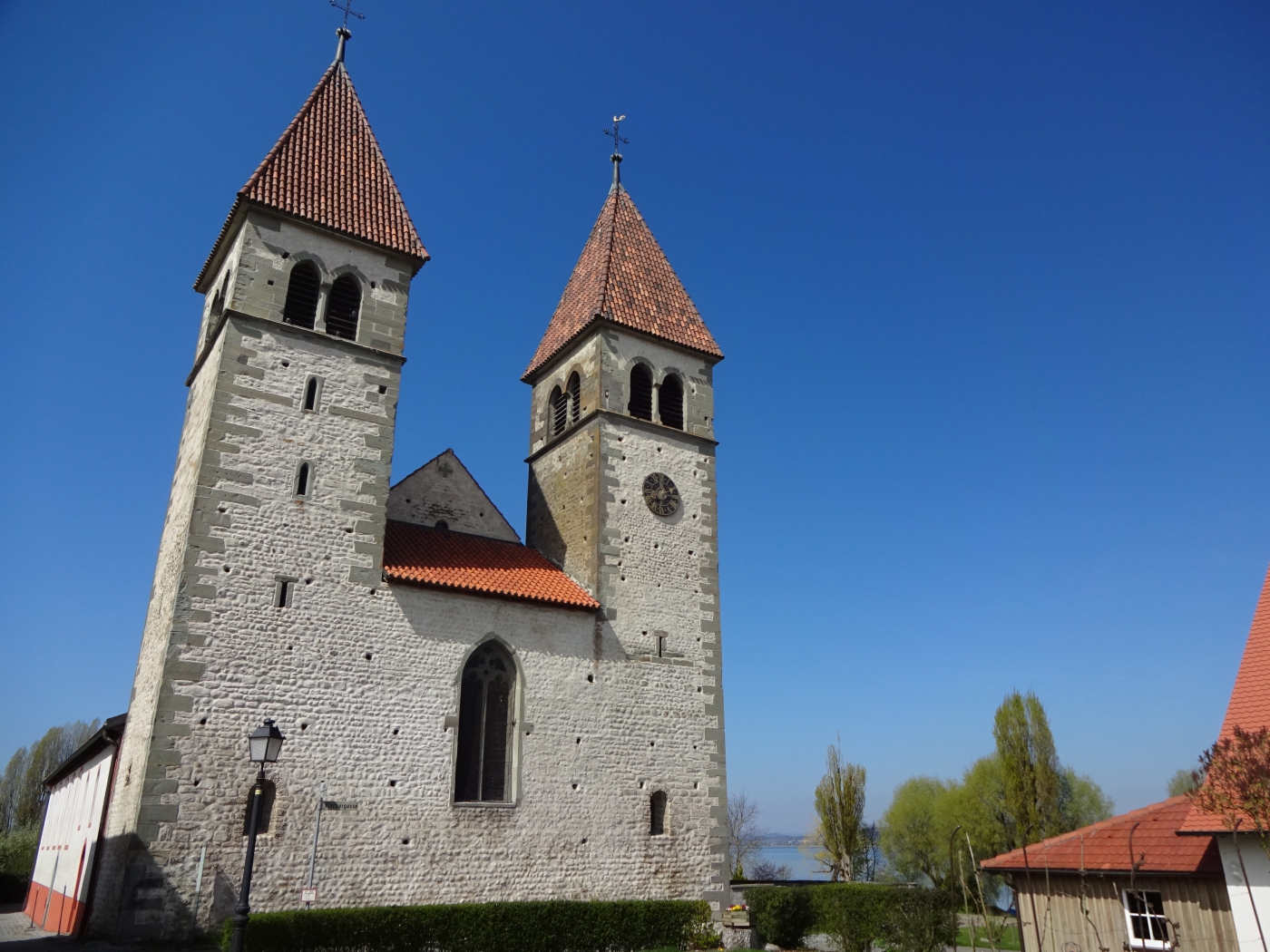
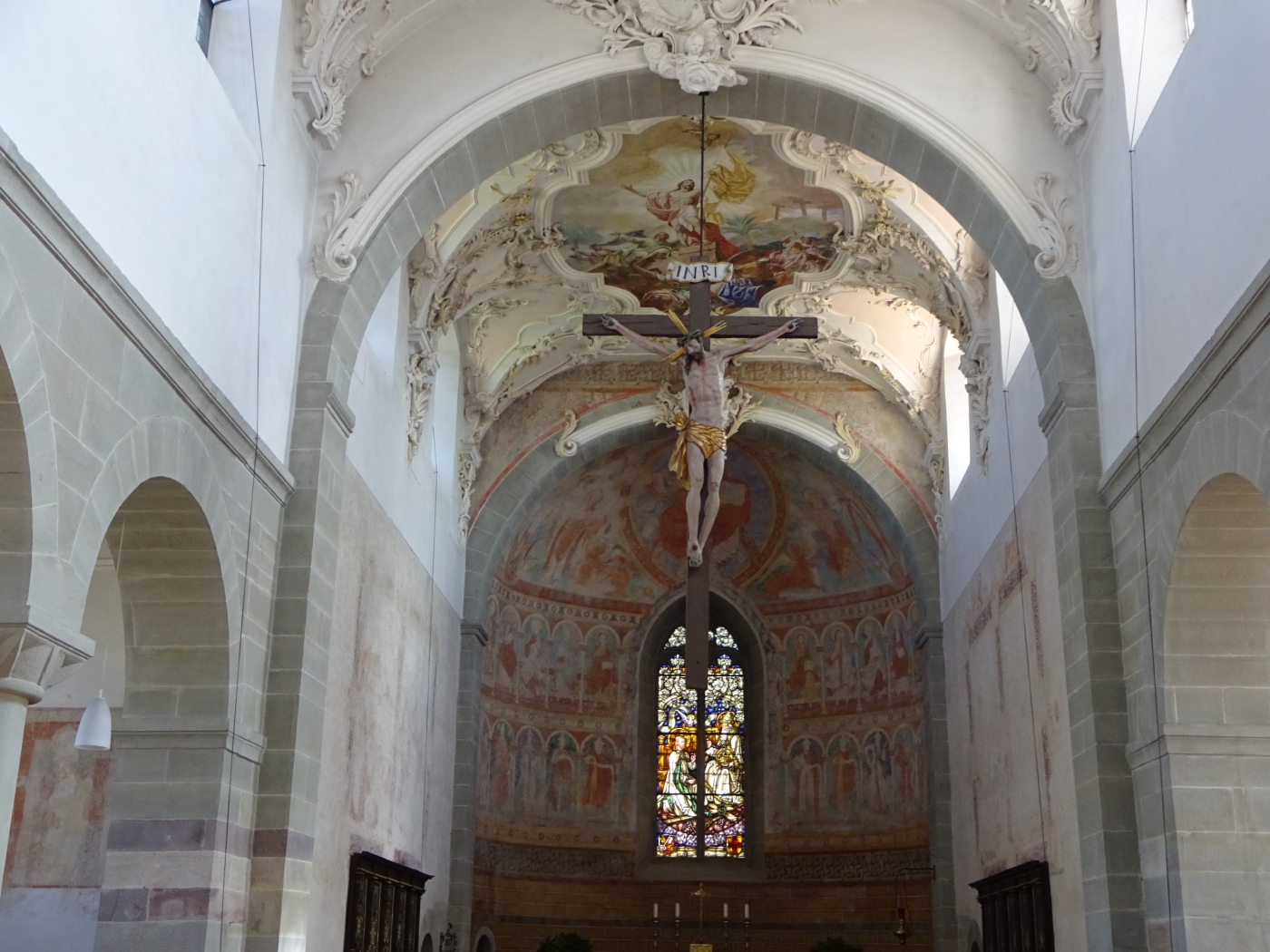
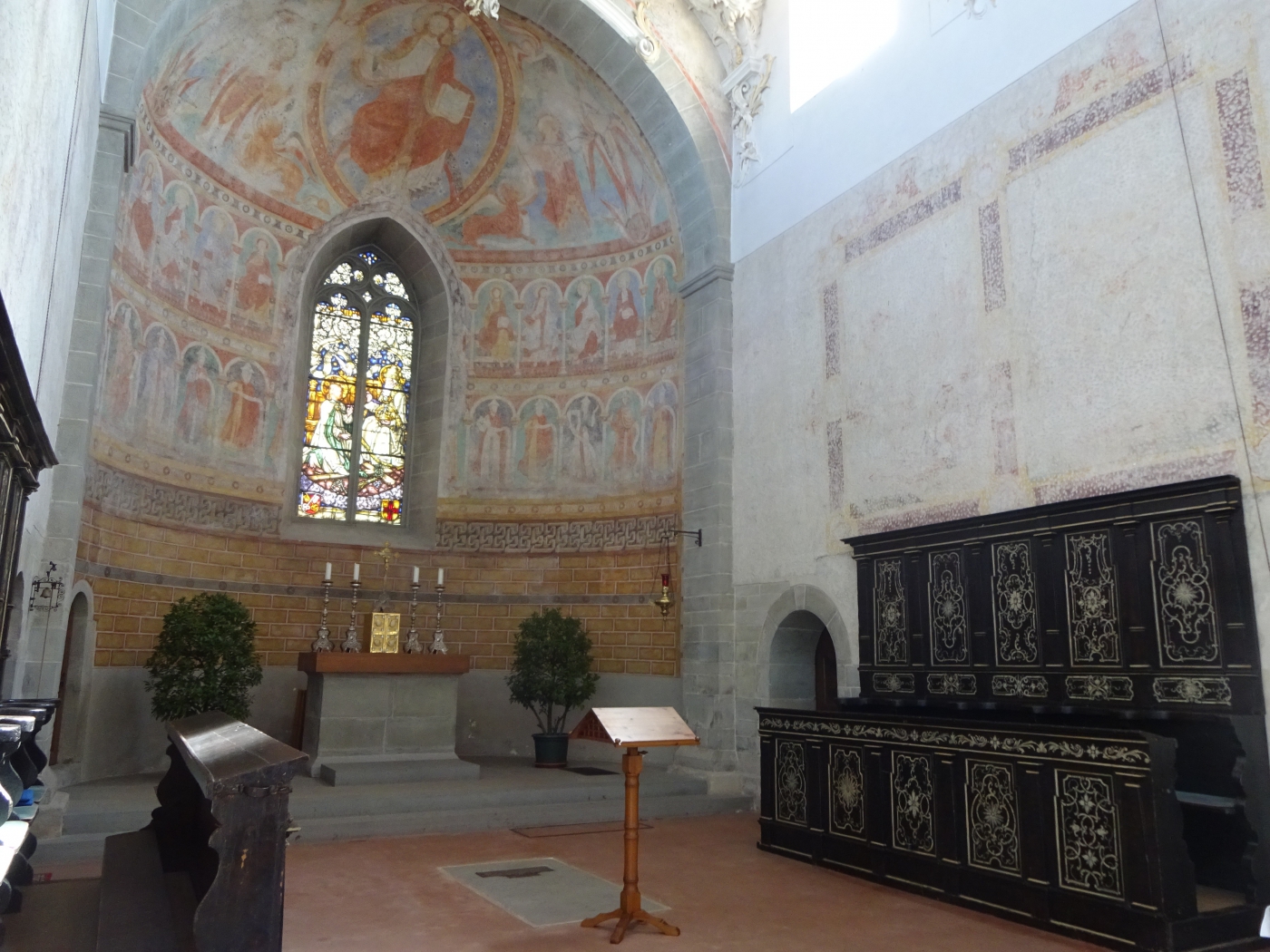
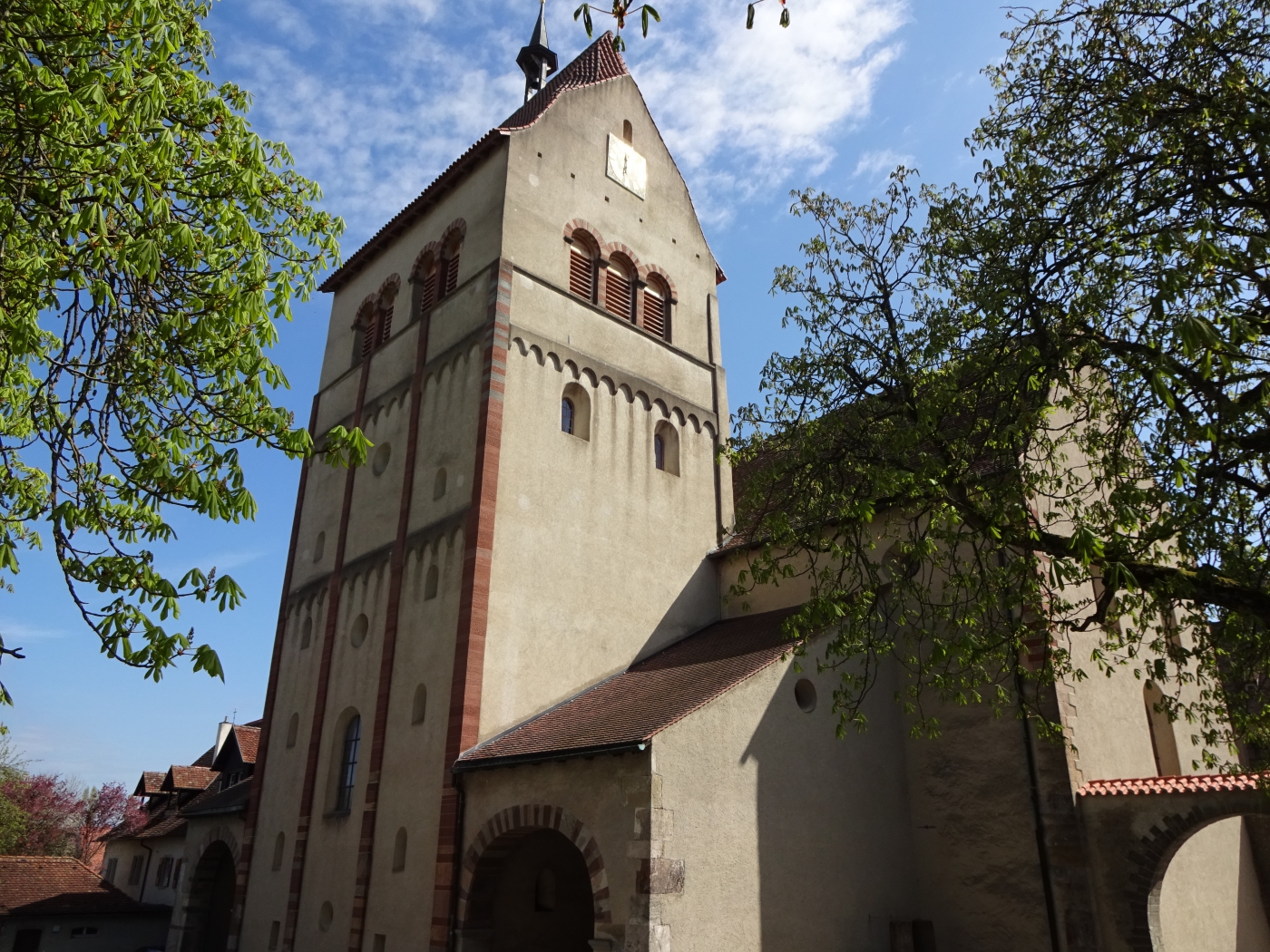
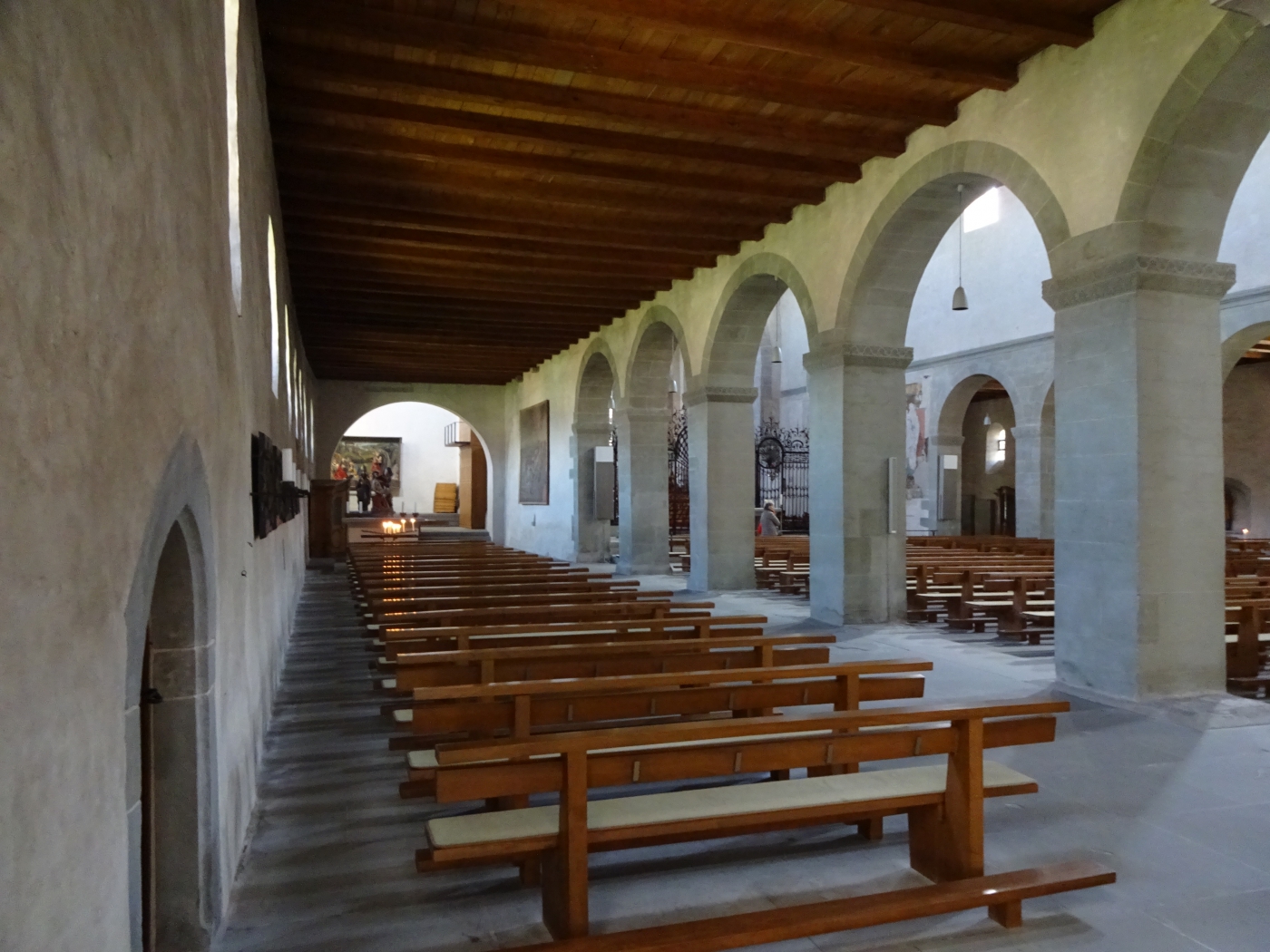
The island houses three remarkably preserved Romanesque churches. The Minster of St. Mary and Marcus (Münster St. Maria und Markus) showcases a rich architectural history. The Church of St. Peter and Paul (Kirche St. Peter und Paul) in Niederzell boasts impressive frescoes. Most renowned is the Church of St. George (Kirche St. Georg) in Oberzell, celebrated for its unique and vivid 9th-century Ottonian wall paintings depicting miracles of Christ. These are among the oldest north of the Alps and exemplify the artistic zenith of the Ottonian Renaissance.
Intellectual Beacon of the Middle Ages
Beyond its architectural marvels, Reichenau Abbey was a powerhouse of knowledge. Its scriptorium produced beautiful and important illuminated manuscripts. Scholars like Walahfrid Strabo, a renowned poet and botanist, and Hermannus Contractus (Hermann the Lame), a polymath in astronomy and music, lived and worked here. They contributed immensely, copying, preserving, and creating texts, making Reichenau a vital link in European intellectual tradition.
Enduring Legacy
Though the monastery declined and was secularized in the early 19th century, the island's legacy endures. Today, the Monastic Island of Reichenau continues to captivate visitors with its tranquil beauty, invaluable architectural heritage, and the powerful echo of a glorious past where faith, art, and knowledge illuminated the medieval world.
Weiterführende Links
The island of Reichenau on Lake Constance preserves the traces of the Benedictine monastery, founded in 724, which exercised remarkable spiritual, intellectual and artistic influence. The churches of St Mary and Marcus, St Peter and St Paul, and St George, mainly built between the 9th and 11th centuries, provide a panorama of early medieval monastic architecture in central Europe. Their wall paintings bear witness to impressive artistic activity.
Reichenau Abbey was a Benedictine monastery on Reichenau Island (known in Latin as Augia Dives) in southern Germany. It was founded in 724 by the itinerant Saint Pirmin, who is said to have fled Visigothic Spain ahead of the Moorish invaders, with patronage that included Charles Martel, and, more locally, Count Berthold of the Ahalolfinger and the Alemannian duke Hnabi. Pirmin's conflict with Hnabi resulted in his leaving Reichenau in 727.