Town Hall and Roland on the Marketplace of Bremen
Bremen, Germany
10.05.2009

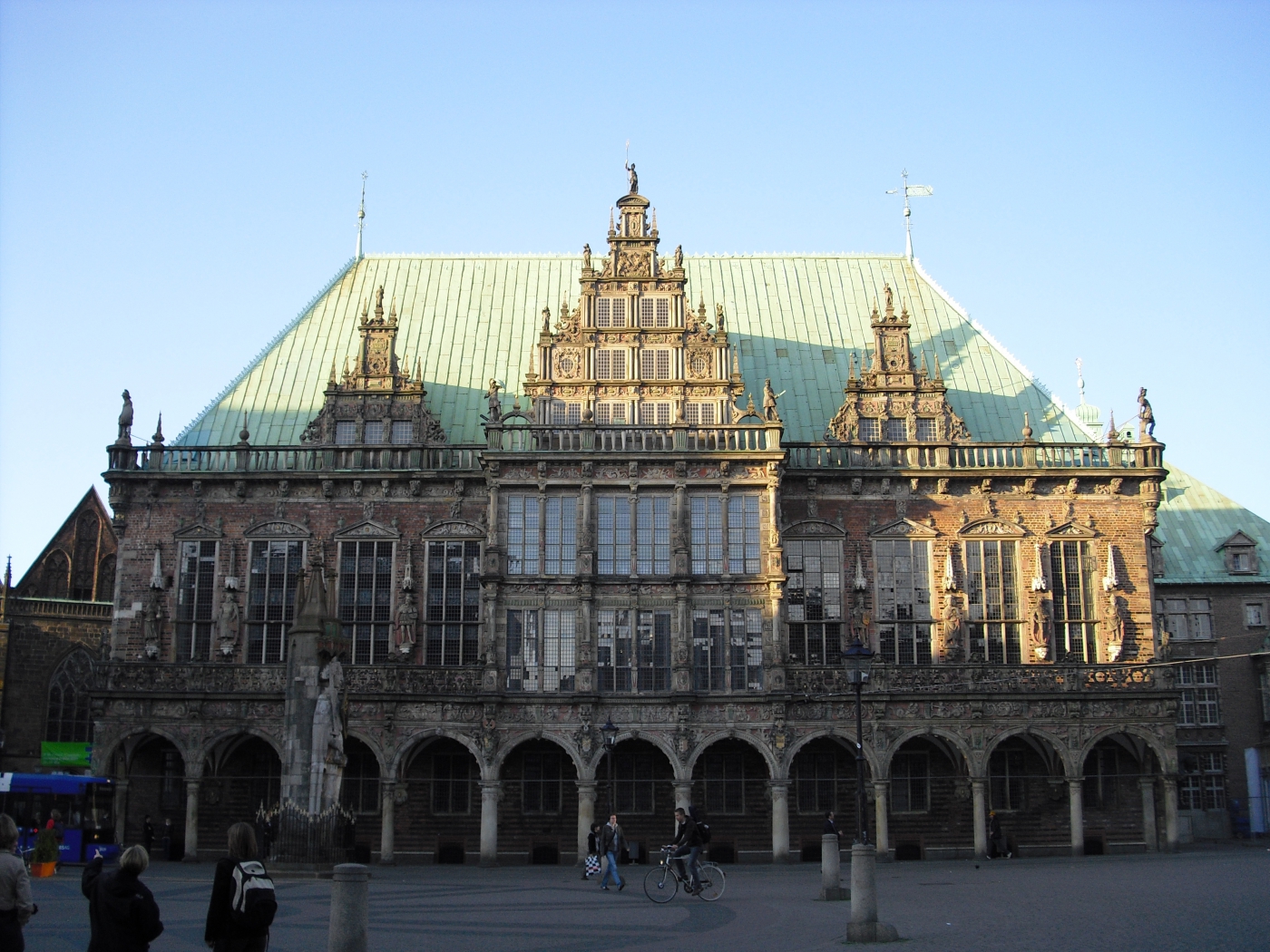
The ensemble of Bremen City Hall and the Roland statue in Bremen, Germany, stands as an outstanding testament to civic autonomy and sovereignty in Europe. Recognized as a UNESCO World Heritage site since 2004, these two monuments encapsulate centuries of urban self-governance and the rich history of the Free Hanseatic City of Bremen.
Architectural Splendor of Bremen City Hall
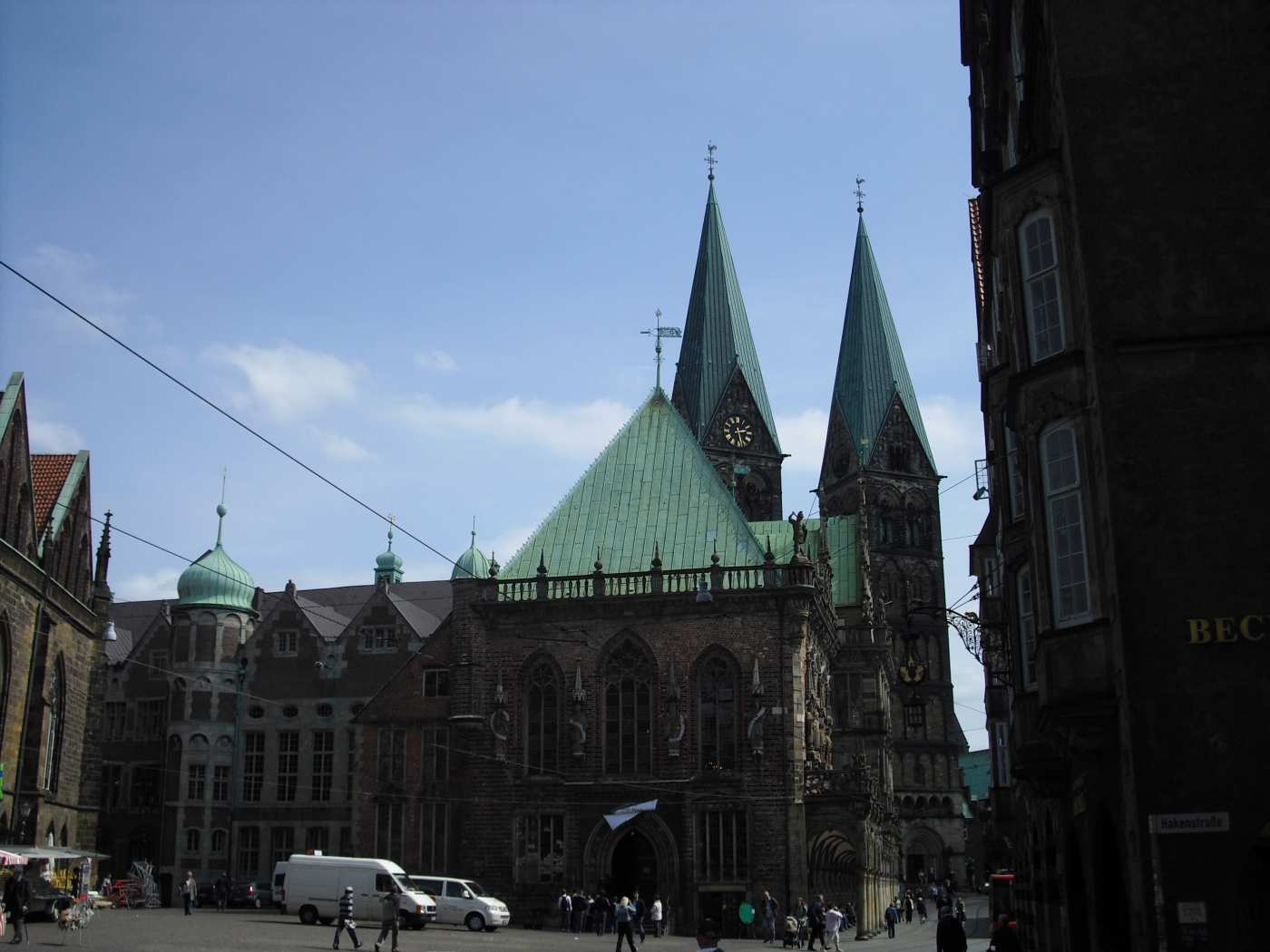
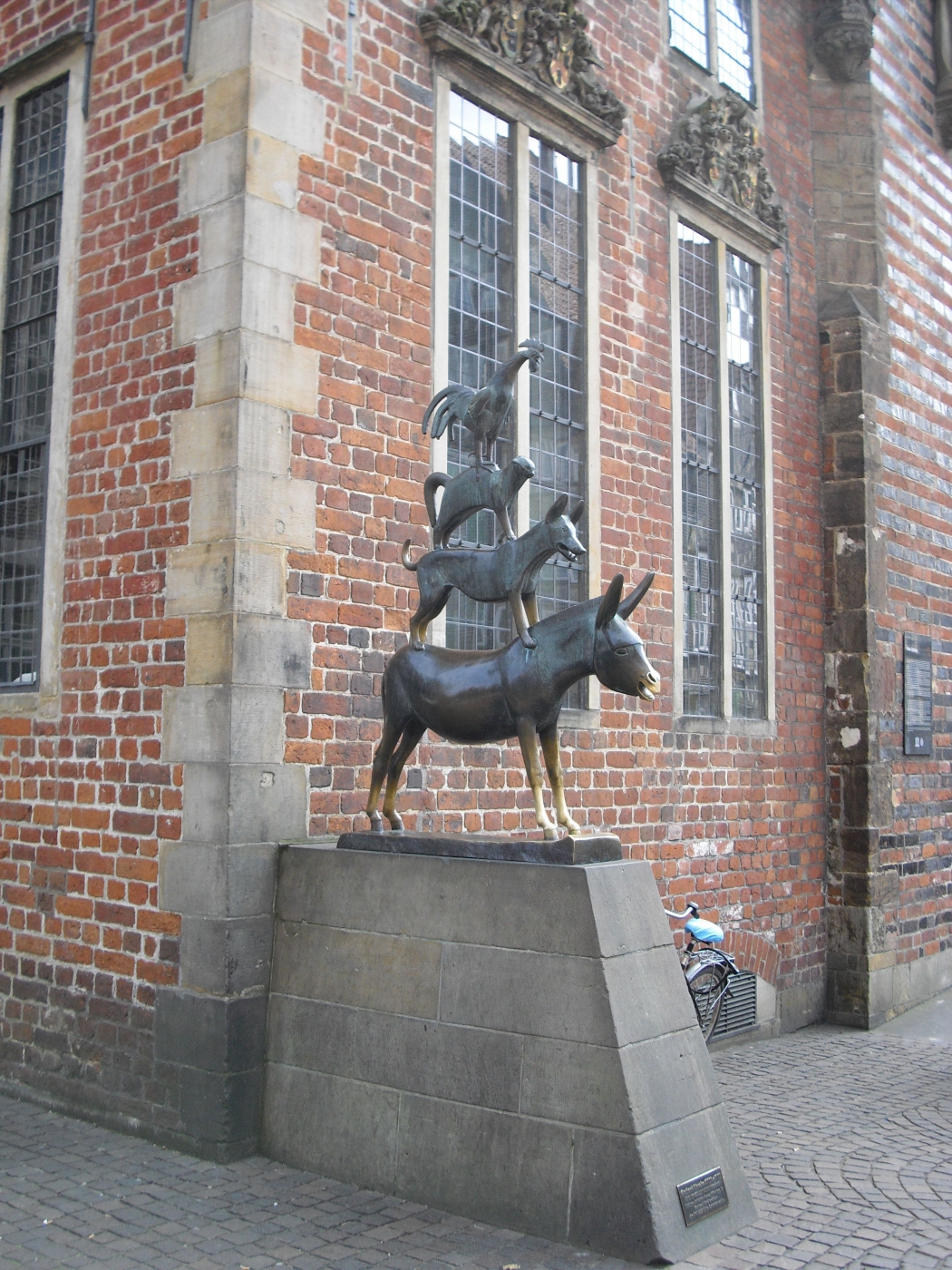
The Bremen City Hall is a magnificent example of Weser Renaissance architecture. Built between 1609 and 1612 by architect Lüder von Bentheim, its highly ornate façade, adorned with statues and intricate gables, reflects the city's wealth and prestige during the era of the Hanseatic League. The building's foundations incorporate parts of an earlier Gothic city hall from the early 15th century, which served as a vital assembly place for merchants and council, showcasing a continuous tradition of municipal administration.
The Iconic Roland Statue
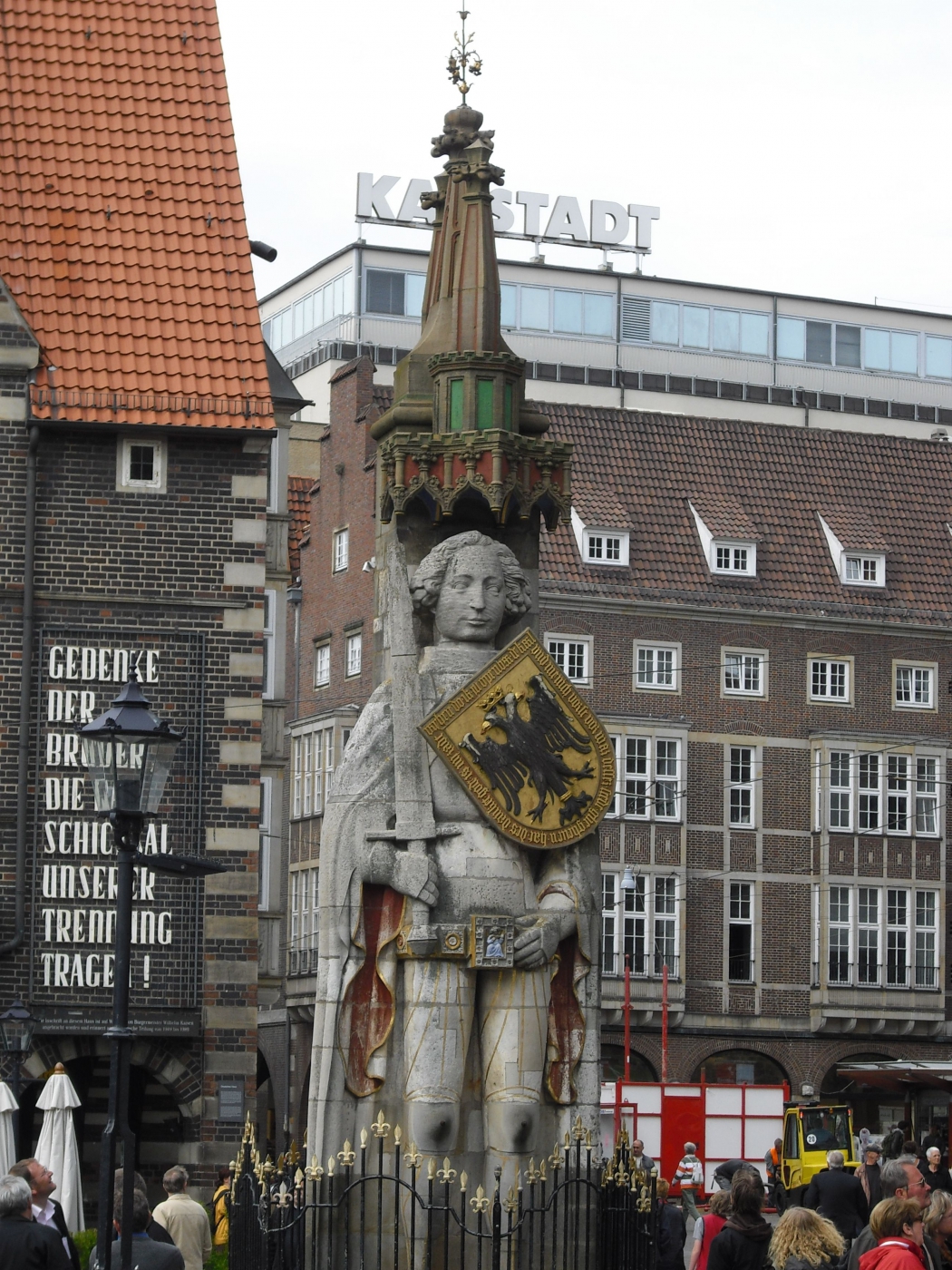
Directly in front of the City Hall stands the impressive Roland statue, a towering stone figure erected in 1404. Nearly 5.5 meters tall, Roland is a legendary paladin of Charlemagne and a powerful symbol of municipal freedom and market rights across northern Germany. The Bremen Roland holds a sword and a shield with the imperial eagle, signifying the city's direct allegiance to the Holy Roman Empire and its independence from local lords. It replaced an earlier wooden Roland, destroyed in 1366 by the Archbishop of Bremen's soldiers, highlighting the persistent struggle for civic liberties.
Enduring Legacy of Self-Governance
Together, the City Hall and Roland not only form an aesthetically striking pair but also serve as potent symbols of the struggle for and successful assertion of civic independence. They represent the ideals of self-determination that characterized many European cities, especially those of the Hanseatic League. For over 600 years, they have stood resiliently, witnessing the ebb and flow of history and continuing to function as the seat of Bremen's municipal government, making them living monuments to an enduring legacy of urban autonomy.
Weiterführende Links
The Town Hall and the statue of Roland on the marketplace of Bremen in north-west Germany are outstanding representations of civic autonomy and sovereignty, as these developed in the Holy Roman Empire in Europe. The old town hall was built in the Gothic style in the early 15th century, after Bremen joined the Hanseatic League. The building was renovated in the so-called Weser Renaissance style in the early 17th century. A new town hall was built next to the old one in the early 20th century as part of an ensemble that survived bombardment during the Second World War. The statue stands 5.5 m tall and dates back to 1404.
Bremen City Hall (German: Bremer Rathaus) is the seat of the President of the Senate and Mayor of Bremen, Germany. It is one of the most important examples of Brick Gothic and Weser Renaissance architecture in Europe. Since 1973, it has been a protected historical building. In July 2004, along with the Bremen Roland statue, the building was added to the list of UNESCO World Heritage Sites because of its outstanding architecture and its testimony to the development of civic autonomy in the Holy Roman Empire.