Piazza del Duomo, Pisa
Pisa, Italy
19.05.2015

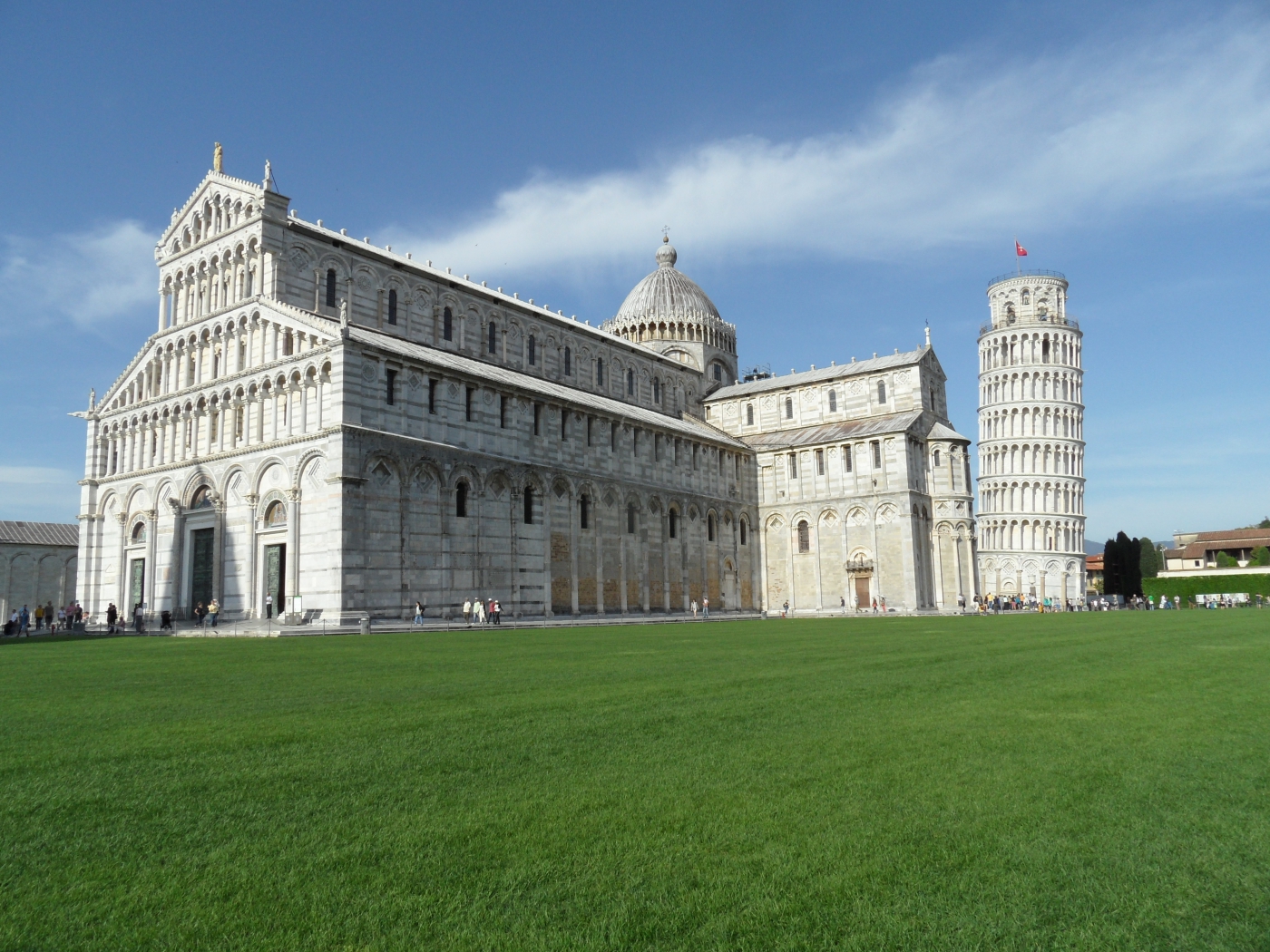
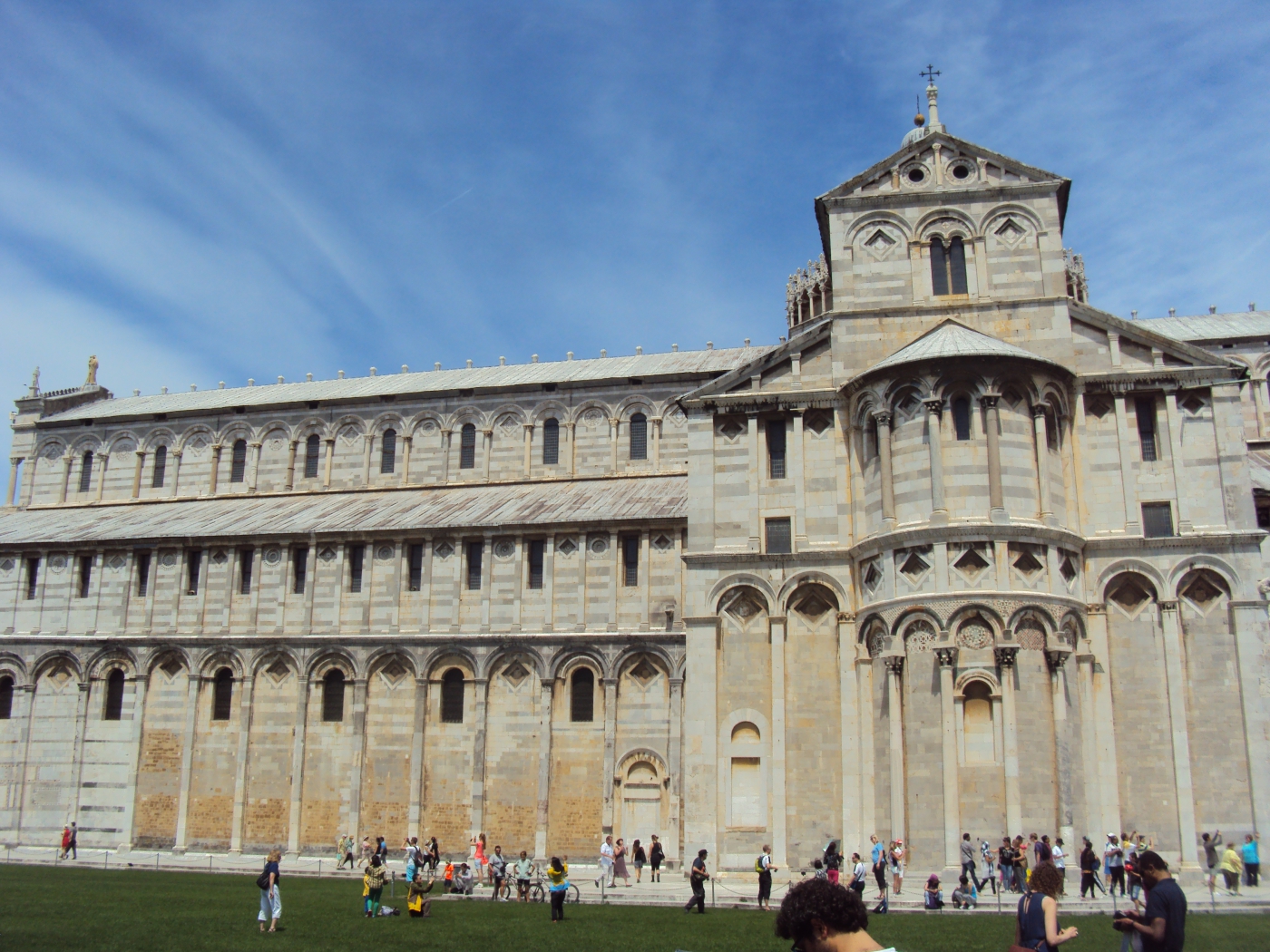
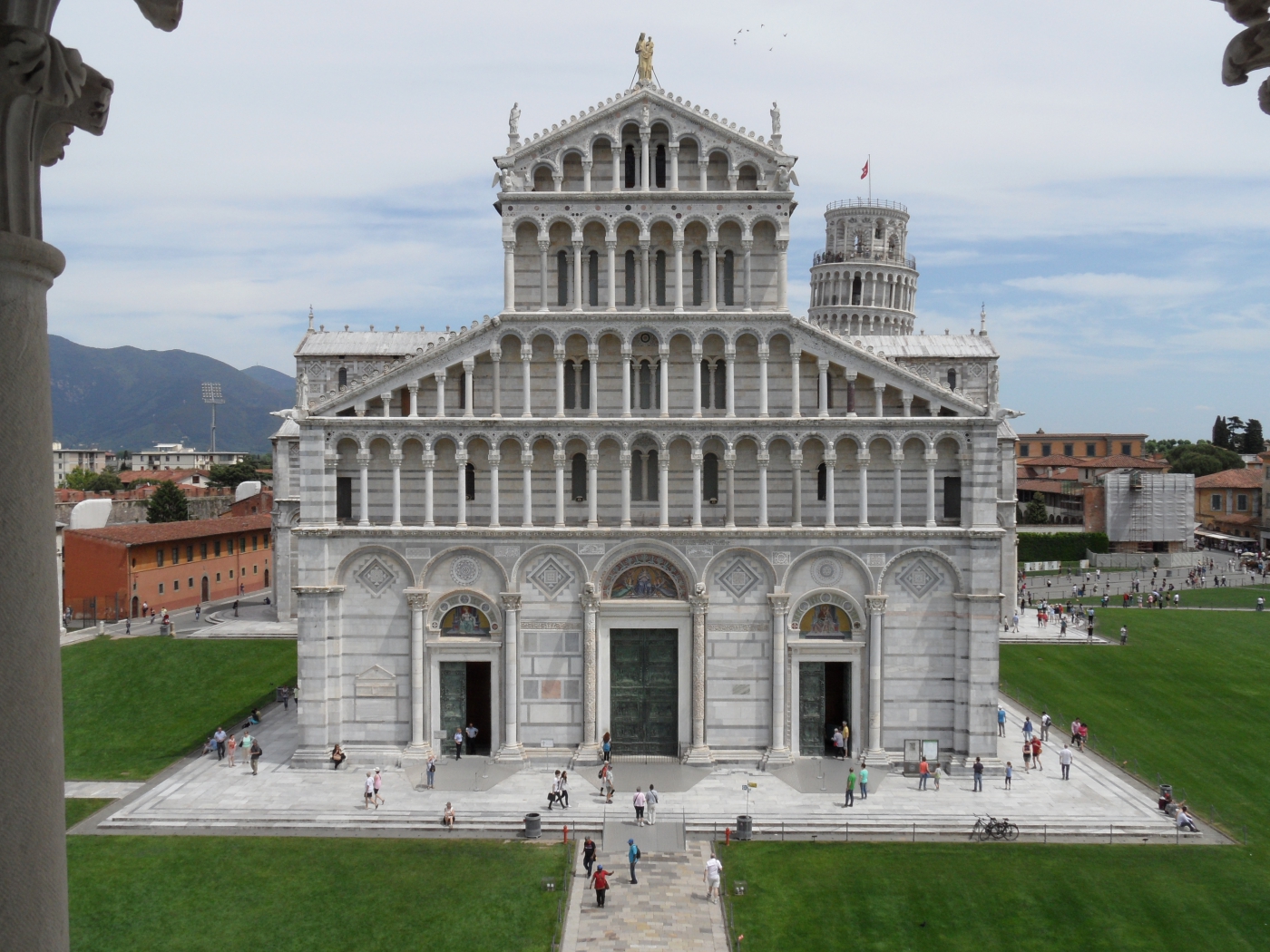
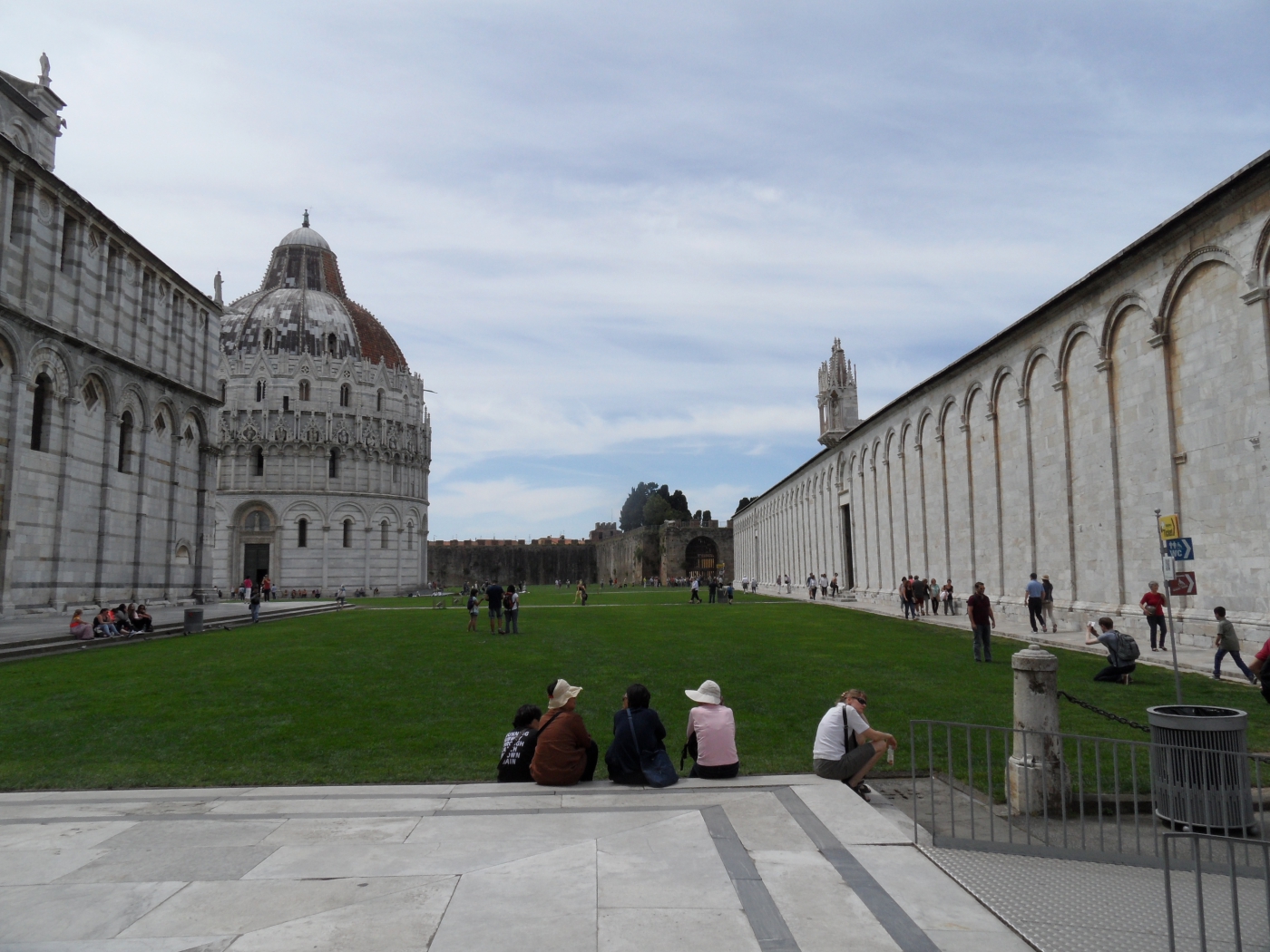
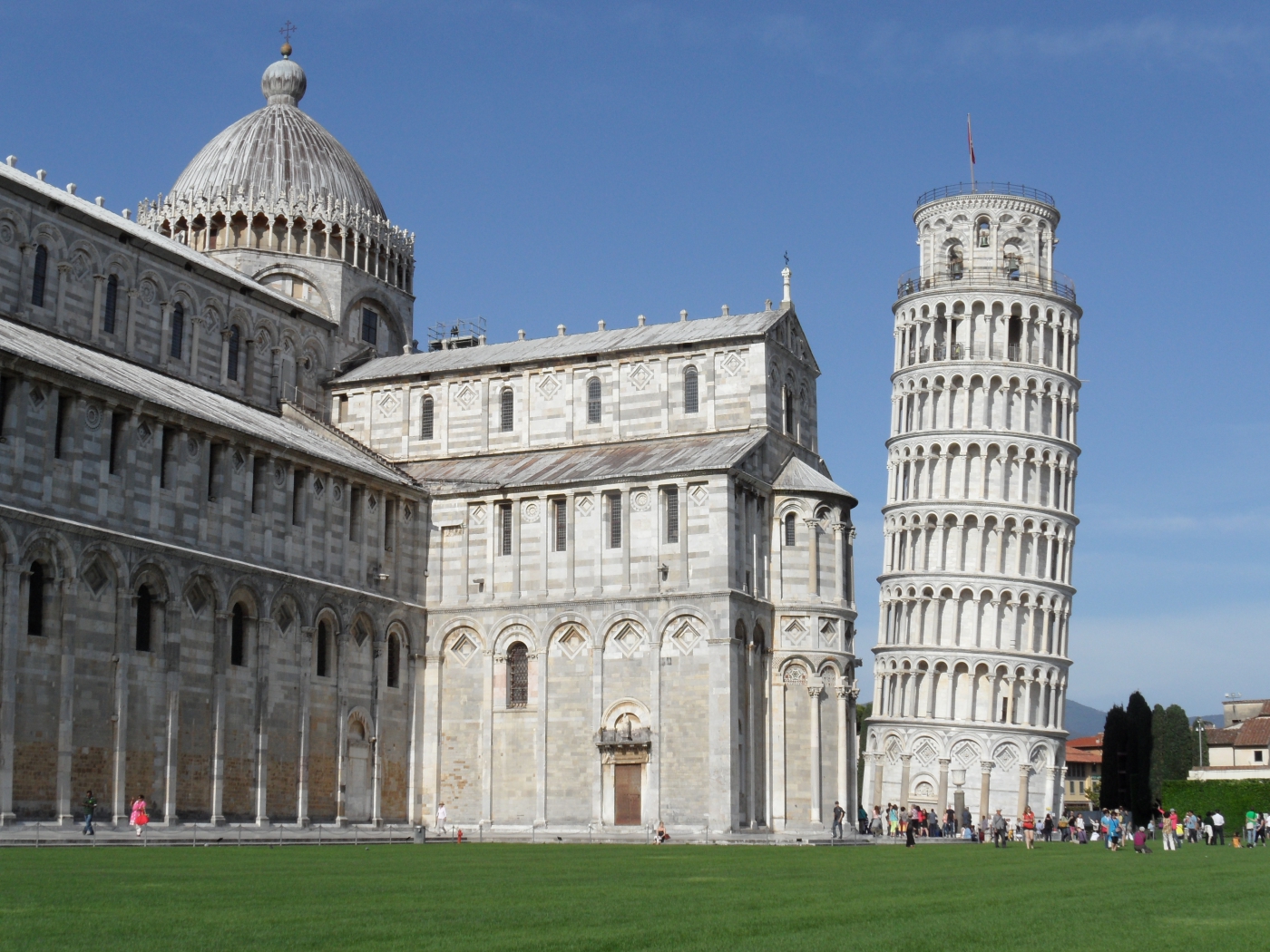
The Piazza del Duomo in Pisa, often known as the Piazza dei Miracoli (Square of Miracles), stands as a breathtaking testament to medieval Italian art and architecture. Inscribed as a UNESCO World Heritage site in 1987, it encapsulates a unique ensemble of four masterpieces: the Cathedral, the Baptistery, the Campanile (the famous Leaning Tower), and the Camposanto Monumentale. This sacred space eloquently speaks of the Republic of Pisa's power and prosperity during the 11th to 14th centuries, a period when it was a dominant maritime force.
The Marvel of Pisan Romanesque
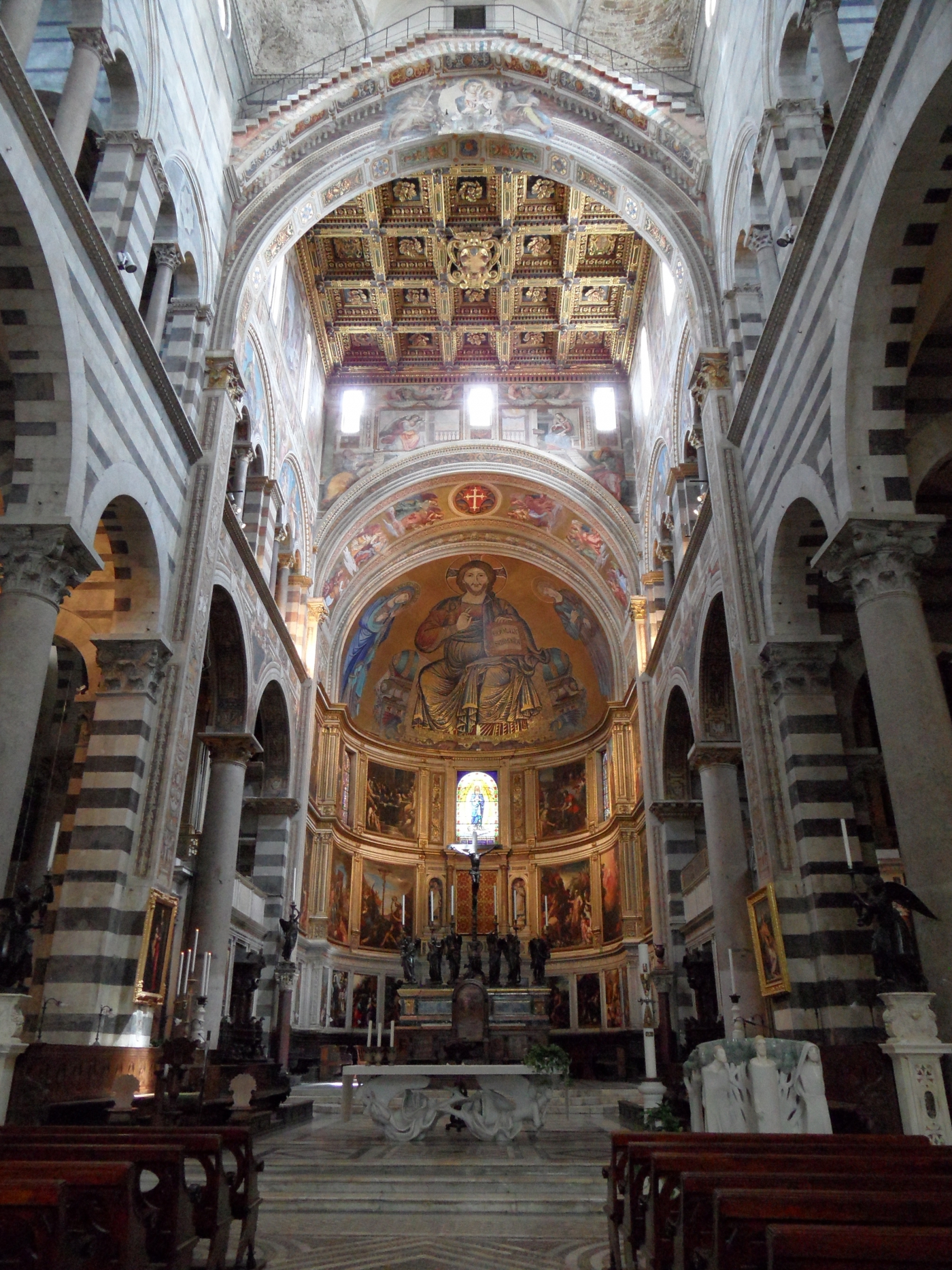
The architectural style prevalent across the square is the distinct Pisan Romanesque, characterized by its use of white and colored marble, colonnades, and intricate sculptural details. The construction of the complex began in 1064 with the Cathedral of Santa Maria Assunta, celebrating a naval victory over the Saracens. Its design is attributed to Buscheto, blending classical, Byzantine, and Islamic elements, reflecting Pisa's vast international connections.
The Leaning Icon
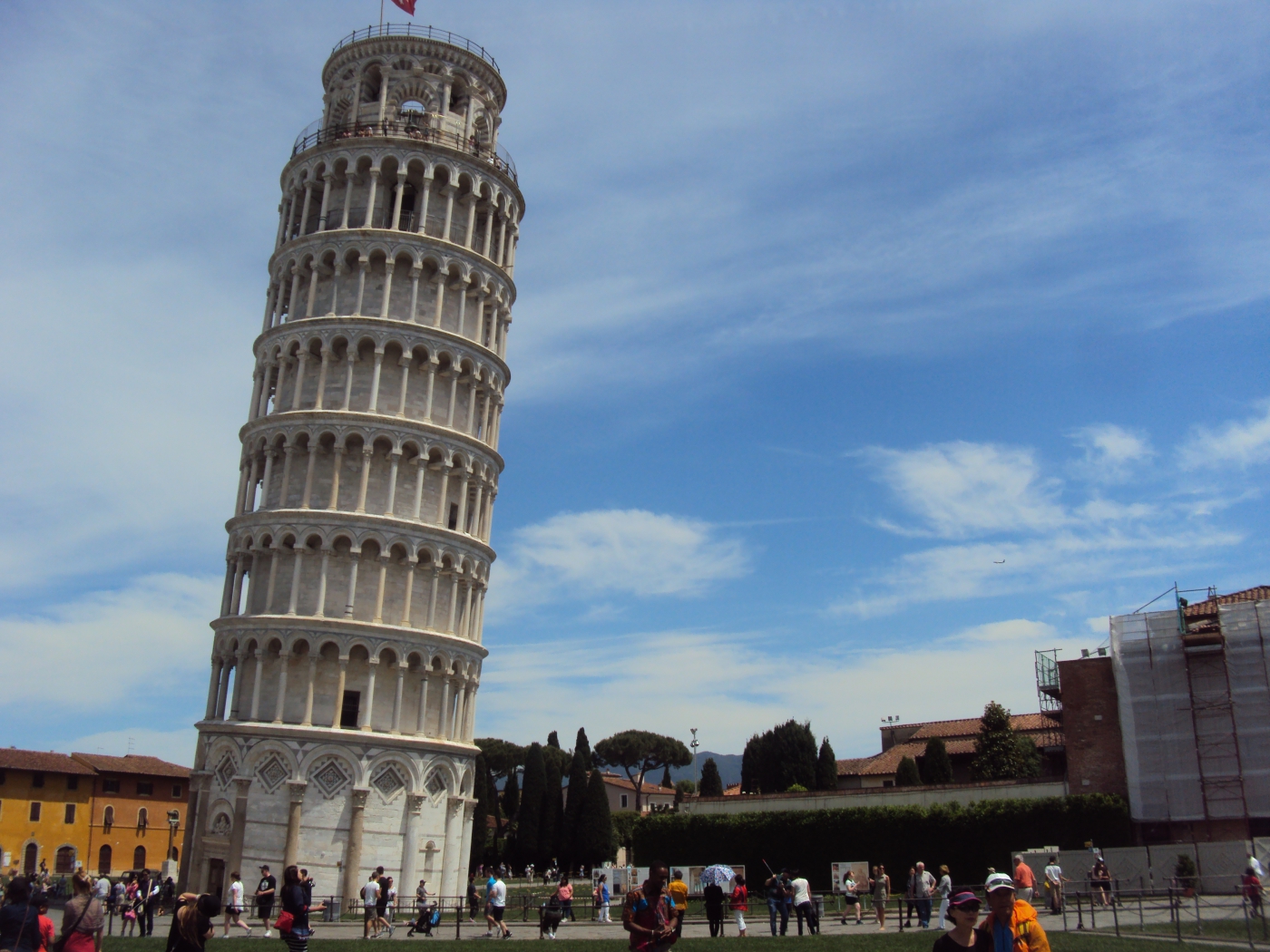
Perhaps the most famous structure is the Leaning Tower of Pisa, the cathedral's campanile. Started in 1173, its construction suffered from a soft subsoil, causing it to begin leaning even before its completion in the 14th century. Despite numerous attempts to correct its tilt, the lean has become its defining characteristic, attracting millions of visitors annually. This unique engineering marvel has been a subject of study and conservation efforts for centuries, with the latest work ensuring its stability for at least another 200 years.
Baptistery and Sacred Cemetery
Adjacent to the Cathedral stands the Baptistery of St. John, the largest in Italy. Commenced in 1152 by Diotisalvi, it exhibits a transition from Romanesque to Gothic styles, crowned by its distinctive dome. Inside, its acoustics are famously remarkable. Completing the ensemble is the Camposanto Monumentale, a monumental cemetery and cloister said to have been built on sacred soil brought from Golgotha during the Crusades. Begun in 1277 by Giovanni di Simone, its arcaded walls once housed an extraordinary cycle of medieval frescoes, tragically damaged during World War II but meticulously restored. Together, these buildings form an unparalleled urban landscape, reflecting a golden age of artistic and scientific endeavor.
Weiterführende Links
Standing in a large green expanse, Piazza del Duomo houses a group of monuments known the world over. These four masterpieces of medieval architecture – the cathedral, the baptistry, the campanile (the 'Leaning Tower') and the cemetery – had a great influence on monumental art in Italy from the 11th to the 14th century.
The Piazza dei Miracoli (Italian: [ˈpjattsa dei miˈraːkoli]; 'Square of Miracles'), formally known as Piazza del Duomo ('Cathedral Square'), is a walled 8.87-hectare (21.9-acre) compound in central Pisa, Tuscany, Italy, recognized as an important center of European medieval art and one of the finest architectural complexes in the world. It was all owned by the Catholic Church and is dominated by four great religious edifices: Pisa Cathedral, the Pisa Baptistery, the Leaning Tower of Pisa (the cathedral's campanile or bell tower), and the Camposanto Monumentale ('Monumental Cemetery'). Partly paved and partly grassed, the Piazza dei Miracoli is also the site of the Ospedale Nuovo di Santo Spirito ('New Hospital of the Holy Spirit'), which now houses the Sinopias Museum (Museo delle Sinopie) and the Cathedral Museum (Museo dell'Opera del Duomo).
The square's popular name was coined by the Italian writer and poet Gabriele D'Annunzio who, in his novel Forse che sì forse che no (1910), described the square as the "prato dei Miracoli", or 'meadow of miracles'. It is also sometimes called the Campo dei Miracoli ('Field of Miracles'). In 1987, the whole square was declared a UNESCO World Heritage Site.