Historic Centre of Naples
Neapel, Italy
02.05.2012

The Historic Centre of Naples, a distinguished UNESCO World Heritage site, embodies over two millennia of uninterrupted urban evolution. This vibrant heart of Naples, Italy, showcases an extraordinary layering of civilizations, from ancient Greek city planning to Baroque grandeur, creating an urban landscape that profoundly influenced Europe and the Mediterranean.
An Ancient Tapestry
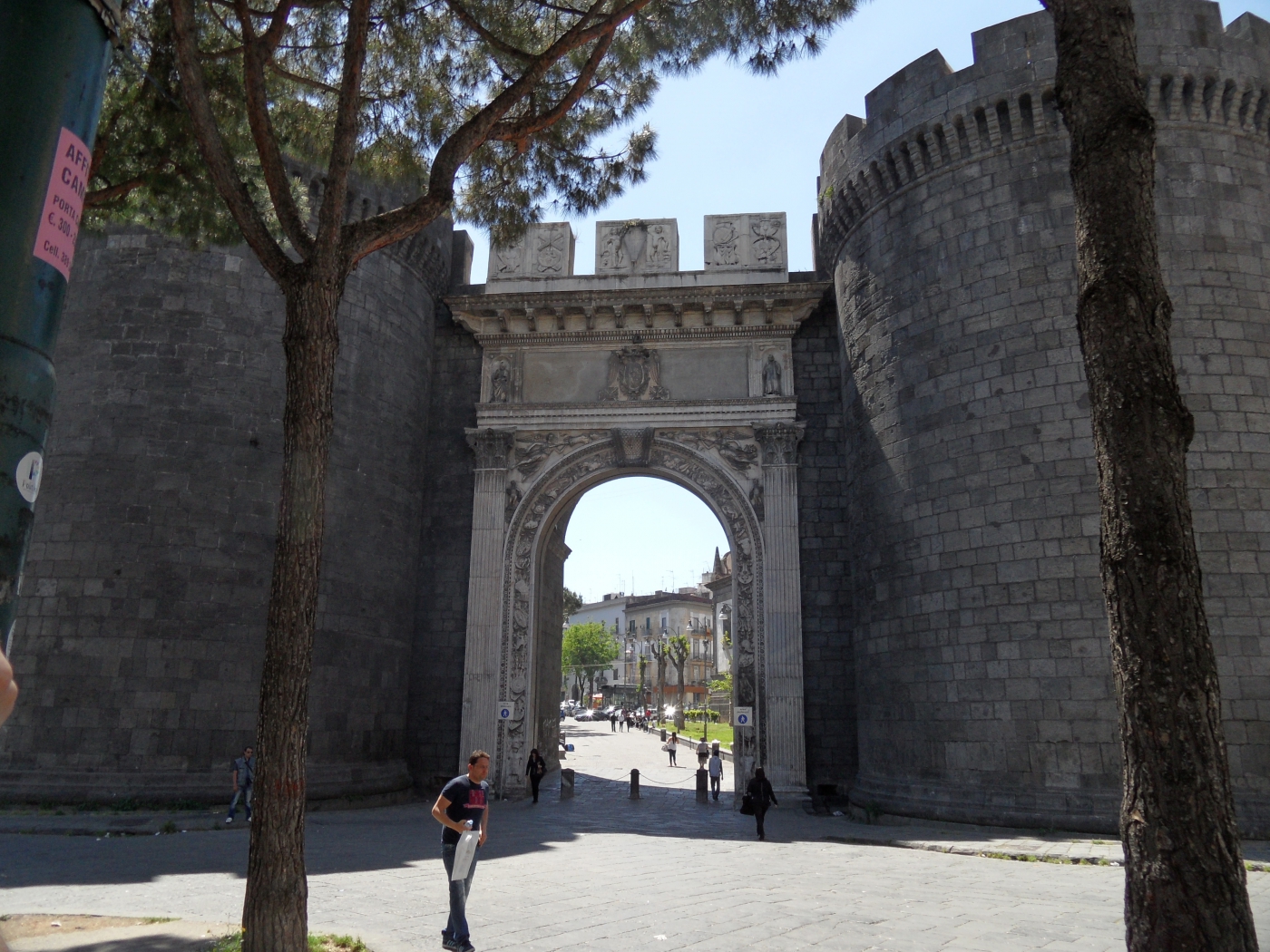
Established by Greeks in the 6th century BC as Neapolis, it soon became a leading city of Magna Graecia, retaining its original grid plan. Through the Roman era and subsequent rules by Byzantine, Normans, Swabians, Angevins, Aragonese, and Spanish viceroys, each left a distinct architectural and cultural legacy. The city flourished as one of Europe’s grandest capitals under the Bourbon kings in the 18th century.
A Kaleidoscope of Styles
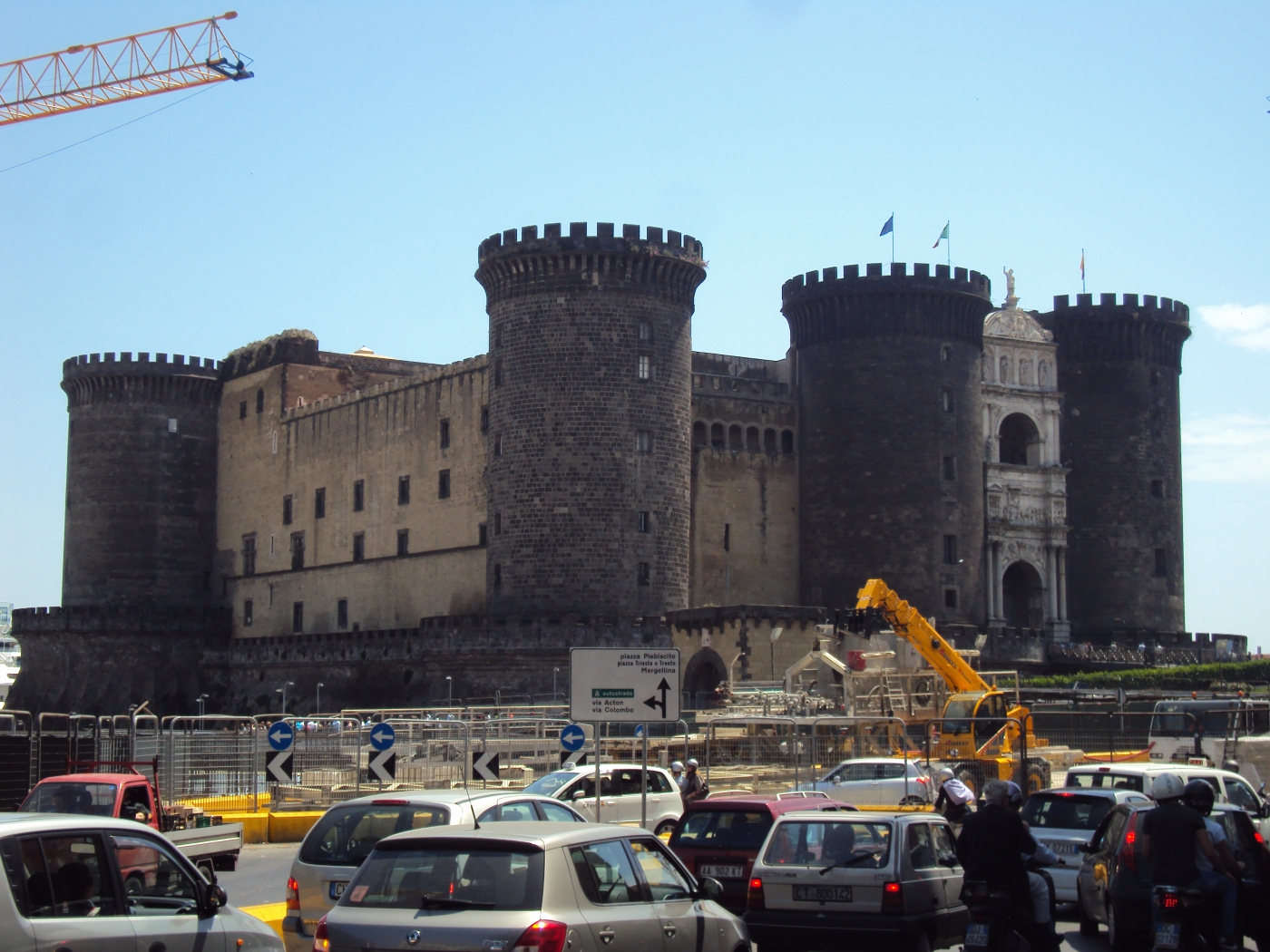
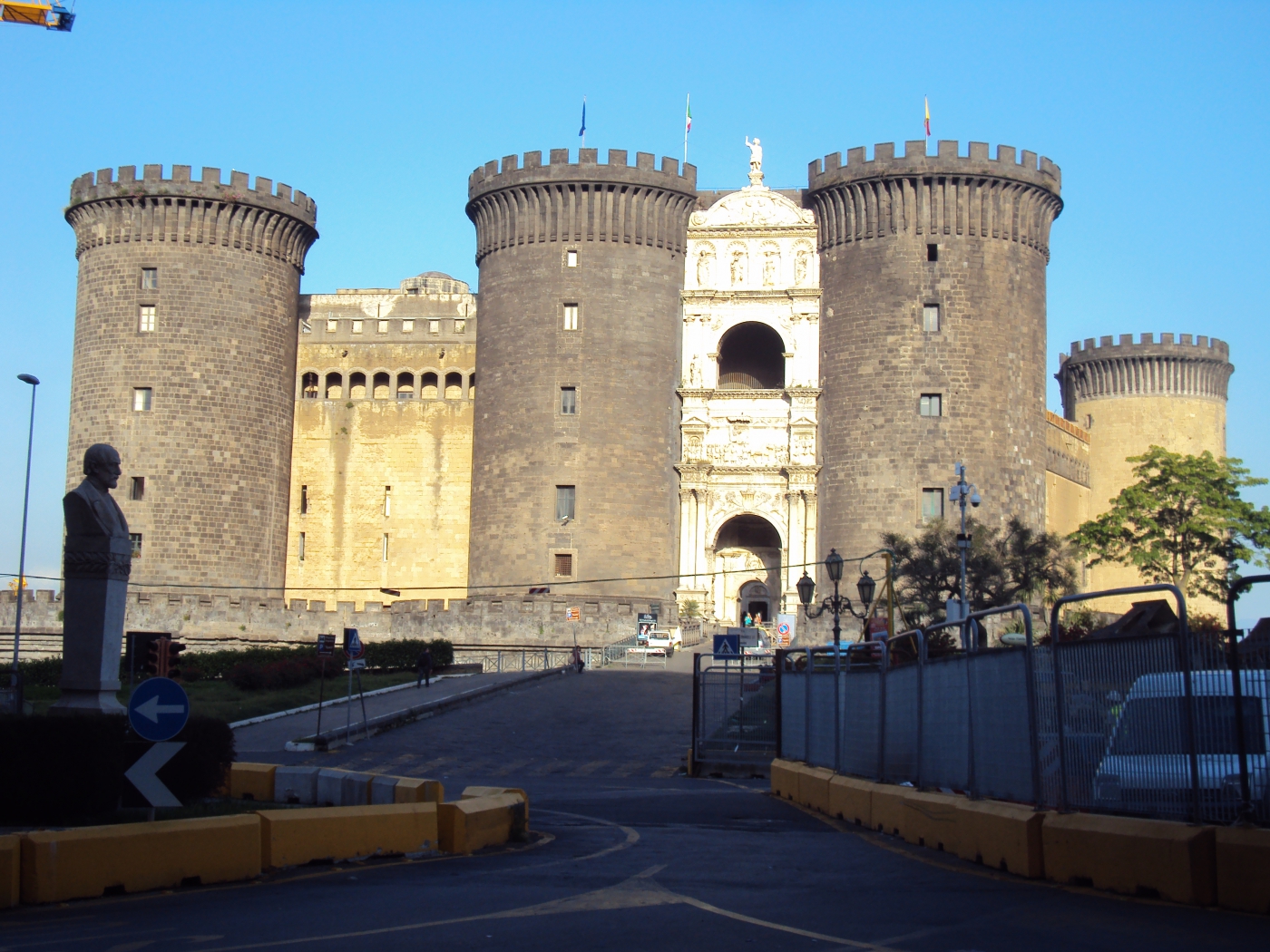
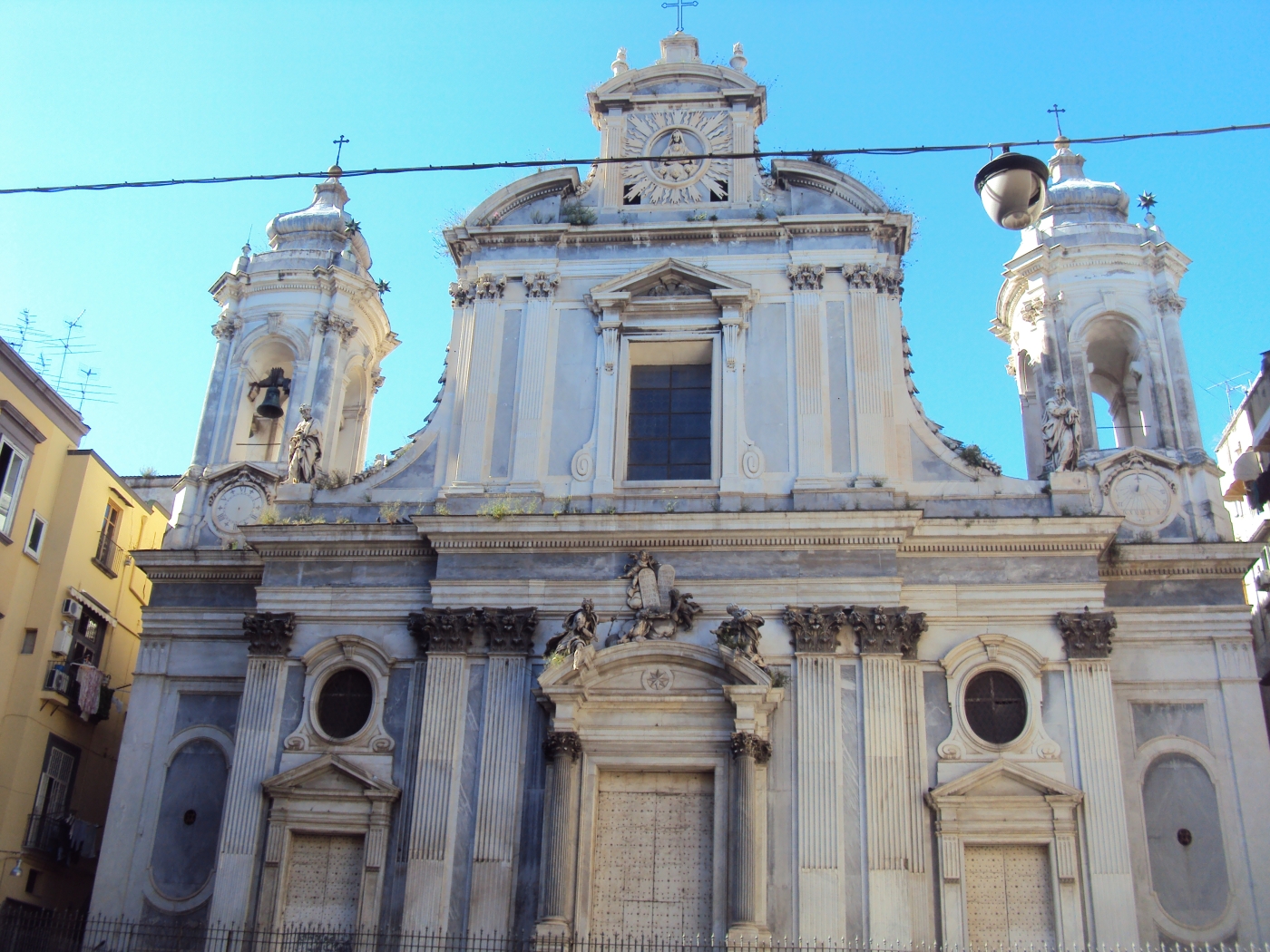
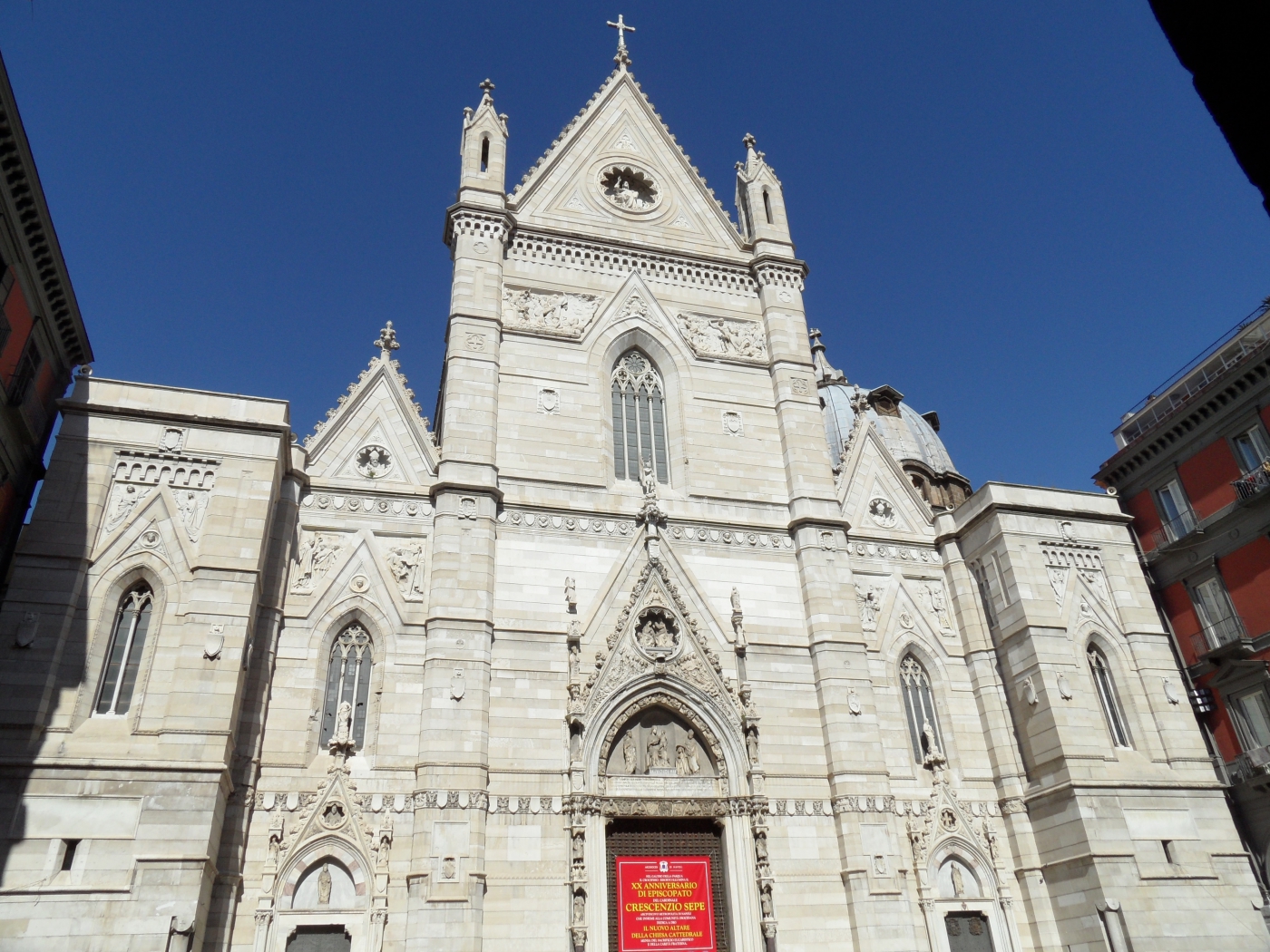
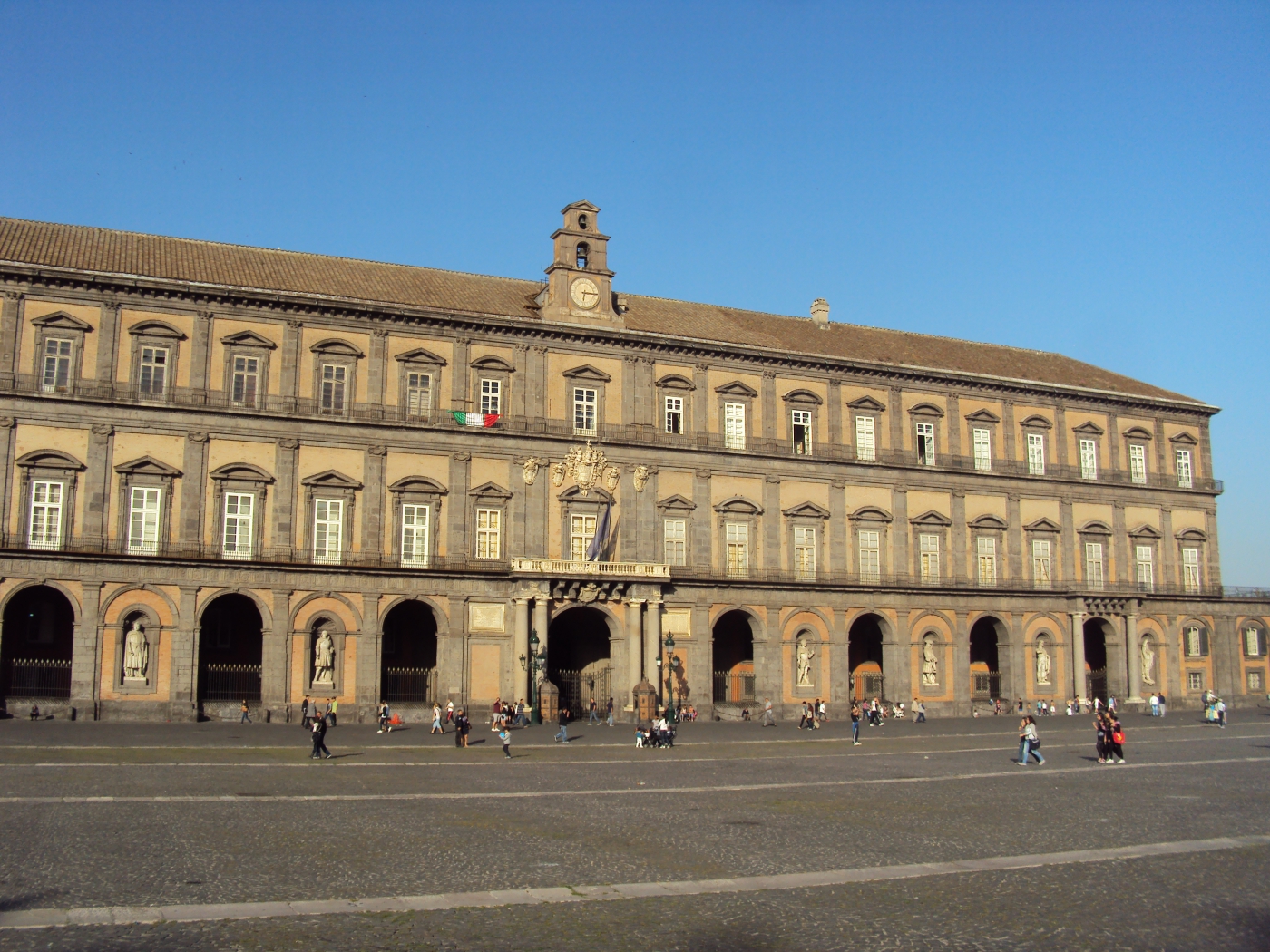
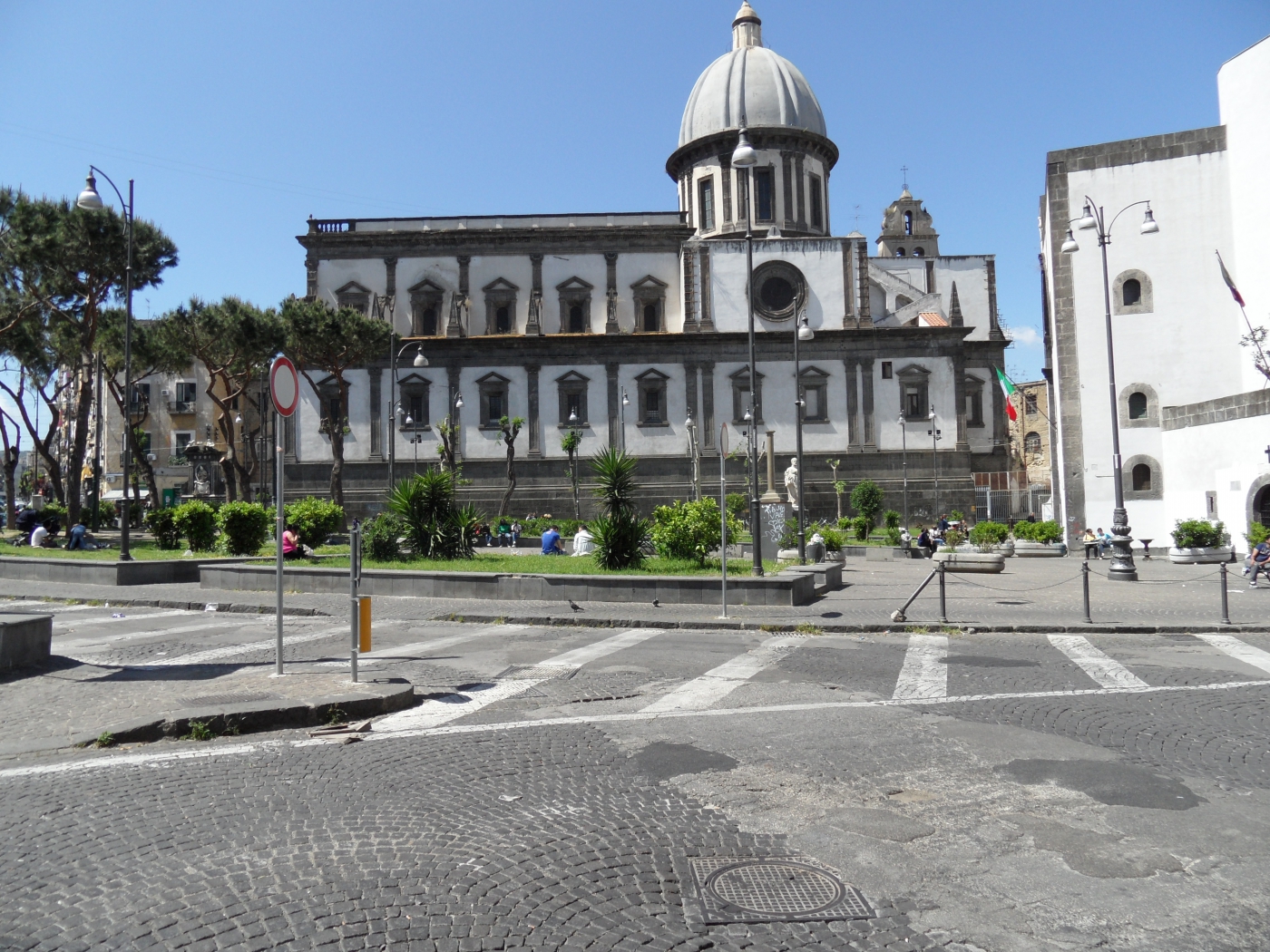
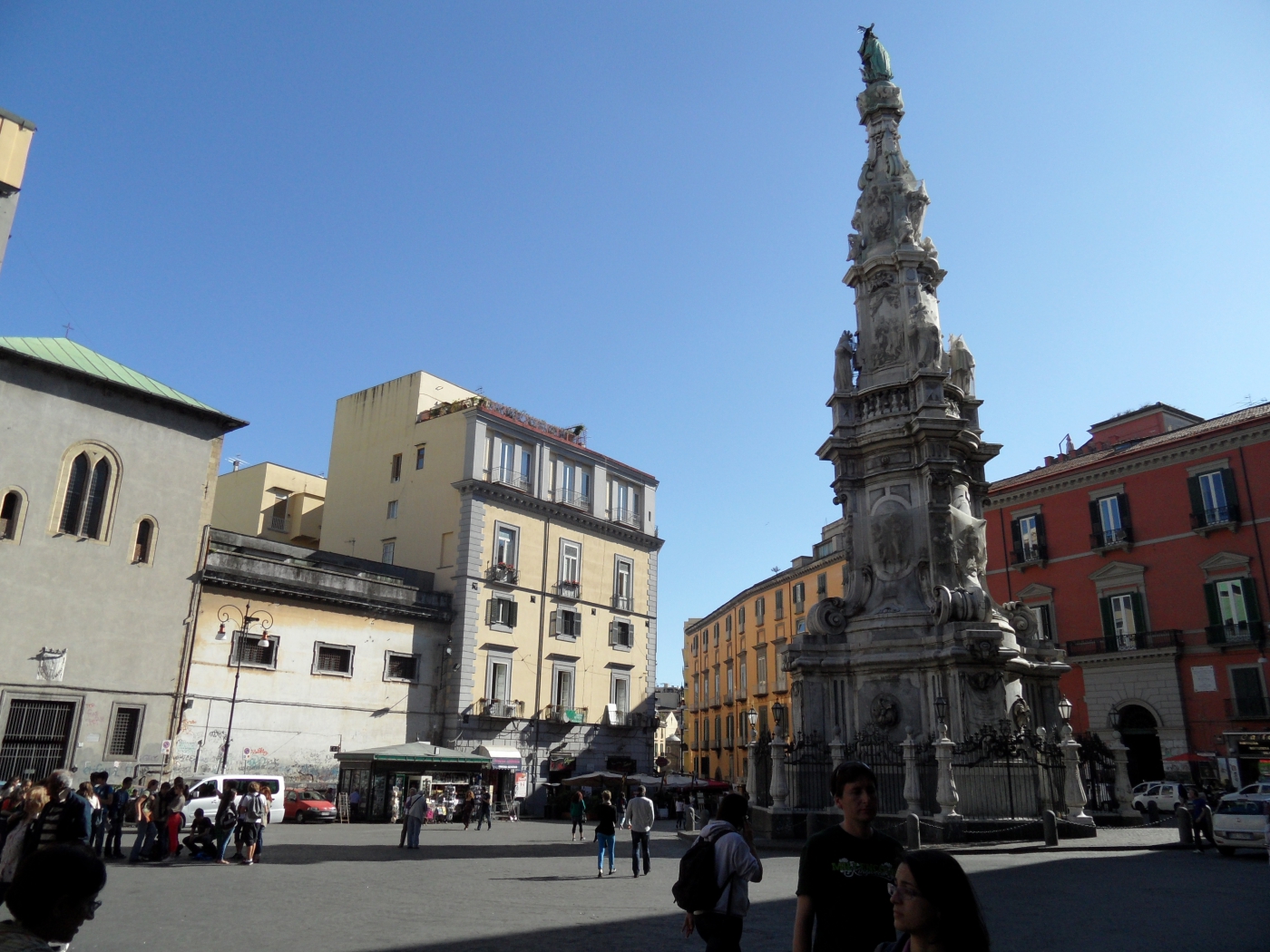
The famed street of Spaccanapoli, an ancient Decumanus Maximus, visually bisects the city, illustrating its unbroken history through its flanking palaces and churches. The magnificent Duomo di Napoli (Naples Cathedral), dedicated to San Gennaro, is a blend of various styles, from Gothic to Baroque. The intricate majolica cloisters of the Santa Chiara complex, and the imposing churches of Gesù Nuovo and San Domenico Maggiore, exemplify the city's rich Gothic and Baroque architectural heritage. Landmark secular buildings like the royal Palazzo Reale and the formidable medieval fortress of Castel Nuovo (Maschio Angioino) further highlight Naples’ historical power and artistic prowess.
Beneath the Surface
Beyond its visible marvels, Naples conceals an extensive subterranean world: Underground Naples (Napoli Sotterranea). This network of tunnels, catacombs, and aqueducts, excavated from the tufa stone since Greco-Roman times, reveals the city's ingenuity and resilience. The exceptional value of the Historic Centre of Naples lies in its well-preserved urban fabric, a continuous record of evolution over millennia, making it an outstanding example of a major European metropolis.
Weiterführende Links
From the Neapolis founded by Greek settlers in 470 B.C. to the city of today, Naples has retained the imprint of the successive cultures that emerged in Europe and the Mediterranean basin. This makes it a unique site, with a wealth of outstanding monuments such as the Church of Santa Chiara and the Castel Nuovo.
The historic centre (Centro Storico) of Naples, Italy, is the oldest part of the city, with a history that spans over 2,700 years.
Almost the entirety of the historic centre, approximately 1021 hectares, was declared a UNESCO World Heritage Site in 1995, and included in the list of historic assets to be protected; its particular uniqueness lying in the almost total conservation and use of its ancient Greek road layout.