Historic Centre of Saint Petersburg and Related Groups of Monuments
Sankt Petersburg, Russian Federation
21.07.2016

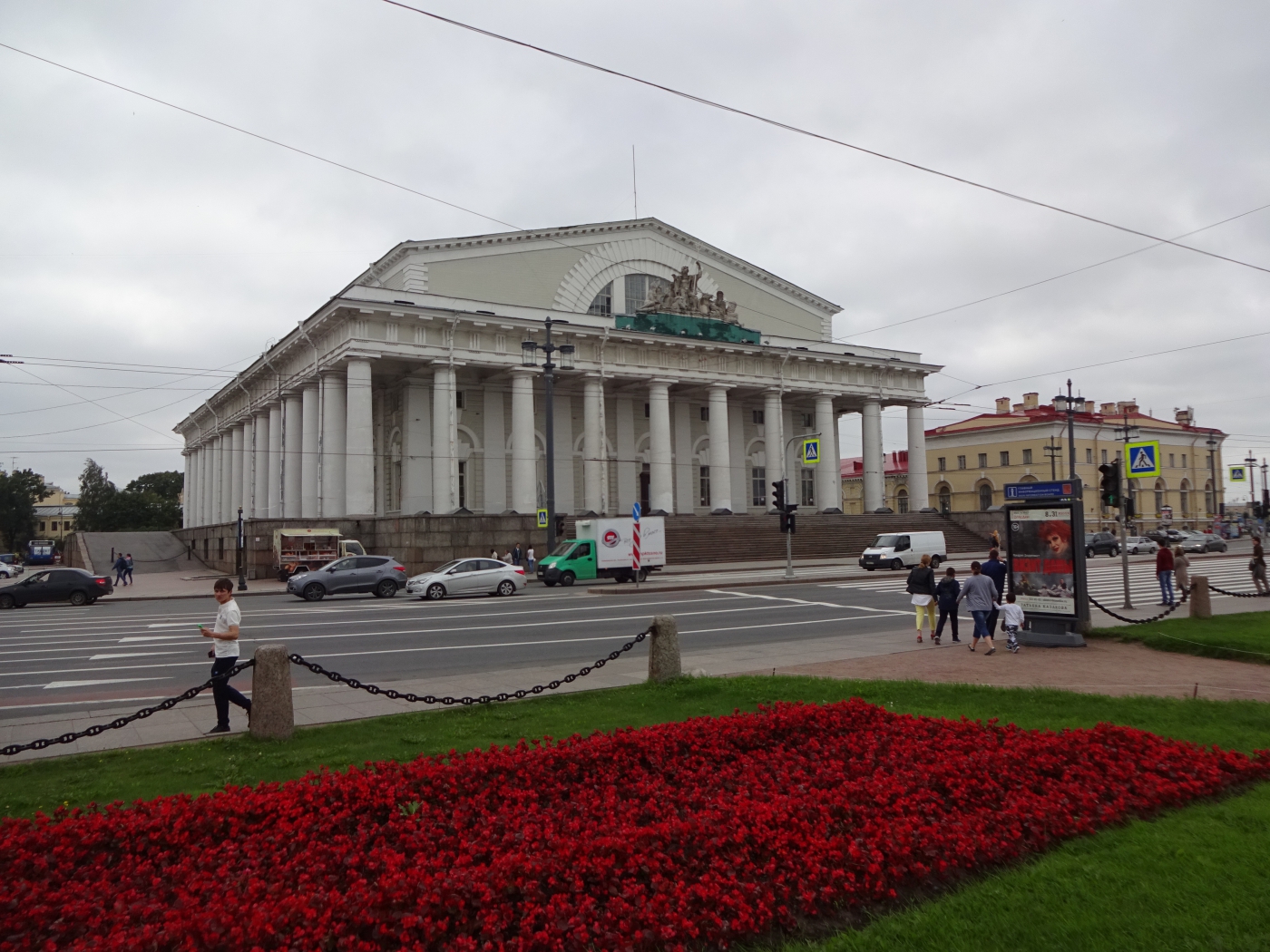
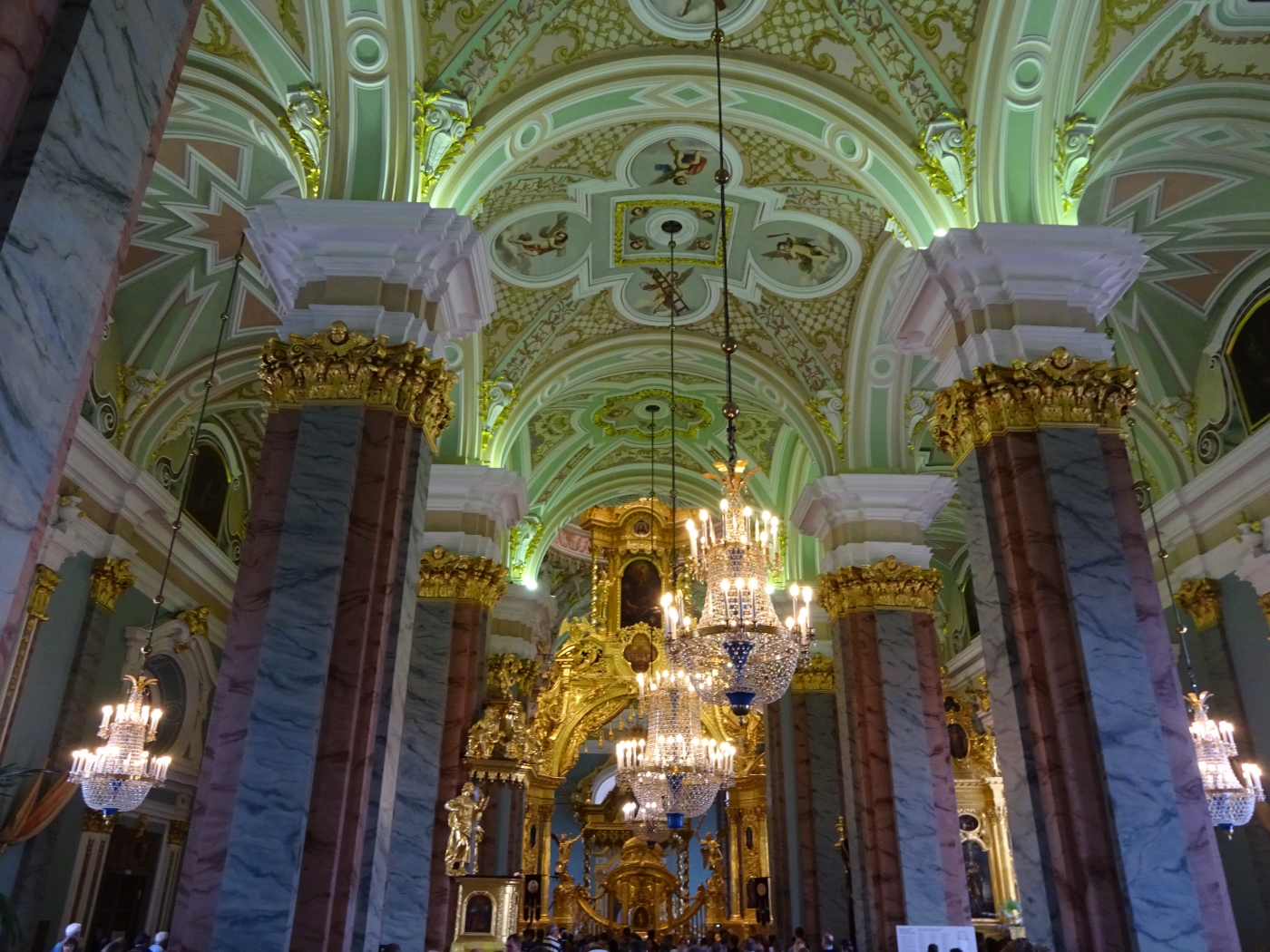
The "Historic Centre of Saint Petersburg and Related Groups of Monuments" is an unparalleled urban ensemble, a testament to Russia's imperial ambition. Founded in 1703 by Peter the Great on the Neva River delta, it was conceived as Russia's "window to Europe." This meticulously planned city rapidly transformed into a vibrant capital, showcasing an extraordinary blend of Baroque and Neoclassical architecture.
A Vision Forged in Swamps
Peter the Great envisioned a city rivaling great European capitals, importing Western architectural styles and urban planning. His determination laid the foundation, and successive rulers, notably Catherine the Great, expanded and beautified Saint Petersburg with monumental palaces and cathedrals. It served as the capital of the Russian Empire for over two centuries.
Architectural Icons
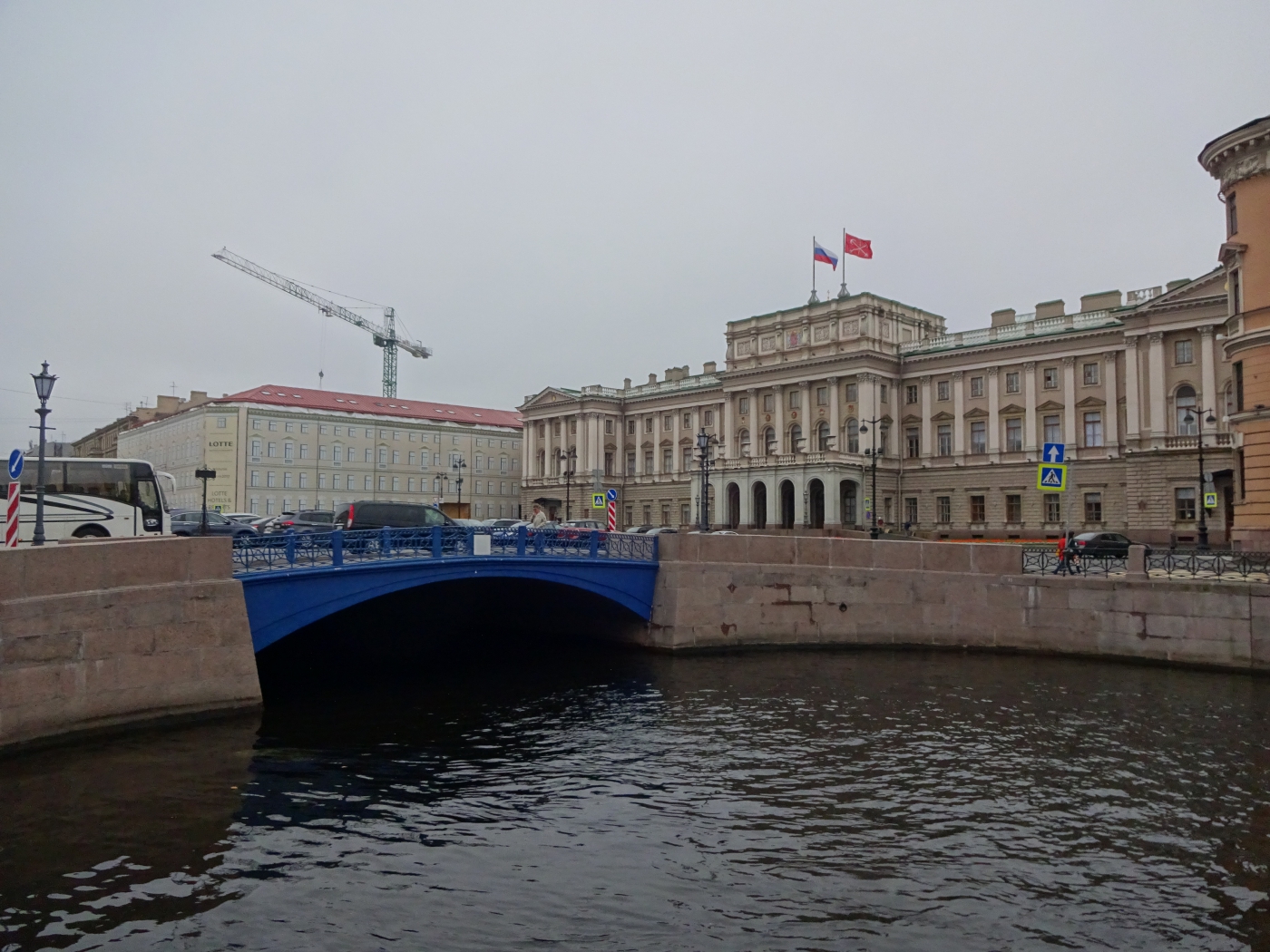
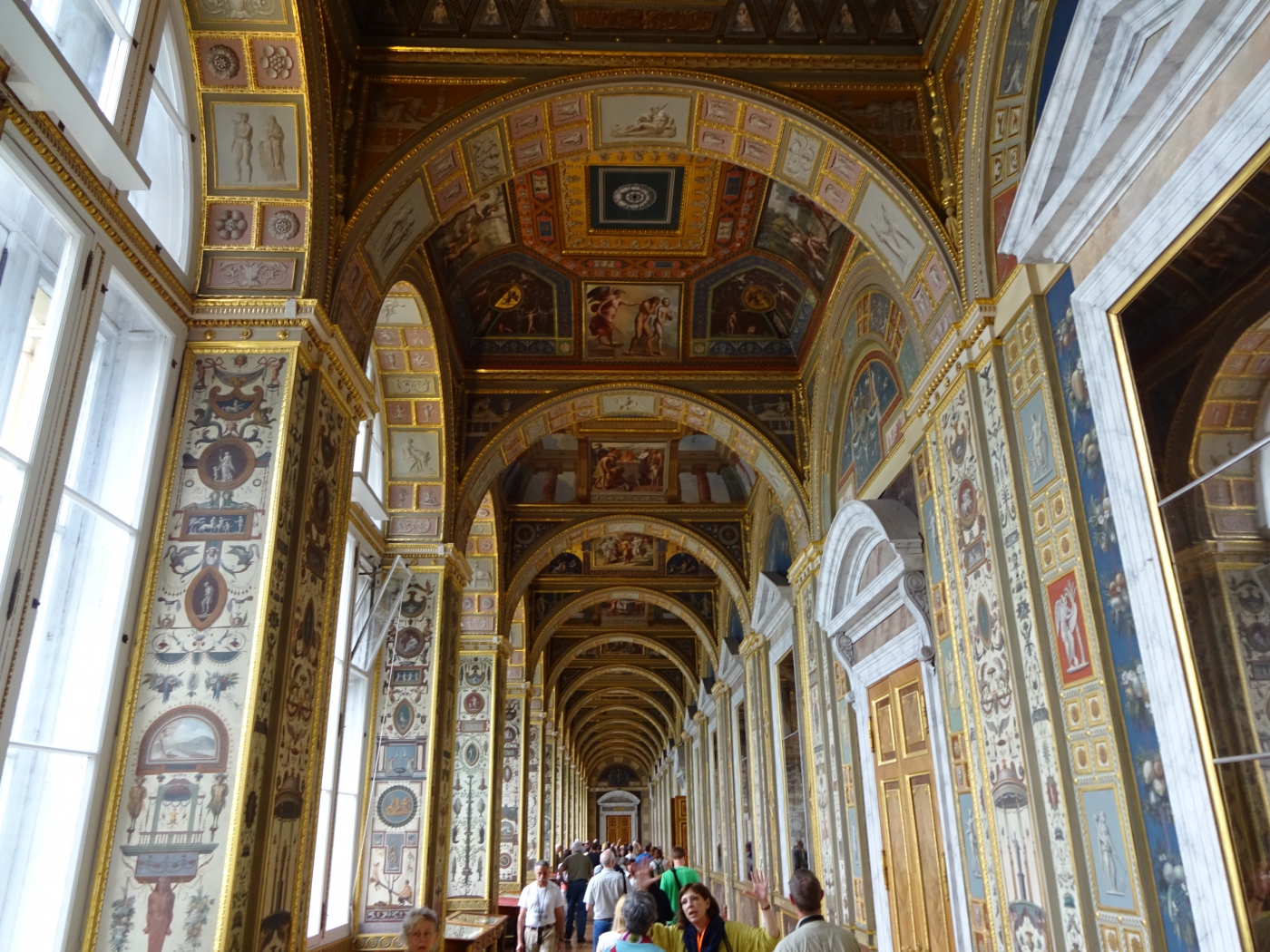
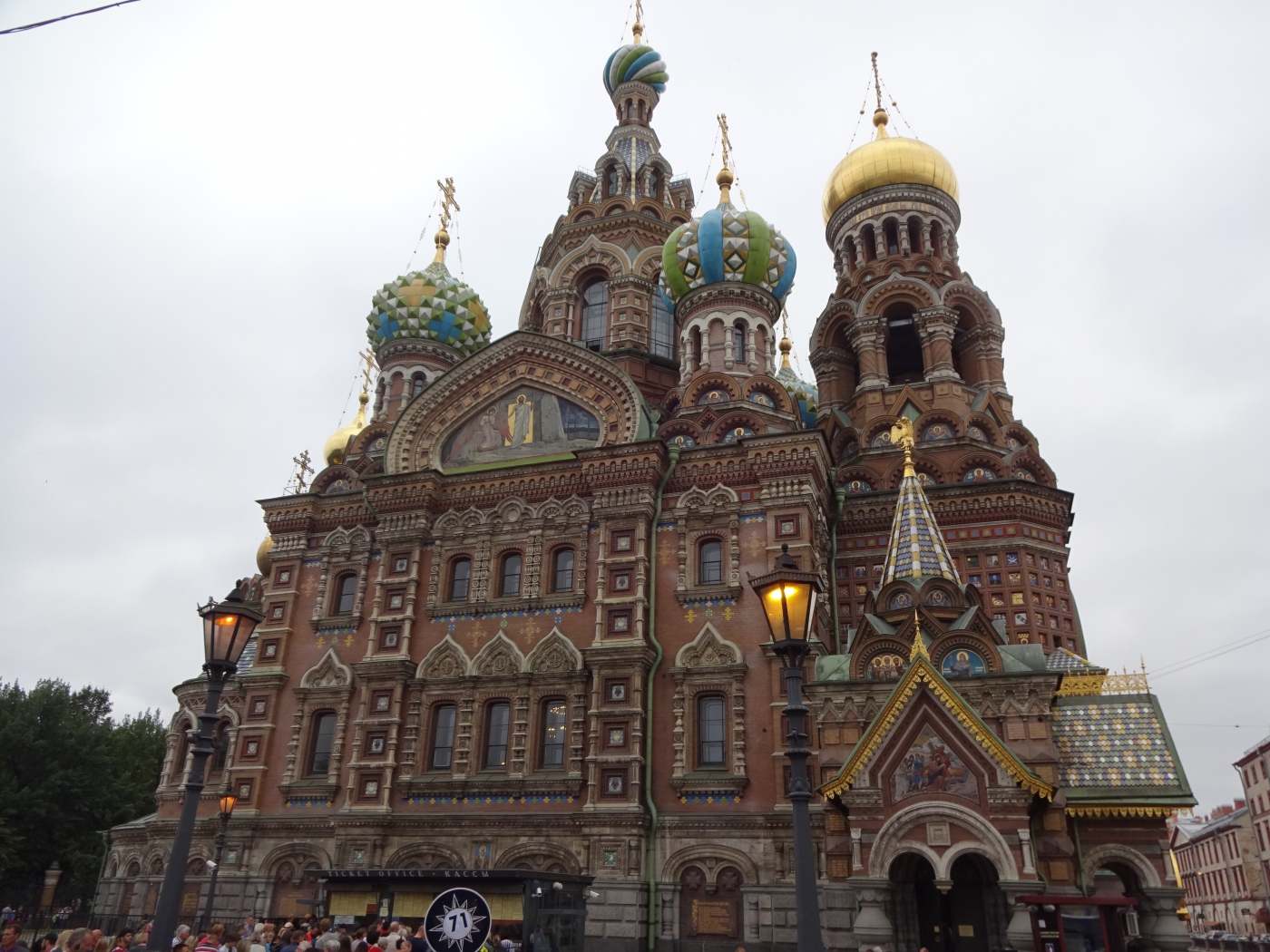
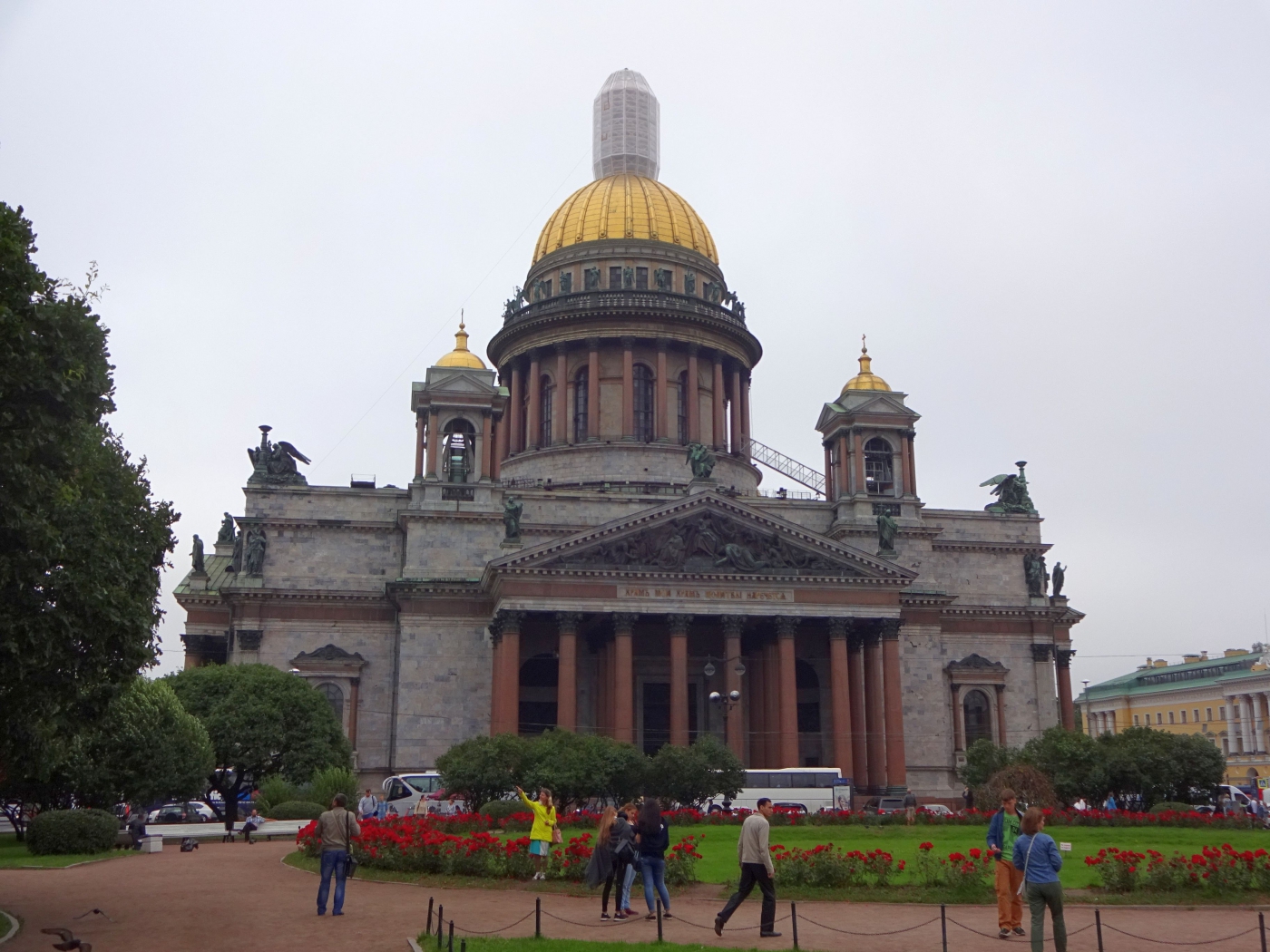
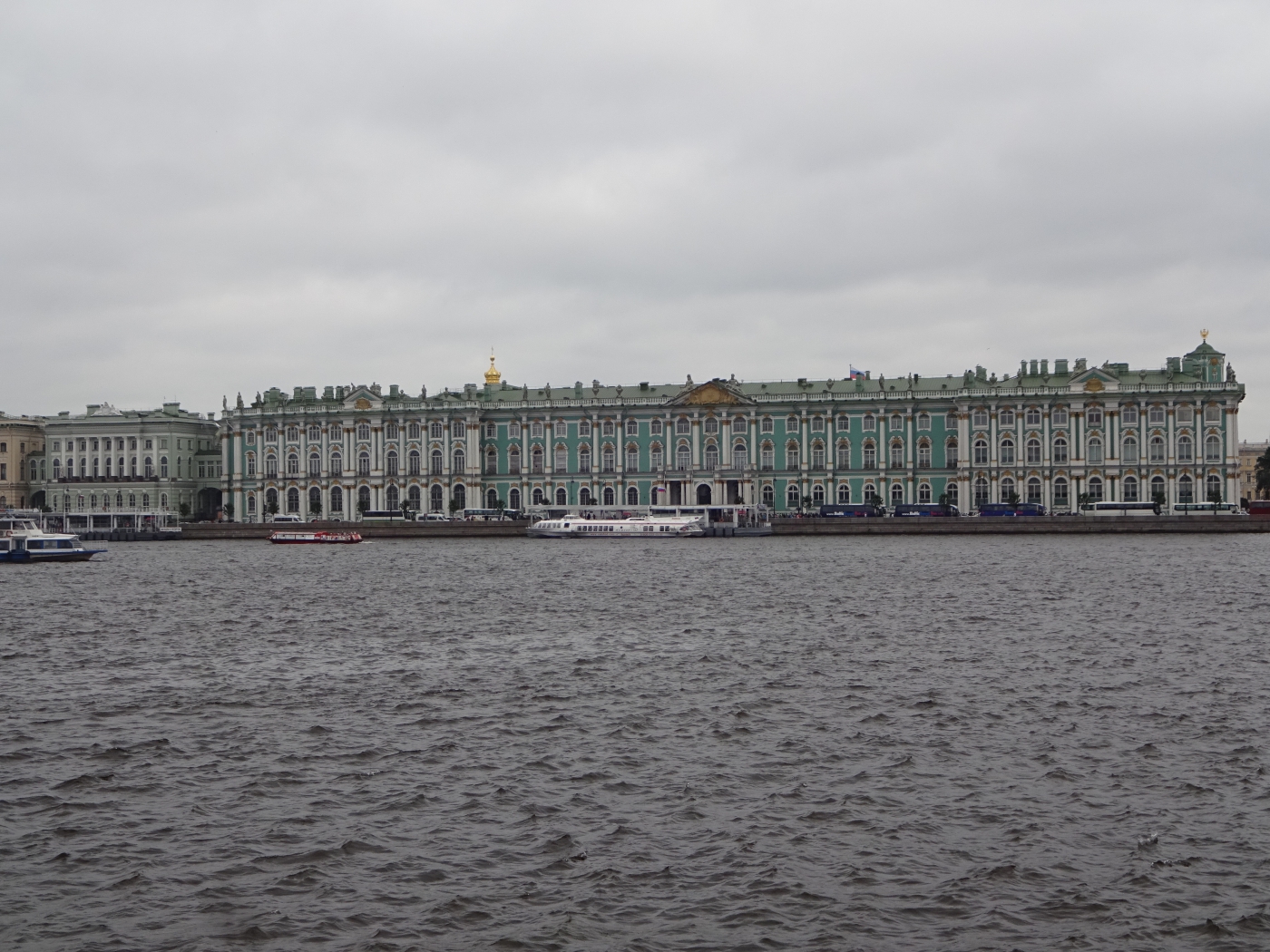
The city's architectural grandeur is breathtaking. The magnificent Winter Palace, a stunning example of Russian Baroque, now houses part of the world-renowned Hermitage Museum. The colossal dome of St. Isaac's Cathedral, a Neoclassical masterpiece, defines the skyline. The vibrant, onion-domed Church of the Savior on Spilled Blood marks the assassination site of Emperor Alexander II. The elegant Nevsky Prospekt, the main avenue, leads to the golden spire of the Admiralty. These structures, along with numerous palaces, bridges, and canals, create a harmonious urban landscape.
Enduring Legacy
Saint Petersburg's cultural heritage is profound, reflected in its museums, theaters, and literary connections. It witnessed the splendor of the Romanov dynasty and the upheavals of the Russian Revolution. Its UNESCO World Heritage status, granted in 1990, recognizes its outstanding universal value as a unique urban and architectural complex, preserving centuries of Russian history and European artistic influences.
Weiterführende Links
The 'Venice of the North', with its numerous canals and more than 400 bridges, is the result of a vast urban project begun in 1703 under Peter the Great. Later known as Leningrad (in the former USSR), the city is closely associated with the October Revolution. Its architectural heritage reconciles the very different Baroque and pure neoclassical styles, as can be seen in the Admiralty, the Winter Palace, the Marble Palace and the Hermitage.
The Historic Centre of Saint Petersburg and Related Groups of Monuments is the name used by UNESCO when it collectively designated the historic core of the Russian city of St. Petersburg, as well as buildings and ensembles located in the immediate vicinity as a World Heritage Site in 1991.
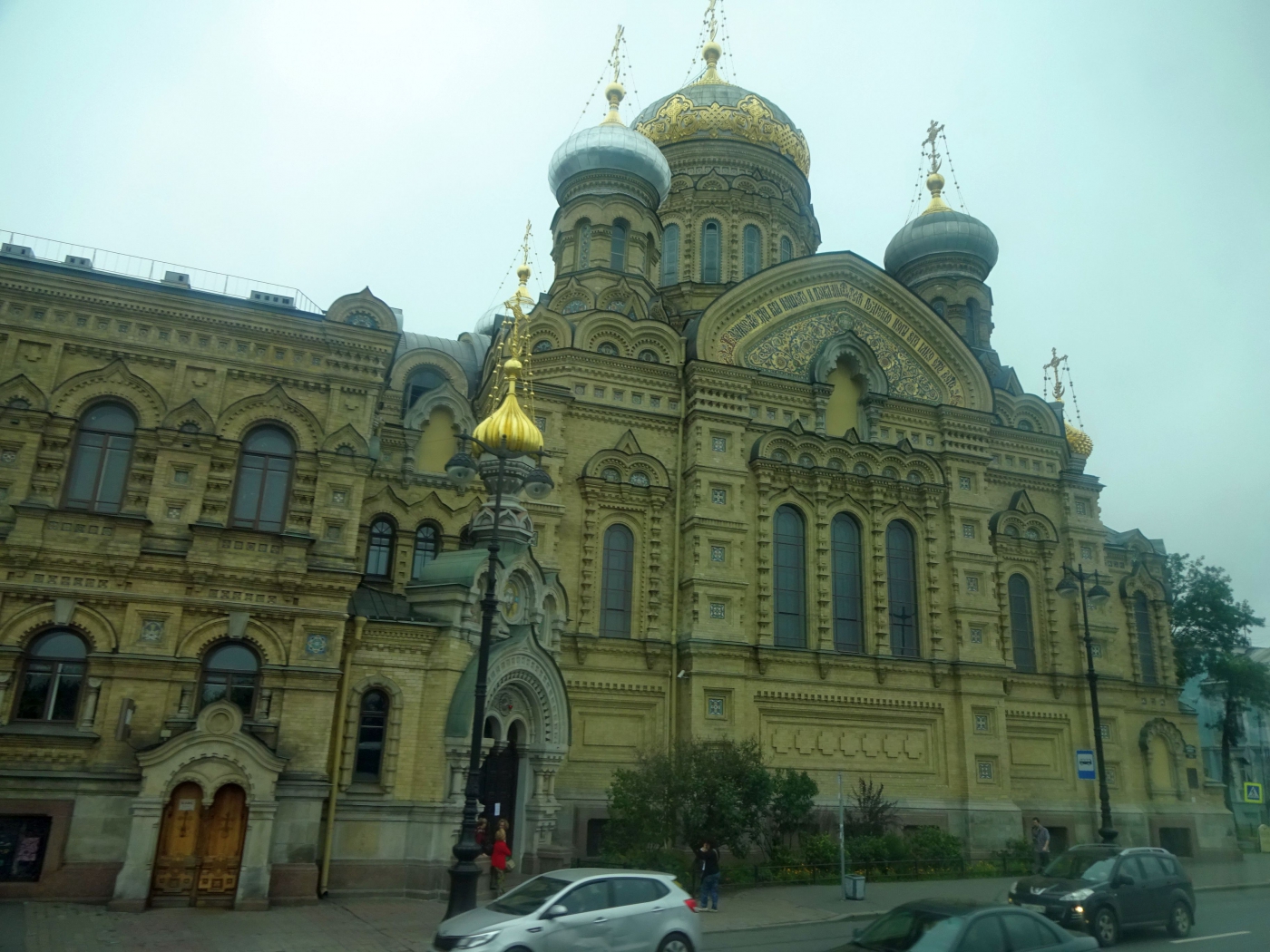
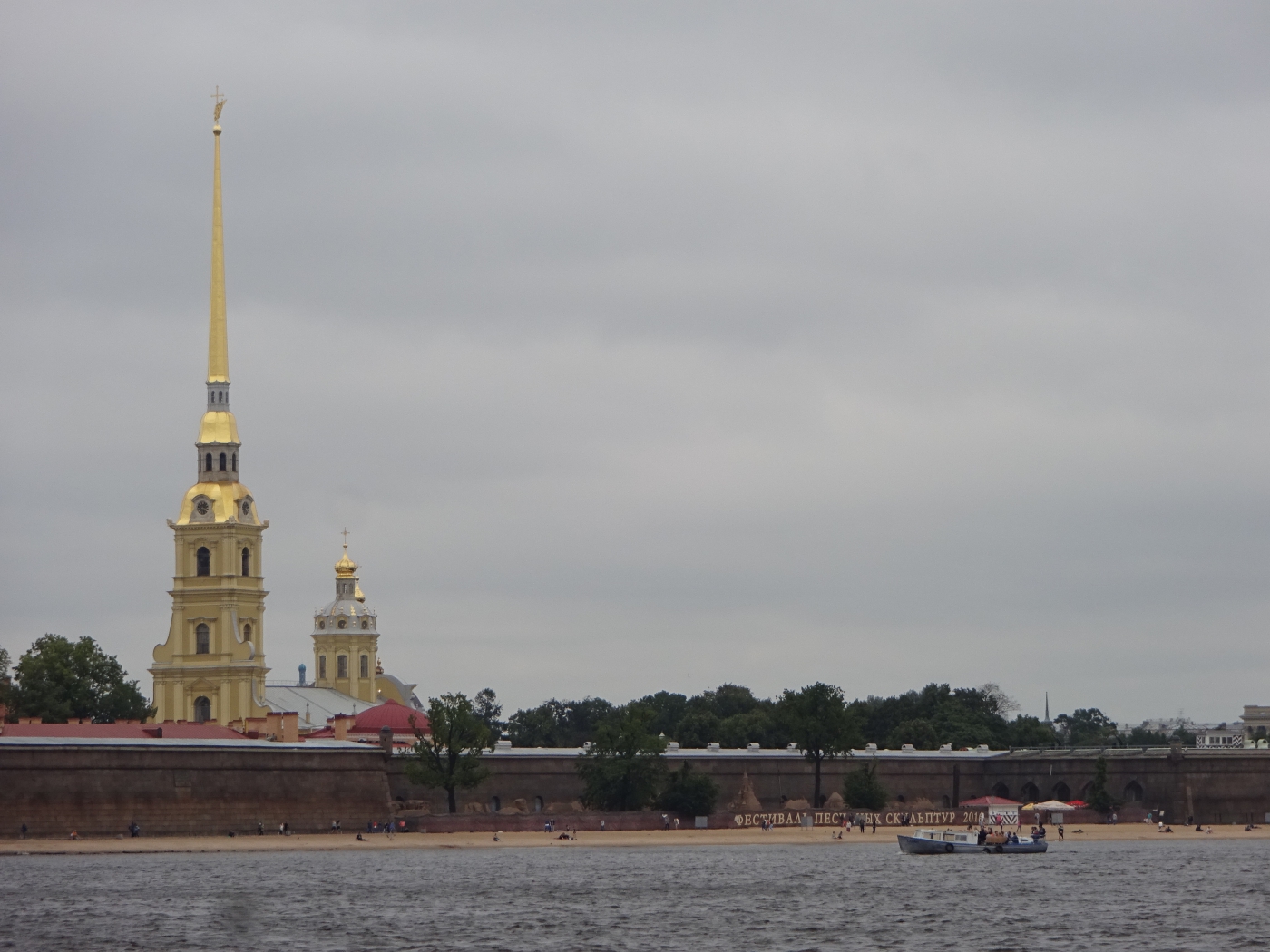
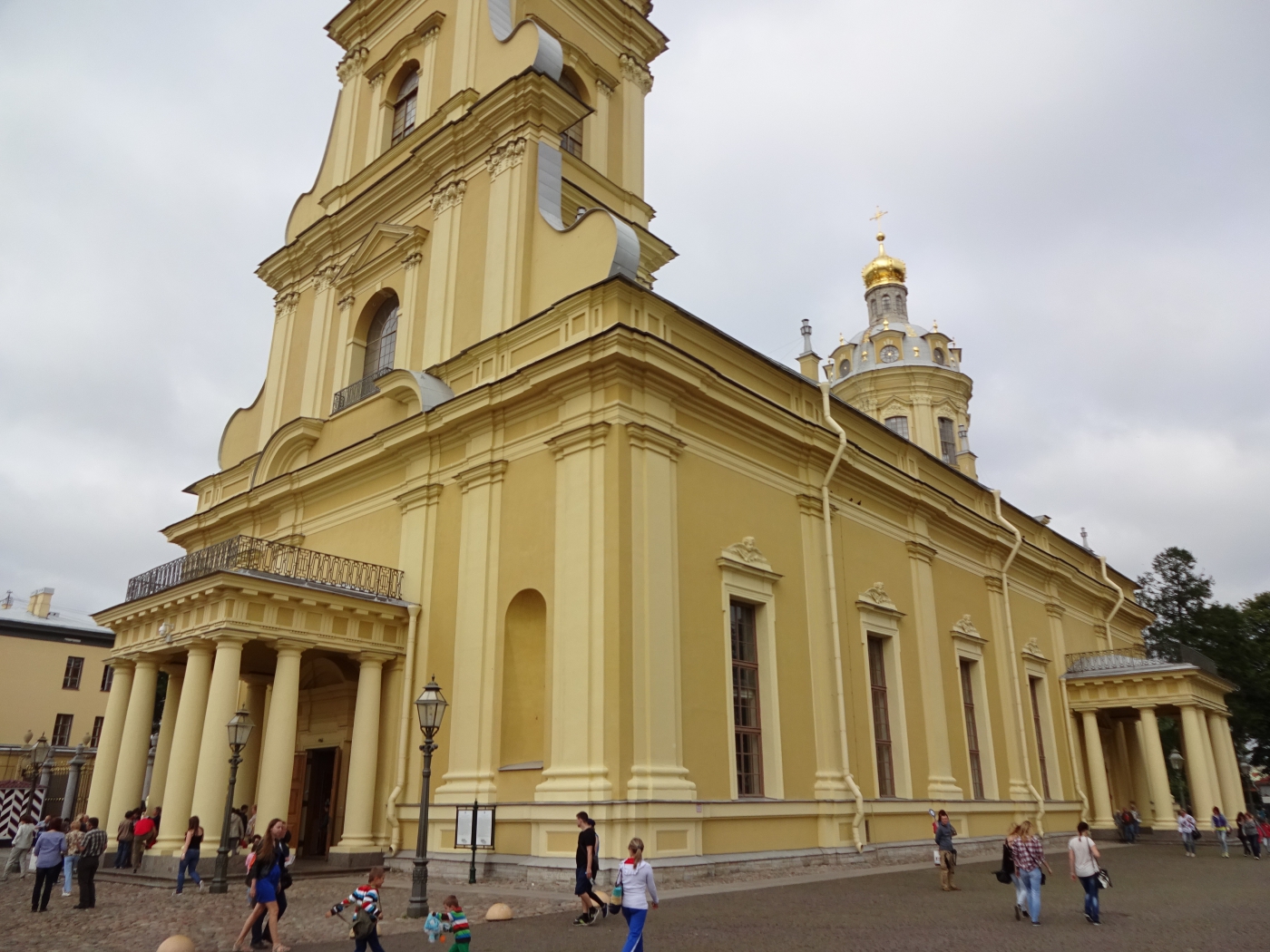
The site was recognised for its architectural heritage, fusing Baroque, Neoclassical, and traditional Russian-Byzantine influences.