Abbey of St Gall
Sankt Gallen, Switzerland
08.04.2017

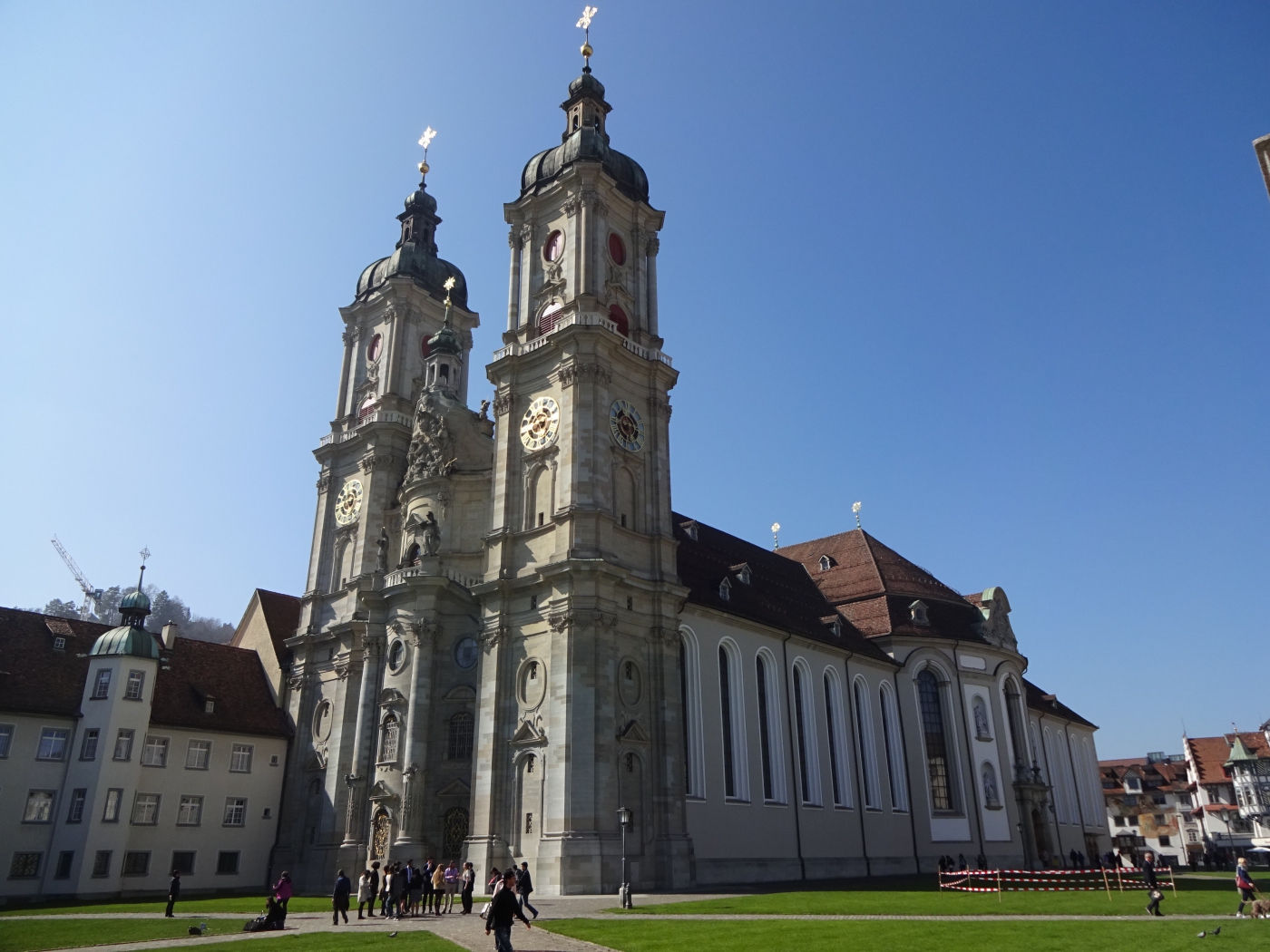
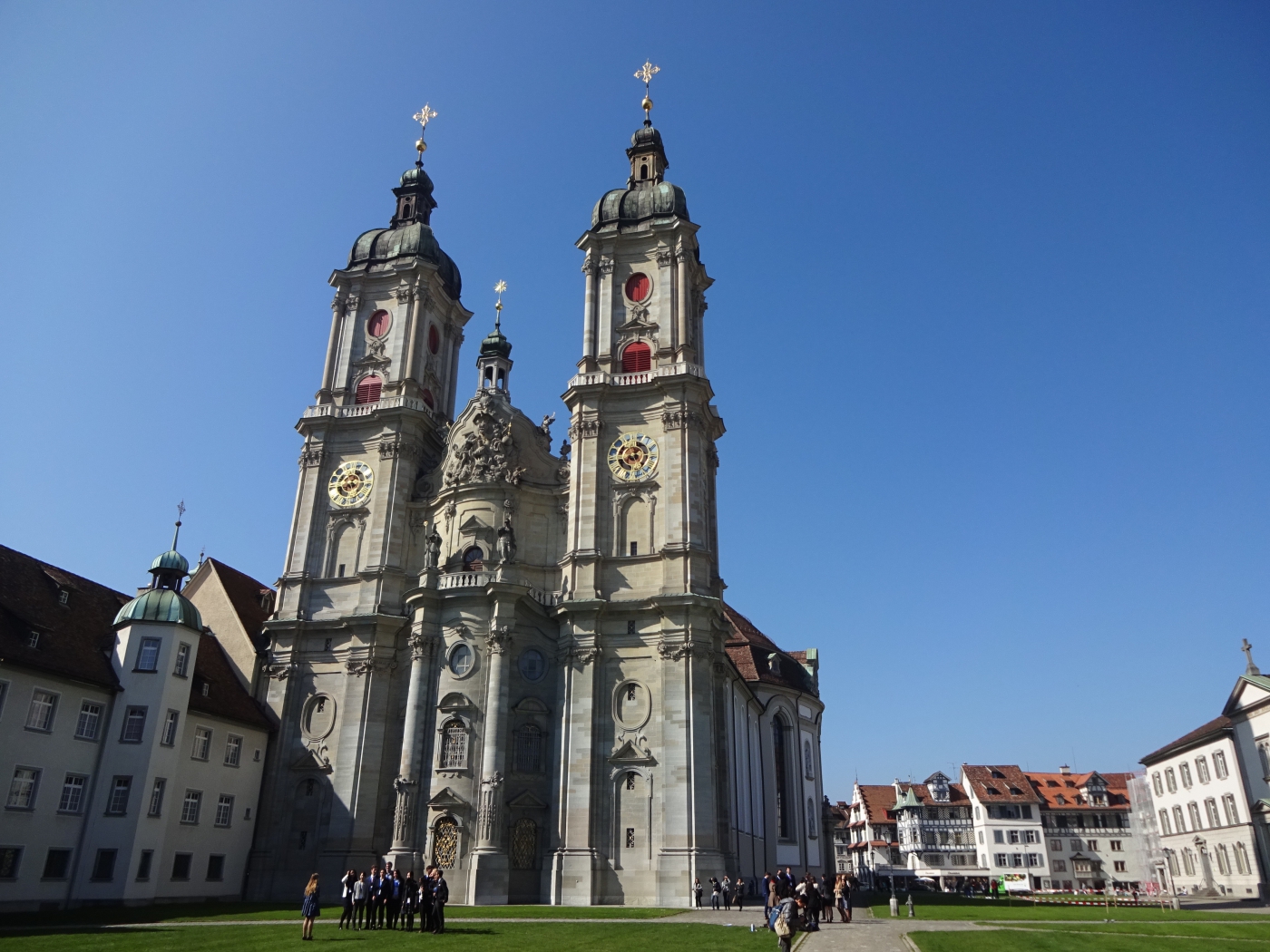
The Abbey of St. Gall, nestled in the heart of St. Gallen, Switzerland, stands as an extraordinary testament to over a millennium of European monastic tradition and cultural development. Inscribed on the UNESCO World Heritage List in 1983, this monumental complex is a rare surviving example of a great Carolingian monastery, renowned for its architectural grandeur, exceptional library, and profound historical significance.
A Hermitage Becomes a Monastic Powerhouse
The origins of this revered site trace back to the 7th century, when the Irish missionary Gallus, a disciple of Saint Columbanus, established a hermitage here after being left behind due to illness. Following his death, a small community formed, which was eventually transformed into a Benedictine abbey by Abbot Otmar in the 8th century. Under Otmar, the abbey flourished, gaining imperial protection and becoming a pivotal centre for learning and culture in the Holy Roman Empire.
The Golden Age and its Treasures
The 9th and 10th centuries marked the abbey's golden age. During this period, under figures like Abbot Gozbert, the famed St. Gall Plan, a unique architectural drawing of an ideal monastic complex, was created, though never fully realized on site. The Abbey Library of St. Gall, the oldest library in Switzerland, became a beacon of knowledge, preserving countless precious manuscripts. Its collection includes the Codex Sangallensis, an 8th-century Gospel book, and numerous invaluable Irish manuscripts, reflecting the abbey's early Celtic connections. The library itself, a magnificent Baroque hall, is a masterpiece of Rococo art and houses the famous Globus II, a celestial globe.
Architectural Splendor and Enduring Legacy
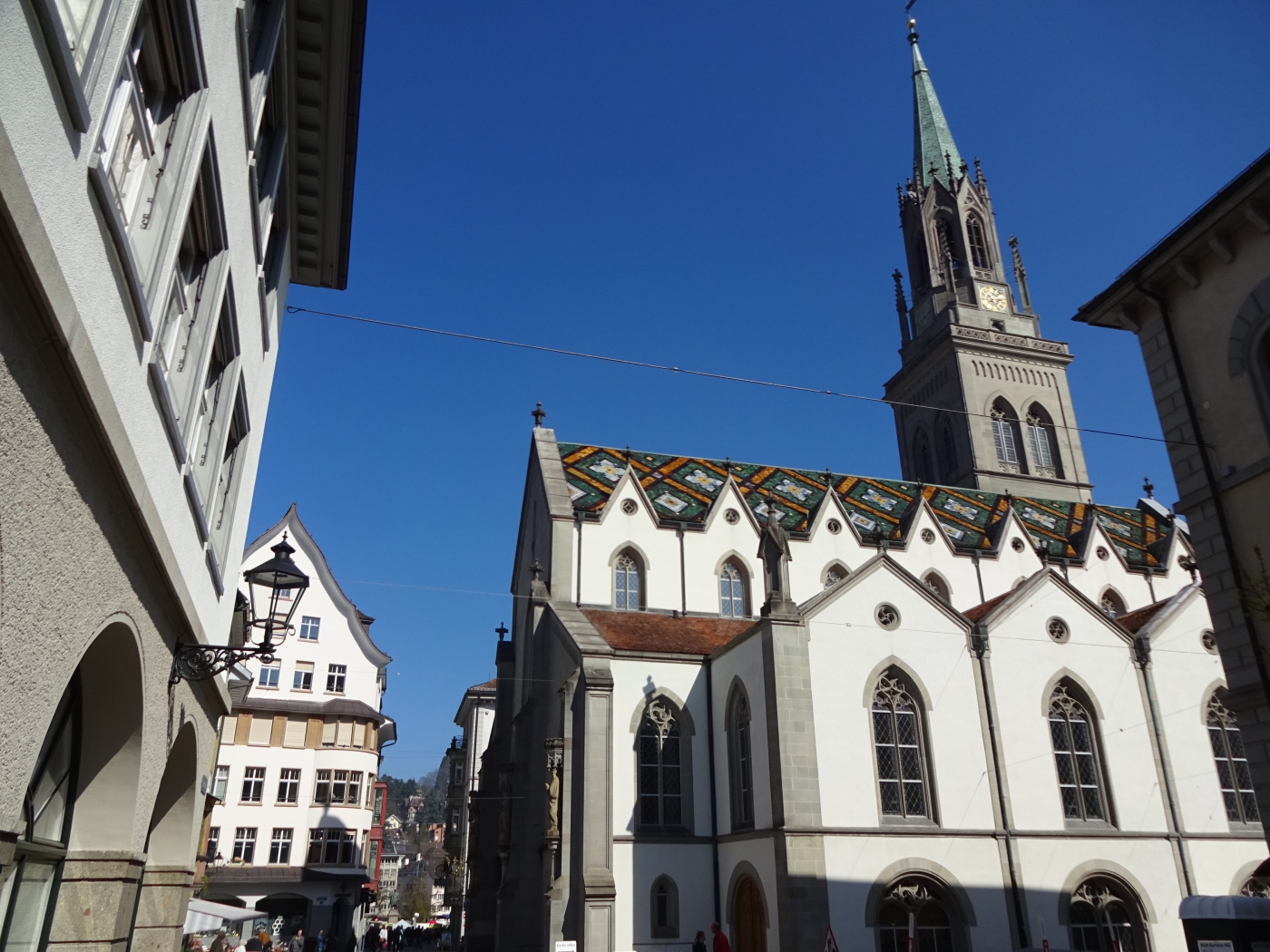
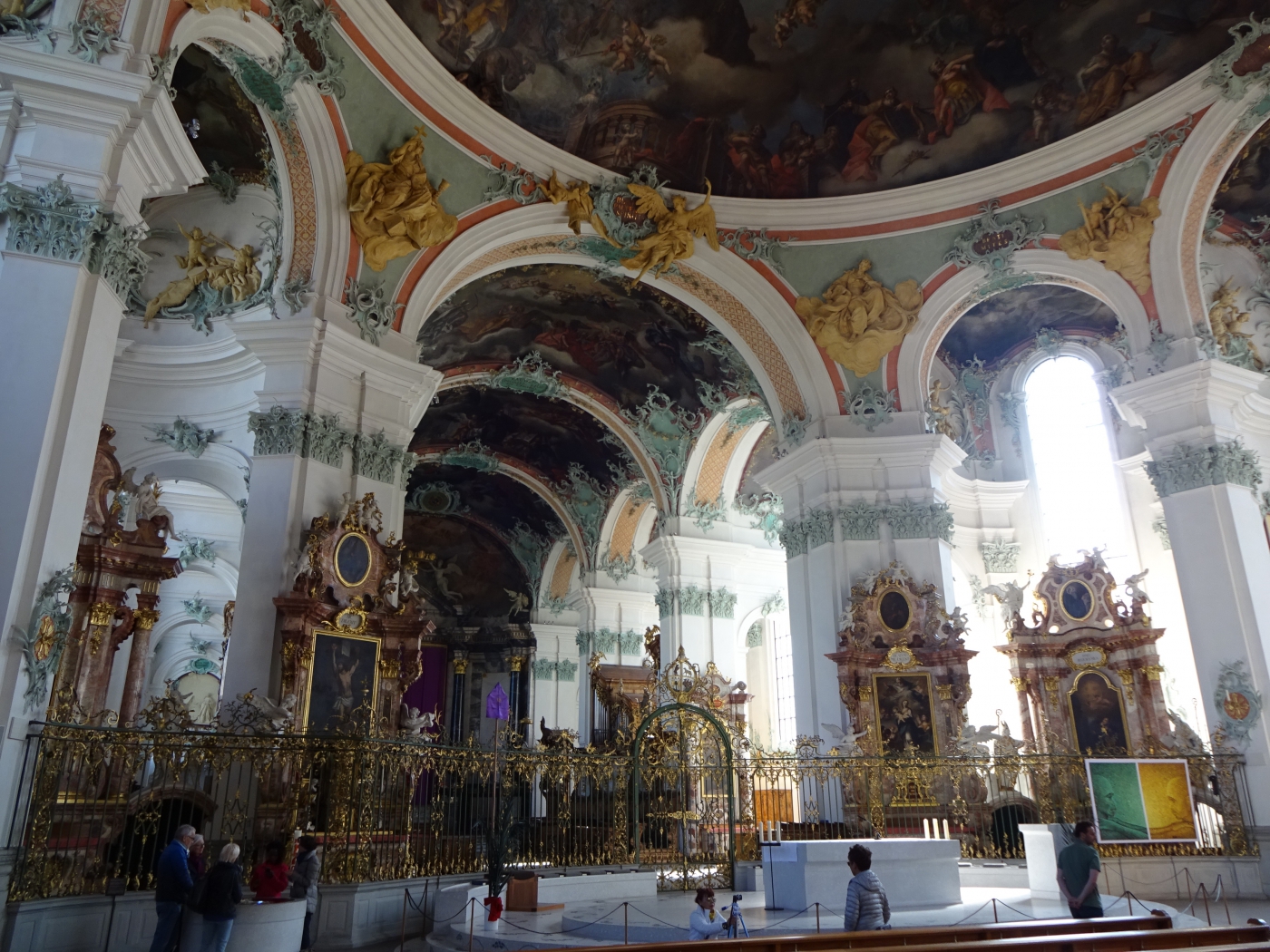
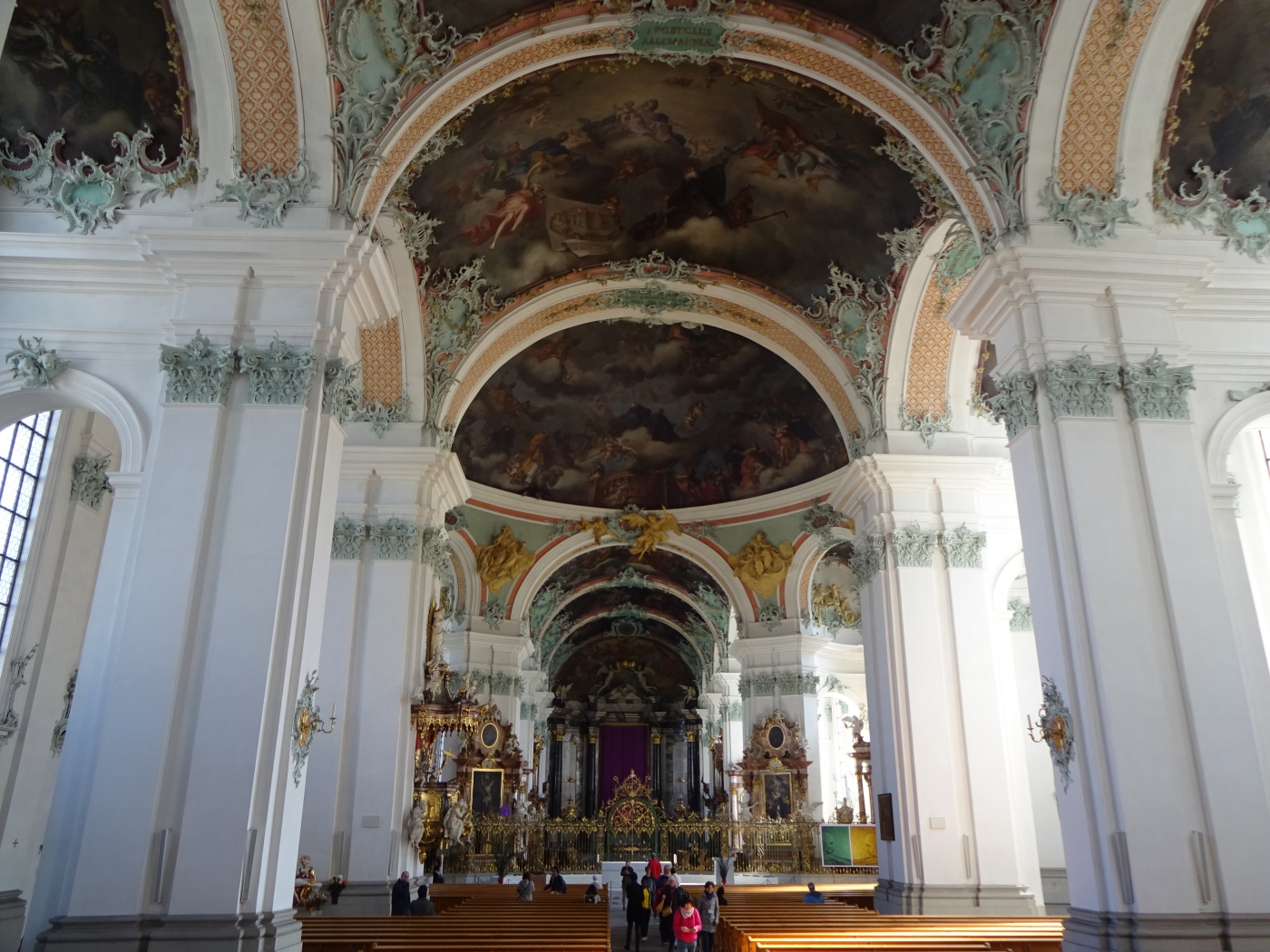
The current appearance of the abbey complex is largely due to its Baroque reconstruction in the 18th century. The magnificent Cathedral of St. Gall, with its distinctive twin towers, replaced earlier medieval structures and is considered one of the last monumental sacred buildings of the Baroque era. Its opulent interiors, frescoes, and stucco work are breathtaking. Alongside the cathedral, the Abbey Archives further underscore the institution’s rich history, housing documents spanning centuries. The entire precinct, with its courtyards and administrative buildings, vividly illustrates the life of a great European monastery. Today, the Abbey of St. Gall continues to inspire as a living monument to intellectual pursuit, artistic excellence, and spiritual devotion, reflecting the enduring legacy of monasticism in Europe.
Weiterführende Links
The Convent of St Gall, a perfect example of a great Carolingian monastery, was, from the 8th century to its secularization in 1805, one of the most important in Europe. Its library is one of the richest and oldest in the world and contains precious manuscripts such as the earliest-known architectural plan drawn on parchment. From 1755 to 1768, the conventual area was rebuilt in Baroque style. The cathedral and the library are the main features of this remarkable architectural complex, reflecting 12 centuries of continuous activity.
The Abbey of Saint Gall (German: Abtei St. Gallen) is a dissolved abbey (747–1805) in a Catholic religious complex in the city of St. Gallen in Switzerland. The Carolingian-era monastery existed from 719, founded by Saint Othmar on the spot where Saint Gall had erected his hermitage. It became an independent principality between 9th and 13th centuries, and was for many centuries one of the chief Benedictine abbeys in Europe. The library of the Abbey is one of the oldest monastic libraries in the world.
The city of St. Gallen originated as an adjoining settlement of the abbey. The abbey was secularized around 1800, and in 1848 its former church became St. Gallen Cathedral, the seat of the Diocese of Saint Gallen. Since 1983 the abbey precinct has been a UNESCO World Heritage Site.