Liverpool – Maritime Mercantile City
Liverpool, England
24.10.2016

The city of Liverpool, situated on the banks of the Mersey River, grew from a small tidal inlet into one of the world's foremost trading ports, earning its UNESCO World Heritage status as "Liverpool – Maritime Mercantile City." Its extraordinary development in the 18th and 19th centuries was fuelled by its pivotal role in the expansion of the British Empire and its dominance in global trade.
The Rise of a Global Port
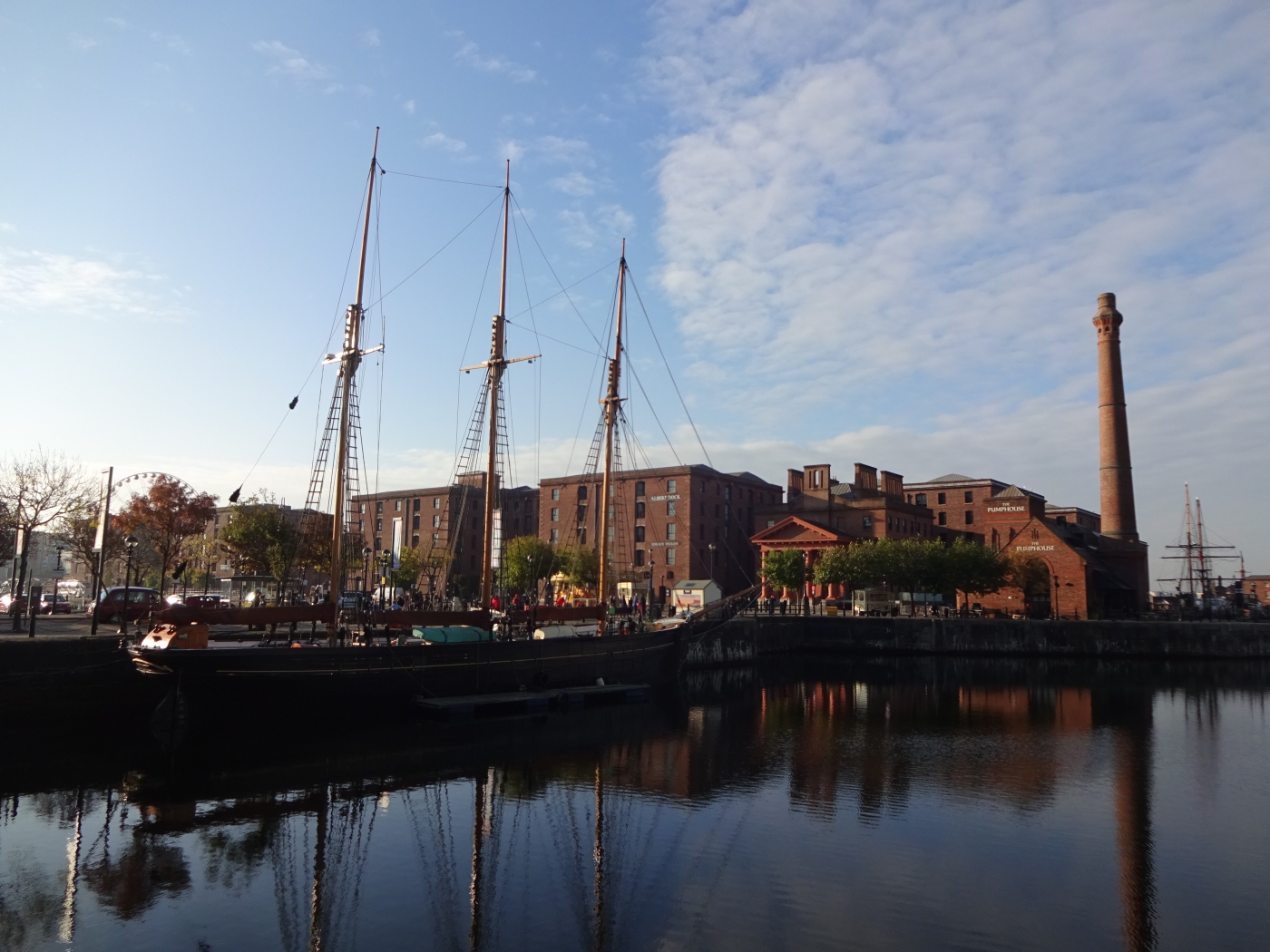
Liverpool's prosperity was initially built on the Atlantic Slave Trade, a dark chapter in its history that nevertheless established its maritime infrastructure and wealth. Following the abolition of slavery, the city reinvented itself, becoming a vital hub for emigration to the New World, particularly the United States and Canada, and a crucial gateway for the transport of raw materials and manufactured goods during the Industrial Revolution. Its innovative dock system, once the most advanced in the world, allowed for the rapid loading and unloading of ships, connecting Britain to every corner of the globe.
Architectural Marvels and Trade Power
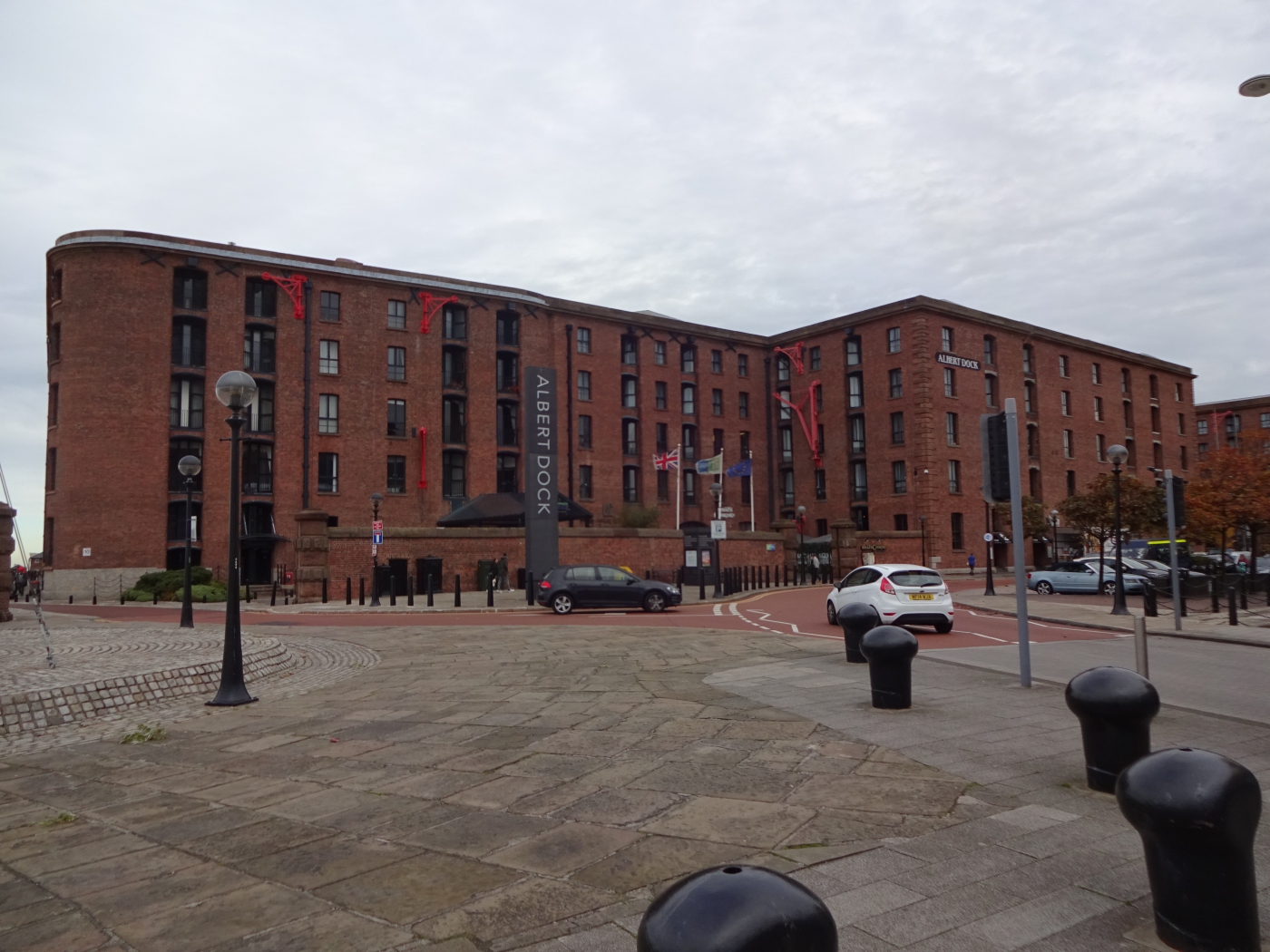
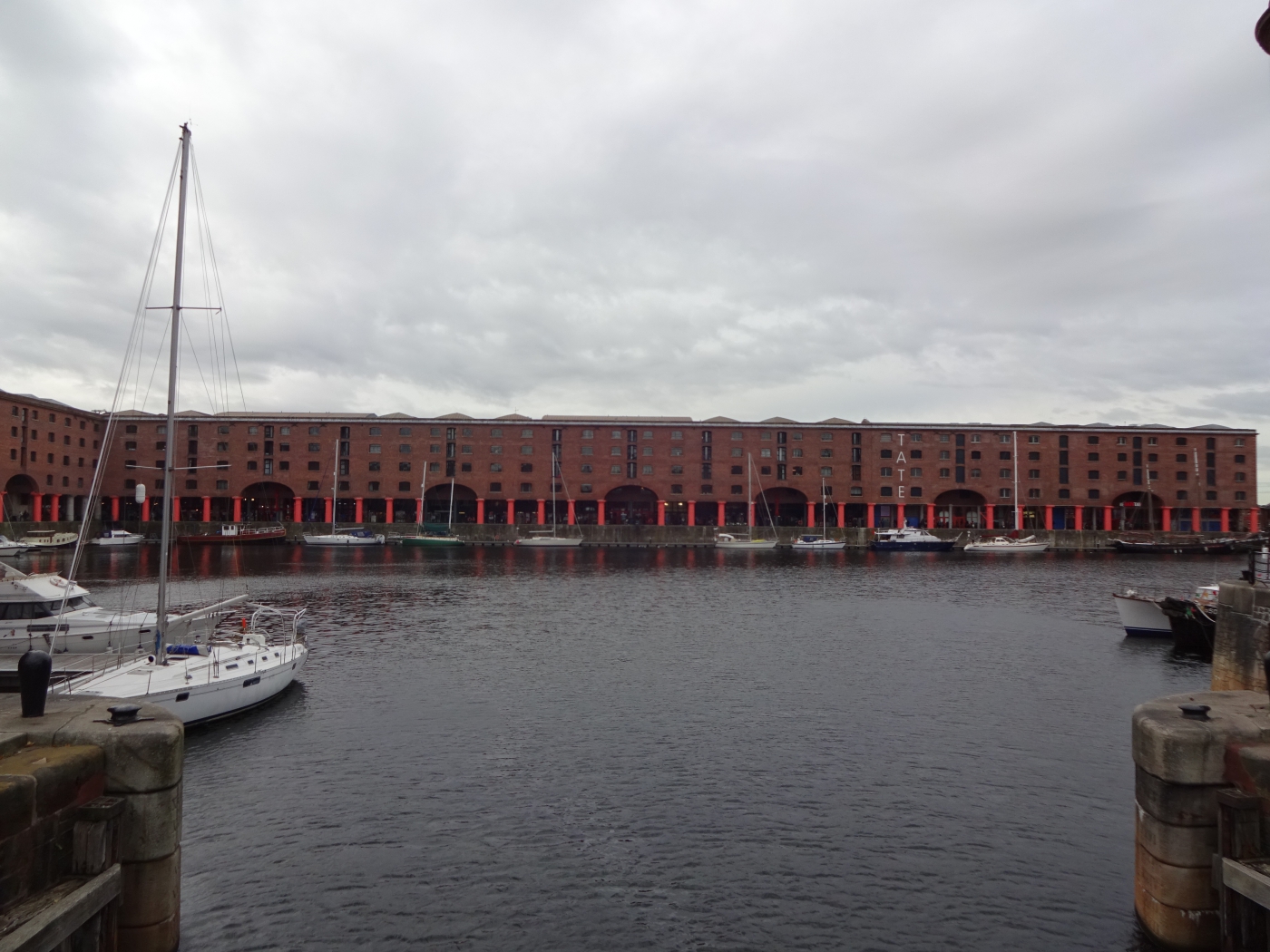
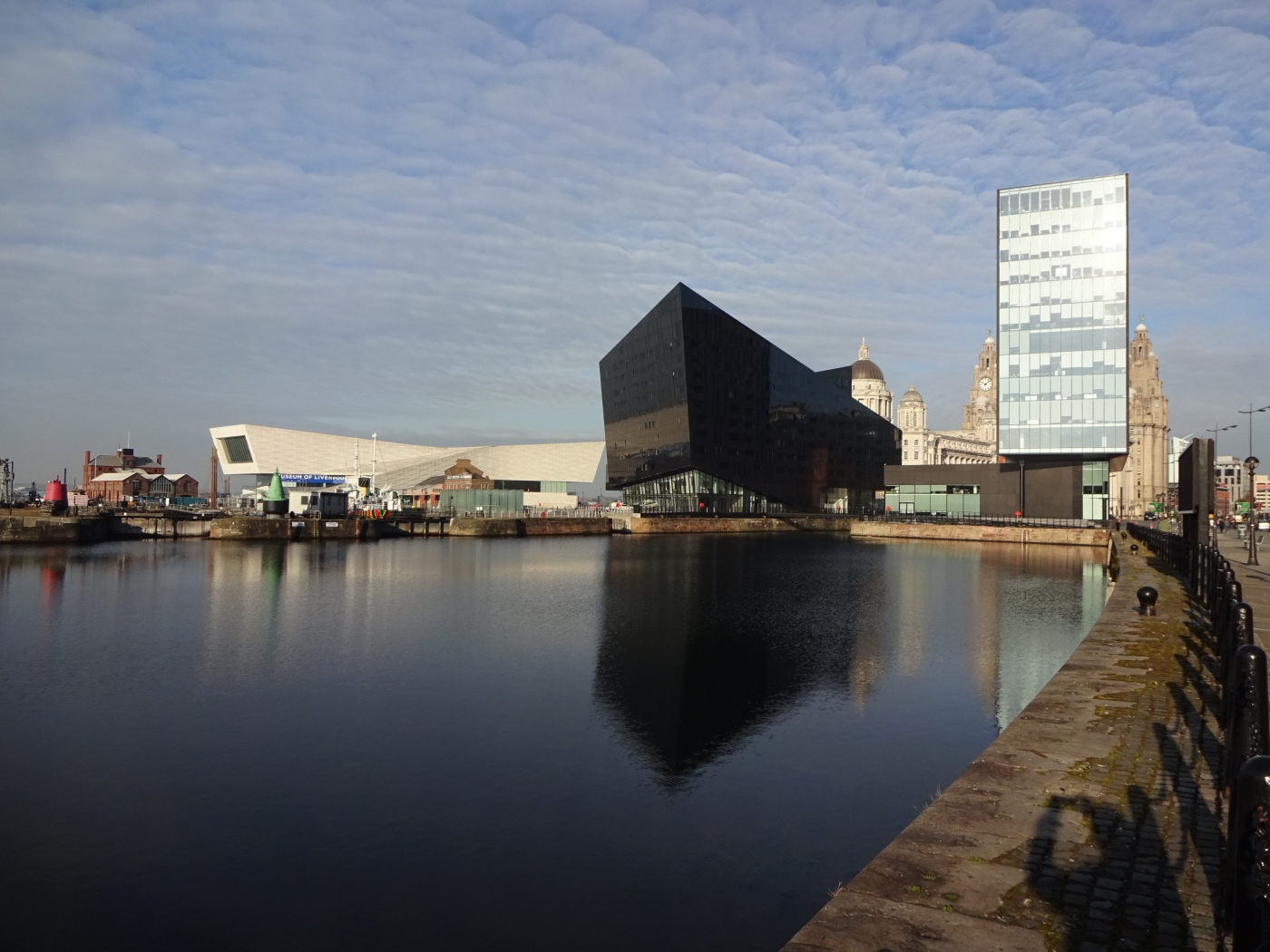
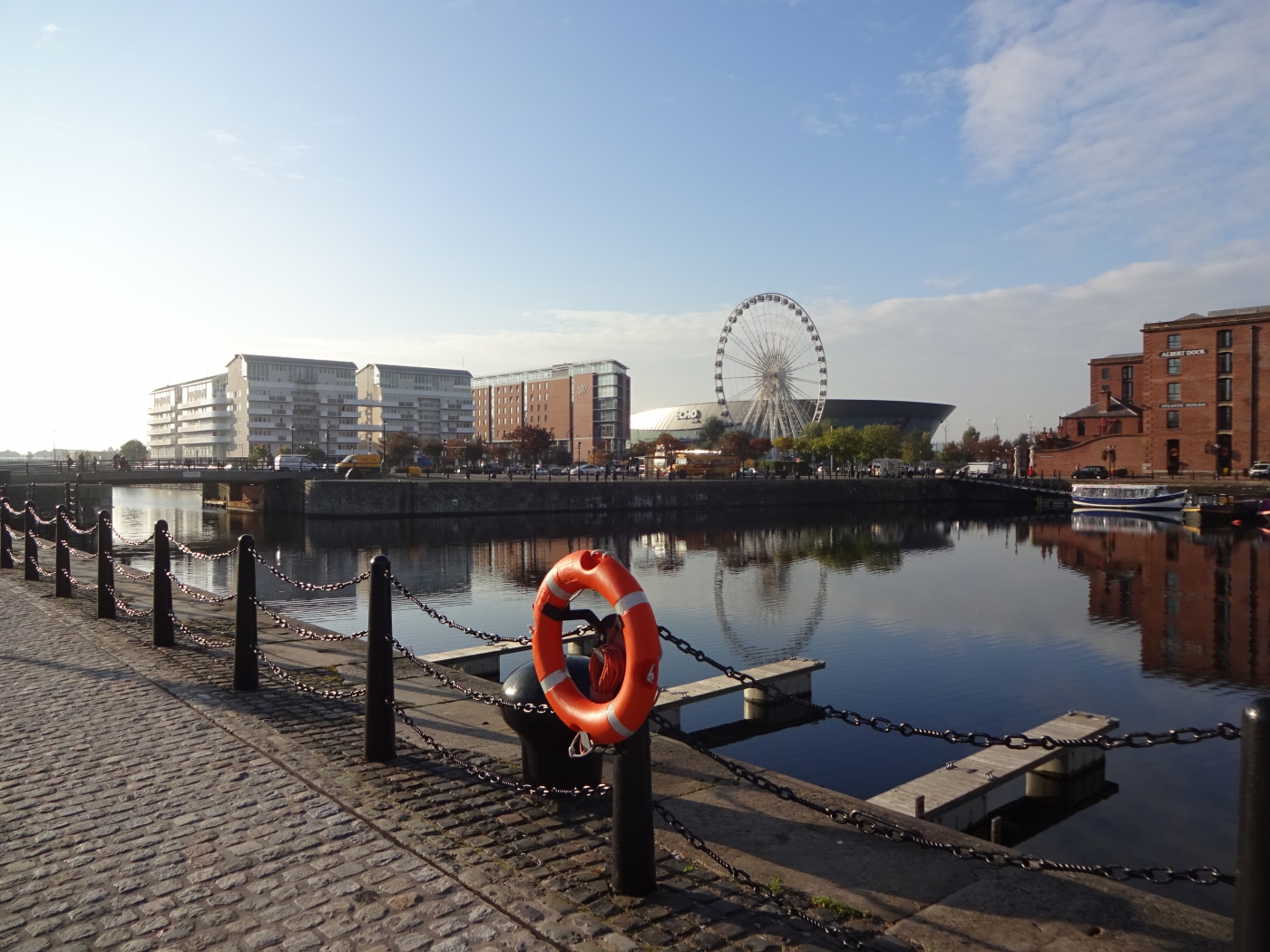
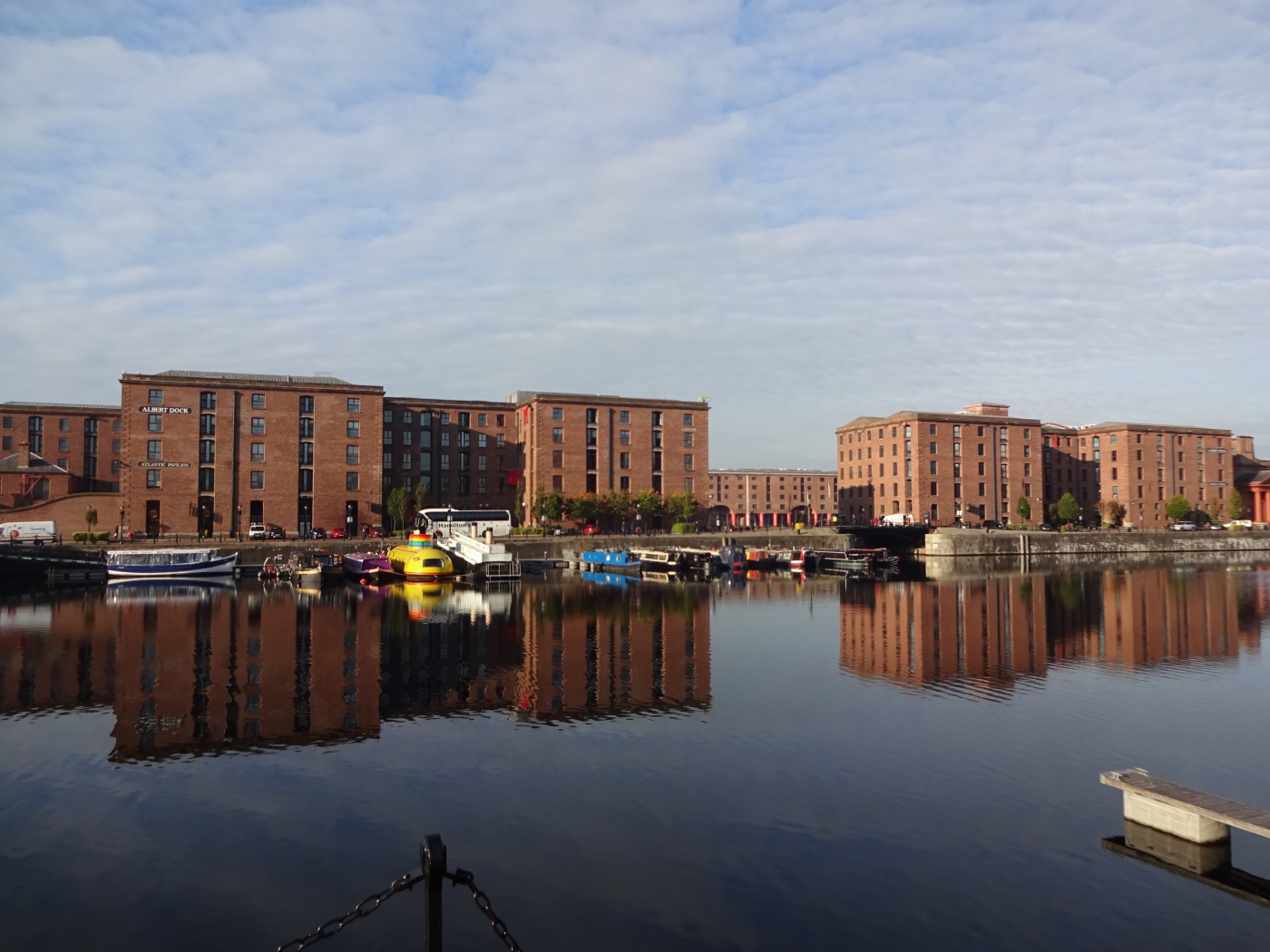
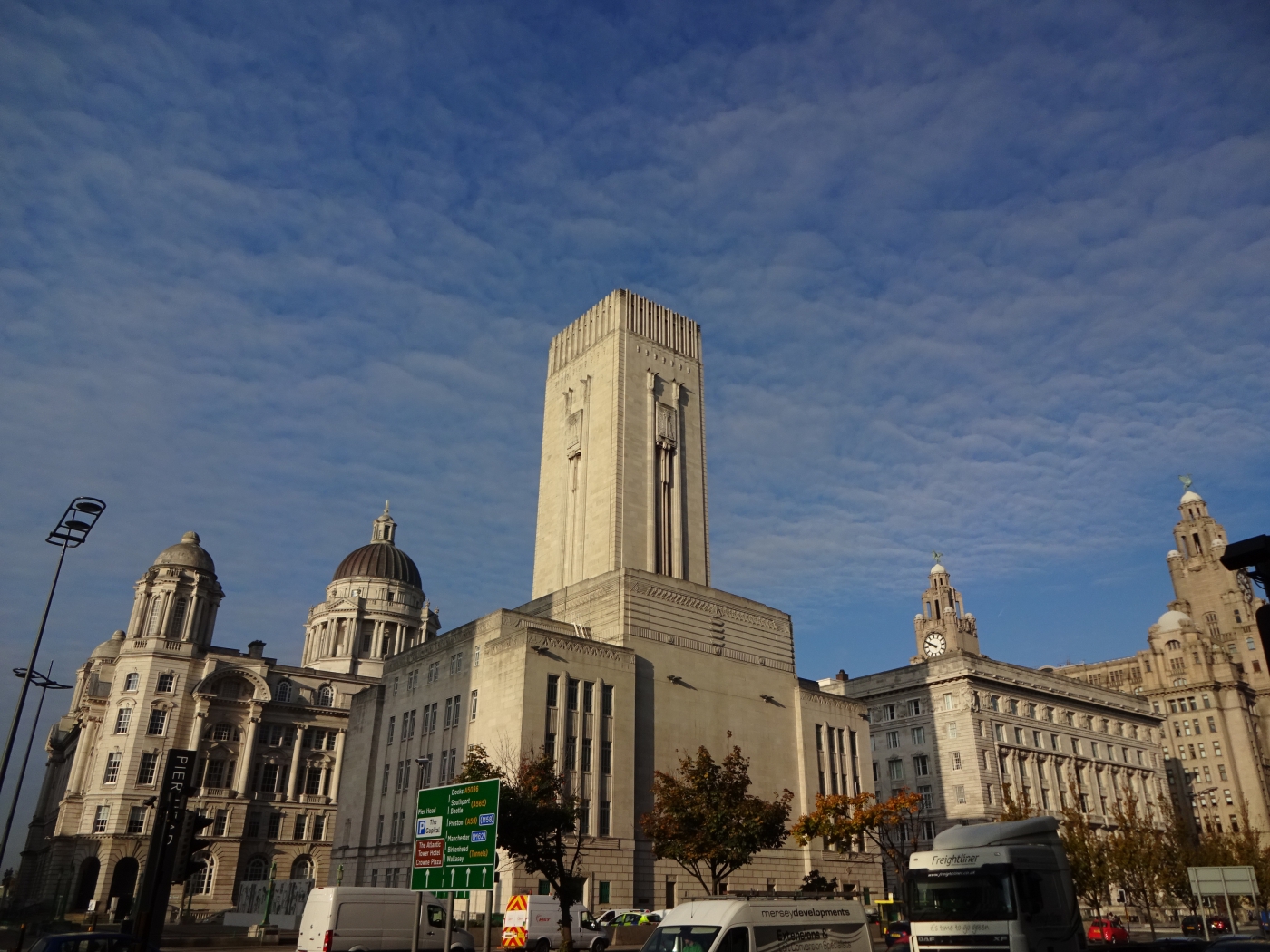
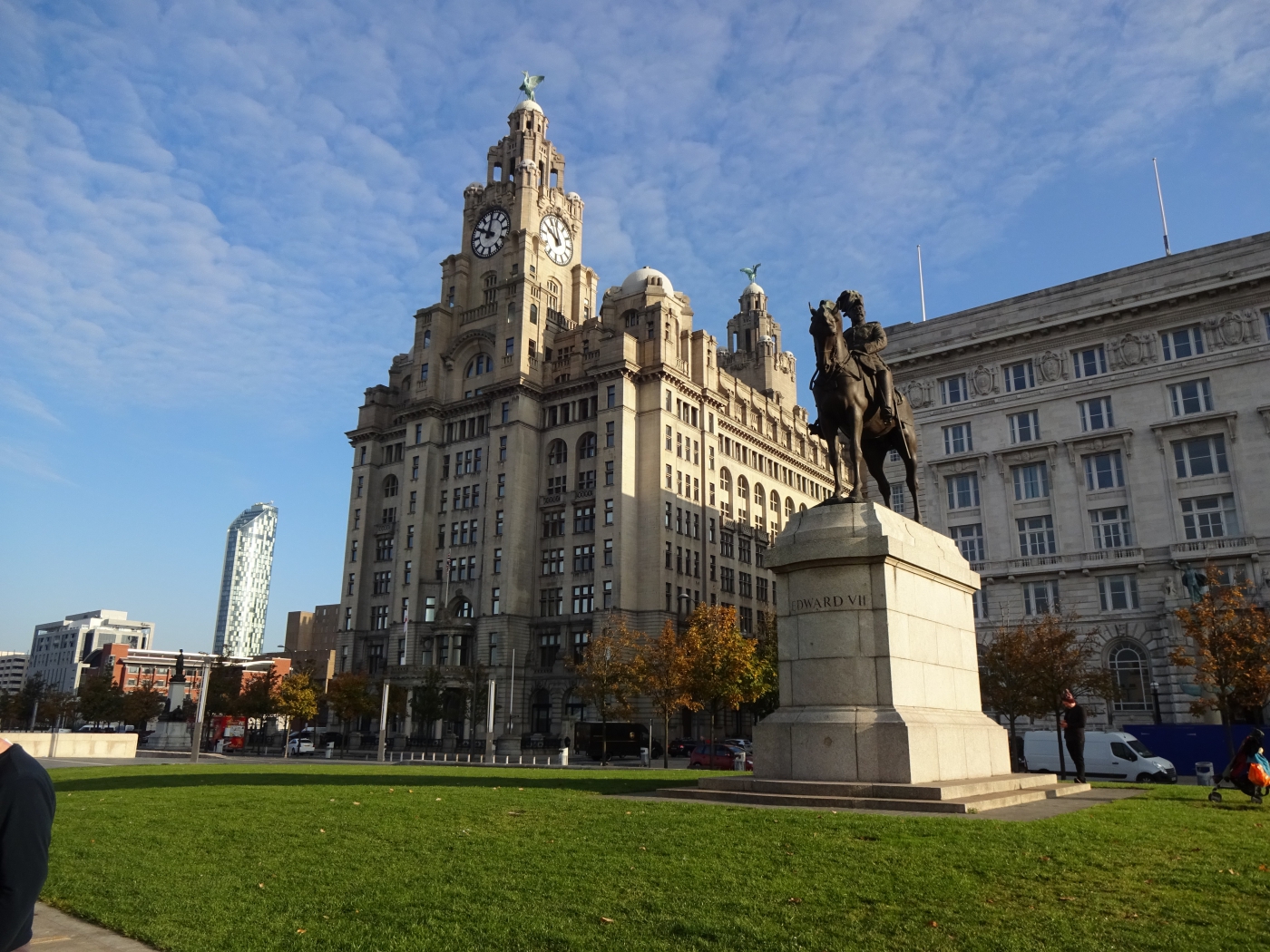
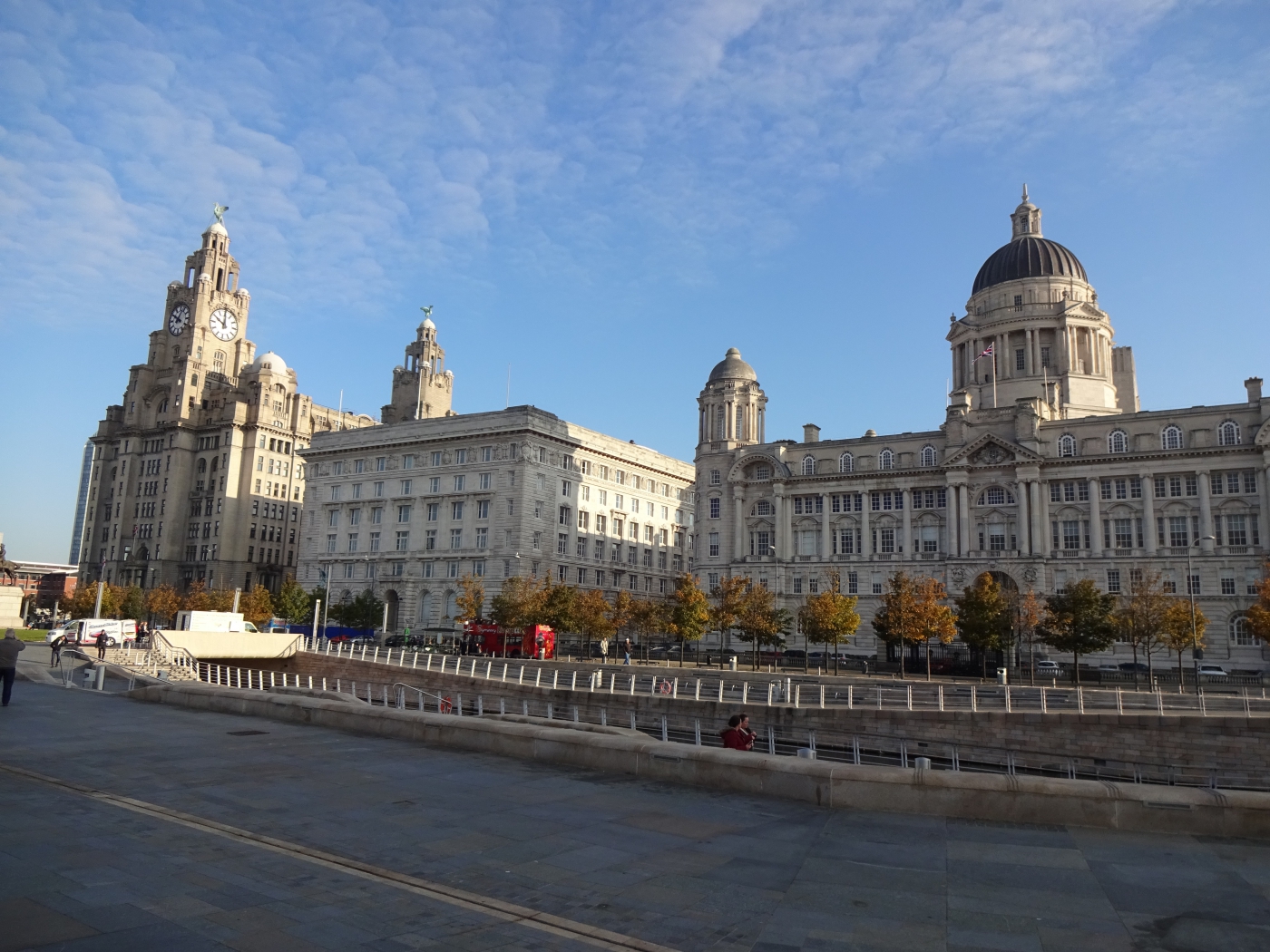
The architectural grandeur of Liverpool reflects its past economic might. The iconic Pier Head, a stunning ensemble of riverside buildings, encapsulates this era. Here stand the magnificent Royal Liver Building, the Cunard Building, and the Port of Liverpool Building – collectively known as the Three Graces. These edifices served as headquarters for shipping companies and administrative bodies, symbolizing the city's power and influence. Further inland, the Albert Dock, a revolutionary enclosed wet dock system, showcases pioneering construction techniques and was central to the port's operations, transforming the handling of goods and ships.
Legacy and Regeneration
While the original World Heritage site designation focused on six key areas illustrating Liverpool's maritime history, the city continues to embrace its legacy while undergoing significant regeneration. The port's historical significance lies not only in its physical structures but also in its profound impact on global culture, trade, and migration patterns, cementing its place as a city of international importance.
Weiterführende Links
Six areas in the historic centre and docklands of the maritime mercantile City of Liverpool bear witness to the development of one of the world’s major trading centres in the 18th and 19th centuries. Liverpool played an important role in the growth of the British Empire and became the major port for the mass movement of people, e.g. slaves and emigrants from northern Europe to America. Liverpool was a pioneer in the development of modern dock technology, transport systems and port management. The listed sites feature a great number of significant commercial, civic and public buildings, including St George’s Plateau.
Liverpool Maritime Mercantile City is a former UNESCO designated World Heritage Site in Liverpool, England, that comprised six locations in the city centre including the Pier Head, Albert Dock and William Brown Street, and many of the city's most famous landmarks.
UNESCO received Liverpool City Council's nomination for the six sites in 2003 and sent ICOMOS representatives to carry out an evaluation on the eligibility for these areas to be given World Heritage Site status. In 2004, ICOMOS recommended that UNESCO should award Liverpool Maritime Mercantile City World Heritage Site status. Its inclusion by UNESCO was attributed to it being "the supreme example of a commercial port at a time of Britain's greatest global influence."
In 2012, the site was added to the List of World Heritage in Danger due to the proposed Liverpool Waters project. In 2017, UNESCO warned that the site's status as a World Heritage Site was at risk of being revoked in light of contemporary development plans, with English Heritage asserting that the Liverpool Waters development would leave the setting of some of Liverpool's most significant historic buildings "severely compromised", the archaeological remains of parts of the historic docks "at risk of destruction", and "the city's historic urban landscape [...] permanently unbalanced."
In 2021, Liverpool City Council's planning committee approved Everton F.C.'s new £500 million football stadium in Bramley-Moore Dock, within Liverpool Waters. This decision was ratified by the Secretary of State for Housing, Communities and Local Government, Robert Jenrick. Following this, UNESCO's World Heritage Committee voted to revoke the site's World Heritage status.