Catherine Palace - Historic Centre of Saint Petersburg and Related Groups of Monuments
Puschkin, Russian Federation
22.07.2016

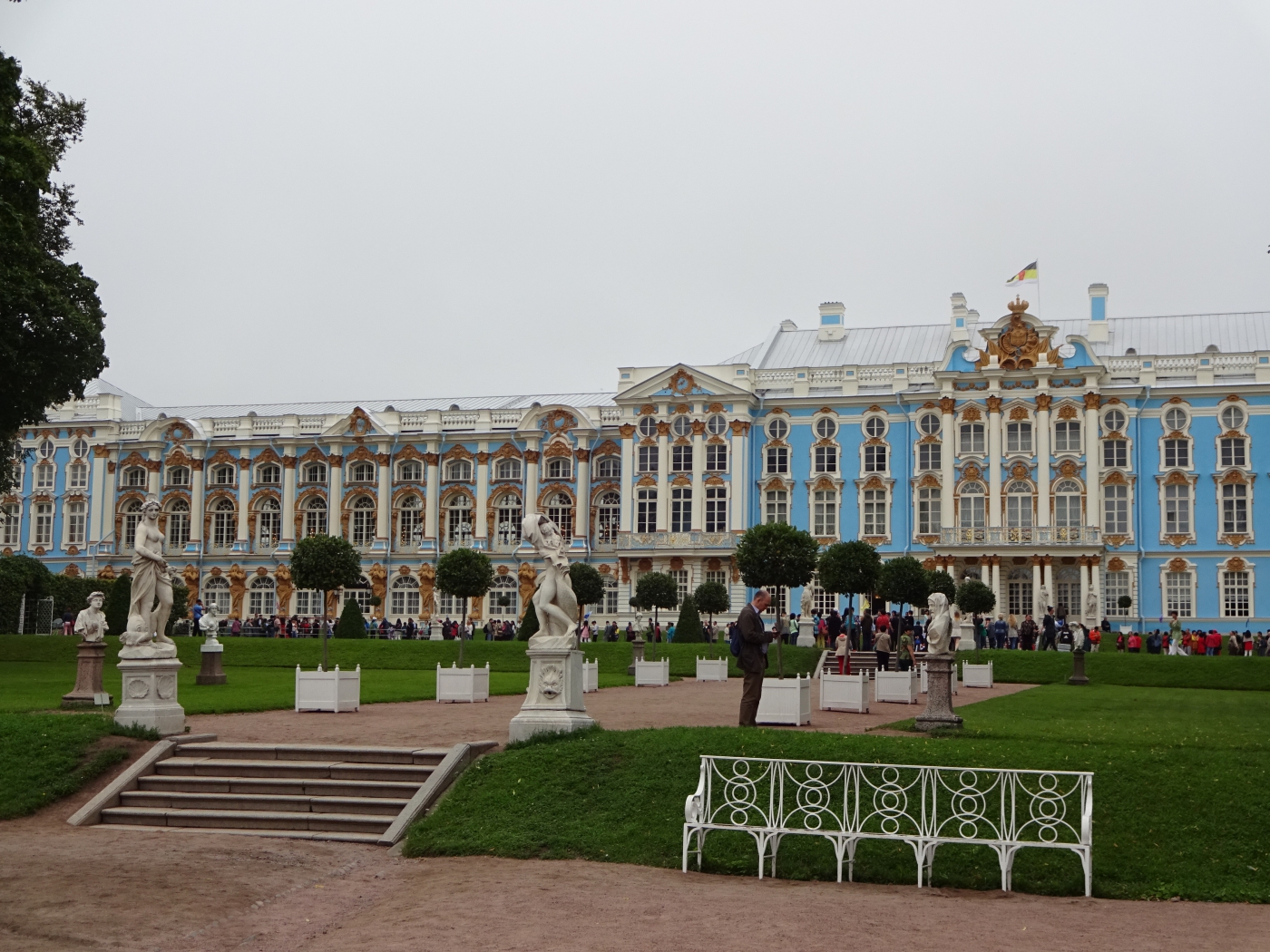
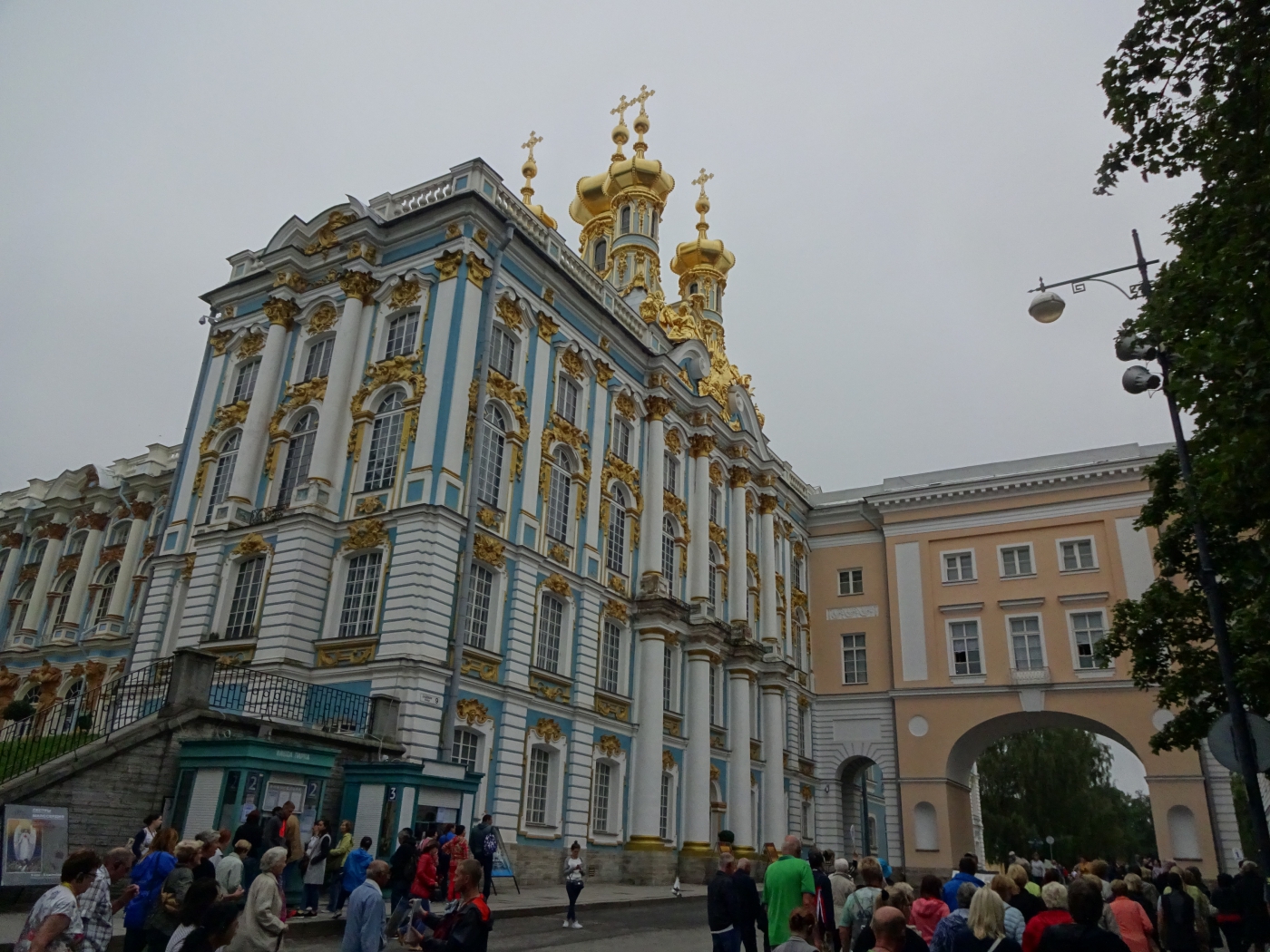
The magnificent Catherine Palace, nestled in the city of Pushkin, within the Russian Federation, stands as a prime example of imperial grandeur and artistic triumph. This former imperial summer residence, part of the "Historical Centre of Saint Petersburg and Related Groups of Monuments," is proudly recognized as a UNESCO World Heritage site. Originally known as Tsarskoye Selo, it embodies the zenith of 18th-century Russian architecture.
A Regal Genesis and Rococo Splendor
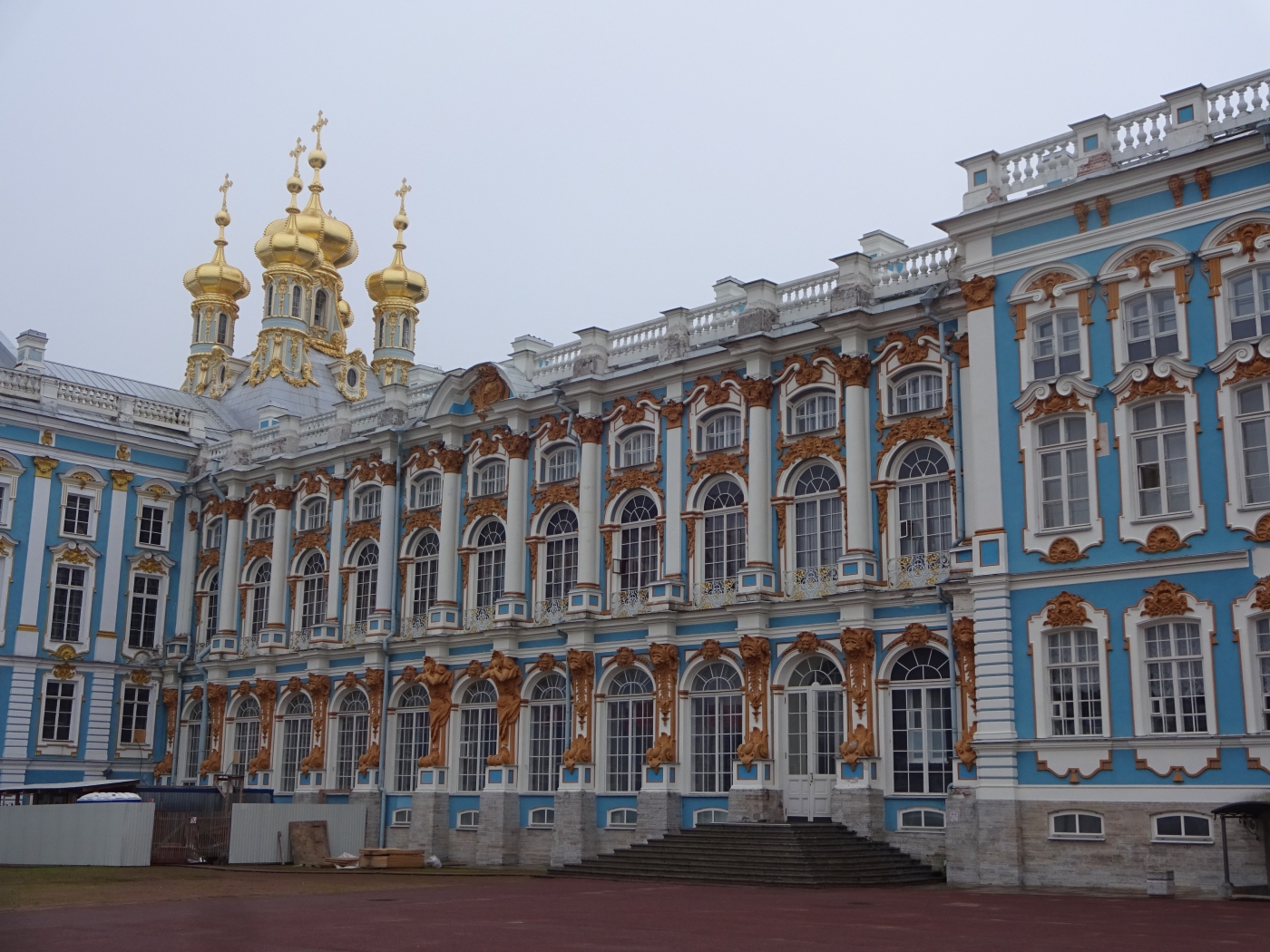
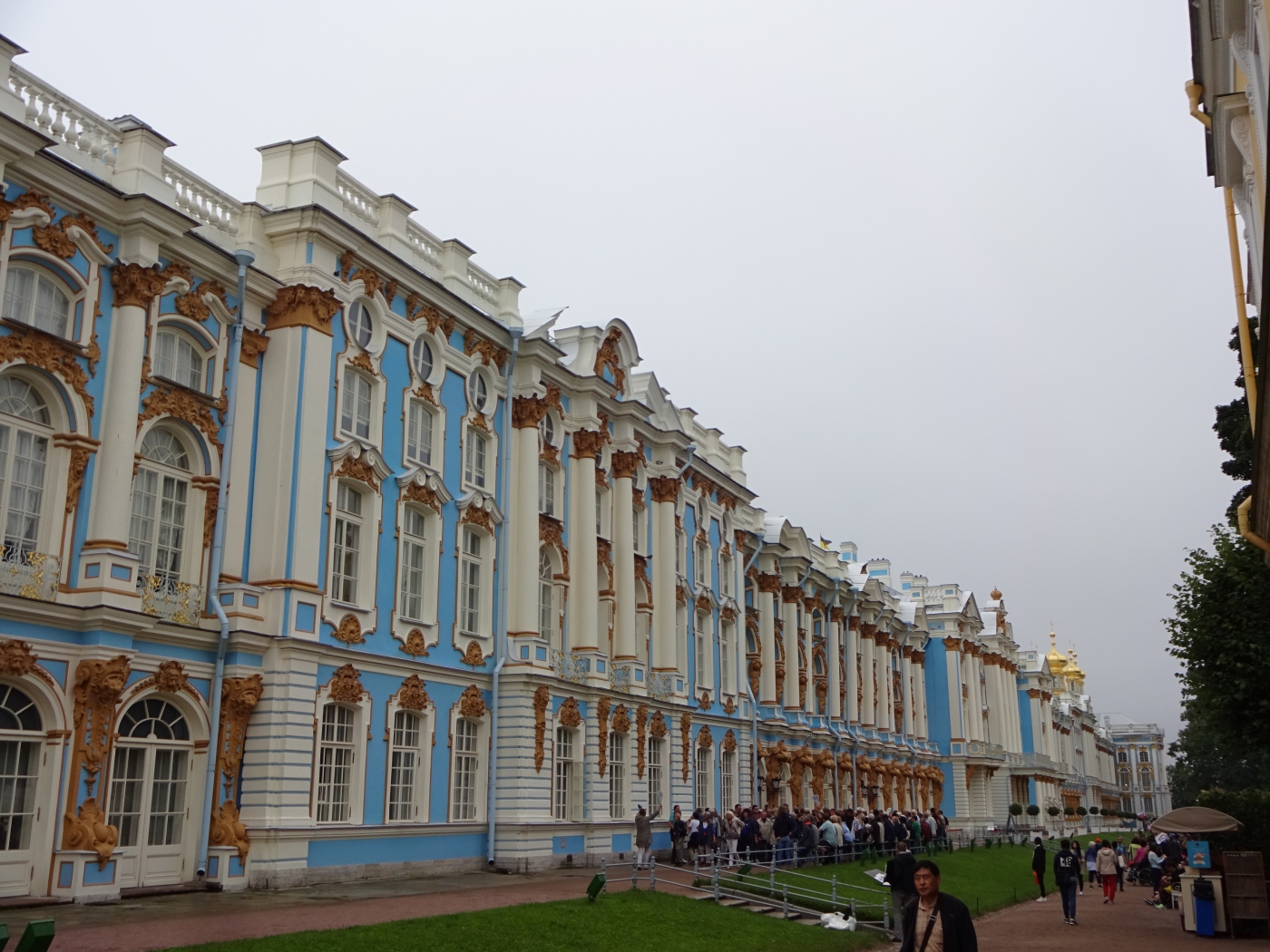
The palace's journey began modestly in 1717 under Catherine I. However, it was her daughter, Empress Elizabeth, who transformed it into the colossal spectacle seen today. Elizabeth commissioned the esteemed Italian architect Bartolomeo Francesco Rastrelli in 1743 to embark on a complete redesign. Rastrelli's vision resulted in an extraordinary 300-meter-long edifice, celebrated for its gilded stucco, intricate carvings, and an iconic azure-and-white façade, becoming a masterpiece of Rococo architecture.
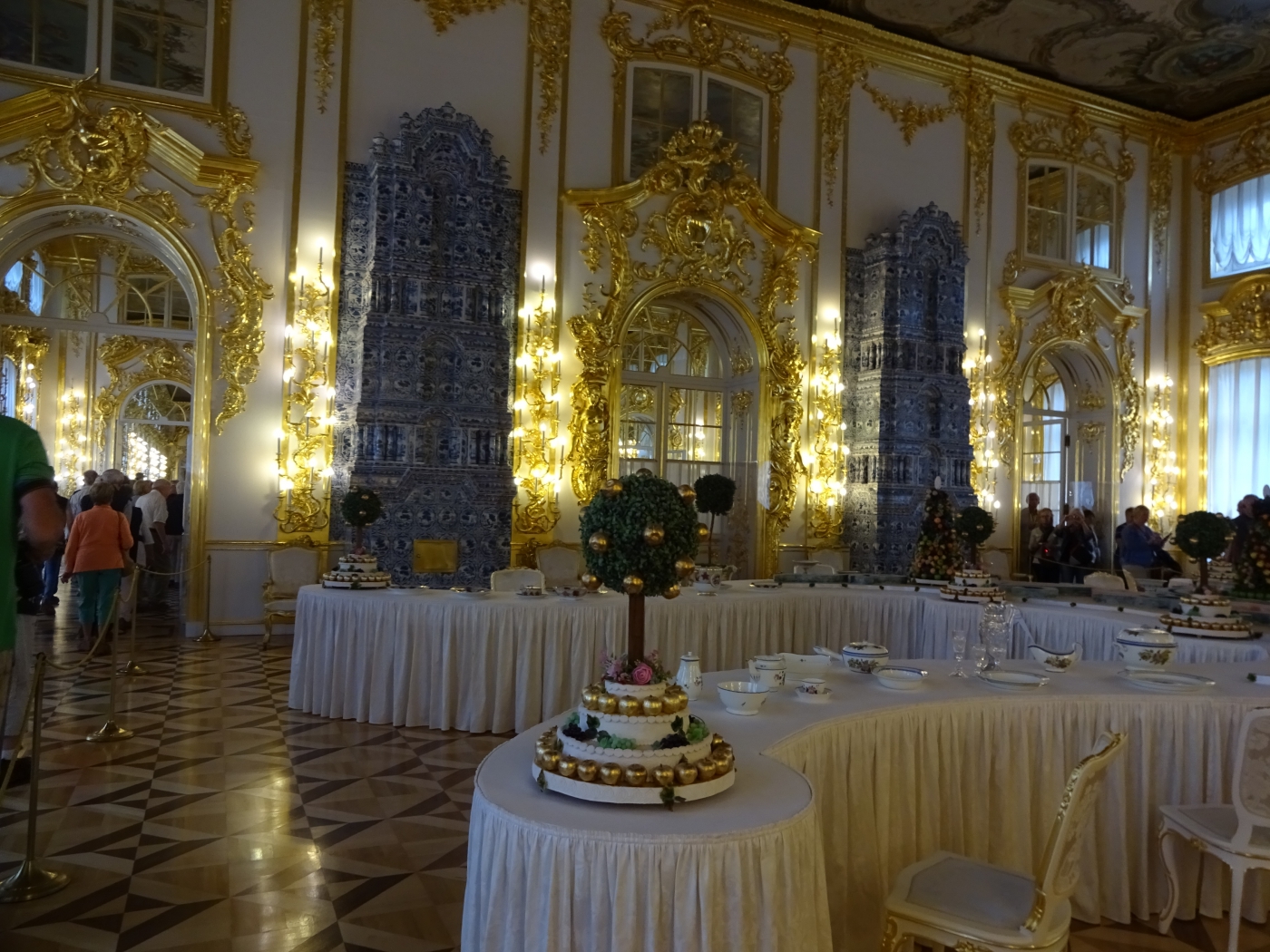
Inside, the opulence continued with lavish halls, none more famous than the legendary Amber Room. Originally a gift from Frederick William I of Prussia to Peter the Great, this chamber, adorned entirely with amber panels, gold leaf, and mirrors, was painstakingly installed and enhanced here. Later, during the reign of Catherine the Great, while admiring Rastrelli’s work, she introduced elements of Neoclassicism through architects like Charles Cameron and Giacomo Quarenghi, adding refined interiors and new wings.
Legacy of Art and Resilience
The palace faced immense destruction during World War II. Occupied by Nazi Germany forces during the Siege of Leningrad, the palace was severely damaged, and the original Amber Room was tragically looted, its fate remaining one of history's great mysteries. Following the war, a monumental and meticulous restoration project began. The complete reconstruction of the Amber Room, a twenty-year endeavor, was finally unveiled in 2003, restoring its shimmering beauty for future generations.
Today, the Catherine Palace symbolizes not just imperial extravagance but also remarkable endurance. Its magnificent architecture, extensive parklands, and meticulously restored interiors continue to captivate visitors, offering a profound journey into Russian royal history and an enduring testament to cultural preservation.
Weiterführende Links
The 'Venice of the North', with its numerous canals and more than 400 bridges, is the result of a vast urban project begun in 1703 under Peter the Great. Later known as Leningrad (in the former USSR), the city is closely associated with the October Revolution. Its architectural heritage reconciles the very different Baroque and pure neoclassical styles, as can be seen in the Admiralty, the Winter Palace, the Marble Palace and the Hermitage.
The Catherine Palace (Russian: Екатерининский дворец, romanized: Yekaterininskiy dvorets, IPA: [jɪkətʲɪˈrʲinʲɪnskʲɪj dvɐˈrʲets]) is a Rococo palace in Tsarskoye Selo (Pushkin), located 30 kilometres (19 mi) south of St. Petersburg, Russia. It was the summer residence of the Russian tsars. The palace is part of the World Heritage Site Saint Petersburg and Related Groups of Monuments.
The Historic Centre of Saint Petersburg and Related Groups of Monuments is the name used by UNESCO when it collectively designated the historic core of the Russian city of St. Petersburg, as well as buildings and ensembles located in the immediate vicinity as a World Heritage Site in 1991.
The site was recognised for its architectural heritage, fusing Baroque, Neoclassical, and traditional Russian-Byzantine influences.