Margravial Opera House Bayreuth
Bayreuth, Germany
18.06.2018

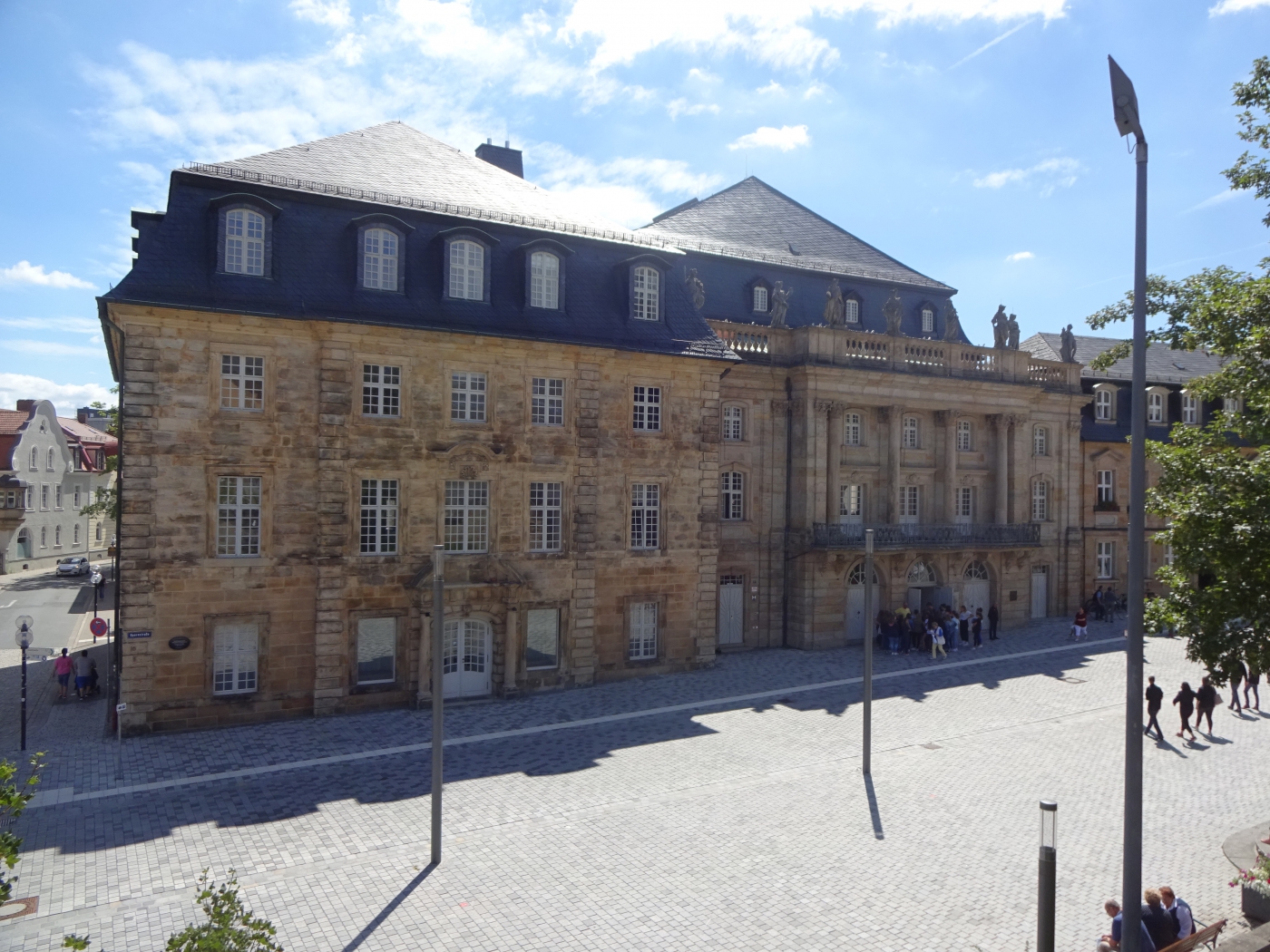
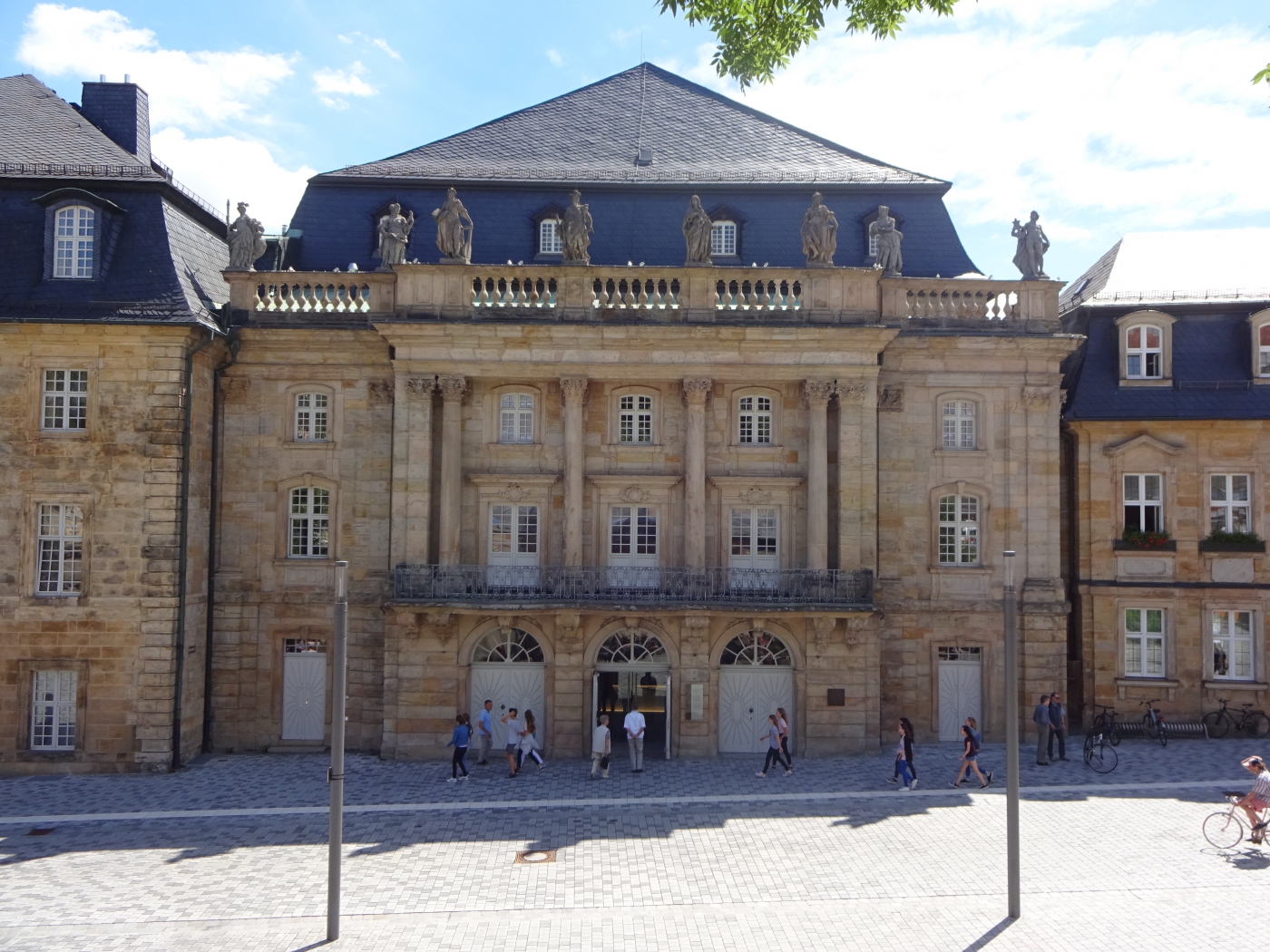
The Margravial Opera House in Bayreuth, Germany, stands as an exceptional monument to Baroque court theatre architecture, embodying the lavish artistic ambitions of its time. Inscribed as a UNESCO World Heritage site in 2012, it is a rare and remarkably well-preserved example of an 18th-century opera house built for an aristocratic audience.
A Vision of Grandeur
Commissioned by Margravine Wilhelmine of Bayreuth, the sister of Frederick the Great of Prussia, the opera house was constructed between 1745 and 1750. Wilhelmine, an influential patron of the arts, sought to transform Bayreuth into a vibrant cultural center, mirroring the grand courts of Europe. Her vision for a truly magnificent theatre culminated in this masterpiece.
Architectural Brilliance
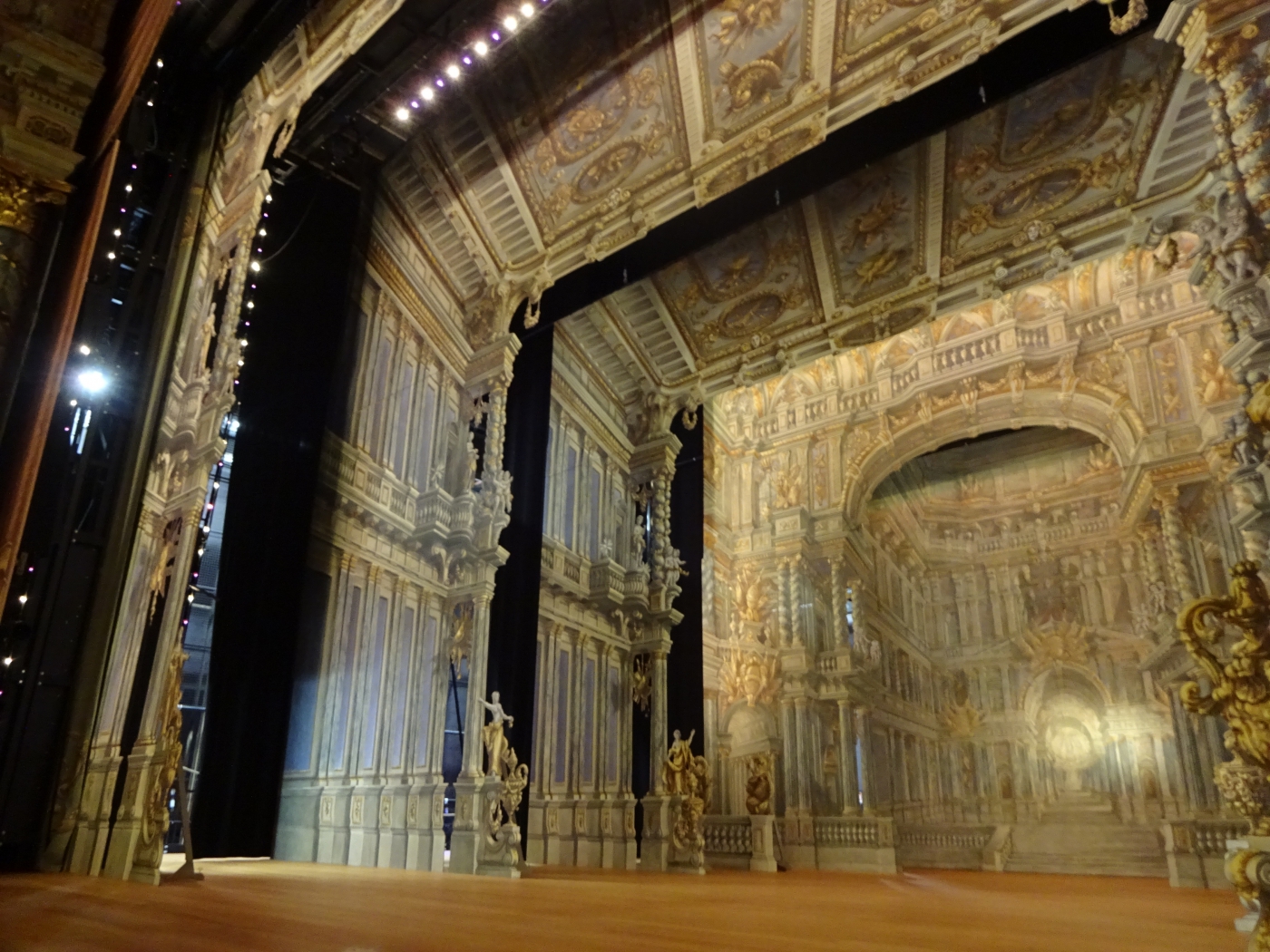
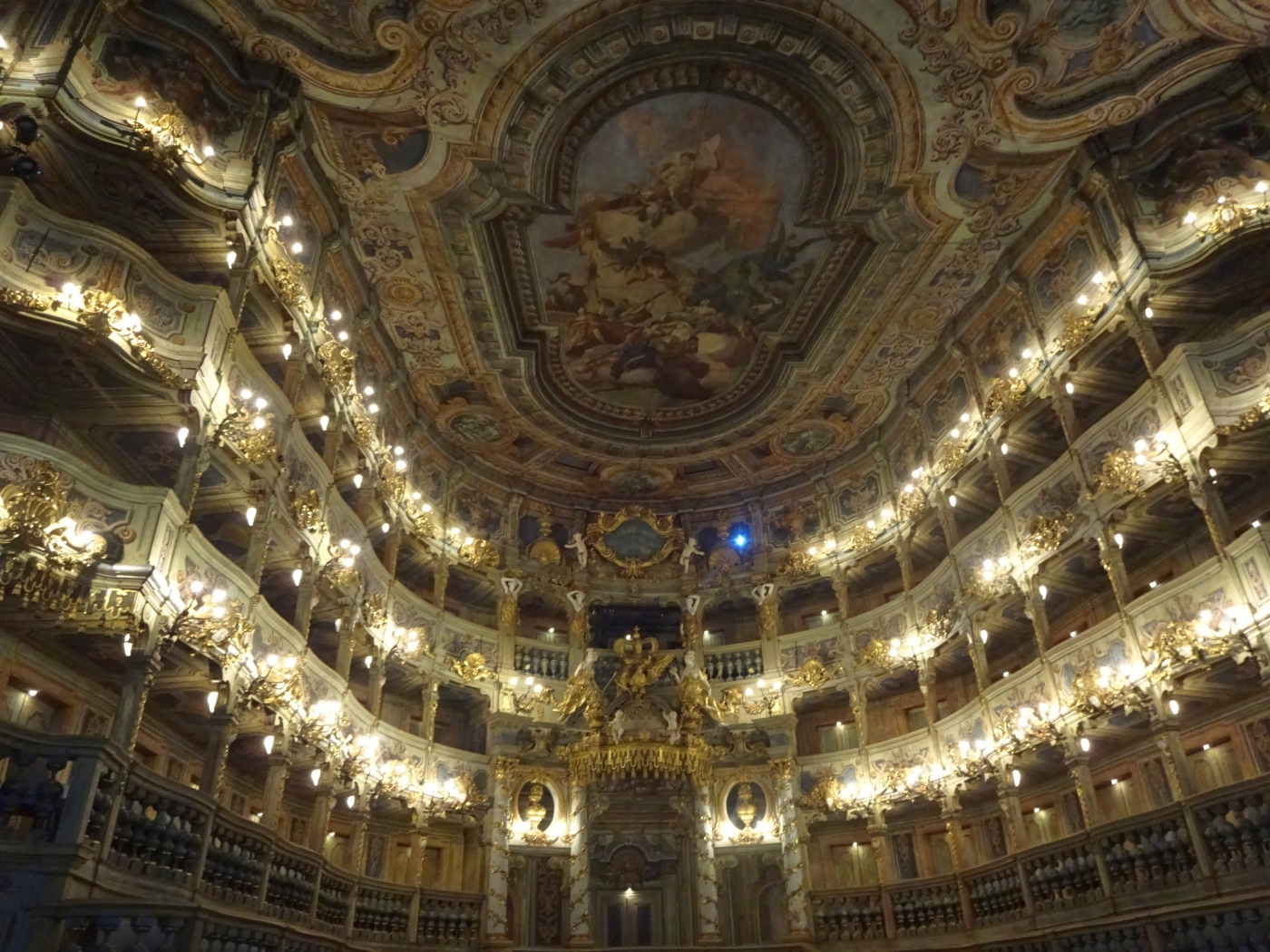
The design and construction were primarily overseen by the renowned Italian theatre architect Giuseppe Galli Bibiena, one of the most celebrated stage designers of his era. His son, Carlo Galli Bibiena, completed much of the interior work, including the spectacular loge theatre and the intricate ceiling frescoes. The interior is almost entirely made of wood, giving it remarkable acoustics and a warm, inviting atmosphere. Its stunning trompe l'oeil painting creates an illusion of depth and grandeur, extending the stage area into an infinite space. The horseshoe-shaped auditorium, with its five tiers of gilded boxes, is characteristic of Baroque opera houses but is unique in its scale and preservation.
A Living Legacy
The opera house was primarily used for state occasions and theatrical performances, including operas and ballets, during Wilhelmine's lifetime. After her death in 1758, its golden age gradually faded. Despite this, it has survived largely intact, a testament to its robust construction and historical significance. Today, after extensive restoration work, it continues to host performances, allowing visitors to experience the unparalleled splendor of 18th-century court culture.
UNESCO Recognition
Its inscription on the UNESCO World Heritage List acknowledges its outstanding universal value as a unique example of Baroque court architecture and a testament to the brief flowering of an independent principality's cultural life in the 18th century. It offers an authentic glimpse into the lavish entertainment of Europe's aristocracy.
Weiterführende Links
A masterpiece of Baroque theatre architecture, built between 1745 and 1750, the Opera House is the only entirely preserved example of its type where an audience of 500 can experience Baroque court opera culture and acoustics authentically, as its auditorium retains its original materials, i.e. wood and canvas. Commissioned by Margravine Wilhelmine, wife of Frederick, Margrave of Brandenburg–Bayreuth, it was designed by the renowned theatre architect Giuseppe Galli Bibiena. As a court opera house in a public space, it foreshadowed the large public theatres of the 19th century. The highly decorated theatre’s tiered loge structure of wood with illusionistic painted canvas represents the ephemeral ceremonial architectural tradition that was employed in pageants and celebrations for princely self-representation.
The Margravial Opera House (German: Markgräfliches Opernhaus) is a Baroque opera house in the town of Bayreuth, Germany. Built between 1745 and 1750, it is one of Europe's few surviving theatres of the period and has been extensively restored. On 30 June 2012, the opera house was added to the UNESCO World Heritage List because of its exceptional Baroque architecture.