Wartburg Castle
Eisenach, Germany
19.06.2018

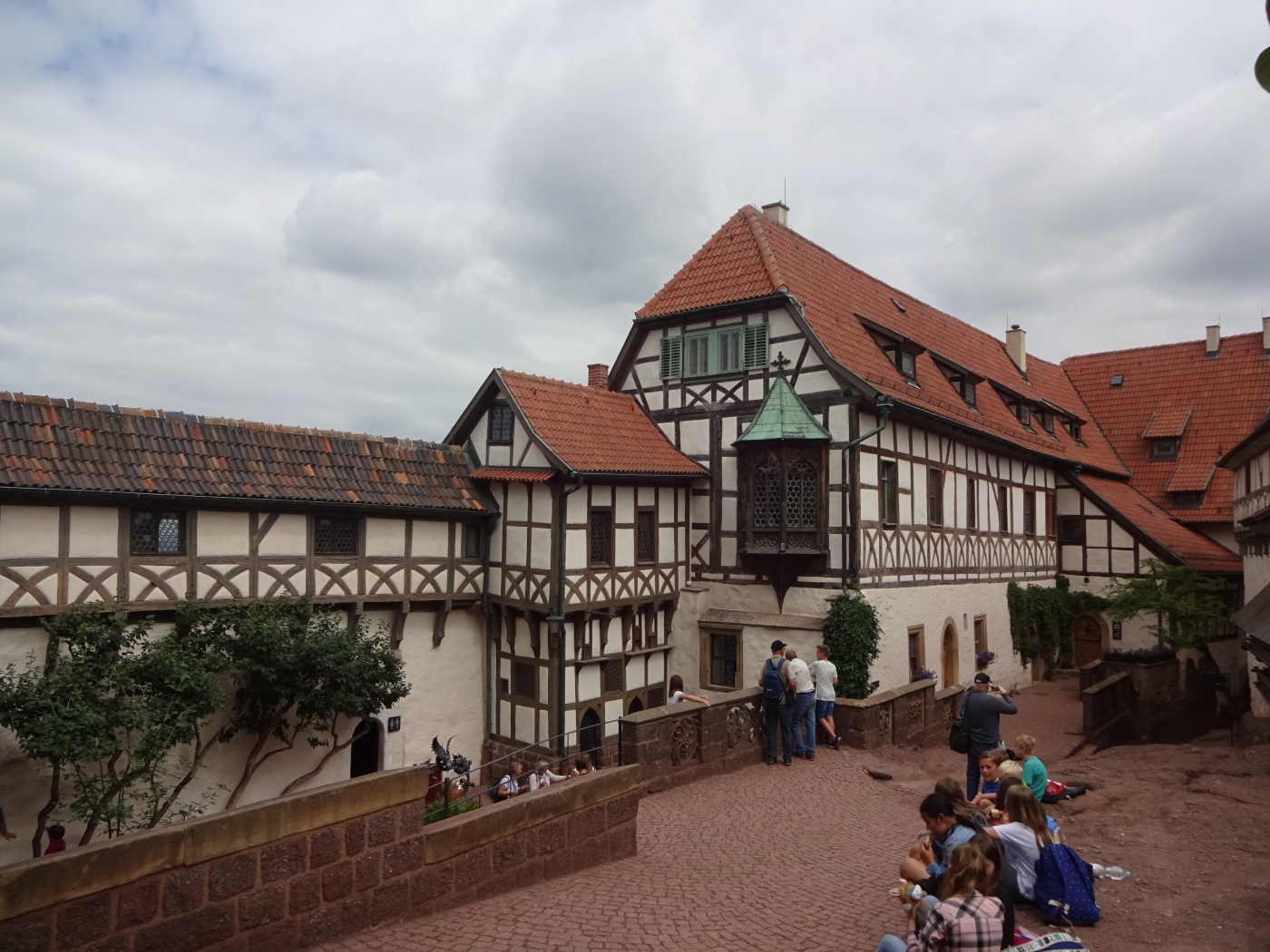
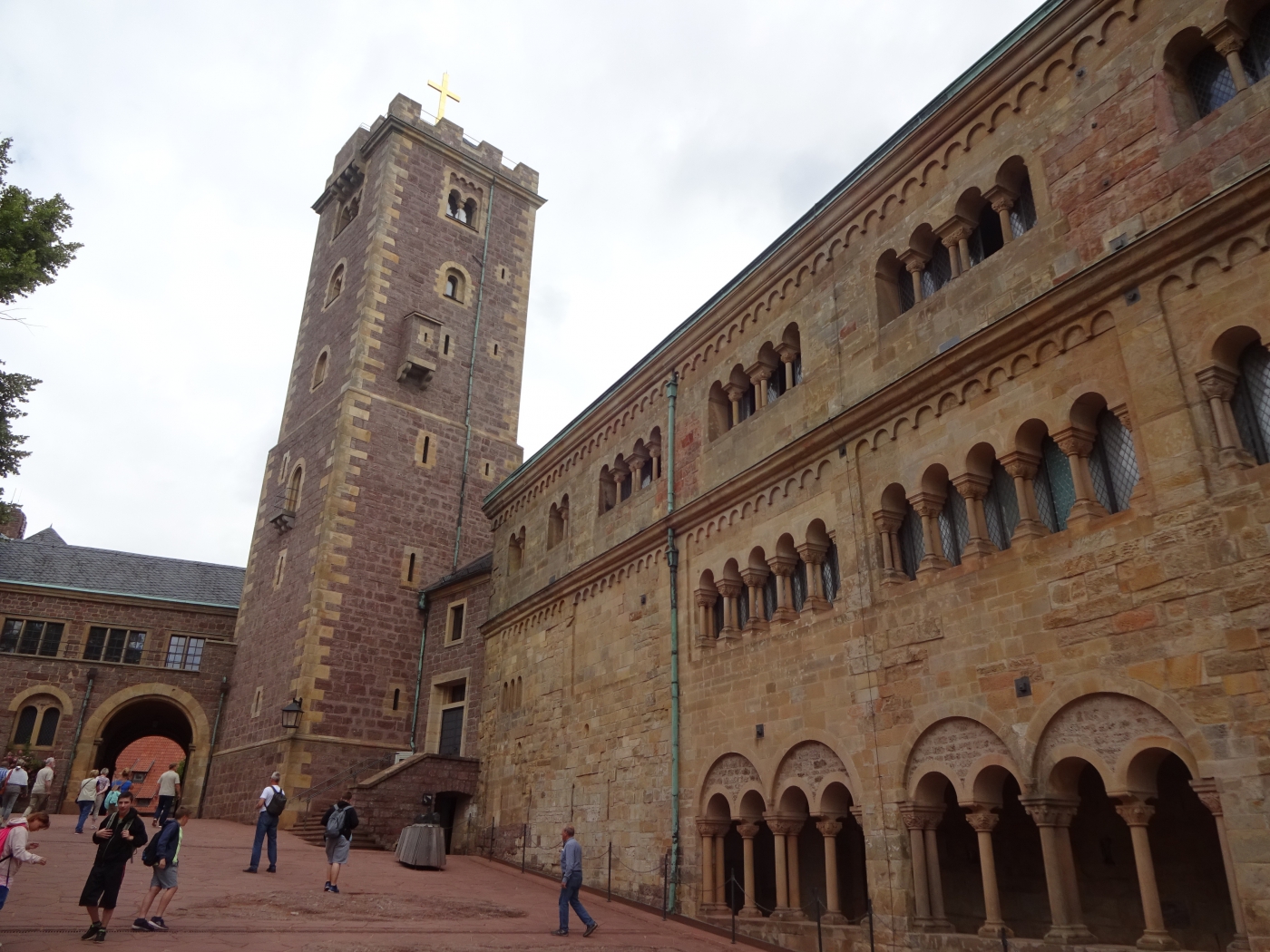
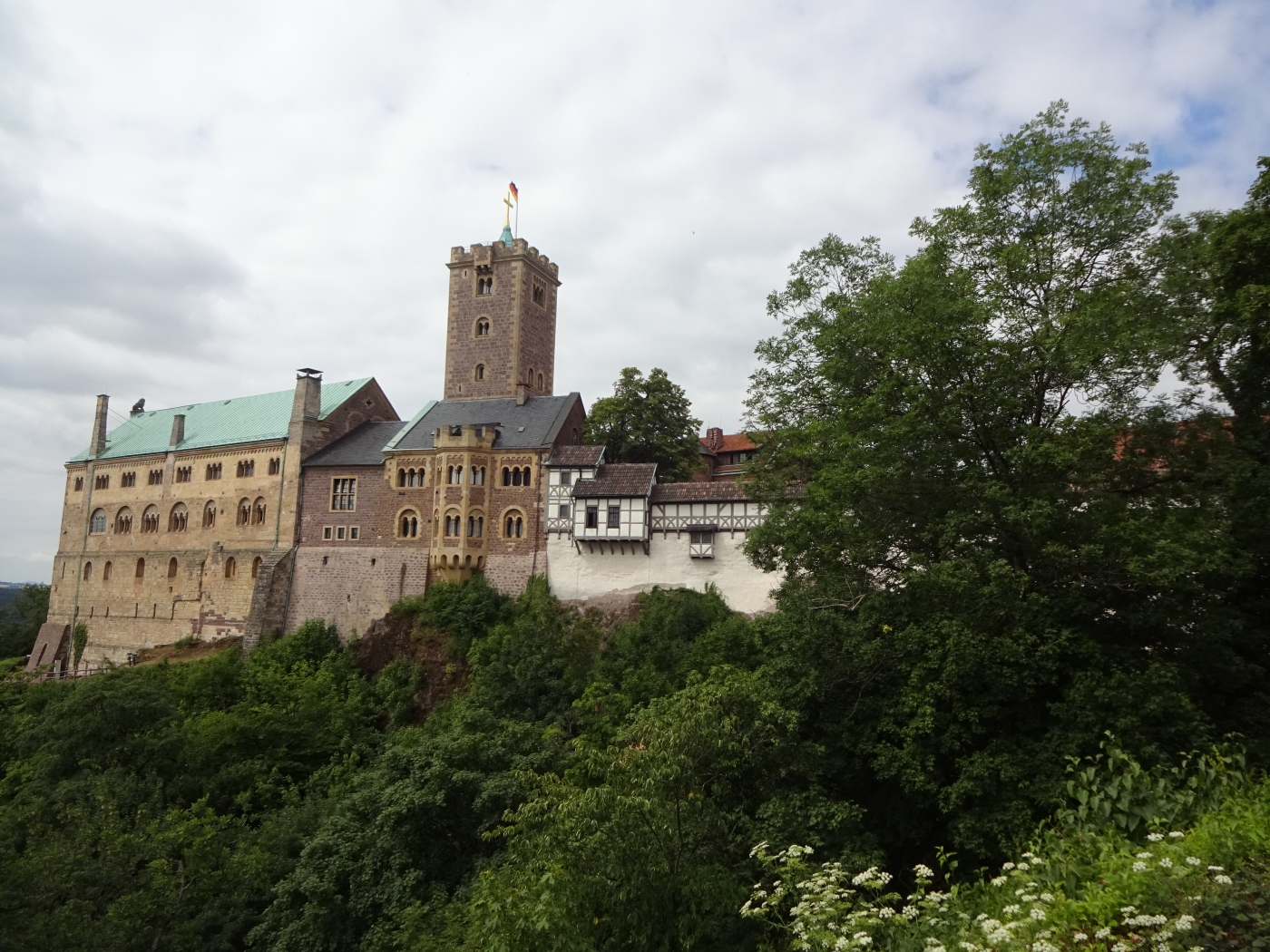
Perched majestically above the town of Eisenach in Thuringia, Germany, Wartburg Castle is an architectural masterpiece and a pivotal site in European history. Inscribed on the UNESCO World Heritage list in 1999, it stands as a remarkably preserved example of a feudal castle from the High Middle Ages, embodying profound cultural, spiritual, and political significance.
A Medieval Stronghold
The castle’s foundation is traditionally attributed to Count Louis the Springer in 1067. Over centuries, Wartburg Castle evolved from a formidable fortress into a cultural beacon. In the early 13th century, Saint Elisabeth of Hungary, later canonized, lived here, dedicating herself to charitable works and transforming the castle into a symbol of pious compassion.
Luther's Refuge and Reformation Impact
Perhaps its most famous resident was Martin Luther. After being excommunicated and declared an outlaw in 1521, Luther sought refuge at Wartburg Castle. Disguised as "Junker Jörg," he spent ten months translating the New Testament from Greek into German. This monumental task resulted in the Luther Bible, profoundly shaping the German language and playing a crucial role in the Protestant Reformation.
A Symbol of German Identity
Beyond religious connections, Wartburg Castle became a powerful symbol for German nationalism and Romanticism in the 19th century. It hosted the Wartburgfest in 1817, where German student fraternities advocated for a unified German state and liberal reforms. This event solidified the castle’s role as a beacon of political and cultural awakening. Its preservation and restoration further cemented its image as an idealized German castle.
Today, Wartburg Castle continues to captivate. Its Outstanding Universal Value is recognized for its exceptional preservation, its tangible connections to key historical figures like Saint Elisabeth of Hungary and Martin Luther, and its enduring influence on German culture and national identity.
Weiterführende Links
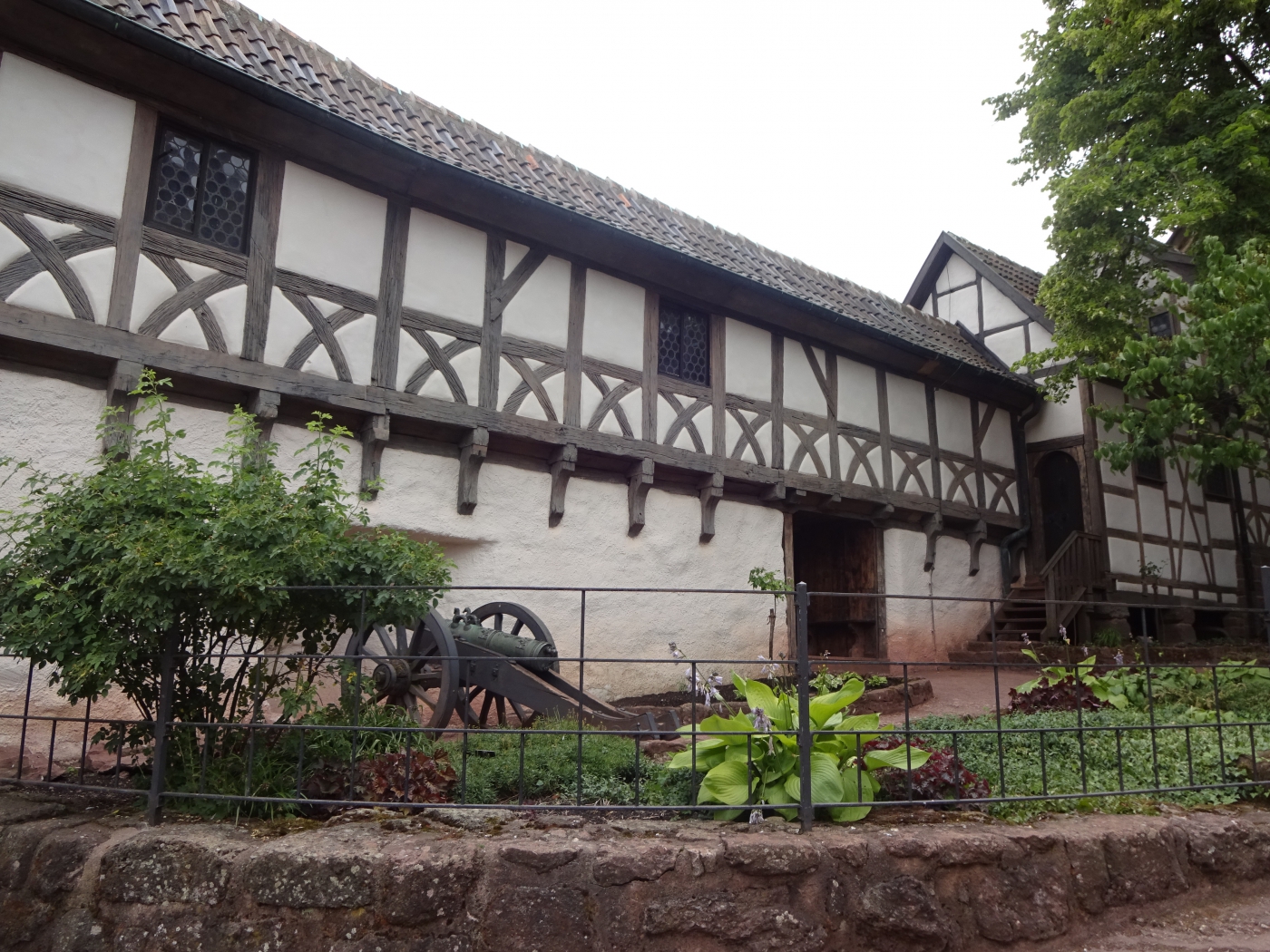
Wartburg Castle blends superbly into its forest surroundings and is in many ways 'the ideal castle'. Although it has retained some original sections from the feudal period, the form it acquired during the 19th-century reconstitution gives a good idea of what this fortress might have been at the height of its military and seigneurial power. It was during his exile at Wartburg Castle that Martin Luther translated the New Testament into German.
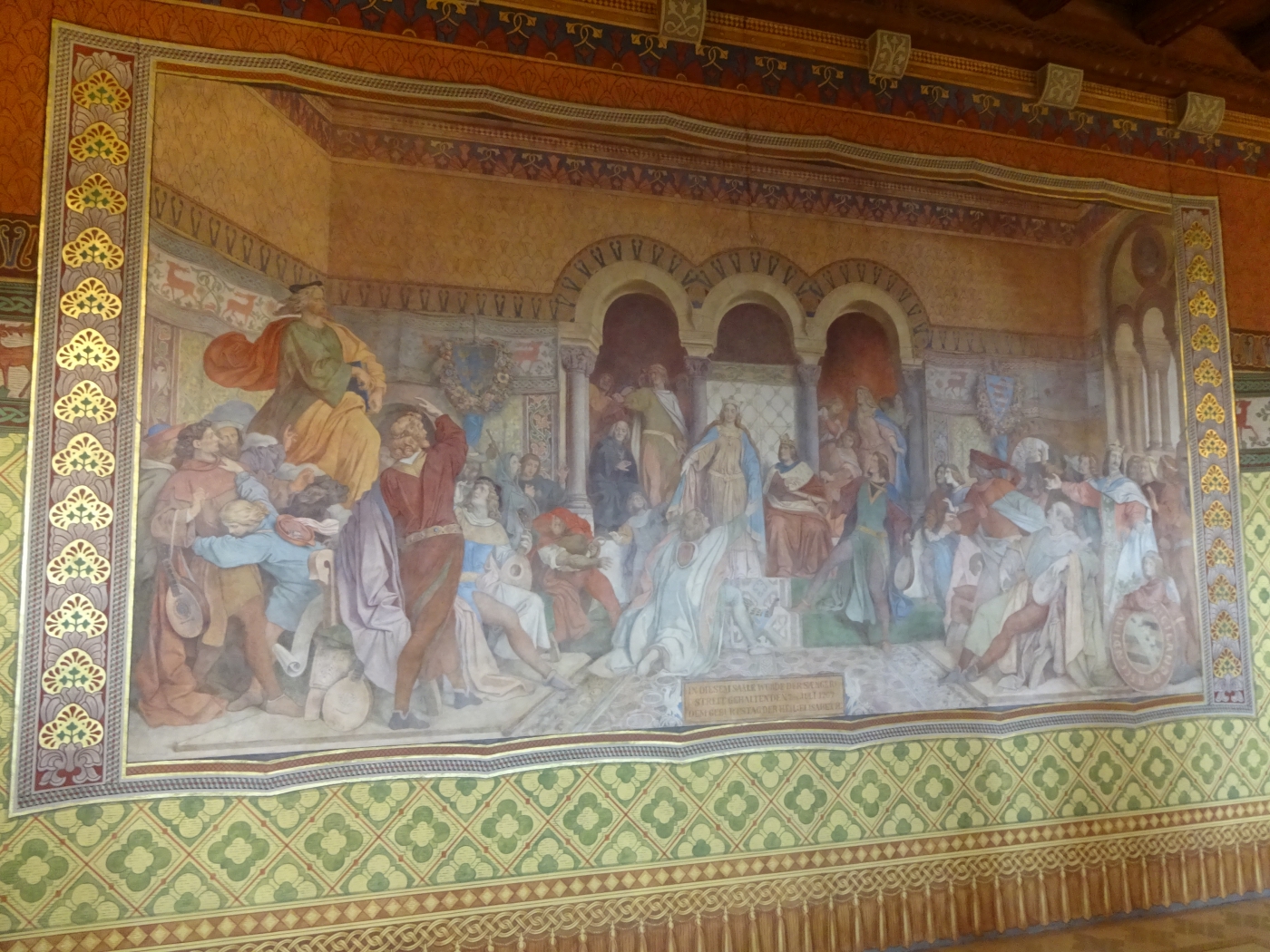
The Wartburg (German pronunciation: [ˈvaʁtbʊʁk]) is a castle originally built in the Middle Ages. It is situated on a precipice of 410 metres (1,350 ft) to the southwest of and overlooking the town of Eisenach, in the state of Thuringia, Germany. It was the home of St. Elisabeth of Hungary, the place where Martin Luther translated the New Testament of the Bible into German, the site of the Wartburg festival of 1817 and the supposed setting for the possibly legendary Sängerkrieg. It was an important inspiration for Ludwig II when he decided to build Neuschwanstein Castle.
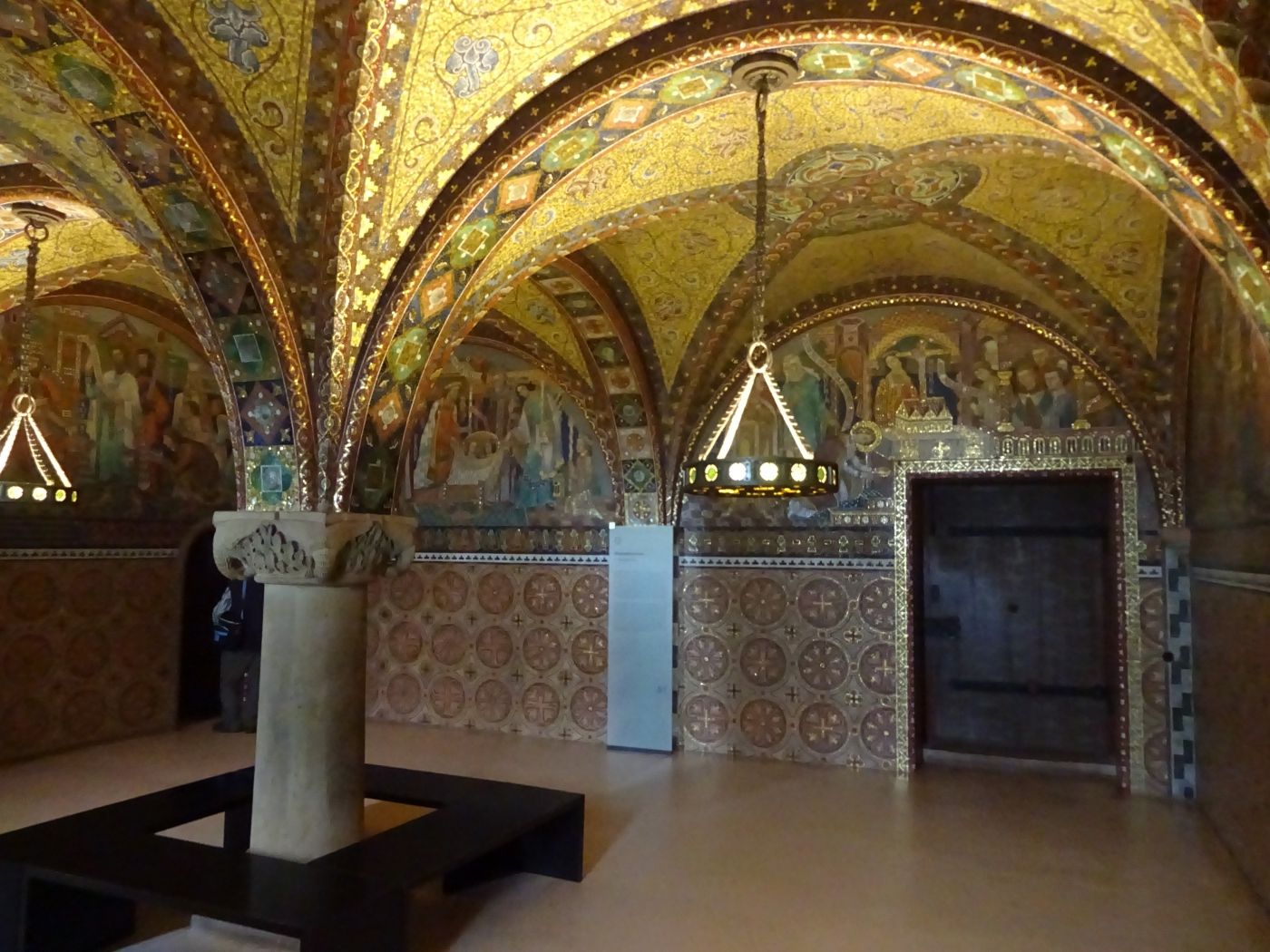
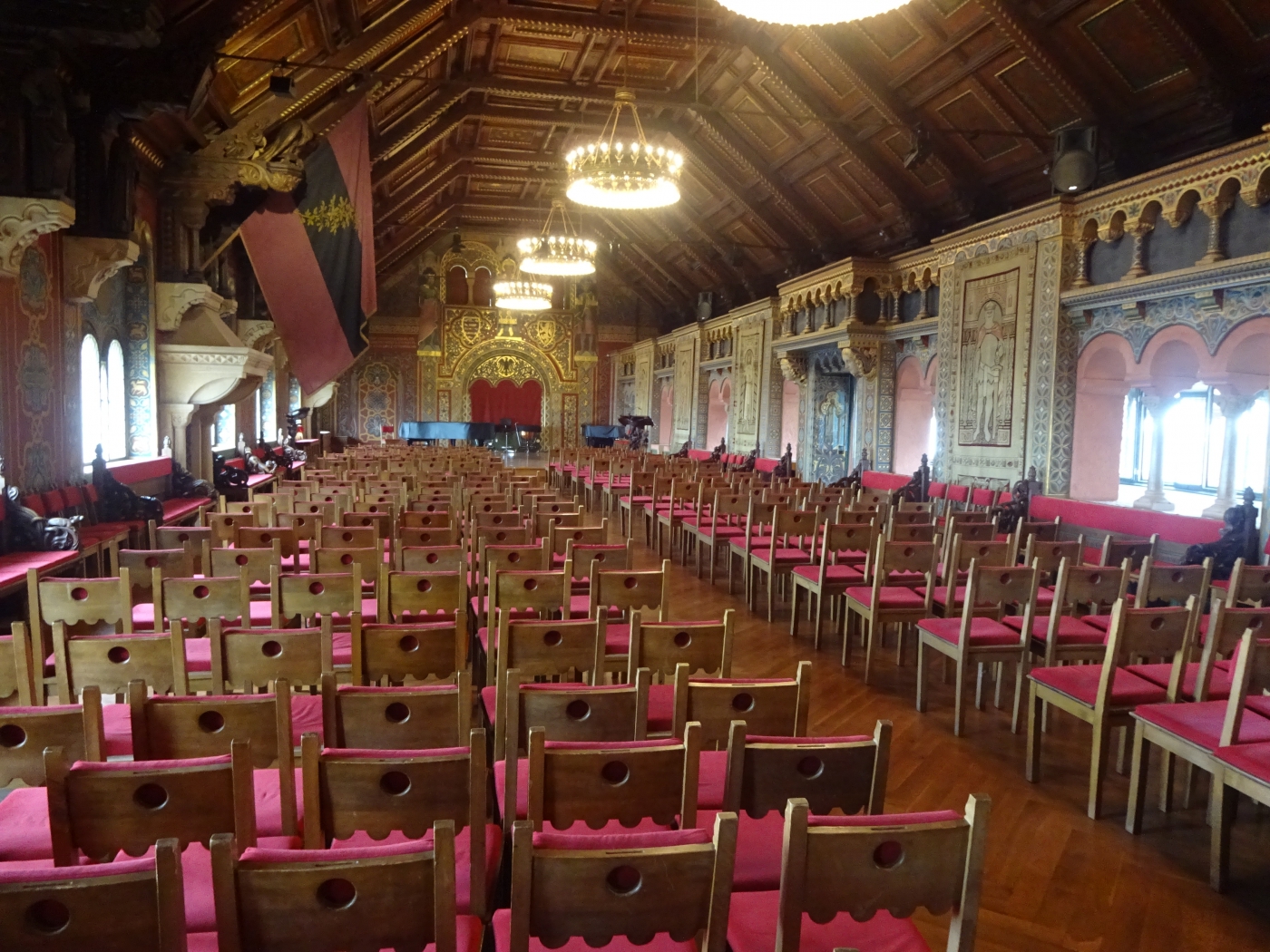
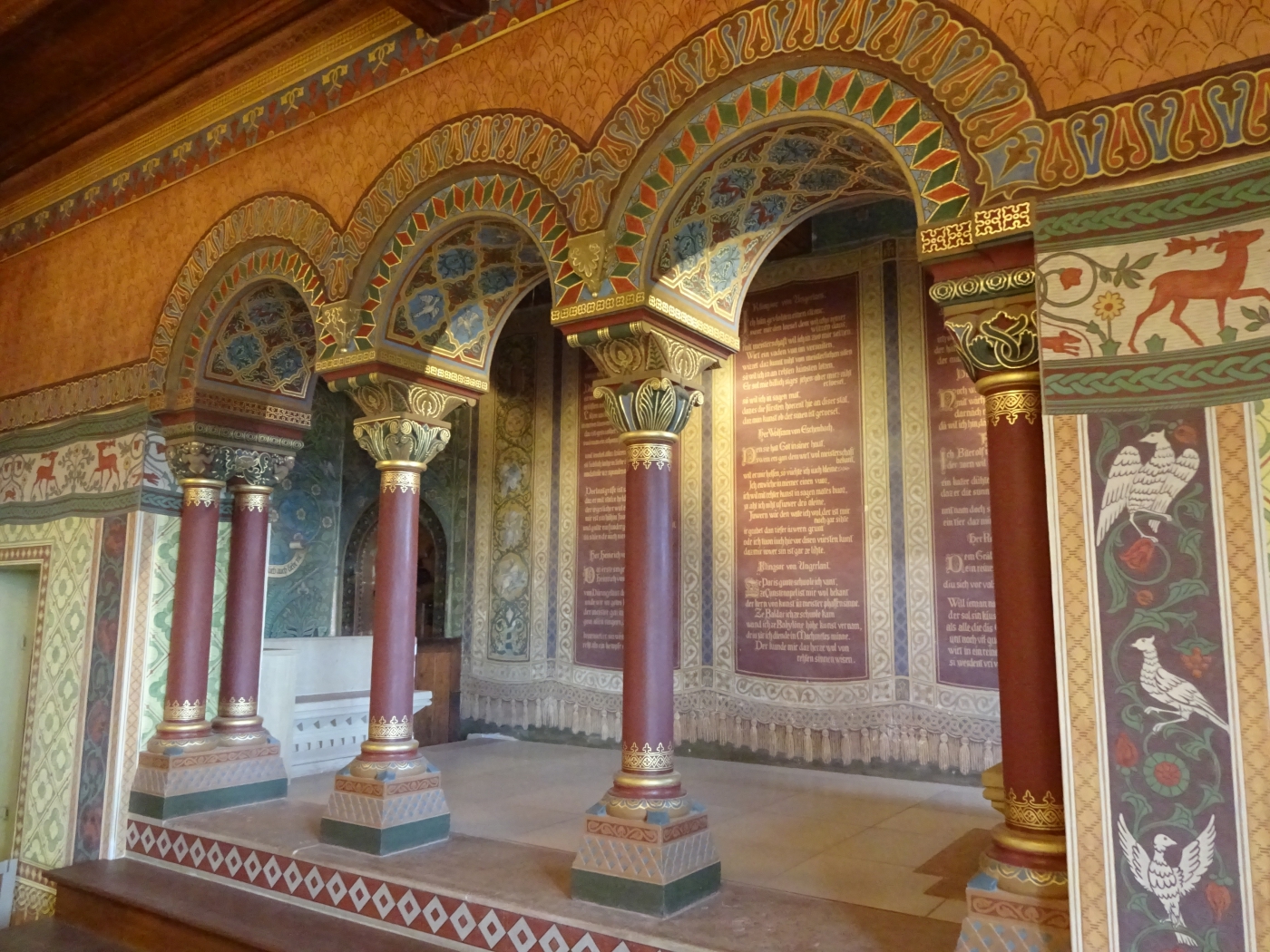
Wartburg is the most visited tourist attraction in Thuringia after Weimar. Although the castle today still contains substantial original structures from the 12th through 15th centuries, much of the interior dates back only to the 19th century. In 1999, Wartburg Castle was inscribed on the UNESCO World Heritage List because of its quintessential medieval architecture and its historical and religious significance.