Collegiate Church, Castle and Old Town of Quedlinburg
Quedlinburg, Germany
20.06.2018

Quedlinburg, a jewel nestled in the Harz foreland, stands as an extraordinary testament to medieval European history. Designated a UNESCO World Heritage site, its unique ensemble of the Collegiate Church, Castle, and Old Town offers an unparalleled glimpse into the grandeur and daily life of a powerful imperial city. Its origins date back to the 9th century, but it truly blossomed in the 10th century under the Ottonian dynasty, becoming a crucial center of imperial power and culture.
The Ottonian Legacy
The town's prominence began with King Henry the Fowler, who established a royal palace here. However, it was his widow, Queen Mathilde, who, around 936, founded the women's religious community in the Collegiate Church of St. Servatius, intended as a memorial to her late husband. This convent, under royal protection, grew into an influential institution, governed by abbesses, many of whom were princesses of the imperial house. Otto I, Mathilde's son and the first Holy Roman Emperor, further solidified Quedlinburg's importance, holding imperial diets and receiving foreign dignitaries within its walls.
Architectural Masterpiece: The Collegiate Church
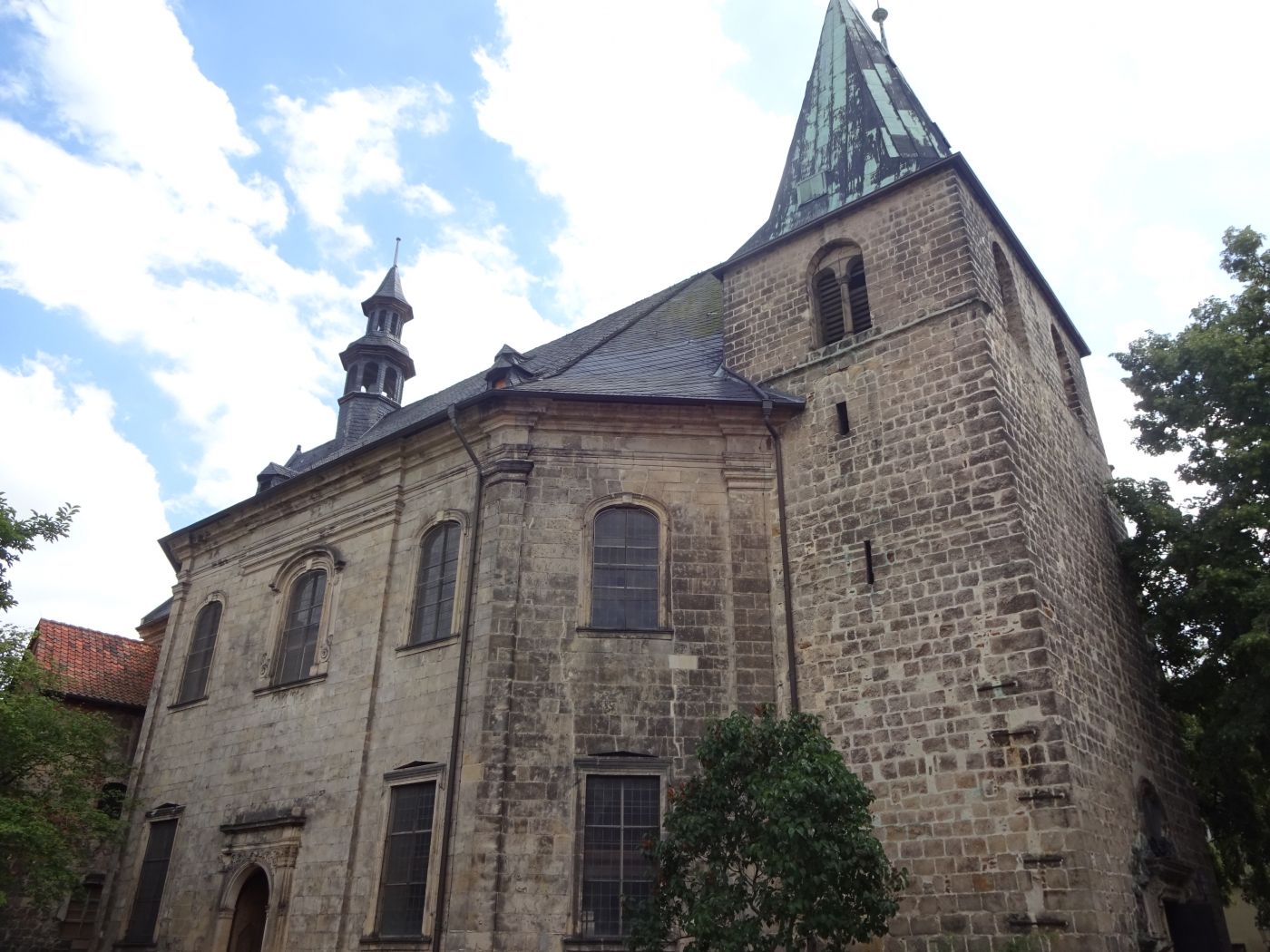
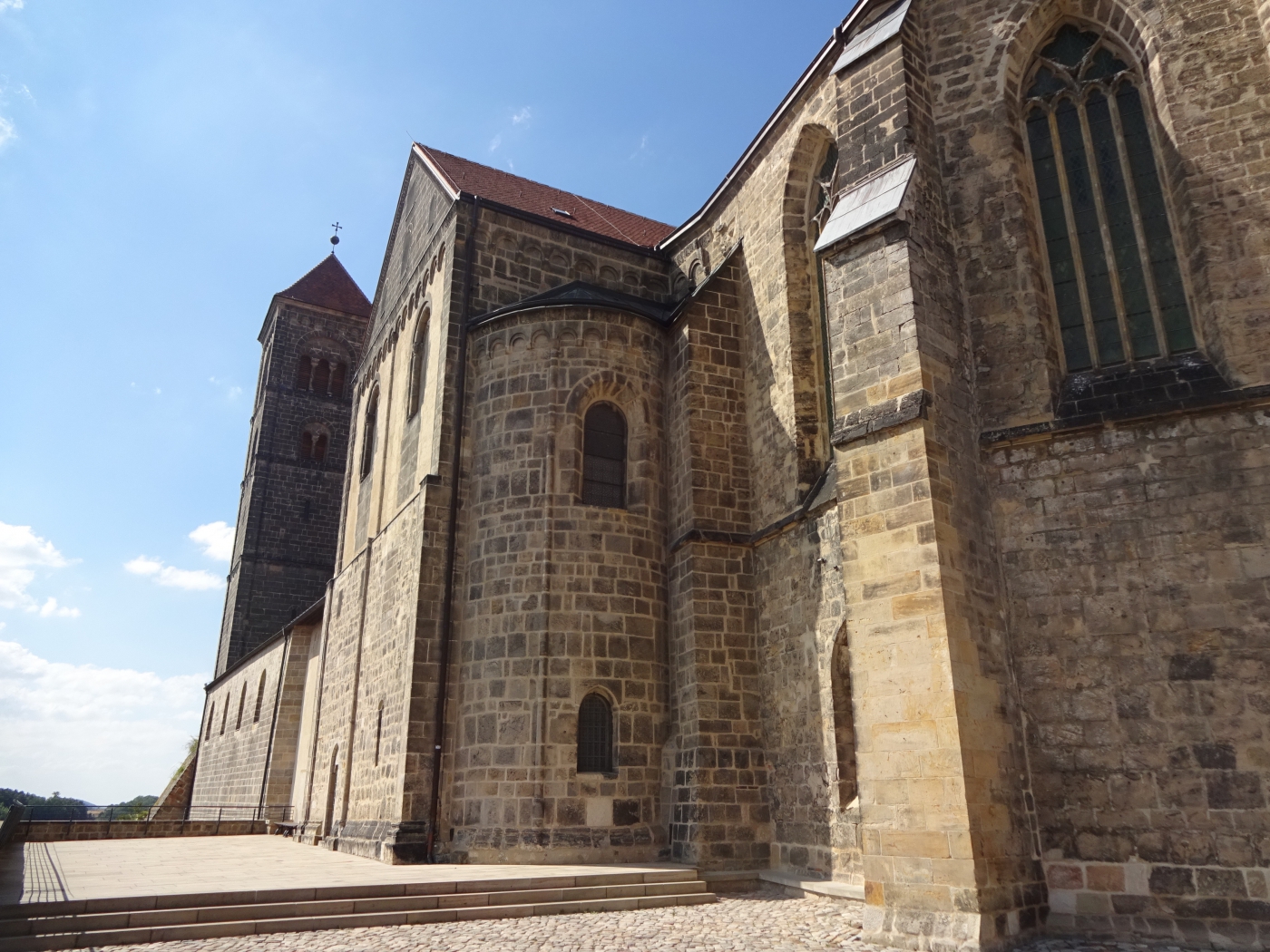
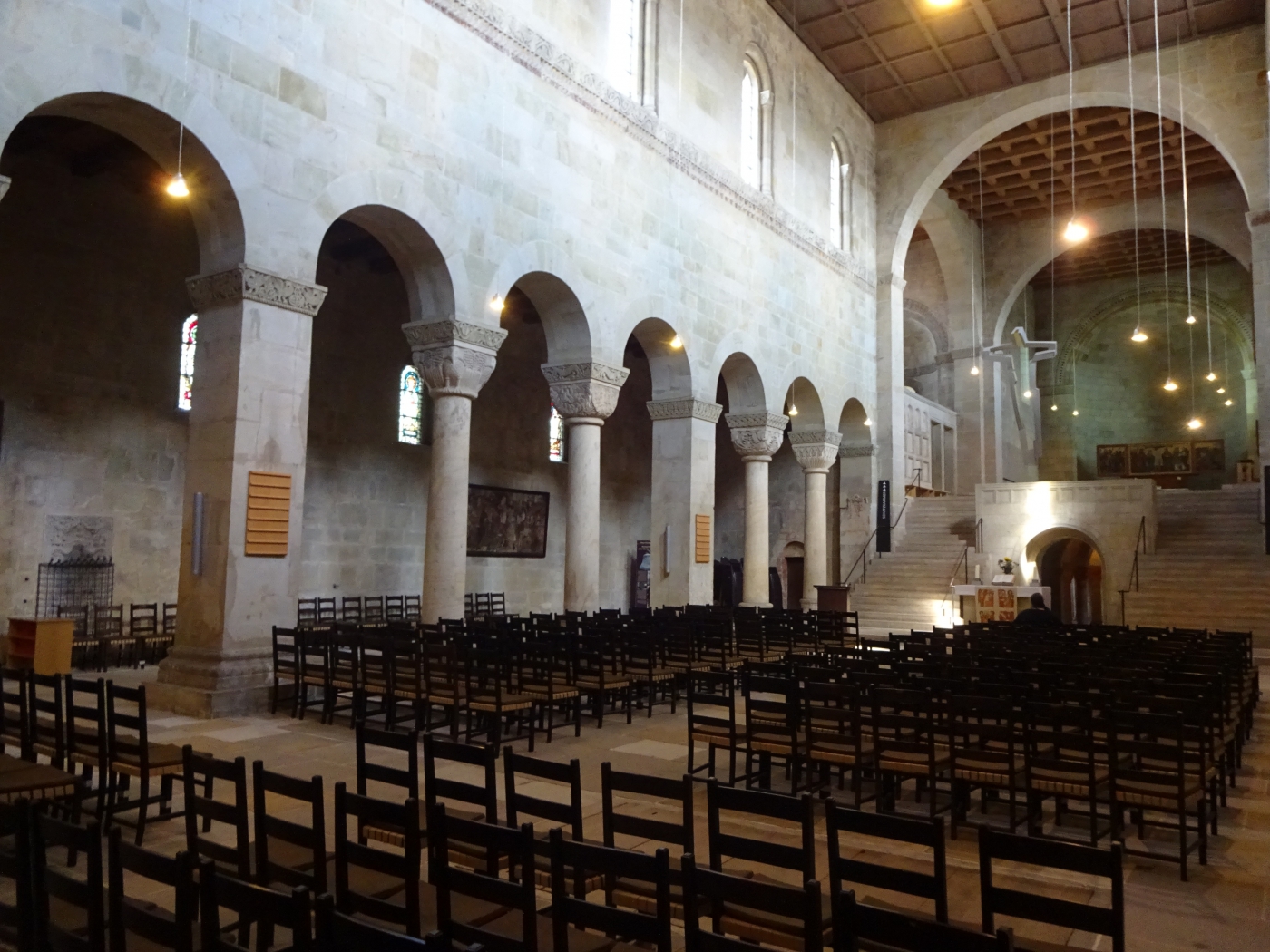
The Collegiate Church of St. Servatius is a prime example of Romanesque architecture, showcasing centuries of building and rebuilding. Its imposing westwork, crypt, and treasures, including the famous Quedlinburg treasure, reflect its significant past. The church served as a burial place for Henry the Fowler and Mathilde, further cementing its imperial connection. Its architecture, characterized by robust forms and intricate details, has influenced numerous churches throughout the region.
The Castle and Old Town
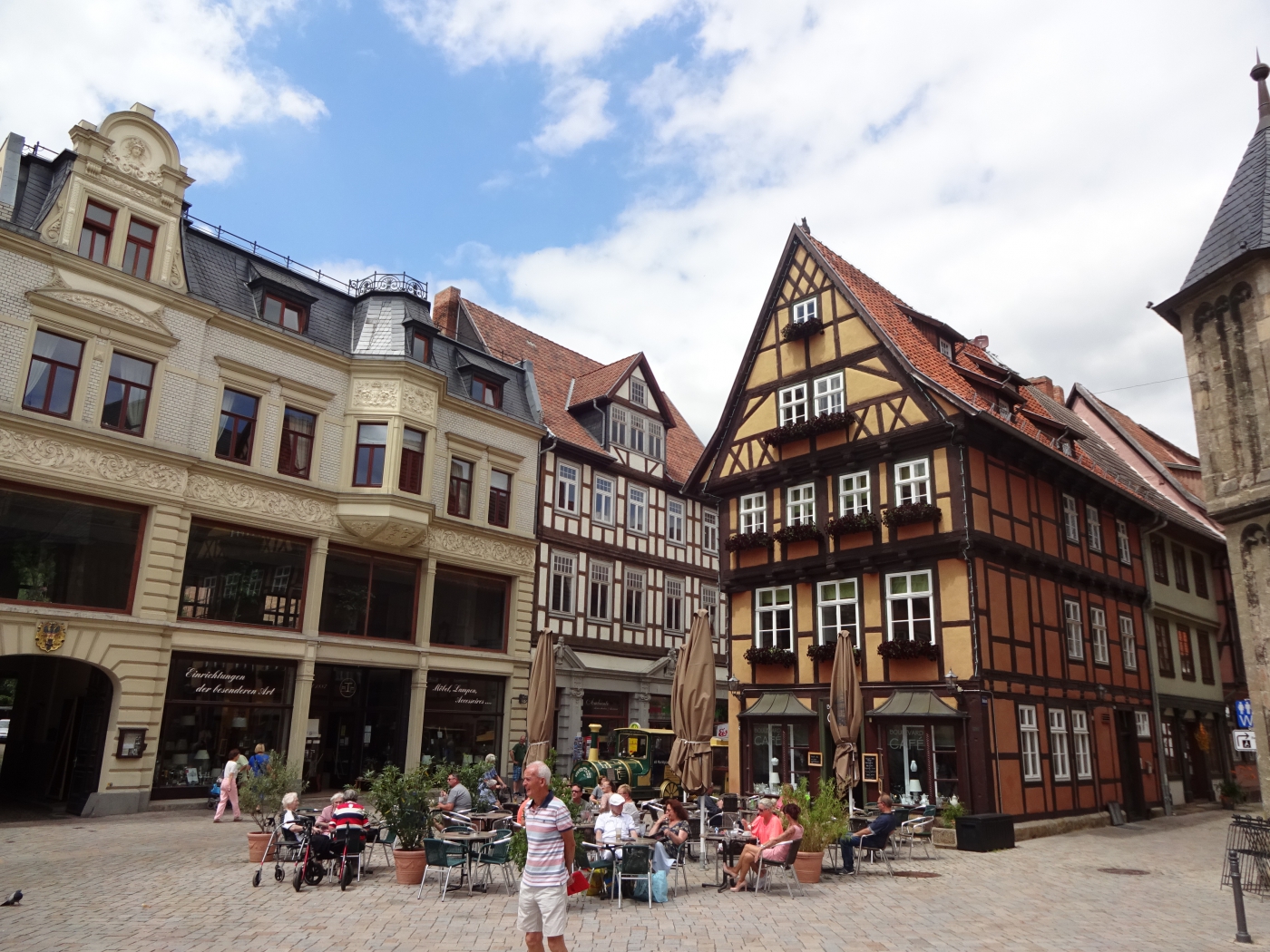
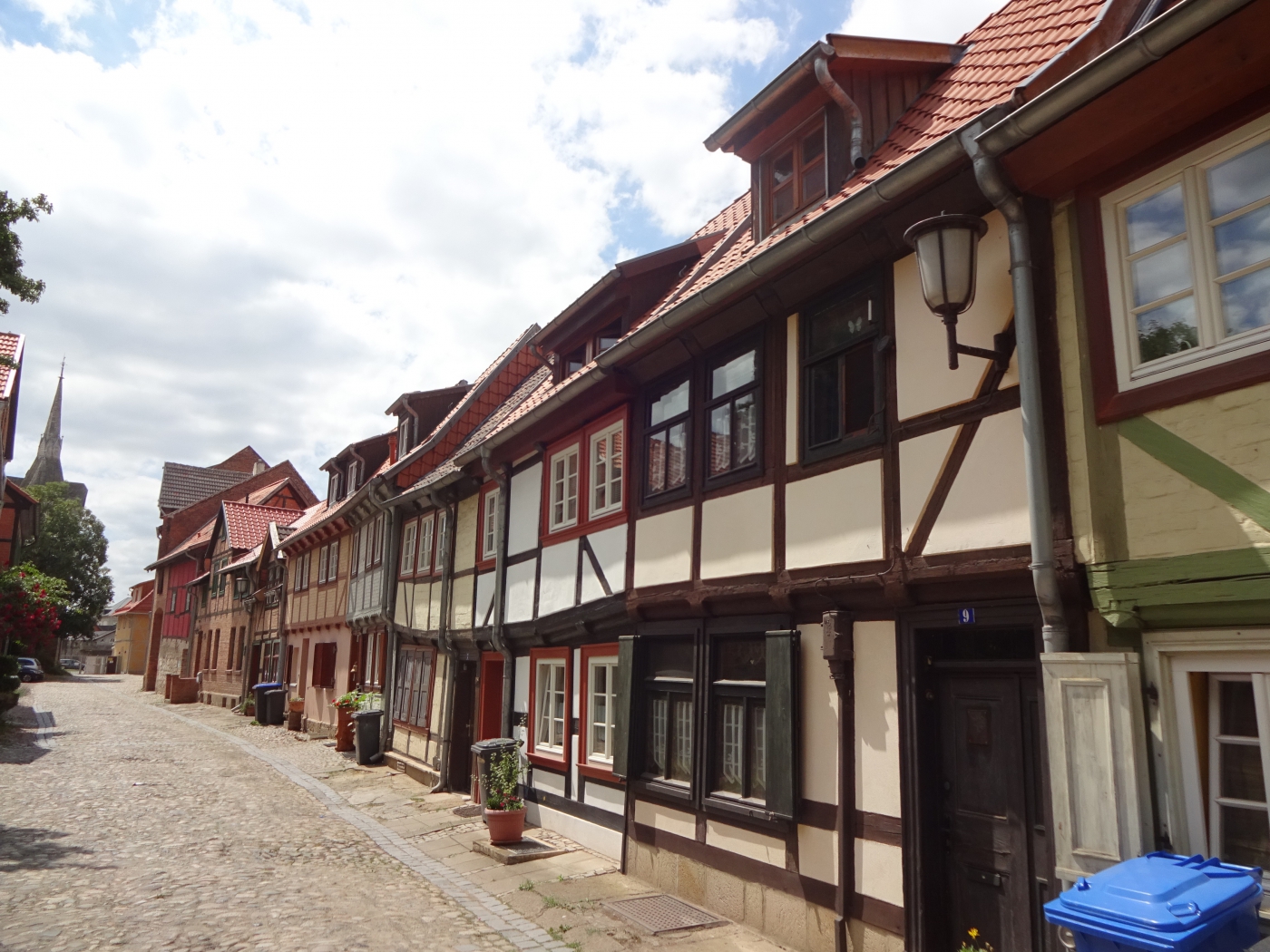
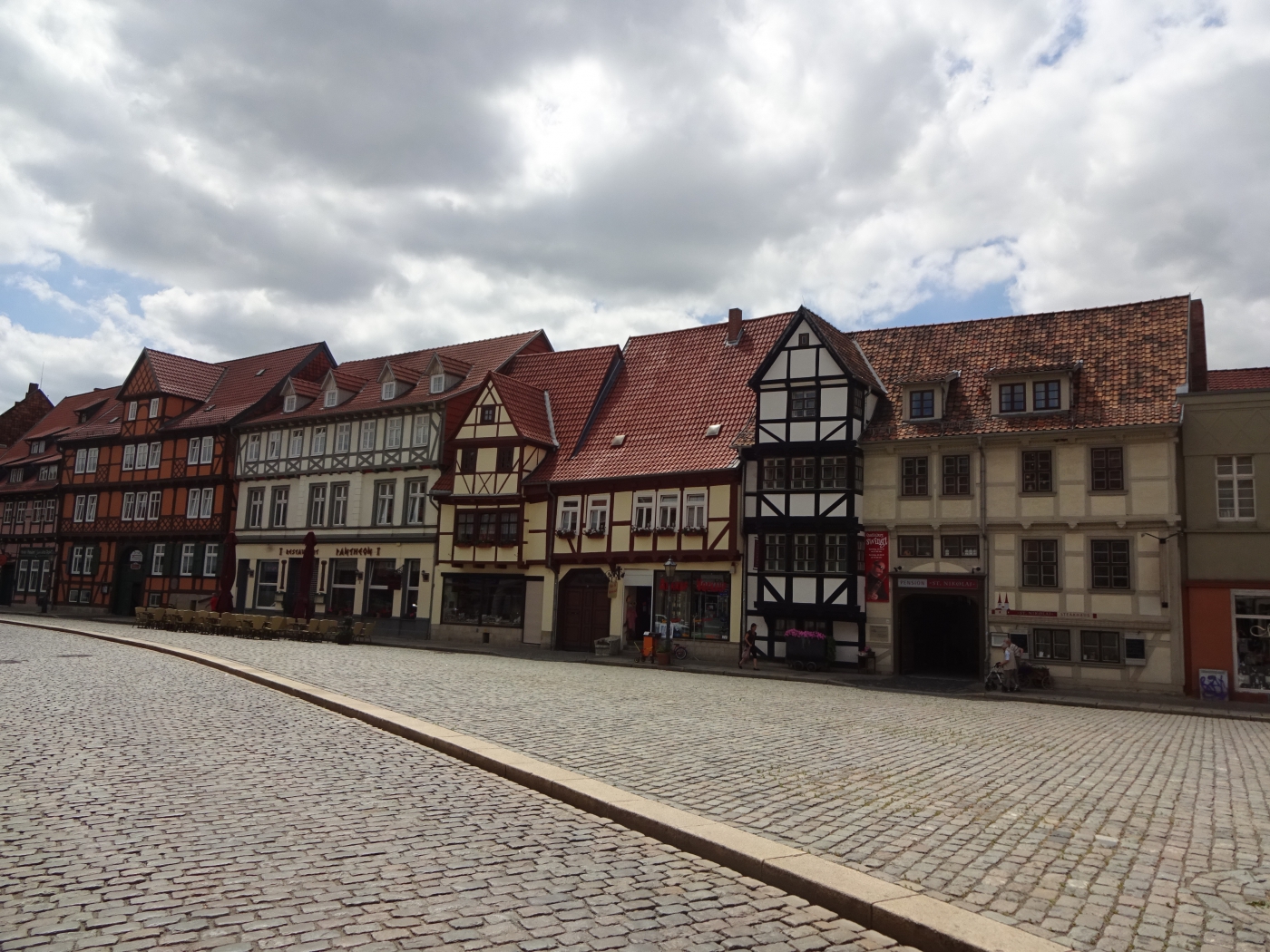
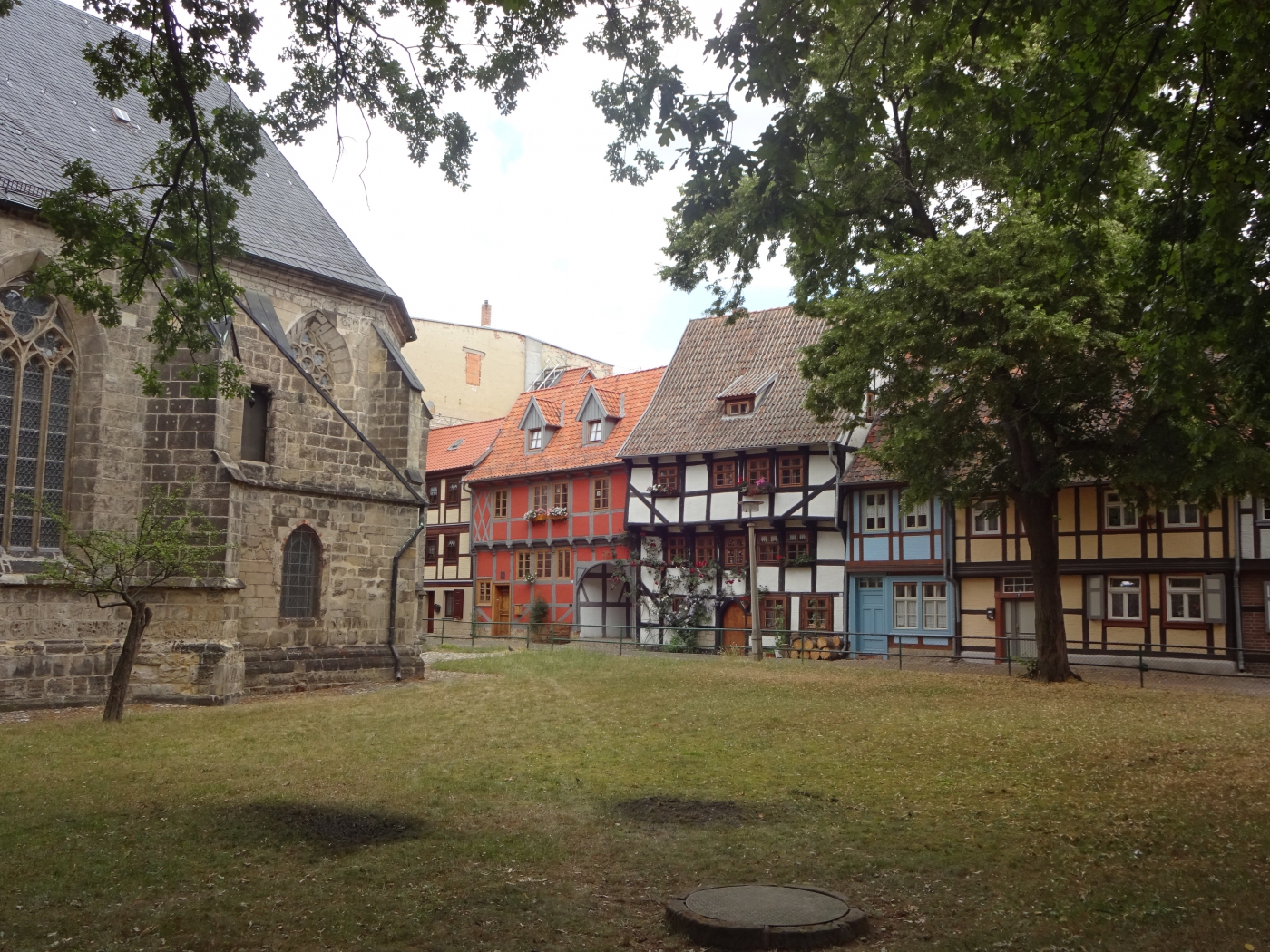
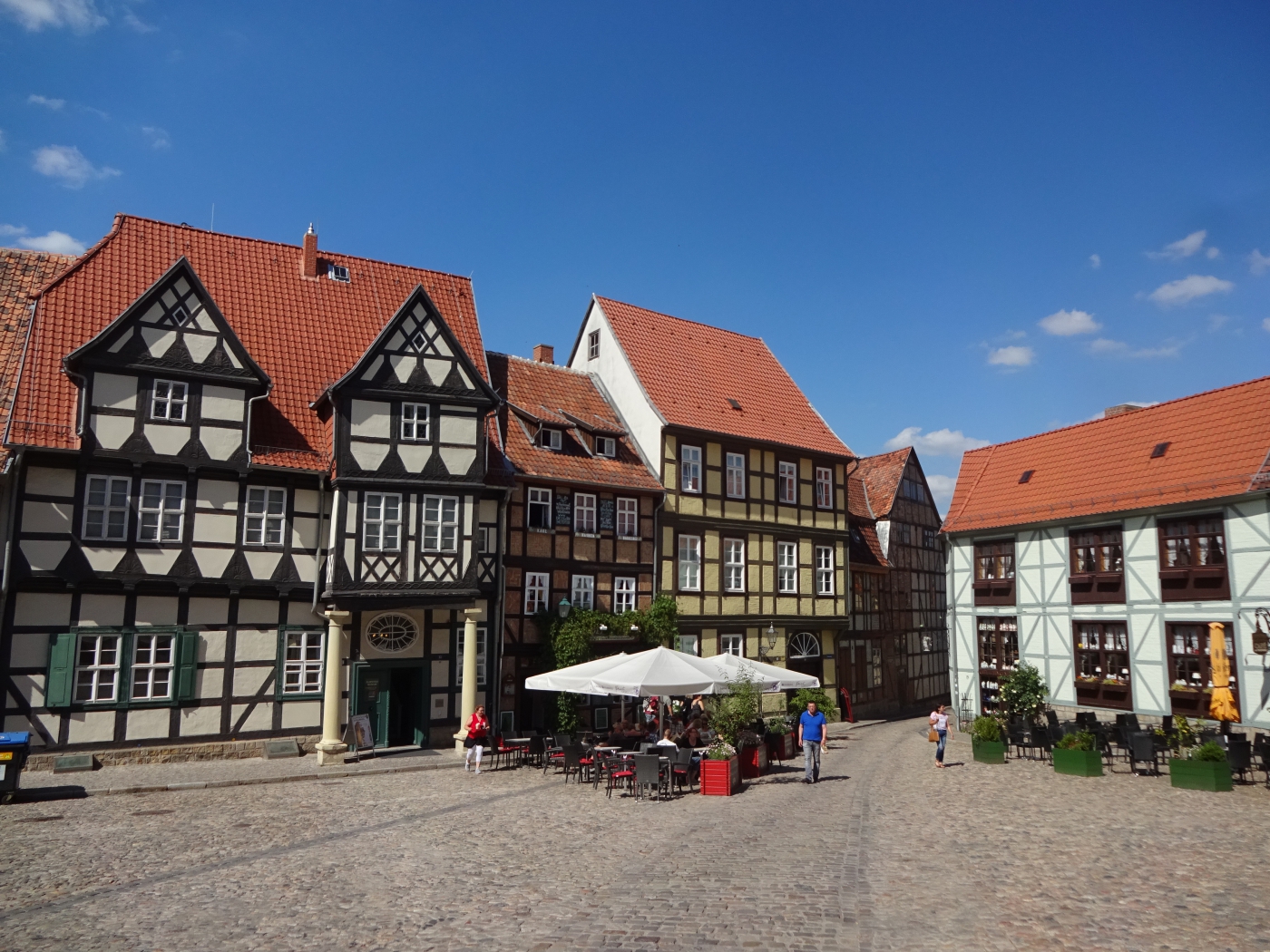
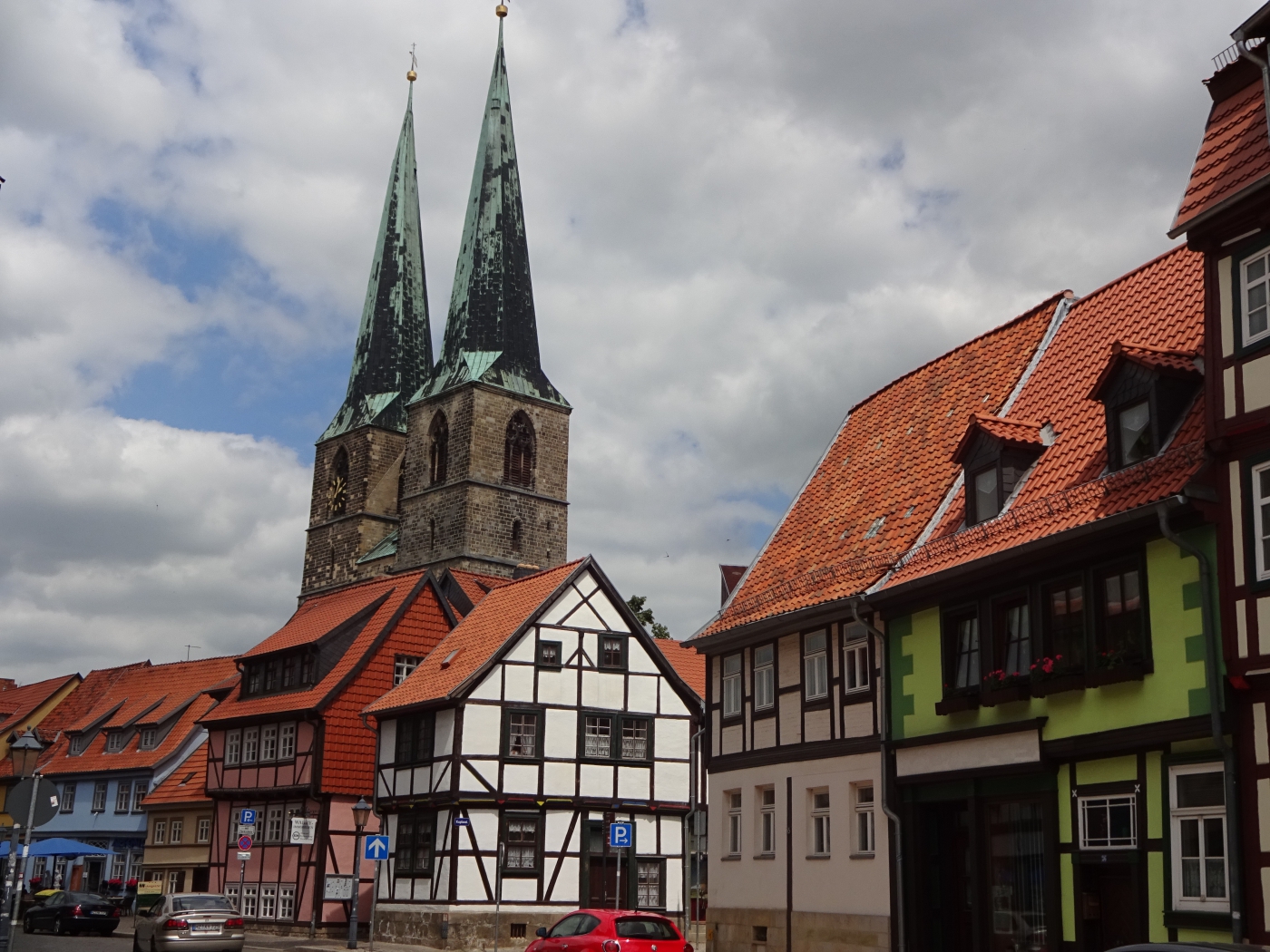
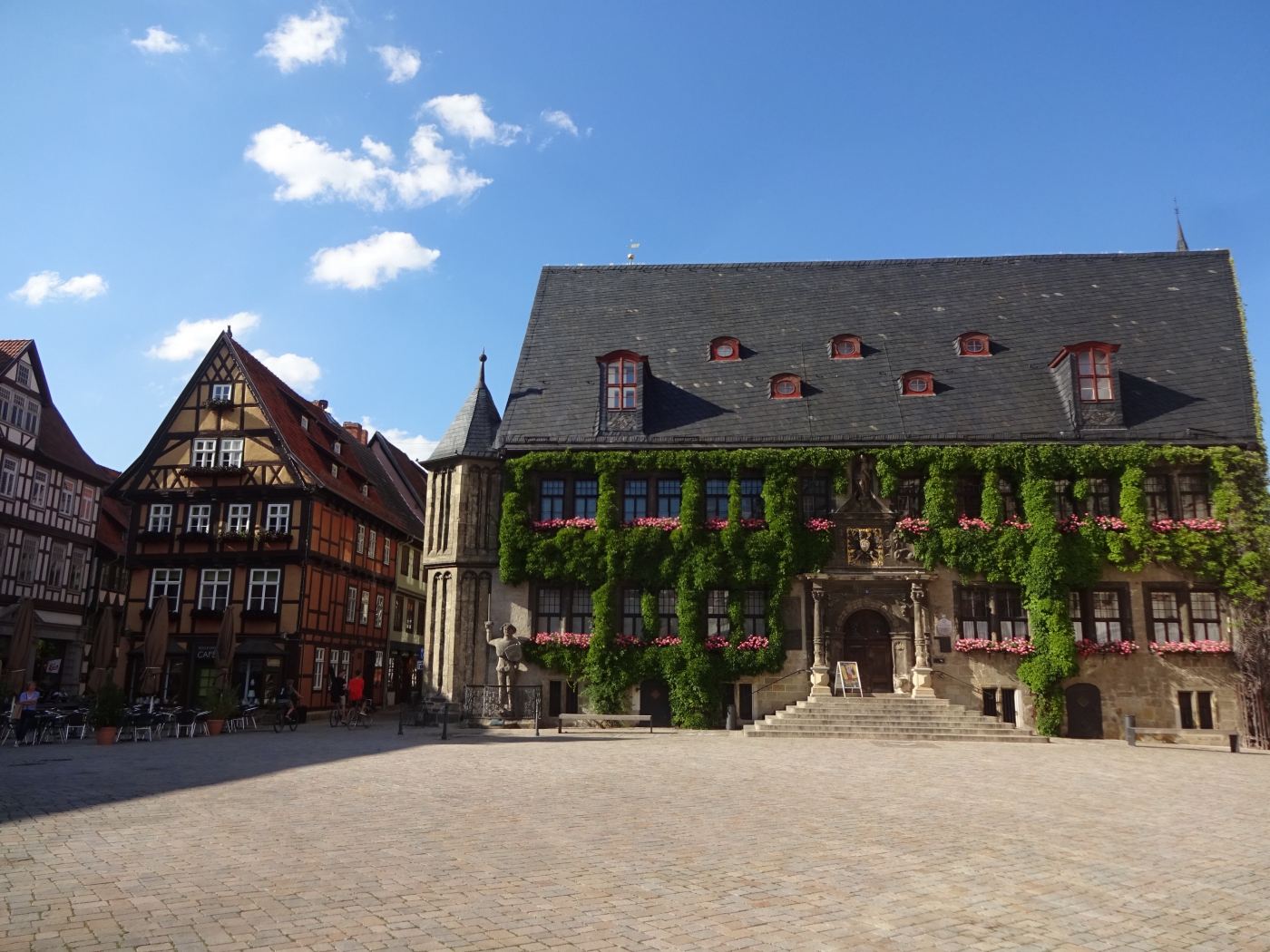
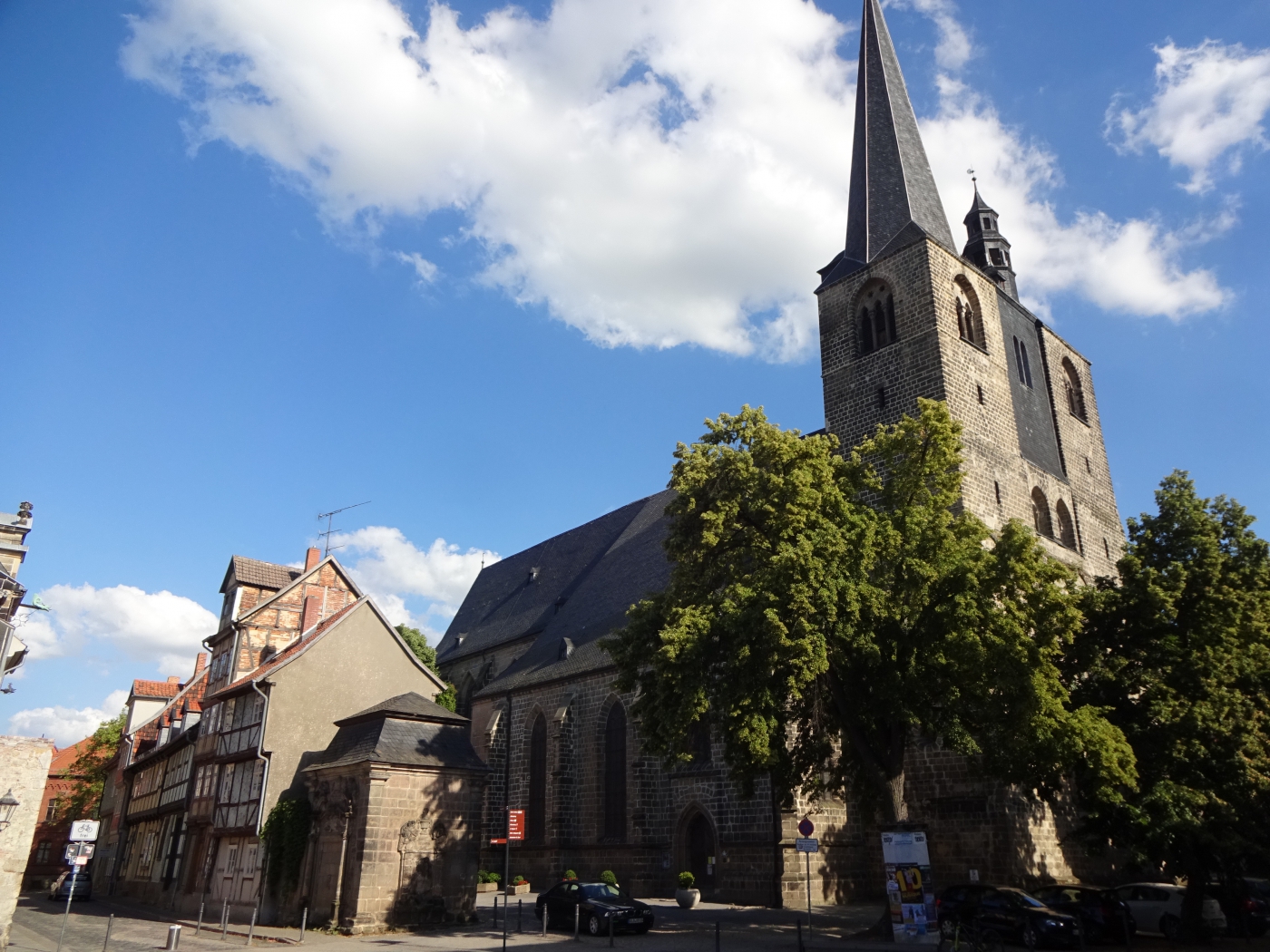
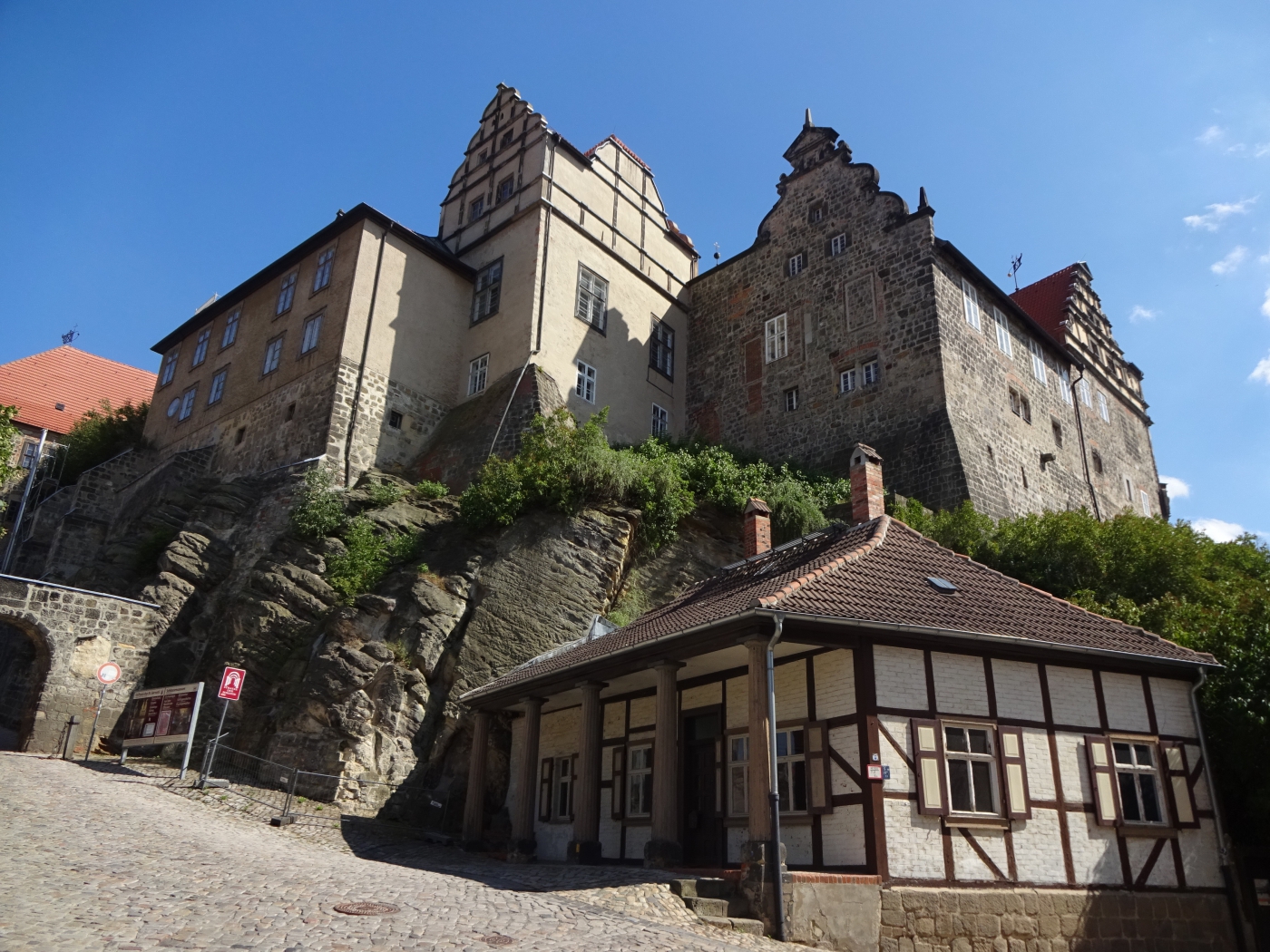
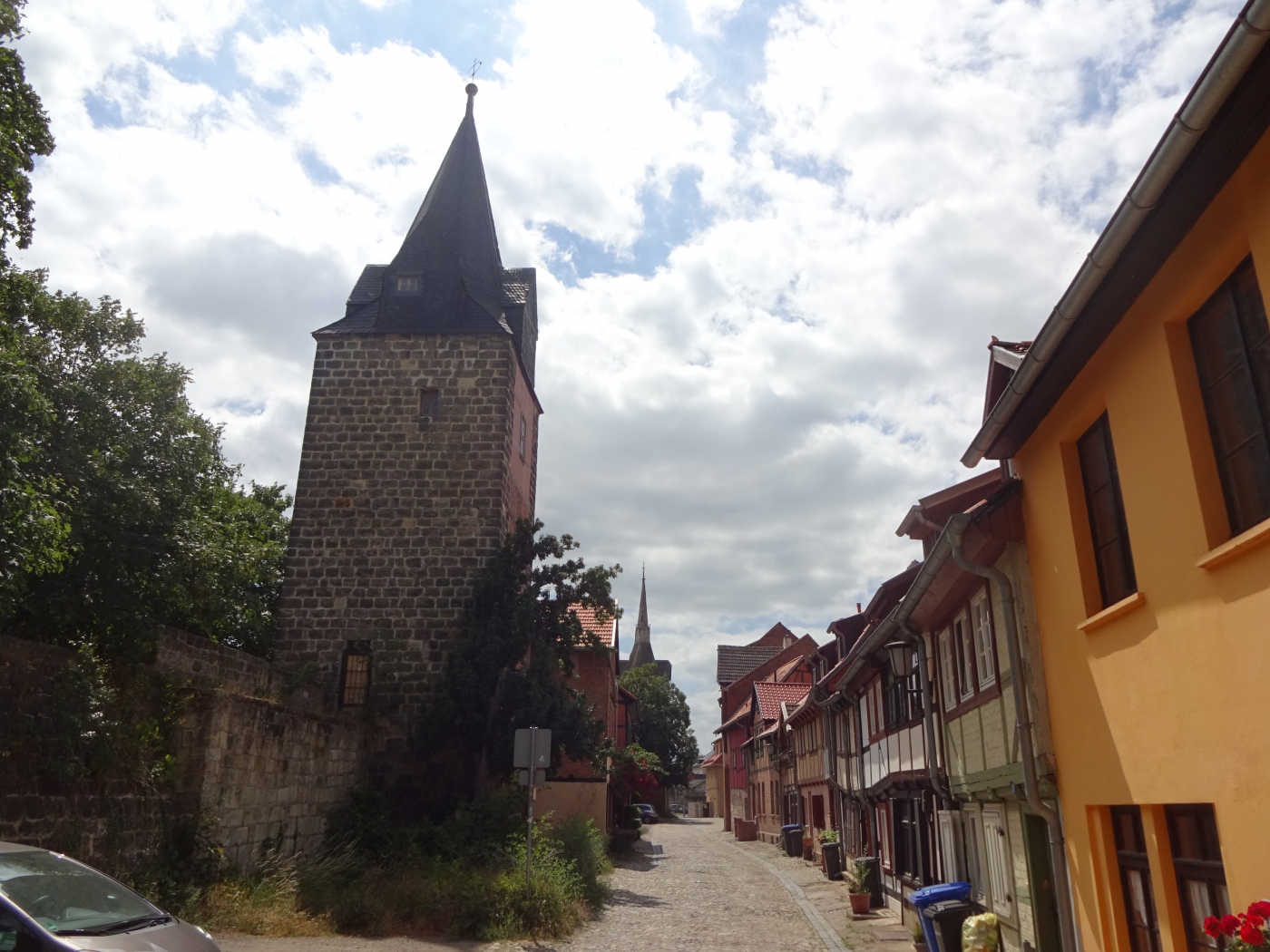
Perched on the Schlossberg (Castle Hill) next to the church, the Quedlinburg Castle evolved from the former royal palace. While its current appearance largely dates from later periods, its commanding position underscores its historical importance as a defensive and administrative center. Below, the Old Town of Quedlinburg retains its remarkably well-preserved medieval street plan. Hundreds of exquisite timber-framed houses, some dating back to the 14th century, line its narrow cobblestone lanes, creating an enchanting cityscape that narrates centuries of urban development and craftsmanship. This intricate tapestry of history, faith, and daily life makes Quedlinburg an indispensable part of the world's cultural heritage.
Weiterführende Links
Quedlinburg, in the Land of Sachsen-Anhalt, was a capital of the East Franconian German Empire at the time of the Saxonian-Ottonian ruling dynasty. It has been a prosperous trading town since the Middle Ages. The number and high quality of the timber-framed buildings make Quedlinburg an exceptional example of a medieval European town. The Collegiate Church of St Servatius is one of the masterpieces of Romanesque architecture.