Mine of Rammelsberg - Mines of Rammelsberg, Historic Town of Goslar and Upper Harz Water Management System
Goslar, Germany
21.06.2018

The Rammelsberg Mines, near the historic town of Goslar in Germany, represent a unique testament to over a millennium of mining history. This extraordinary site, a UNESCO World Heritage cultural landscape, vividly illustrates the continuous development of mining technology and its profound impact on the region and wider Europe. From early discoveries to its closure in 1988, Rammelsberg was an indispensable source of precious and base metals.
A Millennia of Mining History
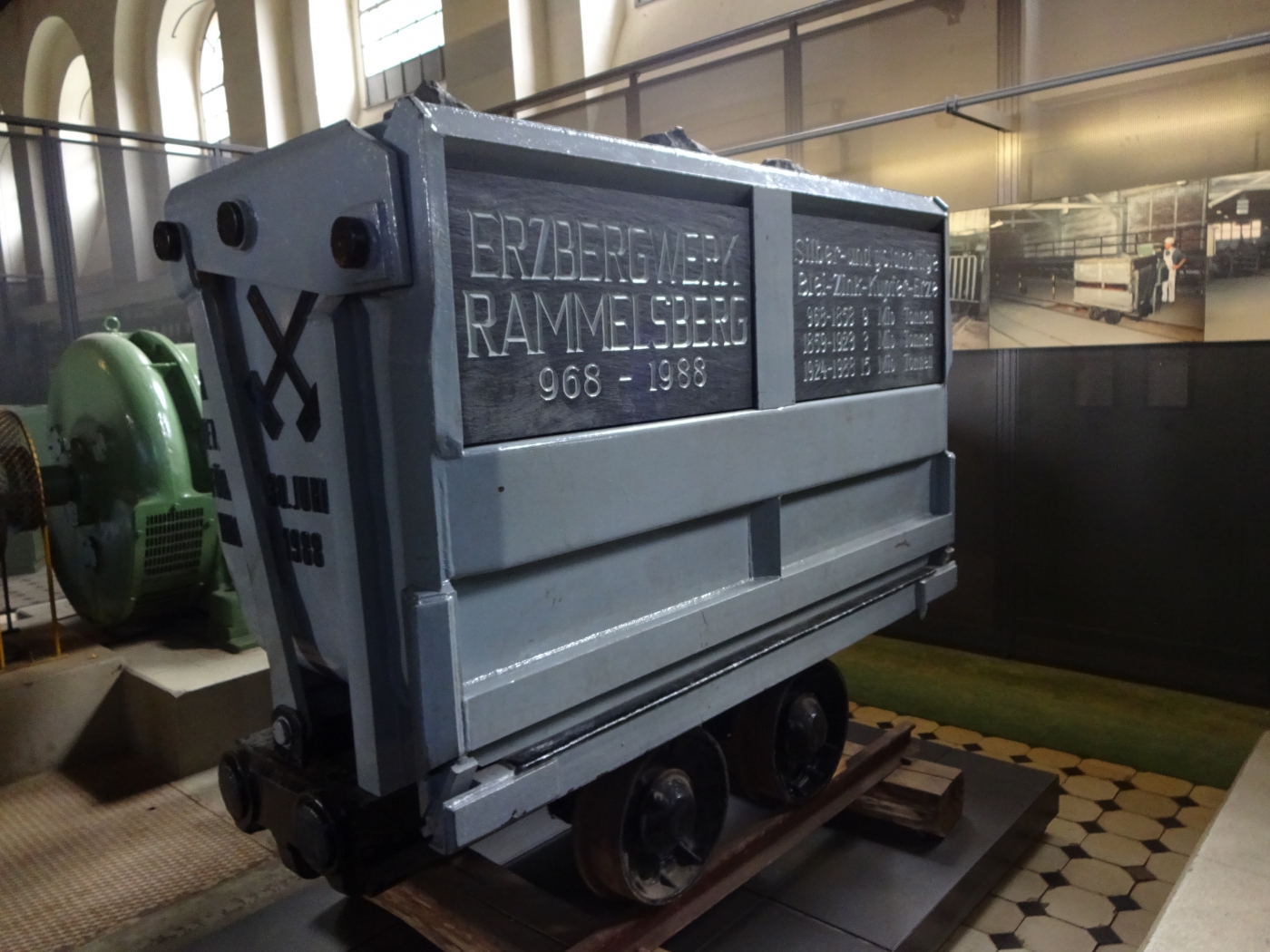
Mining at Rammelsberg began around 968 AD, legend crediting a knight named Ramm, whose horse uncovered metallic ore. These rich deposits of silver, copper, and lead quickly propelled Goslar to become one of the wealthiest cities of the Holy Roman Empire. The mine's continuous operation for over 1000 years is almost unparalleled, showcasing an unbroken tradition of innovation in underground mining and ore processing.
The Driving Force of an Empire
The vast wealth from the Rammelsberg Mines directly funded imperial palaces, churches, and civic buildings, transforming Goslar into a significant imperial city. Early mining methods evolved into sophisticated underground systems, with water power crucial. This led to the development of the ingenious Upper Harz Water Management System, a network of dams, ditches, and ponds that harnessed water to drive pumps and hoists, and is itself a UNESCO World Heritage Site.
From Mine to Museum
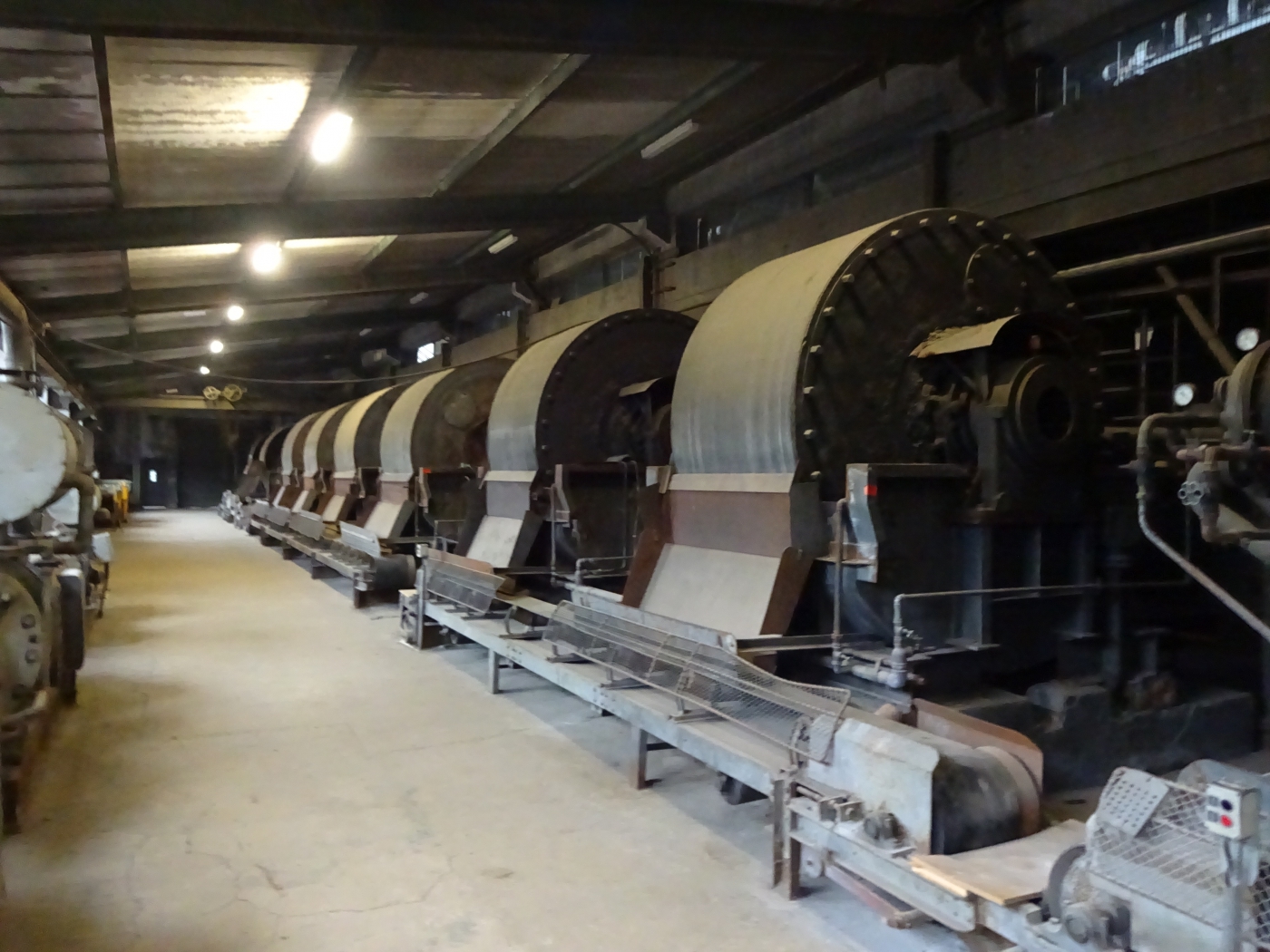
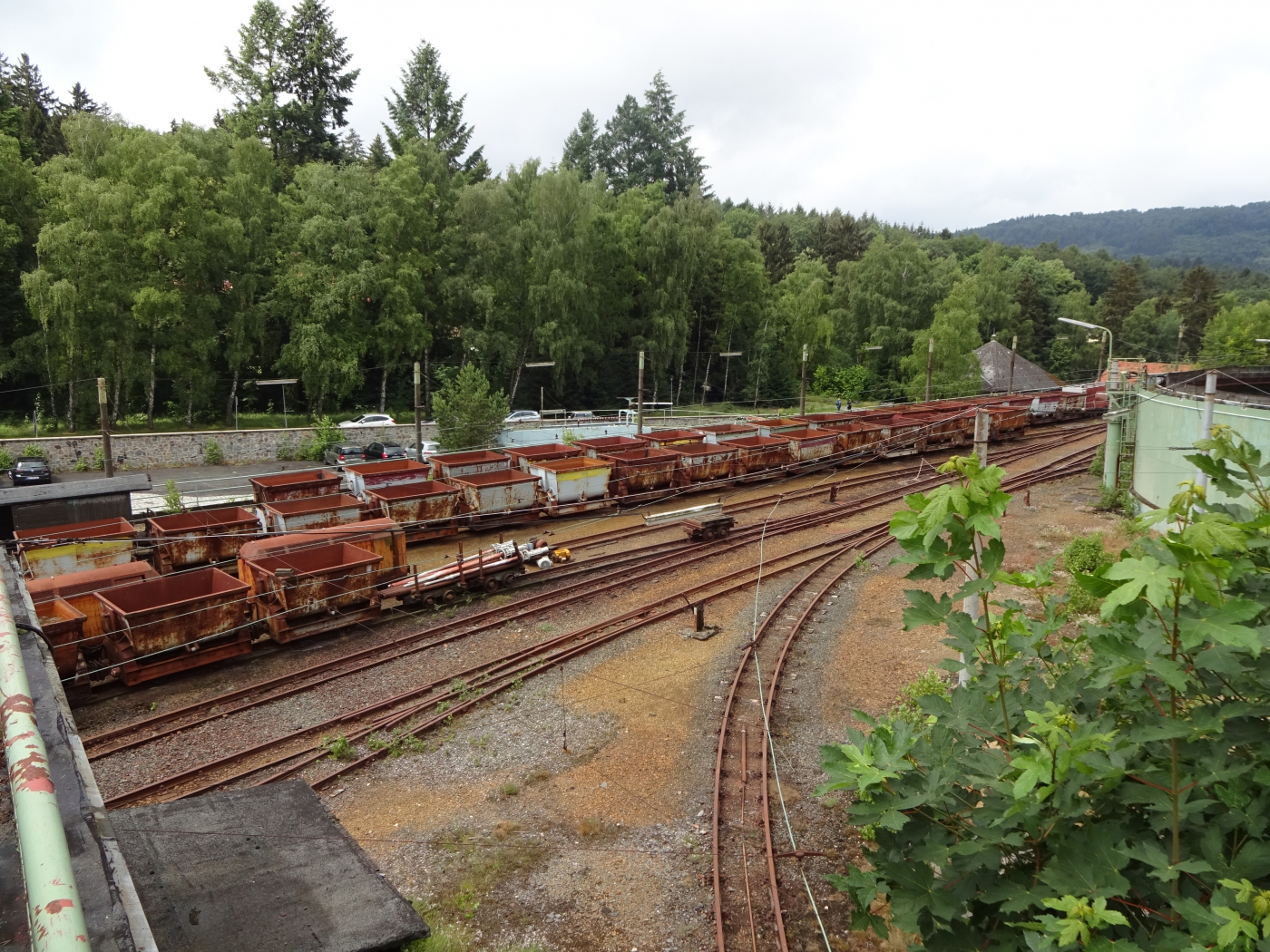
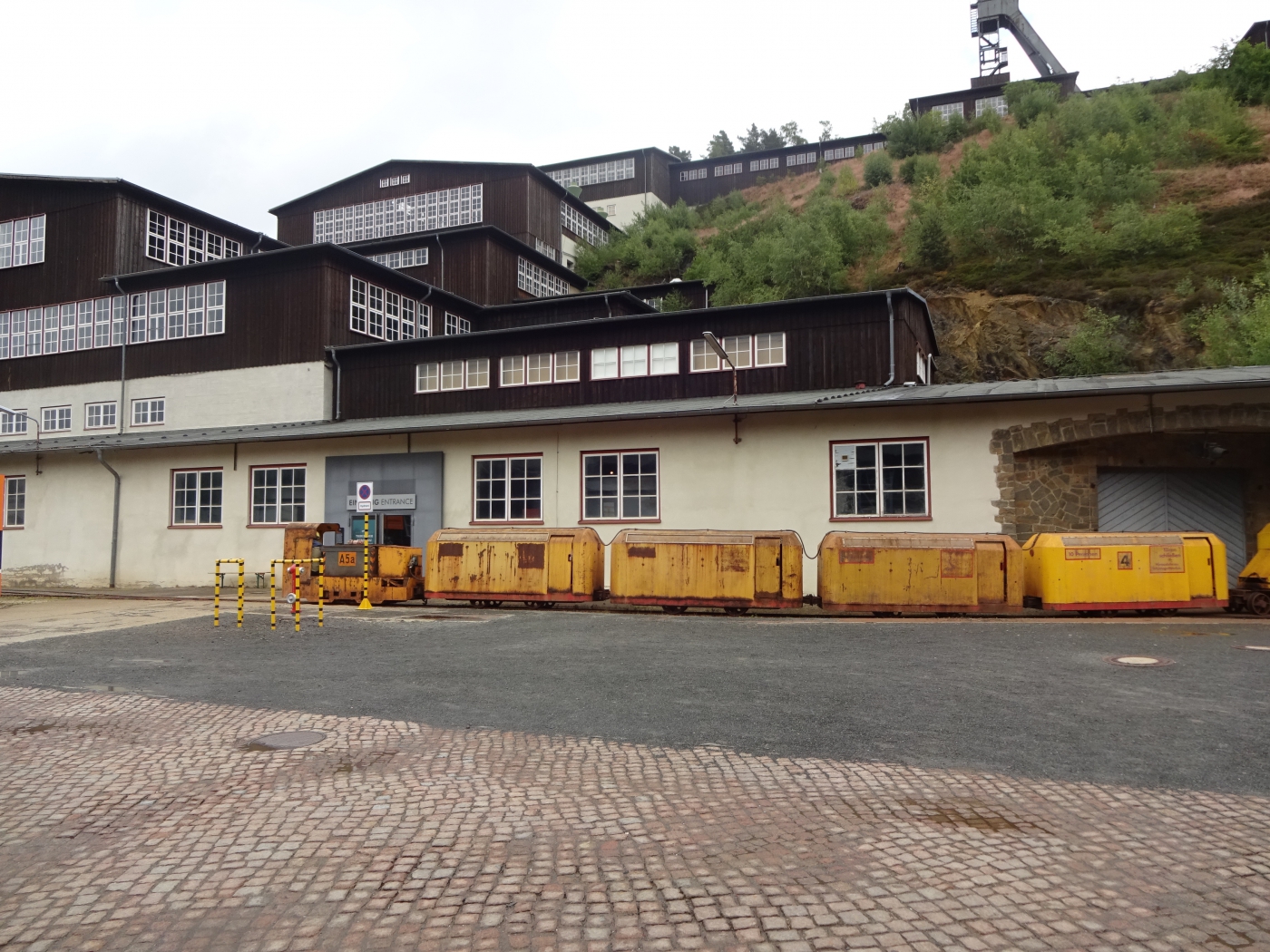
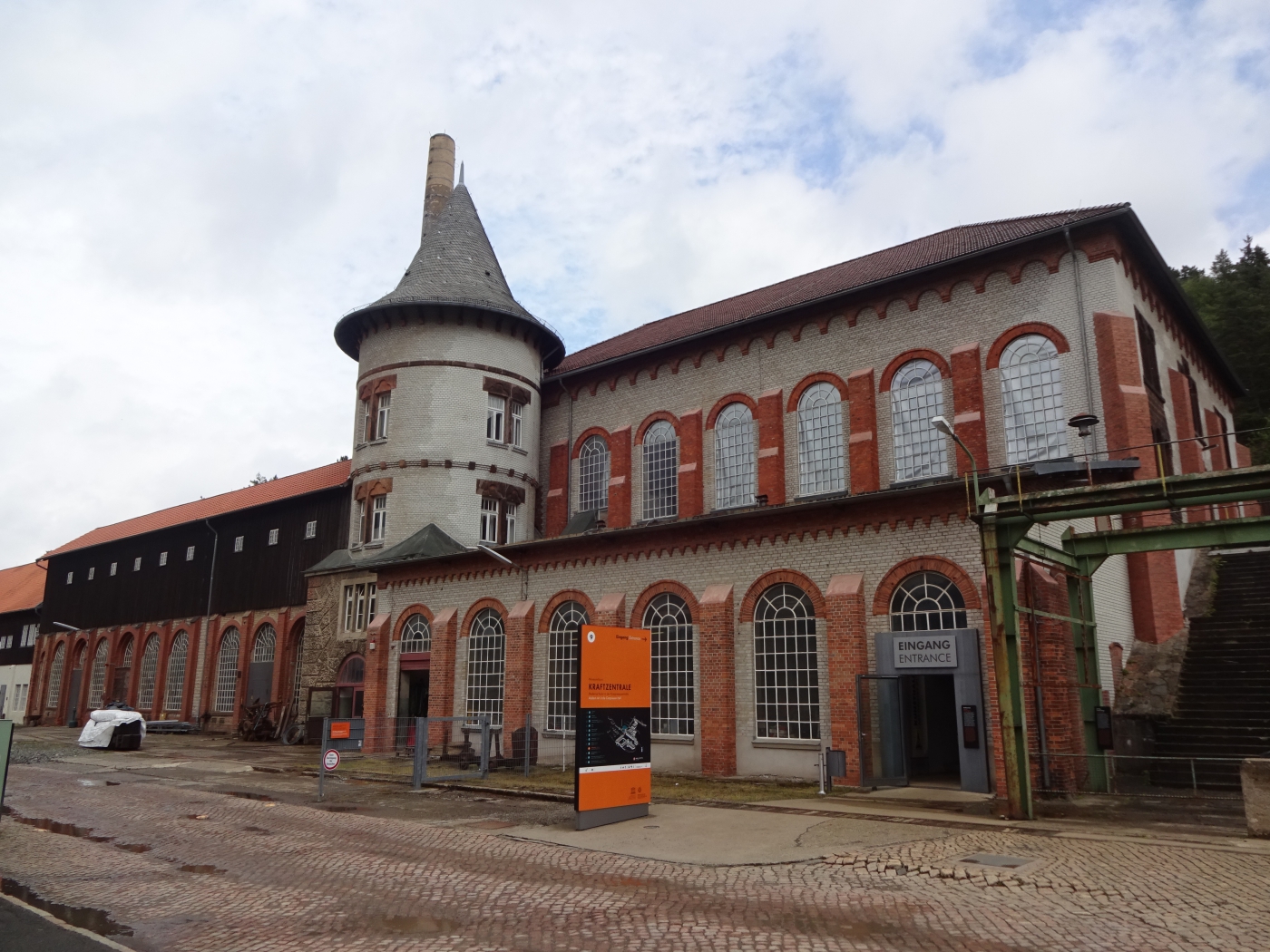
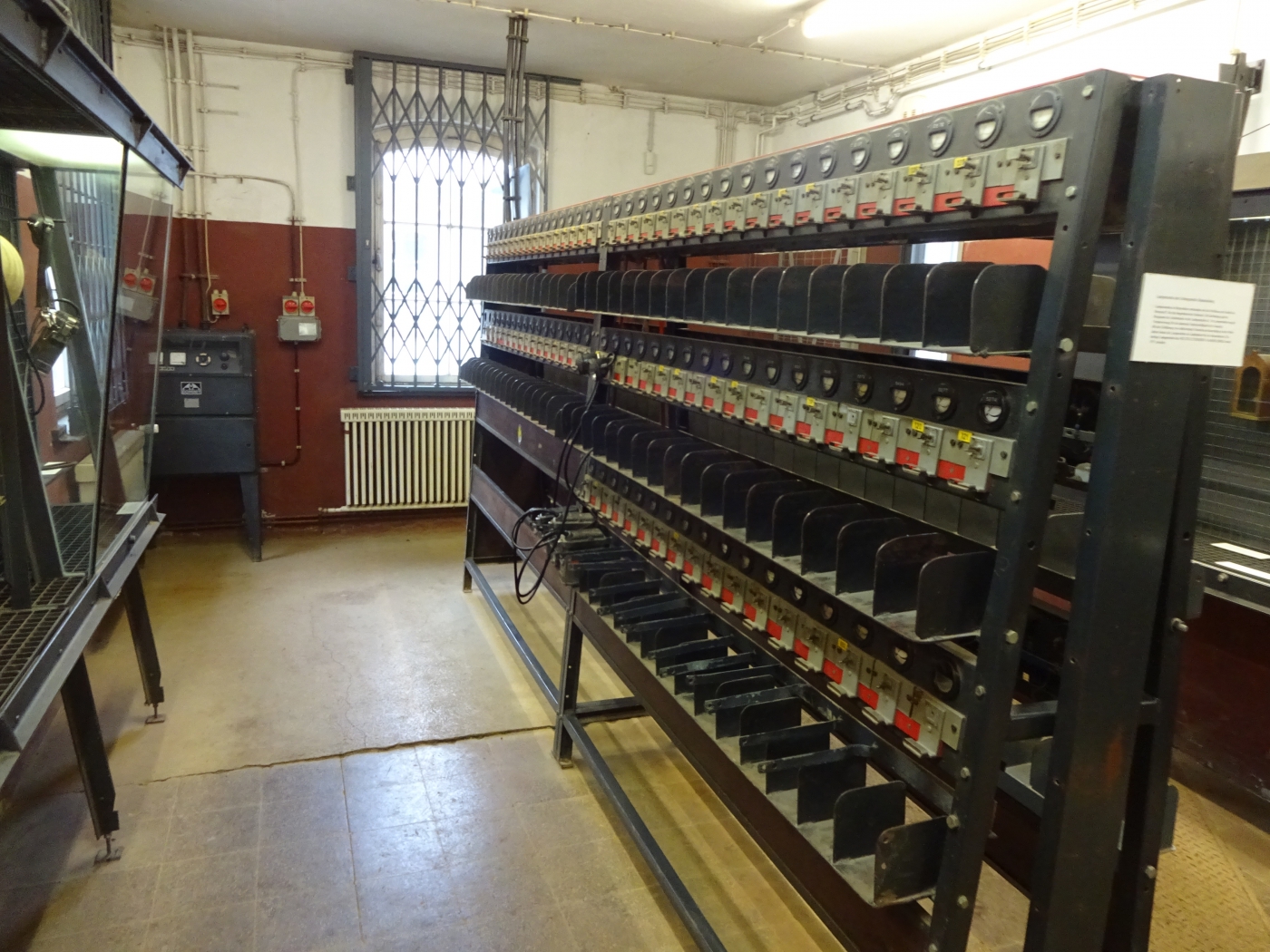
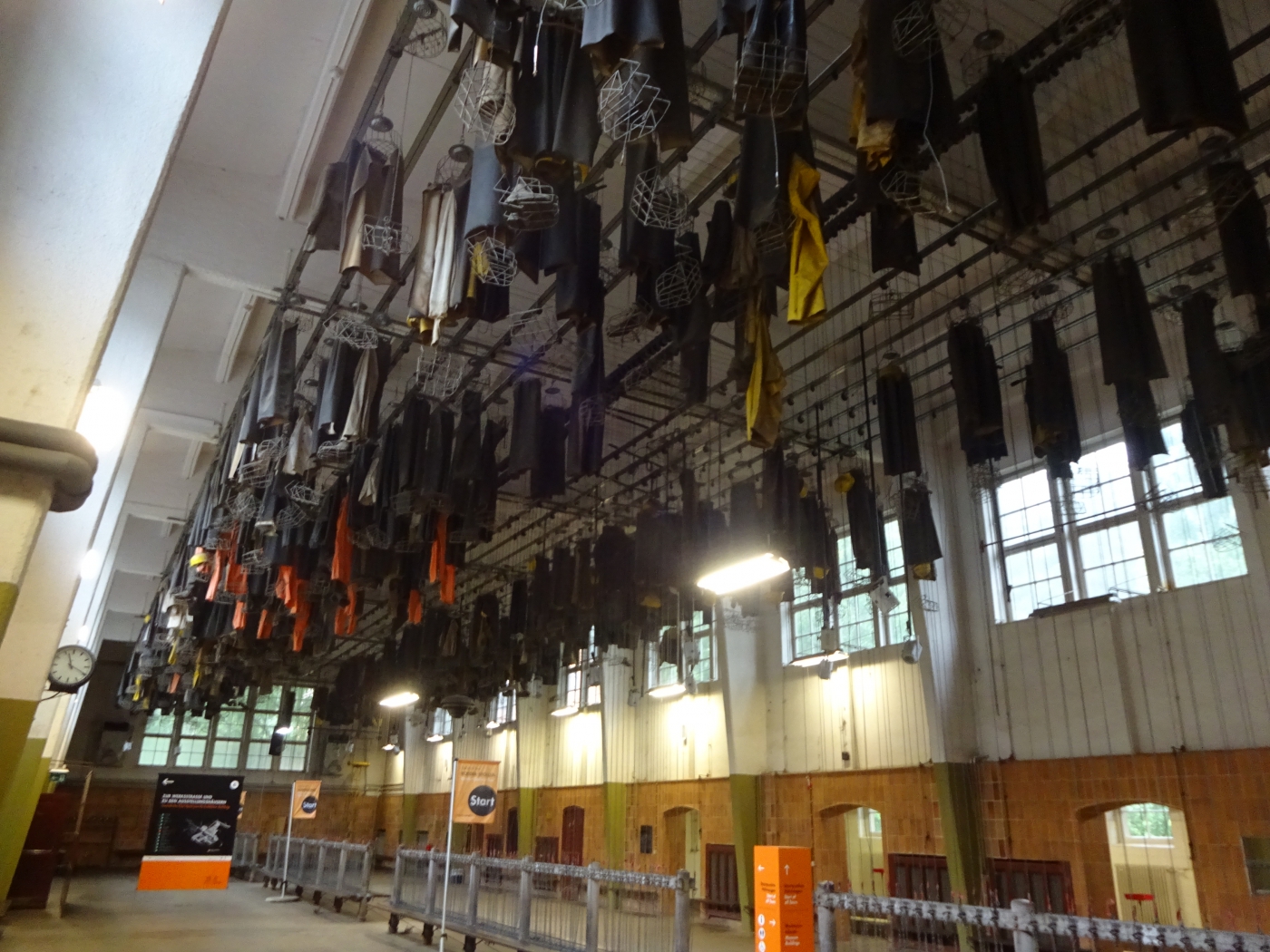
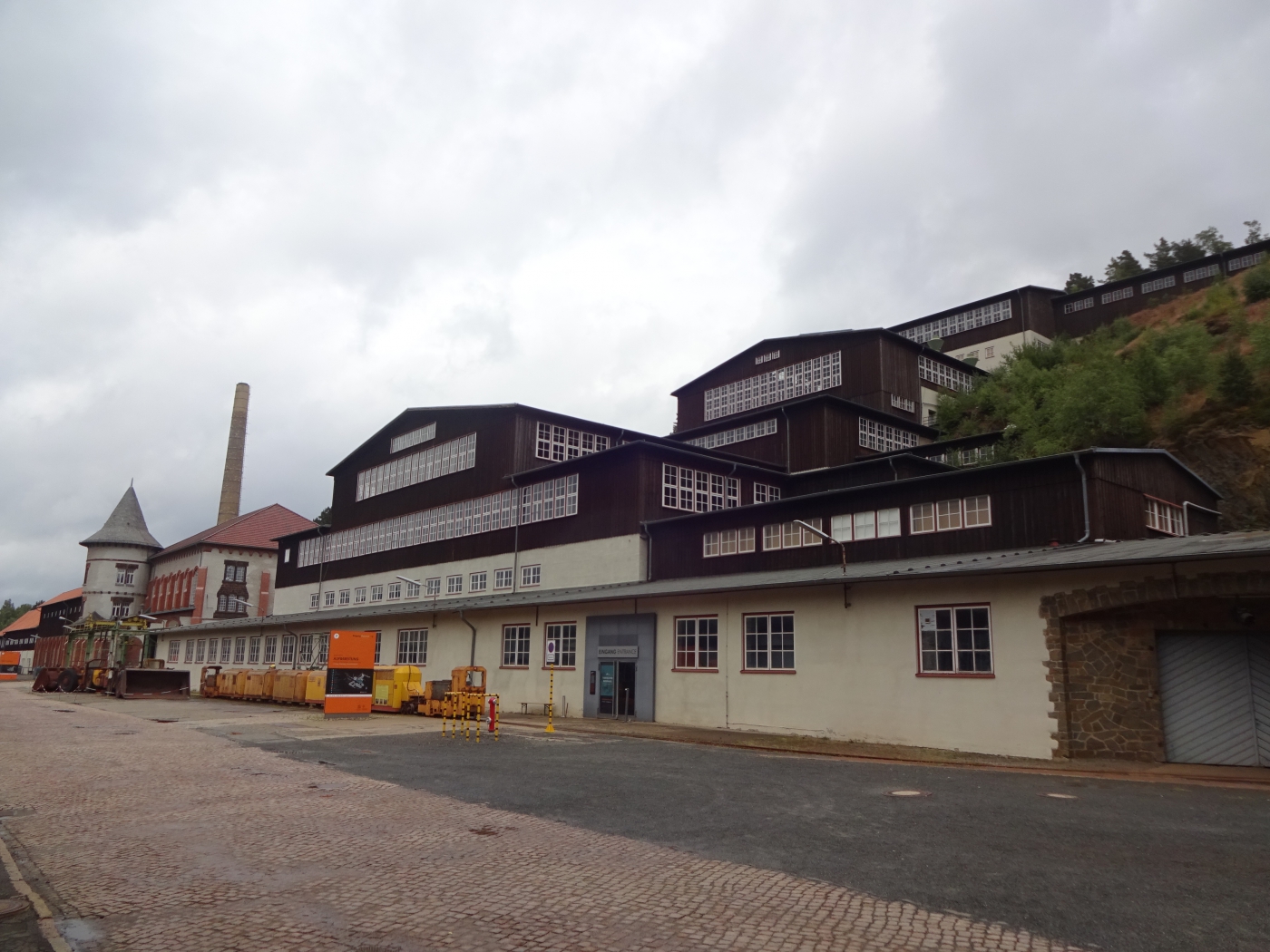
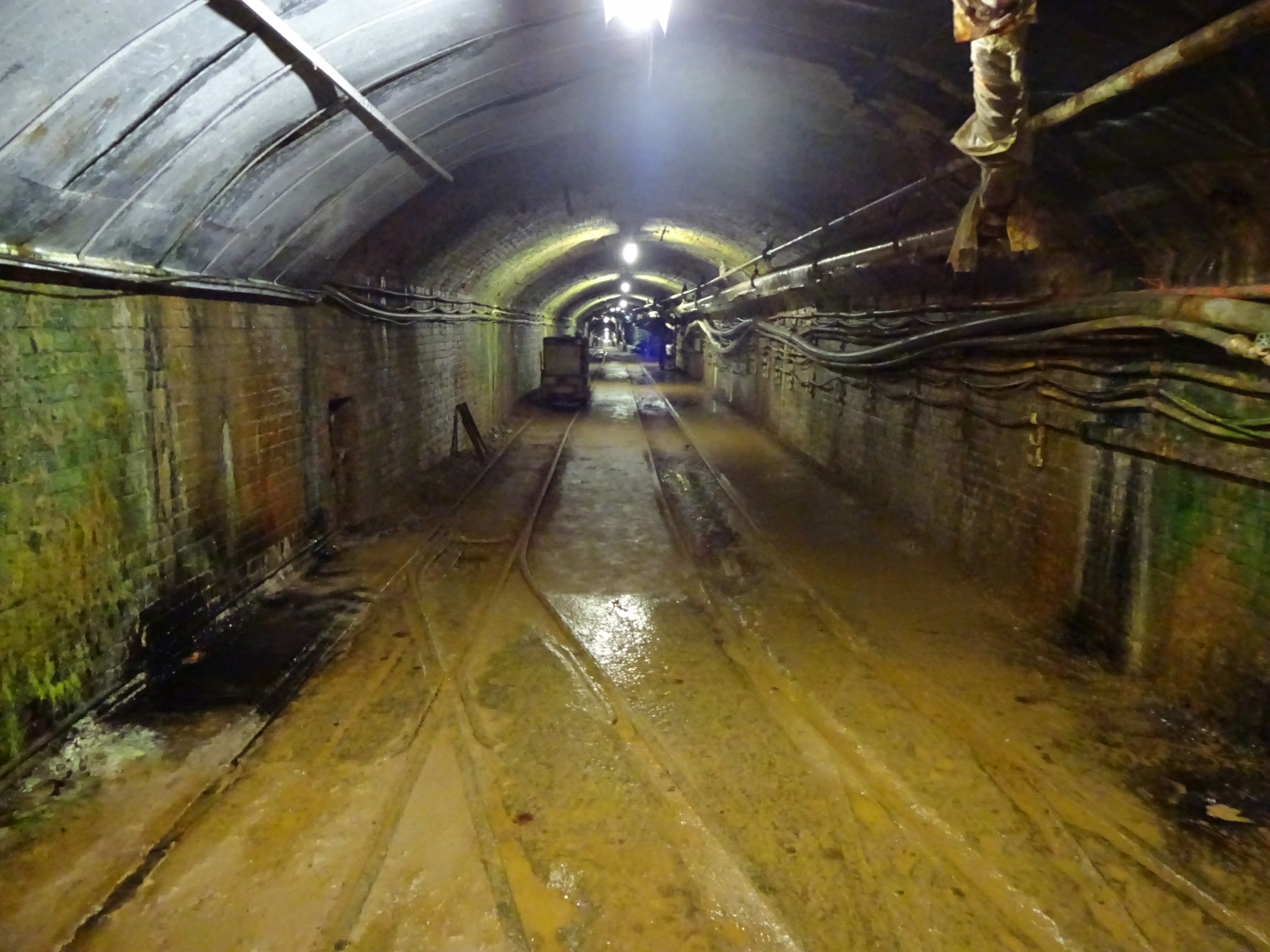
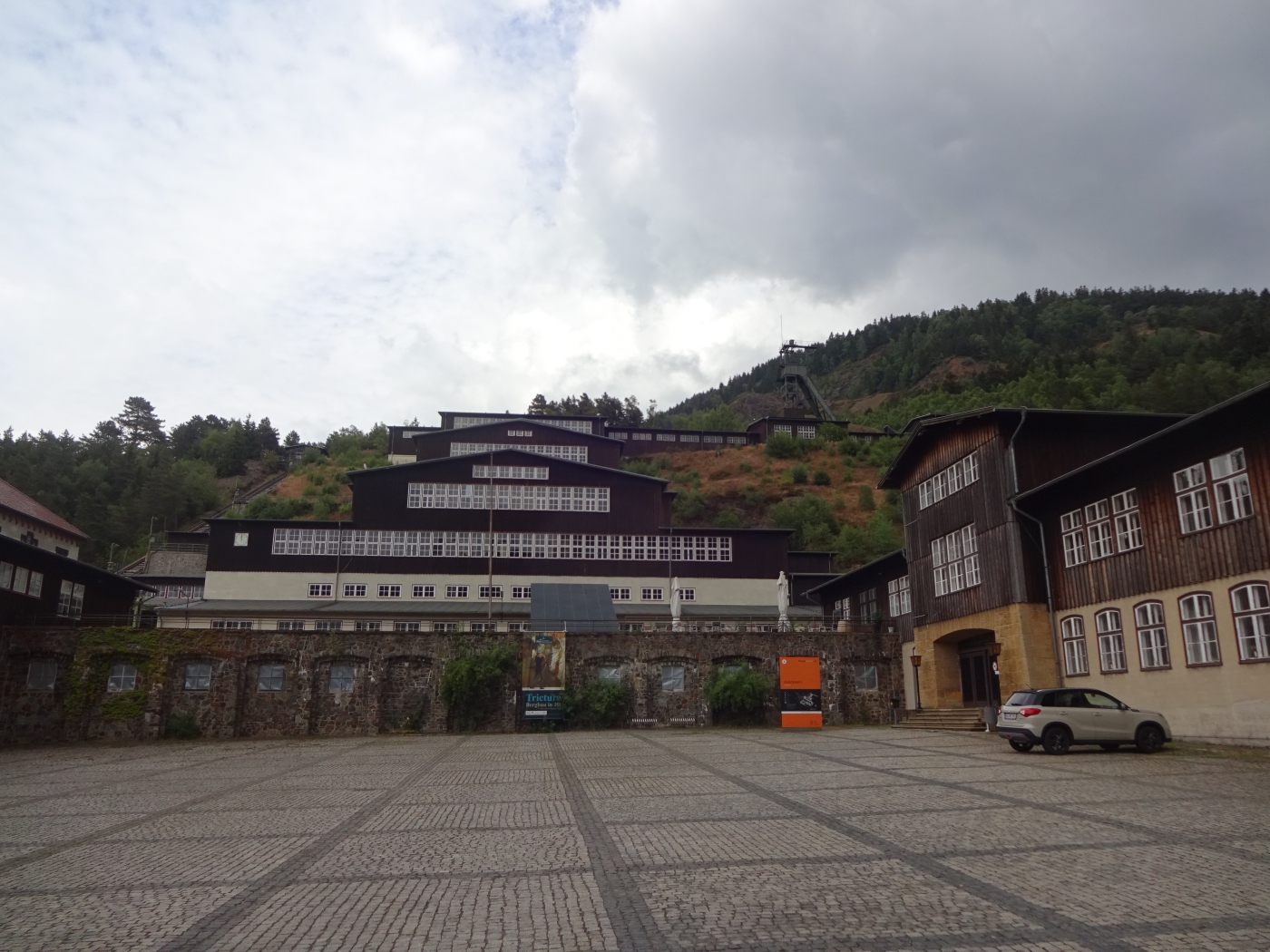
After operating continuously for 1030 years, the Rammelsberg Mines ceased operations in 1988. Its invaluable historical and technological significance was recognized, leading to its transformation into a museum and visitor mine. Today, visitors can explore ancient mining adits, inspect impressive ore processing plants, and witness historical machinery, gaining deep insight into the lives and work of generations of miners. Together with Goslar's Old Town and the Upper Harz Water Management System, it forms a globally significant cultural landscape.
Further Links
The Upper Harz mining water management system, which lies south of the Rammelsberg mines and the town of Goslar, has been developed over a period of some 800 years to assist in the process of extracting ore for the production of non-ferrous metals. Its construction was first undertaken in the Middle Ages by Cistercian monks, and it was then developed on a vast scale from the end of the 16th century until the 19th century. It is made up of an extremely complex but perfectly coherent system of artificial ponds, small channels, tunnels and underground drains. It enabled the development of water power for use in mining and metallurgical processes. It is a major site for mining innovation in the western world.