Historic Centre of Prague
Prag, Czechia
13.08.2011

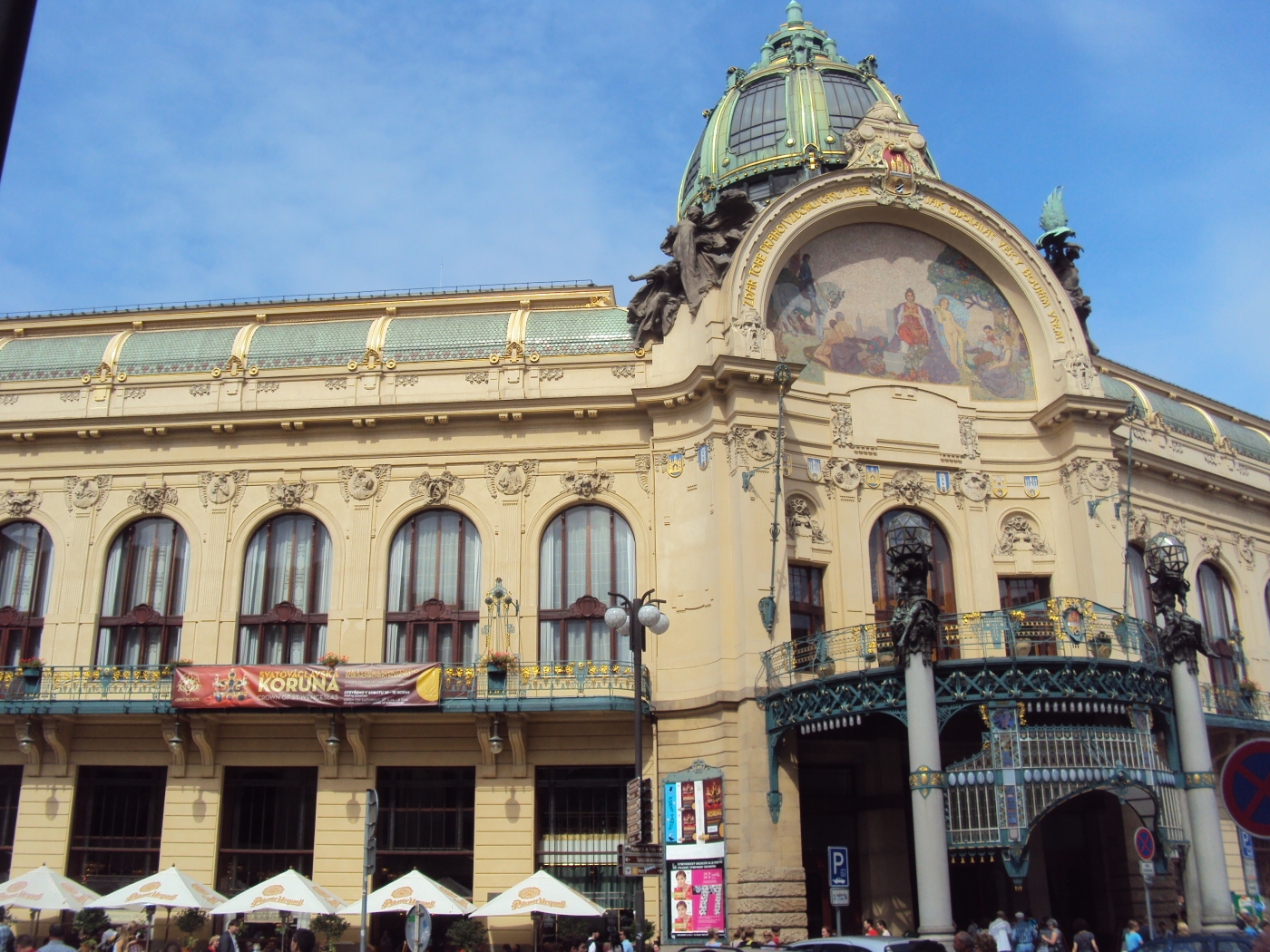
The Historic Centre of Prague, gracefully positioned along the Vltava River, stands as a breathtaking testament to European history and architectural evolution. Designated a UNESCO World Heritage site in 1992, this "City of a Hundred Spires" captivates with its unparalleled blend of Romanesque, Gothic, Baroque, and Art Nouveau styles, reflecting its pivotal role as a cultural and political hub for over a millennium.
A Millennium of Development
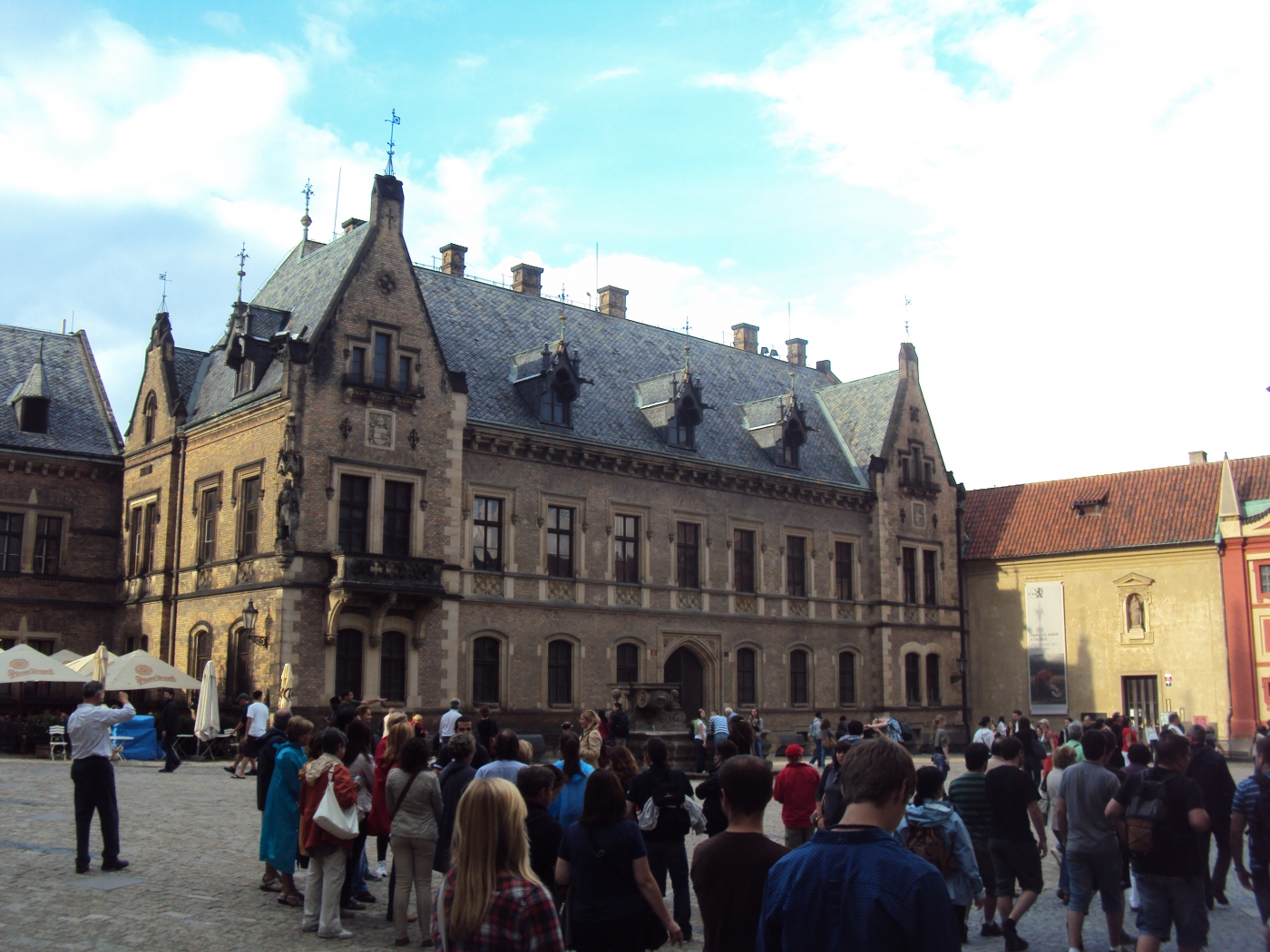
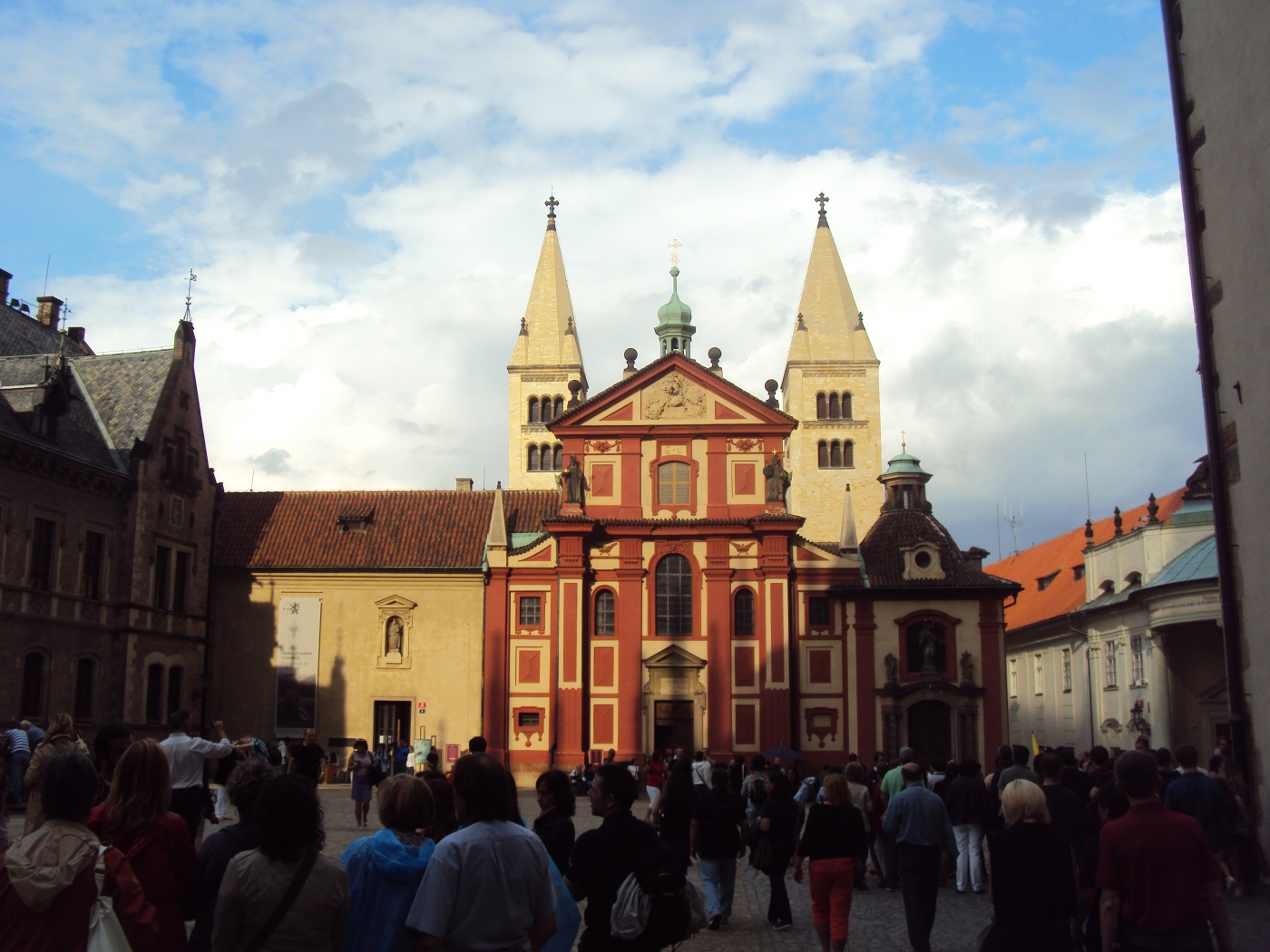
The city's origins trace to the 9th century with Prague Castle, which rapidly became the seat of Bohemian kings and Holy Roman Emperors. Under Charles IV in the 14th century, Prague flourished, growing into one of Europe’s largest cities. He initiated ambitious building projects, transforming it into a magnificent Gothic metropolis and the capital of the Holy Roman Empire.
Architectural Masterpieces
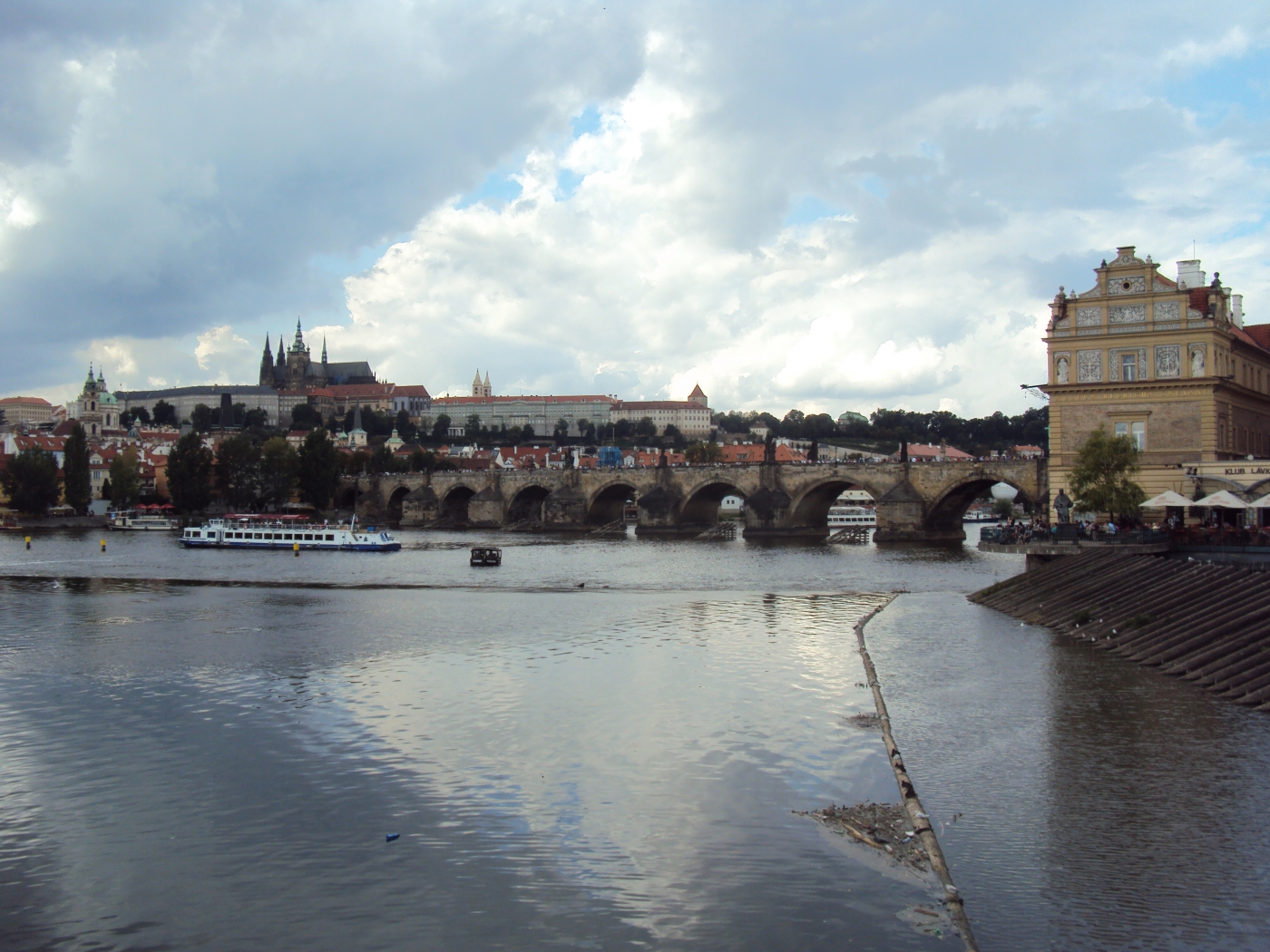
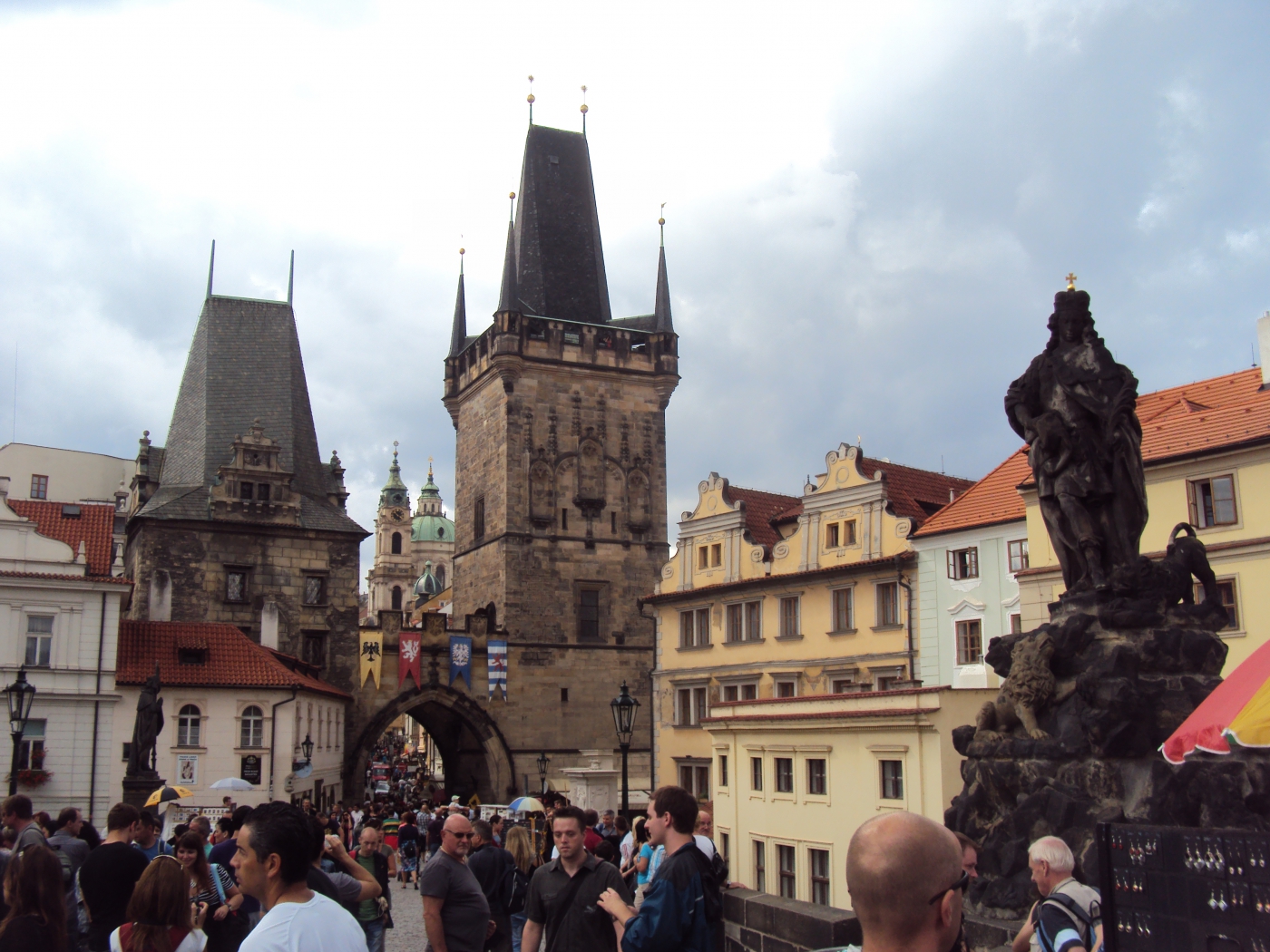
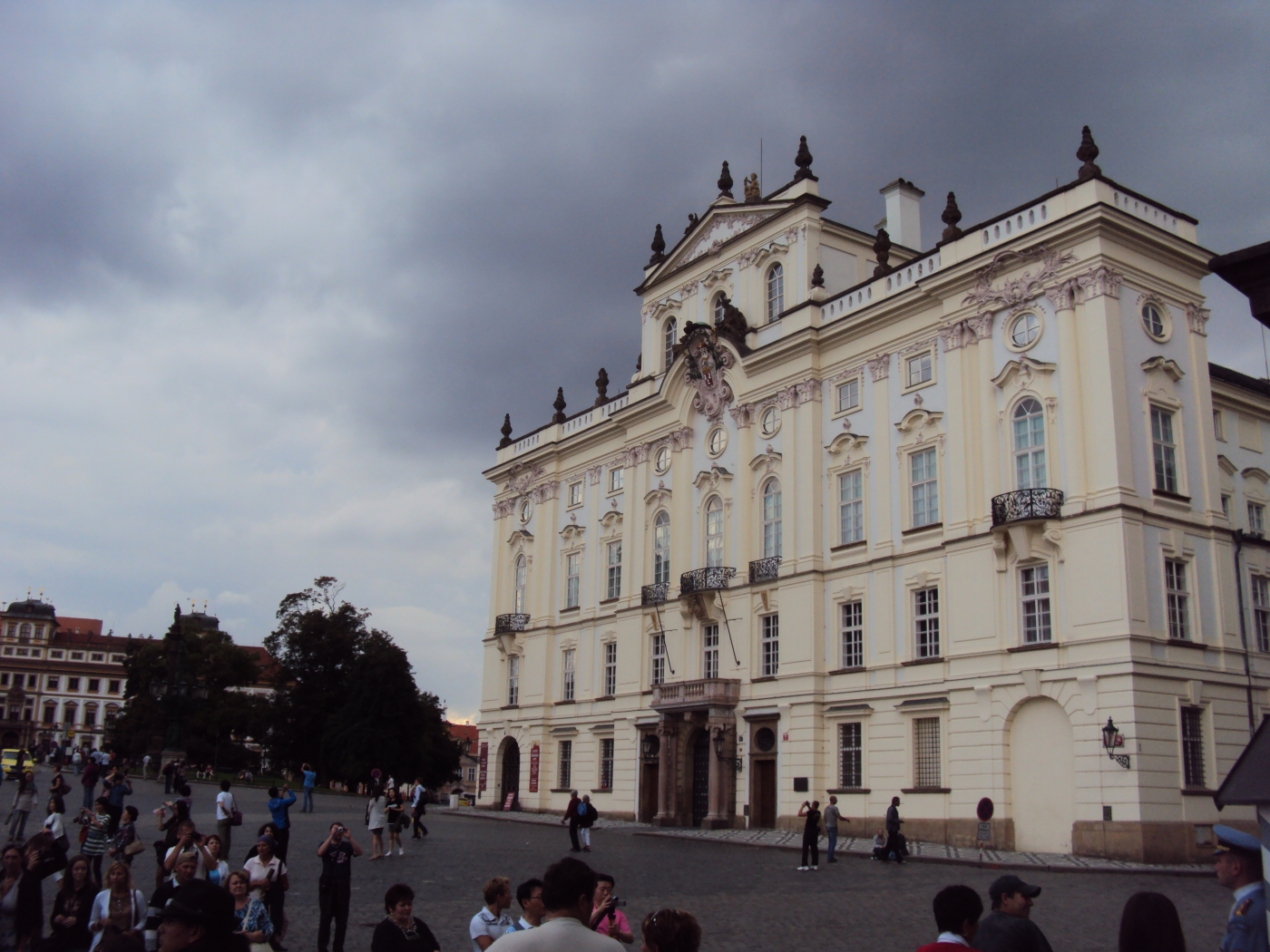
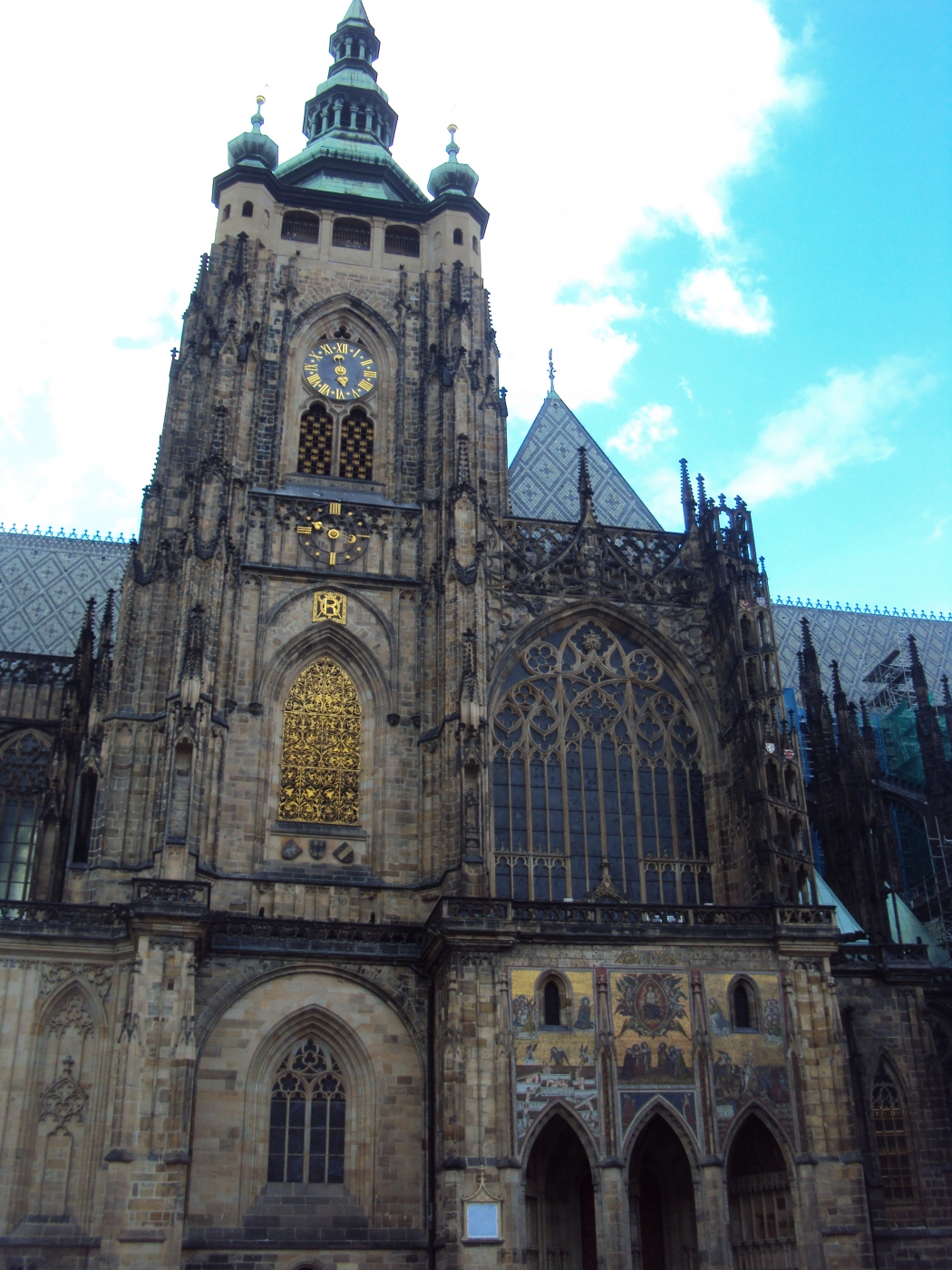
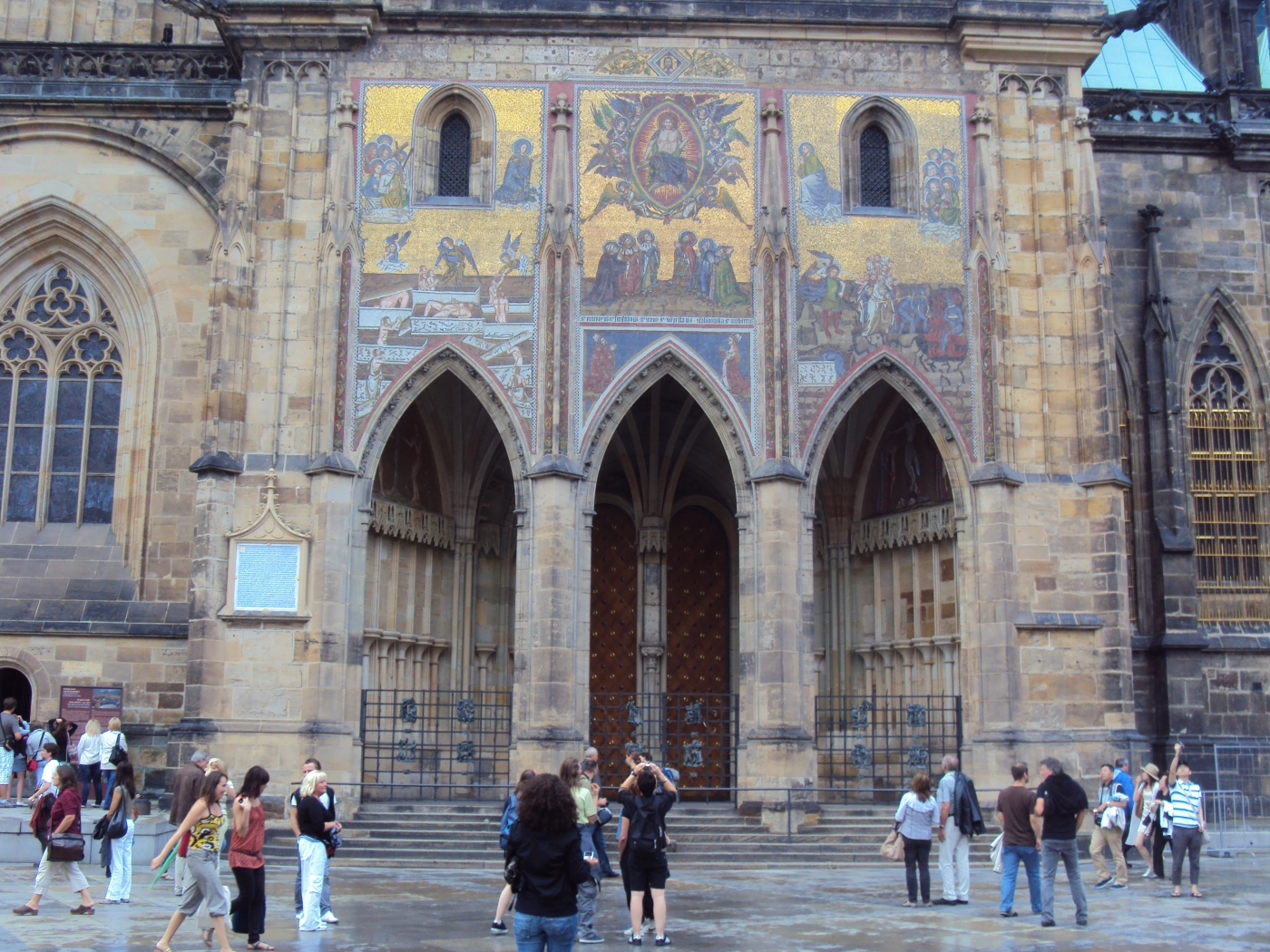
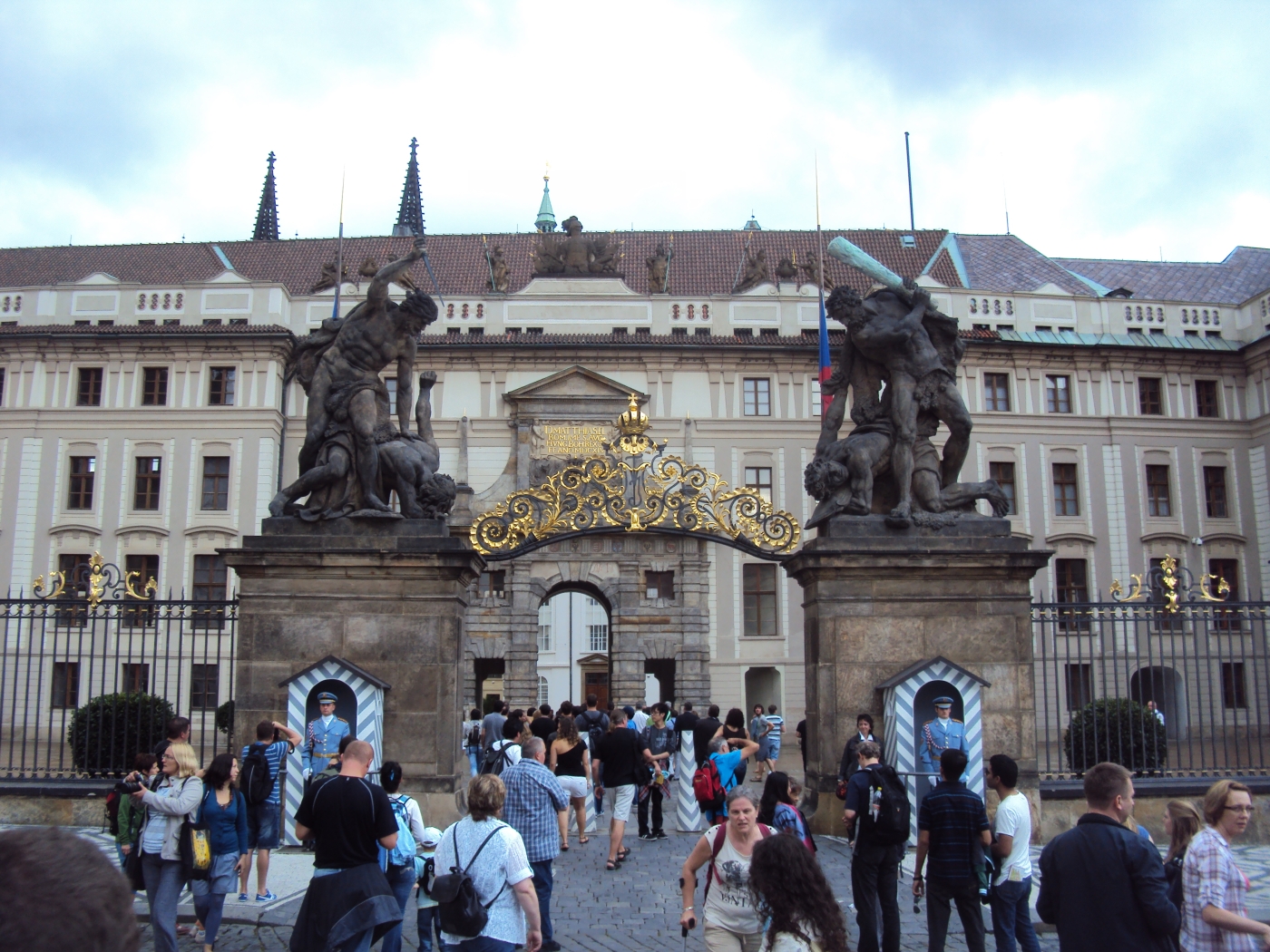
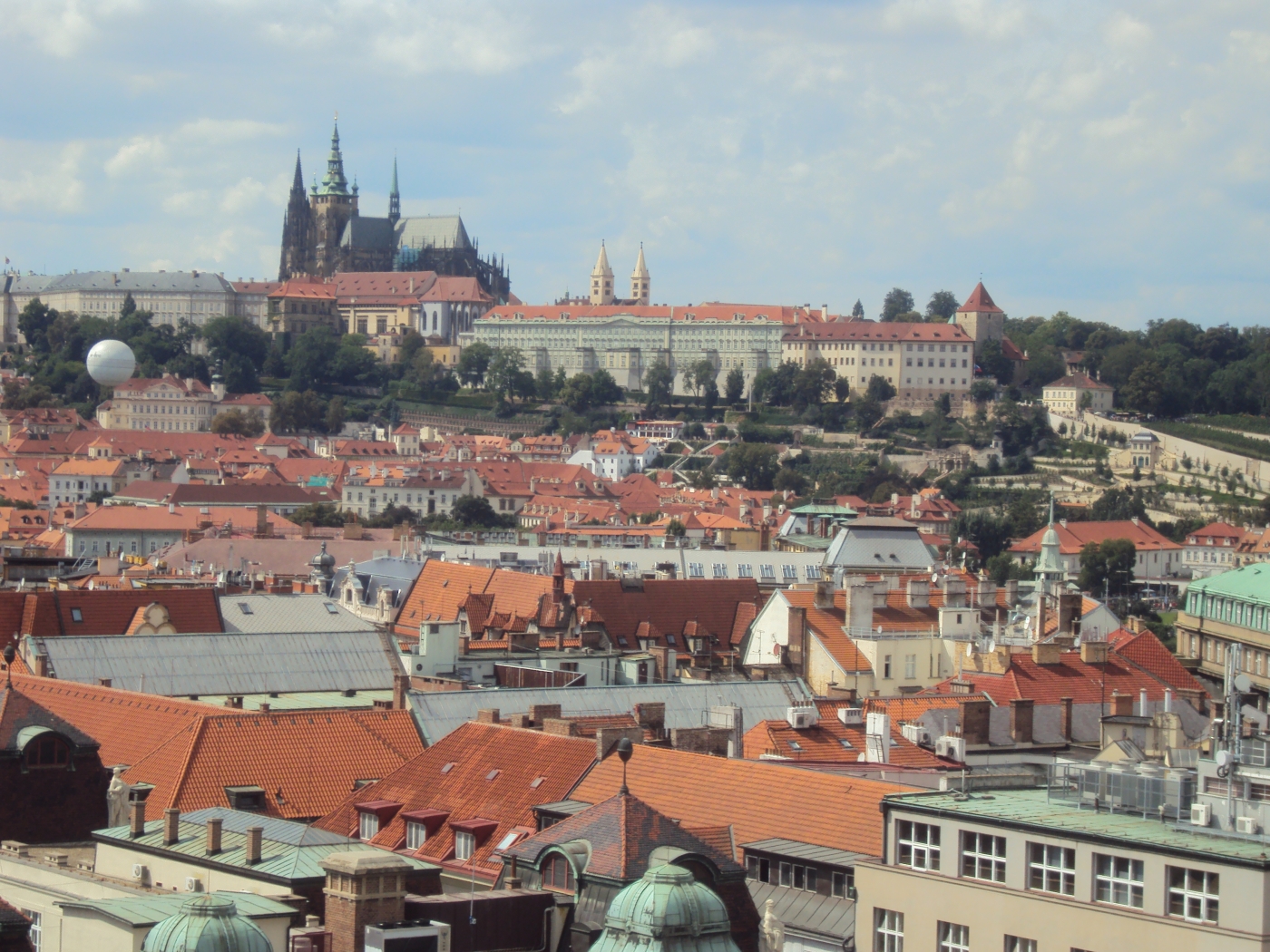
Dominating the skyline from its hill, Prague Castle encompasses palaces, churches, and gardens, including the awe-inspiring St. Vitus Cathedral. This Gothic masterpiece, with its intricate stained glass and soaring spires, symbolizes Bohemian power. Connecting Malá Strana with the Old Town across the Vltava is the iconic Charles Bridge, adorned with baroque statues and offering panoramic views.
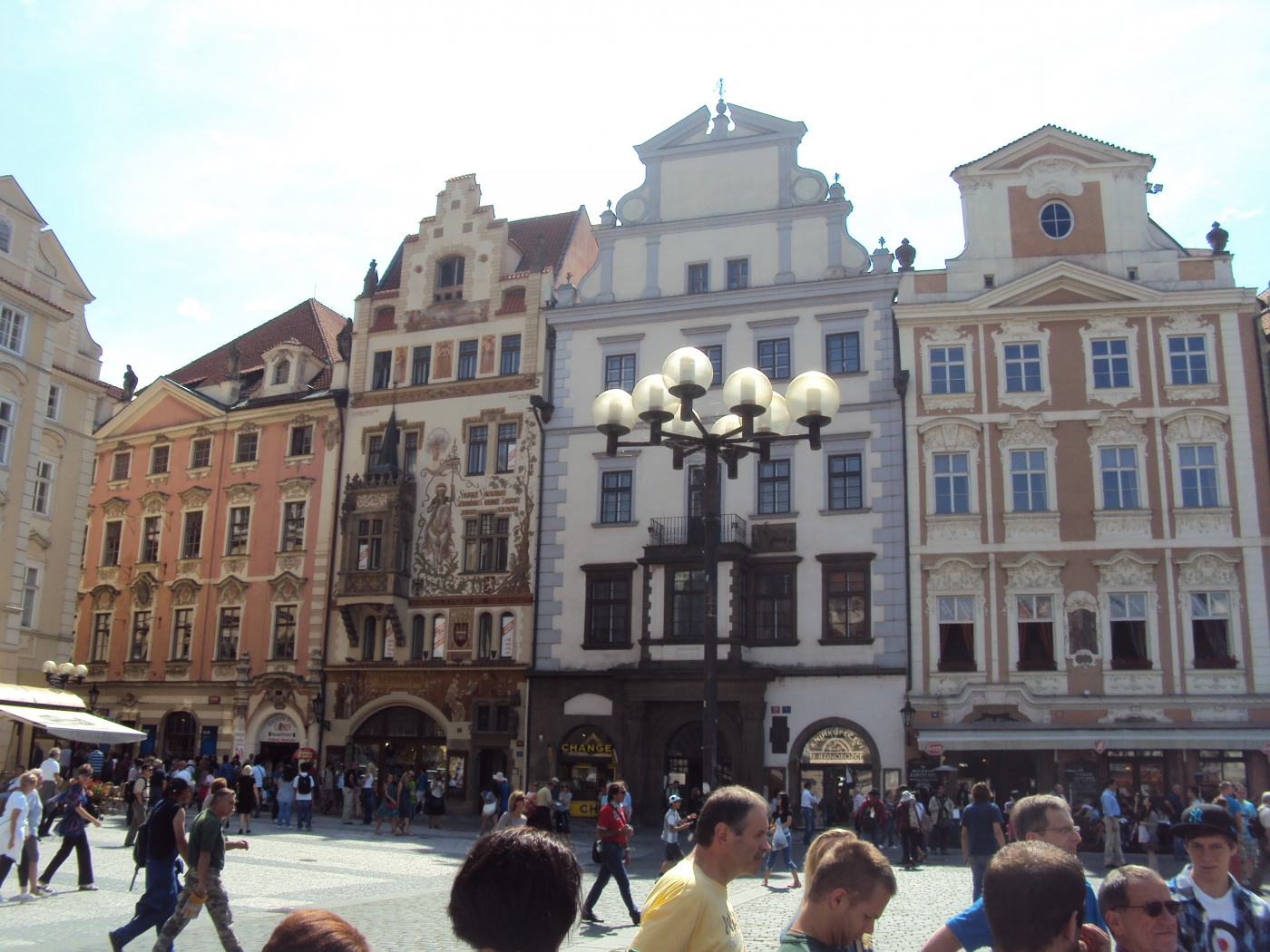
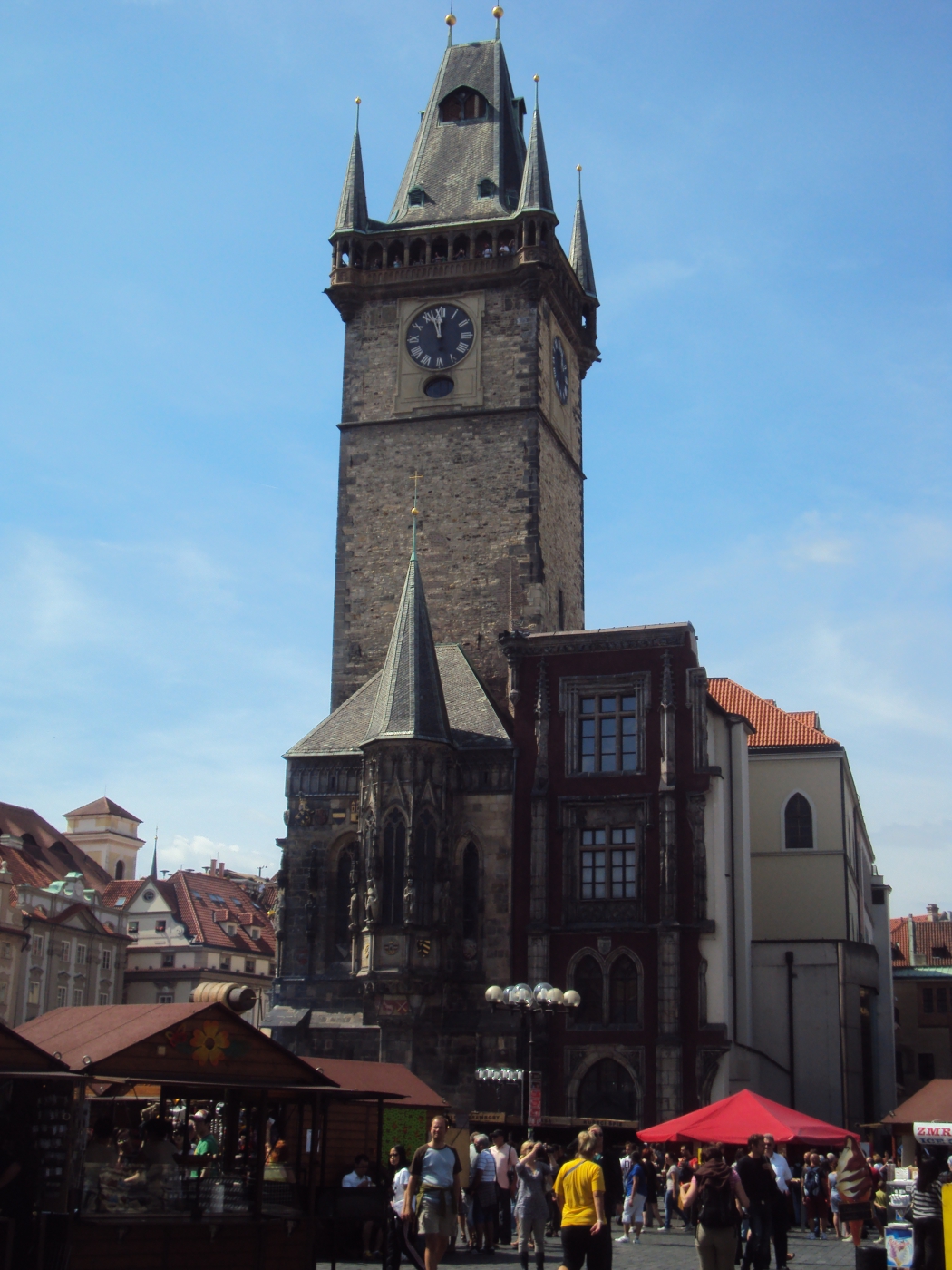
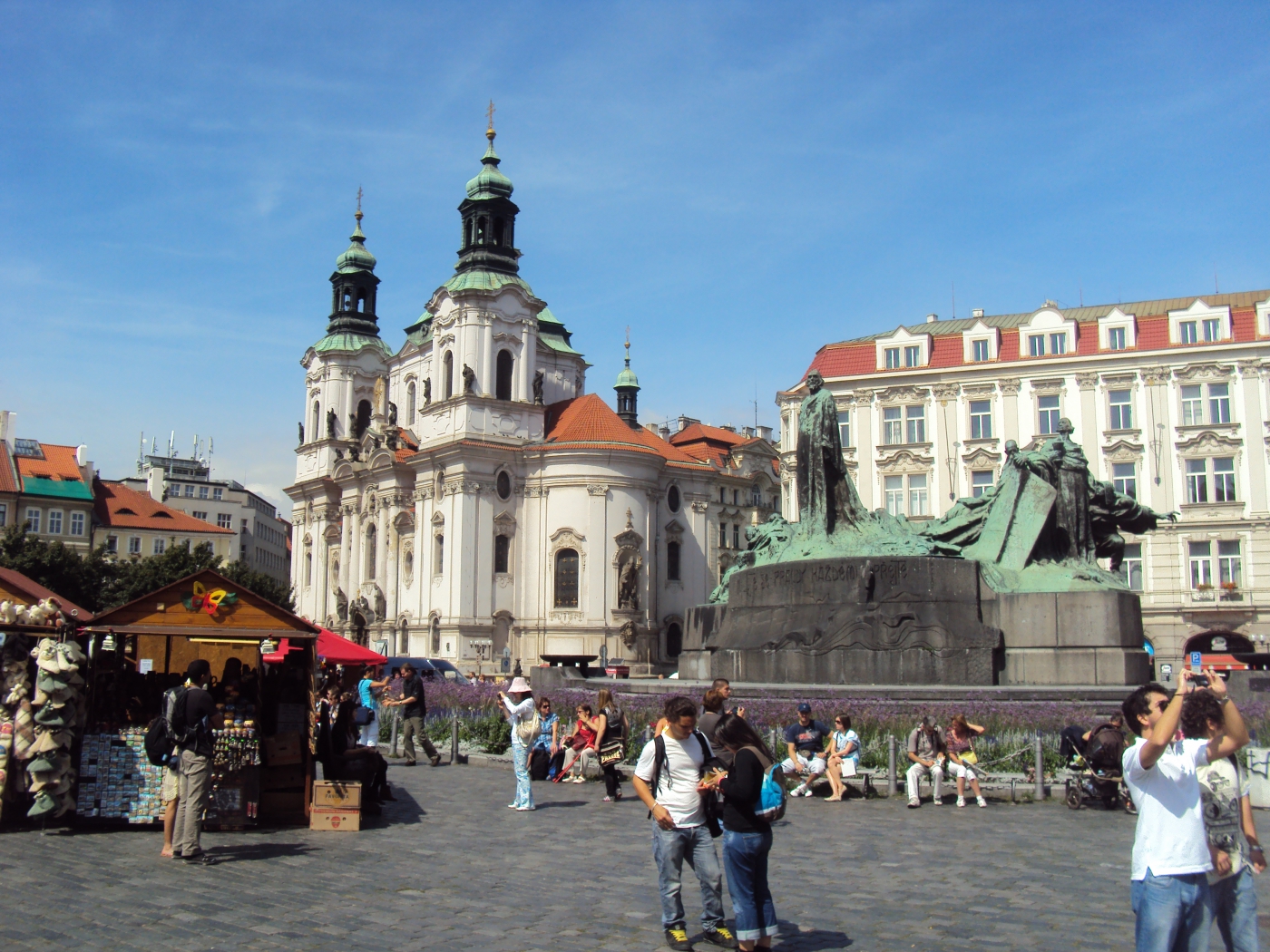
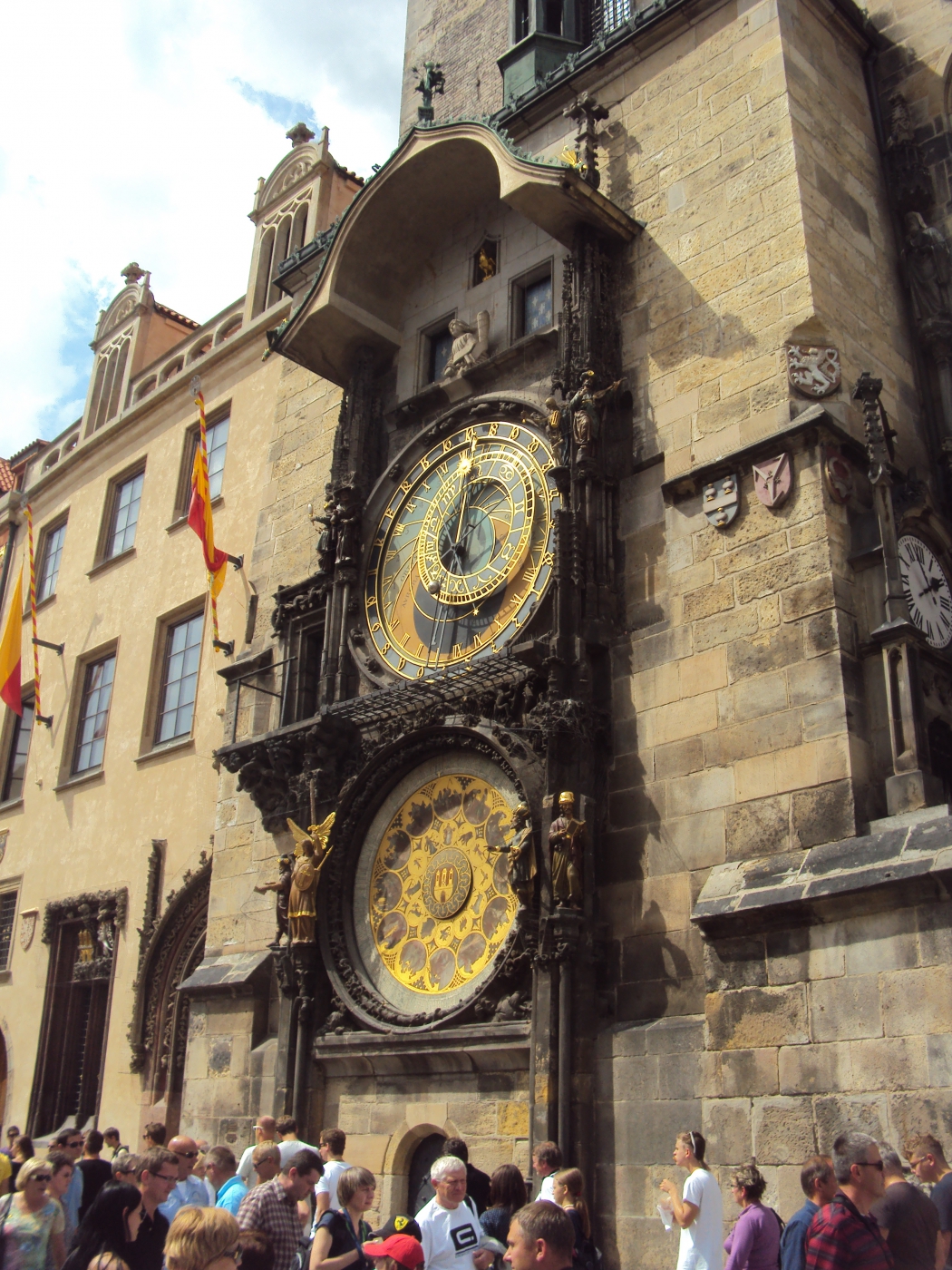
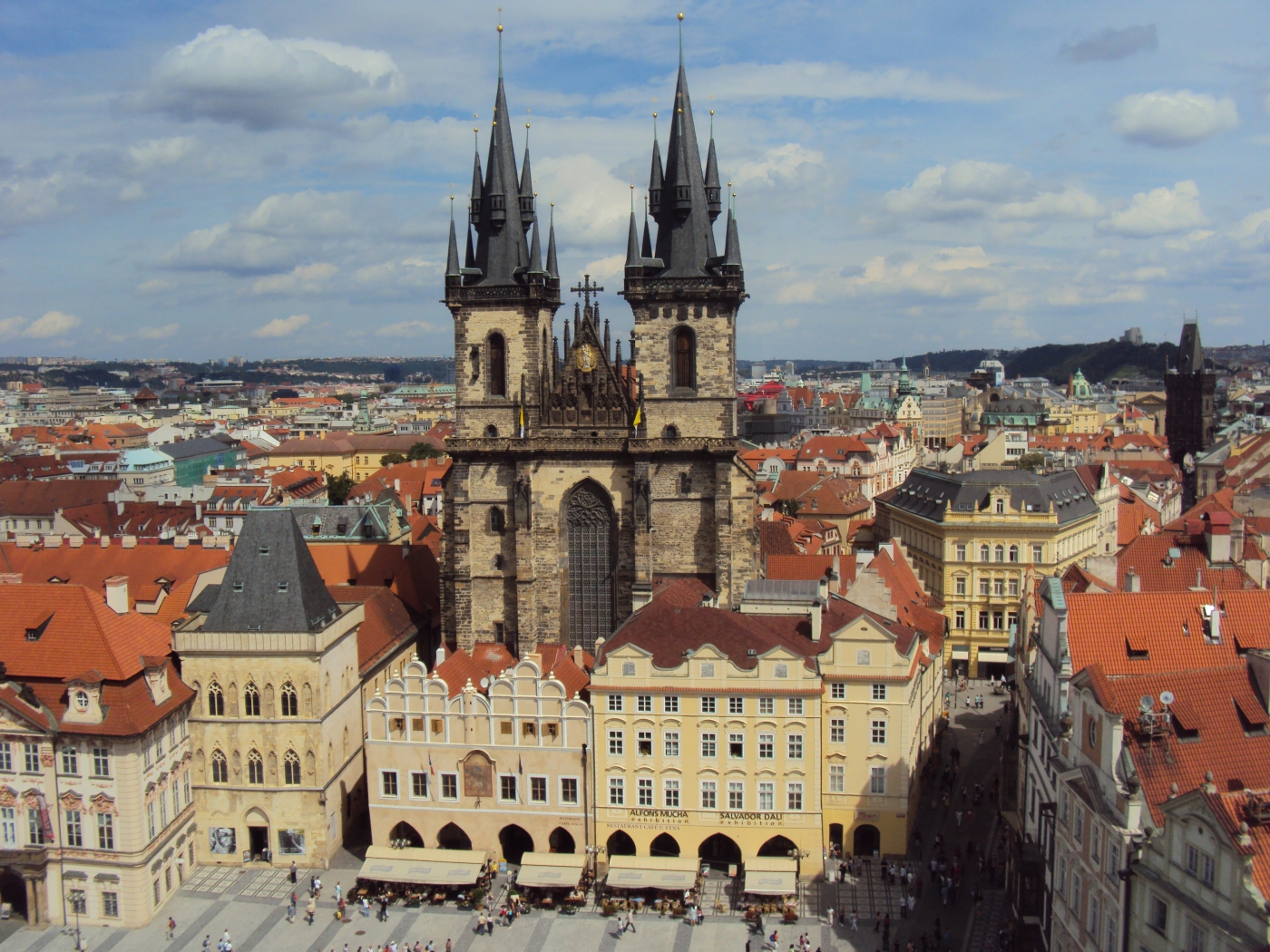
The heart of the city beats loudest in the Old Town Square, a vibrant expanse surrounded by historic buildings. Here, visitors marvel at the Old Town Hall, famous for its elaborate Astronomical Clock, a medieval engineering marvel. Nearby, the former Jewish Ghetto, Josefov, preserves a unique cultural heritage with its synagogues and old cemetery, illustrating another rich layer of Prague's diverse past.
Prague's historic center is more than just beautiful buildings; it is a remarkably well-preserved urban fabric that tells the story of Central Europe. Its narrow cobblestone streets, hidden courtyards, and grand squares invite exploration, offering a profound journey through time.
Weiterführende Links
Built between the 11th and 18th centuries, the Old Town, the Lesser Town and the New Town speak of the great architectural and cultural influence enjoyed by this city since the Middle Ages. The many magnificent monuments, such as Hradcany Castle, St Vitus Cathedral, Charles Bridge and numerous churches and palaces, built mostly in the 14th century under the Holy Roman Emperor, Charles IV.
The Old Town of Prague (Czech: Staré Město pražské, German: Prager Altstadt) is a medieval settlement of Prague, Czech Republic. It was separated from the outside by a semi-circular moat and wall, connected to the Vltava river at both of its ends. The moat is now covered up by the streets (from north to south-west) Revoluční, Na Příkopě, and Národní — which remain the official boundary of the cadastral community of Old Town. It is now part of Prague 1.
Notable places in the Old Town include Old Town Square and Astronomical Clock. The Old Town is surrounded by the New Town of Prague. Across the river Vltava connected by the Charles Bridge is the Lesser Town of Prague (Czech: Malá Strana). The former Jewish Town (Josefov) is located in the northwest corner of Old Town heading towards the Vltava.