Messel Pit Fossil Site
Messel, Germany
24.06.2018

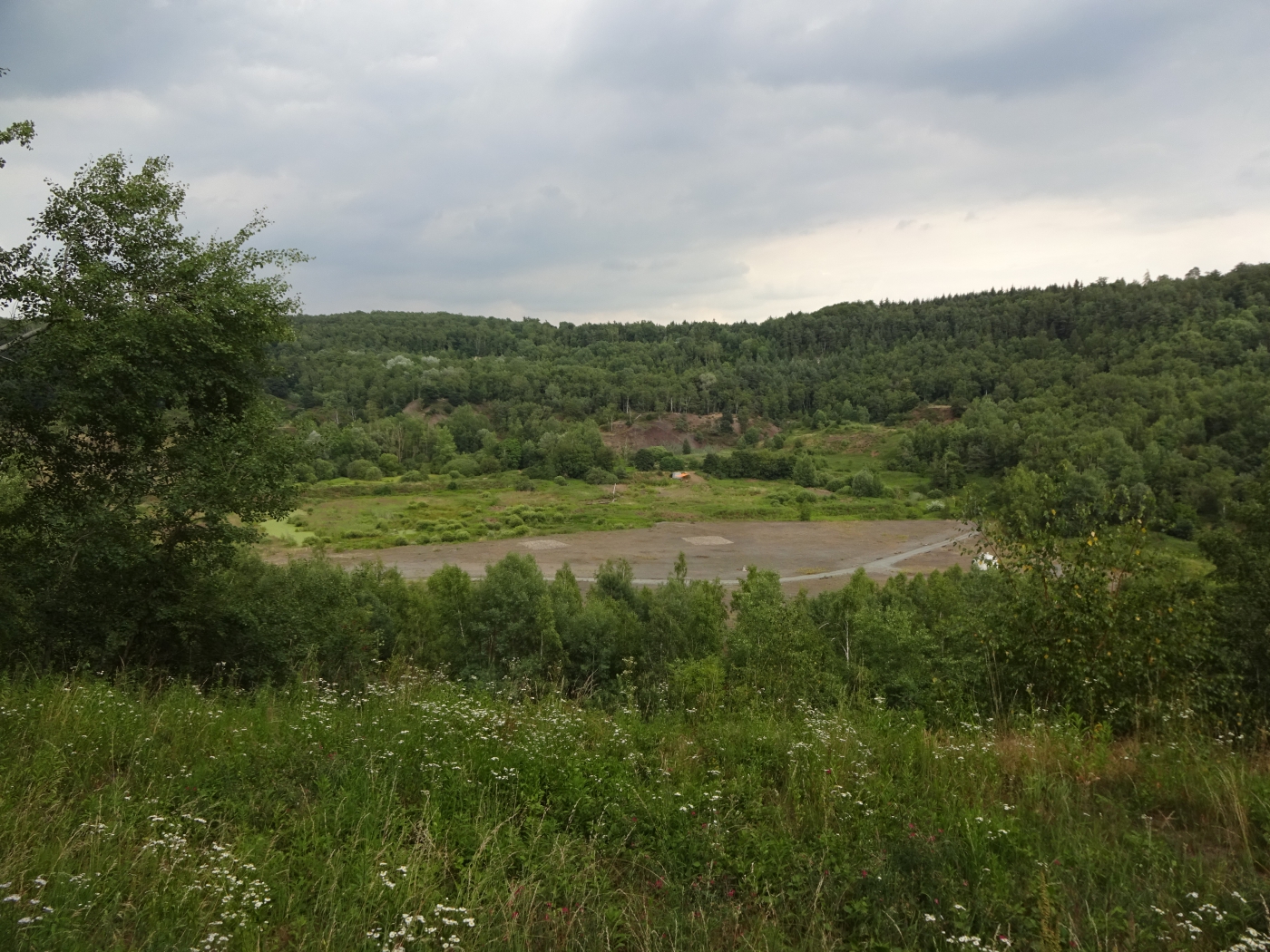
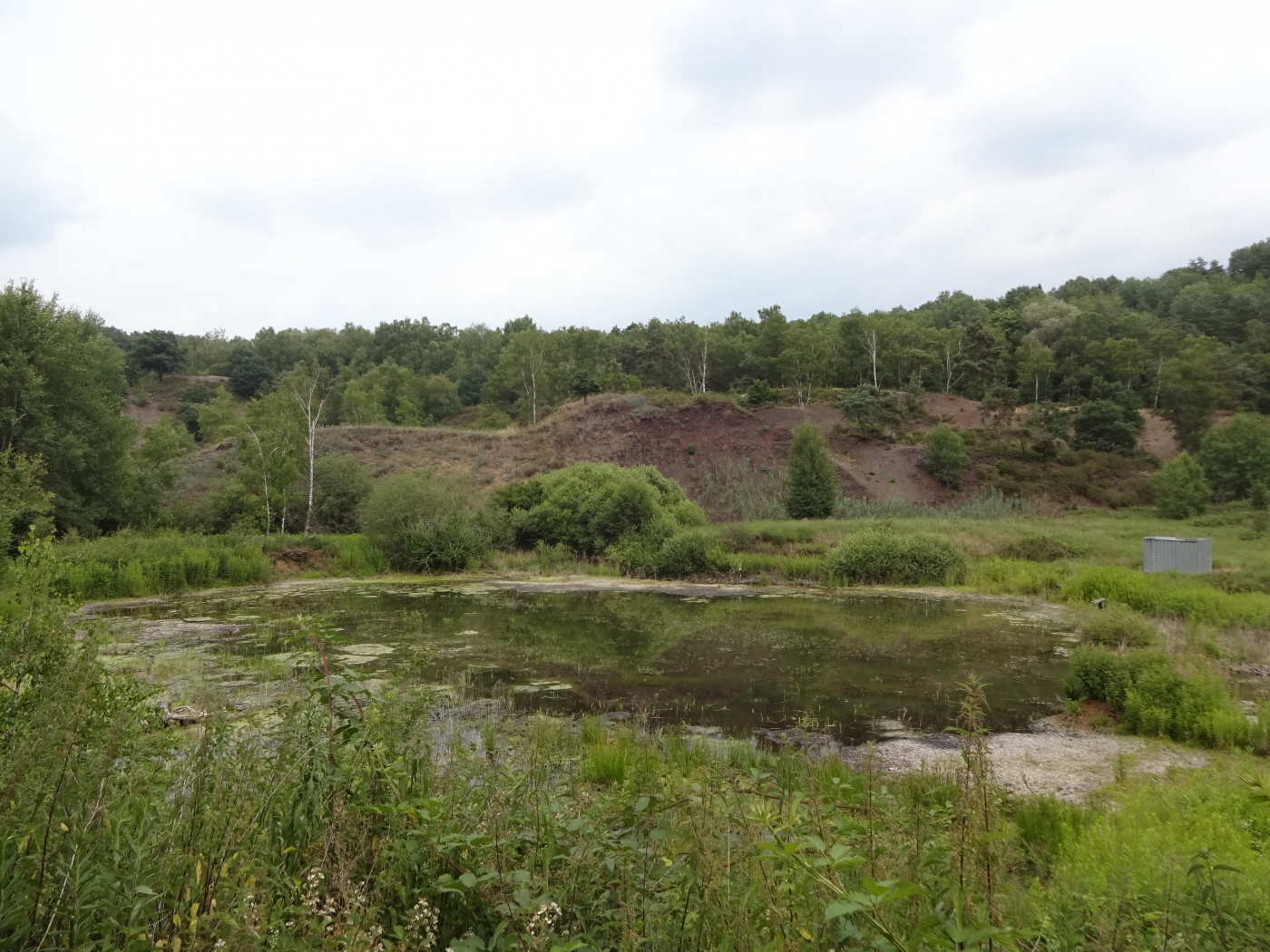
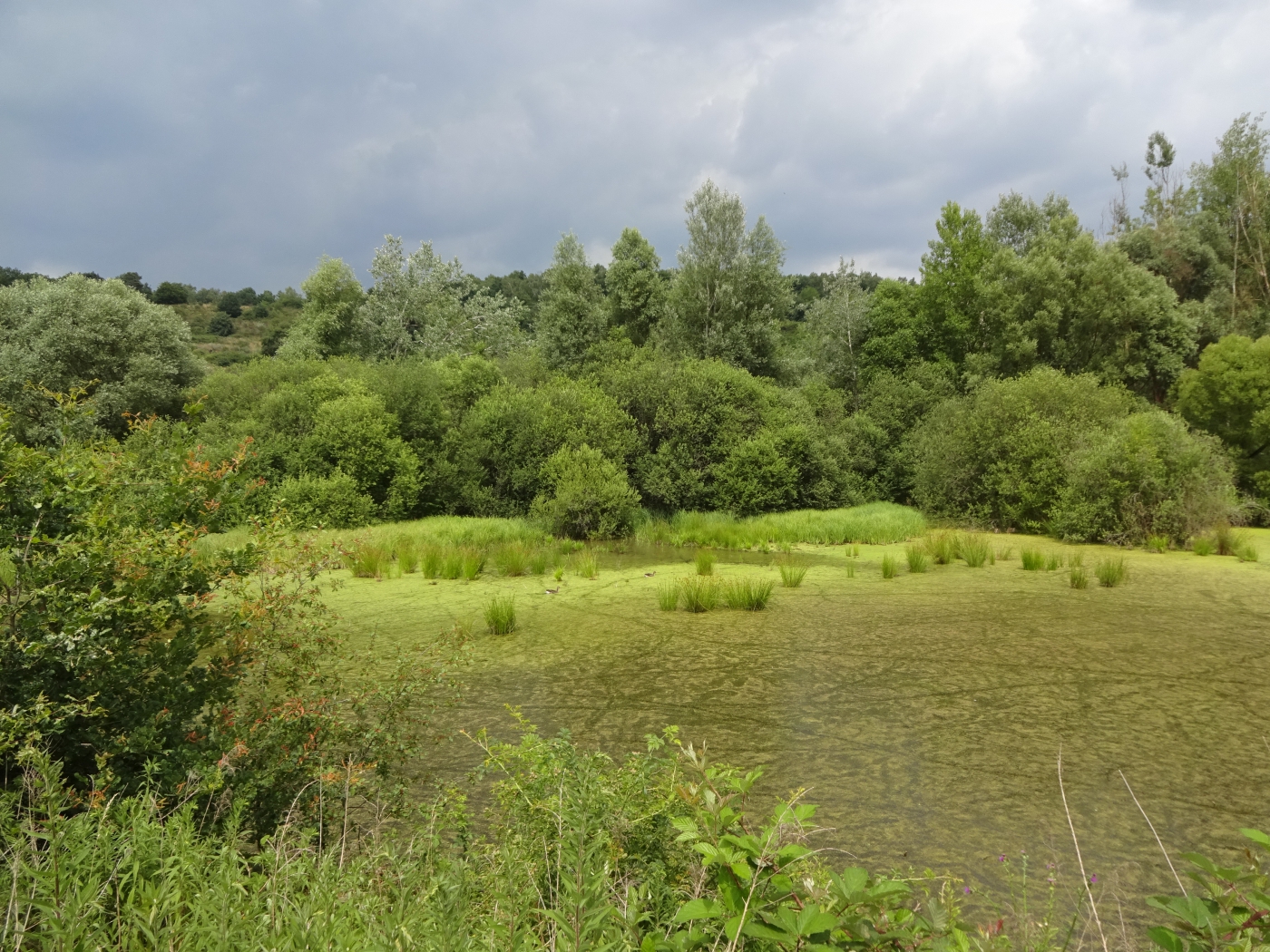
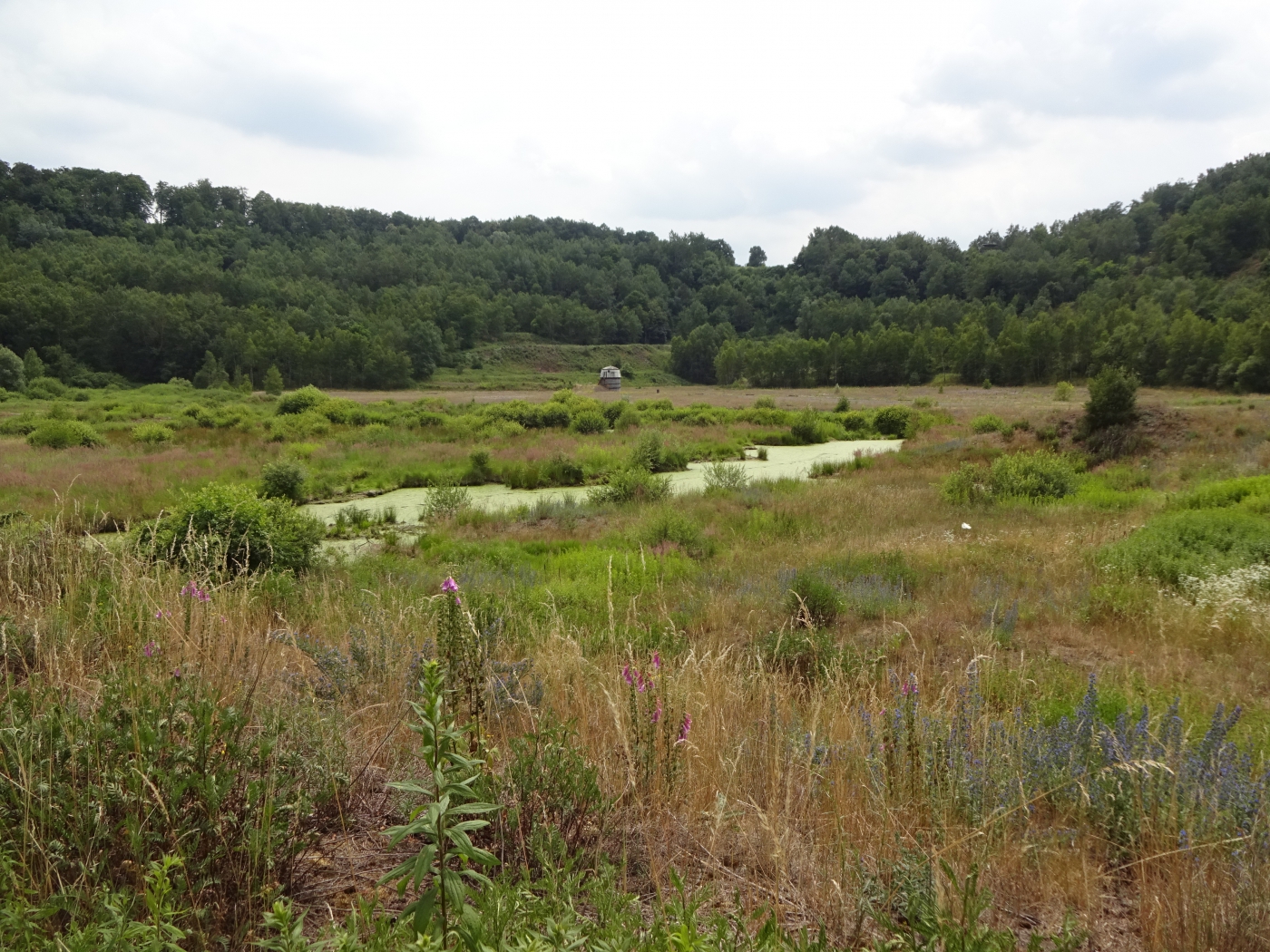
The Messel Pit Fossil Site, located near the village of Messel in Hesse, Germany, is an extraordinary window into the Earth's past, specifically the Middle Eocene epoch, approximately 48 million years ago. This former oil shale mine has yielded an unparalleled collection of exquisitely preserved fossils, offering a unique snapshot of a subtropical ecosystem that thrived in ancient Europe.
From Industry to Discovery
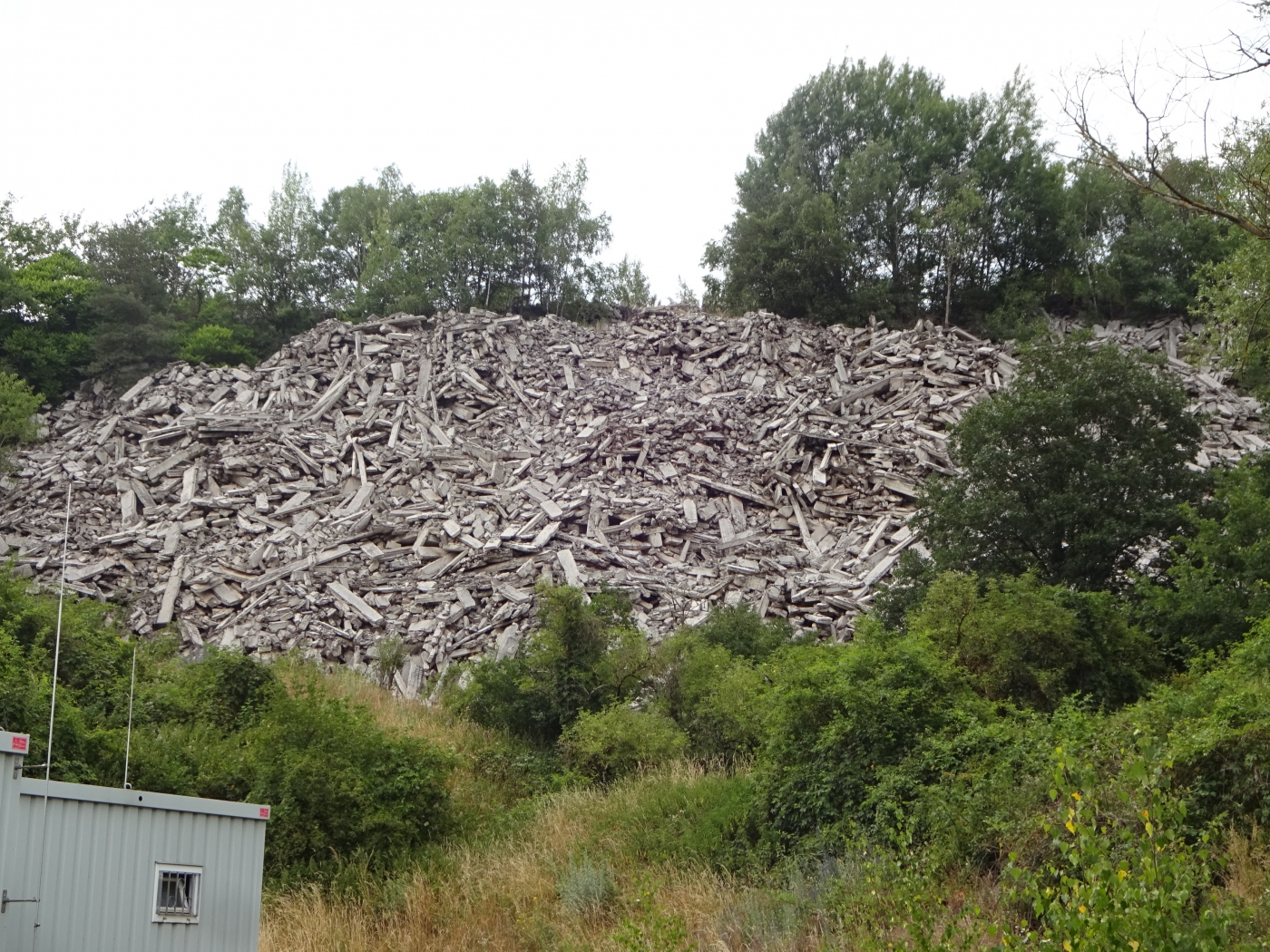
Originally exploited for its oil shale from the late 19th century, the Messel Pit faced closure and plans for use as a landfill in the 1970s. However, its immense scientific value emerged through dedicated amateur and professional paleontologists. Their persistent efforts, revealing incredibly detailed fossils, led to a re-evaluation and ultimately prevented its destruction.
Exceptional Preservation
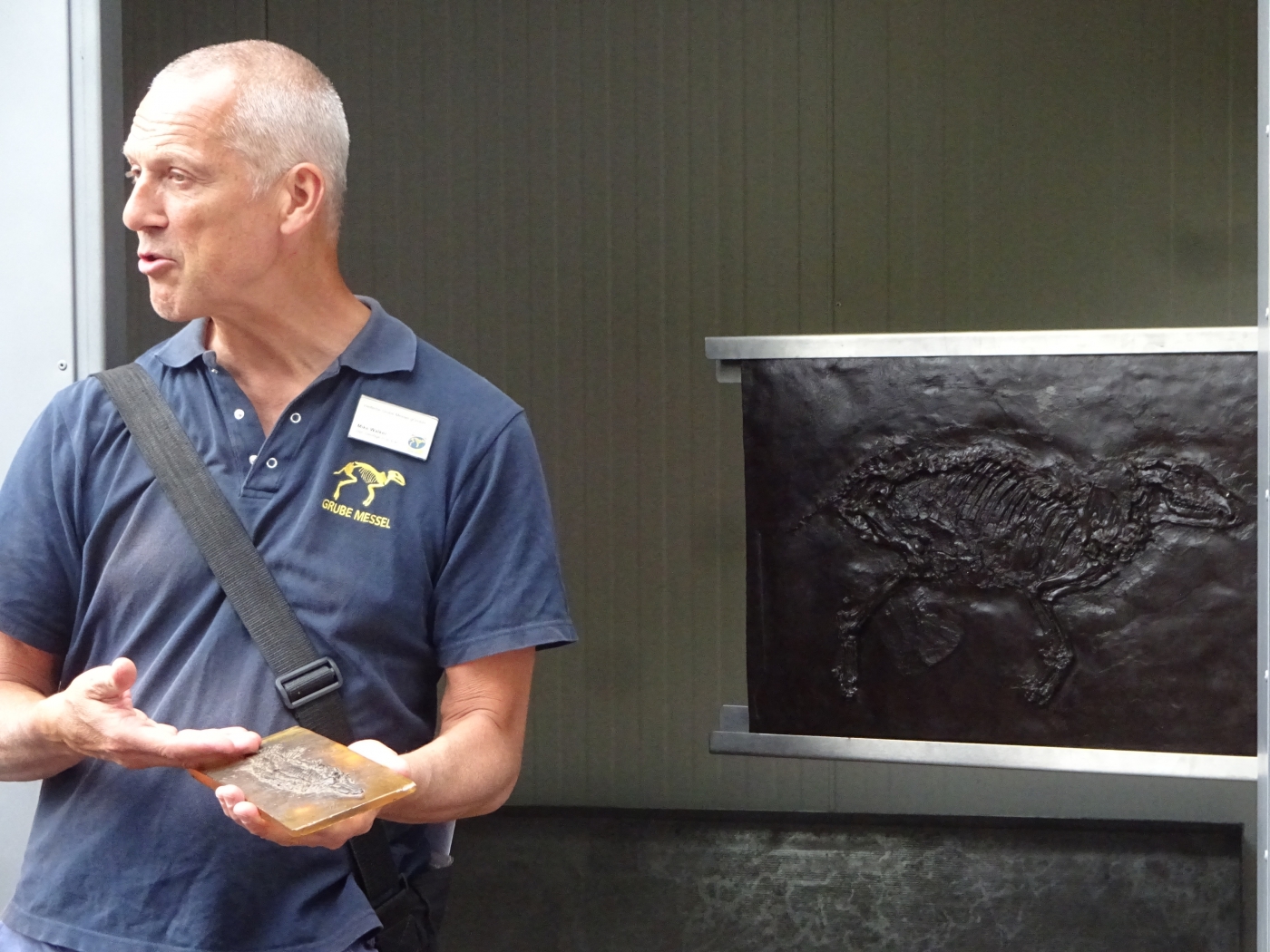
What sets Messel apart is its exceptional fossil preservation. The unique geological conditions of the former volcanic maar lake, with deep, anoxic waters, allowed stunning retention of soft tissues, fur, feathers, and even stomach contents. This natural archive captures intricate details of Eocene flora and fauna. Iconic finds include complete skeletons of early horses like Propalaeotherium, numerous bats, exquisite insects, reptiles, fish, and early primates such as Darwinius masillae, famously dubbed "Ida."
Global Recognition
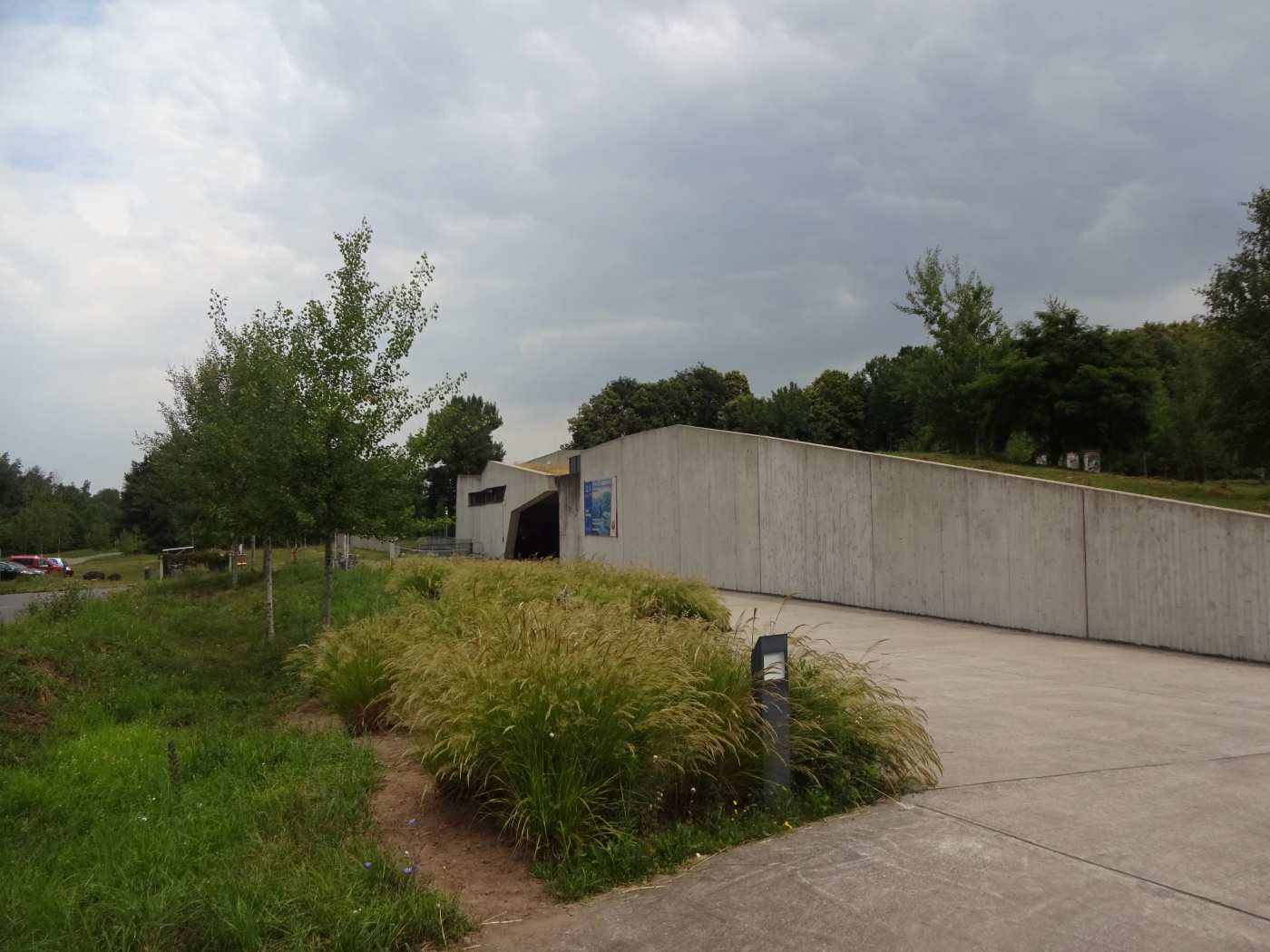
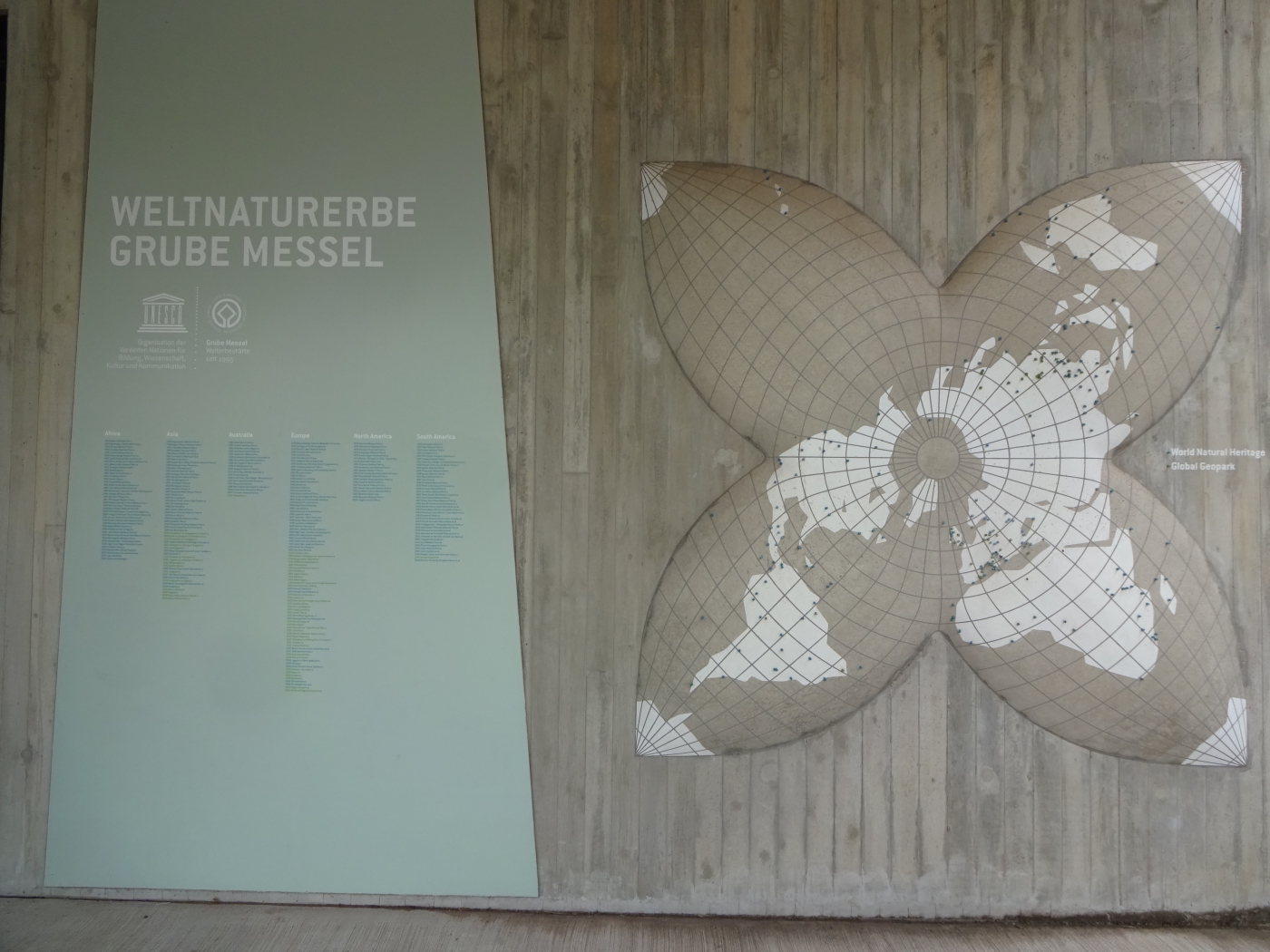
The scientific community quickly recognized Messel Pit's global significance for understanding mammalian and avian evolution, and reconstructing Eocene climate. In 1995, UNESCO inscribed the site on its World Heritage List, acknowledging its "outstanding universal value" in providing the most complete fossil record of the Early Tertiary. This designation secured its protection and ensured its continued role as a crucial research site, attracting scientists and visitors to the UNESCO World Heritage Messel Pit Fossil Site visitor center.
Further Reading
Messel Pit is the richest site in the world for understanding the living environment of the Eocene, between 57 million and 36 million years ago. In particular, it provides unique information about the early stages of the evolution of mammals and includes exceptionally well-preserved mammal fossils, ranging from fully articulated skeletons to the contents of stomachs of animals of this period.
The Messel Pit is a fossil preservation site in Hesse, central Germany, dated to the Eocene epoch (about 47 Ma). The fossil-bearing rock unit is a geologic formation named the Messel Formation; its geographic range is restricted to the Messel pit. There, the formation unconformably overlies crystalline Variscan basement and its Permian cover (Rotliegend) as well as Eocene volcanic breccias derived from the basement rocks. The formation mainly comprises lacustrine laminated bituminous shale ("oil shale") renowned for its content of fossils in exceptional preservation, particularly plants, arthropods and vertebrates (e.g. Darwinius masillae).