Lutherstadt Eisleben - Luther Memorials in Eisleben and Wittenberg
Lutherstadt Eisleben, Germany
20.06.2018

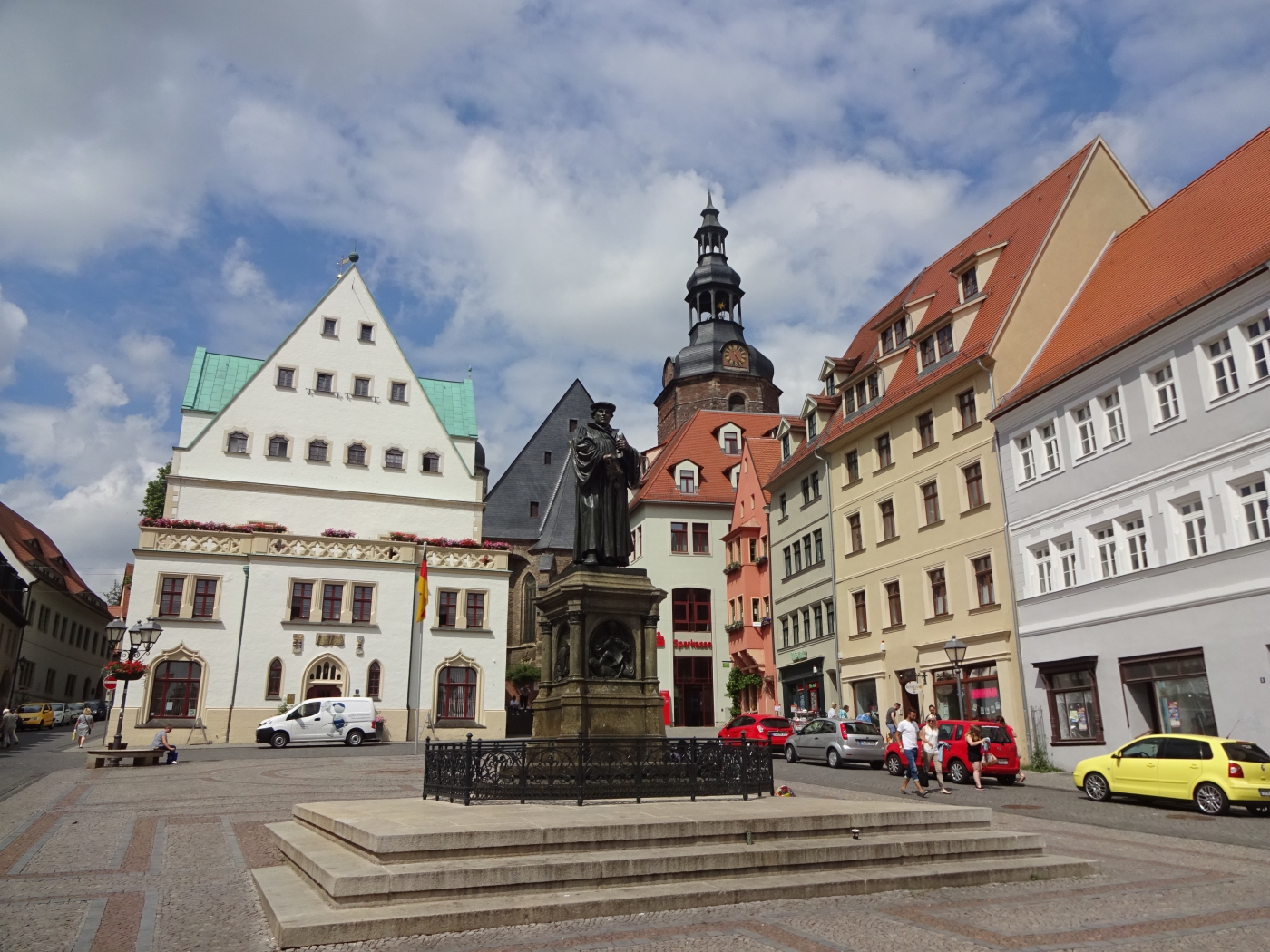
The town of Lutherstadt Eisleben, nestled in the heart of Saxony-Anhalt, Germany, holds immense historical and spiritual significance as the very beginning and end point of one of history's most transformative figures, Martin Luther. This UNESCO World Heritage site is not merely a collection of old buildings, but a vivid testament to the life and work of the man who ignited the Reformation and profoundly reshaped Christianity and European history.
The Cradle of the Reformation
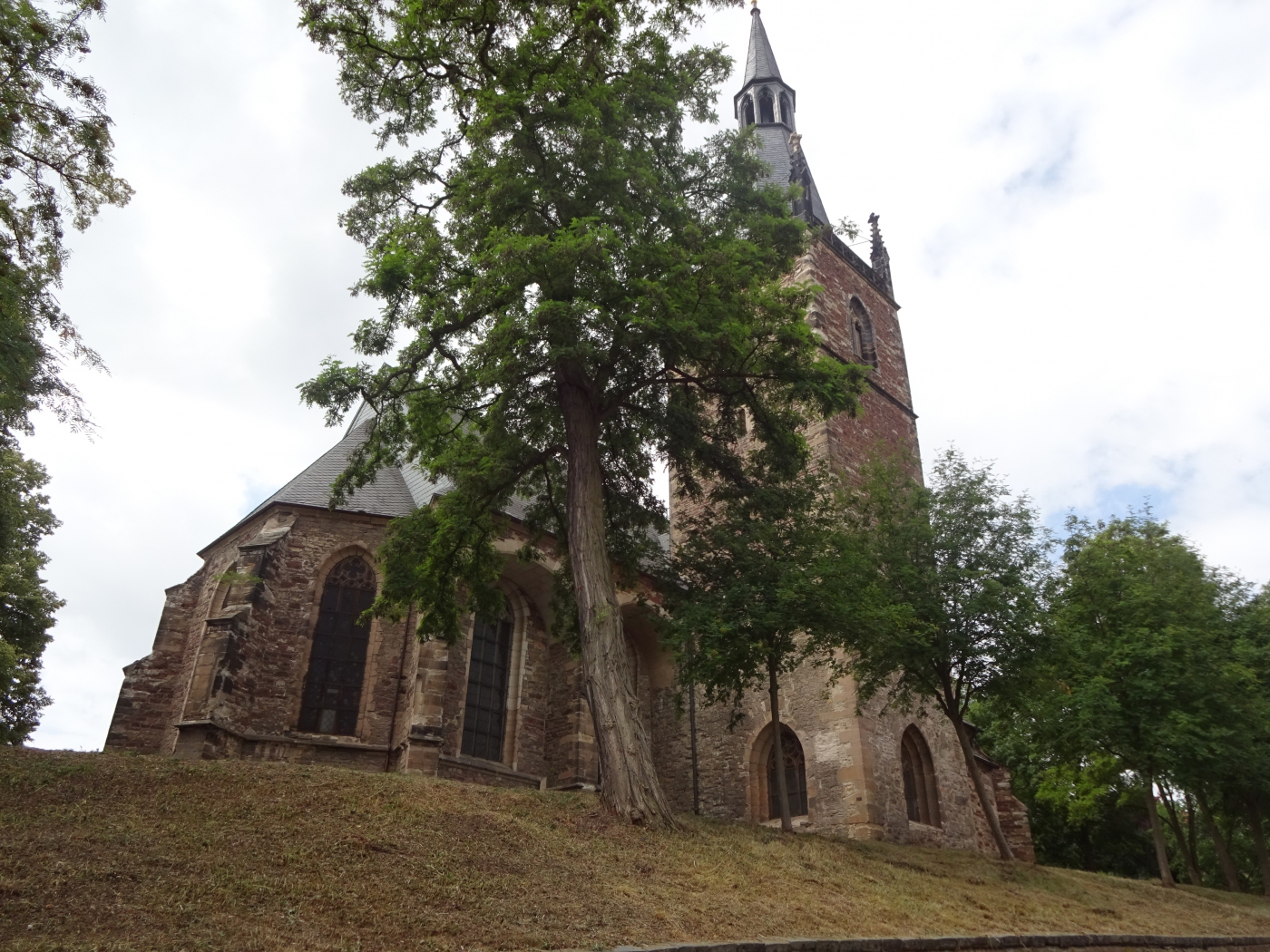
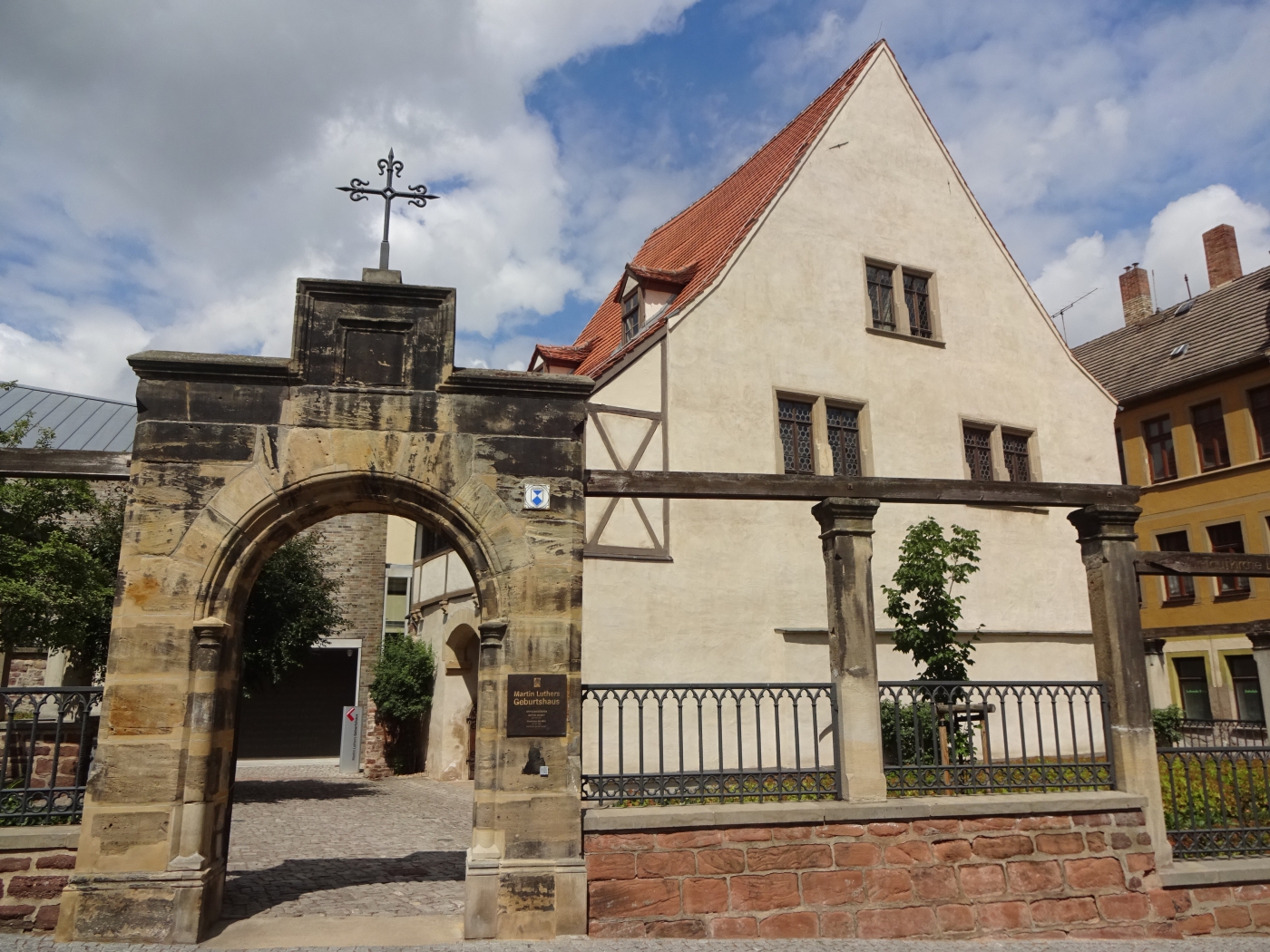
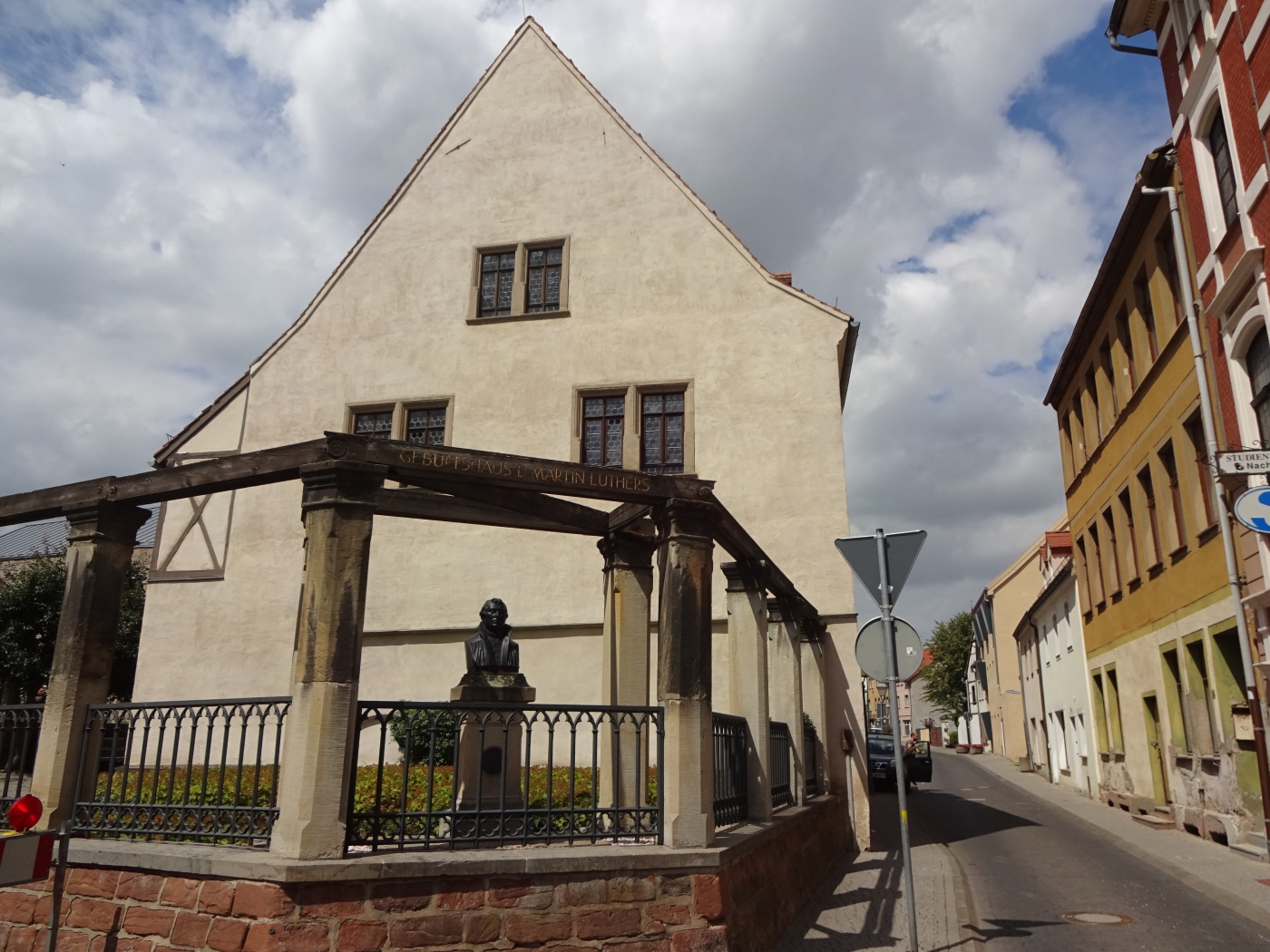
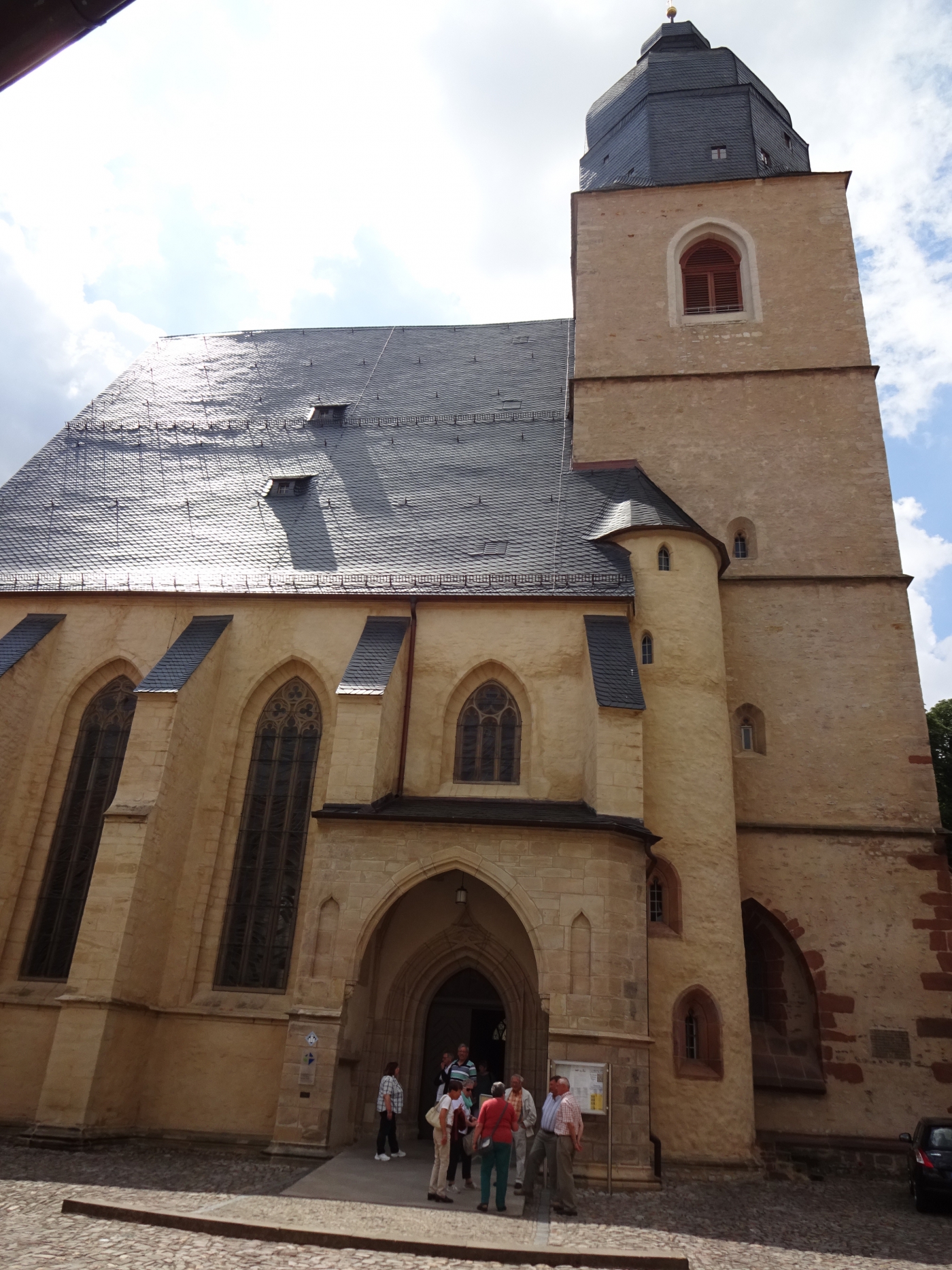
It was in Eisleben that Martin Luther first saw the light of day on November 10, 1483. Though his parents, Hans and Margarethe Luder, were only briefly staying in the town, his birth here forever linked his name with this place. The modest home where he was born, now known as Luther's Birth House, has been meticulously preserved and transformed into a museum, offering profound insights into the social and cultural context of late medieval life and the early years of the Reformer. Just a short distance away, St. Peter and Paul's Church stands, where the infant Martin was baptized the very next day, a pivotal moment in his nascent life.
A Life's Full Circle
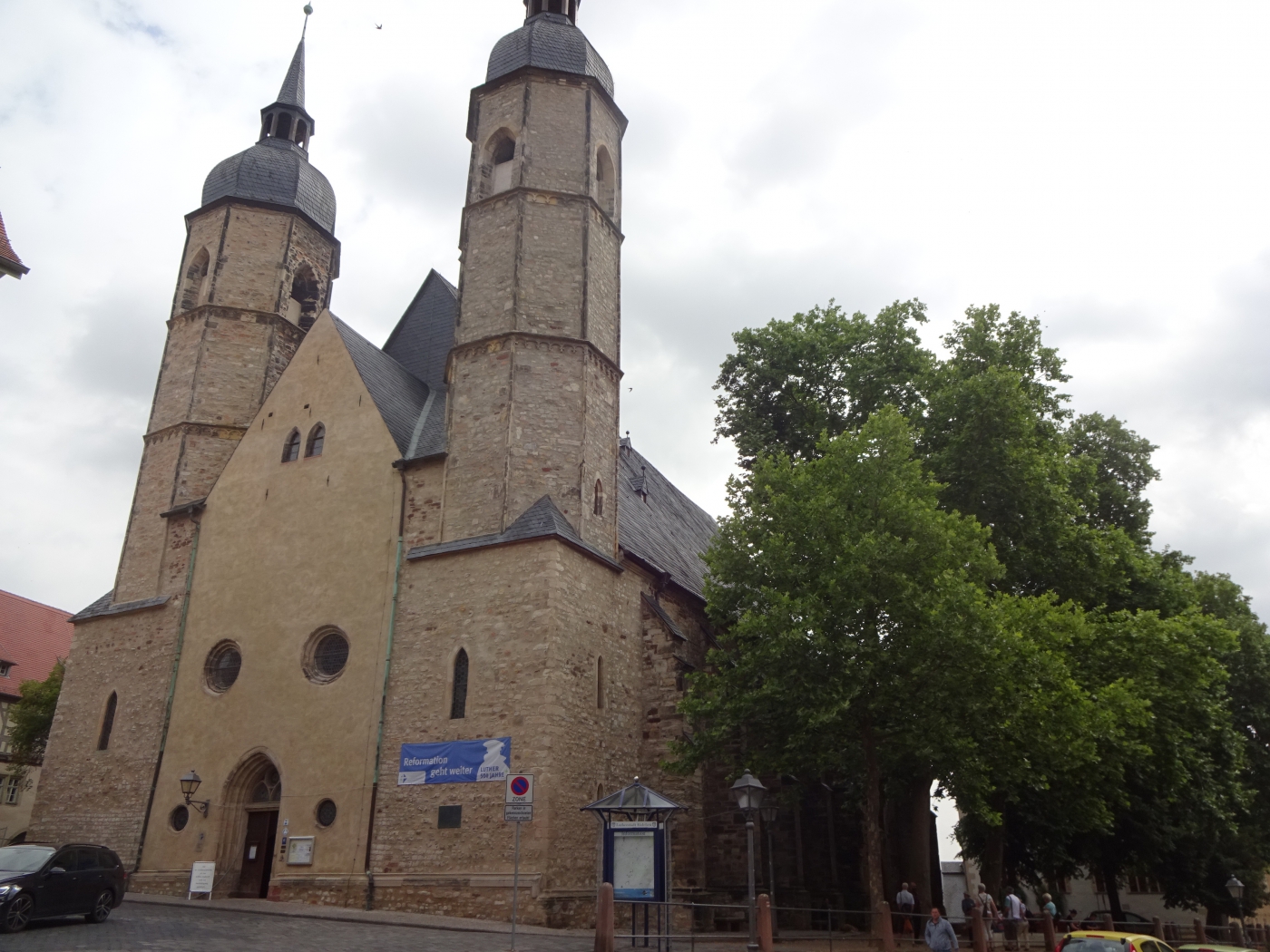
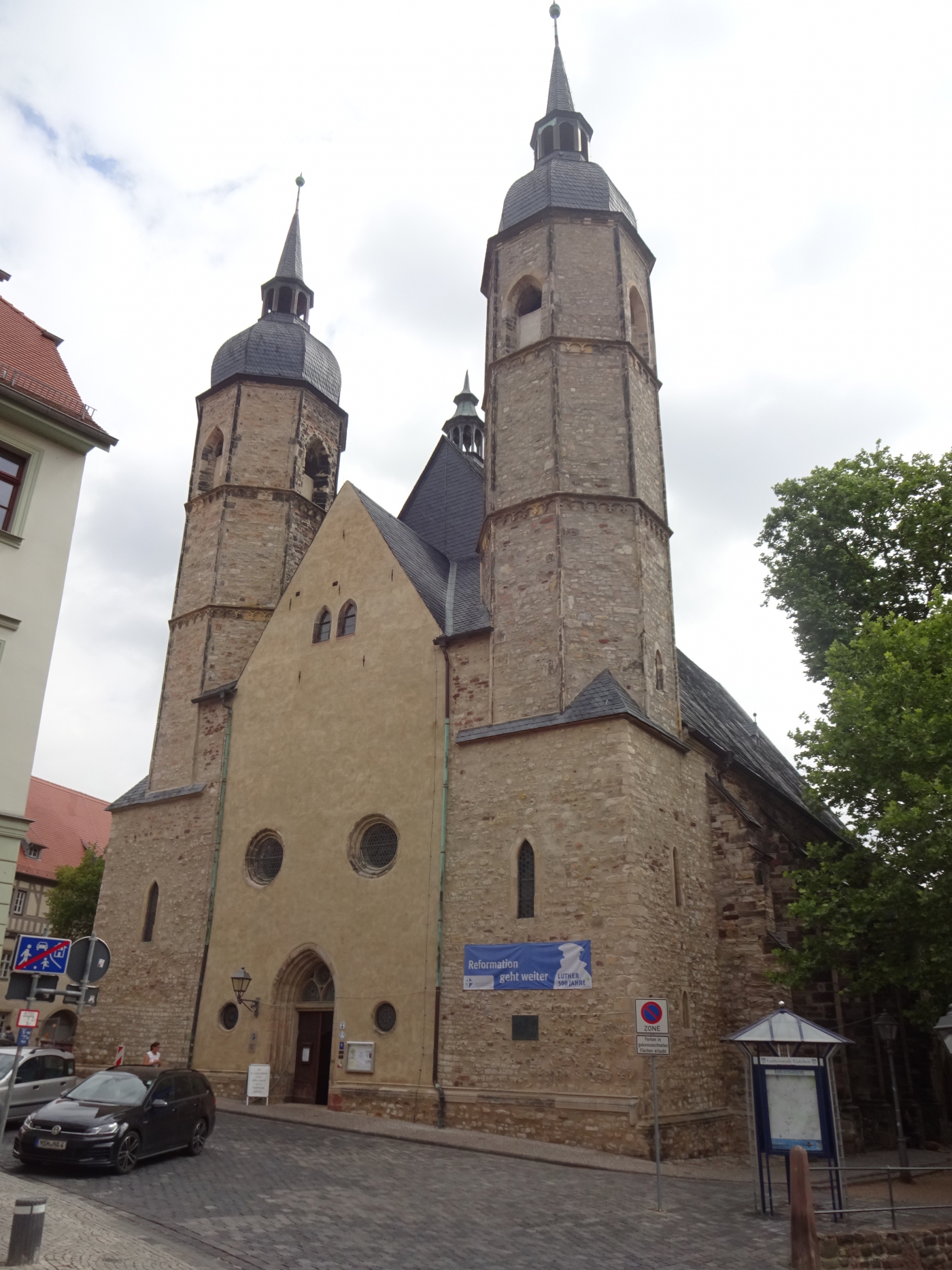
Remarkably, Eisleben was also where Martin Luther concluded his earthly journey. In 1546, he returned to his birthplace to mediate a dispute between the Counts of Mansfeld. Despite failing health, he continued to preach passionately, delivering his final four sermons in St. Andrew's Church. It was here, in the town of his birth, that he passed away on February 18, 1546. The house where he died, now known as Luther's Death House, is another crucial part of the World Heritage ensemble. Like his birth house, it serves as a museum, carefully curated to commemorate his final hours and legacy.
Enduring Legacy
Together, Luther's Birth House and Luther's Death House, along with St. Peter and Paul's Church and St. Andrew's Church, form the core of the UNESCO World Heritage designation "Luther Memorials in Central Germany". These sites are not just monuments; they are powerful reminders of Luther's profound impact on theology, language, and culture. Visiting them provides a tangible connection to the man whose courage to challenge established doctrines reshaped the world, making Lutherstadt Eisleben an essential pilgrimage site for anyone seeking to understand the Reformation.
Weiterführende Links
These places in Saxony-Anhalt are all associated with the lives of Martin Luther and his fellow-reformer Melanchthon. They include Melanchthon's house in Wittenberg, the houses in Eisleben where Luther was born in 1483 and died in 1546, his room in Wittenberg, the local church and the castle church where, on 31 October 1517, Luther posted his famous '95 Theses', which launched the Reformation and a new era in the religious and political history of the Western world.
A Lutherstadt (German pronunciation: [ˈluːtɐʃtat], lit. 'Luther city' or 'Luther town'; plural Lutherstädte) is a city German protestant reformer Martin Luther visited or played an important role in. Two cities, Lutherstadt Eisleben and Lutherstadt Wittenberg, have "Lutherstadt" in their official names, while Mansfeld-Lutherstadt is the unofficial name of a district in Mansfeld. These three places which were important in Luther's life were awarded the "European Heritage Label".