
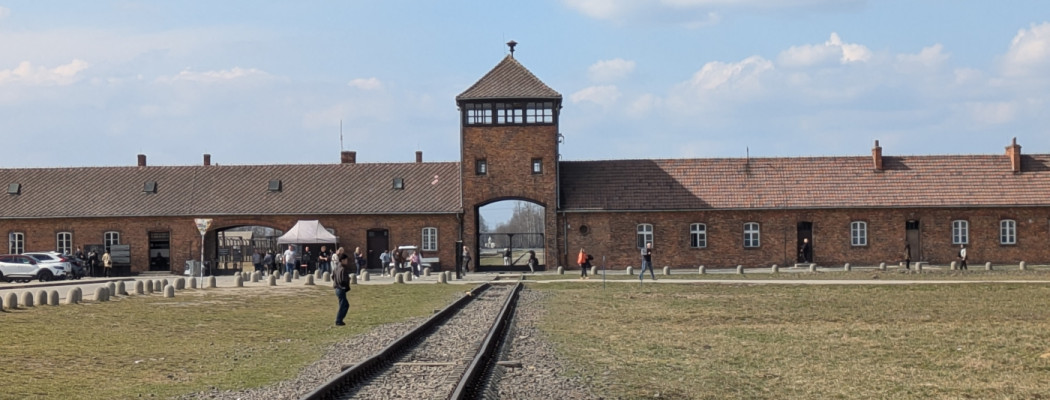
Auschwitz Birkenau German Nazi Concentration and Extermination Camp (1940-1945)
About the World Heritage
The former German Nazi concentration and extermination camp, officially known as Auschwitz-Birkenau, is located in Oświęcim, Poland. This site, inscribed on the UNESCO World Heritage List in 1979, stands as an indelible testament to the atrocities committed during World War II and the Holocaust. It serves as a stark warning to humanity, preserving the physical evidence of systematic genocide and the suffering of millions.
Establishment and Expansion
Originally established in May 1940 by Nazi Germany, Auschwitz I was initially intended to house Polish political prisoners. However, under the command of Heinrich Himmler, Reichsführer-SS, and subsequently the commandant Rudolf Höss, the complex rapidly expanded and evolved into the largest of the German Nazi concentration camps. Its primary purpose shifted to the extermination of Jews from across Europe, alongside Poles, Roma, Soviet prisoners of war, and other victims deemed undesirable by the Nazi regime.
The Three Main Camps
The sprawling complex comprised three main camps: Auschwitz I, the administrative centre and initial camp; Auschwitz II-Birkenau, the primary extermination camp where the vast majority of victims were murdered in gas chambers; and Auschwitz III-Monowitz, a forced labour camp connected to the German industrial conglomerate IG Farben, which operated a synthetic rubber and fuel plant. Birkenau, with its infamous gatehouse and railway tracks, became the epicentre of the "Final Solution." Here, an estimated 1.1 million people were murdered, approximately 90% of whom were Jews.
Life and Death in the Camp
Prisoners faced unimaginable brutality, starvation, forced labour, torture, and medical experiments, particularly under figures like SS doctor Josef Mengele. Upon arrival, victims, primarily Jews, were subjected to selections, with many immediately sent to the gas chambers, disguised as showers. Their bodies were then incinerated in large crematoria. The remnants of these facilities, along with the barracks, watchtowers, and barbed wire fences, remain as haunting reminders of the industrial scale of death orchestrated here.
Liberation and Legacy
On January 27, 1945, the camp was liberated by the Soviet Red Army. They found thousands of emaciated survivors, along with extensive evidence of the crimes committed. Today, the Auschwitz-Birkenau State Museum preserves the site, ensuring that the memory of the victims is honoured and that future generations understand the consequences of hatred and totalitarianism. The site serves as a vital place of remembrance, education, and reflection on human rights and the prevention of genocide.
Further Reading
The fortified walls, barbed wire, platforms, barracks, gallows, gas chambers and cremation ovens show the conditions within which the Nazi genocide took place in the former concentration and extermination camp of Auschwitz-Birkenau, the largest in the Third Reich. According to historical investigations, 1.5 million people, among them a great number of Jews, were systematically starved, tortured and murdered in this camp, the symbol of humanity's cruelty to its fellow human beings in the 20th century.
Images (32)
click on an image to enlargeVideos
Nearby World Heritage Sites
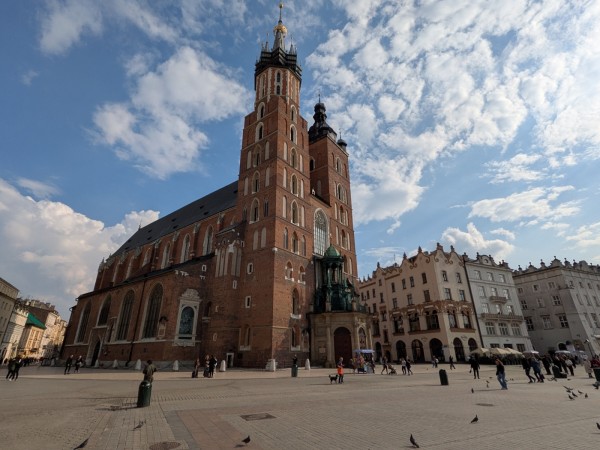 54,48 km
© unescohunt.com
Historic Centre of Kraków
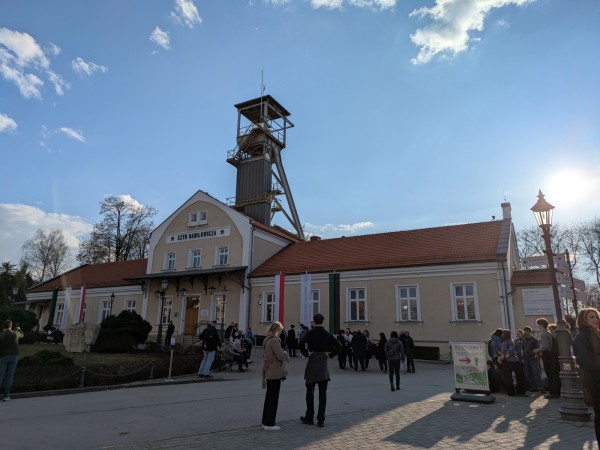 63,87 km
© unescohunt.com
Wieliczka Salt Mine
Wieliczka and Bochnia Royal Salt Mines
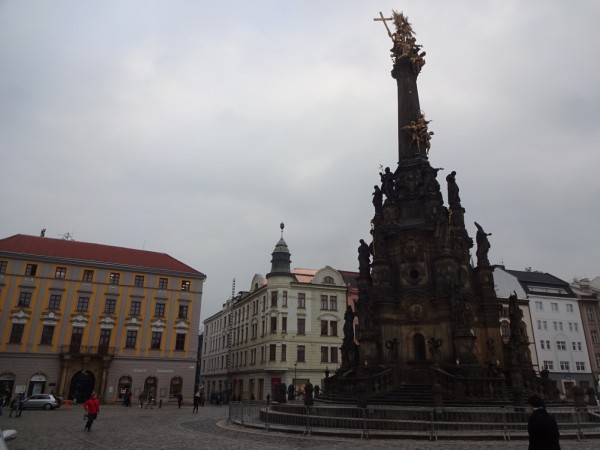 146,67 km
© unescohunt.com
Holy Trinity Column in Olomouc
 152,26 km
© unescohunt.com